
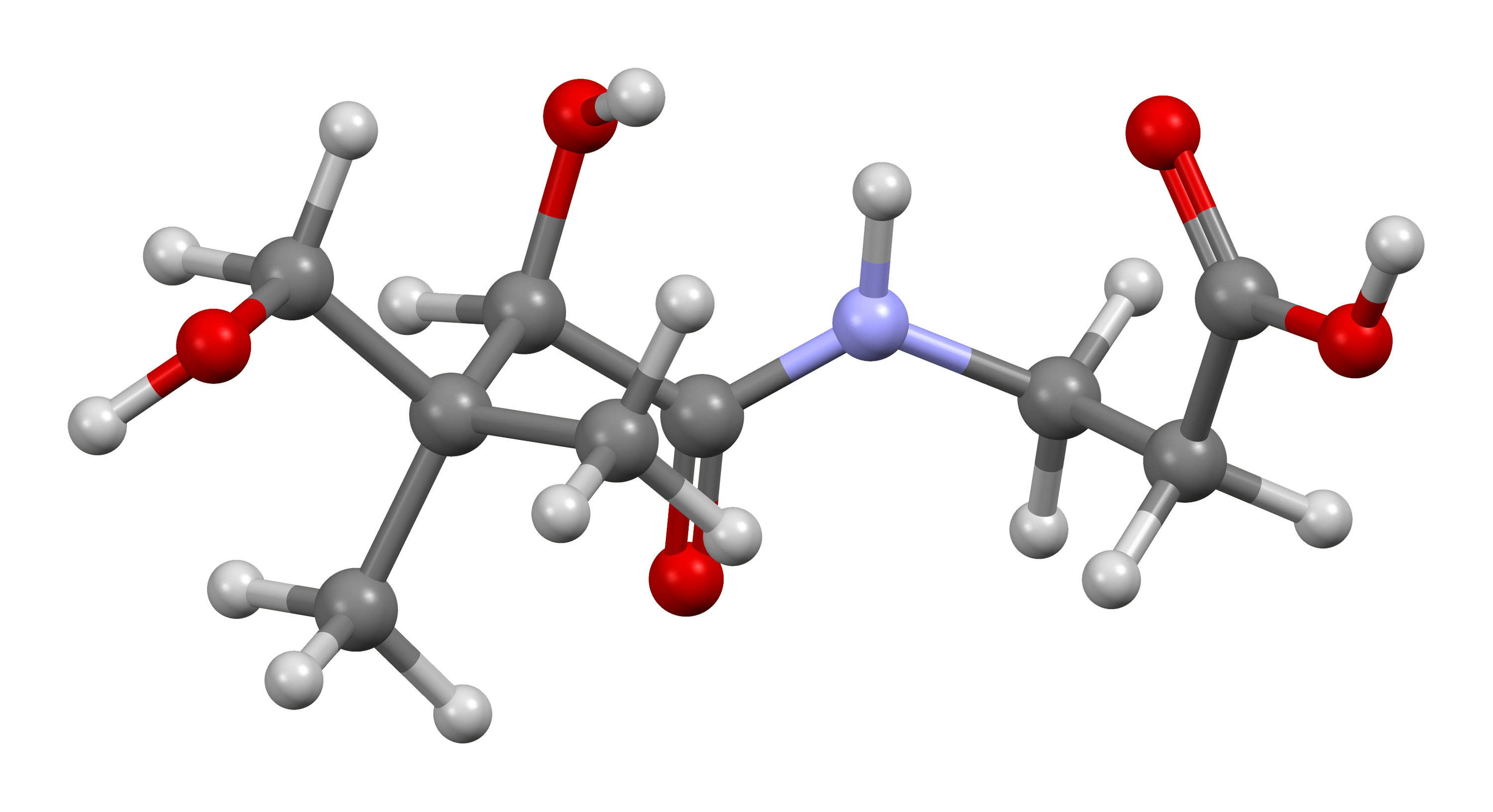
A vitamina B12, também conhecida como cobalamina ou fator extrínseco, é uma vitamina hidrossolúvel envolvida no metabolismo. Uma das oito vitaminas do complexo B, ela serve como um cofator vital na síntese de DNA e no metabolismo de ácidos graxos e aminoácidos. Ela desempenha um papel essencial no sistema nervoso ao apoiar a síntese de mielina e é fundamental para a maturação dos glóbulos vermelhos na medula óssea. Embora os animais necessitem de B12, as plantas não, dependendo, em vez disso, de vias enzimáticas alternativas.
Introdução
O que você precisa saber de cara
Visão geral
A deficiência do transportador multivitamínico dependente de sódio é uma doença genética rara que afeta o transporte de vitaminas essenciais para o cérebro e outros tecidos. Essa condição leva a problemas neurológicos graves, como atraso no desenvolvimento, convulsões e alterações na estrutura do cérebro. A doença é causada por alterações em um gene específico, mas o padrão de herança ainda não foi completamente definido.[1][2]
Sinais e sintomas
Os sinais e sintomas da deficiência do transportador multivitamínico dependente de sódio incluem: atraso global do desenvolvimento, microcefalia (cabeça menor que o esperado), convulsões, espasticidade (rigidez muscular), nistagmo (movimentos oculares involuntários), controle cefálico pobre, vômitos episódicos, neuropatia periférica (danos nos nervos das extremidades) e baqueteamento dos dedos (alargamento das pontas dos dedos). Exames de imagem podem mostrar hipoplasia da ponte (subdesenvolvimento de uma região do tronco cerebral), hipoplasia do corpo caloso, atrofia cerebelar, atrofia cerebral, polimicrogiria (excesso de dobras no cérebro) e cisterna magna aumentada. Também pode haver níveis diminuídos de IgG circulante (um tipo de anticorpo) e necessidade de alimentação por gastrostomia na infância.[1][4]
Causas genéticas
A deficiência do transportador multivitamínico dependente de sódio é causada por alterações (mutações) no gene responsável pela produção da proteína transportadora de multivitaminas dependente de sódio. Esse gene ainda não teve seu símbolo oficial confirmado nas fontes disponíveis, mas a condição está associada a um padrão de herança que ainda está sendo estudado. A doença é classificada no OMIM com o código 618973 e no MONDO como MONDO:0033546.[1][2][5]
Diagnóstico
O diagnóstico da deficiência do transportador multivitamínico dependente de sódio é baseado na avaliação clínica dos sintomas neurológicos e nos achados de exames de imagem do cérebro, como ressonância magnética. A confirmação genética pode ser feita por meio de testes genéticos que identificam mutações no gene associado à doença. Não há informações disponíveis sobre variantes específicas no ClinVar ou sobre testes genéticos padronizados no Brasil.[1][2][5]
Tratamento e manejo
Atualmente, não há um tratamento específico ou medicamento aprovado para a deficiência do transportador multivitamínico dependente de sódio. O manejo é focado no controle dos sintomas, como o uso de anticonvulsivantes para as convulsões, fisioterapia para espasticidade e suporte nutricional, incluindo alimentação por gastrostomia quando necessário. O acompanhamento deve ser multidisciplinar, envolvendo neurologistas, geneticistas, fisioterapeutas e nutricionistas. No Brasil, a doença não possui cobertura pelo Sistema Único de Saúde (SUS) para procedimentos específicos.[1][2]
Prognóstico e qualidade de vida
O prognóstico da deficiência do transportador multivitamínico dependente de sódio é reservado, devido à gravidade dos sintomas neurológicos e ao atraso global do desenvolvimento. Muitas crianças necessitam de cuidados intensivos ao longo da vida, incluindo suporte para alimentação, mobilidade e controle de convulsões. A qualidade de vida pode ser melhorada com intervenções precoces e suporte multidisciplinar, mas a condição geralmente leva a limitações significativas.[1][4]
Conteúdo informativo gerado e mantido automaticamente a partir de fontes oficiais (Orphanet, HPO, OMIM, SUS). Não substitui avaliação médica.
A vitamina B12, também conhecida como cobalamina ou fator extrínseco, é uma vitamina hidrossolúvel envolvida no metabolismo. Uma das oito vitaminas do complexo B, ela serve como um cofator vital na síntese de DNA e no metabolismo de ácidos graxos e aminoácidos. Ela desempenha um papel essencial no sistema nervoso ao apoiar a síntese de mielina e é fundamental para a maturação dos glóbulos vermelhos na medula óssea. Embora os animais necessitem de B12, as plantas não, dependendo, em vez disso, de vias enzimáticas alternativas.
Encontrou um erro ou informação desatualizada? Sugira uma correção →
Entender a doença
Do básico ao detalhe, leia no seu ritmo
Preparando trilha educativa...
Sinais e sintomas
O que aparece no corpo e com que frequência cada sintoma acontece
Visão geral
A deficiência do transportador multivitamínico dependente de sódio é uma doença genética rara que afeta o transporte de vitaminas essenciais para o cérebro e outros tecidos. Essa condição leva a problemas neurológicos graves, como atraso no desenvolvimento, convulsões e alterações na estrutura do cérebro. A doença é causada por alterações em um gene específico, mas o padrão de herança ainda não foi completamente definido.[1][2]
Sinais e sintomas
Os sinais e sintomas da deficiência do transportador multivitamínico dependente de sódio incluem: atraso global do desenvolvimento, microcefalia (cabeça menor que o esperado), convulsões, espasticidade (rigidez muscular), nistagmo (movimentos oculares involuntários), controle cefálico pobre, vômitos episódicos, neuropatia periférica (danos nos nervos das extremidades) e baqueteamento dos dedos (alargamento das pontas dos dedos). Exames de imagem podem mostrar hipoplasia da ponte (subdesenvolvimento de uma região do tronco cerebral), hipoplasia do corpo caloso, atrofia cerebelar, atrofia cerebral, polimicrogiria (excesso de dobras no cérebro) e cisterna magna aumentada. Também pode haver níveis diminuídos de IgG circulante (um tipo de anticorpo) e necessidade de alimentação por gastrostomia na infância.[1][4]
Causas genéticas
A deficiência do transportador multivitamínico dependente de sódio é causada por alterações (mutações) no gene responsável pela produção da proteína transportadora de multivitaminas dependente de sódio. Esse gene ainda não teve seu símbolo oficial confirmado nas fontes disponíveis, mas a condição está associada a um padrão de herança que ainda está sendo estudado. A doença é classificada no OMIM com o código 618973 e no MONDO como MONDO:0033546.[1][2][5]
Diagnóstico
O diagnóstico da deficiência do transportador multivitamínico dependente de sódio é baseado na avaliação clínica dos sintomas neurológicos e nos achados de exames de imagem do cérebro, como ressonância magnética. A confirmação genética pode ser feita por meio de testes genéticos que identificam mutações no gene associado à doença. Não há informações disponíveis sobre variantes específicas no ClinVar ou sobre testes genéticos padronizados no Brasil.[1][2][5]
Tratamento e manejo
Atualmente, não há um tratamento específico ou medicamento aprovado para a deficiência do transportador multivitamínico dependente de sódio. O manejo é focado no controle dos sintomas, como o uso de anticonvulsivantes para as convulsões, fisioterapia para espasticidade e suporte nutricional, incluindo alimentação por gastrostomia quando necessário. O acompanhamento deve ser multidisciplinar, envolvendo neurologistas, geneticistas, fisioterapeutas e nutricionistas. No Brasil, a doença não possui cobertura pelo Sistema Único de Saúde (SUS) para procedimentos específicos.[1][2]
Prognóstico e qualidade de vida
O prognóstico da deficiência do transportador multivitamínico dependente de sódio é reservado, devido à gravidade dos sintomas neurológicos e ao atraso global do desenvolvimento. Muitas crianças necessitam de cuidados intensivos ao longo da vida, incluindo suporte para alimentação, mobilidade e controle de convulsões. A qualidade de vida pode ser melhorada com intervenções precoces e suporte multidisciplinar, mas a condição geralmente leva a limitações significativas.[1][4]
Conteúdo informativo gerado e mantido automaticamente a partir de fontes oficiais (Orphanet, HPO, OMIM, SUS). Não substitui avaliação médica.
Partes do corpo afetadas
+ 5 sintomas em outras categorias
Características mais comuns
Os sintomas variam de pessoa para pessoa. Abaixo estão as 18 características clínicas mais associadas, ordenadas por frequência.
Linha do tempo da pesquisa
Encontrou um erro ou informação desatualizada? Sugira uma correção →
Genética e causas
O que está alterado no DNA e como passa nas famílias
Nenhum gene associado encontrado
Os dados genéticos desta condição ainda estão sendo catalogados.
Diagnóstico
Os sinais que médicos procuram e os exames que confirmam
Tratamento e manejo
Remédios, cuidados de apoio e o que precisa acompanhar
Onde tratar no SUS
Hospitais de referência no Brasil e o protocolo oficial do SUS (PCDT)
🇧🇷 Atendimento SUS — Deficiência do transportador multivitamínico dependente de sódio
Selecione um estado ou use sua localização para ver resultados.
Dados de DATASUS/CNES, SBGM, ABNeuro e Ministério da Saúde. Sempre confirme a disponibilidade diretamente com o estabelecimento.
Pesquisa ativa
Ensaios clínicos abertos e novidades científicas recentes
Pesquisa e ensaios clínicos
Nenhum ensaio clínico registrado para esta condição.
Publicações mais relevantes
SLC5A6 Mutations in Axonal Sensorimotor Polyneuropathy Patients Concurrent With Sodium Dependent Multivitamin Transporter Deficiency and Improved Effects by Multivitamin Therapy.
The SLC5A6 gene encodes a transmembrane protein responsible for transporting biotin, pantothenic acid, and lipoic acid. Mutations in SLC5A6 have shown a wide spectrum of clinical phenotypes, such as sodium-dependent multivitamin transporter deficiency (SMVTD), childhood-onset biotin-responsive peripheral motor neuropathy (COMNB), and mixed axonal and demyelinating sensory motor neuropathy. The purpose of this study was to identify pathogenic SLC5A6 mutations in the Korean CMT cohort. This study performed whole exome sequencing to identify the genetic cause for two independent patients with early onset axonal sensorimotor polyneuropathy and SMVTD. We also examined the therapeutic effects of multivitamin replenishment on a patient with SLC5A6 mutations. We identified compound heterozygous variants of SLC5A6 in two patients (p.Arg94X and p.Phe522Ser in patient 1; p.Cys443Tyr and p.Phe513_Lys515delinsLeu in patient 2). In patient 2, an oral regimen comprising biotin, lipoic acid, and pantothenic acid demonstrated significant therapeutic effects, including cessation of cyclic vomiting, resolution of skin lesions on the fingers, and improvements in muscle weakness affecting both the upper and lower extremities. This study represents the first report of novel heterozygous SLC5A6 mutations in patients with axonal CMT and SMVTD, expanding the phenotypic spectrum associated with SLC5A6 mutations. Notably, we observed significant therapeutic effects from multivitamin treatment in a patient.
Prenatal Brain Abnormalities in Sodium-Dependent Multivitamin Transporter Deficiency.
In treatable neurometabolic disorders, early diagnosis and prompt initiation of treatment are key to improved survival and outcomes. Biallelic variants in SLC5A6 cause sodium-dependent multivitamin transporter deficiency (OMIM # 618973), which is treatable with high-dose pantothenic acid, biotin, and alpha lipoic acid. So far, the onset has been postnatal in all reported patients. A review of the prenatal imaging showed ventriculomegaly at 32 weeks of gestation. After birth, the infant exhibited developmental regression. At 6 months of age, he developed acute metabolic shock in the setting of a urinary tract infection. Rapid exome analysis identified compound heterozygous pathogenic variants in SLC5A6 and confirmed the diagnosis of sodium-dependent multivitamin transporter deficiency. After the infant was initiated on treatment with high-dose biotin and pantothenic acid, we noted dramatic improvements in the hematological, cutaneous, cardiac, and gastrointestinal symptoms. Although the infant showed no further regression, he continued to have significant psychomotor disability. A review of the findings during pregnancy showed that the infant already had enlarged ventricles in late pregnancy, and neuroimaging on day 12 of birth showed signs of energy failure in late pregnancy. Our review of previously reported patients suggested no clear genotype-phenotype correlations, but there was little intrafamilial variability in disease onset. The present observation, for the first time, provides clinical evidence of a fetal onset in sodium-dependent multivitamin transporter deficiency. The high risk of recurrence and the low intrafamilial variability in disease onset suggest that identification and prenatal treatment in the high-risk group may be of significance.
Expanded Clinical Phenotype and the Role of Untargeted Metabolomics Analysis in Confirming the Diagnosis of Sodium-Dependent Multivitamin Transporter Deficiency.
The sodium-dependent multivitamin transporter (SMVT) is a ubiquitously expressed sodium-solute symporter that transports pantothenic acid, biotin, and α-lipoic acid across the intestinal epithelia and blood-brain barrier. Severe biallelic loss-of-function variants in SLC5A6 (MIM #604024) lead to SMVT deficiency (SMVTD, MIM #618973), which classically presents with developmental delay, brain atrophy, epilepsy, sensorineural hearing loss, peripheral neuropathy, and gastrointestinal, cutaneous, and immunologic abnormalities. We describe a 25-year-old female with autism spectrum disorder (ASD), intellectual disability, agenesis of the corpus callosum (ACC), and epilepsy who presented at 15 years of age with a severe metabolic crisis characterized by hyperammonemia, lactic acidosis, and rhabdomyolysis. Trio exome sequencing (ES) identified compound heterozygous variants in SLC5A6 . Plasma untargeted metabolomics analysis demonstrated reduced pantothenate and coenzyme A with elevated long-chain fatty acids, indicating impaired fatty acid oxidation, functionally validating ES results, and confirming a diagnosis of SMVTD. Targeted replacement with biotin, lipoic acid, and pantothenic acid improved her neurocognitive function and metabolic control. Our patient, the oldest reported at diagnosis, expands the phenotype of SMVTD to include rhabdomyolysis, ACC, and ASD. Our study suggests that integrating ES and untargeted metabolomics in undiagnosed patients with suspected inborn errors of metabolism may help identify this ultra-rare disorder.
Sodium-Dependent Multivitamin Transporter Deficiency.
This case report describes a 3-year-old girl who presented with progressive pruritic, palmoplantar plaques, and periorifical exudative erythema who experienced hair loss, recurrent episodes of pneumonia, and transient thrombocytopenia.
Novel missense variants cause intermediate phenotypes in the phenotypic spectrum of SLC5A6-related disorders.
SLC5A6 encodes the sodium-dependent multivitamin transporter, a transmembrane protein that uptakes biotin, pantothenic acid, and lipoic acid. Biallelic SLC5A6 variants cause sodium-dependent multivitamin transporter deficiency (SMVTD) and childhood-onset biotin-responsive peripheral motor neuropathy (COMNB), which both respond well to replacement therapy with the above three nutrients. SMVTD usually presents with various symptoms in multiple organs, such as gastrointestinal hemorrhage, brain atrophy, and global developmental delay, at birth or in infancy. Without nutrient replacement therapy, SMVTD can be lethal in early childhood. COMNB is clinically milder and has a later onset than SMVTD, at approximately 10 years of age. COMNB symptoms are mostly limited to peripheral motor neuropathy. Here we report three patients from one Japanese family harboring novel compound heterozygous missense variants in SLC5A6, namely NM_021095.4:c.[221C>T];[642G>C] p.[(Ser74Phe)];[(Gln214His)]. Both variants were predicted to be deleterious through multiple lines of evidence, including amino acid conservation, in silico predictions of pathogenicity, and protein structure considerations. Drosophila analysis also showed c.221C>T to be pathogenic. All three patients had congenital brain cysts on neonatal cranial imaging, but no other morphological abnormalities. They also had a mild motor developmental delay that almost completely resolved despite no treatment. In terms of severity, their phenotypes were intermediate between SMVTD and COMNB. From these findings we propose a new SLC5A6-related disorder, spontaneously remitting developmental delay with brain cysts (SRDDBC) whose phenotypic severity is between that of SMVTD and COMNB. Further clinical and genetic evidence is needed to support our suggestion.
Publicações recentes
SLC5A6 Mutations in Axonal Sensorimotor Polyneuropathy Patients Concurrent With Sodium Dependent Multivitamin Transporter Deficiency and Improved Effects by Multivitamin Therapy.
Prenatal Brain Abnormalities in Sodium-Dependent Multivitamin Transporter Deficiency.
Expanded Clinical Phenotype and the Role of Untargeted Metabolomics Analysis in Confirming the Diagnosis of Sodium-Dependent Multivitamin Transporter Deficiency.
Sodium-Dependent Multivitamin Transporter Deficiency.
Novel missense variants cause intermediate phenotypes in the phenotypic spectrum of SLC5A6-related disorders.
📚 EuropePMC4 artigos no totalmostrando 5
SLC5A6 Mutations in Axonal Sensorimotor Polyneuropathy Patients Concurrent With Sodium Dependent Multivitamin Transporter Deficiency and Improved Effects by Multivitamin Therapy.
Journal of the peripheral nervous system : JPNSPrenatal Brain Abnormalities in Sodium-Dependent Multivitamin Transporter Deficiency.
American journal of medical genetics. Part AExpanded Clinical Phenotype and the Role of Untargeted Metabolomics Analysis in Confirming the Diagnosis of Sodium-Dependent Multivitamin Transporter Deficiency.
American journal of medical genetics. Part ASodium-Dependent Multivitamin Transporter Deficiency.
JAMA dermatologyNovel missense variants cause intermediate phenotypes in the phenotypic spectrum of SLC5A6-related disorders.
Journal of human geneticsAssociações
Organizações que acompanham esta doença — pra ter apoio e orientação
Ainda não temos associações cadastradas para Deficiência do transportador multivitamínico dependente de sódio.
É de uma associação que acompanha esta doença? Fale com a gente →
Comunidades
Grupos ativos de quem convive com esta doença aqui no Raras
Ainda não existe comunidade no Raras para Deficiência do transportador multivitamínico dependente de sódio
Pacientes, familiares e cuidadores se organizam em comunidades pra compartilhar experiências, fazer perguntas e se apoiar. Você pode ser o primeiro.
Tire suas dúvidas
Perguntas, dicas e experiências compartilhadas aqui na página
Participe da discussão
Faça login para postar dúvidas, compartilhar experiências e interagir com especialistas.
Fazer loginDoenças relacionadas
Doenças com sintomas parecidos — ajudam quem ainda está buscando diagnóstico
Referências e fontes
Bases de dados externas citadas neste artigo
Publicações científicas
Artigos indexados no PubMed ligados a esta doença no grafo RarasNet — título, periódico e PMID direto da fonte, sem intermediação de IA.
- SLC5A6 Mutations in Axonal Sensorimotor Polyneuropathy Patients Concurrent With Sodium Dependent Multivitamin Transporter Deficiency and Improved Effects by Multivitamin Therapy.
- Prenatal Brain Abnormalities in Sodium-Dependent Multivitamin Transporter Deficiency.
- Expanded Clinical Phenotype and the Role of Untargeted Metabolomics Analysis in Confirming the Diagnosis of Sodium-Dependent Multivitamin Transporter Deficiency.
- Sodium-Dependent Multivitamin Transporter Deficiency.
- Novel missense variants cause intermediate phenotypes in the phenotypic spectrum of SLC5A6-related disorders.
Bases de dados e fontes oficiais
Identificadores e referências canônicas usadas para montar este verbete.
- ORPHA:521268(Orphanet)
- MONDO:0033546(MONDO)
- Busca completa no PubMed(PubMed)
Dados compilados pelo RarasNet a partir de fontes abertas (Orphanet, OMIM, MONDO, PubMed/EuropePMC, ClinicalTrials.gov, DATASUS, PCDT/MS). Este conteúdo é informativo e não substitui avaliação médica.
Conteúdo mantido por Agente Raras · Médicos e pesquisadores podem colaborar
Deficiência do transportador multivitamínico dependente de sódio
📋 Origem dos dados
Esta página agrega dados de fontes públicas e oficiais. Dados sobre cobertura no SUS (PCDT, CEAF) são verificados ativamente por agente proativo (ver badge no infobox). Demais dados têm atribuição de fonte + data da última sincronização — clique para abrir o original.
- Doença rara (ontologia)
- fonte: Orphanet
- Identificador unificado
- fonte: MONDO
- Genética mendeliana
- fonte: OMIM