
Forma autossômica dominante de surdez não sindrômica.
Introdução
O que você precisa saber de cara
Forma autossômica dominante de surdez não sindrômica.
Escala de raridade
<1/50kMuito rara
1/20kRara
1/10kPouco freq.
1/5kIncomum
1/2k
Encontrou um erro ou informação desatualizada? Sugira uma correção →
Entender a doença
Do básico ao detalhe, leia no seu ritmo
Preparando trilha educativa...
Sinais e sintomas
O que aparece no corpo e com que frequência cada sintoma acontece
Partes do corpo afetadas
+ 16 sintomas em outras categorias
Características mais comuns
Os sintomas variam de pessoa para pessoa. Abaixo estão as 53 características clínicas mais associadas, ordenadas por frequência.
Encontrou um erro ou informação desatualizada? Sugira uma correção →
Genética e causas
O que está alterado no DNA e como passa nas famílias
Genes associados
60 genes identificados com associação a esta condição. Padrão de herança: Autosomal dominant.
Curadoria gene-doença
fontes oficiaisMultifunctional transporter that transports L-glutamate as well as multiple ions such as chloride, sodium and phosphate (PubMed:12151341, PubMed:33440152). At the synaptic vesicle membrane, mainly functions as an uniporter that mediates the uptake of L-glutamate into synaptic vesicles at presynaptic nerve terminals of excitatory neural cells (PubMed:12151341). The L-glutamate uniporter activity is electrogenic and is driven by the proton electrochemical gradient, mainly by the electrical gradien
Cytoplasmic vesicle, secretory vesicle, synaptic vesicle membraneCell membraneSynapse, synaptosome
Deafness, autosomal dominant, 25
A form of non-syndromic sensorineural hearing loss. Sensorineural deafness results from damage to the neural receptors of the inner ear, the nerve pathways to the brain, or the area of the brain that receives sound information. DFNA25 expression is variable in terms of onset and rate of progression, with an age-dependent penetrance resembling an early-onset presbycusis, or senile deafness, a progressive bilateral loss of hearing that occurs in the aged.
Receptor for members of the ephrin-A family. Binds to EFNA3, EFNA4 and EFNA5
Cell membraneSecreted
Deafness, autosomal dominant, 88
A form of non-syndromic, sensorineural hearing loss. Sensorineural hearing loss results from damage to the neural receptors of the inner ear, the nerve pathways to the brain, or the area of the brain that receives sound information. DFNA88 is characterized by postlingual, progressive and severe hearing loss with tinnitus.
Cation-chloride cotransporter which mediates the electroneutral transport of chloride, potassium and/or sodium ions across the membrane (PubMed:16669787, PubMed:32081947, PubMed:32294086, PubMed:33597714, PubMed:35585053, PubMed:36239040, PubMed:36306358, PubMed:7629105). Plays a vital role in the regulation of ionic balance and cell volume (PubMed:16669787, PubMed:32081947, PubMed:32294086, PubMed:7629105)
Basolateral cell membrane
Deafness, autosomal dominant, 78
A form of non-syndromic deafness characterized by congenital, profound bilateral sensorineural hearing loss affecting all frequencies. Some patients may have mild motor delay early in life due to vestibular dysfunction. Sensorineural hearing loss results from damage to the neural receptors of the inner ear, the nerve pathways to the brain, or the area of the brain that receives sound information.
Actin nucleation and elongation factor required for the assembly of F-actin structures, such as actin cables and stress fibers (By similarity). Binds to the barbed end of the actin filament and slows down actin polymerization and depolymerization (By similarity). Required for cytokinesis, and transcriptional activation of the serum response factor (By similarity). DFR proteins couple Rho and Src tyrosine kinase during signaling and the regulation of actin dynamics (By similarity). Functions as a
Cell membraneCell projection, ruffle membraneCytoplasm, cytoskeletonCytoplasm, cytoskeleton, microtubule organizing center, centrosomeCytoplasm, cytoskeleton, spindleCytoplasmNucleus
Deafness, autosomal dominant 1, with or without thrombocytopenia
A form of non-syndromic sensorineural hearing loss. Sensorineural deafness results from damage to the neural receptors of the inner ear, the nerve pathways to the brain, or the area of the brain that receives sound information. Patients may have mild thrombocytopenia and enlarged platelets, although most of DFNA1 affected individuals do not have significant bleeding tendencies.
Transcriptional regulator. Activates E box-dependent transcription in collaboration with TCF3/E47, but the activity is completely antagonized by the negative regulator of neurogenesis HES1. Plays a role in the differentiation of subsets of neural cells by activating E box-dependent transcription (By similarity)
Nucleus
Deafness, autosomal dominant, 89
An autosomal dominant form of non-syndromic deafness characterized by progressive hearing loss, with onset at birth or early childhood.
Phosphorylates phosphatidylinositol (PI) in the first committed step in the production of the second messenger inositol-1,4,5,-trisphosphate (PIP). May regulate Golgi disintegration/reorganization during mitosis, possibly via its phosphorylation. Involved in Golgi-to-plasma membrane trafficking (By similarity) (PubMed:10559940, PubMed:11277933, PubMed:12749687, PubMed:9405935). May play an important role in the inner ear development (Microbial infection) Plays an essential role in Aichi virus RN
Endomembrane systemMitochondrion outer membraneRough endoplasmic reticulum membraneGolgi apparatusGolgi apparatus membraneCytoplasm, perinuclear region
Deafness, autosomal dominant, 87
A form of non-syndromic, sensorineural hearing loss. Sensorineural hearing loss results from damage to the neural receptors of the inner ear, the nerve pathways to the brain, or the area of the brain that receives sound information. DFNA87 is characterized by prelingual, profound sensorineural hearing loss with inner ear anomalies, including cochlear maldevelopment, absence of the osseous spiral lamina, and/or an enlarged vestibular aqueduct.
Acts as a transcriptional activator by binding to an A/T-rich sequence, the FLAT element, in the insulin gene promoter. Required for development of the roof plate and, in turn, for specification of dorsal cell fates in the CNS and developing vertebrae (By similarity)
Nucleus
Deafness, autosomal dominant, 7
A form of non-syndromic sensorineural hearing loss. Sensorineural deafness results from damage to the neural receptors of the inner ear, the nerve pathways to the brain, or the area of the brain that receives sound information. DFNA7 is a progressive form with highly variable age at onset and severity, even within families. The age at onset ranges from congenital to mid-adulthood.
Transcriptional repressor which binds neuron-restrictive silencer element (NRSE) and represses neuronal gene transcription in non-neuronal cells (PubMed:11741002, PubMed:11779185, PubMed:12399542, PubMed:26551668, PubMed:7697725, PubMed:7871435, PubMed:8568247). Restricts the expression of neuronal genes by associating with two distinct corepressors, SIN3A and RCOR1, which in turn recruit histone deacetylase to the promoters of REST-regulated genes (PubMed:10449787, PubMed:10734093). Mediates re
NucleusCytoplasm
Wilms tumor 6
A pediatric malignancy of kidney, and the most common childhood abdominal malignancy. It is caused by the uncontrolled multiplication of renal stem, stromal, and epithelial cells.
Actin-dependent motor protein with a protein kinase activity, playing an essential role in hearing (PubMed:12032315, PubMed:29880844, PubMed:34788109). Probably also plays a role in vision. Required for normal cochlear hair bundle development and hearing. Plays an important role in the early steps of cochlear hair bundle morphogenesis. Influences the number and lengths of stereocilia to be produced and limits the growth of microvilli within the forming auditory hair bundles thereby contributing
Cytoplasm, cytoskeletonCytoplasmCell projection, filopodium tipCell projection, stereocilium
Deafness, autosomal recessive, 30
A form of non-syndromic deafness characterized by bilateral progressive hearing loss, which first affects the high frequencies. Hearing loss begins in the second decade, and by age 50 is severe in high and middle frequencies and moderate at low frequencies.
Acts as an inhibitor of the small GTPase RHOA and plays several roles in the regulation of myoblast and hair cell differentiation, lymphocyte T proliferation and neutrophil polarization (PubMed:17150207, PubMed:23241886, PubMed:24687993, PubMed:24958875, PubMed:25588844, PubMed:27556504). Inhibits chemokine-induced T lymphocyte responses, such as cell adhesion, polarization and migration (PubMed:23241886). Involved also in the regulation of neutrophil polarization, chemotaxis and adhesion (By si
CytoplasmCytoplasm, cytoskeletonCell projection, filopodiumCell projection, stereociliumCell projection, stereocilium membraneApical cell membrane
Deafness, autosomal recessive, 104
A form of non-syndromic sensorineural hearing loss. Sensorineural deafness results from damage to the neural receptors of the inner ear, the nerve pathways to the brain, or the area of the brain that receives sound information.
Plays a major role in early metanephros and genital development
Membrane
Renal hypodysplasia/aplasia 3
A severe, autosomal dominant disease encompassing a spectrum of kidney development defects. Clinical manifestations are highly variable and include bilateral or unilateral renal agenesis, renal aplasia, hypoplasia, (cystic) dysplasia, severe obstructive uropathy, and vesicoureteral reflux. Bilateral renal agenesis is almost invariably fatal in utero or in the perinatal period. Unilateral renal agenesis can lead to future health issues including end-stage renal disease.
Structural component of gap junctions (PubMed:16849369, PubMed:17551008, PubMed:19340074, PubMed:19384972, PubMed:21094651, PubMed:26753910). Gap junctions are dodecameric channels that connect the cytoplasm of adjoining cells. They are formed by the docking of two hexameric hemichannels, one from each cell membrane (PubMed:17551008, PubMed:19340074, PubMed:21094651, PubMed:26753910). Small molecules and ions diffuse from one cell to a neighboring cell via the central pore (PubMed:16849369, PubM
Cell membraneCell junction, gap junction
Deafness, autosomal recessive, 1A
A form of non-syndromic sensorineural hearing loss. Sensorineural deafness results from damage to the neural receptors of the inner ear, the nerve pathways to the brain, or the area of the brain that receives sound information.
Deubiquitinase that recognizes and hydrolyzes the peptide bond at the C-terminal Gly of ubiquitin. Involved in the processing of polyubiquitin precursors as well as that of ubiquitinated proteins (PubMed:16214042, PubMed:34059922). Plays a role in the regulation of NF-kappa-B activation by TNF receptor superfamily via its interactions with RELA and TRAF2. May also play a regulatory role at postsynaptic sites. Plays an important role in cell cycle progression by deubiquitinating Aurora B/AURKB an
CytoplasmNucleusCell projection, cilium
Deafness, autosomal dominant, 85
A form of non-syndromic, sensorineural hearing loss. Sensorineural hearing loss results from damage to the neural receptors of the inner ear, the nerve pathways to the brain, or the area of the brain that receives sound information. DFNA85 is characterized by progressive hearing loss, with onset in childhood or young adulthood.
May serve as a scaffold protein for MADD and RAB3GA on synaptic vesicles (PubMed:11809763). Plays a role in the brain as a key controller of neuronal and endocrine homeostatic processes (By similarity)
Cytoplasmic vesicle, secretory vesicle, synaptic vesicle membraneCytoplasmic vesicle, secretory vesicle, neuronal dense core vesicle
Polyendocrine-polyneuropathy syndrome
A progressive endocrine and neurodevelopmental disorder manifesting early in childhood with growth retardation and recurrent episodes of profound asymptomatic hypoglycemia. PEPNS is characterized by central hypothyroidism, hypogonadotropic hypogonadism, incomplete puberty, progressive non-autoimmune insulin-dependent diabetes mellitus, peripheral demyelinating sensorimotor polyneuropathy, and cerebellar and pyramidal signs.
Adapter protein, which is found in various multiprotein chromatin complexes with histone acetyltransferase activity (HAT), which gives a specific tag for epigenetic transcription activation. Component of the NuA4 histone acetyltransferase complex which is responsible for acetylation of nucleosomal histones H4 and H2A. Plays a central role in MYC transcription activation, and also participates in cell transformation by MYC. Required for p53/TP53-, E2F1- and E2F4-mediated transcription activation.
Nucleus
Ligand for the receptor-type protein-tyrosine kinase KIT. Plays an essential role in the regulation of cell survival and proliferation, hematopoiesis, stem cell maintenance, gametogenesis, mast cell development, migration and function, and in melanogenesis. KITLG/SCF binding can activate several signaling pathways. Promotes phosphorylation of PIK3R1, the regulatory subunit of phosphatidylinositol 3-kinase, and subsequent activation of the kinase AKT1. KITLG/SCF and KIT also transmit signals via
Cell membraneCytoplasmCytoplasm, cytoskeletonCell projection, lamellipodiumCell projection, filopodiumSecreted
Hyperpigmentation with or without hypopigmentation, familial progressive
A disorder characterized by hyperpigmented patches in the skin, present in early infancy and increasing in size and number with age. Hyperpigmentation has variable intensity, and sometimes is associated with cafe-au-lait macules and larger hypopigmented ash-leaf macules.
Catalyzes the NAD(P)H-dependent reduction of imine double bonds of a number of cyclic ketimine substrates, including sulfur-containing cyclic ketimines (PubMed:21332720, PubMed:25931162). Under physiological conditions, it efficiently catalyzes delta(1)-piperideine-2-carboxylate (P2C) and delta(1)-pyrroline-2-carboxylate (Pyr2C) reduction, suggesting a central role in lysine and glutamate metabolism (PubMed:25931162). Additional substrates are delta(2)-thiazoline-2-carboxylate (T2C), 3,4-dehydro
Cytoplasm
Deafness, autosomal dominant, 40
A form of non-syndromic sensorineural hearing loss. Sensorineural deafness results from damage to the neural receptors of the inner ear, the nerve pathways to the brain, or the area of the brain that receives sound information.
Involved in EGFR signaling
Cytoplasm
Deafness, autosomal dominant, 44
A form of non-syndromic deafness characterized by initially moderate hearing loss that affects mainly low to mid frequencies. Later, it progresses to involve all the frequencies and leads to a profound hearing loss by the 6th decade.
Promotes apoptosis by activating caspases in the cytochrome c/Apaf-1/caspase-9 pathway. Acts by opposing the inhibitory activity of inhibitor of apoptosis proteins (IAP). Inhibits the activity of BIRC6/BRUCE by inhibiting its binding to caspases (PubMed:15200957, PubMed:36758104, PubMed:36758105, PubMed:36758106) Attenuates the stability and apoptosis-inhibiting activity of XIAP/BIRC4 by promoting XIAP/BIRC4 ubiquitination and degradation through the ubiquitin-proteasome pathway. Also disrupts X
MitochondrionCytoplasm, cytosol
Deafness, autosomal dominant, 64
A form of non-syndromic sensorineural hearing loss. Sensorineural deafness results from damage to the neural receptors of the inner ear, the nerve pathways to the brain, or the area of the brain that receives sound information.
Postsynaptic density scaffolding protein. Binds and cross-links cytoplasmic regions of GRM1, GRM5, ITPR1, DNM3, RYR1, RYR2, SHANK1 and SHANK3. By physically linking GRM1 and GRM5 with ER-associated ITPR1 receptors, it aids the coupling of surface receptors to intracellular calcium release. May also couple GRM1 to PI3 kinase through its interaction with AGAP2. Isoforms can be differently regulated and may play an important role in maintaining the plasticity at glutamatergic synapses (PubMed:98084
CytoplasmCell membranePostsynaptic densitySynapseCell projection, stereocilium
Deafness, autosomal dominant, 68
A form of non-syndromic sensorineural hearing loss with postlingual onset. Sensorineural deafness results from damage to the neural receptors of the inner ear, the nerve pathways to the brain, or the area of the brain that receives sound information.
Choline transporter that plays a role in the choline-acetylcholine system and is required to the efferent innervation of hair cells in the olivocochlear bundle for the maintenance of physiological function of outer hair cells and the protection of hair cells from acoustic injury (By similarity) (PubMed:23651124, PubMed:28013291). Also described as a thiamine pyrophosphate transporter in colon, may mediate the absorption of microbiota-generated thiamine pyrophosphate and contribute to host thiami
MembraneApical cell membrane
Acts as a transcriptional activator (PubMed:18228599). Acts by binding to sequences related to the consensus octamer motif 5'-ATGCAAAT-3' in the regulatory regions of its target genes (PubMed:18228599). Involved in the auditory system development, required for terminal differentiation of hair cells in the inner ear (By similarity)
NucleusCytoplasm
Deafness, autosomal dominant, 15
A form of non-syndromic hearing loss with variable phenotype in terms of age at onset, levels of progression, and shape of audiograms.
Cellular myosin that appears to play a role in cytokinesis, cell shape, and specialized functions such as secretion and capping. Required for cortical actin clearance prior to oocyte exocytosis (By similarity). Promotes cell motility in conjunction with S100A4 (PubMed:16707441). During cell spreading, plays an important role in cytoskeleton reorganization, focal contact formation (in the margins but not the central part of spreading cells), and lamellipodial retraction; this function is mechanic
Cytoplasm, cytoskeletonCytoplasm, cell cortexCytoplasmic vesicle, secretory vesicle, Cortical granuleCell membrane
Macrothrombocytopenia and granulocyte inclusions with or without nephritis or sensorineural hearing loss
An autosomal dominant disorder characterized by thrombocytopenia, giant platelets and Dohle body-like inclusions in peripheral blood leukocytes with variable ultrastructural appearance. Some affected individuals lack leukocyte inclusion bodies on classic staining of peripheral blood smears. Alport syndrome-like features of nephritis, hearing loss, and eye abnormalities are present in some patients.
Precursor of a pore-forming protein that converts non-inflammatory apoptosis to pyroptosis (PubMed:27281216, PubMed:28459430, PubMed:33852854, PubMed:35594856, PubMed:36607699). This form constitutes the precursor of the pore-forming protein: upon cleavage, the released N-terminal moiety (Gasdermin-E, N-terminal) binds to membranes and forms pores, triggering pyroptosis (PubMed:28459430) Pore-forming protein produced by cleavage by CASP3 or granzyme B (GZMB), which converts non-inflammatory apop
Cell membraneCytoplasm, cytosol
Deafness, autosomal dominant, 5
A form of non-syndromic sensorineural hearing loss. Sensorineural deafness results from damage to the neural receptors of the inner ear, the nerve pathways to the brain, or the area of the brain that receives sound information.
One gap junction consists of a cluster of closely packed pairs of transmembrane channels, the connexons, through which materials of low MW diffuse from one cell to a neighboring cell
Cell membraneCell junction, gap junction
Ectodermal dysplasia 2, Clouston type
A form of ectodermal dysplasia, a heterogeneous group of disorders due to abnormal development of two or more ectodermal structures such as hair, teeth, nails and sweat glands, with or without any additional clinical sign. Each combination of clinical features represents a different type of ectodermal dysplasia. ECTD2 is an autosomal dominant condition characterized by atrichosis, nail hypoplasia and deformities, hyperpigmentation of the skin, normal teeth, normal sweat and sebaceous gland function. Palmoplantar hyperkeratosis is a frequent feature. Hearing impairment has been detected in few cases.
Participates in the regulation of cellular Ca(2+) homeostasis, at least partly, by modulating the filling state of the endoplasmic reticulum Ca(2+) store (PubMed:16989814). Negatively regulates the ER stress response and positively regulates the stability of V-ATPase subunits ATP6V1A and ATP1B1 by preventing their degradation through an unknown proteasome-independent mechanism (PubMed:23035048)
Endoplasmic reticulum membraneCytoplasmic vesicle, secretory vesicle
Wolfram syndrome 1
A rare disorder characterized by juvenile-onset insulin-dependent diabetes mellitus with optic atrophy. Other manifestations include diabetes insipidus, sensorineural deafness, dementia, psychiatric illnesses.
One of the major non-collagenous components of the tectorial membrane (By similarity). The tectorial membrane is an extracellular matrix of the inner ear that covers the neuroepithelium of the cochlea and contacts the stereocilia bundles of specialized sensory hair cells. Sound induces movement of these hair cells relative to the tectorial membrane, deflects the stereocilia and leads to fluctuations in hair-cell membrane potential, transducing sound into electrical signals
Cell membraneSecreted, extracellular space, extracellular matrix
Deafness, autosomal dominant, 12
A form of non-syndromic sensorineural hearing loss. Sensorineural deafness results from damage to the neural receptors of the inner ear, the nerve pathways to the brain, or the area of the brain that receives sound information.
Acts as a component of the MCM2-7 complex (MCM complex) which is the replicative helicase essential for 'once per cell cycle' DNA replication initiation and elongation in eukaryotic cells. Core component of CDC45-MCM-GINS (CMG) helicase, the molecular machine that unwinds template DNA during replication, and around which the replisome is built (PubMed:25661590, PubMed:32453425, PubMed:34694004, PubMed:34700328, PubMed:35585232, PubMed:9305914). The active ATPase sites in the MCM2-7 ring are form
NucleusChromosome
Extracellular matrix protein implicated in guidance of migrating neurons as well as axons during development, synaptic plasticity as well as neuronal regeneration. Promotes neurite outgrowth from cortical neurons grown on a monolayer of astrocytes. Ligand for integrins alpha-8/beta-1, alpha-9/beta-1, alpha-V/beta-3 and alpha-V/beta-6. In tumors, stimulates angiogenesis by elongation, migration and sprouting of endothelial cells (PubMed:19884327)
Secreted, extracellular space, extracellular matrix
Deafness, autosomal dominant, 56
A form of non-syndromic sensorineural hearing loss. Sensorineural deafness results from damage to the neural receptors of the inner ear, the nerve pathways to the brain, or the area of the brain that receives sound information. DFNA56 is characterized by progressive hearing impairment with postlingual onset.
Actins are highly conserved proteins that are involved in various types of cell motility and are ubiquitously expressed in all eukaryotic cells. May play a role in the repair of noise-induced stereocilia gaps thereby maintains hearing sensitivity following loud noise damage (By similarity)
Cytoplasm, cytoskeleton
Deafness, autosomal dominant, 20
A form of non-syndromic sensorineural hearing loss. Sensorineural deafness results from damage to the neural receptors of the inner ear, the nerve pathways to the brain, or the area of the brain that receives sound information.
Tyrosine phosphatase that specifically dephosphorylates 'Tyr-142' of histone H2AX (H2AXY142ph). 'Tyr-142' phosphorylation of histone H2AX plays a central role in DNA repair and acts as a mark that distinguishes between apoptotic and repair responses to genotoxic stress. Promotes efficient DNA repair by dephosphorylating H2AX, promoting the recruitment of DNA repair complexes containing MDC1. Its function as histone phosphatase probably explains its role in transcription regulation during organog
CytoplasmNucleus
Deafness, autosomal dominant, 10
A form of non-syndromic sensorineural hearing loss. Sensorineural deafness results from damage to the neural receptors of the inner ear, the nerve pathways to the brain, or the area of the brain that receives sound information.
Involved in directing the movement of organelles along actin filaments
Cell projection, microvillus
Diarrhea 15, congenital
An autosomal recessive disorder characterized by severe diarrhea manifesting in infancy and resolving by the second year of life.
May play an important role in fibrillogenesis by controlling lateral growth of collagen II fibrils
Secreted, extracellular space, extracellular matrix
Stickler syndrome 2
An autosomal dominant form of Stickler syndrome, an inherited disorder that associates ocular signs with more or less complete forms of Pierre Robin sequence, bone disorders and sensorineural deafness. Ocular disorders may include juvenile cataract, myopia, strabismus, vitreoretinal or chorioretinal degeneration, retinal detachment, and chronic uveitis. Pierre Robin sequence includes an opening in the roof of the mouth (a cleft palate), a large tongue (macroglossia), and a small lower jaw (micrognathia). Bones are affected by slight platyspondylisis and large, often defective epiphyses. Juvenile joint laxity is followed by early signs of arthrosis. The degree of hearing loss varies among affected individuals and may become more severe over time. Syndrome expressivity is variable.
Binds preferentially and cooperatively to pyrimidine rich single-stranded DNA (ss-DNA) (PubMed:21953457, PubMed:23290262, PubMed:31550240). In vitro, required to maintain the copy number of mitochondrial DNA (mtDNA) and plays a crucial role during mtDNA replication by stimulating the activity of the replisome components POLG and TWNK at the replication fork (PubMed:12975372, PubMed:15167897, PubMed:21953457, PubMed:26446790, PubMed:31550240). Promotes the activity of the gamma complex polymerase
MitochondrionMitochondrion matrix, mitochondrion nucleoid
Optic atrophy 13 with retinal and foveal abnormalities
An autosomal dominant disease characterized by visual impairment in association with bilateral optic atrophy. Atrophy of the optic disk indicates a deficiency in the number of nerve fibers which arise in the retina and converge to form the optic disk, optic nerve, optic chiasm and optic tracts. Many OPA13 patients also exhibit retinal pigmentary defects, attenuated retinal vasculature, macular dystrophy, and foveopathy. Some patients may develop additional systemic features, including sensorineural deafness and progressive nephropathy resulting in renal failure.
Mediates export of organic anions and drugs from the cytoplasm (PubMed:10064732, PubMed:11114332, PubMed:16230346, PubMed:7961706, PubMed:9281595). Mediates ATP-dependent transport of glutathione and glutathione conjugates, leukotriene C4, estradiol-17-beta-o-glucuronide, methotrexate, antiviral drugs and other xenobiotics (PubMed:10064732, PubMed:11114332, PubMed:16230346, PubMed:7961706, PubMed:9281595). Confers resistance to anticancer drugs by decreasing accumulation of drug in cells, and by
Cell membraneBasolateral cell membrane
Deafness, autosomal dominant, 77
A form of non-syndromic deafness characterized by adult onset of bilateral, postlingual, mild-to-severe sensorineural hearing loss. Sensorineural hearing loss results from damage to the neural receptors of the inner ear, the nerve pathways to the brain, or the area of the brain that receives sound information.
Actin-bundling protein. In the inner ear, it is required for stereocilia formation. Mediates liquid packing of actin filaments that is necessary for stereocilia to grow to their proper dimensions
CytoplasmCell projection, stereocilium
Deafness, autosomal dominant, 76
A form of non-syndromic deafness characterized by mild to profound sensorineural hearing loss and variable age at onset. Sensorineural hearing loss results from damage to the neural receptors of the inner ear, the nerve pathways to the brain, or the area of the brain that receives sound information.
Pore-forming subunit of the mechanotransducer (MET) non-selective cation channel complex located at the tips of stereocilia of cochlear hair cells and that mediates sensory transduction in the auditory system (By similarity). The MET complex is composed of two dimeric pore-forming ion-conducting transmembrane TMC (TMC1 or TMC2) subunits, and aided by several auxiliary proteins including LHFPL5, TMIE, CIB2/3 and TOMT, and the tip-link PCDH15 (By similarity). MET channel is activated by tension in
Cell membrane
Deafness, autosomal dominant, 36
A form of non-syndromic sensorineural hearing loss. Sensorineural deafness results from damage to the neural receptors of the inner ear, the nerve pathways to the brain, or the area of the brain that receives sound information. DFNA36 is a bilateral hearing loss, and begins at 5-10 years of age. It progresses to profound deafness within 10-15 years.
Plays a role in tight junctions and adherens junctions (By similarity). Acts as a positive regulator of RANKL-induced osteoclast differentiation, potentially via mediating downstream transcriptional activity (By similarity)
Cell junction, adherens junctionCell membraneCell junction, tight junctionNucleus
Hypercholanemia, familial, 1
A disorder characterized by elevated serum bile acid concentrations, itching, and fat malabsorption.
Myosins are actin-based motor molecules with ATPase activity. Unconventional myosins serve in intracellular movements. Their highly divergent tails bind to membranous compartments, which are then moved relative to actin filaments. In the retina, plays an important role in the renewal of the outer photoreceptor disks. Plays an important role in the distribution and migration of retinal pigment epithelial (RPE) melanosomes and phagosomes, and in the regulation of opsin transport in retinal photore
CytoplasmCytoplasm, cell cortexCytoplasm, cytoskeletonSynapse
Usher syndrome 1B
USH is a genetically heterogeneous condition characterized by the association of retinitis pigmentosa with sensorineural deafness. Age at onset and differences in auditory and vestibular function distinguish Usher syndrome type 1 (USH1), Usher syndrome type 2 (USH2) and Usher syndrome type 3 (USH3). USH1 is characterized by profound congenital sensorineural deafness, absent vestibular function and prepubertal onset of progressive retinitis pigmentosa leading to blindness.
May act as a GTPase-activating protein for Rab family protein(s) (PubMed:20727515, PubMed:20797691). Involved in neuronal projections development, probably through a negative modulation of ARF6 function (PubMed:20727515). Involved in the regulation of synaptic vesicle trafficking (PubMed:31257402)
Cell membraneCytoplasmCytoplasmic vesicle membranePresynapse
Familial infantile myoclonic epilepsy
A subtype of idiopathic epilepsy starting in early infancy and manifesting as myoclonic seizures, febrile convulsions, and tonic-clonic seizures.
Pore-forming subunit of the voltage-gated potassium (Kv) channel involved in the regulation of sensory cells excitability in the cochlea (PubMed:10025409, PubMed:34767770). KCNQ4/Kv7.4 channel is composed of 4 pore-forming subunits assembled as tetramers (PubMed:34767770). Promotes the outflow of potassium ions in the repolarization phase of action potential which plays a role in regulating membrane potential of excitable cells (PubMed:10025409, PubMed:11245603, PubMed:34767770). The channel con
Basal cell membrane
Deafness, autosomal dominant, 2A
A form of non-syndromic sensorineural hearing loss. Sensorineural deafness results from damage to the neural receptors of the inner ear, the nerve pathways to the brain, or the area of the brain that receives sound information.
Cellular myosin that appears to play a role in cytokinesis, cell shape, and specialized functions such as secretion and capping
Deafness, autosomal dominant, 4A
A form of non-syndromic sensorineural hearing loss. Sensorineural deafness results from damage to the neural receptors of the inner ear, the nerve pathways to the brain, or the area of the brain that receives sound information.
Sialomucin that may play a key role in hematopoiesis by facilitating the adhesion of CD34(+) cells to the stroma and by negatively regulating CD34(+)CD38(lo/-) cell proliferation. Modulates the migration of umbilical cord blood CD133+ cells and this is mediated through the CXCL12/CXCR4 axis. May play an important role in prostate cancer metastasis and the infiltration of bone marrow by cancer cells. Promotes myogenesis by enhancing CXCR4-dependent cell motility. Positively regulates myoblast mig
Lysosome membraneEndosome membraneCell membraneSecreted
Deafness, autosomal dominant, 66
A form of non-syndromic sensorineural hearing loss. Sensorineural deafness results from damage to the neural receptors of the inner ear, the nerve pathways to the brain, or the area of the brain that receives sound information.
May play an important role in fibrillogenesis by controlling lateral growth of collagen II fibrils
Secreted, extracellular space, extracellular matrix
Otospondylomegaepiphyseal dysplasia, autosomal dominant
An autosomal dominant form of otospondylomegaepiphyseal dysplasia, a disorder characterized by sensorineural deafness, enlarged epiphyses, mild platyspondyly, and disproportionate shortness of the limbs. Total body length is normal. Typical facial features are mid-face hypoplasia, short upturned nose and depressed nasal bridge. Most patients have Pierre Robin sequence including an opening in the roof of the mouth (cleft palate) and a small lower jaw (micrognathia). Ocular symptoms are absent. Some patients have early-onset osteoarthritis.
Transcription factor playing an important role in primary neurulation and in epithelial development (PubMed:25152456, PubMed:29309642). Binds directly to the consensus DNA sequence 5'-AACCGGTT-3' acting as an activator and repressor on distinct target genes (By similarity). During embryogenesis, plays unique and cooperative roles with GRHL3 in establishing distinct zones of primary neurulation. Essential for closure 3 (rostral end of the forebrain), functions cooperatively with GRHL3 in closure
NucleusMembrane
Deafness, autosomal dominant, 28
A form of non-syndromic sensorineural hearing loss. Sensorineural deafness results from damage to the neural receptors of the inner ear, the nerve pathways to the brain, or the area of the brain that receives sound information. DFNA28 is characterized by mild to moderate hearing loss across most frequencies that progresses to severe loss in the higher frequencies by the fifth decade.
Myosins are actin-based motor molecules with ATPase activity (By similarity). Unconventional myosins serve in intracellular movements (By similarity). Myosin 6 is a reverse-direction motor protein that moves towards the minus-end of actin filaments (PubMed:10519557). Has slow rate of actin-activated ADP release due to weak ATP binding (By similarity). Functions in a variety of intracellular processes such as vesicular membrane trafficking and cell migration (By similarity). Required for the stru
Golgi apparatus, trans-Golgi network membraneGolgi apparatusNucleusCytoplasm, perinuclear regionMembrane, clathrin-coated pitCytoplasmic vesicle, clathrin-coated vesicleCell projection, filopodiumCell projection, ruffle membraneCell projection, microvillusCytoplasm, cytosolCytoplasmic vesicle, autophagosomeEndosomeCytoplasmic vesicle, clathrin-coated vesicle membrane
Deafness, autosomal dominant, 22
A form of non-syndromic sensorineural hearing loss. Sensorineural deafness results from damage to the neural receptors of the inner ear, the nerve pathways to the brain, or the area of the brain that receives sound information. DFNA22 is progressive and postlingual, with onset during childhood. By the age of approximately 50 years, affected individuals invariably have profound sensorineural deafness.
Myosins are actin-based motor molecules with ATPase activity. Unconventional myosins serve in intracellular movements. Their highly divergent tails are presumed to bind to membranous compartments, which would be moved relative to actin filaments. Involved in glucose transporter recycling in response to insulin by regulating movement of intracellular GLUT4-containing vesicles to the plasma membrane. Component of the hair cell's (the sensory cells of the inner ear) adaptation-motor complex. Acts a
CytoplasmNucleusCytoplasm, cell cortexCell projection, stereocilium membraneCytoplasmic vesicleCell projection, ruffle membraneNucleus, nucleoplasmNucleus, nucleolus
Intracellular transport protein that binds sterols and phospholipids and mediates lipid transport between intracellular compartments. Increases plasma membrane cholesterol levels and decreases phosphatidylinositol-4,5-bisphosphate levels in the cell membrane (PubMed:30581148). Binds phosphoinositides, such as phosphatidylinositol-4,5-bisphosphate (PubMed:30581148). Exhibits strong binding to phosphatidic acid and weak binding to phosphatidylinositol 3-phosphate (PubMed:11279184). Binds cholester
Cytoplasm, cytosolLipid dropletCell membrane
Deafness, autosomal dominant, 67
A form of non-syndromic sensorineural hearing loss. Sensorineural deafness results from damage to the neural receptors of the inner ear, the nerve pathways to the brain, or the area of the brain that receives sound information.
One gap junction consists of a cluster of closely packed pairs of transmembrane channels, the connexons, through which materials of low MW diffuse from one cell to a neighboring cell
Cell membraneCell junction, gap junction
Erythrokeratodermia variabilis et progressiva 1
A form of erythrokeratodermia variabilis et progressiva, a genodermatosis characterized by the coexistence of two independent skin lesions: transient erythema and hyperkeratosis that is usually localized but occasionally occurs in its generalized form. Clinical presentation varies significantly within a family and from one family to another. Palmoplantar keratoderma is present in around 50% of cases.
ATP-gated nonselective transmembrane cation channel permeable to potassium, sodium and calcium (PubMed:10570044, PubMed:31636190). Activation by extracellular ATP induces a variety of cellular responses, such as excitatory postsynaptic responses in sensory neurons, neuromuscular junctions (NMJ) formation, hearing, perception of taste and peristalsis (By similarity). In the inner ear, regulates sound transduction and auditory neurotransmission, outer hair cell electromotility, inner ear gap junct
Cell membrane
Deafness, autosomal dominant, 41
A form of non-syndromic deafness characterized by onset of progressive sensorineural hearing loss usually in the second decade. The hearing loss is severe and ultimately affects all frequencies. Exposure to noise exacerbates the hearing loss, particularly at high frequencies.
Actin nucleation and elongation factor required for the assembly of F-actin structures, such as actin cables and stress fibers. Required for cytokinesis, stress fiber formation and transcriptional activation of the serum response factor. Binds to GTP-bound form of Rho and to profilin: acts in a Rho-dependent manner to recruit profilin to the membrane, where it promotes actin polymerization. DFR proteins couple Rho and Src tyrosine kinase during signaling and the regulation of actin dynamics. Als
CytoplasmNucleus
Auditory neuropathy, autosomal dominant 1
A form of sensorineural hearing loss with absent or severely abnormal auditory brainstem response, in the presence of normal cochlear outer hair cell function and normal otoacoustic emissions. Auditory neuropathies result from a lesion in the area including the inner hair cells, connections between the inner hair cells and the cochlear branch of the auditory nerve, the auditory nerve itself and auditory pathways of the brainstem. Affected individuals typically respond to sound but have difficulties in speech discrimination.
Catalytic component of a P4-ATPase flippase complex which catalyzes the hydrolysis of ATP coupled to the transport of aminophospholipids, phosphatidylserines (PS) and phosphatidylethanolamines (PE), from the outer to the inner leaflet of the plasma membrane (PubMed:25315773, PubMed:25947375, PubMed:26567335, PubMed:29799007, PubMed:30018401, PubMed:36300302). Does not show flippase activity toward phosphatidylcholine (PC) (PubMed:34403372). Contributes to the maintenance of membrane lipid asymme
Cell membraneEarly endosomeRecycling endosomeEndoplasmic reticulum membrane
Deafness, autosomal dominant, 84
A form of non-syndromic, sensorineural hearing loss. Sensorineural hearing loss results from damage to the neural receptors of the inner ear, the nerve pathways to the brain, or the area of the brain that receives sound information. DFNA84 is characterized by slowly progressive, postlingual hearing loss.
Dephosphorylates phosphatidylinositol phosphates, such as phosphatidylinositol 3,4,5-trisphosphate (PIP3) and phosphatidylinositol 3,5-diphosphates, with preference for PIP3 (PubMed:23897475). Phosphate can be hydrolyzed from the D3 and D5 positions in the inositol ring (PubMed:23897475). Has low tyrosine-protein phosphatase activity in vitro; however, the relevance of such activity in vivo is unclear (By similarity). Plays an important role in adipogenesis of mesenchymal stem cells (MSCs). Regu
Cell projection, stereociliumApical cell membraneBasal cell membrane
Deafness, autosomal recessive, 84A
A form of non-syndromic deafness characterized by progressive, sensorineural hearing loss and vestibular dysfunction.
Transcription factor that is involved in the regulation of cell proliferation, apoptosis and embryonic development (By similarity). Plays an important role in the development of several organs, including kidney, muscle and inner ear (By similarity). Depending on context, functions as a transcriptional repressor or activator (By similarity). Lacks an activation domain, and requires interaction with EYA family members for transcription activation (PubMed:15141091). Mediates nuclear translocation o
NucleusCytoplasm
Deafness, autosomal dominant, 23
A form of non-syndromic deafness characterized by prelingual, bilateral, symmetric hearing loss with a conductive component present in some but not all patients.
Plays a role in the control of cell shape and motility in the trabecular meshwork
Secreted, extracellular space, extracellular matrix
Deafness, autosomal dominant, 9
A form of non-syndromic hearing loss characterized by onset in the fourth or fifth decade of life and initially involves the high frequencies. Hearing loss is progressive and usually complete by the sixth decade. In addition to cochlear involvement, DFNA9 patients also exhibit a spectrum of vestibular dysfunctions. Penetrance of the vestibular symptoms is often incomplete, and some patients are minimally affected, whereas others suffer from severe balance disturbances and episodes of vertigo. Affected individuals have mucopolysaccharide depositions in the channels of the cochlear and vestibular nerves. These depositions apparently cause strangulation and degeneration of dendritic fibers.
Component of the CENPA-CAD (nucleosome distal) complex, a complex recruited to centromeres which is involved in assembly of kinetochore proteins, mitotic progression and chromosome segregation. May be involved in incorporation of newly synthesized CENPA into centromeres via its interaction with the CENPA-NAC complex
NucleusChromosome, centromere
Required for proper hearing, plays a role in maintaining the integrity of the tectorial membrane
Secreted
Deafness, autosomal dominant, 4B
A form of non-syndromic sensorineural hearing loss. Sensorineural deafness results from damage to the neural receptors of the inner ear, the nerve pathways to the brain, or the area of the brain that receives sound information.
Facilitates tyrosination of alpha-tubulin in neuronal microtubules (By similarity). Phosphorylated MAP1B is required for proper microtubule dynamics and plays a role in the cytoskeletal changes that accompany neuronal differentiation and neurite extension (PubMed:33268592). Possibly MAP1B binds to at least two tubulin subunits in the polymer, and this bridging of subunits might be involved in nucleating microtubule polymerization and in stabilizing microtubules. Acts as a positive cofactor in DA
Cytoplasm, cytoskeletonCytoplasmSynapseCell projection, dendritic spine
Periventricular nodular heterotopia 9
A form of periventricular nodular heterotopia, a disorder resulting from a defect in the pattern of neuronal migration in which ectopic collections of neurons lie along the lateral ventricles of the brain or just beneath, contiguously or in isolated patches. PVNH9 is an autosomal dominant disorder with incomplete penetrance, characterized by impaired intellectual development, cognitive defects, learning disabilities, and behavior abnormalities. Some patients develop seizures.
Calmodulin-dependent cyclic nucleotide phosphodiesterase with a dual specificity for the second messengers cAMP and cGMP, which are key regulators of many important physiological processes (PubMed:29860631, PubMed:8557689). Has a high affinity for both cAMP and cGMP (PubMed:8557689). Modulates the amplitude and duration of the cAMP signal in sensory cilia in response to odorant stimulation, hence contributing to the generation of action potentials. Regulates smooth muscle cell proliferation. Reg
Lysosome
Deafness, autosomal dominant, 74
A form of non-syndromic deafness characterized by progressive, postlingual hearing loss with onset in the third decade of life.
Variantes genéticas (ClinVar)
203 variantes patogênicas registradas no ClinVar.
Vias biológicas (Reactome)
142 vias biológicas associadas aos genes desta condição.
Diagnóstico
Os sinais que médicos procuram e os exames que confirmam
Tratamento e manejo
Remédios, cuidados de apoio e o que precisa acompanhar
Onde tratar no SUS
Hospitais de referência no Brasil e o protocolo oficial do SUS (PCDT)
🇧🇷 Atendimento SUS — Surdez neurossensorial não-sindrômica rara autossômica dominante tipo DFNA
Selecione um estado ou use sua localização para ver resultados.
Dados de DATASUS/CNES, SBGM, ABNeuro e Ministério da Saúde. Sempre confirme a disponibilidade diretamente com o estabelecimento.
Pesquisa ativa
Ensaios clínicos abertos e novidades científicas recentes
Pesquisa e ensaios clínicos
Nenhum ensaio clínico registrado para esta condição.
Associações
Organizações que acompanham esta doença — pra ter apoio e orientação
Ainda não temos associações cadastradas para Surdez neurossensorial não-sindrômica rara autossômica dominante tipo DFNA.
É de uma associação que acompanha esta doença? Fale com a gente →
Comunidades
Grupos ativos de quem convive com esta doença aqui no Raras
Ainda não existe comunidade no Raras para Surdez neurossensorial não-sindrômica rara autossômica dominante tipo DFNA
Pacientes, familiares e cuidadores se organizam em comunidades pra compartilhar experiências, fazer perguntas e se apoiar. Você pode ser o primeiro.
Tire suas dúvidas
Perguntas, dicas e experiências compartilhadas aqui na página
Participe da discussão
Faça login para postar dúvidas, compartilhar experiências e interagir com especialistas.
Fazer loginDoenças relacionadas
Doenças com sintomas parecidos — ajudam quem ainda está buscando diagnóstico
Referências e fontes
Bases de dados externas citadas neste artigo
Bases de dados e fontes oficiais
Identificadores e referências canônicas usadas para montar este verbete.
- ORPHA:90635(Orphanet)
- MONDO:0019587(MONDO)
- GARD:16791(GARD (NIH))
- Variantes catalogadas(ClinVar)
- Q18553309(Wikidata)
Dados compilados pelo RarasNet a partir de fontes abertas (Orphanet, OMIM, MONDO, PubMed/EuropePMC, ClinicalTrials.gov, DATASUS, PCDT/MS). Este conteúdo é informativo e não substitui avaliação médica.
Conteúdo mantido por Agente Raras · Médicos e pesquisadores podem colaborar
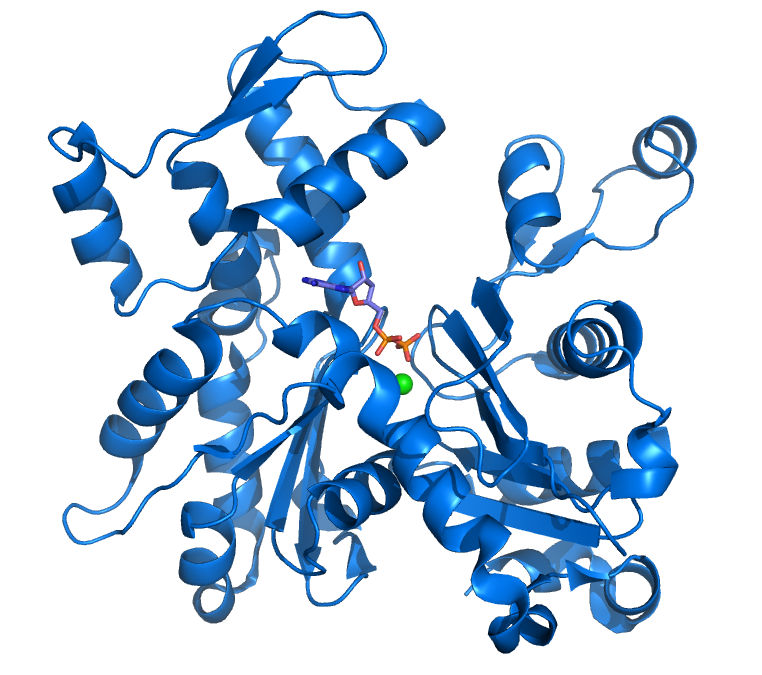
Surdez neurossensorial não-sindrômica rara autossômica dominante tipo DFNA
📋 Origem dos dados
Esta página agrega dados de fontes públicas e oficiais. Dados sobre cobertura no SUS (PCDT, CEAF) são verificados ativamente por agente proativo (ver badge no infobox). Demais dados têm atribuição de fonte + data da última sincronização — clique para abrir o original.
- Doença rara (ontologia)
- fonte: Orphanet
- Identificador unificado
- fonte: MONDO
- Codificação WHO/SUS
- fonte: WHO ICD-10 / DATASUS
- CID-11 (futuro)
- fonte: WHO ICD-11
- NIH/GARD
- fonte: GARD (NIH)
- Dado público estruturado
- fonte: Wikidata