
Uma doença que se acredita ser causada por um vírus que provoca a deterioração das células nervosas na substância negra. No geral, essa deterioração leva ao parkinsonismo.
Introdução
O que você precisa saber de cara
Uma doença que se acredita ser causada por um vírus que provoca a deterioração das células nervosas na substância negra. No geral, essa deterioração leva ao parkinsonismo.
Encontrou um erro ou informação desatualizada? Sugira uma correção →
Entender a doença
Do básico ao detalhe, leia no seu ritmo
Preparando trilha educativa...
Sinais e sintomas
O que aparece no corpo e com que frequência cada sintoma acontece
Partes do corpo afetadas
+ 21 sintomas em outras categorias
Características mais comuns
Os sintomas variam de pessoa para pessoa. Abaixo estão as 41 características clínicas mais associadas, ordenadas por frequência.
Linha do tempo da pesquisa
Encontrou um erro ou informação desatualizada? Sugira uma correção →
Genética e causas
O que está alterado no DNA e como passa nas famílias
Nenhum gene associado encontrado
Os dados genéticos desta condição ainda estão sendo catalogados.
Diagnóstico
Os sinais que médicos procuram e os exames que confirmam
Tratamento e manejo
Remédios, cuidados de apoio e o que precisa acompanhar
Onde tratar no SUS
Hospitais de referência no Brasil e o protocolo oficial do SUS (PCDT)
🇧🇷 Atendimento SUS — Parkinsonismo pós-encefalite
Selecione um estado ou use sua localização para ver resultados.
Dados de DATASUS/CNES, SBGM, ABNeuro e Ministério da Saúde. Sempre confirme a disponibilidade diretamente com o estabelecimento.
Pesquisa ativa
Ensaios clínicos abertos e novidades científicas recentes
Pesquisa e ensaios clínicos
Nenhum ensaio clínico registrado para esta condição.
Publicações mais relevantes
Postencephalitic Parkinsonism: Unique Pathological and Clinical Features-Preliminary Data.
Postencephalitic parkinsonism (PEP) is suggested to show a virus-induced pathology, which is different from classical idiopathic Parkinson's disease (PD) as there is no α-synuclein/Lewy body pathology. However, PEP shows a typical clinical representation of motor disturbances. In addition, compared to PD, there is no iron-induced pathology. The aim of this preliminary study was to compare PEP with PD regarding iron-induced pathology, using histochemistry methods on paraffin-embedded post-mortem brain tissue. In the PEP group, iron was not seen, except for one case with sparse perivascular depositions. Rather, PEP offers a pathology related to tau-protein/neurofibrillary tangles, with mild to moderate memory deficits only. It is assumed that this virus-induced pathology is due to immunological dysfunctions causing (neuro)inflammation-induced neuronal network disturbances as events that trigger clinical parkinsonism. The absence of iron deposits implies that PEP cannot be treated with iron chelators. The therapy with L-Dopa is also not an option, as L-Dopa only leads to an initial slight improvement in symptoms in isolated cases.
"Spanish flu," encephalitis lethargica, and COVID-19: Progress made, lessons learned, and directions for future research.
One hundred years ago, an influenza pandemic swept across the globe that coincided with the development of a neurological condition, named "encephalitis lethargica" for the occurrence of its main symptom, the sudden onset of sleepiness that either developed into coma or gradually receded. Between 1917 and 1920, mortality of the flu was >20 million and of encephalitis lethargica approximately 1 million. For lessons to be learned from this pandemic, it makes sense to compare it with the COVID-19 pandemic, which occurred 100 years later. Biomedical progress had enabled testing, vaccinations, and drug therapies accompanied by public health measures such as social distancing, contact tracing, wearing face masks, and frequent hand washing. From todays' perspective, these public health measures are time honored but not sufficiently proven effective, especially when applied in the context of a vaccination strategy. Also, the protective effects of lockdowns of schools, universities, and other institutions and the restrictions on travel and personal visits to hospitals or old-age homes are not precisely known. Preparedness is still a demand for a future pandemic. Clinical trials should determine the comparative effectiveness of such public health measures, especially for their use as a combination strategy with vaccination and individual testing of asymptomatic individuals. It is important for neurologists to realize that during a pandemic the treatment possibilities for acute stroke and other neurological emergencies are reduced, which has previously led to an increase of mortality and suffering. To increase preparedness for a future pandemic, neurologists play an important role, as the case load of acute and chronic neurological patients will be higher as well as the needs for rehabilitation. Finally, new chronic forms of postviral disease will likely be added, as was the case for postencephalitic parkinsonism a century ago and now has occurred as long COVID. Benztropine is classified as a synthetic muscarinic receptor antagonist, also known as an anticholinergic drug, and shares a structural resemblance with diphenhydramine and atropine. Benztropine is approved by the US Food and Drug Administration (FDA) as an adjunctive therapy for various forms of parkinsonism, including idiopathic and postencephalitic parkinsonism. This medication extends its therapeutic application beyond Parkinson disease, effectively addressing drug-induced extrapyramidal symptoms and playing a crucial role in preventing and treating acute dystonic reactions. Due to its prolonged duration of action, benztropine requires less frequent dosing than diphenhydramine.
Herbis, non verbis, fiunt medicamenta vitae: The Italian botanist Arturo Nannizzi (1887-1961) and his contribution to the treatment of parkinsonism following encephalitis lethargica.
We describe the Italian contribution to the description and treatment of parkinsonism following encephalitis lethargica (EL): postencephalitic parkinsonism (PEP). Special attention is devoted to the description of postencephalitic symptoms by Giuseppe Panegrossi (1871-1953) and to the treatment based on Atropa belladonna introduced in Italy and extensively supported by Arturo Nannizzi (1887-1961), who was charged by the queen of Italy with conducting research into this plant and advocating its cultivation for healing purposes. This article gives us the unique opportunity to revisit the figure of this distinguished botanist, providing a summary of his biography, interests, and achievements. Constantin Alexander von Economo, a psychiatrist and neurologist, reported in 1917 about encephalitis lethargica in front of the Vienna Psychiatric Society. Sporadic cases of this brain and brainstem encephalitis were reported in 1916 and 1917, and similar cases were reported around the world between 1919 and 1920. His primary description of the illness that raged in an epidemic in Europe and North America between 1916 and 1927 was named von Economo encephalitis. A few weeks before, Jean-Rene Cruchet presented his observations to the Paris Medical Society after treating military patients with neuropsychiatric disorders showing unusual neurological signs. Encephalitis lethargica or von Economo encephalitis is also known as sleeping sickness. Originally it was classified into three clinical forms: somnolent-ophthalmoplegic, hyperkinetic, and amyostatic-akinetic. Currently, postencephalitic parkinsonism has a very close relationship with encephalitis lethargica, also called von Economo encephalitis. Von Economo was nominated for the 1926, 1930, and 1932 Nobel Prize in Physiology or Medicine. Encephalitis lethargica came to light after the book “Awakening” written by an English neurologist, Oliver Sacks. A movie based on the book was released in 1990. Levodopa is the precursor to dopamine. Most commonly, clinicians use levodopa as a dopamine replacement agent for the treatment of Parkinson disease. It is most effectively used to control bradykinetic symptoms apparent in Parkinson disease. Levodopa is typically prescribed to a patient with Parkinson disease once symptoms become more difficult to control with other anti-parkinsonism drugs. The drug can also be used for postencephalitic parkinsonism and symptomatic parkinsonism due to carbon monoxide intoxication. This activity covers levodopa, including mechanism of action, pharmacology, adverse event profiles, eligible patient populations, and monitoring, and highlights the role of the interprofessional team in the management of conditions where levodopa therapy is helpful.
Ageing-related tau astrogliopathy severely affecting the substantia nigra.
Astrocytic tau pathology is a major feature of tauopathies and ageing-related tau astrogliopathy (ARTAG). The substantia nigra (SN) is one of the important degenerative areas in tauopathies with parkinsonism. Nigral tau pathology is usually reported as neuronal predominant with less prominent astrocytic involvement. We aimed to identify cases with prominent astrocytic tau pathology in the SN. We use the term nigral tau-astrogliopathy (NITAG) to describe cases showing an unusually high density of ARTAG with less neuronal tau pathology in the SN. We collected clinical information and studied the distribution of tau pathology, morphological features and immunostaining profiles in three cases. Three cases, all males with parkinsonism, were identified with the following clinicopathological diagnoses: (i) atypical parkinsonism with tau pathology reminiscent to that in postencephalitic parkinsonism (69-year-old); (ii) multiple system atrophy (73-year-old); (iii) traumatic encephalopathy syndrome/chronic traumatic encephalopathy (84-year-old). Double-labelling immunofluorescence confirmed co-localization of GFAP and phosphorylated tau in affected astrocytes. Staining profiles of NITAG revealed immunopositivity for various phosphorylated tau antibodies. Some astrocytic tau lesions were also seen in other brainstem regions and cerebral grey matter. We propose NITAG is a rare neuropathological feature, and not a distinct disease entity, in the frame of multiple system ARTAG, represented by abundant tau-positive astrocytes in various brain regions but having the highest density in the SN. The concept of NITAG allows the stratification of cases with various background pathologies to understand its relevance and contribution to neuronal dysfunction.
Encephalitis lethargica. What is still wrong?
Encephalitis lethargica developed in epidemic from 1919 to 1926 in Europe and throughout the world. From the clinical point of view, the disturbances of consciousness and alertness and the possible outcomes of a postencephalitic Parkinsonism has attracted much attention. For a long time, it was thought that such a disease may still occur sporadically. In this review, the authors examined historical and current pictures of epidemics that may be related to Encephalitis lethargica. The previous Nona and Russian Influenza exhibited frequent neurological symptoms. The Spanish flu, formerly related to Encephalitis lethargica, would appear an epidemic that had its development in a partially overlapping period. The current pandemic linked to COVID-19 sometimes has aspects that can resemble Encephalitis lethargica. Based on historical analysis and the more recent immunological data, it could be suggested that Encephalitis lethargica was an autoimmune encephalitis that arose in a secondary form to the action of a viral agent. It cannot be ruled out that this agent was a coronavirus. From the nosological point of view, the term Encephalitis lethargica should be abolished in designating autoimmune encephalitis pictures that run sporadically.
Publicações recentes
Postencephalitic Parkinsonism: Unique Pathological and Clinical Features-Preliminary Data.
Ageing-related tau astrogliopathy severely affecting the substantia nigra.
"Spanish flu," encephalitis lethargica, and COVID-19: Progress made, lessons learned, and directions for future research.
Herbis, non verbis, fiunt medicamenta vitae: The Italian botanist Arturo Nannizzi (1887-1961) and his contribution to the treatment of parkinsonism following encephalitis lethargica.
📚 EuropePMC86 artigos no totalmostrando 30
Postencephalitic Parkinsonism: Unique Pathological and Clinical Features-Preliminary Data.
CellsAgeing-related tau astrogliopathy severely affecting the substantia nigra.
Neuropathology and applied neurobiology"Spanish flu," encephalitis lethargica, and COVID-19: Progress made, lessons learned, and directions for future research.
European journal of neurologyHerbis, non verbis, fiunt medicamenta vitae: The Italian botanist Arturo Nannizzi (1887-1961) and his contribution to the treatment of parkinsonism following encephalitis lethargica.
Journal of the history of the neurosciencesEncephalitis lethargica. What is still wrong?
International journal of immunopathology and pharmacology[Encephalitis Lethargica: Awakenings].
Brain and nerve = Shinkei kenkyu no shinpoSARS-CoV-2, COVID-19 and Parkinson's Disease-Many Issues Need to Be Clarified-A Critical Review.
Brain sciencesCat Scratch Disease-associated Encephalitis Followed by Parkinsonism.
Internal medicine (Tokyo, Japan)Relationship between COVID-19 and movement disorders: A narrative review.
European journal of neurologyAstrocyte inflammatory signaling mediates α-synuclein aggregation and dopaminergic neuronal loss following viral encephalitis.
Experimental neurologyNo Metagenomic Evidence of Causative Viral Pathogens in Postencephalitic Parkinsonism Following Encephalitis Lethargica.
MicroorganismsSpotlight on Oculogyric Crisis: A Review.
Indian journal of psychological medicine"You Are Older, although You Do Not Know That": Time, Consciousness, and Memory in "A Kind of Alaska" by Harold Pinter (1930-2008).
European neurologyEncephalitis lethargica in Peru.
Journal of the history of the neurosciencesThe first psychiatric pandemic: Encephalitis lethargica, 1917-27.
Medical hypothesesCentenary of Tretiakoff's thesis on the morphology of Parkinson's disease, evolved on the grounds of encephalitis lethargica pathology.
Journal of the history of the neurosciencesVon Economo's disease and postencephalitic parkinsonism responsive to carbidopa and levodopa.
Neuropsychiatric disease and treatmentThe centennial lesson of encephalitis lethargica.
NeurologyGabrielle Lévy and the Roussy-Lévy syndrome.
Journal of the history of the neurosciencesPowassan virus postencephalitic parkinsonism.
Neurology. Clinical practiceOlfactory vector hypothesis for encephalitis lethargica.
Medical hypothesesPsychosis in parkinsonism: an unorthodox approach.
Neuropsychiatric disease and treatmentOculogyric crises: Etiology, pathophysiology and therapeutic approaches.
Parkinsonism & related disordersPost-Encephalitic Parkinsonism and Sleep Disorder Responsive to Immunological Treatment: A Case Report.
Clinical EEG and neurosciencePoster 319 Response of Postencephalitic Parkinsonism to Various Dopaminergic Agonists: A Case Report.
PM & R : the journal of injury, function, and rehabilitationEnteroviral Postencephalitic Parkinsonism With Evidence of Impaired Presynaptic Dopaminergic Function.
JAMA neurologyRussell Meyers (1905-1999): pioneer of functional and ultrasonic neurosurgery.
Journal of neurosurgeryAdolf Hitler and His Parkinsonism.
Annals of Indian Academy of NeurologyPostencephalitic parkinsonism responsive to a dopamine agonist: A case report.
Parkinsonism & related disordersPostencephalitic parkinsonism and selective involvement of substantia nigra.
Neurological sciences : official journal of the Italian Neurological Society and of the Italian Society of Clinical NeurophysiologyAssociações
Organizações que acompanham esta doença — pra ter apoio e orientação
Ainda não temos associações cadastradas para Parkinsonismo pós-encefalite.
É de uma associação que acompanha esta doença? Fale com a gente →
Comunidades
Grupos ativos de quem convive com esta doença aqui no Raras
Ainda não existe comunidade no Raras para Parkinsonismo pós-encefalite
Pacientes, familiares e cuidadores se organizam em comunidades pra compartilhar experiências, fazer perguntas e se apoiar. Você pode ser o primeiro.
Tire suas dúvidas
Perguntas, dicas e experiências compartilhadas aqui na página
Participe da discussão
Faça login para postar dúvidas, compartilhar experiências e interagir com especialistas.
Fazer loginDoenças relacionadas
Doenças com sintomas parecidos — ajudam quem ainda está buscando diagnóstico
Referências e fontes
Bases de dados externas citadas neste artigo
Publicações científicas
Artigos indexados no PubMed ligados a esta doença no grafo RarasNet — título, periódico e PMID direto da fonte, sem intermediação de IA.
- Postencephalitic Parkinsonism: Unique Pathological and Clinical Features-Preliminary Data.
- "Spanish flu," encephalitis lethargica, and COVID-19: Progress made, lessons learned, and directions for future research.
- Herbis, non verbis, fiunt medicamenta vitae: The Italian botanist Arturo Nannizzi (1887-1961) and his contribution to the treatment of parkinsonism following encephalitis lethargica.
- Ageing-related tau astrogliopathy severely affecting the substantia nigra.
- Encephalitis lethargica. What is still wrong?
- Benztropine.
Bases de dados e fontes oficiais
Identificadores e referências canônicas usadas para montar este verbete.
- ORPHA:97349(Orphanet)
- MONDO:0001945(MONDO)
- GARD:19370(GARD (NIH))
- Busca completa no PubMed(PubMed)
- Q3508787(Wikidata)
Dados compilados pelo RarasNet a partir de fontes abertas (Orphanet, OMIM, MONDO, PubMed/EuropePMC, ClinicalTrials.gov, DATASUS, PCDT/MS). Este conteúdo é informativo e não substitui avaliação médica.
Conteúdo mantido por Agente Raras · Médicos e pesquisadores podem colaborar
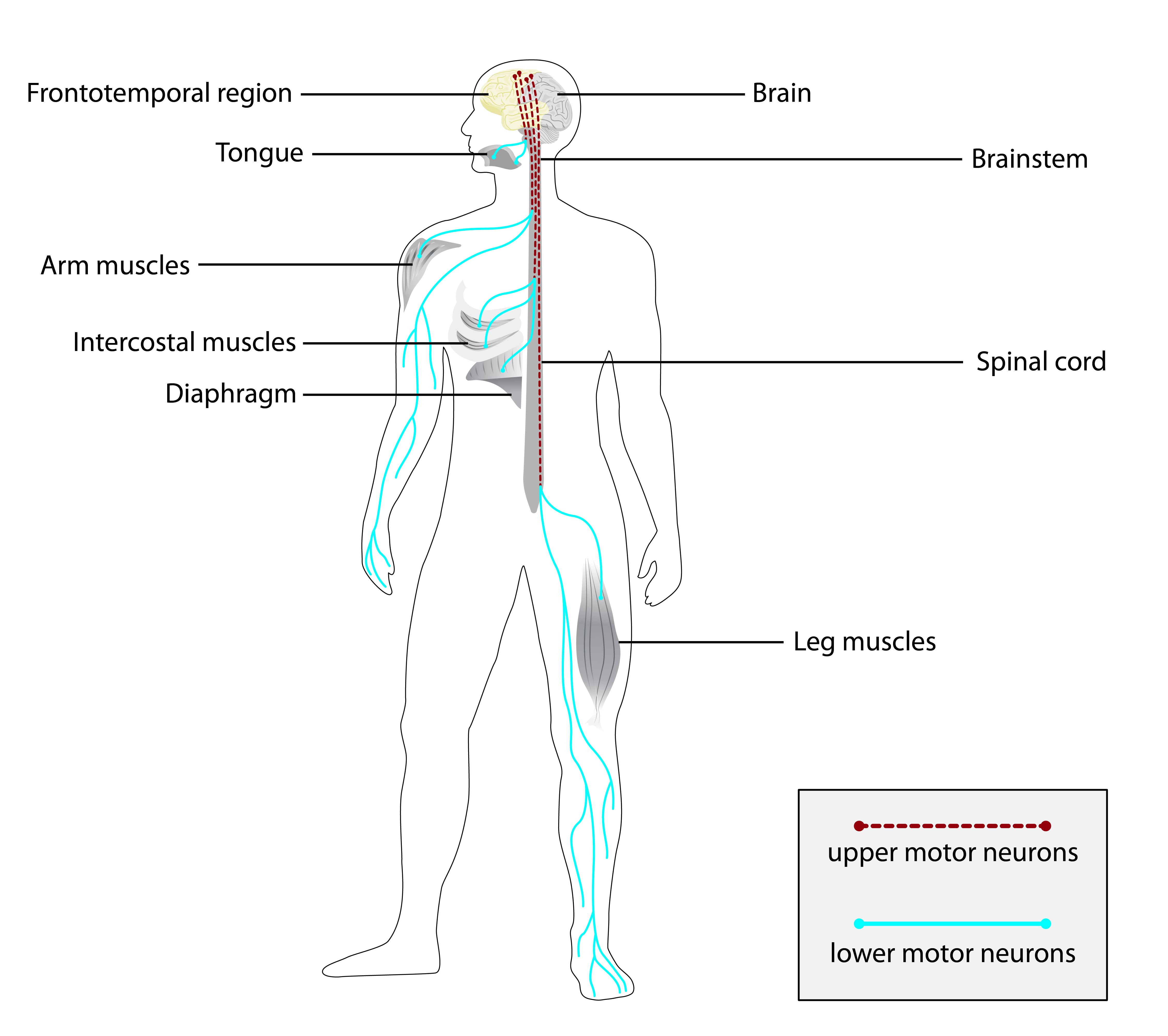
Parkinsonismo pós-encefalite
📋 Origem dos dados
Esta página agrega dados de fontes públicas e oficiais. Dados sobre cobertura no SUS (PCDT, CEAF) são verificados ativamente por agente proativo (ver badge no infobox). Demais dados têm atribuição de fonte + data da última sincronização — clique para abrir o original.
- Doença rara (ontologia)
- fonte: Orphanet
- Identificador unificado
- fonte: MONDO
- Codificação WHO/SUS
- fonte: WHO ICD-10 / DATASUS
- CID-11 (futuro)
- fonte: WHO ICD-11
- NIH/GARD
- fonte: GARD (NIH)
- Indexação biomédica
- fonte: MeSH (NLM)
- Dado público estruturado
- fonte: Wikidata
- Reposicionamento
- fonte: Drug Repurposing Hub