
A ataxia espinocerebelar tipo 8 (SCA8) é um subtipo de ataxia cerebelar autossômica dominante tipo I (ADCA tipo I) caracterizada por ataxia cerebelar (falta de coordenação dos movimentos) e disfunção cognitiva (dificuldades de memória e raciocínio) em quase três quartos dos pacientes, e por sinais piramidais (que afetam a força e o controle muscular) e sensoriais (problemas de sensibilidade) em aproximadamente um terço dos pacientes.
Introdução
O que você precisa saber de cara
A ataxia espinocerebelar tipo 8 (SCA8) é um subtipo de ataxia cerebelar autossômica dominante tipo I (ADCA tipo I) caracterizada por ataxia cerebelar (falta de coordenação dos movimentos) e disfunção cognitiva (dificuldades de memória e raciocínio) em quase três quartos dos pacientes, e por sinais piramidais (que afetam a força e o controle muscular) e sensoriais (problemas de sensibilidade) em aproximadamente um terço dos pacientes.
Escala de raridade
<1/50kMuito rara
1/20kRara
1/10kPouco freq.
1/5kIncomum
1/2k
Encontrou um erro ou informação desatualizada? Sugira uma correção →
Entender a doença
Do básico ao detalhe, leia no seu ritmo
Preparando trilha educativa...
Sinais e sintomas
O que aparece no corpo e com que frequência cada sintoma acontece
Partes do corpo afetadas
+ 15 sintomas em outras categorias
Características mais comuns
Os sintomas variam de pessoa para pessoa. Abaixo estão as 34 características clínicas mais associadas, ordenadas por frequência.
Linha do tempo da pesquisa
Encontrou um erro ou informação desatualizada? Sugira uma correção →
Genética e causas
O que está alterado no DNA e como passa nas famílias
Genes associados
2 genes identificados com associação a esta condição. Padrão de herança: Autosomal dominant.
Cytoplasm
Nucleus
Spinocerebellar ataxia 8
Spinocerebellar ataxia is a clinically and genetically heterogeneous group of cerebellar disorders. Patients show progressive incoordination of gait and often poor coordination of hands, speech and eye movements, due to degeneration of the cerebellum with variable involvement of the brainstem and spinal cord. SCA8 is an autosomal dominant cerebellar ataxia (ADCA). It is caused by expansion of a CAG repeat in ATXN8, which is translated into a nearly pure polyglutamine protein which forms 1C2-positive inclusions in Purkinje cells and other neurons.
Variantes genéticas (ClinVar)
65 variantes patogênicas registradas no ClinVar.
Classificação de variantes (ClinVar)
Distribuição de 5.215 variantes classificadas pelo ClinVar.
Diagnóstico
Os sinais que médicos procuram e os exames que confirmam
Tratamento e manejo
Remédios, cuidados de apoio e o que precisa acompanhar
Onde tratar no SUS
Hospitais de referência no Brasil e o protocolo oficial do SUS (PCDT)
🇧🇷 Atendimento SUS — Ataxia espinocerebelosa tipo 8
Selecione um estado ou use sua localização para ver resultados.
Dados de DATASUS/CNES, SBGM, ABNeuro e Ministério da Saúde. Sempre confirme a disponibilidade diretamente com o estabelecimento.
Pesquisa ativa
Ensaios clínicos abertos e novidades científicas recentes
Ensaios em destaque
🟢 Recrutando agora
1 pesquisa recrutando participantes. Converse com seu médico sobre a possibilidade de participar.
Outros ensaios clínicos
3 ensaios clínicos encontrados, 2 ativos.
Publicações mais relevantes
Metformin improves RAN protein pathology, alternative splicing, and behavioral phenotypes in SCA8 mice.
Spinocerebellar ataxia type 8 (SCA8) is a member of a group of dominantly inherited, debilitating neurological diseases caused by CAG•CTG expansions for which there are no effective treatments. RAN translation, which was discovered in SCA8, has previously been shown to occur across CAG and CUG expansion transcripts, making treatments for SCA8 potentially relevant to a broad group of diseases, including SCA1, SCA2, SCA3, SCA6, SCA7, SCA12, Huntington's disease, and myotonic dystrophy type 1. In addition, CUG and CAG expansion transcripts have been reported to cause RNA gain-of-function effects. Using SCA8 BAC transgenic mice as a model for CAG•CTG expansion diseases, we now show that metformin improves ambulatory performance using rotarod, DigiGait, and open-field testing. At the molecular level, metformin-treated mice show reduced RAN protein levels and improved splicing, without altering sense or antisense RNA levels. Metformin-treated mice also show decreased neuroinflammation, with reduced astrogliosis and fewer activated microglia. These data provide strong preclinical support for testing metformin in clinical trials for SCA8 and potentially the broader group of CAG•CTG repeat expansion disorders.
Generation of an induced pluripotent stem cell line (KCGMHi003-A) from a patient with spinocerebellar ataxia type 8 (SCA8).
Spinocerebellar Ataxia Type 8 (SCA8) is a rare, dominantly inherited neurodegenerative disorder characterized by progressive ataxia and nystagmus, and dysarthria. SCA8 is caused by bidirectional CTG/CAG repeat expansion in the ATXN8OS and ATXN8 gene. Peripheral blood mononuclear cells obtained from a SCA8 patient were successfully transformed into induced pluripotent stem cells (iPSC) (KCGMHi003-A) using Sendai virus. Our approach provided a resource for future pathogenesis study and drug screening of SCA8.
Hemichorea as the sole clinical manifestation of spinocerebellar ataxia type 8: a case report.
Spinocerebellar ataxia type 8 (SCA8) is a rare neurodegenerative disease that is caused by CAG/CTG repeat expansion in the overlapping ATXN8 and ATXN8OS genes and basically entails slowly progressive cerebellar dysfunction with resultant dysarthria, limb incoordination, and gait instability. Moreover, patients with SCA8 may also exhibit pyramidal and extrapyramidal signs, cognitive decline, and involuntary movements. Although SCA8 is an autosomal dominant inheritance disorder, it sometimes seems to be sporadic because of reduced penetrance. Due to the wide variety of neurological findings and seemingly unclear inheritance pattern, the diagnosis of SCA8 can be difficult in the absence of cerebellar signs or family history. A 62-year-old woman presented with involuntary movements in her right limbs that occurred intermittently for two weeks. Her medical and medication history was unremarkable and she had a paternal grandmother who was diagnosed with Parkinson's disease. Neurological examination revealed right-sided hemichorea without other abnormalities. Head magnetic resonance imaging (MRI) did not reveal acute ischemic or hemorrhagic lesions; instead, it displayed mild cerebellar atrophy. In addition, dopamine transporter-single photon emission computed tomography (DAT-SPECT) detected bilaterally decreased striatal tracer uptake. Although she had no relatives with similar symptoms or SCA, a set of genetic molecular tests for SCA was conducted because she had mild cerebellar atrophy found on MRI. It detected CTA/CTG repeat expansion in the ATXN8OS gene (18/125 repeats; normal range: 15-50). She was diagnosed with SCA8, which was considered the cause for her hemichorea. Oral haloperidol was initiated as symptomatic treatment and it largely resolved her hemichorea. We should remember that patients with SCA8 can present with hemichorea as the sole clinical manifestation. Moreover, DAT-SPECT may detect their nigrostriatal hypofunction even if they do not have clinically apparent parkinsonism.
Non-coding repeat analyses in patients with Parkinson's disease.
The genetic etiology of Parkinson's disease (PD) is complex; approximately 10% of patients with PD have various gene mutations that lead to familial forms of the disease. Recent analyses of non-coding repeat regions revealed that many neurodegenerative diseases are associated with pathological expansions. We evaluated the genetic background of non-coding repeat expansions in Japanese patients with PD. We collected blood samples from 203 Japanese patients with PD and analyzed various non-coding repeat genes, including ATXN8OS, RFC1, C9ORF72, NOTCH2NLC, BEAN1/TK2, and NOP56, using PCR-Sanger sequencing, repeat-primed PCR assay, and long-read sequencing. Three patients with PD (1.5%) were found to have heterozygous repeat expansions in ATXN8OS, the gene causative of spinocerebellar ataxia type 8 and is associated with long non-coding RNA. One (0.5%) patient had compound heterozygous repeat expansions (AAGGG and ACAGG) in RFC1, the gene causative of cerebellar ataxia, neuropathy, and vestibular areflexia syndrome, which encodes a DNA repair protein. No patient had repeat expansions in C9ORF72, NOTCH2NLC, BEAN1/TK2, or NOP56. All patients with ATXN8OS repeat expansions exhibited typical parkinsonism with relatively rare subjective dysphagia, which was confirmed by videofluoroscopic results. Functional imaging, such as dopamine-transporter single photon emission computed tomography, showed abnormal findings in patients with non-coding repeat expansions. Our findings revealed the importance of non-coding repeat expansions in Japanese patients with PD. This is the first study to show the positive result of non-coding repeat expansions in many patients with PD in Japan.
Unmasking cerebellar disease: functional neurologic disorder as a precursor to spinocerebellar ataxia type 8.
Publicações recentes
Metformin improves RAN protein pathology, alternative splicing, and behavioral phenotypes in SCA8 mice.
Generation of an induced pluripotent stem cell line (KCGMHi003-A) from a patient with spinocerebellar ataxia type 8 (SCA8).
Cognitive-predominant spinocerebellar ataxia type 8 with posterior cingulate cortex hypoperfusion mimicking early-onset Alzheimer's disease: A case report.
Unmasking cerebellar disease: functional neurologic disorder as a precursor to spinocerebellar ataxia type 8.
Hemichorea as the sole clinical manifestation of spinocerebellar ataxia type 8: a case report.
📚 EuropePMC49 artigos no totalmostrando 37
Metformin improves RAN protein pathology, alternative splicing, and behavioral phenotypes in SCA8 mice.
Life science allianceGeneration of an induced pluripotent stem cell line (KCGMHi003-A) from a patient with spinocerebellar ataxia type 8 (SCA8).
Stem cell researchCognitive-predominant spinocerebellar ataxia type 8 with posterior cingulate cortex hypoperfusion mimicking early-onset Alzheimer's disease: A case report.
Journal of Alzheimer's disease reportsUnmasking cerebellar disease: functional neurologic disorder as a precursor to spinocerebellar ataxia type 8.
Neurological sciences : official journal of the Italian Neurological Society and of the Italian Society of Clinical NeurophysiologyHemichorea as the sole clinical manifestation of spinocerebellar ataxia type 8: a case report.
BMC neurologyNon-coding repeat analyses in patients with Parkinson's disease.
Frontiers in neurologyExpert Commentary for "A case of spinocerebellar ataxia type 8 with clinical manifestations as Parkinson's disease".
Parkinsonism & related disordersA case of spinocerebellar ataxia type 8 with clinical manifestations as Parkinson's disease.
Parkinsonism & related disordersCerebral cortical functional hyperconnectivity in a mouse model of spinocerebellar ataxia type 8 (SCA8).
Neurobiology of diseaseIdentification of an intronic Alu insertion in the SYNE1 gene associated with autosomal recessive spinocerebellar ataxia type 8.
Genetics in medicine openSTUB1 Mutations as Possible Genetic Modifiers in Spinocerebellar Ataxia Type 8.
Movement disorders : official journal of the Movement Disorder SocietySpinocerebellar ataxia masquerading as multiple sclerosis, a case report.
Journal of neuroimmunologySpastic paraplegia is the main manifestation of a spinocerebellar ataxia type 8 lineage in China: a case report and review of literature.
Frontiers in human neuroscienceSpinocerebellar ataxia type 8 presents as progressive supranuclear palsy.
Neurosciences (Riyadh, Saudi Arabia)Coexistence of multiple sclerosis and spinocerebellar ataxia type-8.
Multiple sclerosis (Houndmills, Basingstoke, England)Between Order and Chaos: Understanding the Mechanism and Pathology of RAN Translation.
Biological & pharmaceutical bulletinNeuropathology of spinocerebellar ataxia type 8: Common features and unique tauopathy.
Neuropathology : official journal of the Japanese Society of Neuropathology[Spinocerebellar ataxia type 8 in Russian patients].
Zhurnal nevrologii i psikhiatrii imeni S.S. KorsakovaAutosomal recessive spinocerebellar ataxia SCAR8/ARCA1: first families detected in Spain.
NeurologiaCase Report: Late-Onset Autosomal Recessive Cerebellar Ataxia Associated With SYNE1 Mutation in a Chinese Family.
Frontiers in geneticsChinese abnormal compound heterozygote spinocerebellar ataxia type 8: a case report.
Neurological sciences : official journal of the Italian Neurological Society and of the Italian Society of Clinical NeurophysiologyCCG•CGG interruptions in high-penetrance SCA8 families increase RAN translation and protein toxicity.
EMBO molecular medicineGenome sequencing identifies rare tandem repeat expansions and copy number variants in Lennox-Gastaut syndrome.
Brain communicationsMechanisms of repeat-associated non-AUG translation in neurological microsatellite expansion disorders.
Biochemical Society transactionsEpilepsy in spinocerebellar ataxia type 8: a case report.
Journal of medical case reportsAnalysis of Trinucleotide Repeat Stability by Integration at a Chromosomal Ectopic Site.
Methods in molecular biology (Clifton, N.J.)The First Case of Spinocerebellar Ataxia Type 8 in Monozygotic Twins.
Internal medicine (Tokyo, Japan)Genetic and clinical analyses of spinocerebellar ataxia type 8 in mainland China.
Journal of neurologySCA8 RAN polySer protein preferentially accumulates in white matter regions and is regulated by eIF3F.
The EMBO journalNoncoding repeat expansions for ALS in Japan are associated with the ATXN8OS gene.
Neurology. GeneticsCerebellar lncRNA Expression Profile Analysis of SCA3/MJD Mice.
International journal of genomicsPSP-Phenotype in SCA8: Case Report and Systemic Review.
Cerebellum (London, England)Repeat-Associated Non-ATG Translation in Neurological Diseases.
Cold Spring Harbor perspectives in biologySequence configuration of spinocerebellar ataxia type 8 repeat expansions in a Japanese cohort of 797 ataxia subjects.
Journal of the neurological sciencesAnalysis of a fully penetrant spinocerebellar ataxia type 8 Brazilian family.
Acta neurologica ScandinavicaA Case of Two Repeats: Huntington's Disease and Spinocerebellar Ataxia Type 8.
Movement disorders clinical practiceThe Social Amoeba Dictyostelium discoideum Is Highly Resistant to Polyglutamine Aggregation.
The Journal of biological chemistryAssociações
Organizações que acompanham esta doença — pra ter apoio e orientação
Ainda não temos associações cadastradas para Ataxia espinocerebelosa tipo 8.
É de uma associação que acompanha esta doença? Fale com a gente →
Comunidades
Grupos ativos de quem convive com esta doença aqui no Raras
Ainda não existe comunidade no Raras para Ataxia espinocerebelosa tipo 8
Pacientes, familiares e cuidadores se organizam em comunidades pra compartilhar experiências, fazer perguntas e se apoiar. Você pode ser o primeiro.
Tire suas dúvidas
Perguntas, dicas e experiências compartilhadas aqui na página
Participe da discussão
Faça login para postar dúvidas, compartilhar experiências e interagir com especialistas.
Fazer loginDoenças relacionadas
Doenças com sintomas parecidos — ajudam quem ainda está buscando diagnóstico
Referências e fontes
Bases de dados externas citadas neste artigo
Publicações científicas
Artigos indexados no PubMed ligados a esta doença no grafo RarasNet — título, periódico e PMID direto da fonte, sem intermediação de IA.
- Metformin improves RAN protein pathology, alternative splicing, and behavioral phenotypes in SCA8 mice.
- Generation of an induced pluripotent stem cell line (KCGMHi003-A) from a patient with spinocerebellar ataxia type 8 (SCA8).
- Hemichorea as the sole clinical manifestation of spinocerebellar ataxia type 8: a case report.
- Non-coding repeat analyses in patients with Parkinson's disease.
- Unmasking cerebellar disease: functional neurologic disorder as a precursor to spinocerebellar ataxia type 8.Neurological sciences : official journal of the Italian Neurological Society and of the Italian Society of Clinical Neurophysiology· 2025· PMID 41037212mais citado
- Cognitive-predominant spinocerebellar ataxia type 8 with posterior cingulate cortex hypoperfusion mimicking early-onset Alzheimer's disease: A case report.
Bases de dados e fontes oficiais
Identificadores e referências canônicas usadas para montar este verbete.
- ORPHA:98760(Orphanet)
- OMIM OMIM:608768(OMIM)
- MONDO:0012116(MONDO)
- GARD:4956(GARD (NIH))
- Variantes catalogadas(ClinVar)
- Busca completa no PubMed(PubMed)
- Q21097857(Wikidata)
Dados compilados pelo RarasNet a partir de fontes abertas (Orphanet, OMIM, MONDO, PubMed/EuropePMC, ClinicalTrials.gov, DATASUS, PCDT/MS). Este conteúdo é informativo e não substitui avaliação médica.
Conteúdo mantido por Agente Raras · Médicos e pesquisadores podem colaborar
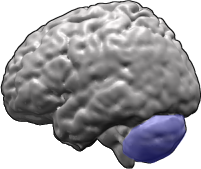
Ataxia espinocerebelosa tipo 8
📋 Origem dos dados
Esta página agrega dados de fontes públicas e oficiais. Dados sobre cobertura no SUS (PCDT, CEAF) são verificados ativamente por agente proativo (ver badge no infobox). Demais dados têm atribuição de fonte + data da última sincronização — clique para abrir o original.
- Doença rara (ontologia)
- fonte: Orphanet
- Identificador unificado
- fonte: MONDO
- Genética mendeliana
- fonte: OMIM
- Codificação WHO/SUS
- fonte: WHO ICD-10 / DATASUS
- CID-11 (futuro)
- fonte: WHO ICD-11
- NIH/GARD
- fonte: GARD (NIH)
- Indexação biomédica
- fonte: MeSH (NLM)
- Dado público estruturado
- fonte: Wikidata
- Reposicionamento
- fonte: Drug Repurposing Hub
- Ensaios clínicos
- fonte: ClinicalTrials.gov