
A ataxia espinocerebelar tipo 10 (SCA10) é um subtipo de ataxia cerebelar autossômica dominante tipo I (ADCA tipo I). É caracterizada por síndrome cerebelar lentamente progressiva e epilepsia, às vezes sinais piramidais leves, neuropatia periférica e distúrbios neuropsicológicos.
Introdução
O que você precisa saber de cara
A ataxia espinocerebelar tipo 10 (SCA10) é um subtipo de ataxia cerebelar autossômica dominante tipo I (ADCA tipo I). É caracterizada por síndrome cerebelar lentamente progressiva e epilepsia, às vezes sinais piramidais leves, neuropatia periférica e distúrbios neuropsicológicos.
Escala de raridade
<1/50kMuito rara
1/20kRara
1/10kPouco freq.
1/5kIncomum
1/2k
Encontrou um erro ou informação desatualizada? Sugira uma correção →
Entender a doença
Do básico ao detalhe, leia no seu ritmo
Preparando trilha educativa...
Sinais e sintomas
O que aparece no corpo e com que frequência cada sintoma acontece
Partes do corpo afetadas
+ 23 sintomas em outras categorias
Características mais comuns
Os sintomas variam de pessoa para pessoa. Abaixo estão as 49 características clínicas mais associadas, ordenadas por frequência.
Linha do tempo da pesquisa
Encontrou um erro ou informação desatualizada? Sugira uma correção →
Genética e causas
O que está alterado no DNA e como passa nas famílias
Genes associados
1 gene identificado com associação a esta condição. Padrão de herança: Autosomal dominant.
Curadoria gene-doença
fontes oficiaisMay play a role in the regulation of cytokinesis (PubMed:21857149, PubMed:25666058). May play a role in signaling by stimulating protein glycosylation. Induces neuritogenesis by activating the Ras-MAP kinase pathway and is necessary for the survival of cerebellar neurons (By similarity). Does not appear to play a major role in ciliogenesis (By similarity)
Cytoplasm, perinuclear regionMidbodyCytoplasm, cytoskeleton, cilium basal bodyCytoplasm, cytoskeleton, microtubule organizing center, centrosome, centriole
Spinocerebellar ataxia 10
Spinocerebellar ataxia is a clinically and genetically heterogeneous group of cerebellar disorders. Patients show progressive incoordination of gait and often poor coordination of hands, speech and eye movements, due to degeneration of the cerebellum with variable involvement of the brainstem and spinal cord. SCA10 is an autosomal dominant cerebellar ataxia (ADCA).
Variantes genéticas (ClinVar)
87 variantes patogênicas registradas no ClinVar.
Classificação de variantes (ClinVar)
Distribuição de 12 variantes classificadas pelo ClinVar.
Diagnóstico
Os sinais que médicos procuram e os exames que confirmam
Tratamento e manejo
Remédios, cuidados de apoio e o que precisa acompanhar
Onde tratar no SUS
Hospitais de referência no Brasil e o protocolo oficial do SUS (PCDT)
🇧🇷 Atendimento SUS — Ataxia espinocerebelar tipo 10
Selecione um estado ou use sua localização para ver resultados.
Dados de DATASUS/CNES, SBGM, ABNeuro e Ministério da Saúde. Sempre confirme a disponibilidade diretamente com o estabelecimento.
Pesquisa ativa
Ensaios clínicos abertos e novidades científicas recentes
Ensaios em destaque
🟢 Recrutando agora
1 pesquisa recrutando participantes. Converse com seu médico sobre a possibilidade de participar.
Outros ensaios clínicos
5 ensaios clínicos encontrados, 2 ativos.
Publicações mais relevantes
Functional connectivity alterations in spinocerebellar ataxia type 10: insights from gray matter atrophy.
Spinocerebellar ataxia type 10 (SCA10) is a rare, inherited neurological disease caused by an expansion of the non-coding ATTCT pentanucleotide repeat in the ATAXIN 10 gene. It is characterized by cerebellar ataxia and epilepsy. Previous research has demonstrated extensive white and gray matter degeneration, particularly in the cerebellum. However, the impact of the SCA10 mutation on functional connectivity (FC) remains unexplored. This study aimed to characterize intrinsic FC changes in SCA10 patients and their relationship to clinical manifestations. Structural and resting-state Magnetic Resonance Imaging (MRI) were obtained from 26 SCA10 patients and 26 control subjects. Voxel-based morphometry (VBM) and seed-ROI and Independent Components Analysis (ICA) were performed to identify cerebral atrophy and FC changes respectively. Additionally, correlation analyses were conducted between FC changes and scores from the Scale for the Assessment and Rating of Ataxia (SARA) and the Montreal Cognitive Assessment (MoCA). In SCA10 patients, VBM analysis revealed extensive gray matter loss in motor cortices and the cerebellum. FC analysis identified significant FC changes originating from seed-ROIs in the right cerebellar VI and left precentral gyrus. Furthermore, group comparison using ICA components showed that SCA10 patients exhibited higher FC in the sensorimotor and cerebellar functional networks. Moreover, the average Blood Oxygen Level Dependent (BOLD) signal within the cerebellar network negatively correlated with MoCA scores. In summary, SCA10 patients exhibited enhanced FC in brain regions that displayed gray matter atrophy, underscoring the impact of SCA10 degeneration on resting state networks and induction of potential maladaptive FC compensatory mechanisms. The online version contains supplementary material available at 10.1007/s11682-026-01091-4.
Novel ATXN10 Repeat Motif Patterns in Peruvian Families Modify Disease Onset.
Spinocerebellar ataxia type 10 (SCA10) is an autosomal-dominant disorder caused by intronic expansions of pentanucleotide repeats in the ATXN10 gene. While various repeat motifs have been described, emerging evidence suggests that specific repeat motifs, rather than repeat length alone, can modify disease features such as seizure prevalence and penetrance. We used a novel multiplex 20-gene panel with Cas9-targeted, amplification-free long-read sequencing (LRS) and optical genome mapping to elucidate ATXN10 repeat motif patterns and investigated genotype-phenotype correlations in index cases of 6 multigenerational SCA10 kindreds from Peru. We detected ATXN10 repeat expansions ranging from 990 to 2,002 pentanucleotide repeats (4.9-10 kb) across 6 families. It is important to note that we identified 3 mixed repeat motif patterns and ratios of (ATTCT)n(ATTCC)n, which were associated with differences in age at disease onset and anticipation. Our key novel finding is the prominence of the alternate ATTCC motif alongside the common ATTCT motif. While repeat length alone does not appear to drive disease onset in SCA10, we uncovered that the ratio of the ATTCC motif within distinct repeat patterns might correlate with disease onset. These findings underscore the need to adapt LRS clinical workflows to fully characterize large repeat expansions at the nucleotide level.
The impact of interrupted ATXN10 expansions on clinical findings of spinocerebellar ataxia type 10.
Spinocerebellar ataxia type 10 (SCA10), due to an ATTCT repeat expansion in ATXN10, has variable expressivity and the role of presence (ATTCTint +) and absence (ATTCTint-) of interruptions in the repeat is not clear. We aimed to describe the relations between ATTCTint + and age at onset, seizures, and neurologic severity in ataxic and non-ataxic carriers from Brazil. Family, age at onset (AO), and seizures data plus DNA were obtained from symptomatic carriers already diagnosed in Porto Alegre, Curitiba, and São Paulo, Brazil. Patients and their relatives were invited to be evaluated through Scale of Assessment and Rating of Ataxia (SARA) and other clinical scales; a SARA > 2.5 classified subjects as ataxic carriers. Repeat-primed PCR (RP-PCR) defined the expansions with (ATTCTint +) or without (ATTCTint-) interruptions. Comparisons were performed for a p level of 0.05. Among 78 ataxic carriers, earlier AO (p = 0.039) and higher occurrences of epilepsy (p < 0.0001) were seen in subjects with ATTCTint + than in those with ATTCTint-. Clinical scales were worse in 34 ataxics than in 7 non-ataxics and 10 related controls (p = 0.006) and did not discriminate non-ataxics from controls. The 11 ataxic ATTCTint + carriers had higher SARA scores per year of disease duration than the 23 ATTCTint- carriers (r = 0.879, beta = 0.45, p = 0.0001). ATTCTint + carriers had worse clinical findings than ATTCTint- carriers: earlier AO, more seizures, and worse ataxia scores. Interruptions in the expanded repeat have a real impact in SCA10 phenotype.
Cerebellar cognitive affective syndrome in patients with spinocerebellar ataxia type 10.
Spinocerebellar ataxia type 10 (SCA10) is an autosomal dominant cerebellar ataxia, characterized by epilepsy, ataxic symptoms, and cognitive impairments linked to Cerebellar Cognitive Affective Syndrome (CCAS). The Cerebellar Cognitive Affective Syndrome Scale (CCAS-S) has been developed to identify CCAS across various cerebellar pathologies. To determine whether patients with SCA10 exhibit CCAS using the CCAS-S, and to compare its effectiveness with the Montreal Cognitive Assessment (MoCA). A secondary objective was to evaluate the effect of demographic and clinical data on CCAS-S performance. Fifteen patients with SCA10 and fifteen matched controls underwent assessments using the CCAS-S, the MoCA, the Scale for the Assessment and Rating of Ataxia (SARA), and the Center for Epidemiologic Studies Depression Scale (CES-D). Diagnostic accuracy was analyzed using ROC curve analysis, comparing total and subcategory scores between groups. Demographic and clinical data were examined for relations with CCAS-S scores. The CCAS-S effectively distinguished cognitive impairments in SCA10 patients, showing satisfactory sensitivity and specificity (AUC of 0.83). Although no significant differences were found in the AUCs between CCAS-S and MoCA (p = 0.45), the CCAS-S demonstrated a significantly larger effect size in the comparison between patients and control group (d = 2.33). Cognitive performance was poorer in patients than in controls (p = < 0.001), with depressive symptoms and age having a significant impact on CCAS-S outcomes. Patients with the SCA10 mutation exhibit CCAS. Besides the significant cognitive impairment, also detected by MoCA, the CCAS-S score was significantly affected by indicators of depressive mood and age, highlighting the importance of considering these variables during outcome analyses.
SCA10 expansions occur in the Brazilian general population, but rearrangement happens between expansion and rs41524547.
Publicações recentes
Functional connectivity alterations in spinocerebellar ataxia type 10: insights from gray matter atrophy.
Novel ATXN10 Repeat Motif Patterns in Peruvian Families Modify Disease Onset.
Spinocerebellar Ataxia Type 10 (SCA 10) in Brazil.
SCA10 expansions occur in the Brazilian general population, but rearrangement happens between expansion and rs41524547.
The impact of interrupted ATXN10 expansions on clinical findings of spinocerebellar ataxia type 10.
📚 EuropePMC80 artigos no totalmostrando 49
Functional connectivity alterations in spinocerebellar ataxia type 10: insights from gray matter atrophy.
Brain imaging and behaviorNovel ATXN10 Repeat Motif Patterns in Peruvian Families Modify Disease Onset.
Neurology. GeneticsSpinocerebellar Ataxia Type 10 (SCA 10) in Brazil.
Cerebellum (London, England)SCA10 expansions occur in the Brazilian general population, but rearrangement happens between expansion and rs41524547.
Human molecular geneticsThe impact of interrupted ATXN10 expansions on clinical findings of spinocerebellar ataxia type 10.
Journal of neurologyCerebellar cognitive affective syndrome in patients with spinocerebellar ataxia type 10.
PloS oneNovel Intermediate ATXN10 Alleles in the Healthy Peruvian Population: A Matter of Indigenous American Ethnic Origin.
Cerebellum (London, England)ATXN10 Gene Expansions in Mexican Patients with Ataxia Without Epilepsy.
Cerebellum (London, England)Spinocerebellar ataxia type 10 and Huntington disease-like 2 in Venezuela: Further evidence of two different ancestral founder effects.
Annals of human geneticsExtended haplotype with rs41524547-G defines the ancestral origin of SCA10.
Human molecular geneticsStructures and conformational dynamics of DNA minidumbbells in pyrimidine-rich repeats associated with neurodegenerative diseases.
Computational and structural biotechnology journalThe genetic and molecular features of the intronic pentanucleotide repeat expansion in spinocerebellar ataxia type 10.
Frontiers in geneticsATTCT and ATTCC repeat expansions in the ATXN10 gene affect disease penetrance of spinocerebellar ataxia type 10.
HGG advancesComputational Investigation of Bending Properties of RNA AUUCU, CCUG, CAG, and CUG Repeat Expansions Associated With Neuromuscular Disorders.
Frontiers in molecular biosciencesSpinocerebellar Ataxia Type 10 with Atypical Clinical Manifestation in Han Chinese.
Cerebellum (London, England)Autosomal Recessive Spinocerebellar Ataxia Type 10: A Report of a New Case in Japan.
Internal medicine (Tokyo, Japan)A FEMALE CASE OF SPINOCEREBELLAR ATAXIA TYPE 10 WITH SUICIDAL BEHAVIOR AND ENDOCRINPATHIES ASSOCIATED WITH A MASSIVE EXPANSION (ATTCT) OF THE GENE ATXN10.
Actas espanolas de psiquiatriaCognitive Impairments in Spinocerebellar Ataxia Type 10 and Their Relation to Cortical Thickness.
Movement disorders : official journal of the Movement Disorder SocietyMinidumbbell structures formed by ATTCT pentanucleotide repeats in spinocerebellar ataxia type 10.
Nucleic acids researchCancer frequency in patients with spinocerebellar ataxia type 10.
Parkinsonism & related disordersCerebellar and thalamic degeneration in spinocerebellar ataxia type 10. The devil is in the details.
Parkinsonism & related disordersCerebellar and thalamic degeneration in spinocerebellar ataxia type 10.
Parkinsonism & related disordersPulse-Field capillary electrophoresis of repeat-primed PCR amplicons for analysis of large repeats in Spinocerebellar Ataxia Type 10.
PloS oneFounder Effects of Spinocerebellar Ataxias in the American Continents and the Caribbean.
Cerebellum (London, England)Spinocerebellar ataxia type 10 (SCA10): Mutation analysis and common haplotype based inference suggest its rarity in Indian population.
eNeurologicalSciIs fatigue an important finding in patients with spinocerebellar ataxia type 10 (SCA10)?
Journal of clinical neuroscience : official journal of the Neurosurgical Society of AustralasiaThe structural basis of lipid scrambling and inactivation in the endoplasmic reticulum scramblase TMEM16K.
Nature communicationsExtensive cerebellar and thalamic degeneration in spinocerebellar ataxia type 10.
Parkinsonism & related disordersCognitive characterization of SCAR10 caused by a homozygous c.132dupA mutation in the ANO10 gene.
NeurocaseClinical and Genetic Evaluation of Spinocerebellar Ataxia Type 10 in 16 Brazilian Families.
Cerebellum (London, England)ATXN10 Microsatellite Distribution in a Peruvian Amerindian Population.
Cerebellum (London, England)99mTc-TRODAT-1 SPECT Showing Dopaminergic Deficiency in a Patient with Spinocerebellar Ataxia Type 10 and Parkinsonism.
Movement disorders clinical practiceQuality of life in individuals with spinocerebellar ataxia type 10: a preliminary study.
Arquivos de neuro-psiquiatriaSleep disorders in spinocerebellar ataxia type 10.
Journal of sleep researchHaplotype Study in SCA10 Families Provides Further Evidence for a Common Ancestral Origin of the Mutation.
Neuromolecular medicineParkinson's disease associated with pure ATXN10 repeat expansion.
NPJ Parkinson's diseaseNonmotor Symptoms in Patients with Spinocerebellar Ataxia Type 10.
Cerebellum (London, England)Spinocerebellar ataxia type 10: common haplotype and disease progression rate in Peru and Brazil.
European journal of neurologyFirst report of a Japanese family with spinocerebellar ataxia type 10: The second report from Asia after a report from China.
PloS oneInheritance patterns of ATCCT repeat interruptions in spinocerebellar ataxia type 10 (SCA10) expansions.
PloS oneCognitive impairment in Spinocerebellar ataxia type 10.
Dementia & neuropsychologiaAnoctamin 10-Related Autosomal Recessive Cerebellar Ataxia: Comprehensive Clinical Phenotyping of an Irish Sibship.
Movement disorders clinical practiceDesign of a bioactive small molecule that targets r(AUUCU) repeats in spinocerebellar ataxia 10.
Nature communicationsSpinocerebellar ataxia type 10 in Chinese Han.
Neurology. GeneticsSMRT Sequencing of Long Tandem Nucleotide Repeats in SCA10 Reveals Unique Insight of Repeat Expansion Structure.
PloS oneSpinocerebellar ataxia type 10 in the South of Brazil: the Amerindian-Belgian connection.
Arquivos de neuro-psiquiatriaCrystallographic and Computational Analyses of AUUCU Repeating RNA That Causes Spinocerebellar Ataxia Type 10 (SCA10).
BiochemistryAurora B-dependent phosphorylation of Ataxin-10 promotes the interaction between Ataxin-10 and Plk1 in cytokinesis.
Scientific reportsBolivian kindred with combined spinocerebellar ataxia types 2 and 10.
Acta neurologica ScandinavicaAssociações
Organizações que acompanham esta doença — pra ter apoio e orientação
Ainda não temos associações cadastradas para Ataxia espinocerebelar tipo 10.
É de uma associação que acompanha esta doença? Fale com a gente →
Comunidades
Grupos ativos de quem convive com esta doença aqui no Raras
Ainda não existe comunidade no Raras para Ataxia espinocerebelar tipo 10
Pacientes, familiares e cuidadores se organizam em comunidades pra compartilhar experiências, fazer perguntas e se apoiar. Você pode ser o primeiro.
Tire suas dúvidas
Perguntas, dicas e experiências compartilhadas aqui na página
Participe da discussão
Faça login para postar dúvidas, compartilhar experiências e interagir com especialistas.
Fazer loginDoenças relacionadas
Doenças com sintomas parecidos — ajudam quem ainda está buscando diagnóstico
Referências e fontes
Bases de dados externas citadas neste artigo
Publicações científicas
Artigos indexados no PubMed ligados a esta doença no grafo RarasNet — título, periódico e PMID direto da fonte, sem intermediação de IA.
- Functional connectivity alterations in spinocerebellar ataxia type 10: insights from gray matter atrophy.
- Novel ATXN10 Repeat Motif Patterns in Peruvian Families Modify Disease Onset.
- The impact of interrupted ATXN10 expansions on clinical findings of spinocerebellar ataxia type 10.
- Cerebellar cognitive affective syndrome in patients with spinocerebellar ataxia type 10.
- SCA10 expansions occur in the Brazilian general population, but rearrangement happens between expansion and rs41524547.
- Spinocerebellar Ataxia Type 10 (SCA 10) in Brazil.
Bases de dados e fontes oficiais
Identificadores e referências canônicas usadas para montar este verbete.
- ORPHA:98761(Orphanet)
- OMIM OMIM:603516(OMIM)
- MONDO:0011330(MONDO)
- GARD:10474(GARD (NIH))
- Variantes catalogadas(ClinVar)
- Busca completa no PubMed(PubMed)
- Q21097858(Wikidata)
Dados compilados pelo RarasNet a partir de fontes abertas (Orphanet, OMIM, MONDO, PubMed/EuropePMC, ClinicalTrials.gov, DATASUS, PCDT/MS). Este conteúdo é informativo e não substitui avaliação médica.
Conteúdo mantido por Agente Raras · Médicos e pesquisadores podem colaborar
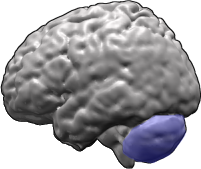
Ataxia espinocerebelar tipo 10
📋 Origem dos dados
Esta página agrega dados de fontes públicas e oficiais. Dados sobre cobertura no SUS (PCDT, CEAF) são verificados ativamente por agente proativo (ver badge no infobox). Demais dados têm atribuição de fonte + data da última sincronização — clique para abrir o original.
- Doença rara (ontologia)
- fonte: Orphanet
- Identificador unificado
- fonte: MONDO
- Genética mendeliana
- fonte: OMIM
- Codificação WHO/SUS
- fonte: WHO ICD-10 / DATASUS
- CID-11 (futuro)
- fonte: WHO ICD-11
- NIH/GARD
- fonte: GARD (NIH)
- Indexação biomédica
- fonte: MeSH (NLM)
- Dado público estruturado
- fonte: Wikidata
- Reposicionamento
- fonte: Drug Repurposing Hub
- Ensaios clínicos
- fonte: ClinicalTrials.gov