
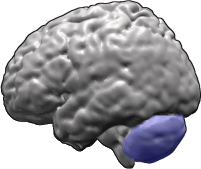
A ataxia espinocerebelar tipo 4 (SCA4) é uma doença genética muito rara, que piora com o tempo (progressiva) e para a qual não há tratamento. Ela faz parte de um grupo maior de condições conhecidas como ataxia cerebelar autossômica dominante tipo I (ADCA tipo I). A SCA4 é caracterizada por falta de coordenação dos movimentos (também chamada ataxia) e por problemas nos nervos que controlam a sensibilidade do corpo (conhecidos como neuropatia sensorial).
Introdução
O que você precisa saber de cara
A ataxia espinocerebelar tipo 4 (SCA4) é uma doença genética muito rara, que piora com o tempo (progressiva) e para a qual não há tratamento. Ela faz parte de um grupo maior de condições conhecidas como ataxia cerebelar autossômica dominante tipo I (ADCA tipo I). A SCA4 é caracterizada por falta de coordenação dos movimentos (também chamada ataxia) e por problemas nos nervos que controlam a sensibilidade do corpo (conhecidos como neuropatia sensorial).
Escala de raridade
<1/50kMuito rara
1/20kRara
1/10kPouco freq.
1/5kIncomum
1/2k
Encontrou um erro ou informação desatualizada? Sugira uma correção →
Entender a doença
Do básico ao detalhe, leia no seu ritmo
Preparando trilha educativa...
Sinais e sintomas
O que aparece no corpo e com que frequência cada sintoma acontece
Partes do corpo afetadas
+ 12 sintomas em outras categorias
Características mais comuns
Os sintomas variam de pessoa para pessoa. Abaixo estão as 21 características clínicas mais associadas, ordenadas por frequência.
Linha do tempo da pesquisa
Encontrou um erro ou informação desatualizada? Sugira uma correção →
Genética e causas
O que está alterado no DNA e como passa nas famílias
Genes associados
2 genes identificados com associação a esta condição. Padrão de herança: Autosomal dominant.
Curadoria gene-doença
fontes oficiaisPossible role in intracellular signaling and cytoskeleton dynamics at the Golgi
Transcriptional regulator which can act as an activator or a repressor. Inhibits the enhancer element of the AFP gene by binding to its AT-rich core sequence. In concert with SMAD-dependent TGF-beta signaling can repress the transcription of AFP via its interaction with SMAD2/3 (PubMed:25105025). Regulates the circadian locomotor rhythms via transcriptional activation of neuropeptidergic genes which are essential for intercellular synchrony and rhythm amplitude in the suprachiasmatic nucleus (SC
NucleusCytoplasm
Atrial fibrillation, familial, 8
A familial form of atrial fibrillation, a common sustained cardiac rhythm disturbance. Atrial fibrillation is characterized by disorganized atrial electrical activity and ineffective atrial contraction promoting blood stasis in the atria and reduces ventricular filling. It can result in palpitations, syncope, thromboembolic stroke, and congestive heart failure.
Variantes genéticas (ClinVar)
187 variantes patogênicas registradas no ClinVar.
Classificação de variantes (ClinVar)
Distribuição de 5.215 variantes classificadas pelo ClinVar.
Vias biológicas (Reactome)
4 vias biológicas associadas aos genes desta condição.
Diagnóstico
Os sinais que médicos procuram e os exames que confirmam
Tratamento e manejo
Remédios, cuidados de apoio e o que precisa acompanhar
Onde tratar no SUS
Hospitais de referência no Brasil e o protocolo oficial do SUS (PCDT)
🇧🇷 Atendimento SUS — Ataxia espinocerebelosa tipo 4
Selecione um estado ou use sua localização para ver resultados.
Dados de DATASUS/CNES, SBGM, ABNeuro e Ministério da Saúde. Sempre confirme a disponibilidade diretamente com o estabelecimento.
Pesquisa ativa
Ensaios clínicos abertos e novidades científicas recentes
Ensaios em destaque
🟢 Recrutando agora
1 pesquisa recrutando participantes. Converse com seu médico sobre a possibilidade de participar.
Outros ensaios clínicos
Publicações mais relevantes
Identification of GGC Repeat Expansions in ZFHX3 Among Chilean Movement Disorder Patients.
Hereditary ataxias are genetically diverse, yet up to 75% remain undiagnosed due to technological and financial barriers. A pathogenic ZFHX3 GGC repeat expansion was recently linked to spinocerebellar ataxia type 4 (SCA4), characterized by progressive ataxia and sensory neuropathy, with all reported cases in individuals of Northern European ancestry. We performed Oxford Nanopore Technologies (ONT) genome long-read sequencing (>115 GB per sample) on a total of 15 individuals from Chile; 14 patients with suspected hereditary movement disorders and one unrelated family member. Variants were identified using PEPPER-Margin-DeepVariant 0.8 (SNVs), Sniffles 2.4 (SVs), and Vamos 2.1.3 (STRs). Ancestry was inferred using GenoTools with reference data from the 1000 Genomes Project, Human Genome Diversity Project, and an Ashkenazi Jewish panel. Haplotype analysis was conducted by phasing SNVs within ZFHX3, and methylation profiling was performed with modbamtools. We identified ZFHX3 GGC repeat expansions (47-55 repeats) in four individuals with progressive ataxia, polyneuropathy, and vermis atrophy. One case presented parkinsonism-ataxia, expanding the phenotype. Longer expansions correlated with earlier onset and greater severity. Hypermethylation was detected on the expanded allele, and haplotype analysis linked ultra-rare ZFHX3 variants to distant Swedish ancestry. This is the first report of SCA4 outside Northern Europe, confirming a shared founder haplotype and expansion instability. The presence of parkinsonism broadens the clinical spectrum. Comprehensive genetic testing across diverse populations is crucial, and long-read sequencing enhances diagnostic yield by detecting repeat expansions and SNVs in a single assay. Spinocerebellar ataxia type 4 (SCA4) is a progressive neurologic disease characterized by cerebellar involvement (gait ataxia, balance disturbances, eye movement abnormalities), brain stem involvement (dysarthria, dysphagia), sensory neuropathy, motor neuron involvement (muscle wasting and spasticity), autonomic dysfunction (especially orthostatic hypotension), and cognition and/or behavior manifestations. Age of onset ranges from 12 to 65 years. In the approximately 10% of individuals whose onset is before age 25 years disease manifestations are more severe and often different from those with later-onset disease. As the disease progresses, particularly in those with early-onset disease, eye movement abnormalities, dysarthria, dysphagia, sensory neuropathy, upper and lower motor neuron involvement, and orthostatic hypotension can further aggravate balance and gait problems. Most individuals eventually require a walker or wheelchair. Reduced life expectancy in individuals with earlier-onset severe SCA4 is associated with weight loss, infections, and cardiac arrhythmia. Life expectancy is normal or near normal in individuals with later-onset SCA4. The diagnosis of SCA4 is established in a proband with suggestive findings by the identification of a heterozygous abnormal trinucleotide GGC repeat expansion in the terminal exon of ZFHX3 by molecular genetic testing. Treatment of manifestations: Multidisciplinary care by neurologists (possible pharmacologic treatment of ataxia); physical therapists (maintain mobility and function); occupational therapists (optimize activities of daily living); speech-language therapists (optimize communication, including augmentative and alternative communication as needed); neuro-ophthalmologists (counsel to minimize impact of eye movement abnormalities); nutritionists and occupational therapists (manage dietary needs and consider need for gastrostomy tube placement); neurologists and neurorehabilitation specialist (manage autonomic dysfunction); and mental health specialists (manage mood disorders and changes in cognition and/or behavior). Surveillance: Monitor existing manifestations, the individual's response to supportive care, and the emergence of new manifestations via routine evaluations as recommended by the treating clinicians. Agents/circumstances to avoid: Medications that (1) further reduce cerebellar function, including drinking alcohol and use of sedating drugs; and (2) exacerbate orthostatic hypotension such as large carbohydrate-rich meals and dehydration. SCA4 is inherited in an autosomal dominant manner. Most individuals diagnosed with SCA4 have an affected parent. As anticipation is common in SCA4, the affected parent frequently has milder disease with a later age of onset than their affected offspring. Each child of an individual with SCA4 has a 50% chance of inheriting an abnormal GGC repeat expansion in ZFHX3. Once a pathogenic ZFHX3 GGC repeat expansion has been identified in an affected family member, predictive testing for at-risk family members and prenatal/preimplantation genetic testing are possible.
Identification of GGC Repeat Expansions in ZFHX3 among Chilean Movement Disorder Patients.
Hereditary ataxias are genetically diverse, yet up to 75% remain undiagnosed due to technological and financial barriers. The GGC repeat expansion in ZFHX3, responsible for spinocerebellar ataxia type 4 (SCA4), has only been described in individuals of Northern Europeandescent. Uncover the genetic etiology of suspected hereditary movement disorders. We performed Oxford Nanopore long-read genome sequencing on 15 individuals with suspected hereditary movement disorders. Using variant calling and ancestry inference tools. We identified ZFHX3 GGC expansions (47-55 repeats) in 4 patients with progressive ataxia, polyneuropathy, and vermis atrophy. One presented with rapidly progressive parkinsonism-ataxia, expanding the known phenotype. Longer expansions correlated with earlier onset and severity. All carriers shared single nucleotide variants (SNVs) associated with the Swedish founder haplotype, and methylation analysis confirmed allele-specific hypermethylation. These represent the first SCA4 cases identified outside Northern Europe. Our findings highlight the value of long-read sequencing in resolving undiagnosed movement disorders. Published 2025. This article is a U.S. Government work and is in the public domain in the USA. Movement Disorders published by Wiley Periodicals LLC on behalf of International Parkinson and Movement Disorder Society.
The ZFHX3 GGC Repeat Expansion Underlying Spinocerebellar Ataxia Type 4 has a Common Ancestral Founder.
The identification of a heterozygous exonic GGC repeat expansion in ZFHX3 underlying spinocerebellar ataxia type 4 (SCA4) has solved a 25-year diagnostic conundrum. We used adaptive long-read sequencing to decipher the pathogenic expansion in the index Utah family and an unrelated family from Iowa of Swedish ancestry. Contemporaneous to our discovery, other groups identified the same repeat expansion in affected individuals from Utah, Sweden, and Germany, highlighting the current pivotal time for detection of novel repeat expansion disorders. Given that the pathogenic repeat expansion is rare on a population level, we proposed a common ancestor across all families. Here, we employed targeted long-read sequencing through adaptive sampling, enriching for the chr16q22 region of interest. Using phased sequencing results from individuals from Utah, Iowa, and Southern Sweden, we confirmed a common ~2000-year-old ancestral haplotype harbouring the repeat expansion. This study provides further insight into the genetic architecture of SCA4. © 2024 The Author(s). Movement Disorders published by Wiley Periodicals LLC on behalf of International Parkinson and Movement Disorder Society.
Repeat length in spinocerebellar ataxia type 4 (SCA4) predicts age at onset and disease severity.
Recently, an exonic GGC repeat expansion (RE) was identified by long-read genome sequencing in the ZFHX3 gen, causing spinocerebellar ataxia type 4 (SCA4), a dominant form of ataxia with sensory neuropathy. However, the analysis of larger cohorts of patients remained demanding, resulting in a challenge to diagnose patients and leaving the question of anticipation in SCA4 unanswered. We aimed to develop a GGC repeat test for clinical SCA4 screening and to apply this test to screen two large German SCA pedigrees and samples of unrelated patients collected over the last 25 years. We modulated a commercial GGC-RE kit (Bio-Techne AmplideX® Asuragen® PCR/CE FMR1 Reagents) with ZFHX3-specific primers and adapted PCR conditions. The test was applied to patients and 50 healthy controls to determine the exact repeat number. Clinical data were revised and correlated with the expanded allele sizes and an exploratory analysis of structural MRI was performed. Repeat size, determined by our protocol for (GGC)n RE analysis shows a strong inverse correlation between repeat length and age at onset and anticipation in subsequent generations. The phenotype also appears to be more strongly expressed in carriers of longer RE. Clinical red flags were slowed saccades, sensory neuropathy and autonomic dysfunction. Our protocol enables cost-effective and robust screening for the causative SCA4 RE within ZFHX3. Furthermore, detailed clinical data of our patients gives a more precise view on SCA4, which seems to be more common among patients with ataxia than expected.
A GGC-repeat expansion in ZFHX3 encoding polyglycine causes spinocerebellar ataxia type 4 and impairs autophagy.
Despite linkage to chromosome 16q in 1996, the mutation causing spinocerebellar ataxia type 4 (SCA4), a late-onset sensory and cerebellar ataxia, remained unknown. Here, using long-read single-strand whole-genome sequencing (LR-GS), we identified a heterozygous GGC-repeat expansion in a large Utah pedigree encoding polyglycine (polyG) in zinc finger homeobox protein 3 (ZFHX3), also known as AT-binding transcription factor 1 (ATBF1). We queried 6,495 genome sequencing datasets and identified the repeat expansion in seven additional pedigrees. Ultrarare DNA variants near the repeat expansion indicate a common distant founder event in Sweden. Intranuclear ZFHX3-p62-ubiquitin aggregates were abundant in SCA4 basis pontis neurons. In fibroblasts and induced pluripotent stem cells, the GGC expansion led to increased ZFHX3 protein levels and abnormal autophagy, which were normalized with small interfering RNA-mediated ZFHX3 knockdown in both cell types. Improving autophagy points to a therapeutic avenue for this novel polyG disease. The coding GGC-repeat expansion in an extremely G+C-rich region was not detectable by short-read whole-exome sequencing, which demonstrates the power of LR-GS for variant discovery.
Publicações recentes
Identification of GGC Repeat Expansions in ZFHX3 among Chilean Movement Disorder Patients.
Identification of GGC Repeat Expansions in ZFHX3 Among Chilean Movement Disorder Patients.
Spinocerebellar Ataxia Type 4.
The ZFHX3 GGC Repeat Expansion Underlying Spinocerebellar Ataxia Type 4 has a Common Ancestral Founder.
Repeat length in spinocerebellar ataxia type 4 (SCA4) predicts age at onset and disease severity.
📚 EuropePMC3.032 artigos no totalmostrando 12
Identification of GGC Repeat Expansions in ZFHX3 among Chilean Movement Disorder Patients.
Movement disorders : official journal of the Movement Disorder SocietyThe ZFHX3 GGC Repeat Expansion Underlying Spinocerebellar Ataxia Type 4 has a Common Ancestral Founder.
Movement disorders : official journal of the Movement Disorder SocietyRepeat length in spinocerebellar ataxia type 4 (SCA4) predicts age at onset and disease severity.
Journal of neurologyClinical, genetic, and neuroimaging profiles of autosomal recessive spinocerebellar ataxia type 4 caused by novel VPS13D variants in Chinese.
American journal of medical genetics. Part ASpinocerebellar ataxia type 4 is caused by a GGC expansion in the ZFHX3 gene and is associated with prominent dysautonomia and motor neuron signs.
Journal of internal medicineAn Update on the Adult-Onset Hereditary Cerebellar Ataxias: Novel Genetic Causes and New Diagnostic Approaches.
Cerebellum (London, England)A GGC-repeat expansion in ZFHX3 encoding polyglycine causes spinocerebellar ataxia type 4 and impairs autophagy.
Nature geneticsAutosomal recessive spinocerebellar ataxia type 4 due to a novel homozygous mutation in the VPS13D gene in a Saudi family.
Clinical neurology and neurosurgerySpinocerebellar ataxia type 4 is not detected in a cohort from Hokkaido, the northernmost island of Japan.
Journal of the neurological sciencesAdaptive Long-Read Sequencing Reveals GGC Repeat Expansion in ZFHX3 Associated with Spinocerebellar Ataxia Type 4.
Movement disorders : official journal of the Movement Disorder SocietyExonic trinucleotide repeat expansions in ZFHX3 cause spinocerebellar ataxia type 4: A poly-glycine disease.
American journal of human geneticsAutosomal recessive spinocerebellar ataxia type 4 with a VPS13D mutation: A case report.
World journal of clinical casesAssociações
Organizações que acompanham esta doença — pra ter apoio e orientação
Ainda não temos associações cadastradas para Ataxia espinocerebelosa tipo 4.
É de uma associação que acompanha esta doença? Fale com a gente →
Comunidades
Grupos ativos de quem convive com esta doença aqui no Raras
Ainda não existe comunidade no Raras para Ataxia espinocerebelosa tipo 4
Pacientes, familiares e cuidadores se organizam em comunidades pra compartilhar experiências, fazer perguntas e se apoiar. Você pode ser o primeiro.
Tire suas dúvidas
Perguntas, dicas e experiências compartilhadas aqui na página
Participe da discussão
Faça login para postar dúvidas, compartilhar experiências e interagir com especialistas.
Fazer loginDoenças relacionadas
Doenças com sintomas parecidos — ajudam quem ainda está buscando diagnóstico
Referências e fontes
Bases de dados externas citadas neste artigo
Publicações científicas
Artigos indexados no PubMed ligados a esta doença no grafo RarasNet — título, periódico e PMID direto da fonte, sem intermediação de IA.
- Identification of GGC Repeat Expansions in ZFHX3 Among Chilean Movement Disorder Patients.
- Identification of GGC Repeat Expansions in ZFHX3 among Chilean Movement Disorder Patients.Movement disorders : official journal of the Movement Disorder Society· 2025· PMID 40459184mais citado
- The ZFHX3 GGC Repeat Expansion Underlying Spinocerebellar Ataxia Type 4 has a Common Ancestral Founder.Movement disorders : official journal of the Movement Disorder Society· 2025· PMID 39635987mais citado
- Repeat length in spinocerebellar ataxia type 4 (SCA4) predicts age at onset and disease severity.
- A GGC-repeat expansion in ZFHX3 encoding polyglycine causes spinocerebellar ataxia type 4 and impairs autophagy.
- Spinocerebellar Ataxia Type 4.
Bases de dados e fontes oficiais
Identificadores e referências canônicas usadas para montar este verbete.
- ORPHA:98765(Orphanet)
- OMIM OMIM:600223(OMIM)
- MONDO:0010847(MONDO)
- GARD:9970(GARD (NIH))
- Variantes catalogadas(ClinVar)
- Busca completa no PubMed(PubMed)
- Q21082500(Wikidata)
Dados compilados pelo RarasNet a partir de fontes abertas (Orphanet, OMIM, MONDO, PubMed/EuropePMC, ClinicalTrials.gov, DATASUS, PCDT/MS). Este conteúdo é informativo e não substitui avaliação médica.
Conteúdo mantido por Agente Raras · Médicos e pesquisadores podem colaborar
Ataxia espinocerebelosa tipo 4
📋 Origem dos dados
Esta página agrega dados de fontes públicas e oficiais. Dados sobre cobertura no SUS (PCDT, CEAF) são verificados ativamente por agente proativo (ver badge no infobox). Demais dados têm atribuição de fonte + data da última sincronização — clique para abrir o original.
- Doença rara (ontologia)
- fonte: Orphanet
- Identificador unificado
- fonte: MONDO
- Genética mendeliana
- fonte: OMIM
- Codificação WHO/SUS
- fonte: WHO ICD-10 / DATASUS
- CID-11 (futuro)
- fonte: WHO ICD-11
- NIH/GARD
- fonte: GARD (NIH)
- Dado público estruturado
- fonte: Wikidata
- Reposicionamento
- fonte: Drug Repurposing Hub
- Ensaios clínicos
- fonte: ClinicalTrials.gov