
A febre amarela (FA), causada pelo vírus da FA, é uma doença zoonótica caracterizada por febre e sintomas constitucionais, com potencial de progredir para febre hemorrágica viral grave e fatal com choque e falência de múltiplos órgãos.
Introdução
O que você precisa saber de cara
A febre amarela (FA), causada pelo vírus da FA, é uma doença zoonótica caracterizada por febre e sintomas constitucionais, com potencial de progredir para febre hemorrágica viral grave e fatal com choque e falência de múltiplos órgãos.
Escala de raridade
<1/50kMuito rara
1/20kRara
1/10kPouco freq.
1/5kIncomum
1/2k
Encontrou um erro ou informação desatualizada? Sugira uma correção →
Entender a doença
Do básico ao detalhe, leia no seu ritmo
Preparando trilha educativa...
Sinais e sintomas
O que aparece no corpo e com que frequência cada sintoma acontece
Partes do corpo afetadas
+ 24 sintomas em outras categorias
Características mais comuns
Os sintomas variam de pessoa para pessoa. Abaixo estão as 47 características clínicas mais associadas, ordenadas por frequência.
Linha do tempo da pesquisa
Encontrou um erro ou informação desatualizada? Sugira uma correção →
Genética e causas
O que está alterado no DNA e como passa nas famílias
Nenhum gene associado encontrado
Os dados genéticos desta condição ainda estão sendo catalogados.
Diagnóstico
Os sinais que médicos procuram e os exames que confirmam
Tratamento e manejo
Remédios, cuidados de apoio e o que precisa acompanhar
Onde tratar no SUS
Hospitais de referência no Brasil e o protocolo oficial do SUS (PCDT)
🇧🇷 Atendimento SUS — Febre amarela
Selecione um estado ou use sua localização para ver resultados.
Dados de DATASUS/CNES, SBGM, ABNeuro e Ministério da Saúde. Sempre confirme a disponibilidade diretamente com o estabelecimento.
Pesquisa ativa
Ensaios clínicos abertos e novidades científicas recentes
Ensaios em destaque
🟢 Recrutando agora
6 pesquisas recrutando participantes. Converse com seu médico sobre a possibilidade de participar.
Outros ensaios clínicos
70 ensaios clínicos encontrados, 13 ativos.
Publicações mais relevantes
Mostrando amostra de 200 publicações de um total de 3.835
LRP8 is a functional receptor for yellow fever virus.
Yellow fever virus (YFV) is an arbovirus causing substantial human morbidity and mortality. The live-attenuated 17D strain serves as vaccine and is one of the most successful vaccines so far. Receptor usage between attenuated and pathogenic YFV strains remains unclear. Here we performed a barcoded, genome-wide human open-reading frame library screen and identified LRP8 (also named APOER2) as a receptor for YFV. We show that LRP8 expression increases YFV infection (17D and two clinical strains, BJ01 and Asibi) in cell lines by promoting entry. Adeno-associated virus-mediated expression of human LRP8 in mouse liver aggravates infection and pathology of the clinical strain BJ01. LRP8 knockdown decreases YFV infection in brain cells, primary human hepatocytes and mosquitoes. LRP8 directly interacts with YFV 17D particles via the viral envelope protein. A soluble LRP8 decoy protein can block YFV 17D and BJ01 infection. Our findings provide insights for understanding YFV entry, tropism and pathogenesis.
Evolution and spillover dynamics of yellow fever at the forest-urban interface in Brazil.
Yellow fever virus (YFV) continues to threaten human and wildlife populations in the Americas, yet its transmission at the forest-urban interface remains unclear. Here we integrate ground- and canopy-level mosquito surveillance, systematic monitoring of non-human primate carcasses and viral metagenomics to describe the dynamics of a sylvatic YFV outbreak in a 186-hectare Atlantic Forest fragment embedded within metropolitan São Paulo, Brazil, between 2017 and 2018. Our analyses reveal that transmission was primarily driven by a single genetic cluster introduced during a period of high abundance of the main vector, Haemagogus leucocelaenus mosquitoes. A near-complete hepatitis A virus genome was detected in a YFV-infected howler monkey, suggesting potential co-infections at the human-wildlife interface. Phylogenetic and epidemiological modelling estimated a basic reproduction number, R0, for sylvatic yellow fever of 8.2 (95% CI 5.1-12.2), substantially higher than previous estimates for urban outbreaks. Our findings demonstrate that multisource surveillance could provide actionable early warnings in regions at risk for zoonotic spillover.
Dose-dependent immune modulation in arboviral coinfections among febrile patients.
Arboviruses pose substantial diagnostic and public health challenges in tropical regions where multiple pathogens co-circulate. Nigeria, with diverse ecological zones and limited surveillance infrastructure, represents a critical nexus for arboviral transmission, yet comprehensive data on seroprevalence, coinfection dynamics, immune modulation, and viral genetic diversity remain scarce. We conducted cross-sectional surveillance across three Nigerian ecological zones from January 2019 to December 2023. Sera from 871 participants were tested for IgG and IgM antibodies to dengue virus (DENV), chikungunya virus (CHIKV), Zika virus (ZIKV), yellow fever virus (YFV), West Nile virus (WNV), and Rift Valley fever virus (RVFV) using immunoblot assays. A stratified subset (n=300) underwent cytokine profiling for interleukin-6 (IL-6), tumour necrosis factor-alpha (TNF-α), interferon-gamma (IFN-γ), and interleukin-10 (IL-10). IgM-positive samples underwent RT-PCR confirmation with genotype assignment through sequence comparison against GenBank reference strains. Overall IgM seropositivity indicating recent infection was 86.8% (756/871), with DENV most prevalent (59.6%; 95% CI: 56.3-62.8%), followed by CHIKV (49.4%), YFV (48.3%), ZIKV (19.7%), WNV (3.4%), and RVFV (2.3%). Coinfection with two or more arboviruses was detected in 61.2% (533/871) of participants. Seropositivity was highest in the tropical rainforest zone (94.2%) compared with Guinea savanna (84.5%) and Sudan savanna (80.4%; χ²=31.8, p<0.001). Cytokine profiling revealed significantly elevated concentrations of IL-6, TNF-α, IFN-γ, and IL-10 in dual and triple infections compared with mono-infections (all p<0.001), demonstrating dose-dependent immune modulation. All four DENV serotypes were identified, with DENV-2 predominating (59.9%). Molecular characterisation confirmed circulation of CHIKV East/Central/South African genotype (82.1%), DENV-2 Cosmopolitan genotype, and both African (71.2%) and Asian (28.8%) ZIKV lineages, with study sequences showing >99% nucleotide identity to established reference strains. These findings reveal extraordinarily high levels of arboviral infection and coinfection across Nigerian ecological zones. The dose-dependent cytokine elevation in coinfections suggests distinct immunopathological mechanisms. These data underscore the urgent need for multiplex diagnostics, genotype-specific monitoring, and climate-informed vector control strategies.
Yellow fever in Latin America and the escalating risks in a changing eco-epidemiological landscape: a review.
Yellow fever (YF) remains a major public health concern in Latin America. We characterise the early-2025 outbreak, compare it with prior waves-especially Southeast Brazil (2016-2018)-and examine environmental, structural, and policy-related drivers. We reviewed regional surveillance data and mortality records from January to April 2025, comparing them to historical outbreak data. Case fatality rate (CFR), geographic spread, and population vulnerability patterns were analyzed. We also reviewed published literature and health alerts to contextualize contributing factors. In 2025, 301 confirmed cases and 124 deaths were reported (CFR 41.1%), mostly in Bolivia, Brazil, Colombia, and Peru, concentrated among unvaccinated populations at the forest-urban interface. Transmission remains sylvatic, but peri-urban spillover risk is rising. Deforestation, climate variability, cross-border migration, and political instability heighten vulnerability; surveillance is fragmented and vaccine uptake insufficient in high-risk groups. YF is re-emerging through intertwined biological, ecological, and socio-political forces. Preventing another large-scale epidemic requires strengthened, integrated surveillance, including Non-Human Primates (NHP) epizootics, equity-centred immunisation in remote areas, and coordinated regional action focused on prevention, early detection, and health-system resilience. La fiebre amarilla (FA) continúa siendo un importante problema de salud pública en América Latina. Caracterizamos el brote de inicios de 2025, lo comparamos con olas previas—en especial el del sudeste de Brasil (2016–2018)—y examinamos determinantes ambientales, estructurales y de política sanitaria. Revisamos datos regionales de vigilancia y registros de mortalidad de enero a abril de 2025, comparándolos con series históricas, particularmente el brote del sudeste de Brasil (2016–2018). Se analizaron las tasas de letalidad por casos (CFR), la expansión geográfica y los patrones de vulnerabilidad poblacional. También revisamos literatura publicada y alertas sanitarias para contextualizar los factores contribuyentes. En 2025 se notificaron 301 casos confirmados y 124 defunciones (CFR 41.1%), sobre todo en Bolivia, Brasil, Colombia y Perú, concentradas en poblaciones no vacunadas en la interfaz selva–urbana. La transmisión sigue siendo selvática, pero aumenta el riesgo de desbordamiento periurbano. La deforestación, la variabilidad climática, la migración transfronteriza y la inestabilidad política incrementan la vulnerabilidad; la vigilancia es fragmentada y la cobertura vacunal insuficiente en grupos de alto riesgo. La FA está reemergiendo por fuerzas biológicas, ecológicas y sociopolíticas entrelazadas. Prevenir otra epidemia de gran escala exige vigilancia fortalecida e integrada (incluidas epizootias en primates no humanos), inmunización centrada en la equidad en áreas remotas y acción regional coordinada enfocada en la prevención, la detección temprana y la resiliencia de los sistemas de salud. A febre amarela (FA) continua sendo uma grande preocupação de saúde pública na América Latina. Caracterizamos o surto inicial de 2025, comparamos com ondas anteriores—especialmente no sudeste do Brasil (2016–2018)—e examinamos os fatores ambientais, estruturais e relacionados a políticas. Revisamos dados regionais de vigilância e registros de mortalidade de janeiro a abril de 2025, comparando-os com dados históricos de surtos. Foram analisadas as taxas de letalidade por casos (CFR), a disseminação geográfica e os padrões de vulnerabilidade populacional. Também revisamos literatura publicada e alertas de saúde para contextualizar os fatores contribuintes. Em 2025, foram reportados 301 casos confirmados e 124 mortes (CFR 41.1%), principalmente na Bolívia, Brasil, Colômbia e Peru, concentrados em populações não vacinadas na interface floresta-urbana. A transmissão permanece silvestre, mas o risco de transbordamento periurbano está aumentando. A desflorestação, a variabilidade climática, a migração transfronteiriça e a instabilidade política aumentam a vulnerabilidade; a vigilância é fragmentada e a adesão à vacina insuficiente em grupos de alto risco. A FA está reemergindo por forças biológicas, ecológicas e sociopolíticas interligadas. Prevenir outra epidemia em grande escala requer vigilância fortalecida e integrada, incluindo epizootias em primatas não humanos (PNH), imunização centrada na equidade em áreas remotas e ação regional coordenada focada na prevenção, detecção precoce e resiliência dos sistemas de saúde.
Spatial and social determinants of the 1857 yellow fever epidemic in Lisbon.
Despite the availability of a highly effective vaccine, yellow fever virus (YFV) is still endemic in 47 countries globally. Although disease due to YFV was first recorded in 1635, factors contributing to its spread remain poorly understood today. Using archival data from the nineteenth century, we digitalised and mapped the 1857 yellow fever (YF) epidemic in Lisbon, Portugal, to understand how transmission dynamics and spatial and environmental characteristics led to disparities in health outcomes between sociodemographic groups. We modelled the basic and effective reproduction number (R0 and Rt) and found that transmission dynamics throughout this pre-vaccination era epidemic are consistent with prevailing estimates (R0 ≃ 5). Transmission peaked at the end of October 1857 when YF was declared an epidemic, then declined until January 1858. YFV killed 4.2% of the population with infection attack rates ranging between 10.3-13.5%. Out of the 34 parishes in urban Lisbon, our hotspot analysis identified 15 statistically significant high-risk parishes near the coastline. Our maps, combined with a digital terrain model, show that the highest number of deaths occurred within connected streets confined in low-elevation built-up areas with homes. We discuss the potential role of wind and temperature in aiding mosquito dispersal across Lisbon, which were believed as the main historical environmental drivers of YF. More people died at home than in hospitals, and although working-aged men accounted for most fatalities, the highest probability of death was found among women working at home. Our study highlights the role of human-environment interactions in shaping a historical YF epidemic in a pre-vaccination urban setting and enhances our understanding of modern-day transmission dynamics.
Publicações recentes
Yellow fever virus infection in non-human primates: a systematic review and meta-analysis of prevalence, seroprevalence, and epizootic case reports (1950-2025).
📖 RevisãoA targeted amplicon sequencing panel for cost-effective high-throughput genotyping of Aedes aegypti.
Investigating antibody cross-reactivity and transmission dynamics of alphaviruses and flaviviruses using a multiplex serological assay.
Preparedness for the emerging risk of yellow fever in the Americas.
📚 EuropePMC4.672 artigos no totalmostrando 198
Unique aspects of the acute kidney injury associated with infections in the tropics: presentation, challenges and opportunities.
Kidney internationalMetagenomic surveillance of zoonotic yellow fever and spillover dynamics at a forest-urban interface.
Nature microbiologyLRP8 is a functional receptor for yellow fever virus.
Nature microbiologyReemergence of yellow fever in Venezuela, 2025/2026.
New microbes and new infectionsWhen yellow fever silenced the forest: Ecological collapse and reduced malaria transmission in the Rio de Janeiro Atlantic Forest, Brazil.
One health (Amsterdam, Netherlands)Safety of Live and Live-Attenuated Vaccines in Patients Receiving Biologics and Small-Molecule Therapies for Dermatologic Diseases: A Systematic Review.
The Australasian journal of dermatologyA cohort study of the duration of immunity to yellow fever after 4 years of primary vaccination in children and adults.
Transactions of the Royal Society of Tropical Medicine and HygieneSoft selective sweeps predominate in the yellow fever mosquito Aedes aegypti.
Molecular biology and evolutionEvolution and spillover dynamics of yellow fever at the forest-urban interface in Brazil.
Nature microbiologyEntomo-virological investigation during the epizootic outbreak of sylvatic yellow fever in Rio Grande do Sul, Brazil, between 2021 and 2022.
Memorias do Instituto Oswaldo CruzPrioritisation and risk ranking of epidemic-prone diseases for emergency preparedness and response in Eastern Africa using a multi-criteria decision analysis framework, 2023.
Journal of public health in AfricaNigeria's post-COVID-19 vaccine manufacturing ambitions: Opportunities and regional implications.
Journal of public health in AfricaDose-dependent immune modulation in arboviral coinfections among febrile patients.
Frontiers in cellular and infection microbiologyYellow fever in Latin America and the escalating risks in a changing eco-epidemiological landscape: a review.
Lancet regional health. AmericasTrends and Patterns of Adverse Drug Reaction Reporting in Sierra Leone: A Retrospective Analysis of VigiFlow Data (2008-2022).
Pharmacoepidemiology and drug safetyTime for a New Yellow Fever Vaccine.
The Journal of infectious diseasesSpatial and social determinants of the 1857 yellow fever epidemic in Lisbon.
PLoS neglected tropical diseasesYellow fever beyond the Amazon: surveillance challenges and the role of Callithrix spp. in sylvatic cycles in Brazil.
Lancet regional health. AmericasClashing in Murky Waters: On Amphibian Mosquito Suppression.
Ecology and evolutionMitochondrial COI gene based population genetic structure and diversity of Aedes aegypti populations across diverse climatic regions of India.
Acta tropicaYellow fever in older populations: Marked age- and sex-based disparities in case-fatality rates in Colombia, Brazil, and Peru.
Travel medicine and infectious diseaseEntomological surveillance of malaria vector: species, behaviors, and insecticide resistance in southern and central Benin.
BMC infectious diseasesComputational Insights into the Structural Dynamics of the E Protein's DIII Domain in Brazilian Yellow Fever Virus: Implications of Amino Acid Variations on Protein Plasticity and Potential Impact on Vaccine Efficacy.
ACS omegaSubstitutions M478K and A482G in the polymerase of yellow fever virus confer resistance to sofosbuvir and uprifosbuvir in vitro.
Antiviral researchHistone Deacetylases Are Required for Aedes aegypti Female Reproduction and Embryonic Development.
Archives of insect biochemistry and physiologyAedes aegypti Hsp70 has enhanced ATPase and protein protection under oxidative stress.
International journal of biological macromoleculesArtificial light at night as a potential driver of Aedes aegypti establishment in arid cities: insights from Las Vegas.
Journal of medical entomology1'- and 4'-Cyano Modified Adenosine Analogs Against Prototypic Flavivirus RNA-Dependent RNA Polymerases.
VirusesNext-Generation HIV-1 Therapeutics in Co-Endemic Settings.
BiomedicinesCytokine-based rapid process control of live virus production: MCP-1 as a cross-family biomarker in Vero cells.
Journal of virological methodsMetabolic quiescence of naive-like memory T cells precedes and maintains antigen-specific T cell memory.
Nature immunology[A brief history and significance of the Czechoslovak army's Antiviral Serum Bank].
Klinicka mikrobiologie a infekcni lekarstviPreliminary estimation of the basic reproductive number of yellow fever in Colombia, 2024-2026.
New microbes and new infectionsIntegrated In Silico, In Vivo, and Deep Learning Approaches in the Discovery of Novel Candidate Molecules for Aedes aegypti Control.
Archives of insect biochemistry and physiologyMetagenomic surveillance of undiagnosed febrile illness in Nigeria does not reveal the etiological agent for most patients.
bioRxiv : the preprint server for biologyDiurnal fluctuating temperature and larval resource level interact to influence the life history and behaviour of disease-transmitting mosquitoes.
Parasites & vectorsHumoral and cellular responses to a tetravalent dengue vaccine (TAK-003) in adults from a dengue non-endemic region: An open-label phase 2 trial.
VaccineGenomic characterization of Sabiá virus in Brazil, 2019-2020: Implications for diagnostics, virus evolution, and receptor binding.
PLoS neglected tropical diseasesEntomological investigation of the 2023 chikungunya outbreak in Pouytenga, Burkina Faso, highlights the virus circulation in Aedes aegypti.
Current research in parasitology & vector-borne diseases(Sero)prevalence of (re)emerging major arbovirus infections in Africa: a systematic review and meta-analysis protocol.
Systematic reviewsTolerance to persistent cell-fusing agent virus infection in Aedes aegypti mosquitoes correlates with maintenance of lipid reserves.
BMC biologyPulmonary Complications in Fatal Yellow Fever, Brazil, 2017-2019.
Emerging infectious diseasesYellow fever virus resurgence in Sao Paulo State, Brazil, 2024-2025.
Revista do Instituto de Medicina Tropical de Sao PauloAn integrated surveillance in Zhejiang Province: ecological and pathogen survey of vectors and reservoir hosts in 2024.
Frontiers in veterinary scienceMolecular Mechanisms of Antibody-Dependent Enhancement of Viral Infection.
Biochemistry. BiokhimiiaGlobal trends of pandemic-prone and epidemic-prone disease outbreaks in 2024.
BMJ global healthHuman genetics of susceptibility to live-attenuated viral vaccines.
Current opinion in virologyRural Inhabitants' Perception-Induced Immunisation Status: The Case of Yellow Fever Vaccination in the Ashanti Region of Ghana.
Rwanda journal of medicine and health sciencesBacterial community structure and diversity of common mosquito species in Chengdu: Insights from PacBio third-generation sequencing and public health implications.
PLoS neglected tropical diseasesA Replication-Competent Flavivirus Genome with a Stable GFP Insertion at the NS1-NS2A Junction.
BiologySabethes mosquitoes (Diptera: Culicidae) associated with bamboo internodes in Pariquera-Açu and Cananeia, São Paulo State, Brazil.
Revista da Sociedade Brasileira de Medicina TropicalNew insights into an old vaccine: potency and breadth of neutralizing antibodies elicited by the yellow fever vaccine 17D are boosted by heterologous Orthoflavivirus infection.
The Journal of infectious diseasesEndemicity of a Yellow Fever Virus Strain Revealed by Entomological Surveillance in Southeastern Senegal.
The American journal of tropical medicine and hygienePotent Monoclonal Antibodies Against Circulating Yellow Fever Virus Strains from Donors Immunized with the 17D Vaccine.
The American journal of tropical medicine and hygieneAntagonism of RNA silencing in the yellow fever mosquito, Aedes aegypti, by the nsP2 protein of the prototype alphavirus.
Proceedings of the National Academy of Sciences of the United States of AmericaHarnessing insect-derived oils for enhanced efficacy of plant-based repellents against disease-transmitting mosquitoes.
Scientific reportsTechnical validation and implementation of a multiplex real-time PCR for differential diagnostic detection of Zika virus, yellow fever virus, dengue virus and chikungunya virus (ZYDC-PCR).
BMC infectious diseasesPyrethroids and organophosphate resistance in Aedes aegypti (Diptera: Culicidae) and their underlying mechanisms.
Parasites & vectorsMolecular detection of insecticide resistance markers in Aedes aegypti (Diptera: Culicidae) populations from Haiti.
Journal of medical entomologyReview of selected mosquito-borne diseases: arboviruses (dengue, chikungunya, Zika, West Nile, Japanese encephalitis, yellow fever) and parasitic diseases (malaria, lymphatic Filariasis).
Frontiers in public healthGlobal epidemiology and evolutionary dynamics of arboviruses: A systematic review of surveillance, control strategies, and emerging threats.
Dialogues in healthThe spread of infectious diseases in migration routes between caravans and resident communities: Modelling yellow fever in Central America.
The journal of climate change and healthYellow fever re-emergence in Tolima, Colombia 2024-25: an eco-epidemiological study.
medRxiv : the preprint server for health sciencesDevelopment and validation of a sample-to-result real time multiplex RT-PCR test for human African trypanosomiasis and arboviral febrile illnesses in the Democratic Republic of the Congo.
BMC infectious diseasesThe L1014F Kdr mutation is associated with a higher prevalence and load of the Plasmodium-blocking symbiont Microsporidia MB In Anopheles Gambiae s.l. In Benin.
BMC microbiologySurveillance Service of Yellow Fever in Non-Human Primates in the Federal District, Brazil, 2008-2022.
Revista da Sociedade Brasileira de Medicina TropicalDistribution of yellow fever vectors in a disease-free area of Northeast Brazil.
Revista da Sociedade Brasileira de Medicina TropicalThe impact of maternal flavivirus infections on fetal neurological outcomes: a scoping review.
Virology journalReview of mosquitoes in Ireland and of relevant mosquito-borne pathogens.
Irish veterinary journalEntomo-virological investigation in urban forest fragments and intradomiciles during a dengue outbreak in Salinas, MG, Brazil.
Memorias do Instituto Oswaldo CruzStrengthening Arboviral Epidemic Response Through Entomological Surveillance: Insights from Bobo-Dioulasso, Burkina Faso.
Current issues in molecular biologyAuto-Abs against type I IFNs: Strong, common, and global determinants of severe arboviral diseases.
Journal of human immunityStructural genomics sheds light on protein functions and remote homologs across the insect tree of life.
Cell researchThermal stress responses on developmental time, survival, and wing morphometrics in desert and coastal strains of Aedes aegypti (Diptera: Culicidae) from India.
Acta tropicaHuman autoantibodies against type I interferons in severe viral disease.
Current opinion in virologyThe Yellow Fever Vaccine Journey: Milestones and Future Directions.
VaccinesTemporal and Geographical Patterns of Pacific Arboviral Vectors on Ebeye, Republic of the Marshall Islands: Insights from a Longitudinal Entomological Study.
Pathogens (Basel, Switzerland)Opportunities and Challenges of mRNA and VLP Technologies for Pan-Flavivirus Vaccine Development: Focus on Conserved Quaternary Epitope Conformations.
International journal of molecular sciencesApplication of Orthoflavivirus Pseudovirus Technology in Antiviral Research.
International journal of molecular sciencesNUP98 regulates orthoflavivirus replication through interaction with vRNA and can be targeted for antiviral purposes.
Nucleic acids researchOccupational Infection Prevention Among Nurses and Laboratory Technicians Amidst Multiple Health Emergencies in Outbreak-Prone Country, D.R. Congo.
Tropical medicine and infectious diseaseCryopreservation of Anopheles gambiae Larvae.
Advanced biologyImpact of the COVID-19 pandemic on travel medicine services in Taiwan, 2019-2022.
Travel medicine and infectious diseaseType I IFN autoantibodies underlie chikungunya live-attenuated vaccine encephalitis.
Proceedings of the National Academy of Sciences of the United States of AmericaFrom pandemic influenza to novel coronaviruses: emerging infectious diseases of the 21st century.
Diagnostic microbiology and infectious diseaseEstimating the impact of decreasing vaccination response times for outbreaks of vaccine-preventable diseases in low- and middle-income countries.
BMC global and public healthLipid Metabolism in Insect Vectors of Diseases.
Advances in experimental medicine and biologyLow-dose yellow fever vaccination in infants: a randomised, double-blind, non-inferiority trial.
Lancet (London, England)Yellow fever vaccine minimum fractional dosing does not extend to infants.
Lancet (London, England)Preparation and application of YFV-17D-derived Anterograde Trans-neuronal Viral Vectors for Neuroscience Research.
bioRxiv : the preprint server for biologySpillover risk for yellow fever virus is amplified by forest-urban interface in the Amazon.
Biology lettersSystematic review of Aedes aegypti control trials suggests publication bias related to author disclosure of conflicts of interest.
PLoS neglected tropical diseasesRDA-PSO: A Computational Method to Quantify the Diffusive Dispersal of Insects.
Bulletin of mathematical biologyEntomological surveillance in active dengue transmission areas of Santo Domingo de los Tsáchilas - Ecuador: Epidemiological importance of Aedes aegypti and the recent establishment of Aedes albopictus.
Acta tropicaMetagenomic Exploration of the Bacteriome Reveals Natural Wolbachia Infections in Yellow Fever Mosquito Aedes aegypti and Asian Tiger Mosquito Aedes albopictus.
Current microbiologyInvolvement of Multiple Ion Channels and Receptors in Mediating the Insecticidal and Repellent Actions of Limonene.
International journal of molecular sciencesMolecular diagnosis of arboviruses (dengue, Chikungunya, yellow fever, Rift Valley fever, Mayaro, West Nile, and Zika viruses) in non-malaria acute febrile illnesses in Kenya's Garissa County, July 2023, and Mombasa County, July 2024.
BMC infectious diseasesAdverse events following immunization (AEFI) with fractional one-fifth and one-half doses of yellow fever vaccine compared to standard dose in children 9-23 months old in Uganda, 2019-2022 - final report.
VaccineArboviruses circulation in Guinea: Overview and perspectives for public health.
PLoS neglected tropical diseasesInsecticide resistance dynamics in Aedes mosquitoes in Ghana.
GigaByte (Hong Kong, China)Spatial and temporal distribution of Culex and Aedes mosquitoes in Ghana.
GigaByte (Hong Kong, China)A case of disseminated intravascular coagulation by leptospirosis during the ongoing yellow fever outbreak in Colombia.
New microbes and new infectionsPlatforms to Evaluate Flavivirus-Induced Immunoinflammatory Responses and Their Pathogenesis.
Methods in molecular biology (Clifton, N.J.)Flavivirus NS1-triggered endothelial dysfunction promotes virus dissemination.
PLoS pathogensViral hepatitis as a differential diagnosis of yellow fever suspected cases in Cameroon: Prevalence and molecular characterization.
IJID regionsDevelopment and Application of a Rapid Field Detection Technology for DENV-2 Based on the HUDSON Nucleic Acid Extraction-Free/RT-RAA/CRISPR-Cas12a System.
VirusesMonitoring Dengue Virus in Aedes aegypti to Improve Dengue Surveillance and Control in Puerto Rico.
VirusesUtility of TaqMan Array Cards for detection of acute febrile illness etiologies in patients suspected of viral hemorrhagic fever infections.
BMC infectious diseasesInsecticide-treated screening of windows for household protection against insecticide-resistant Anopheles gambiae sensu lato in Côte d'Ivoire: a semi-field trial.
Parasites & vectorsRapid virus-free production of recombinant yellow fever virus envelope protein and its in-depth biophysical analysis.
Scientific reportsChallenges in insecticide resistance management: Implications of alternating selection in the yellow fever mosquito, Aedes aegypti.
Pesticide biochemistry and physiologySystematic Determinants of Global COVID-19 Burden: Longitudinal Time-Series Analysis Using Big Data-Driven Artificial Intelligence.
Journal of medical Internet researchExposure to 5G-NR electromagnetic fields affects larval development of Aedes aegypti mosquito.
Scientific reportsVertical transmission of mosquito microbiota and its effects on offspring development.
bioRxiv : the preprint server for biologyPlaque reduction neutralization test (PRNT50) for the detection of anti-yellow fever antibodies from clinical samples.
VaccineSerologic Evidence of Circulation of Six Arboviruses (Dengue Virus, Chikungunya Virus, Zika Virus, Rift Valley Virus, Yellow Fever Virus, Crimean-Congo Hemorrhagic Fever Virus) in Four Regions of Burkina Faso, West Africa.
Tropical medicine and infectious diseaseIntensive Therapeutic Plasma Exchange for Severe Yellow Fever: What Is the Evidence? Comment on Ho et al. Intensive Therapeutic Plasma Exchange-New Approach to Treat and Rescue Patients with Severe Form of Yellow Fever. Trop. Med. Infect. Dis. 2025, 10, 39.
Tropical medicine and infectious disease[Presence of Aedes aegypti in a high altitude area in Bolivia].
Revista de la Facultad de Ciencias Medicas (Cordoba, Argentina)Transposable elements in the transcriptome of Aedes (Stegomyia) aegypti (Linnaeus, 1762).
Medical and veterinary entomologyTargeting Yellow-Fever Virus: Development of a specific aptamer to NS1 protein.
Journal of virological methodsTimeliness of yellow fever specimen collection and transport in Ghana, 2018-2022.
PLOS global public healthDevelopment of a simple trap using widely available materials for collecting immature Sabethines (Diptera: Culicidae) and first records of Sabethes batesi and Wyeomyia nigritubus in Sergipe, Brazil.
Revista da Sociedade Brasileira de Medicina TropicalIn vivo risk assessment of yellow fever virus transmission through breastfeeding, and mechanistic insights.
The Journal of infectious diseasesEvaluating the role of observational uncertainty in climate impact assessments: Temperature-driven yellow fever risk in South America.
PLOS climateA triple-blinded randomized control trial to evaluate the safety and immunogenicity of fractional doses of COVID-19 vaccines (ChAd0x1, AD26.COV2. S, and BNT162B2) among Nigeria adults: the SIFCoVAN trial.
TrialsExpert consensus on vaccination as a primary prevention strategy for women of reproductive age, pregnant, or adulthood.
Revista colombiana de obstetricia y ginecologiaReemergence of yellow fever virus in forest and periurban settings in Brazil.
Communications medicineDifferences in Genetic Diversity between Early Isolates of Yellow Fever Virus Genotypes.
Emerging microbes & infectionsImmunological and transcriptomic profile of chimeric live-attenuated Zika vaccine linked to protection in non-human primates.
Nature communicationsReemergence of Yellow Fever, Magdalena Valley, Colombia, 2024-2025.
Emerging infectious diseasesChemometric Methods Applied to Infrared and Raman Spectroscopy for Arboviruses Diagnosis: A Systematic Review With Meta-Analysis.
Analytical science advancesYellow Fever Virus in Aedes albopictus Mosquitoes from Urban Green Area, São Paulo State, Brazil.
Emerging infectious diseasesStrategic positioning of immunization at the heart of Africa's health and development agenda.
Human vaccines & immunotherapeuticsPharmacovigilance assessment of adverse events following yellow fever vaccination: Disproportionality analysis of VAERS reports, 2015-2025.
Human vaccines & immunotherapeuticsRespiratory symptom burden, vaccination coverage, and preventive health practices among Sudanese Hajj pilgrims who traveled by sea.
Frontiers in public healthPickpocket315 affects male mating behavior in the yellow fever mosquito Aedes aegypti.
G3 (Bethesda, Md.)Potential distribution of Aedes vittatus as an invasive species in North America.
PloS oneSec61 translocon inhibitor flavitransin blocks selectively dengue virus polyprotein insertion in the ER with pan-orthoflavivirus antiviral potency.
Cell reportsSpatiotemporal dynamics and determinants of yellow fever outbreaks in 21st century Brazil: an ecological study.
Transactions of the Royal Society of Tropical Medicine and HygieneYellow fever mortality in Brazil: an age-period-cohort study.
Revista de saude publica[Mosquito Surveillance at Airports and Seaports to Prevent and Control Emerging Mosquito-borne Diseases in the Republic of Korea, 2024].
Jugan geon-gang gwa jilbyeong[Mosquito Surveillance at Airports and Seaports to Prevent and Control Emerging Mosquito-borne Diseases in Korea, 2023].
Jugan geon-gang gwa jilbyeong[Identification of Culex quinquefasciatus Highlights the Need for Strengthened Vector Mosquito Surveillance in the Republic of Korea].
Jugan geon-gang gwa jilbyeongBeyond dengue and Oropouche: The urgent need for yellow fever preparedness in Cuba.
New microbes and new infectionsLarvicidal efficacy of Varronia curassavica leaf phytochemicals against Aedes aegypti: anatomical, histological and cytotoxic analyses.
Pesticide biochemistry and physiologyOutbreaks and incidence of vector-borne diseases in Colombia (2007-2024): Impact of climate change and deforestation.
Biomedica : revista del Instituto Nacional de SaludUpdate on emerging and re-emerging vector-borne diseases.
The American journal of the medical sciencesStandardized Diagnostic Assays for Omsk Hemorrhagic Fever Virus.
Pathogens (Basel, Switzerland)The Use of Disabled Insecticidal Proteins (DIPs) to Investigate the Interaction Between Aedes aegypti-Active Toxins from Bacillus thuringiensis.
InsectsHighly Sensitive Si-Based Electrolyte-Gated Transistor Array for Multiplexed Detection of Arboviruses.
MicromachinesYellow fever vaccination coverage and knowledge, attitudes and practices: a cross-sectional study during an epizootic event in São Sebastião, Federal District, 2020.
Epidemiologia e servicos de saude : revista do Sistema Unico de Saude do BrasilTravel After Transplant: Demographics, Travel Trends, and Vaccination Practices of US Immunocompromised Travelers.
TransplantationDevelopment and application of a PCR-RFLP assay revealing widespread distribution of the pyrethroid resistance-associated VGSC V1016G mutation in Aedes albopictus from Guangyuan City, Sichuan Province of China.
Parasites & vectorsSeroepidemiological Investigation of Arboviruses in Callithrix jacchus in Sergipe, Brazil.
EcoHealthA Multiplex Serological Assay for the Detection of Antibody Responses to Arboviruses.
Journal of visualized experiments : JoVEDengue in deployed military personnel, 1905-2024: a systematic review of incidence, diagnostics and prevention.
Journal of travel medicineMimicry in the Bite: Shared Sequences Between Aedes aegypti Salivary Proteins and Human Proteins.
ProteomesDiscovery of a potent anti-Zika virus benzamide series targeting the viral protein NS4B.
bioRxiv : the preprint server for biologyRationalizing and mitigating the risk of live-attenuated dengue vaccines.
International journal of infectious diseases : IJID : official publication of the International Society for Infectious DiseasesA Review of the Changing Global Impact of Arthropod-Borne Virus Diseases and Recent Initiatives from the World Health Organization.
Medical science monitor : international medical journal of experimental and clinical researchA targeted amplicon sequencing panel for cost-effective high-throughput genotyping of Aedes aegypti.
bioRxiv : the preprint server for biologyThe genomic diversity of arthropod-specific viruses reinforces the continental distribution pattern of Aedes aegypti.
Parasites & vectorsDetection of Aedes (Fredwardsius) vittatus Mosquitoes, Yucatán Peninsula, Mexico, 2025.
Emerging infectious diseasesDetection and genetic diversity of Wolbachia and its associated prophage WO in mosquito populations from Ethiopia.
Scientific reportsSpatial-temporal analysis of natural hazards and disasters in the Greater Horn of Africa between 2010 and 2024 to inform disaster risk reduction, and surveillance and control strategies for climate and environmentally sensitive diseases.
BMJ openAnti-NMDA receptor encephalitis following Murray Valley encephalitis: a case report.
ASM case reportsSafety and non-inferiority of multidose and single-dose vial formulations of EuTCV Vi-CRM197 versus Typbar TCV in healthy participants in Kenya and Senegal: a multicentre, observer-blind, randomised, phase 3 study.
The Lancet. Global healthComputational approaches for designing viral protease inhibitors.
The EnzymesNeonatal tropical infections: A case series and clinical insights.
Tropical doctorMembrane-localized MET engages PVR to mediate extranuclear juvenile hormone signaling in Aedes aegypti.
Proceedings of the National Academy of Sciences of the United States of AmericaPotential Antiviral Compounds from Hippeastrum puniceum Bulb Against Yellow Fever Virus: Bioassay-Guided Fractionation and In Silico Pharmacokinetic Analysis.
Molecules (Basel, Switzerland)Unlocking entry for yellow fever virus.
Nature reviews. MicrobiologyClinical features of yellow fever in cases from Bolivia, Ecuador, Colombia, and Peru (2023-2025): A descriptive retrospective study.
New microbes and new infectionsEarly detection of intracranial hemorrhage in Yellow Fever utilizing multimodal neuromonitoring: A case report.
Science progressContrasted impacts of commercial diets and rearing water on Aedes aegypti fitness and microbiota.
mSphereThe first mitochondrial genome of Haemagogus equinus from Jamaica.
F1000ResearchComing of age: mRNA vaccines for orthoflaviviruses.
Trends in immunologyAuthor Correction: A single residue in the yellow fever virus envelope protein modulates virion architecture and antigenicity.
Nature communications[Epidemiological situation of hepatitis E in Africa].
Virologie (Montrouge, France)Exploring the national burden and challenges in the fight against yellow fever in the Democratic Republic of Congo: a review.
Annals of medicine and surgery (2012)MRNA innovation: preparing for arboviruses and the next global outbreak.
Annals of medicine and surgery (2012)Reproductive Aging Impacts the Seminal Fluid Proteome in the Yellow Fever Mosquito, Aedes aegypti.
ProteomicsPrioritization of future new vaccines introduction: The experience of the Ethiopian National Immunization Technical Advisory Group.
VaccineNationwide surveillance detects yellow fever and chikungunya viruses in multiple Aedes mosquito species in Nigeria.
Parasites & vectorsTaxonomic expansion and reorganization of Flaviviridae.
Nature microbiologyAssessment of vector control strategies based on mass Aedes (Stegomyia) mosquito trapping (AGOs traps) pilot study in a US-Mexico border region of South Texas.
PLoS neglected tropical diseasesField Evaluation of Mobile Molecular Differential Tests in DRC and Nigeria.
Open forum infectious diseasesMultiple LDLR family members act as entry receptors for yellow fever virus.
NatureEpidemiological situation of hepatitis E in Africa.
Virologie (Montrouge, France)In Vivo Characterization and Tissue Tropism of a Wild-Type Yellow Fever Virus Isolate from the 2017-2018 Brazilian Outbreak in C57BL/6 IFNAR1-/- Mice.
VirusesAGS-v PLUS, a Mosquito Salivary Peptide Vaccine, Modulates the Response to Aedes Mosquito Bites in Humans.
VaccinesOrthoflavivirus Vaccine Platforms: Current Strategies and Challenges.
VaccinesInferring Geographic Spread of Flaviviruses Through Analysis of Hypervariable Genomic Regions.
Tropical medicine and infectious diseaseA new in vitro pre-clinical method for testing SARS-CoV-2 nasopharyngeal swabs.
Scientific reportsThe First National Record of the Invasive Mosquito Aedes vittatus (Diptera: Culicidae) in Mexico, a Threat to Public Health in Continental America.
Neotropical entomologyComparative toxicity of the isoxazolines afoxolaner, fluralaner, and fluxametamide, and the meta-diamide broflanilide against adult Aedes aegypti (Diptera: Culicidae) and Anopheles quadrimaculatus (Diptera: Culicidae).
Journal of medical entomologyPopulation densities of black-and-gold howler monkeys (Alouatta caraya) in northeastern Argentina and the possible influence of a yellow fever outbreak.
Primates; journal of primatologyYellow Fever Vaccine-Associated Viscerotropic Disease: A Unique Case of Atraumatic Splenic Rupture.
Case reports in infectious diseasesAssociações
Organizações que acompanham esta doença — pra ter apoio e orientação
Ainda não temos associações cadastradas para Febre amarela.
É de uma associação que acompanha esta doença? Fale com a gente →
Comunidades
Grupos ativos de quem convive com esta doença aqui no Raras
Ainda não existe comunidade no Raras para Febre amarela
Pacientes, familiares e cuidadores se organizam em comunidades pra compartilhar experiências, fazer perguntas e se apoiar. Você pode ser o primeiro.
Tire suas dúvidas
Perguntas, dicas e experiências compartilhadas aqui na página
Participe da discussão
Faça login para postar dúvidas, compartilhar experiências e interagir com especialistas.
Fazer loginDoenças relacionadas
Doenças com sintomas parecidos — ajudam quem ainda está buscando diagnóstico
Referências e fontes
Bases de dados externas citadas neste artigo
Publicações científicas
Artigos indexados no PubMed ligados a esta doença no grafo RarasNet — título, periódico e PMID direto da fonte, sem intermediação de IA.
- LRP8 is a functional receptor for yellow fever virus.
- Evolution and spillover dynamics of yellow fever at the forest-urban interface in Brazil.
- Dose-dependent immune modulation in arboviral coinfections among febrile patients.
- Yellow fever in Latin America and the escalating risks in a changing eco-epidemiological landscape: a review.
- Spatial and social determinants of the 1857 yellow fever epidemic in Lisbon.
- Yellow fever virus infection in non-human primates: a systematic review and meta-analysis of prevalence, seroprevalence, and epizootic case reports (1950-2025).
- Yellow fever vaccine.
- A targeted amplicon sequencing panel for cost-effective high-throughput genotyping of Aedes aegypti.
- Investigating antibody cross-reactivity and transmission dynamics of alphaviruses and flaviviruses using a multiplex serological assay.
- Preparedness for the emerging risk of yellow fever in the Americas.
Bases de dados e fontes oficiais
Identificadores e referências canônicas usadas para montar este verbete.
- ORPHA:99829(Orphanet)
- MONDO:0020502(MONDO)
- GARD:7914(GARD (NIH))
- Busca completa no PubMed(PubMed)
- Artigo Wikipedia(Wikipedia)
- Q154874(Wikidata)
Dados compilados pelo RarasNet a partir de fontes abertas (Orphanet, OMIM, MONDO, PubMed/EuropePMC, ClinicalTrials.gov, DATASUS, PCDT/MS). Este conteúdo é informativo e não substitui avaliação médica.
Conteúdo mantido por Agente Raras · Médicos e pesquisadores podem colaborar
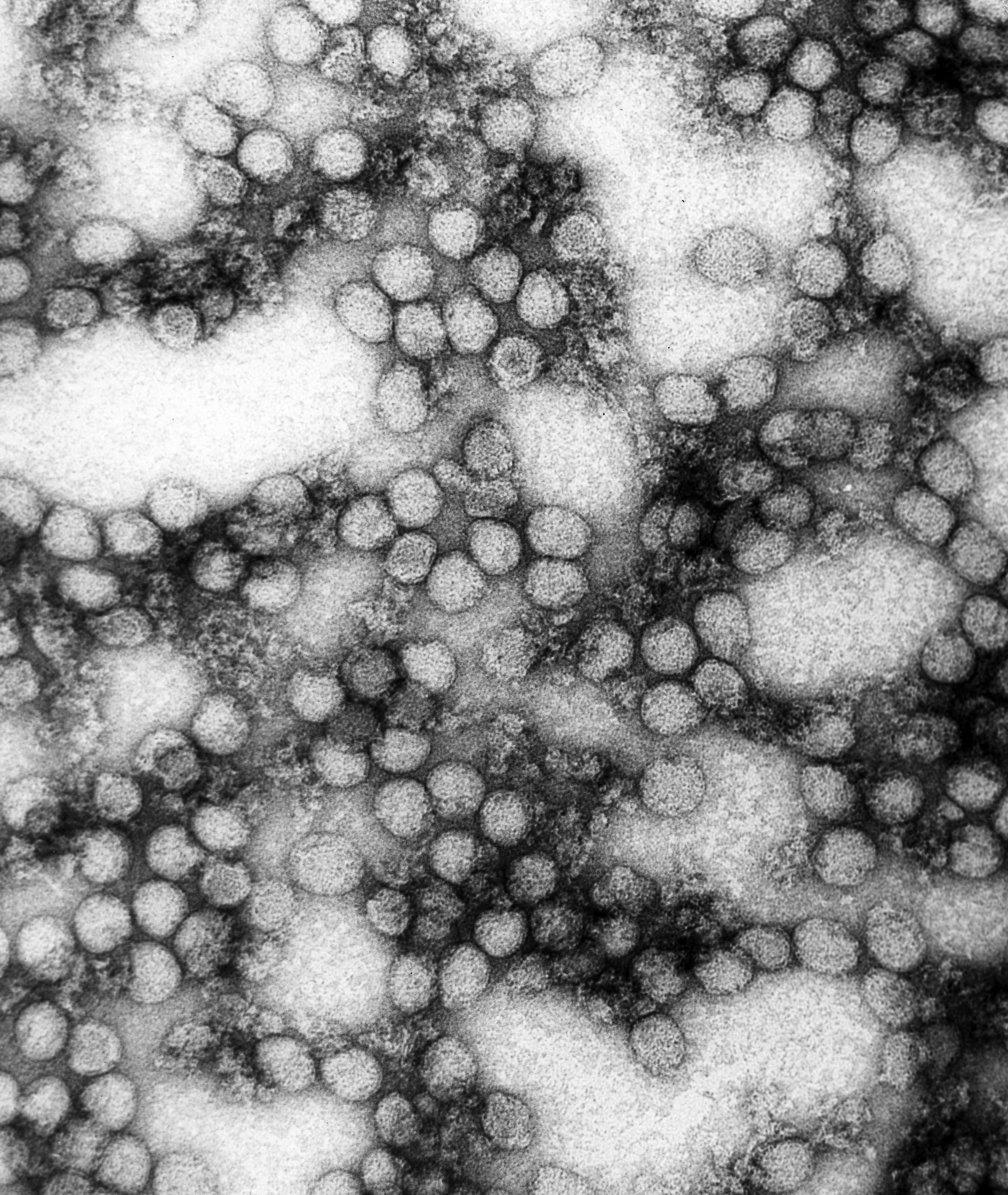
Febre amarela
📋 Origem dos dados
Esta página agrega dados de fontes públicas e oficiais. Dados sobre cobertura no SUS (PCDT, CEAF) são verificados ativamente por agente proativo (ver badge no infobox). Demais dados têm atribuição de fonte + data da última sincronização — clique para abrir o original.
- Doença rara (ontologia)
- fonte: Orphanet
- Identificador unificado
- fonte: MONDO
- Codificação WHO/SUS
- fonte: WHO ICD-10 / DATASUS
- CID-11 (futuro)
- fonte: WHO ICD-11
- NIH/GARD
- fonte: GARD (NIH)
- Indexação biomédica
- fonte: MeSH (NLM)
- Dado público estruturado
- fonte: Wikidata
- Reposicionamento
- fonte: Drug Repurposing Hub
- Ensaios clínicos
- fonte: ClinicalTrials.gov