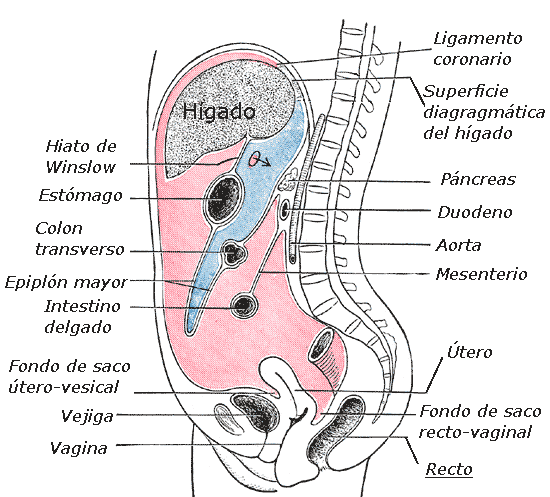
Carcinoma raro que surge do peritônio e se assemelha aos tumores epitelial-estromais malignos de superfície que surgem do ovário. O adenocarcinoma seroso é a variante histológica mais comum. Afeta quase exclusivamente mulheres. O diagnóstico de carcinoma peritoneal primário só pode ser feito se ambos os ovários não estiverem envolvidos pelo tumor ou, se os ovários estiverem envolvidos, o tumor estiver confinado à superfície ovariana sem invasão do estroma ovariano e o envolvimento peritoneal for maior que o envolvimento da superfície ovariana.
Introdução
O que você precisa saber de cara
O carcinoma peritoneal primário é um tipo raro de câncer que se desenvolve no peritônio, a membrana que reveste a cavidade da barriga, afetando quase exclusivamente mulheres na fase adulta. Os sinais mais comuns percebidos pela pessoa incluem inchaço no abdômen, dor na barriga, enjoo, vômitos e prisão de ventre. A doença pode apresentar ligação com alterações no gene BRCA1, mas sua forma exata de herança ainda não é totalmente conhecida. Atualmente, esta condição não consta na lista oficial de diretrizes e PCDTs de doenças raras do SUS, de modo que o cuidado clínico precisa ser organizado dentro da rede de oncologia de referência.
Carcinoma raro que surge do peritônio e se assemelha aos tumores epitelial-estromais malignos de superfície que surgem do ovário. O adenocarcinoma seroso é a variante histológica mais comum. Afeta quase exclusivamente mulheres. O diagnóstico de carcinoma peritoneal primário só pode ser feito se ambos os ovários não estiverem envolvidos pelo tumor ou, se os ovários estiverem envolvidos, o tumor estiver confinado à superfície ovariana sem invasão do estroma ovariano e o envolvimento peritoneal for maior que o envolvimento da superfície ovariana.
Tem tratamento?
Escala de raridade
<1/50kMuito rara
1/20kRara
1/10kPouco freq.
1/5kIncomum
1/2k
Encontrou um erro ou informação desatualizada? Sugira uma correção →
Entender a doença
Do básico ao detalhe, leia no seu ritmo
Preparando trilha educativa...
Sinais e sintomas
O que aparece no corpo e com que frequência cada sintoma acontece
Características mais comuns
Os sintomas variam de pessoa para pessoa. Abaixo estão as 6 características clínicas mais associadas, ordenadas por frequência.
Linha do tempo da pesquisa
Encontrou um erro ou informação desatualizada? Sugira uma correção →
Genética e causas
O que está alterado no DNA e como passa nas famílias
Genes associados
1 gene identificado com associação a esta condição. Padrão de herança: Unknown.
Breast cancer
A common malignancy originating from breast epithelial tissue. Breast neoplasms can be distinguished by their histologic pattern. Invasive ductal carcinoma is by far the most common type. Breast cancer is etiologically and genetically heterogeneous. Important genetic factors have been indicated by familial occurrence and bilateral involvement. Mutations at more than one locus can be involved in different families or even in the same case.
Medicamentos e terapias
Mecanismo: Vascular endothelial growth factor A inhibitor
Mecanismo: Tubulin stabiliser
Mecanismo: Tubulin inhibitor
Variantes genéticas (ClinVar)
14.175 variantes patogênicas registradas no ClinVar.
Classificação de variantes (ClinVar)
Distribuição de 1 variantes classificadas pelo ClinVar.
Vias biológicas (Reactome)
27 vias biológicas associadas aos genes desta condição.
Onde tratar no SUS
Hospitais de referência no Brasil e o protocolo oficial do SUS (PCDT)
🇧🇷 Atendimento SUS — Carcinoma peritoneal primário
Selecione um estado ou use sua localização para ver resultados.
Dados de DATASUS/CNES, SBGM, ABNeuro e Ministério da Saúde. Sempre confirme a disponibilidade diretamente com o estabelecimento.
Pesquisa ativa
Ensaios clínicos abertos e novidades científicas recentes
Ensaios em destaque
Com ensaio aberto em 15 países. O ponto verde marca onde há vaga agora.
🟢 Recrutando agora
34 pesquisas recrutando participantes. Converse com seu médico sobre a possibilidade de participar.
Outros ensaios clínicos
237 ensaios clínicos encontrados, 73 ativos.
Publicações mais relevantes
A retrospective analysis of risk-reducing salpingo-oophorectomy performed in women diagnosed with hereditary breast and ovarian cancer at our institution.
Hereditary breast and ovarian cancer (HBOC) confers a markedly increased lifetime risk of breast and ovarian cancers. As no effective surveillance method for early detection of ovarian cancer has been established, risk-reducing salpingo-oophorectomy (RRSO) is recommended for patients with HBOC to prevent disease onset. We evaluated the clinical characteristics of patients with HBOC and the surgical outcomes of RRSO performed at our institution. We retrospectively reviewed women diagnosed with HBOC at our institution between 2018 and 2024. For analyses of surgical outcomes, male patients, patients with prior bilateral adnexectomy, and patients diagnosed with HBOC who did not undergo RRSO were excluded. Clinical data including patient characteristics, surgical procedures, genetic testing, and pathological findings were assessed. A total of 283 women were diagnosed with HBOC, and 43 (15.1%) underwent testing based on the results of affected relatives. After excluding 39 patients with prior bilateral adnexectomy, and 105 who did not undergo RRSO, 139 patients were included in the surgical analysis. The uptake rate of RRSO among female patients with HBOC was 57%. The median age at surgery was 50 years (range, 35-75). Pathogenic BRCA1 variants were identified in 48 patients (34.5%), BRCA2 variants in 90 (64.7%), and both BRCA1 and BRCA2 variants in 1 (0.7%). A history of malignancy was observed in 121 patients (breast cancer, n = 121; pancreatic cancer, n = 1; ovarian cancer, n = 1; others, n = 3). Laparoscopic RRSO was performed in 138 cases, with one additional hysterectomy performed laparoscopically and one via laparotomy. No perioperative complications were observed. All 6 cases before April 2020 were performed outside insurance coverage; after insurance coverage was initiated in April 2020, 16 were non-covered and 117 were covered by insurance. Pathological examination revealed occult high-grade serous carcinoma in 4 patients (2.9%) and serous tubal intraepithelial carcinoma in 5 patients (3.6%). To date, no cases of primary peritoneal carcinoma following RRSO have been identified. RRSO was performed safely at our institution, with the detection rate of intraepithelial and invasive carcinoma comparable to previous reports. Although no cases of primary peritoneal carcinoma have been observed postoperatively to date, the residual risk remains, indicating the need for continued long-term surveillance.
Treatment with Mirvetuximab-Soravtansin-first clinical experience in advanced ovarian cancer in a comprehensive cancer center.
Mirvetuximab-Soravtansin (MIRV) is an antibody-drug conjugate (ADC) for the therapy of advanced platinum-resistant folate receptor α (FRα)-expressing ovarian cancer. The goal of the study was to treat patients with MIRV off-label in our Comprehensive Cancer Center regarding the outcome and adverse events. This retrospective single-center cohort study included six patients with advanced high-grade serous ovarian cancer (HGSOC) or high-grade serous primary peritoneal carcinoma (PPC) with initial FIGO stage IIC-IV between July 2023 and August 2024. Inclusion criteria were metastatic advanced HGSOC or PPC, expression of FRα ≥75% (IHC PS2+), and progression during systemic therapy with ≥3 therapies before. All patients underwent ophthalmological examination before therapy with MIRV. After 2-6 cycles of MIRV (median, 3.3), objective descriptive response with computed tomography (CT) scan of the thorax-abdomen and CA-125 response were monitored. CA-125 decreased in all evaluable patients (n, 5) from baseline. In the CT scan, two patients showed radiographically stable disease, and one of our patients represented progressive disease. Two patients revealed a partial response, and one of them had partial remission at the initial FIGO stage IV. Adverse events were monitored; one patient developed transient ocular toxicity. Treatment with MIRV has been shown to be promising in advanced ovarian cancer. In a small heterogeneous group of heavily pretreated patients, general recommendations for therapy with MIRV are limited. Close collaboration with ophthalmology and patient education is essential to mitigate ocular events.
Primary Peritoneal Carcinomatosis: A Case Report.
Primary peritoneal adenocarcinoma (PPC) is an uncommon malignancy that arises from the peritoneal lining and shares striking clinical, histopathological, and immunophenotypic similarities with epithelial ovarian carcinoma (EOC). Because both entities derive from Müllerian epithelium, distinguishing PPC from metastatic ovarian or gastrointestinal carcinoma poses a significant diagnostic challenge, particularly in the absence of detectable ovarian masses. Recognizing this rare entity is clinically relevant, as accurate classification influences prognosis, genetic counseling, and management strategies.
Pembrolizumab and epigenetic modification with azacitidine reshapes the tumor microenvironment of platinum-resistant epithelial ovarian cancer: a phase 2 non-randomized clinical trial.
Epigenetic modulators may sensitize platinum-resistant ovarian cancer (PROC) to immune checkpoint inhibition by reprogramming the tumor microenvironment. We report clinical and translational findings from a phase II non-randomized study of pembrolizumab and oral azacitidine in 34 women with PROC (NCT02900560). Key eligibility criteria included age 18 years or older, performance status of 0-1, measurable disease, platinum-resistant disease and histologically confirmed epithelial ovarian cancer, fallopian tube carcinoma or primary peritoneal carcinoma. Primary endpoints included safety, tolerability, overall response rate (ORR) and disease control rate (DCR). Secondary endpoints included CA-125 response. The effect of combined epigenetic and immunotherapy was evaluated by transcriptomic analyses of 72 serially biopsied tumors. We show that the combination is moderately well tolerated and most common grade 3-4 adverse events are gastrointestinal side effects and anemia. ORR is 2.9% and DCR is 50%; with 3 of the 27 evaluable patients attaining a CA-125 response. Differential gene expression analyses reveal an upregulation of inflammatory and cytolytic genes and co-inhibitory checkpoints 6 weeks on-therapy. Upregulation of interferon signaling, antigen presentation and immune cell adhesion and migration gene sets are prominent on-therapy, together with an increase in density of CD8 + T-cells. Patients with a CA-125 and/or clinical response show an enrichment of adaptive and conserved immune response gene sets on-therapy. Our findings highlight the potential of epigenetic modulators to re-shape the tumor microenvironment of PROC toward a more inflammed phenotype and may point to approaches to augment immunotherapy response. A type of cancer immunotherapy called immune checkpoint inhibition (ICI) has shown limited effectiveness in ovarian cancer. This might be because of few active immune cells in the area surrounding the tumor, called the tumor microenvironment. Additional treatments called epigenetic modulators can be used to increase anti-tumor immune responses. Here we investigate if the combination of an epigenetic modulator with ICI can be used in women with ovarian cancer who have not significantly benefited from standard chemotherapy. The combination of epigenetic therapy with ICI was moderately well tolerated, and tumor growth was controlled in half of the women in the study. There was evidence that the tumor microenvironment changed by inducing an inflammatory profile. These findings show the potential of this combination therapy to alter the tumor microenvironment, and that this could enhance outcomes to cancer treatments.
Folate receptor alpha (FRα/FOLR1) and HER2 immunohistochemical staining in high-grade endometrial carcinoma with aberrant p53 expression.
Mirvetuximab soravtansine is an anti-FOLR1 (folate receptor 1/alpha) antibody-drug conjugate with a companion diagnostic immunohistochemical (IHC) biomarker for platinum-resistant ovarian, fallopian tube and primary peritoneal carcinoma. Its effectiveness has sparked interest in FOLR1 expression in endometrial carcinoma. We evaluate the relationship of FOLR1 and HER2-IHC expression in high-grade p53-aberrantly expressed endometrial carcinomas, as overexpression of both is associated with high-grade histologic features and aggressiveness. Carcinomas were scored for HER2-IHC by both gastric and endometrial serous criteria and FOLR1-IHC by Ventana package insert on tissue microarray cores. Intratumoral heterogeneity was quantified for HER2 and FOLR1 expression across multiple cores from the same tumour. A total of 291 cores (226 endometrial serous, 47 high-grade endometrioid and 18 high-grade Müllerian carcinoma, nos) were collected from 66 cases (discrete accession dates) from 62 patients. When stratified by two-category HER2-IHC status (0/1+ vs. 2+/3+, either criteria), significantly more HER2 2+/3+ cores (16/133, 12%) were FOLR1-positive by a ≥75% cut-off than HER2 0/1+ specimens (8/158, 5%, P = 0.031). Results were similar by a ≥25% cut-off (49/133, 37% vs. 38/158, 24%; P = 0.018). More cases with high HER2-IHC heterogeneity (2-3-pt difference) also demonstrated FOLR1-IHC heterogeneity (≥50% score difference between cores from the same case) than cases with no or low (1-pt) HER2-IHC heterogeneity, though most cases did not show high HER2 or FOLR1 intratumoral heterogeneity (16.7%-18.2% 2-3-pt difference and 12.1% ≥50% score difference). A positive correlation between HER2 and FOLR1 overexpression may be seen in high-grade endometrial carcinomas with aberrant p53 expression, which may extend to intratumoral heterogeneity of biomarker expression.
Publicações recentes
Pembrolizumab plus weekly paclitaxel in platinum-resistant recurrent ovarian cancer (ENGOT-ov65/KEYNOTE-B96): a multicentre, randomised, double-blind, phase 3 study.
Ileocecal and Small Bowel Involvement Are Independently Associated with Inferior Survival Despite Complete Cytoreduction in FIGO IIIC-IV Tubo-Ovarian and Primary Peritoneal Carcinoma.
Heterogeneity in Stage IV Ovarian Cancer: Survival Trends in Patients Presenting with Sister Mary Joseph's Nodule.
Primary Peritoneal Low-Grade Serous Carcinoma in a 16-Year-Old Female: A Case Report.
A retrospective analysis of risk-reducing salpingo-oophorectomy performed in women diagnosed with hereditary breast and ovarian cancer at our institution.
📚 EuropePMC171 artigos no totalmostrando 146
A retrospective analysis of risk-reducing salpingo-oophorectomy performed in women diagnosed with hereditary breast and ovarian cancer at our institution.
Hereditary cancer in clinical practiceTreatment with Mirvetuximab-Soravtansin-first clinical experience in advanced ovarian cancer in a comprehensive cancer center.
Frontiers in oncologyPrimary Peritoneal Carcinomatosis: A Case Report.
CureusPembrolizumab and epigenetic modification with azacitidine reshapes the tumor microenvironment of platinum-resistant epithelial ovarian cancer: a phase 2 non-randomized clinical trial.
Communications medicineCorrelation between preoperative PCI imaging, intraoperative PCI measurement, and overall survival in peritoneal carcinomatosis secondary to ovarian, tubal, and primary peritoneal carcinoma.
BMC women's healthSevere, refractory paraneoplastic aplastic anemia secondary to primary peritoneal carcinoma: a case report.
Gynecologic oncology reportsTwo Cases of Mesonephric-Like Adenocarcinoma Arising From Ovary and Peritoneal and Literature Review.
CureusEvaluating the risk of diaphragmatic hernia following left diaphragm resections during cytoreductive surgery for ovarian cancer: a Memorial Sloan Kettering Cancer Center Team Ovary study.
International journal of gynecological cancer : official journal of the International Gynecological Cancer SocietyFolate receptor alpha (FRα/FOLR1) and HER2 immunohistochemical staining in high-grade endometrial carcinoma with aberrant p53 expression.
HistopathologyIs the tail of the pancreas always tumor-infiltrated when macroscopically affected during cytoreductive surgery? A clinicopathological study and experience from a high-volume center.
World journal of surgical oncologyPerformance Evaluation of a New HRD Assay (HRDsig) in Ovarian Carcinomas in Australia.
Journal of clinical laboratory analysisDiagnostic Pitfalls in Peritoneal Carcinomatosis: A Case of Pseudomyxoma Peritonei.
CureusAdenocarcinoma of Müllerian origin developed 22 years after Salpingo-oophorectomy in a woman with BRCA1 mutation: a thought about modification of chemotherapy dose and peritoneal resection.
Oxford medical case reportsThe prognostic role of omental, ovarian chemotherapy response score and CA125 in predicting survival in patients with tubo-ovarian high-grade serous carcinoma/primary peritoneal carcinoma receiving neoadjuvant chemotherapy.
Indian journal of cancerPathology results of risk-reducing salpingo-oophorectomy in BRCA1/2 carriers and long-term clinical outcomes.
International journal of gynaecology and obstetrics: the official organ of the International Federation of Gynaecology and ObstetricsGreat Mimics in Oncology: A Retrospective Study from a Tertiary Care Centre of Eastern India.
Indian journal of surgical oncologyBevacizumab beyond progression: Impact of subsequent bevacizumab re-treatment in patients with ovarian, fallopian tube, and peritoneal cancer after progression.
Gynecologic oncologyLaparoscopic Cytoreduction After Neoadjuvant Chemotherapy in High-Grade Epithelial Ovarian Cancer: A LANCE Randomized Clinical Trial.
JAMA network openOncologic outcomes of incidental serous tubal intraepithelial carcinoma and associated high-grade serous carcinoma in high-risk patients undergoing risk-reducing surgery.
International journal of gynecological cancer : official journal of the International Gynecological Cancer SocietyA Case of Carcinosarcoma of the Peritoneum With Serous Tubal Intraepithelial Carcinoma.
Case reports in obstetrics and gynecologyCase report: Germline BRCA 2 mutation in primary peritoneal carcinoma: a rare malignancy.
Frontiers in oncologyApplication of a Malecot drain in the management of a vaginal cuff dehiscence: A case report and review of the literature.
Gynecologic oncology reports[Analysis of sequential chemotherapy efficacy in ovarian epithelial carcinoma, fallopian tube carcinoma and primary peritoneal carcinoma].
Zhonghua fu chan ke za zhiPhase I and Randomized Phase II Study of Ruxolitinib With Frontline Neoadjuvant Therapy in Advanced Ovarian Cancer: An NRG Oncology Group Study.
Journal of clinical oncology : official journal of the American Society of Clinical OncologyA randomized phase II trial to examine modified vaccinia Ankara-5T4 vaccine in patients with relapsed asymptomatic ovarian cancer (TRIOC).
International journal of gynecological cancer : official journal of the International Gynecological Cancer SocietyNiraparib maintenance therapy using an individualised starting dose in patients with platinum-sensitive recurrent ovarian cancer (NORA): final overall survival analysis of a phase 3 randomised, placebo-controlled trial.
EClinicalMedicinePrimary peritoneal carcinoma presented with abdominal pain in patient with kidney transplantation.
The Korean journal of internal medicineSuccessful Treatment of a Case of Crescentic Glomerulonephritis in a Patient with Primary Peritoneal Carcinoma: A case report.
Sultan Qaboos University medical journalSingle-Agent Trabectedin Versus Physician's Choice Chemotherapy in Patients With Recurrent Ovarian Cancer With BRCA-Mutated and/or BRCAness Phenotype: A Randomized Phase III Trial.
Journal of clinical oncology : official journal of the American Society of Clinical OncologyClinical significance of risk-reducing salpingo-oophorectomy in patients with BRCA1/2 mutation.
Journal of gynecology obstetrics and human reproduction[A case of primary peritoneal cancer diagnosed with a duodenal stricture].
Nihon Shokakibyo Gakkai zasshi = The Japanese journal of gastro-enterologySearching for the source: Extraovarian primary peritoneal carcinoma presenting as chest wall masses.
Gynecologic oncology reportsPrimary peritoneal serous psammocarcinoma, rare variant: A case report.
Gynecologic oncology reportsBRCA gene amplification in primary peritoneal high-grade serous carcinoma patient with intrinsic resistance to platinum treatment: a case report.
PathologicaSolitary extraovarian primary peritoneal carcinoma with direct invasion into the liver, diaphragm and lung without peritoneal dissemination or distant metastasis.
Hepatobiliary & pancreatic diseases international : HBPD INTA Rare Case of Primary Peritoneal Carcinoma With Large Bowel Metastasis.
CureusPhase II Trials of Iniparib (BSI-201) in Combination with Gemcitabine and Carboplatin in Patients with Recurrent Ovarian Cancer.
The oncologistIntrathoracic surgery as part of primary cytoreduction for advanced ovarian cancer: Going to the next level - A Memorial Sloan Kettering Cancer Center study.
Gynecologic oncologyA phase II, open-label, non-randomized, prospective study assessing paclitaxel, carboplatin and metformin in the treatment of advanced stage ovarian carcinoma.
Journal of gynecologic oncologyPrognostic Factors for Advanced Epithelial Ovarian Cancer Following Primary Cytoreductive Surgery or Neoadjuvant Chemotherapy.
Asian Pacific journal of cancer prevention : APJCPData Set for the Reporting of Ovarian, Fallopian Tube and Primary Peritoneal Carcinoma: Recommendations From the International Collaboration on Cancer Reporting (ICCR).
International journal of gynecological pathology : official journal of the International Society of Gynecological PathologistsNonepithelial ovarian cancer - the current clinical practice in the Nordic countries. Survey from the surgical subcommittee of the Nordic society of gynecological oncology (NSGO).
Acta oncologica (Stockholm, Sweden)Primary Peritoneal Carcinoma: A Rare Malignancy Presenting a Diagnostic Challenge.
CureusPrimary peritoneal high-grade serous carcinoma in a man: A case report.
Annals of medicine and surgery (2012)Improved survival after implementation of ultra-radical surgery in advanced epithelial ovarian cancer: Results from a tertiary referral center.
Gynecologic oncologyIn pursuit of the primary.
Breathe (Sheffield, England)Genomic catastrophe, the peritoneal cavity and ovarian cancer prevention.
The Journal of pathologyPrimary peritoneal carcinoma and ovarian carcinoma - a ten-year comparative analysis.
Klinicka onkologie : casopis Ceske a Slovenske onkologicke spolecnostiCutaneous and Cerebral Metastases From Primary Peritoneal Clear Cell Carcinoma.
CureusNeoadjuvant and Adjuvant Systemic Therapy for Newly Diagnosed Stage II-IV Epithelial Ovary, Fallopian Tube, or Primary Peritoneal Carcinoma: A Practice Guideline.
Current oncology (Toronto, Ont.)Serum HE4 is associated with clinical prognostic factors and survival outcome in female patients with primary peritoneal carcinoma.
International journal of gynaecology and obstetrics: the official organ of the International Federation of Gynaecology and ObstetricsClinical Application of Tumor Vascular Disrupting Therapy: A Systematic Review and Meta-Analysis.
OncoTargets and therapy[Efficacy of 1 384 cases of peritoneal carcinomatosis underwent cytoreductive surgery plus hyperthermic intraperitoneal chemotherapy].
Zhonghua wei chang wai ke za zhi = Chinese journal of gastrointestinal surgeryEfficacy of risk-reducing salpingo-oophorectomy in BRCA1-2 variants and clinical outcomes of follow-up in patients with isolated serous tubal intraepithelial carcinoma (STIC).
Gynecologic oncologyGermline mutations in Black patients with ovarian, fallopian tube and primary peritoneal carcinomas.
Gynecologic oncologyPeutz-Jeghers syndrome complicated by gastric-type cervical mucinous carcinoma and primary peritoneal carcinoma.
The journal of obstetrics and gynaecology research[Primary Peritoneal Carcinoma with Long Term Survival-A Case Report].
Gan to kagaku ryoho. Cancer & chemotherapyModulated electro-hyperthermia with weekly paclitaxel or cisplatin in patients with recurrent or persistent epithelial ovarian, fallopian tube or primary peritoneal carcinoma: The KGOG 3030 trial.
Experimental and therapeutic medicineConsolidation or maintenance systemic therapy for newly diagnosed stage II, III, or IV epithelial ovary, fallopian tube, or primary peritoneal carcinoma: A systematic review.
Critical reviews in oncology/hematologyNeoadjuvant and adjuvant systemic therapy for newly diagnosed stage II- IV epithelial ovary, fallopian tube, or primary peritoneal carcinoma: A systematic review.
Critical reviews in oncology/hematologyAn Ontario Health (Cancer Care Ontario) Clinical Practice Guideline: Consolidation or Maintenance Systemic Therapy for Newly Diagnosed Stage II, III, or IV Epithelial Ovary, Fallopian Tube, or Primary Peritoneal Carcinoma.
Current oncology (Toronto, Ont.)Breast Metastasis of Primary Peritoneal Carcinoma Demonstrated on FDG PET/CT.
Clinical nuclear medicineLaparoscopic resection of single site pelvic side wall recurrence 6 years after stage IIIc high grade serous primary peritoneal cancer.
Gynecologic oncology reportsNarrative review on serous primary peritoneal carcinoma of unknown primary site: four questions to be answered.
Annals of translational medicinePrimary peritoneal carcinoma presenting as a case of ascites.
Journal of family medicine and primary careObjective responses to first-line neoadjuvant carboplatin-paclitaxel regimens for ovarian, fallopian tube, or primary peritoneal carcinoma (ICON8): post-hoc exploratory analysis of a randomised, phase 3 trial.
The Lancet. OncologyA phase III, randomized, double blinded trial of platinum based chemotherapy with or without atezolizumab followed by niraparib maintenance with or without atezolizumab in patients with recurrent ovarian, tubal, or peritoneal cancer and platinum treatment free interval of more than 6 months: ENGOT-Ov41/GEICO 69-O/ANITA Trial.
International journal of gynecological cancer : official journal of the International Gynecological Cancer SocietyA Case of Significant Response to Olaparib in a Patient with Primary Peritoneal Carcinosarcoma Diagnosed by Laparoscopic Surgery.
Case reports in obstetrics and gynecologyProphylactic Bilateral Salpingo-oophorectomy in BRCA2 Mutation with Incidental Finding of Serous Tubal Intraepithelial Carcinoma (STIC) and Subsequent Diagnosis of Primary Peritoneal Carcinoma (PPC): A Case Report and Review of Current Literature.
CureusStudy of upfront surgery versus neoadjuvant chemotherapy followed by interval debulking surgery for patients with stage IIIC and IV ovarian cancer, SGOG SUNNY (SOC-2) trial concept.
Journal of gynecologic oncologyInherited mutations in fallopian tube, ovarian and primary peritoneal carcinoma: Changes in diagnoses and mutational frequency over 20 years.
Gynecologic oncologyIndications for hyperthermic intraperitoneal chemotherapy with cytoreductive surgery: a clinical practice guideline.
Current oncology (Toronto, Ont.)Risk-Reducing Salpingo-Oophorectomy and Breast Cancer Risk Reduction in the Gynecologic Oncology Group Protocol-0199 (GOG-0199).
JNCI cancer spectrumA randomized phase II evaluation of weekly gemcitabine plus pazopanib versus weekly gemcitabine alone in the treatment of persistent or recurrent epithelial ovarian, fallopian tube or primary peritoneal carcinoma.
Gynecologic oncologyRobotic-assisted interval cytoreductive surgery in ovarian cancer: a feasibility study.
Obstetrics & gynecology scienceResults of an abbreviated phase II study of AKT inhibitor MK-2206 in the treatment of recurrent platinum-resistant high grade serous ovarian, fallopian tube, or primary peritoneal carcinoma (NCT 01283035).
Gynecologic oncology reportsIndications for hyperthermic intraperitoneal chemotherapy with cytoreductive surgery: a systematic review.
European journal of cancer (Oxford, England : 1990)Primary peritoneal carcinoma with late-phase pulmonary metastases: a case report.
Surgical case reportsCase Report: Borderline tumor and primary peritoneal carcinoma - a rare synchronism.
F1000ResearchWeekly dose-dense chemotherapy in first-line epithelial ovarian, fallopian tube, or primary peritoneal carcinoma treatment (ICON8): primary progression free survival analysis results from a GCIG phase 3 randomised controlled trial.
Lancet (London, England)Prognostic utility of FDG PET/CT in advanced ovarian, fallopian and primary peritoneal high-grade serous cancer patients before and after neoadjuvant chemotherapy.
Annals of nuclear medicineIncidence of germline BRCA1/2 mutations in women with tubo-ovarian high-grade serous carcinomas with and without serous tubal intra-epithelial carcinomas.
International journal of gynecological cancer : official journal of the International Gynecological Cancer SocietyTRUST: Trial of Radical Upfront Surgical Therapy in advanced ovarian cancer (ENGOT ov33/AGO-OVAR OP7).
International journal of gynecological cancer : official journal of the International Gynecological Cancer SocietySomatic variants of potential clinical significance in the tumors of BRCA phenocopies.
Hereditary cancer in clinical practiceA Patient Affected with Serous Ovarian/Peritoneal Carcinoma Carrying the FANCM Mutation.
Case reports in oncological medicineFinal Overall Survival of a Randomized Trial of Bevacizumab for Primary Treatment of Ovarian Cancer.
Journal of clinical oncology : official journal of the American Society of Clinical OncologyA novel classification of residual disease after interval debulking surgery for advanced-stage ovarian cancer to better distinguish oncologic outcome.
American journal of obstetrics and gynecologyRemoval of the entire internal iliac vessel system is a feasible surgical procedure for locally advanced ovarian carcinoma adhered firmly to the pelvic sidewall.
International journal of clinical oncologyMultifactorial impact on the outcome of interval debulking surgery in patients with advanced epithelial ovarian or peritoneal cancers.
Clinica chimica acta; international journal of clinical chemistryCytoreductive surgery and heated intraperitoneal chemotherapy for peritoneal carcinomatosis from rare etiologies.
American journal of surgery[A Case of Multiple Laparoscopic Surgeries Performed for Disseminated Peritoneal Recurrence of Primary Peritoneal Carcinoma].
Gan to kagaku ryoho. Cancer & chemotherapyTNM classification of gynaecological malignant tumours, eighth edition: changes between the seventh and eighth editions.
Japanese journal of clinical oncologyA randomized phase II study of cabozantinib versus weekly paclitaxel in the treatment of persistent or recurrent epithelial ovarian, fallopian tube or primary peritoneal cancer: An NRG Oncology/Gynecologic Oncology Group study.
Gynecologic oncologyPembrolizumab in patients with programmed death ligand 1-positive advanced ovarian cancer: Analysis of KEYNOTE-028.
Gynecologic oncologyDiagnostic and prognostic value of HE4 in female patients with primary peritoneal carcinoma.
The International journal of biological markersDoes adjuvant chemotherapy dose modification have an impact on the outcome of patients diagnosed with advanced stage ovarian cancer? An NRG Oncology/Gynecologic Oncology Group study.
Gynecologic oncologyMoving beyond "complete surgical resection" and "optimal": Is low-volume residual disease another option for primary debulking surgery?
Gynecologic oncologyUtilization of an Alternative Docetaxel-based Intraperitoneal Chemotherapy Regimen in Patients With Ovarian, Fallopian Tube or Primary Peritoneal Carcinoma: A Continued Need for Ovarian Cancer Patients.
American journal of clinical oncologyPhase I Study of Oncolytic Vaccinia Virus GL-ONC1 in Patients with Peritoneal Carcinomatosis.
Clinical cancer research : an official journal of the American Association for Cancer ResearchPhase II study of single-agent cabozantinib in patients with recurrent clear cell ovarian, primary peritoneal or fallopian tube cancer (NRG-GY001).
Gynecologic oncologyCan chimerism explain breast/ovarian cancers in BRCA non-carriers from BRCA-positive families?
PloS onePathology findings and clinical outcomes after risk reduction salpingo-oophorectomy in BRCA mutation carriers: a multicenter Spanish study.
Clinical & translational oncology : official publication of the Federation of Spanish Oncology Societies and of the National Cancer Institute of MexicoCauda equina syndrome secondary to leptomeningeal metastases from recurrent primary peritoneal carcinoma.
EcancermedicalscienceA Phase I Clinical Trial of Guadecitabine and Carboplatin in Platinum-Resistant, Recurrent Ovarian Cancer: Clinical, Pharmacokinetic, and Pharmacodynamic Analyses.
Clinical cancer research : an official journal of the American Association for Cancer ResearchMulticenter Clinicopathological Study of High-Grade Serous Carcinoma Presenting as Primary Peritoneal Carcinoma.
International journal of gynecological cancer : official journal of the International Gynecological Cancer SocietyPaclitaxel With and Without Pazopanib for Persistent or Recurrent Ovarian Cancer: A Randomized Clinical Trial.
JAMA oncologySerous Tubal Carcinogenesis: The Recent Concept of Origin of Ovarian, Primary Peritoneal and Fallopian Tube High-Grade Serous Carcinoma.
Journal of obstetrics and gynaecology of IndiaPeritoneal cancer arising after total abdominal hysterectomy and bilateral salpingo-oophorectomy for cervical cancer in a patient with right breast cancer and germline mutation of BRCA1 gene: a case report and literature review.
Breast cancer (Tokyo, Japan)Outcome of elevated CA125 values from primary care following implementation of ovarian cancer guidelines.
Family practiceManagement of Preinvasive Lesions.
Clinical obstetrics and gynecologyA randomised, open-label, phase 2 study of the IDO1 inhibitor epacadostat (INCB024360) versus tamoxifen as therapy for biochemically recurrent (CA-125 relapse)-only epithelial ovarian cancer, primary peritoneal carcinoma, or fallopian tube cancer.
Gynecologic oncologyExtraovarian Primary Peritoneal Carcinomatosis: A Case Report.
The American journal of case reportsAdvanced Primary Epithelial Ovarian and Peritoneal Carcinoma-Does Diagnostic Accuracy of Preoperative CT Scan for Detection of Peritoneal Metastatic Sites Reflect into Prediction of Suboptimal Debulking? A Prospective Study.
Indian journal of surgical oncologyA phase 2, randomized, double-blind, placebo- controlled study of chemo-immunotherapy combination using motolimod with pegylated liposomal doxorubicin in recurrent or persistent ovarian cancer: a Gynecologic Oncology Group partners study.
Annals of oncology : official journal of the European Society for Medical OncologyEarly-onset primary peritoneal carcinoma from atypical cells after risk-reducing salpingo-oophorectomy for BRCA2 mutation carrier: a case report.
International cancer conference journalBrain metastasis from primary peritoneal carcinoma: Case report and literature review.
Journal of clinical neuroscience : official journal of the Neurosurgical Society of AustralasiaAn exceptional evolution of primary peritoneal serous carcinoma.
Acta clinica BelgicaThe diagnostic utility of PAX8 immunostaining of malignant peritoneal mesothelioma presenting as serous ovarian carcinoma: A single-center report of two cases.
Oncology lettersClinical characteristics of primary peritoneal carcinoma patients: a single-institution experience involving 8 patients.
Nagoya journal of medical science[Oncopathological aspects of BRCA1 and BRCA2 genes inactivation in tumors of ovary, fallopian tube and pelvic peritoneum].
Ceskoslovenska patologiePrimary peritoneal carcinoma metastasizing to breast: a single case report and literature review from clinic to biology.
Cancer biology & medicineDoes the Number of Neoadjuvant Chemotherapy Cycles before Interval Debulking Surgery Influence Survival in Advanced Ovarian Cancer?
OncologyPrimary Peritoneal Carcinoma in a BRCA1/2-negative, PALB2-positive patient.
Gynecologic oncology reportsPrimary peritoneal carcinoma presenting as a Sister Mary Joseph's nodule: A case report and review of the literature.
Gynecologic oncology reportsDiverting ileostomy during primary debulking surgery for ovarian cancer: Associated factors and postoperative outcomes.
Gynecologic oncologyCited rationale for variance in the use of primary intraperitoneal chemotherapy following optimal cytoreduction for stage III ovarian carcinoma at a high intraperitoneal chemotherapy utilization center.
Gynecologic oncologyRecto-vaginal septum cystadenocarcinoma: a case report and review of the literature.
BMC women's healthPrimary site assignment in tubo-ovarian high-grade serous carcinoma: Consensus statement on unifying practice worldwide.
Gynecologic oncologyPrimary peritoneal adenocarcinoma as content of an incarcerated umbilical hernia: A case-report and review of the literature.
International journal of surgery case reportsOutcomes Following Interval Debulking Surgery in Primary Peritoneal Carcinoma.
Anticancer researchPrimary Peritoneal Papillary Serous Cystadenocarcinoma - A Rare Malignancy.
Chirurgia (Bucharest, Romania : 1990)Uptake of risk-reducing salpingo-oophorectomy among female BRCA mutation carriers: experience at the National Cancer Center of Korea.
Journal of cancer research and clinical oncologyClinical outcomes in patients with isolated serous tubal intraepithelial carcinoma (STIC): A comprehensive review.
Gynecologic oncologyRisk factors for readmission in patients with ovarian, fallopian tube, and primary peritoneal carcinoma who are receiving front-line chemotherapy on a clinical trial (GOG 218): an NRG oncology/gynecologic oncology group study (ADS-1236).
Gynecologic oncologyPrimary Peritoneal Carcinoma Initially Presenting as Atypical Cervical Lymphadenopathy.
Case reports in oncologyData set for reporting of ovary, fallopian tube and primary peritoneal carcinoma: recommendations from the International Collaboration on Cancer Reporting (ICCR).
Modern pathology : an official journal of the United States and Canadian Academy of Pathology, IncShould All Cases of High-Grade Serous Ovarian, Tubal, and Primary Peritoneal Carcinomas Be Reclassified as Tubo-Ovarian Serous Carcinoma?
International journal of gynecological cancer : official journal of the International Gynecological Cancer SocietyA phase II trial with anti-Lewis-Y monoclonal antibody (hu3S193) for the treatment of platinum resistant/refractory ovarian, fallopian tube and primary peritoneal carcinoma.
Gynecologic oncologyPrimary peritoneal serous papillary carcinoma presenting as a large mesenteric mass mistaken for ovarian cancer: a case of primary peritoneal carcinoma.
Obstetrics & gynecology scienceLow-grade serous primary peritoneal carcinoma incidentally found in a hernia sac.
Pathology, research and practiceAn unusual cancer involving the rectum: two cases of localized primary peritoneal carcinoma mimicking rectal carcinoma.
International journal of colorectal diseasePrimary peritoneal cancer: study of 14 cases and comparison with epithelial ovarian cancer.
European journal of gynaecological oncology[A case of primary peritoneal carcinoma successfully treated using Paclitaxel and Carboplatin chemotherapy].
Gan to kagaku ryoho. Cancer & chemotherapyThe use of weekly topotecan in the treatment of heavily pretreated recurrent epithelial ovarian and primary peritoneal cancer: the Kaohsiung Chang Gung experience.
Taiwanese journal of obstetrics & gynecologyA Phase II clinical trial of pegylated liposomal doxorubicin and carboplatin in Japanese patients with platinum-sensitive recurrent ovarian, fallopian tube or primary peritoneal cancer.
Japanese journal of clinical oncologyInvestigational therapies currently in Phase II clinical trials for the treatment of pelvic serous carcinomas.
Expert opinion on investigational drugsAssociações
Organizações que acompanham esta doença — pra ter apoio e orientação
Ainda não temos associações cadastradas para Carcinoma peritoneal primário.
É de uma associação que acompanha esta doença? Fale com a gente →
Doença com base genética
Um médico geneticista pode ajudar no diagnóstico de Carcinoma peritoneal primário e no aconselhamento genético da família.
Doenças relacionadas
Doenças com sintomas parecidos — ajudam quem ainda está buscando diagnóstico
Perguntas frequentes
O que as famílias mais perguntam sobre esta doença — cada resposta com a fonte de onde saiu
O padrão formal de herança do carcinoma peritoneal primário permanece classificado como desconhecido. Contudo, o tumor apresenta associação com mutações no gene BRCA1, o que pode justificar rastreamento genético na família.
Referências
Fontes citadas no texto, publicações do grafo e bases de dados usadas neste verbete
9 publicações do grafo RarasNet (PubMed) · 6 bases de dados. Títulos, periódicos e PMIDs vêm direto da fonte, sem intermediação de IA.
Dados compilados pelo RarasNet a partir de fontes abertas (Orphanet, OMIM, MONDO, PubMed/EuropePMC, ClinicalTrials.gov, DATASUS, PCDT/MS). Este conteúdo é informativo e não substitui avaliação médica.
Citar este verbete
Raras. (s.d.). Carcinoma peritoneal primário. Em Raras — Enciclopédia de Doenças Raras do Brasil. https://raras.org/doenca/carcinoma-peritoneal-primario
Formato APA. Conteúdo sob CC BY 4.0 — reuso livre com atribuição.
Conteúdo mantido por Agente Raras · Médicos e pesquisadores podem colaborar
Carcinoma peritoneal primário
📋 Origem dos dados
Esta página agrega dados de fontes públicas e oficiais. Dados sobre cobertura no SUS (PCDT, CEAF) são verificados ativamente por agente proativo (ver badge no infobox). Demais dados têm atribuição de fonte + data da última sincronização — clique para abrir o original.
- Doença rara (ontologia)
- fonte: Orphanet
- Identificador unificado
- fonte: MONDO
- Codificação WHO/SUS
- fonte: WHO ICD-10 / DATASUS
- NIH/GARD
- fonte: GARD (NIH)
- Dado público estruturado
- fonte: Wikidata
- Moléculas estudadas na doença
- fonte: OpenTargets
- Ensaios clínicos
- fonte: ClinicalTrials.gov

