A Deficiência de Glutaryl-CoA desidrogenase (GCDH), também conhecida como GDD, é uma doença genética hereditária rara que afeta o cérebro e o metabolismo do corpo. Ela se manifesta por crises cerebrais graves que resultam em lesões em uma parte do cérebro chamada corpo estriado. Essas lesões causam um distúrbio grave do movimento, com espasmos musculares, movimentos incontroláveis e posturas anormais.
Introdução
O que você precisa saber de cara
A deficiência de glutaril-CoA desidrogenase é uma doença genética rara que afeta a forma como o organismo processa determinadas substâncias, atingindo principalmente o cérebro. As famílias costumam notar inicialmente um aumento rápido do tamanho da cabeça (macrocefalia), além de fraqueza, irritabilidade ou crises agudas que prejudicam os movimentos e a fala da criança. Embora ainda não haja um PCDT publicado pelo Ministério da Saúde nem remédios de farmácia com entrega direta catalogados, o acompanhamento especializado é indispensável para evitar lesões graves.
A Deficiência de Glutaryl-CoA desidrogenase (GCDH), também conhecida como GDD, é uma doença genética hereditária rara que afeta o cérebro e o metabolismo do corpo. Ela se manifesta por crises cerebrais graves que resultam em lesões em uma parte do cérebro chamada corpo estriado. Essas lesões causam um distúrbio grave do movimento, com espasmos musculares, movimentos incontroláveis e posturas anormais.
Escala de raridade
<1/50kMuito rara
1/20kRara
1/10kPouco freq.
1/5kIncomum
1/2k
Encontrou um erro ou informação desatualizada? Sugira uma correção →
Entender a doença
Do básico ao detalhe, leia no seu ritmo
Preparando trilha educativa...
Sinais e sintomas
O que aparece no corpo e com que frequência cada sintoma acontece
Partes do corpo afetadas
+ 42 sintomas em outras categorias
Características mais comuns
Os sintomas variam de pessoa para pessoa. Abaixo estão as 79 características clínicas mais associadas, ordenadas por frequência.
Linha do tempo da pesquisa
Encontrou um erro ou informação desatualizada? Sugira uma correção →
Genética e causas
O que está alterado no DNA e como passa nas famílias
Genes associados
1 gene identificado com associação a esta condição. Padrão de herança: Autosomal recessive.
Curadoria gene-doença
fontes oficiaisGlutaric aciduria 1
An autosomal recessive metabolic disorder characterized by progressive dystonia and athetosis due to gliosis and neuronal loss in the basal ganglia.
Variantes genéticas (ClinVar)
441 variantes patogênicas registradas no ClinVar.
Diagnóstico
Os sinais que médicos procuram e os exames que confirmam
Tratamento e manejo
Remédios, cuidados de apoio e o que precisa acompanhar
Onde tratar no SUS
Hospitais de referência no Brasil e o protocolo oficial do SUS (PCDT)
🇧🇷 Atendimento SUS — Deficiência de glutaril-CoA desidrogenase
Selecione um estado ou use sua localização para ver resultados.
Dados de DATASUS/CNES, SBGM, ABNeuro e Ministério da Saúde. Sempre confirme a disponibilidade diretamente com o estabelecimento.
Pesquisa ativa
Ensaios clínicos abertos e novidades científicas recentes
Ensaios em destaque
Com ensaio aberto em 2 países. O ponto verde marca onde há vaga agora.
🟢 Recrutando agora
2 pesquisas recrutando participantes. Converse com seu médico sobre a possibilidade de participar.
Outros ensaios clínicos
3 ensaios clínicos encontrados, 2 ativos.
Publicações mais relevantes
Peripheral Neuropathy Expands the Neurological Phenotype in Glutaric Aciduria Type 1.
Glutaric aciduria type 1 (GA1) is a neurometabolic disorder characterized by striatal injury in infancy and extrastriatal central nervous system abnormalities, the latter depending on the biochemical subtype. Whether the peripheral nervous system (PNS) is also affected has not been systematically studied. Therefore, we conducted a cross-sectional study of 21 GA1 patients (15 high excretor [HE], 6 low excretor [LE]), identified either by newborn screening (NBS, n = 11) or targeted metabolic diagnostics (TMD, n = 10). All underwent clinical evaluation, cerebral MRI, neurophysiology, and MR-neurography (MRN) of the sciatic nerve with magnetization transfer imaging and diffusion tensor imaging (DTI). Nerve magnetization transfer ratio (MTR) was analyzed across subgroups and against 21 age-matched controls, while fractional anisotropy (FA) was assessed within the patient cohort. MRN revealed frequent abnormalities in GA1, particularly among HE patients, who showed lower MTR and FA values, indicating neuropathic changes. These alterations correlated with age, extrastriatal MRI abnormalities, and subependymal nodules, but not with striatal lesions or movement disorder. Clinical neuropathic symptoms were rare (4/15 HE patients) yet consistently associated with abnormal MRN. In HE patients exclusively, neurophysiology demonstrated reduced compound motor action potentials, slowed nerve conduction, and prolonged tibial somatosensory evoked potential latencies. Within the HE subgroup, NBS-identified patients showed higher MTR values than those identified by targeted metabolic diagnostics, suggesting less severe nerve involvement. These results expand the GA1 phenotype by demonstrating frequent, predominantly subclinical PNS involvement in HE patients, linked to chronic metabolic toxicity. They underscore the need for further research into long-term complications and therapeutic strategies for HE individuals.
Clinical and neuroradiologic spectrum of glutaric acidemia type 1 in children: insights from a retrospective cohort in Guangdong Province, China.
Glutaric acidemia type 1 (GA-1) is a rare autosomal recessive metabolic disorder resulting from a deficiency in glutaryl-CoA dehydrogenase (GCDH). Current evidence indicates that GA-1 remains under-recognized by clinicians, a factor that may contribute to delayed diagnosis. The aim of this study was to retrospectively analyze the clinical manifestations and imaging characteristics of GA-1. This study enrolled patients diagnosed with GA-1 at the Guangzhou Women and Children's Medical Center between April 2014 and April 2024. Clinical data related to GA-1 were retrieved through the electronic medical record system, and magnetic resonance imaging (MRI) scans were collected for all patients. Cranial MRI images were independently evaluated by two radiologists (with 10 and 6 years of experience in pediatric neuroimaging diagnosis, respectively) using a blinded approach. Blood acylcarnitine levels were analyzed using tandem mass spectrometry, urinary organic acid concentrations were quantified via gas chromatography-mass spectrometry, and GCDH gene analysis was performed in a subset of patients. This study enrolled 24 GA-1 children (8 males, 16 females) from Guangdong Province, China. Diagnosis was confirmed by elevated glutaric acid (GA), 3-hydroxyglutaric acid (3-HGA), and glutarylcarnitine (C5DC) levels, with increased C5DC/octanoylcarnitine (C8) and C5DC/propionylcarnitine (C3) ratios. Genetic analysis identified 12 GCDH mutations in 11 patients, including 5 novel variants (c.395G>A, c.271+1G>A, c.1156C>G, c.146_149delACTG, and c.1011A>G). Neuroimaging revealed abnormal brain MRI findings in all patients (100%), predominantly featuring frontotemporal extracerebral space widening (75.0%, 18/24) and symmetric basal ganglia hyperintensity (83.3%, 20/24). These findings align with the established GA-1 phenotypes. This study underscores the need for heightened awareness of GA-1 among clinicians and radiologists, characterizes its MRI signature, and expands the GCDH mutation spectrum with five novel variants, thereby offering valuable guidance for imaging-based diagnosis and genetic counselling.
Neurocognitive characterization and academic impact in pediatric patients belonging to the national registry of GA-1.
Glutaric Aciduria Type 1 (GA-1) is a rare metabolic disorder characterized by a deficiency in glutaryl-coenzyme A dehydrogenase (GDH), leading to the accumulation of neurotoxic compounds that affect neurodevelopment. This study investigated the neurocognitive profiles and academic challenges faced by pediatric patients with GA-1. To explore the neurocognitive characterization and academic impact in pediatric patients with GA-1 from the National Registry of GA-1. This prospective, observational, multicenter study included 42 pediatric patients (25 boys and 17 girls) from a national registry. Neurocognitive evaluations were performed using age-appropriate psychometric tests. Data analysis included analysis of variance (ANOVA) and random forest models to identify the neurocognitive variables that impact learning outcomes. The patients showed significant variability in neurocognitive outcomes. Children under 4 years of age had average cognitive development and deficits in gross motor skills. Older children had average intelligence scores but moderate to severe impairments in executive functions, attentional processes, and visuocognitive skills. Approximately 60% of the participants required special educational support. GA-1 patients exhibit neurocognitive impairments that affect learning, necessitating personalized educational interventions. Therefore, early diagnosis and management of this condition are critical. Further research is needed to explore long-term neurocognitive outcomes and the relationship between biochemical subtypes and clinical outcomes.
Primary hypoparathyroidism as a seizure trigger in type 1 glutaric aciduria.
A female infant presented with recurrent generalised tonic-clonic seizures, persistent upward gaze and a prolonged postictal phase. Clinical examination revealed macrocephaly and global developmental delay. Laboratory investigations demonstrated profound hypocalcaemia, with an ionised calcium level of 0.6 mmol/L, attributed to primary hypoparathyroidism. Neuroimaging via brain MRI identified an acute subdural haematoma characterised by a 'bat-wing' configuration along with bilateral diffusion restriction. Subsequent genetic analysis confirmed the diagnosis of glutaric aciduria type 1 (GA1). Initial management included urgent correction of hypocalcaemia, initiation of antiepileptic therapy, supportive measures, dietary adjustments tailored for GA1 and supplementation with L-carnitine. The patient's clinical status stabilised with resolution of seizures, and she was discharged with plans for continued metabolic and neurological follow-up. This case highlights the necessity of considering metabolic aetiologies, particularly hypocalcaemia secondary to hypoparathyroidism, as potential contributors to seizure activity in infants.
Therapeutic AASS inhibition by AAV-miRNA rescues glutaric aciduria type I severe phenotype in mice.
Glutaric aciduria type I (GA1) is an inherited disorder caused by the enzymatic defect of glutaryl-coenzyme A dehydrogenase in the lysine degradation pathway, characterized by the accumulation of toxic metabolites in the central nervous system. We reasoned that substrate reduction therapy targeting the α-aminoadipic semialdehyde synthase (AASS), the first enzyme in the catabolism of lysine, could provide an attractive therapeutic alternative. We explored reducing the expression of AASS by an artificial microRNA with AASS target sequences embedded in a miR-16 backbone (miR_AASS). We analyzed several delivery routes and AAV serotypes and evaluated the therapeutic efficacy of a systemic neonatal delivery of AAV9_miR_AASS in the Gcdh-/- mouse model of GA1. We detected dose-dependent miR-AASS expression and AASS inhibition in liver and striatum, the main tissues affected in GA1. Treatment with AAV9_miR_AASS in lysine overload-challenged mice reduced the accumulation of neurotoxic metabolites up to 6 months post-treatment in the striatum, prevented the neuropathological alterations, and improved mouse survival. Our results show that AAV9_miR_AASS supports AASS lowering as a potential gene therapy strategy for GA1.
Publicações recentes
Clinical and neuroradiologic spectrum of glutaric acidemia type 1 in children: insights from a retrospective cohort in Guangdong Province, China.
Glutaric aciduria type 1: Insights into diagnosis and neurogenetic outcomes.
Deep brain stimulation and intrathecal/intraventricular baclofen for glutaric aciduria type 1: A scoping review, individual patient data analysis, and clinical trials review.
The Challenge of Severe Acute Malnutrition in Inborn Errors of Metabolism: Does Medical Food Alone Suffice?
Protective effects of L-carnitine on behavioral alterations and neuroinflammation in striatum of glutaryl-COA dehydrogenase deficient mice.
📚 EuropePMC52 artigos no totalmostrando 186
Clinical and neuroradiologic spectrum of glutaric acidemia type 1 in children: insights from a retrospective cohort in Guangdong Province, China.
Quantitative imaging in medicine and surgeryPeripheral Neuropathy Expands the Neurological Phenotype in Glutaric Aciduria Type 1.
Journal of inherited metabolic diseaseNeurocognitive characterization and academic impact in pediatric patients belonging to the national registry of GA-1.
Orphanet journal of rare diseasesOdd-Chain Dicarboxylic Acid Feeding Produces a Glutaric Aciduria Type 1-Like Metabolic Signature in Mice.
FASEB journal : official publication of the Federation of American Societies for Experimental BiologyPrimary hypoparathyroidism as a seizure trigger in type 1 glutaric aciduria.
BMJ case reportsLarge-scale newborn screening for organic acidemias in Quanzhou, China: a 10-year retrospective observational study.
Scientific reportsSubdural Hematoma in an Infant with Glutaric Aciduria Type 1: A Case Report on Conservative Management.
Acta medica portuguesa[Newborn screening, clinical characteristics and genetic variant analysis of Glutaric acidemia type I in Henan Province].
Zhonghua yi xue yi chuan xue za zhi = Zhonghua yixue yichuanxue zazhi = Chinese journal of medical geneticsTherapeutic AASS inhibition by AAV-miRNA rescues glutaric aciduria type I severe phenotype in mice.
Molecular therapy : the journal of the American Society of Gene TherapyStructure Elucidation for MALDI Mass Spectrometry Imaging Using Infrared Ion Spectroscopy.
Analytical chemistryLow excretor glutaric acidemia type 1 with transient lesions in the basal ganglia.
Brain & developmentDiagnosis of glutaric aciduria type I based on neuroradiological findings: when neonatal screening fails.
Italian journal of pediatricsGlutaric aciduria type-1 in a teenager with nutritional vitamin B12 deficiency: coexistence of two treatable conditions.
BMJ case reportsOutcomes of deep brain stimulation surgery in the management of dystonia in glutaric aciduria type 1.
Journal of neurology[Glutaric aciduria type 1 - a rare treatable neurometabolic disorder of lysine metabolism].
MMW Fortschritte der MedizinPhenotypic and Genotypic Characteristics of Adult-Onset Glutaric Aciduria Type 1: Report of Two Cases and a Literature Review.
Brain and behaviorBrain morphometric analysis in patients with glutaric aciduria type 1.
Molecular genetics and metabolismGlutaric aciduria type 1: Insights into diagnosis and neurogenetic outcomes.
European journal of pediatricsImpairment of neuromotor development and cognition associated with histopathological and neurochemical abnormalities in the cerebral cortex and striatum of glutaryl-CoA dehydrogenase deficient mice.
Neurochemistry internationalUse of the Novel Site-Directed Enzyme Enhancement Therapy (SEE-Tx) Drug Discovery Platform to Identify Pharmacological Chaperones for Glutaric Acidemia Type 1.
Journal of medicinal chemistryTeaching NeuroImage: An 11-Month-Old Girl With Glutaric Acidemia Type 1.
NeurologyCerebral White Matter Alterations Associated With Oligodendrocyte Vulnerability in Organic Acidurias: Insights in Glutaric Aciduria Type I.
Neurotoxicity researchGeneration of hiPSC lines from four glutaric aciduria type I (GA1) patients carrying pathogenic biallelic variants in GCDH.
Stem cell researchCharacterization, Structure, and Inhibition of the Human Succinyl-CoA:glutarate-CoA Transferase, a Putative Genetic Modifier of Glutaric Aciduria Type 1.
ACS chemical biologyClinico-Biochemical Spectrum of Pakistani Patients with Glutaric Aciduria Type 1 (GA1): Experience from a Specialised Biochemical Genetics Laboratory in Pakistan.
Journal of the College of Physicians and Surgeons--Pakistan : JCPSPEvaluation of the first 5 years of a glutaric aciduria type I neonatal screening programme in Asturias.
Anales de pediatriaComprehensive metabolomics analysis reveals novel biomarkers and pathways in falsely suspected glutaric aciduria Type-1 newborns.
Clinica chimica acta; international journal of clinical chemistryFatal cervical myelopathy in a child with glutaric aciduria type 1.
Journal of inherited metabolic diseaseCompilation of Genotype and Phenotype Data in GCDH-LOVD for Variant Classification and Further Application.
GenesModeling Glutaric Aciduria Type I in human neuroblastoma cells recapitulates neuronal damage that can be rescued by gene replacement.
Gene therapyGlutaric Aciduria Type 1.
Radiographics : a review publication of the Radiological Society of North America, IncAnalysis of a second-tier test panel in dried blood spot samples using liquid chromatography-tandem mass spectrometry in Catalonia's newborn screening programme.
Clinical chemistry and laboratory medicineGlutaryl-CoA Dehydrogenase Misfolding in Glutaric Acidemia Type 1.
International journal of molecular sciencesUpdate current understanding of neurometabolic disorders related to lysine metabolism.
Epilepsy & behavior : E&BBiochemical and molecular features of chinese patients with glutaric acidemia type 1 from Fujian Province, southeastern China.
Orphanet journal of rare diseasesGlutaric Aciduria Type 1: Comparison between Diffusional Kurtosis Imaging and Conventional MR Imaging.
AJNR. American journal of neuroradiologyDeep brain stimulation and intrathecal/intraventricular baclofen for glutaric aciduria type 1: A scoping review, individual patient data analysis, and clinical trials review.
Journal of inherited metabolic diseaseIs it time to start to consider treating the liver in glutaric aciduria type 1?
Journal of inherited metabolic diseaseThe Challenge of Severe Acute Malnutrition in Inborn Errors of Metabolism: Does Medical Food Alone Suffice?
Journal of pediatric geneticsPhenotypic prediction in glutaric aciduria type 1 combining in silico and in vitro modeling with real-world data.
Journal of inherited metabolic diseaseRescue of glutaric aciduria type I in mice by liver-directed therapies.
Science translational medicineExploring genotype-phenotype correlations in glutaric aciduria type 1.
Journal of inherited metabolic diseaseThymine Hyperexcretion in a Patient with Abnormal Newborn Screen for Glutaric Aciduria Type I.
Clinical chemistryGeneration of an induced pluripotent stem cell line carrying a biallelic deletion (SCTCi019-A) in GCDH using CRISPR/Cas9.
Stem cell research2-Methylglutaconic acid as a biomarker in routine urine organic acids leading to the diagnosis of glutaric acidemia type I in a low excretor.
Molecular genetics and metabolismTwo novel compound heterozygous variants of the GCDH gene in two Chinese families with glutaric acidaemia type I identified by high-throughput sequencing and a literature review.
Molecular genetics and genomics : MGGValidation of a targeted metabolomics panel for improved second-tier newborn screening.
Journal of inherited metabolic diseaseHow guideline development has informed clinical research for organic acidurias (et vice versa).
Journal of inherited metabolic diseaseMetabolic patterns in brain 18F-fluorodeoxyglucose PET relate to aetiology in paediatric dystonia.
Brain : a journal of neurologyRecommendations for diagnosing and managing individuals with glutaric aciduria type 1: Third revision.
Journal of inherited metabolic diseaseLong-term anthropometric development of individuals with inherited metabolic diseases identified by newborn screening.
Journal of inherited metabolic diseaseCharacterization and structure of the human lysine-2-oxoglutarate reductase domain, a novel therapeutic target for treatment of glutaric aciduria type 1.
Open biologyDetection of IEMs by Mass Spectrometry Techniques in High-Risk Children: A Pilot Study.
Indian journal of pediatricsIdentification of novel pathogenic variants in the GCDH gene and assessment of neurodevelopmental outcomes in 24 children with glutaric aciduria type 1.
European journal of paediatric neurology : EJPN : official journal of the European Paediatric Neurology SocietyDisturbance of Mitochondrial Dynamics, Endoplasmic Reticulum-Mitochondria Crosstalk, Redox Homeostasis, and Inflammatory Response in the Brain of Glutaryl-CoA Dehydrogenase-Deficient Mice: Neuroprotective Effects of Bezafibrate.
Molecular neurobiologyGlutaric Aciduria Type 1: An Atypical Presentation.
Neurology IndiaA simple method modification to increase separation of 2- and 3-hydroxyglutaric acid by GC-MS for clinical urine organic acids analysis.
Clinical biochemistryDoes glutaric aciduria type 1 affect hearing function?
Metabolic brain diseaseBiochemical, molecular, and clinical features of patients with glutaric acidemia type 1 identified through large-scale newborn screening in Zhejiang Province, China.
Clinica chimica acta; international journal of clinical chemistryInfantile Tremor Syndrome Masquerading as Glutaric Aciduria Type 1.
Indian journal of pediatricsThe markers of the organic acidemias and their ratios in healthy neonates in Serbian population.
Drug metabolism and personalized therapyStandardizing genetic and metabolic consults for non-accidental trauma at a large pediatric academic center.
Child abuse & neglectSelective screening for inborn errors of metabolism by tandem mass spectrometry at Sohag University Hospital, Egypt.
Archives de pediatrie : organe officiel de la Societe francaise de pediatrieA knock-in rat model unravels acute and chronic renal toxicity in glutaric aciduria type I.
Molecular genetics and metabolismIncreased susceptibility to quinolinic acid-induced seizures and long-term changes in brain oscillations in an animal model of glutaric acidemia type I.
Journal of neuroscience researchThe biochemical subtype is a predictor for cognitive function in glutaric aciduria type 1: a national prospective follow-up study.
Scientific reportsCOVID-19 triggered encephalopathic crisis in a patient with glutaric aciduria type 1.
Journal of pediatric endocrinology & metabolism : JPEMSubdural hematoma in glutaric aciduria type 1: High excreters are prone to incidental SDH despite newborn screening.
Journal of inherited metabolic diseaseBiochemical and molecular features of Chinese patients with glutaric acidemia type 1 detected through newborn screening.
Orphanet journal of rare diseasesRhabdomyolysis, Acute Kidney Injury, and a Novel Frameshift Mutation in a Child with Glutaric Acidemia Type I.
NephronEnlargement of the Optic Chiasm: A Novel Imaging Finding in Glutaric Aciduria Type 1.
AJNR. American journal of neuroradiologyProtective effects of L-carnitine on behavioral alterations and neuroinflammation in striatum of glutaryl-COA dehydrogenase deficient mice.
Archives of biochemistry and biophysicsOrthopaedic Problems in 35 Patients With Organic Acid Disorders.
Journal of pediatric orthopedicsThe first knock-in rat model for glutaric aciduria type I allows further insights into pathophysiology in brain and periphery.
Molecular genetics and metabolismIncreasing the spectrum of white matter diseases with tigroid pattern on MRI: glutaric aciduria type 1 - case report.
BMC pediatricsManagement of COVID-19 infection in organic acidemias.
American journal of medical genetics. Part AClinico-Radiological Correlation in 26 Egyptian Children with Glutaric Acidemia Type 1.
NeuropediatricsThe outcome of 41 Late-Diagnosed Turkish GA-1 Patients: A Candidate for the Turkish NBS.
NeuropediatricsImpact of interventional and non-interventional variables on anthropometric long-term development in glutaric aciduria type 1: A national prospective multi-centre study.
Journal of inherited metabolic diseaseAudiological and otologic manifestations of glutaric aciduria type I.
Orphanet journal of rare diseasesInconsistencies in the Nutrition Management of Glutaric Aciduria Type 1: An International Survey.
NutrientsGlutaric acidemia type 1: Treatment and outcome of 168 patients over three decades.
Molecular genetics and metabolismClinical, biochemical and molecular findings of 24 Brazilian patients with glutaric acidemia type 1: 4 novel mutations in the GCDH gene.
Metabolic brain diseaseLipopolysaccharide-Elicited Systemic Inflammation Induces Selective Vulnerability of Cerebral Cortex and Striatum of Developing Glutaryl-CoA Dehydrogenase Deficient (Gcdh-/-) Mice to Oxidative Stress.
Neurotoxicity researchInherited Disorders of Lysine Metabolism: A Review.
The Journal of nutritionFunctional Recovery of a GCDH Variant Associated to Severe Deflavinylation-Molecular Insights into Potential Beneficial Effects of Riboflavin Supplementation in Glutaric Aciduria-Type I Patients.
International journal of molecular sciencesImpact of newborn screening and quality of therapy on the neurological outcome in glutaric aciduria type 1: a meta-analysis.
Genetics in medicine : official journal of the American College of Medical GeneticsMetabolic Serendipities of Expanded Newborn Screening.
GenesTwo patients with glutaric aciduria type 3: a novel mutation and brain magnetic resonance imaging findings.
The Turkish journal of pediatricsGlutaric aciduria type 1: Genetic and phenotypic spectrum in 53 patients.
European journal of medical geneticsThe lysine degradation pathway: Subcellular compartmentalization and enzyme deficiencies.
Molecular genetics and metabolismIncidence of newborn screening disorders among 56632 infants in Central Saudi Arabia. A 6-year study.
Saudi medical journalDeletion of 2-aminoadipic semialdehyde synthase limits metabolite accumulation in cell and mouse models for glutaric aciduria type 1.
Journal of inherited metabolic diseaseAdult-onset glutaric aciduria type I: rare presentation of a treatable disorder.
NeurogeneticsMolecular and biochemical study of glutaric aciduria type 1 in 49 Russian families: nine novel mutations in the GCDH gene.
Metabolic brain diseaseEthnic variability in newborn metabolic screening markers associated with false-positive outcomes.
Journal of inherited metabolic diseaseDHTKD1 and OGDH display substrate overlap in cultured cells and form a hybrid 2-oxo acid dehydrogenase complex in vivo.
Human molecular geneticsOnce in a Blue Moon, a Very Rare Coexistence of Glutaric Acidemia Type I and Mucopolysaccharidosis Type IIIB in a Patient.
Iranian biomedical journalElevated levels of BDNF and cathepsin-d as possible peripheral markers of neurodegeneration in plasma of patients with glutaric acidemia type I.
International journal of developmental neuroscience : the official journal of the International Society for Developmental NeuroscienceRiga Fede Disease with Glutaric Aciduria Type 1.
Indian journal of pediatricsWhat are the information needs of parents caring for a child with Glutaric aciduria type 1?
BMC pediatrics[Analysis of CGDH gene variants and clinical features in three patients with glutaric aciduria type Ⅰ].
Zhonghua yi xue yi chuan xue za zhi = Zhonghua yixue yichuanxue zazhi = Chinese journal of medical geneticsPotential complementation effects of two disease-associated mutations in tetrameric glutaryl-CoA dehydrogenase is due to inter subunit stability-activity counterbalance.
Biochimica et biophysica acta. Proteins and proteomicsAn explanation for metabolite excretion in high- and low-excretor patients with glutaric acidemia type 1.
Molecular genetics and metabolismUrease-immobilized magnetic microparticles in urine sample preparation for metabolomic analysis by gas chromatography-mass spectrometry.
Journal of chromatography. AIs Expanded Newborn Screening Adequate to Detect Indian Biochemical Low Excretor Phenotype Patients of Glutaric Aciduria Type I?
Indian journal of pediatricsl-Carnitine prevents oxidative stress in striatum of glutaryl-CoA dehydrogenase deficient mice submitted to lysine overload.
Biochimica et biophysica acta. Molecular basis of diseasePathogenesis of brain damage in glutaric acidemia type I: Lessons from the genetic mice model.
International journal of developmental neuroscience : the official journal of the International Society for Developmental NeuroscienceAcute lysine overload provokes marked striatum injury involving oxidative stress signaling pathways in glutaryl-CoA dehydrogenase deficient mice.
Neurochemistry internationalGlutaric Acid Affects Pericyte Contractility and Migration: Possible Implications for GA-I Pathogenesis.
Molecular neurobiologyClinical, biochemical, neuroradiological and molecular characterization of Egyptian patients with glutaric acidemia type 1.
Metabolic brain disease[Clinical phenotype and novel mutation in one of twins with glutaric acidemia type I].
Zhonghua yi xue yi chuan xue za zhi = Zhonghua yixue yichuanxue zazhi = Chinese journal of medical geneticsPatterns, evolution, and severity of striatal injury in insidious- vs acute-onset glutaric aciduria type 1.
Journal of inherited metabolic diseaseAmmonium accumulation and chemokine decrease in culture media of Gcdh-/- 3D reaggregated brain cell cultures.
Molecular genetics and metabolismDyskinesia in a Child: A Concern for a Rare Neuro-Metabolic Disorder.
Journal of the College of Physicians and Surgeons--Pakistan : JCPSPMild phenotype of glutaric aciduria type 1 in polish patients - novel data from a group of 13 cases.
Metabolic brain diseaseMovement Disorders in Treatable Inborn Errors of Metabolism.
Movement disorders : official journal of the Movement Disorder Society[Clinical and variation analysis of three Chinese families affected with glutaric acidemia type 1].
Zhonghua yi xue yi chuan xue za zhi = Zhonghua yixue yichuanxue zazhi = Chinese journal of medical geneticsQuantitation of plasma and urine 3-hydroxyglutaric acid, after separation from 2-hydroxyglutaric acid and other compounds of similar ion transition, by liquid chromatography-tandem mass spectrometry for the confirmation of glutaric aciduria type 1.
Journal of chromatography. B, Analytical technologies in the biomedical and life sciencesAEFI Surveillance - The Learning Curve Continues.
Indian pediatricsMalignant brain tumors in patients with glutaric aciduria type I.
Molecular genetics and metabolismDisease-Linked Glutarylation Impairs Function and Interactions of Mitochondrial Proteins and Contributes to Mitochondrial Heterogeneity.
Cell reportsMolecular genetic study of glutaric aciduria, type I: Identification of a novel mutation.
Journal of cellular biochemistryOxidative damage in glutaric aciduria type I patients and the protective effects of l-carnitine treatment.
Journal of cellular biochemistrySelective Screening of Fatty Acids Oxidation Defects and Organic Acidemias by Liquid Chromatography/tandem Mass Spectrometry Acylcarnitine Analysis in Brazilian Patients.
Archives of medical researchLong Lasting High Lysine Diet Aggravates White Matter Injury in Glutaryl-CoA Dehydrogenase Deficient (Gcdh-/-) Mice.
Molecular neurobiologyScience must rise up to support people like me.
NatureNewborn screening: A disease-changing intervention for glutaric aciduria type 1.
Annals of neurologyPrenatal diagnosis of fetal glutaric aciduria type 1 with rare compound heterozygous mutations in GCDH gene.
Taiwanese journal of obstetrics & gynecologyFavourable outcome in a child with symptomatic diagnosis of Glutaric aciduria type 1 despite vertical HIV infection and minor head trauma.
Metabolic brain disease[Detection of GCDH mutations in five Chinese patients with glutaric acidemia type I].
Zhonghua yi xue yi chuan xue za zhi = Zhonghua yixue yichuanxue zazhi = Chinese journal of medical geneticsOrganic acidurias in adults: late complications and management.
Journal of inherited metabolic diseaseEarly neonatal Glutaric aciduria type I hidden by perinatal asphyxia: a case report.
Italian journal of pediatricsInduction of Neuroinflammatory Response and Histopathological Alterations Caused by Quinolinic Acid Administration in the Striatum of Glutaryl-CoA Dehydrogenase Deficient Mice.
Neurotoxicity researchNext generation sequencing as a follow-up test in an expanded newborn screening programme.
Clinical biochemistryImpairment of astrocytic glutaminolysis in glutaric aciduria type I.
Journal of inherited metabolic diseaseEarly Diagnosed and Treated Glutaric Acidemia Type 1 Female Presenting with Subependymal Nodules in Adulthood.
JIMD reportsRenal insufficiency mimicking glutaric acidemia type 1 on newborn screening.
Pediatrics international : official journal of the Japan Pediatric Society[Effect of glutaryl-CoA dehydrogenase gene silencing and high-concentration lysine on the viability of BRL hepatocytes].
Zhongguo dang dai er ke za zhi = Chinese journal of contemporary pediatricsImpairment of GABAergic system contributes to epileptogenesis in glutaric acidemia type I.
Epilepsia[Mass spectrometry combined with gene analysis for prenatal diagnosis of glutaric acidemia type Ⅰ].
Zhonghua er ke za zhi = Chinese journal of pediatricsElevated glutaric acid levels in Dhtkd1-/Gcdh- double knockout mice challenge our current understanding of lysine metabolism.
Biochimica et biophysica acta. Molecular basis of diseaseMicrocephaly with generalized dystonia: Exception to the rule.
Neurology IndiaExtrastriatal changes in patients with late-onset glutaric aciduria type I highlight the risk of long-term neurotoxicity.
Orphanet journal of rare diseasesGenotype-phenotype correlation in 18 Egyptian patients with glutaric acidemia type I.
Metabolic brain diseaseExperiences during newborn screening for glutaric aciduria type 1: Diagnosis, treatment, genotype, phenotype, and outcomes.
Journal of the Chinese Medical Association : JCMAReversible brain atrophy in glutaric aciduria type 1.
Brain & developmentGAI - distinct genotype and phenotype characteristics in reported Slovak patients.
Bratislavske lekarske listyDisease-causing mutations affecting surface residues of mitochondrial glutaryl-CoA dehydrogenase impair stability, heteromeric complex formation and mitochondria architecture.
Human molecular geneticsProposed recommendations for diagnosing and managing individuals with glutaric aciduria type I: second revision.
Journal of inherited metabolic diseaseOxidative Stress, Disrupted Energy Metabolism, and Altered Signaling Pathways in Glutaryl-CoA Dehydrogenase Knockout Mice: Potential Implications of Quinolinic Acid Toxicity in the Neuropathology of Glutaric Acidemia Type I.
Molecular neurobiologySingle Lysis-Salting Out Method of Genomic DNA Extraction From Dried Blood Spots.
Journal of clinical laboratory analysisSevere Acute Subdural Hemorrhages in a Patient with Glutaric Acidemia Type 1 under Recommended Treatment.
Pediatric neurosurgeryAstrocyte Dysfunction in Developmental Neurometabolic Diseases.
Advances in experimental medicine and biologyHigher Vulnerability of Menadione-Exposed Cortical Astrocytes of Glutaryl-CoA Dehydrogenase Deficient Mice to Oxidative Stress, Mitochondrial Dysfunction, and Cell Death: Implications for the Neurodegeneration in Glutaric Aciduria Type I.
Molecular neurobiologySevere neurological manifestations in an Egyptian patient with a novel frameshift mutation in the Glutaryl-CoA dehydrogenase gene.
Metabolic brain diseaseSeizures, Dystonia, and Spasms in a 14-Year-Old Child.
Clinical chemistryThe M405V allele of the glutaryl-CoA dehydrogenase gene is an important marker for glutaric aciduria type I (GA-I) low excretors.
Molecular genetics and metabolismRecurrent rhabdomyolysis and glutaric aciduria type I: a case report and literature review.
World journal of pediatrics : WJPOccurrence of subdural hematomas in Dutch glutaric aciduria type 1 patients.
European journal of pediatrics[Complex heterogeneity phenotypes and genotypes of glutaric aciduria type 1].
Zhongguo dang dai er ke za zhi = Chinese journal of contemporary pediatrics[Limb torsion and developmental regression for one month after hand, foot and mouth disease in an infant].
Zhongguo dang dai er ke za zhi = Chinese journal of contemporary pediatricsThe long-term treatment of a patient with type 1 diabetes mellitus and glutaric aciduria type 1: the effect of insulin.
European journal of pediatricsIntraventricular Baclofen for Treatment of Severe Dystonia Associated with Glutaryl-CoA Dehydrogenase Deficiency (GA1): Report of Two Cases.
Movement disorders clinical practiceA Study on the Humoral and Complement Immune System of Patients with Organic Acidemia.
Iranian journal of allergy, asthma, and immunologyA cross-sectional controlled developmental study of neuropsychological functions in patients with glutaric aciduria type I.
Orphanet journal of rare diseasesImpact of age at onset and newborn screening on outcome in organic acidurias.
Journal of inherited metabolic diseaseExperimental evidence that overexpression of NR2B glutamate receptor subunit is associated with brain vacuolation in adult glutaryl-CoA dehydrogenase deficient mice: A potential role for glutamatergic-induced excitotoxicity in GA I neuropathology.
Journal of the neurological sciencesClinical and molecular investigation in Chinese patients with glutaric aciduria type I.
Clinica chimica acta; international journal of clinical chemistryGlutaric aciduria type 1 as a cause of dystonic cerebral palsy.
Saudi medical journalThe effect of WIN 55,212-2 suggests a cannabinoid-sensitive component in the early toxicity induced by organic acids accumulating in glutaric acidemia type I and in related disorders of propionate metabolism in rat brain synaptosomes.
NeuroscienceA role of astrocytes in mediating postnatal neurodegeneration in Glutaric acidemia-type 1.
FEBS lettersToxic synergism between quinolinic acid and organic acids accumulating in glutaric acidemia type I and in disorders of propionate metabolism in rat brain synaptosomes: Relevance for metabolic acidemias.
NeuroscienceAdult-onset glutaric aciduria type I presenting with white matter abnormalities and subependymal nodules.
NeurogeneticsSubdural hematomas: glutaric aciduria type 1 or abusive head trauma? A systematic review.
Forensic science, medicine, and pathologyGlutaric aciduria type 1: neuroimaging features with clinical correlation.
Pediatric radiologySpectrum of mutations in Glutaryl-CoA dehydrogenase gene in glutaric aciduria type I--Study from South India.
Brain & developmentExperimental evidence that bioenergetics disruption is not mainly involved in the brain injury of glutaryl-CoA dehydrogenase deficient mice submitted to lysine overload.
Brain researchStriatal neuronal death mediated by astrocytes from the Gcdh-/- mouse model of glutaric acidemia type I.
Human molecular geneticsThe phenotypic spectrum of organic acidurias and urea cycle disorders. Part 2: the evolving clinical phenotype.
Journal of inherited metabolic diseaseThe phenotypic spectrum of organic acidurias and urea cycle disorders. Part 1: the initial presentation.
Journal of inherited metabolic disease[Mutation analysis of GCDH gene in four patients with glutaric academia type I].
Zhonghua yi xue yi chuan xue za zhi = Zhonghua yixue yichuanxue zazhi = Chinese journal of medical genetics(1)H-MRS in glutaric aciduria type 1: impact of biochemical phenotype and age on the cerebral accumulation of neurotoxic metabolites.
Journal of inherited metabolic diseaseRare presentation of a treatable disorder: glutaric aciduria type 1.
The New Zealand medical journalNewborn screening programme expanded.
Community practitioner : the journal of the Community Practitioners' & Health Visitors' AssociationMultifactorial modulation of susceptibility to l-lysine in an animal model of glutaric aciduria type I.
Biochimica et biophysica actaAssociações
Organizações que acompanham esta doença — pra ter apoio e orientação
Ainda não temos associações cadastradas para Deficiência de glutaril-CoA desidrogenase.
É de uma associação que acompanha esta doença? Fale com a gente →
Doença com base genética
Um médico geneticista pode ajudar no diagnóstico de Deficiência de glutaril-CoA desidrogenase e no aconselhamento genético da família.
Doenças relacionadas
Doenças com sintomas parecidos — ajudam quem ainda está buscando diagnóstico
Perguntas frequentes
O que as famílias mais perguntam sobre esta doença — cada resposta com a fonte de onde saiu
A condição é causada por alterações genéticas no gene GCDH, que afetam o funcionamento da enzima mitocondrial glutaril-CoA desidrogenase. Ela é transmitida por herança autossômica recessiva, quando a pessoa herda uma alteração de cada genitor.
Referências
Fontes citadas no texto, publicações do grafo e bases de dados usadas neste verbete
9 publicações do grafo RarasNet (PubMed) · 7 bases de dados. Títulos, periódicos e PMIDs vêm direto da fonte, sem intermediação de IA.
Dados compilados pelo RarasNet a partir de fontes abertas (Orphanet, OMIM, MONDO, PubMed/EuropePMC, ClinicalTrials.gov, DATASUS, PCDT/MS). Este conteúdo é informativo e não substitui avaliação médica.
Citar este verbete
Raras. (s.d.). Deficiência de glutaril-CoA desidrogenase. Em Raras — Enciclopédia de Doenças Raras do Brasil. https://raras.org/doenca/deficiencia-de-glutaril-coa-desidrogenase
Formato APA. Conteúdo sob CC BY 4.0 — reuso livre com atribuição.
Conteúdo mantido por Agente Raras · Médicos e pesquisadores podem colaborar
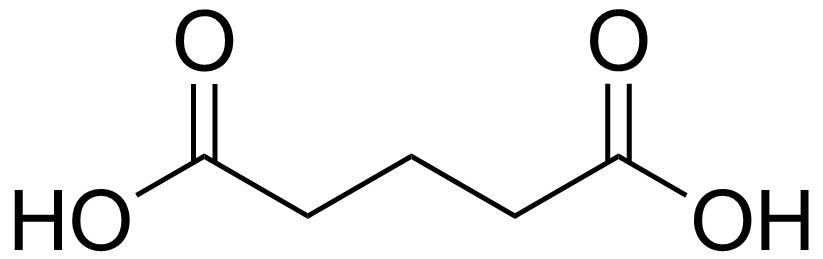
Deficiência de glutaril-CoA desidrogenase
📋 Origem dos dados
Esta página agrega dados de fontes públicas e oficiais. Dados sobre cobertura no SUS (PCDT, CEAF) são verificados ativamente por agente proativo (ver badge no infobox). Demais dados têm atribuição de fonte + data da última sincronização — clique para abrir o original.
- Doença rara (ontologia)
- fonte: Orphanet
- Identificador unificado
- fonte: MONDO
- Genética mendeliana
- fonte: OMIM
- Codificação WHO/SUS
- fonte: WHO ICD-10 / DATASUS
- CID-11 (futuro)
- fonte: WHO ICD-11
- NIH/GARD
- fonte: GARD (NIH)
- Indexação biomédica
- fonte: MeSH (NLM)
- Dado público estruturado
- fonte: Wikidata
- Ensaios clínicos
- fonte: ClinicalTrials.gov

