Doença genética rara causada por mutações em genes que codificam proteínas da lâmina nuclear.
Introdução
O que você precisa saber de cara
A laminopatia é uma doença genética rara causada por alterações em proteínas que compõem a membrana que protege o núcleo das células. Ela pode provocar alterações no funcionamento do coração, perda de mobilidade nas articulações, queda de cabelo e lesões na pele. No Brasil, a condição não consta na lista oficial de diretrizes de doenças raras do Ministério da Saúde, não havendo remédio específico dispensado pelo SUS. O cuidado às famílias é realizado com foco no controle das complicações e na manutenção da qualidade de vida pela rede de saúde.
Doença genética rara causada por mutações em genes que codificam proteínas da lâmina nuclear.
O que está sendo pesquisado
Encontrou um erro ou informação desatualizada? Sugira uma correção →
Entender a doença
Do básico ao detalhe, leia no seu ritmo
Preparando trilha educativa...
Sinais e sintomas
O que aparece no corpo e com que frequência cada sintoma acontece
Partes do corpo afetadas
+ 249 sintomas em outras categorias
Características mais comuns
Os sintomas variam de pessoa para pessoa. Abaixo estão as 659 características clínicas mais associadas, ordenadas por frequência.
Linha do tempo da pesquisa
Encontrou um erro ou informação desatualizada? Sugira uma correção →
Genética e causas
O que está alterado no DNA e como passa nas famílias
Genes associados
18 genes identificados com associação a esta condição.
Pelger-Huet anomaly
An autosomal dominant inherited abnormality of granulocytes, characterized by abnormal ovoid shape, reduced nuclear segmentation and an apparently looser chromatin structure.
Leukodystrophy, demyelinating, adult-onset, autosomal dominant, typical
A slowly progressive and fatal demyelinating leukodystrophy, presenting in the fourth or fifth decade of life. Clinically characterized by early autonomic abnormalities, pyramidal and cerebellar dysfunction, and symmetric demyelination of the CNS. It differs from multiple sclerosis and other demyelinating disorders in that neuropathology shows preservation of oligodendroglia in the presence of subtotal demyelination and lack of astrogliosis.
Lipodystrophy, familial partial, 6
An autosomal recessive form of lipodystrophy characterized by abnormal subcutaneous fat distribution. Affected individuals have increased visceral fat, impaired lipolysis, dyslipidemia, hepatic steatosis, systemic insulin resistance, and diabetes. Some patients manifest muscular dystrophy.
Cerebral arteriopathy, autosomal dominant, with subcortical infarcts and leukoencephalopathy, 1
A cerebrovascular disease characterized by multiple subcortical infarcts, pseudobulbar palsy, dementia, and the presence of granular deposits in small cerebral arteries producing ischemic stroke.
Lipodystrophy, familial partial, 8
An autosomal dominant form of partial lipodystrophy, a disorder characterized by abnormal subcutaneous fat distribution. FPLD8 patients show selective loss of subcutaneous adipose tissue from the limbs, beginning around 13 to 15 years of age, and abnormal accumulation of subcutaneous adipose tissue in the dorsal neck and face, as well as in the posterior thoracic and abdominal regions. The disorder is associated with metabolic abnormalities, including diabetes mellitus and hyperlipidemia.
Emery-Dreifuss muscular dystrophy 5, autosomal dominant
A form of Emery-Dreifuss muscular dystrophy, a degenerative myopathy characterized by weakness and atrophy of muscle without involvement of the nervous system, early contractures of the elbows, Achilles tendons and spine, and cardiomyopathy associated with cardiac conduction defects.
Lipodystrophy, familial partial, 9
An autosomal recessive form of partial lipodystrophy, a disorder characterized by abnormal subcutaneous fat distribution. FPLD9 patients are lean and show muscular hypertrophy, insulin-resistant diabetes with hyperinsulinemia, hypertriglyceridemia with low high-density lipoprotein (HDL) cholesterol, liver steatosis, and polycystic ovary syndrome with hirsutism. Some patients have more generalized lipoatrophy, whereas others have abnormal fat accumulation in the face and neck regions and show cushingoid or acromegalic facial features. Most patients also have neurologic features, including demyelinating polyneuropathy, developmental delay and intellectual disability.
Mandibuloacral dysplasia with type B lipodystrophy
A form of mandibuloacral dysplasia, a rare progeroid disorder with clinical and genetic heterogeneity, characterized by growth retardation, craniofacial dysmorphic features due to distal bone resorption, musculoskeletal and skin abnormalities associated with lipodystrophy. MADB is a disease characterized by mandibular and clavicular hypoplasia, acroosteolysis, delayed closure of the cranial suture, joint contractures, and generalized lipodystrophy with loss of subcutaneous fat from the extremities, face, neck and trunk.
Spinocerebellar ataxia, autosomal recessive, 8
A form of spinocerebellar ataxia, a clinically and genetically heterogeneous group of cerebellar disorders. Patients show progressive incoordination of gait and often poor coordination of hands, speech and eye movements, due to degeneration of the cerebellum with variable involvement of the brainstem and spinal cord. SCAR8 is an autosomal recessive form.
Emery-Dreifuss muscular dystrophy 1, X-linked
A form of Emery-Dreifuss muscular dystrophy, a degenerative myopathy characterized by weakness and atrophy of muscle without involvement of the nervous system, early contractures of the elbows, Achilles tendons and spine, and cardiomyopathy associated with cardiac conduction defects.
Emery-Dreifuss muscular dystrophy 2, autosomal dominant
A form of Emery-Dreifuss muscular dystrophy, a degenerative myopathy characterized by weakness and atrophy of muscle without involvement of the nervous system, early contractures of the elbows, Achilles tendons and spine, and cardiomyopathy associated with cardiac conduction defects.
Arrhythmogenic right ventricular dysplasia, familial, 5
A congenital heart disease characterized by infiltration of adipose and fibrous tissue into the right ventricle and loss of myocardial cells, resulting in ventricular and supraventricular arrhythmias.
Emery-Dreifuss muscular dystrophy 6, X-linked
A form of Emery-Dreifuss muscular dystrophy, a degenerative myopathy characterized by weakness and atrophy of muscle without involvement of the nervous system, early contractures of the elbows, Achilles tendons and spine, and cardiomyopathy associated with cardiac conduction defects.
Buschke-Ollendorff syndrome
A disease characterized by osteopoikilosis and disseminated connective-tissue nevi. Osteopoikilosis is a skeletal dysplasia characterized by a symmetric but unequal distribution of multiple hyperostotic areas in different parts of the skeleton. Elastic-type nevi (juvenile elastoma) and collagen-type nevi (dermatofibrosis lenticularis disseminata) have been described in BOS. Skin or bony lesions can be absent in some family members, whereas other relatives may have both.
Lipodystrophy, familial partial, 4
An autosomal dominant form of lipodystrophy characterized by loss of subcutaneous adipose tissue primarily affecting the lower limbs, insulin-resistant diabetes mellitus, hypertriglyceridemia, and hypertension.
Medicamentos e terapias
Mecanismo: Protein farnesyltransferase inhibitor
Mecanismo: Leptin receptor agonist
Mecanismo: HMG-CoA reductase inhibitor
Mecanismo: Farnesyl diphosphate synthase inhibitor
Mecanismo: Farnesyl diphosphate synthase inhibitor
Mecanismo: Angiopoietin like 3 (ANGPTL3) mRNA antisense inhibitor
Mecanismo: Bile acid receptor FXR agonist
Mecanismo: Apolipoprotein C-III mRNA 3'UTR antisense inhibitor
Variantes genéticas (ClinVar)
178 variantes patogênicas registradas no ClinVar.
Classificação de variantes (ClinVar)
Distribuição de 13 variantes classificadas pelo ClinVar.
Vias biológicas (Reactome)
82 vias biológicas associadas aos genes desta condição.
Diagnóstico
Os sinais que médicos procuram e os exames que confirmam
Tratamento e manejo
Remédios, cuidados de apoio e o que precisa acompanhar
Onde tratar no SUS
Hospitais de referência no Brasil e o protocolo oficial do SUS (PCDT)
🇧🇷 Atendimento SUS — Laminopatia
Selecione um estado ou use sua localização para ver resultados.
Dados de DATASUS/CNES, SBGM, ABNeuro e Ministério da Saúde. Sempre confirme a disponibilidade diretamente com o estabelecimento.
Pesquisa ativa
Ensaios clínicos abertos e novidades científicas recentes
Ensaios em destaque
Com ensaio aberto em 2 países. O ponto verde marca onde há vaga agora.
🟢 Recrutando agora
3 pesquisas recrutando participantes. Converse com seu médico sobre a possibilidade de participar.
Outros ensaios clínicos
6 ensaios clínicos encontrados, 3 ativos.
Publicações mais relevantes
LeDucq-funded programme: from pathomechanisms to personalized therapy of cardio-laminopathy.
Lamin A/C in health, laminopathies, and familial partial lipodystrophy 2.
Familial partial lipodystrophy 2 (FPLD2) is a rare disease characterized by selective adipose tissue loss, expansion, and dysfunction, caused by pathogenic variants in LMNA encoding nuclear lamins A and C. Here, we synthesize current evidence on how nuclear shape abnormalities, impaired mechanosensing, blocked adipogenesis, chromatin remodeling, and altered lamin-binding partner interactions may contribute to FPLD2 pathology. Emerging data highlight chromatin and transcriptional dysregulation of lipogenic, mitochondrial, and inflammatory genes as central drivers, with other mechanisms acting in complementary ways. We also discuss depot-specific transcriptional remodeling that may explain differential adipose loss and expansion in FPLD2. Understanding how these mechanistic pathways converge across FPLD2 and other laminopathies may reveal new therapeutic targets to preserve adipose function.
Metabolic Dysregulation in Laminopathies: Implications for Heart Failure and Cardiac Health.
Laminopathies are a diverse group of genetic disorders caused by variants in nuclear lamina proteins, with heart failure being a major cause of morbidity and mortality in patients. By shifting the perspective from distinct clinical phenotypes to a continuous spectrum of metabolic observations in laminopathies, this review aims to elucidate the molecular mechanisms underlying metabolic dysregulation in laminopathies and their impact on cardiac health. Emerging evidence links A-type lamins to cellular metabolism, with systemic metabolic changes such as lipodystrophy, insulin resistance and hypertriglyceridemia often detected in laminopathy patients before cardiac symptoms onset. At the molecular level, LMNA variants disrupt the regulation of genes involved in fatty acid, oxidation glucose utilization, and mitochondrial function. These disturbances increase cardiomyocyte susceptibility, promoting fibrosis and apoptosis. Metabolic dysregulation is a recurring observation across the laminopathy spectrum. Targeting metabolic pathways shows preclinical promise for improving cardiac outcomes in patients.
Autosomal-Recessive LMNA Dilated Cardiomyopathy.
Variants in the LMNA gene (which encodes intermediate filaments lamin A and lamin C) result in a variety of phenotypes that include overlapping features, such as progeroid syndromes, muscular dystrophies, peripheral neuropathies, lipodystrophies, and cardiac disease (including dilated cardiomyopathy and conduction disorders). We describe a case of primary biventricular, nonischemic dilated cardiomyopathy and no myopathic symptoms with a homozygous LMNA c.991C>T (p.Arg331Trp) likely pathogenic variant. The patient, a 39-year-old woman, presented with symptoms of dilated cardiomyopathy and has had ablation, medical management, and a pacemaker placed because of arrythmias. Most LMNA disorders are inherited in an autosomal-dominant fashion, with rare autosomal-recessive laminopathies mainly involving neuromuscular phenotypes. Laminopathies that have involved cardiomyopathies have all been reported to be autosomal dominant. To our knowledge, this is the first reported case of an autosomal-recessive laminopathy with primary dilated cardiomyopathy.
Outcomes of Ventricular Tachycardia Ablation in Cardiac Laminopathy: An Updated Systematic Review and Single-Arm Meta-Analysis.
Ventricular tachycardia (VT) is a life-threatening arrhythmia frequently observed in structural heart diseases, including LMNA-related cardiomyopathy, a genetic disorder associated with high risk of sudden cardiac death and progressive systolic dysfunction. While catheter ablation is an established therapeutic option for VT, its efficacy in cardiac laminopathy remains poorly defined. To synthesize available evidence on the role and outcomes of VT ablation in patients with cardiac laminopathy. A systematic review and single-arm meta-analysis was performed in accordance with PRISMA guidelines. PubMed, Embase, and Cochrane databases were searched for studies reporting VT ablation outcomes in LMNA-related cardiomyopathy. An inverse variance random-effects model was applied for meta-analysis of proportions. Seven studies (six cohorts, one abstract) comprising 62 patients (mean age 53.2 ± 9.7 years; 85% male; 88% with implantable cardioverter-defibrillator) were included. An endocardial/endo-epicardial approach was used in 93% of cases. Acute procedural success was achieved in 37% (95% CI: 14%-63%; I² = 27.4%), and 28% required multiple procedures. Over a median follow-up of 26 (9-35) months, VT recurrence occurred in 91% (95% CI: 76%-100%; I² = 37.2%). All-cause mortality was 54% (95% CI: 39%-70%; I² = 28%), predominantly from cardiac causes (51%, 95% CI: 25%-76%; I² = 53%), and 14% (95% CI: 1%-34%; I² = 42%) underwent heart transplantation. In LMNA-related cardiomyopathy, catheter ablation is associated with high VT recurrence, limited long-term success, and substantial cardiovascular mortality and transplantation rates, underscoring the importance of ICD implantation and the need for alternative strategies, including variant-specific and molecularly targeted therapies.
Publicações recentes
Meta-analysis of the role of cardiac magnetic resonance in laminopathy.
Lamin A/C in health, laminopathies, and familial partial lipodystrophy 2.
Metabolic Dysregulation in Laminopathies: Implications for Heart Failure and Cardiac Health.
P18 ZMPSTE24 variant with the lethal phenotype of restrictive dermopathy.
Autosomal-Recessive LMNA Dilated Cardiomyopathy.
📚 EuropePMC106 artigos no totalmostrando 199
Lamin A/C in health, laminopathies, and familial partial lipodystrophy 2.
Trends in endocrinology and metabolism: TEMMetabolic Dysregulation in Laminopathies: Implications for Heart Failure and Cardiac Health.
Current heart failure reportsP18 ZMPSTE24 variant with the lethal phenotype of restrictive dermopathy.
The British journal of dermatologyAutosomal-Recessive LMNA Dilated Cardiomyopathy.
JACC. Case reportsThe impact of alterations in lamin A on genome integrity.
Mutation research. Reviews in mutation researchOutcomes of Ventricular Tachycardia Ablation in Cardiac Laminopathy: An Updated Systematic Review and Single-Arm Meta-Analysis.
Journal of cardiovascular electrophysiologyGenetically Confirmed Familial Case of Nonsyndromic Cardiac Progeria Caused by the LMNA p.Asp300Asn Variant with Presumed Gonadal Mosaicism: Phenotypic Comparison with Previously Reported Patients.
GenesReduced ZMPSTE24 expression leads to prelamin accumulation and development of steatosis in MASLD patients.
Scientific reportsRare clinical convergence: pulmonary sarcoidosis with dilated cardiomyopathy and central myopathy.
BMJ case reportsInner Retina Changes in ABCA4-Related Retinopathy: Structure-Function Relationship.
Investigative ophthalmology & visual scienceLeDucq-funded programme: from pathomechanisms to personalized therapy of cardio-laminopathy.
European heart journalNuclear-lamin-guided plastic positioning and folding of the human genome.
Cell reportsDrosophila as a Model for Studying the Roles of Lamins in Normal Tissues and Laminopathies.
CellsReciprocated tachycardias in cardiac laminopathy: a clinical case report.
European heart journal. Case reportsSterile inflammation in laminopathies.
European journal of cell biologyUnusual course of outflow tract tachycardia and cardiac decompensation in childhood: a case report and review of the literature.
Herzschrittmachertherapie & ElektrophysiologieProgeroid features in a patient with Malouf syndrome due to a rare LMNA variant: a case report and review of the literature.
Archives of endocrinology and metabolismVariant-Specific Late Gadolinium Enhancement Patterns Influence Clinical Outcomes in LMNA-Related Cardiomyopathy.
Journal of the American Heart AssociationPathological α-synuclein perturbs nuclear integrity.
Neurobiology of diseaseNational survey of Hutchinson-Gilford progeria syndrome and progeroid laminopathy in Japan.
AgingClustering cell nuclei on microgrooves for disease diagnosis using deep learning.
Scientific reportsGenotype-guided cardiac device intervention in LMNA-related cardiac conduction disorder: The need for timely genetic testing.
European journal of heart failure[New pathogenic mutation in LMNA gene: Clinical case of familial cardiomyopathy].
Terapevticheskii arkhivLamin AC Cardiomyopathy, the Next Masquerader: Laminopathy Mimicking Cardiac Sarcoidosis.
CureusDownregulation of Nesprin1 by Runx2 deficiency is critical for the development of skeletal laminopathy-like pathology.
Proceedings of the National Academy of Sciences of the United States of AmericaFamilial cardiac laminopathy with predominant atrial involvement: a case series of a family with LMNA mutation.
European heart journal. Case reportsThe role of inner nuclear membrane protein emerin in myogenesis.
FASEB journal : official publication of the Federation of American Societies for Experimental BiologyMolecular mechanism on autophagy associated cardiovascular dysfunction in Drosophila melanogaster.
Frontiers in cell and developmental biologyHomozygous loss of function variant in LMNB2 gene causes major brain malformation and perinatal death.
Journal of medical geneticsRadiation symptoms resemble laminopathies and the physical underlying cause may sit at the lamin A C-terminus.
Molecular medicine (Cambridge, Mass.)The Basis of Diversity in Laminopathy Phenotypes Caused by Variants in the Intron 8 Donor Splice Site of the LMNA Gene.
International journal of molecular sciencesMicro-Scale Topography Triggers Dynamic 3D Nuclear Deformations.
Advanced science (Weinheim, Baden-Wurttemberg, Germany)Atrial standstill phenomenon in a non-dilated cardiomyopathy phenotype of a genetically confirmed laminopathy.
Kardiologia polskaMuch More Than a Stroke: Emery-Dreifuss Muscular Dystrophy Type 2 Revealed by Ischemic Stroke.
CureusCase Report: Concurrent de novo pathogenic variants in the LMNA gene as a cause of sporadic partial lipodystrophy.
Frontiers in geneticsWhen Off-Target Is the Target: Treating Noncardiomyocytes in Cardiac Laminopathy.
JACC. Basic to translational scienceOptimized simple culture protocol for inducing mature myotubes from MYOD1-overexpressed human iPS cells.
Scientific reportsDisorganized chromatin hierarchy and stem cell aging in a male patient of atypical laminopathy-based progeria mandibuloacral dysplasia type A.
Nature communicationsCardiac laminopathy in familial partial lipodystrophy type 2 secondary to variants in the LMNA gene.
Medicina clinicaPost-COVID Myocarditis in Patients with Primary Cardiomyopathies: Diagnosis, Clinical Course and Outcomes.
GenesTargeting Caspases 3/6 and Cathepsins L/B May Decrease Laminopathy-Induced Apoptosis in Alzheimer's Disease.
Journal of Alzheimer's disease : JADClinical and Genetic Heterogeneity of Nuclear Envelopathy Related Muscular Dystrophies in an Indian Cohort.
Journal of neuromuscular diseasesA case of restrictive dermopathy in a Hutterite newborn: Diagnosis and creative skin-directed management.
Pediatric dermatologyTroponin T Assessment Allows for Identification of Mutation Carriers among Young Relatives of Patients with LMNA-Related Dilated Cardiomyopathy.
Journal of clinical medicineCongenital LMNA-Related Muscular Dystrophy in Paediatrics: Cardiac Management in Monozygotic Twins.
International journal of molecular sciencesCreatine and L-carnitine attenuate muscular laminopathy in the LMNA mutation transgenic zebrafish.
Scientific reportsPervasive nuclear envelope ruptures precede ECM signaling and disease onset without activating cGAS-STING in Lamin-cardiomyopathy mice.
Cell reportsEliminating elevated p53 signaling fails to rescue skeletal muscle defects or extend survival in lamin A/C-deficient mice.
Cell death discoveryHow to Screen and Manage Suspected Laminopathy.
Internal medicine (Tokyo, Japan)The Influence of a Genetic Variant in CCDC78 on LMNA-Associated Skeletal Muscle Disease.
International journal of molecular sciencesA novel deep intronic variant in LAMA2 identified by RNA sequencing.
Neuromuscular disorders : NMDFrom gene to mechanics: a comprehensive insight into the mechanobiology of LMNA mutations in cardiomyopathy.
Cell communication and signaling : CCSCardiomyopathy with an LMNA Genetic Variant Affecting Three Consecutive Generations: A Case Series.
Internal medicine (Tokyo, Japan)LMNA R644C associates with hepatic steatosis in a large cohort and increases cellular lipid droplet accumulation in vitro.
medRxiv : the preprint server for health sciencesInteratrial block as a first clinical presentation of atrial cardiomyopathy related to a novel LMNA variant: a case report.
European heart journal. Case reportsA silent interweaving: interatrial block and laminopathy.
European heart journal. Case reportsCOMPREHENSIVE CARDIOVASCULAR THERAPY IN EMERY-DREIFUSS MUSCULAR DYSTROPHY: A CASE REPORT.
Wiadomosci lekarskie (Warsaw, Poland : 1960)The farnesyl transferase inhibitor (FTI) lonafarnib improves nuclear morphology in ZMPSTE24-deficient fibroblasts from patients with the progeroid disorder MAD-B.
Nucleus (Austin, Tex.)How nuclear envelope dynamics can direct laminopathy phenotypes.
Current opinion in cell biologyMagnetic resonance imaging-based criteria to differentiate dysferlinopathy from other genetic muscle diseases.
Neuromuscular disorders : NMDLong lifetime and tissue-specific accumulation of lamin A/C in Hutchinson-Gilford progeria syndrome.
The Journal of cell biologyNaturally occurring canine laminopathy leading to a dilated and fibrosing cardiomyopathy in the Nova Scotia Duck Tolling Retriever.
Scientific reportsAn alpha-helix variant p.Arg156Pro in LMNA as a cause of hereditary dilated cardiomyopathy: genetics and bioinfomatics exploration.
BMC medical genomicsIntermediate, but not average: The unusual lives of the nuclear lamin proteins.
Current opinion in cell biologyA common variant that alters SUN1 degradation associates with hepatic steatosis and metabolic traits in multiple cohorts.
Journal of hepatologySUMO protease SENP6 protects the nucleus from hyperSUMOylation-induced laminopathy-like alterations.
Cell reportsNuclear proteostasis imbalance in laminopathy-associated premature aging diseases.
FASEB journal : official publication of the Federation of American Societies for Experimental BiologyA subtype of laminopathies: Generalized lipodystrophy-associated progeroid syndrome caused by LMNA gene c.29C>T mutation.
Journal of diabetes investigationFirst human implant of the cardiac contractility modulation in patient with dilated cardiomyopathy-related laminopathy.
HeartRhythm case reportsA Clinical Diagnosis of Laminopathy without Systolic Dysfunction: When Does Nuclei Malformation Start?
Internal medicine (Tokyo, Japan)Novel Phenotype of LMNA Variant c.154C>G Affecting Heart, Liver, and Lipid and Iron Metabolism: A Case Report.
CureusA Case of Cardiogenic Stroke With a Novel LMNA Variant (c. 1135C>A; p.Leu379Ile).
CureusDrosophila Models Reveal Properties of Mutant Lamins That Give Rise to Distinct Diseases.
CellsThe Interplay between Oxidative Stress and the Nuclear Lamina Contributes to Laminopathies and Age-Related Diseases.
CellsA Genetically Confirmed Case of Laminopathy: Clues from the Clinical Picture and Muscle Biopsy.
Neurology IndiaLem2 is essential for cardiac development by maintaining nuclear integrity.
Cardiovascular researchReevaluating the cause of laminopathy in Alzheimer's disease.
Neural regeneration researchInterLINCing Chromatin Organization and Mechanobiology in Laminopathies.
Current cardiology reportsLMNA-related muscular dystrophy: Identification of variants in alternative genes and personalized clinical translation.
Frontiers in geneticsGenomic analysis of a novel pathogenic variant in the gene LMNA associated with cardiac laminopathies found in Ecuadorian siblings: A case report.
Frontiers in cardiovascular medicineThe Molecular and Cellular Basis of Hutchinson-Gilford Progeria Syndrome and Potential Treatments.
GenesNuclear mechanosignaling in striated muscle diseases.
Frontiers in physiologyEnhanced Expression of a Novel Lamin A/C Splice Variant in Idiopathic Pulmonary Fibrosis Lung.
American journal of respiratory cell and molecular biologyThe Nuclear Envelope in Ageing and Progeria.
Sub-cellular biochemistryLMNA Co-Regulated Gene Expression as a Suitable Readout after Precise Gene Correction.
International journal of molecular sciencesRedistribution of lamina-associated domains reshapes binding of pioneer factor FOXA2 in development of nonalcoholic fatty liver disease.
Genome researchAberrant chromatin organization at the nexus of laminopathy disease pathways.
Nucleus (Austin, Tex.)Timing of cardioverter-defibrillator implantation in patients with cardiac laminopathies-External validation of the LMNA-risk ventricular tachyarrhythmia calculator.
Heart rhythmLipoatrophic diabetes in familial partial lipodystrophy type 2: From insulin resistance to diabetes.
Diabetes & metabolismRestrictive dermopathy: A baby with taut skin, facial dysmorphism, joint contractures, and pulmonary hypoplasia.
JAAD case reportsDisease progression rate is a strong predictor of ventricular arrhythmias in patients with cardiac laminopathies: a primary prevention cohort study.
Europace : European pacing, arrhythmias, and cardiac electrophysiology : journal of the working groups on cardiac pacing, arrhythmias, and cardiac cellular electrophysiology of the European Society of Cardiology[A case report of laminopathy-cardiomyopathy].
Zhonghua xin xue guan bing za zhiGenotype Complements the Phenotype: Identification of the Pathogenicity of an LMNA Splice Variant by Nanopore Long-Read Sequencing in a Large DCM Family.
International journal of molecular sciencesThe E262K mutation in Lamin A links nuclear proteostasis imbalance to laminopathy-associated premature aging.
Aging cellLMNA mutation leads to cardiac sodium channel dysfunction in the Emery-Dreifuss muscular dystrophy patient.
Frontiers in cardiovascular medicinePersonalized Medicine Approach in a DCM Patient with LMNA Mutation Reveals Dysregulation of mTOR Signaling.
Journal of personalized medicineIFN-Aging: Coupling Aging With Interferon Response.
Frontiers in agingThe most severe form of LMNA-associated congenital muscular dystrophy.
Brain & developmentGenetic Appraisal of Hereditary Muscle Disorders In A Cohort From Mumbai, India.
Journal of neuromuscular diseasesLamin A and telomere maintenance in aging: Two to Tango.
Mutation researchPost-Translational Modification of Lamins: Mechanisms and Functions.
Frontiers in cell and developmental biologyEffect of Occurrence of Lamin A/C (LMNA) Genetic Variants in a Cohort of 101 Consecutive Apparent "Lone AF" Patients: Results and Insights.
Frontiers in cardiovascular medicineMDS/AML with del5q: An acquired "laminopathy"?
Cell stem cellAutophagy-mediated plasma membrane removal promotes the formation of epithelial syncytia.
The EMBO journalEmerin self-assembly and nucleoskeletal coupling regulate nuclear envelope mechanics against stress.
Journal of cell scienceDiurnal shift of mouse activity by the deficiency of an ageing-related gene Lmna.
Journal of biochemistryThe wide and growing range of lamin B-related diseases: from laminopathies to cancer.
Cellular and molecular life sciences : CMLSDNA methylation signatures in Blood DNA of Hutchinson-Gilford Progeria syndrome.
Aging cellHeterozygous LMNA mutation-carrying iPSC lines from three cardiac laminopathy patients.
Stem cell researchLethal Restrictive Dermopathy with ZMPSTE24 Mutation.
Pediatric and developmental pathology : the official journal of the Society for Pediatric Pathology and the Paediatric Pathology SocietyRegulatory role of cathepsin L in induction of nuclear laminopathy in Alzheimer's disease.
Aging cellLaminopathies: should Wenckebach be a cause for concern? A case report.
European heart journal. Case reportsFamilial atrial myopathy in a large multigenerational heart-hand syndrome pedigree carrying an LMNA missense variant in rod 2B domain (p.R335W).
Heart rhythmPredictors of mortality and cardiovascular outcomes in Emery-Dreifuss muscular dystrophy in a long-term follow-up.
Kardiologia polskaClinical Features of LMNA-Related Cardiomyopathy in 18 Patients and Characterization of Two Novel Variants.
Journal of clinical medicinePreclinical Advances of Therapies for Laminopathies.
Journal of clinical medicineIn Silico and In Vivo Analysis of Amino Acid Substitutions That Cause Laminopathies.
International journal of molecular sciencesMolecular Pathology of Laminopathies.
Annual review of pathology[When oncology research opens a path toward a therapy for a laminopathy].
Medecine sciences : M/SRestrictive dermopathy: Three new patients with ZMPSTE24 mutations and a review of the literature.
Pediatric dermatologySuper-Resolution Imaging of the A- and B-Type Lamin Networks: A Comparative Study of Different Fluorescence Labeling Procedures.
International journal of molecular sciencesImportance of clinical suspicion and multidisciplinary management for early diagnosis of a cardiac laminopathy patient: A case report.
World journal of clinical casesA CRISPR/Cas9 zebrafish lamin A/C mutant model of muscular laminopathy.
Developmental dynamics : an official publication of the American Association of Anatomists[A case of laminopathy with the mutation of LMNA gene identified by the exome analysis of disease-related genes].
Rinsho shinkeigaku = Clinical neurologyManagement of heart failure with concomitant complete atrioventricular block caused by a novel missense LMNA mutation.
Journal of electrocardiologyA novel biallelic LMNB2 variant in a patient with progressive myoclonus epilepsy and ataxia: A case of laminopathy.
Clinical case reportsEstablishment of a novel human iPSC line (YCMi003-A) from a patient with dilated cardiomyopathy carrying genetic variant LMNA p.Asp364His.
Stem cell researchOxidative Stress and Mitochondrial Dysfunction Associated with Peripheral Neuropathy in Type 1 Diabetes.
Antioxidants & redox signalingAIMP3 induces laminopathy and senescence of vascular smooth muscle cells by reducing lamin A expression and leads to vascular aging in vivo.
Experimental gerontologyDNA methylation analysis reveals epimutation hotspots in patients with dilated cardiomyopathy-associated laminopathies.
Clinical epigeneticsTHE NUCLEUS: Mechanosensing in cardiac disease.
The international journal of biochemistry & cell biologyInternational retrospective natural history study of LMNA-related congenital muscular dystrophy.
Brain communicationsExpression of the Ebola Virus VP24 Protein Compromises the Integrity of the Nuclear Envelope and Induces a Laminopathy-Like Cellular Phenotype.
mBioComponents and Mechanisms of Nuclear Mechanotransduction.
Annual review of cell and developmental biologyCase Report: An Atypical Form of Familial Partial Lipodystrophy Type 2 Due to Mutation in the Rod Domain of Lamin A/C.
Frontiers in endocrinologyFloppy infant syndrome as a first manifestation of LMNA-related congenital muscular dystrophy.
European journal of paediatric neurology : EJPN : official journal of the European Paediatric Neurology SocietyEstablishment of an iPSC line (JSPHi001-A) from a patient with familial dilated cardiomyopathy and atrial fibrillation caused by LMNA missense mutation (c.1003C > T).
Stem cell researchPersistent atrial fibrillation ablation in cardiac laminopathy: Electrophysiological findings and clinical outcomes.
Heart rhythmThe progeria research foundation 10th international scientific workshop; researching possibilities, ExTENding lives - webinar version scientific summary.
AgingCardiac Arrhythmias in Muscular Dystrophies Associated with Emerinopathy and Laminopathy: A Cohort Study.
Journal of clinical medicinePaclitaxel mitigates structural alterations and cardiac conduction system defects in a mouse model of Hutchinson-Gilford progeria syndrome.
Cardiovascular researchLamin B1 acetylation slows the G1 to S cell cycle transition through inhibition of DNA repair.
Nucleic acids researchPathogenic LMNA variants disrupt cardiac lamina-chromatin interactions and de-repress alternative fate genes.
Cell stem cellCardiac phenotype in familial partial lipodystrophy.
Clinical endocrinologyTargeting the histone demethylase LSD1 prevents cardiomyopathy in a mouse model of laminopathy.
The Journal of clinical investigationEpigenetic reprogramming to prevent genetic cardiomyopathy.
The Journal of clinical investigationClinical and Genomic Evaluation of 207 Genetic Myopathies in the Indian Subcontinent.
Frontiers in neurologyDecreased mechanotransduction prevents nuclear collapse in a Caenorhabditis elegans laminopathy.
Proceedings of the National Academy of Sciences of the United States of AmericaHeterozygous lamin B1 and lamin B2 variants cause primary microcephaly and define a novel laminopathy.
Genetics in medicine : official journal of the American College of Medical GeneticsNuclear lamin phosphorylation: an emerging role in gene regulation and pathogenesis of laminopathies.
Nucleus (Austin, Tex.)Hutchinson-Gilford Progeria Syndrome: Clinical and Molecular Characterization.
The application of clinical geneticsLoss of MTX2 causes mandibuloacral dysplasia and links mitochondrial dysfunction to altered nuclear morphology.
Nature communicationsMolecular and Mechanobiological Pathways Related to the Physiopathology of FPLD2.
CellsLMNA Missense Mutation Causes Nonsense-Mediated mRNA Decay and Severe Dilated Cardiomyopathy.
Circulation. Genomic and precision medicineLamin A-mediated nuclear lamina integrity is required for proper ciliogenesis.
EMBO reportsStructural and Mechanical Aberrations of the Nuclear Lamina in Disease.
CellsCardiovascular Involvement in Pediatric Laminopathies. Report of Six Patients and Literature Revision.
Frontiers in pediatricsNuclear Membrane Rupture and Its Consequences.
Annual review of cell and developmental biologyProgress and trends in the development of therapies for Hutchinson-Gilford progeria syndrome.
Aging cellCytokine Profile in Striated Muscle Laminopathies: New Promising Biomarkers for Disease Prediction.
CellsHypopharyngeal Squamous Cell Carcinoma in Sisters with LMNA Associated Familial Partial Lipodystrophy: A Case Report and Review of the Literature.
The Annals of otology, rhinology, and laryngologyLinking skeletal muscle aging with osteoporosis by lamin A/C deficiency.
PLoS biologyLamin A/C Mechanotransduction in Laminopathies.
CellsConsequences of Lmna Exon 4 Mutations in Myoblast Function.
CellsGenotype-phenotype analysis of LMNA-related diseases predicts phenotype-selective alterations in lamin phosphorylation.
FASEB journal : official publication of the Federation of American Societies for Experimental BiologyCan Circulating Cardiac Biomarkers Be Helpful in the Assessment of LMNA Mutation Carriers?
Journal of clinical medicineRNA Sequence Analyses throughout the Course of Mouse Cardiac Laminopathy Identify Differentially Expressed Genes for Cell Cycle Control and Mitochondrial Function.
Scientific reportsLeft-ventricular innervation assessed by 123I-SPECT/CT is associated with cardiac events in inherited arrhythmia syndromes.
International journal of cardiologyPulmonary vein isolation treats symptomatic AF in a patient with Lamin A/C mutation: case report and review of the literature.
Clinical research in cardiology : official journal of the German Cardiac SocietyLoss of an H3K9me anchor rescues laminopathy-linked changes in nuclear organization and muscle function in an Emery-Dreifuss muscular dystrophy model.
Genes & developmentCase reports of a c.475G>T, p.E159* lamin A/C mutation with a family history of conduction disorder, dilated cardiomyopathy and sudden cardiac death.
BMC cardiovascular disordersEmery-Dreifuss muscular dystrophy.
Muscle & nerveDatabases to Efficiently Manage Medium Sized, Low Velocity, Multidimensional Data in Tissue Engineering.
Journal of visualized experiments : JoVEERK1/2 Phosphorylation of FHOD Connects Signaling and Nuclear Positioning Alternations in Cardiac Laminopathy.
Developmental cellLamin A/C Cardiomyopathy: Implications for Treatment.
Current cardiology reportsDifferences in cardiac phenotype and natural history of laminopathies with and without neuromuscular onset.
Orphanet journal of rare diseasesLysophosphatidic acid receptor LPA3 prevents oxidative stress and cellular senescence in Hutchinson-Gilford progeria syndrome.
Aging cellChromatin compartment dynamics in a haploinsufficient model of cardiac laminopathy.
The Journal of cell biologyRegulation of inner nuclear membrane associated protein degradation.
Nucleus (Austin, Tex.)A new laminopathy caused by an Arg133/Leu mutation in lamin A/C and the effects thereof on adipocyte differentiation and the transcriptome.
AdipocyteThe K219T-Lamin mutation induces conduction defects through epigenetic inhibition of SCN5A in human cardiac laminopathy.
Nature communicationsExtraskeletal Calcifications in Hutchinson-Gilford Progeria Syndrome.
BoneRare BANF1 Alleles and Relatively Frequent EMD Alleles Including 'Healthy Lipid' Emerin p.D149H in the ExAC Cohort.
Frontiers in cell and developmental biologyEndoplasmic reticulum stress at the crossroads of progeria and atherosclerosis.
EMBO molecular medicineEmerin Is Required for Proper Nucleus Reassembly after Mitosis: Implications for New Pathogenetic Mechanisms for Laminopathies Detected in EDMD1 Patients.
CellsDeciphering Nuclear Mechanobiology in Laminopathy.
CellsStructural instability of lamin A tail domain modulates its assembly and higher order function in Emery-Dreifuss muscular dystrophy.
Biochemical and biophysical research communicationsLoss of CRWN Nuclear Proteins Induces Cell Death and Salicylic Acid Defense Signaling.
Plant physiologyHutchinson-Gilford Progeria Syndrome-Current Status and Prospects for Gene Therapy Treatment.
CellsInduced Pluripotent Stem Cells to Study Mechanisms of Laminopathies: Focus on Epigenetics.
Frontiers in cell and developmental biologyA novel case of Greenberg dysplasia and genotype-phenotype correlation analysis for LBR pathogenic variants: An instructive example of one gene-multiple phenotypes.
American journal of medical genetics. Part ALamin A/C gene (LMNA) mutation associated with laminopathy: A rare cause of idiopathic acro-osteolysis.
Joint bone spineAssessment of fibroblast nuclear morphology aids interpretation of LMNA variants.
European journal of human genetics : EJHGModeling Skeletal Muscle Laminopathies Using Human Induced Pluripotent Stem Cells Carrying Pathogenic LMNA Mutations.
Frontiers in physiologyDissecting cellular mechanics: Implications for aging, cancer, and immunity.
Seminars in cell & developmental biologyCardiometabolic assessment of lamin A/C gene mutation carriers: a phenotype-genotype correlation.
Diabetes & metabolismComplex effects of laminopathy mutations on nuclear structure and function.
Clinical geneticsSuppression of myopathic lamin mutations by muscle-specific activation of AMPK and modulation of downstream signaling.
Human molecular geneticsA novel LMNA mutation identified in a Japanese patient with LMNA-associated congenital muscular dystrophy.
Human genome variationAssociações
Organizações que acompanham esta doença — pra ter apoio e orientação
Ainda não temos associações cadastradas para Laminopatia.
É de uma associação que acompanha esta doença? Fale com a gente →
Doença com base genética
Um médico geneticista pode ajudar no diagnóstico de Laminopatia e no aconselhamento genético da família.
Doenças relacionadas
Doenças com sintomas parecidos — ajudam quem ainda está buscando diagnóstico
Perguntas frequentes
O que as famílias mais perguntam sobre esta doença — cada resposta com a fonte de onde saiu
A condição é causada por mutações genéticas que afetam a formação das proteínas que compõem a lâmina nuclear. Entre os genes associados catalogados estão o LBR, o LMNB1, o EMD e o ZMPSTE24.
Referências
Fontes citadas no texto, publicações do grafo e bases de dados usadas neste verbete
7 publicações do grafo RarasNet (PubMed) · 6 bases de dados. Títulos, periódicos e PMIDs vêm direto da fonte, sem intermediação de IA.
Dados compilados pelo RarasNet a partir de fontes abertas (Orphanet, OMIM, MONDO, PubMed/EuropePMC, ClinicalTrials.gov, DATASUS, PCDT/MS). Este conteúdo é informativo e não substitui avaliação médica.
Citar este verbete
Raras. (s.d.). Laminopatia. Em Raras — Enciclopédia de Doenças Raras do Brasil. https://raras.org/doenca/laminopatia
Formato APA. Conteúdo sob CC BY 4.0 — reuso livre com atribuição.
Conteúdo mantido por Agente Raras · Médicos e pesquisadores podem colaborar
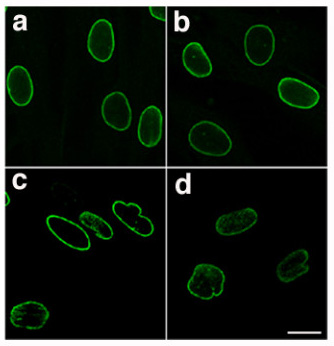
Laminopatia
📋 Origem dos dados
Esta página agrega dados de fontes públicas e oficiais. Dados sobre cobertura no SUS (PCDT, CEAF) são verificados ativamente por agente proativo (ver badge no infobox). Demais dados têm atribuição de fonte + data da última sincronização — clique para abrir o original.
- Doença rara (ontologia)
- fonte: Orphanet
- Identificador unificado
- fonte: MONDO
- NIH/GARD
- fonte: GARD (NIH)
- Indexação biomédica
- fonte: MeSH (NLM)
- Dado público estruturado
- fonte: Wikidata
- Moléculas estudadas na doença
- fonte: OpenTargets
- Ensaios clínicos
- fonte: ClinicalTrials.gov

