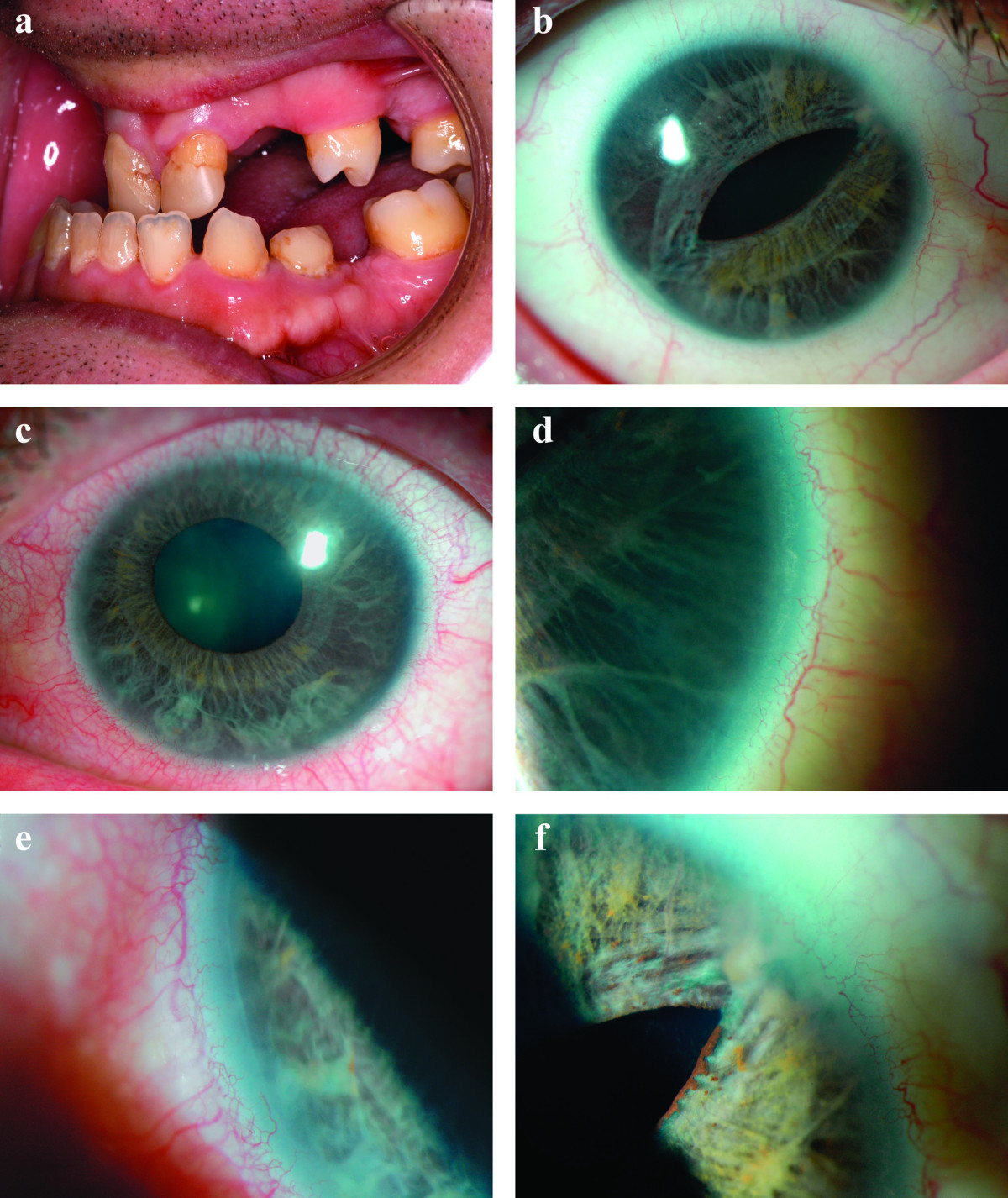
A síndrome de Axenfeld-Rieger (SAR) é um termo geral que descreve um grupo de problemas genéticos relacionados. A principal característica física é uma malformação na parte da frente do olho. Pessoas com a SAR também podem apresentar várias outras alterações congênitas (de nascença) que variam bastante.
Introdução
O que você precisa saber de cara
A Síndrome Axenfeld-Rieger é uma condição genética rara que se manifesta principalmente por alterações congênitas na parte da frente dos olhos. Além das características oculares como formato incomum da íris ou risco de pressão alta nos olhos, ela pode causar dentes menores ou ausentes e características faciais particulares. As manifestações costumam ser notadas logo após o nascimento ou durante a infância da criança. No Brasil, a condição não conta com um protocolo clínico com diretrizes específicas de tratamento nem remédios exclusivos fornecidos pelo SUS, mas o sistema público prevê procedimentos de apoio e reabilitação.
A síndrome de Axenfeld-Rieger (SAR) é um termo geral que descreve um grupo de problemas genéticos relacionados. A principal característica física é uma malformação na parte da frente do olho. Pessoas com a SAR também podem apresentar várias outras alterações congênitas (de nascença) que variam bastante.
Escala de raridade
<1/50kMuito rara
1/20kRara
1/10kPouco freq.
1/5kIncomum
1/2k
Encontrou um erro ou informação desatualizada? Sugira uma correção →
Entender a doença
Do básico ao detalhe, leia no seu ritmo
Preparando trilha educativa...
Sinais e sintomas
O que aparece no corpo e com que frequência cada sintoma acontece
Partes do corpo afetadas
+ 15 sintomas em outras categorias
Características mais comuns
Os sintomas variam de pessoa para pessoa. Abaixo estão as 53 características clínicas mais associadas, ordenadas por frequência.
Linha do tempo da pesquisa
Encontrou um erro ou informação desatualizada? Sugira uma correção →
Genética e causas
O que está alterado no DNA e como passa nas famílias
Genes associados
2 genes identificados com associação a esta condição. Padrão de herança: Autosomal dominant.
Axenfeld-Rieger syndrome 1
An autosomal dominant disorder of morphogenesis that results in abnormal development of the anterior segment of the eye, and results in blindness from glaucoma in approximately 50% of affected individuals. Additional features include aniridia, maxillary hypoplasia, hypodontia, anal stenosis, redundant periumbilical skin.
Axenfeld-Rieger syndrome 3
An autosomal dominant disorder of morphogenesis that results in abnormal development of the anterior segment of the eye, and results in blindness from glaucoma in approximately 50% of affected individuals. Features include posterior corneal embryotoxon, prominent Schwalbe line and iris adhesion to the Schwalbe line, hypertelorism, hypodontia, sensorineural deafness, redundant periumbilical skin, and cardiovascular defects such as patent ductus arteriosus and atrial septal defect. When associated with tooth anomalies, the disorder is known as Rieger syndrome.
Variantes genéticas (ClinVar)
386 variantes patogênicas registradas no ClinVar.
Classificação de variantes (ClinVar)
Distribuição de 785 variantes classificadas pelo ClinVar.
Vias biológicas (Reactome)
3 vias biológicas associadas aos genes desta condição.
Diagnóstico
Os sinais que médicos procuram e os exames que confirmam
Tratamento e manejo
Remédios, cuidados de apoio e o que precisa acompanhar
Onde tratar no SUS
Hospitais de referência no Brasil e o protocolo oficial do SUS (PCDT)
🇧🇷 Atendimento SUS — Síndrome Axenfeld-Rieger
Selecione um estado ou use sua localização para ver resultados.
Dados de DATASUS/CNES, SBGM, ABNeuro e Ministério da Saúde. Sempre confirme a disponibilidade diretamente com o estabelecimento.
Pesquisa ativa
Ensaios clínicos abertos e novidades científicas recentes
Ensaios em destaque
Com ensaio aberto em 1 país. O ponto verde marca onde há vaga agora.
🟢 Recrutando agora
1 pesquisa recrutando participantes. Converse com seu médico sobre a possibilidade de participar.
Outros ensaios clínicos
2 ensaios clínicos encontrados, 1 ativos.
Publicações mais relevantes
Axenfeld-Rieger Syndrome in an Infant.
This case report discusses a diagnosis of Axenfeld-Rieger syndrome in an 8-month-old infant who presented with bilateral abnormal pupils, posterior embryotoxon, and dental abnormalities.
[National protocol for the diagnosis and management of Axenfeld-Rieger syndrome: Summary for the primary care physician].
Axenfeld-Rieger syndrome/anomaly (ARS) is a rare genetic disorder with an autosomal dominant inheritance pattern, characterized by dysgenesis of the anterior segment of the eye. It may present with systemic anomalies (Axenfeld-Rieger syndrome) or without (Axenfeld anomaly) and may sometimes be associated with multiple congenital malformations. The estimated prevalence ranges from 1 in 50,000 to 1 in 200,000 live births, with an approximate rate of 1 in 100,000, but no epidemiological studies have been conducted to date. A clinical diagnosis of Axenfeld-Rieger syndrome requires the presence of both Axenfeld and Rieger ocular anomalies, accompanied by extraocular systemic features. Ocular manifestations include iris abnormalities, posterior embryotoxon, juvenile-onset glaucoma (a common complication), and dysgenesis of the iridocorneal angle with iridocorneal adhesions. The most commonly observed systemic anomalies include: umbilical defects; craniofacial dysmorphism; dentofacial abnormalities, such as Class III malocclusion due to maxillary hypoplasia, oligodontia, dental malformations (taurodontism, root dysplasia), microdontia, hypodontia, and anodontia; hearing impairment (partial or complete sensorineural hearing loss); and cardiac anomalies, including non-congenital heart disease and mitral valve insufficiency. Additional anomalies may include hypospadias in males, anal stenosis, endocrine disorders (notably growth retardation) secondary to pituitary dysfunction, psychomotor delay, and various neurological malformations such as Dandy-Walker malformation, mega cisterna magna, posterior fossa cysts, cerebellar vermis hypoplasia, ventriculomegaly, aprosencephaly, cerebral atrophy, microcephaly, arteriovenous malformations (AVM), and digital anomalies such as camptodactyly. Diagnosis is typically made in infancy, based on iris anomalies such as corectopia (displacement of the pupil), polycoria (multiple pupils), and iris hypoplasia. Posterior embryotoxon is frequently observed upon slit-lamp examination. Given the clinical variability, a comprehensive pediatric assessment is essential to identify systemic anomalies and distinguish Axenfeld-Rieger syndrome from the isolated Axenfeld anomaly.
Axenfeld-Rieger Syndrome: From Zebrafish Models to Clinical Outcomes.
To investigate genetics and outcomes in Axenfeld-Rieger Syndrome (ARS). Retrospective cohort study of ARS patients diagnosed 1970-2023. Ocular diagnoses, surgeries, genetic information, and exam findings were collected. Surgery success was defined as IOP of 5-20 mmHg, no additional IOP-lowering surgery, and no visually devastating complications. Live-imaging and histological zebrafish studies were performed to study FOXC1 variants. A total of 66 patients (31 males) presented at median 4.1 years [IQR 0.4, 13.1] and were classified into 4 ARS phenotypes: deep anterior chamber (n = 55), shallow anterior chamber (n = 4), corneal opacification (n = 3), and iridogoniodysgenesis (n = 4). Total 42 patients (64%) were diagnosed with glaucoma at median 4.2 years [IQR 0.3, 13.3] and 58 eyes of 33 patients required IOP-lowering surgery. Patients with glaucoma had higher initial IOP (P < .0001) and worse final BCVA (P < .01) compared to patients without glaucoma. At final follow-up (median 6.1 years [IQR 1.6, 10.1]), patients with glaucoma showed decreased IOP (P < .0001), but increased glaucoma medications (P < .001). Ten-year survival rates were greatest for trabeculectomy with mitomycin C (76% with 95% CI [47, 91]) and Baerveldt devices (71% with 95% CI [47, 86]. Final BCVA was linearly associated with number of glaucoma surgeries (ß=0.15, P < .01, R2 = 0.12). Foxc1a zebrafish morpholino oligonucleotide knockdown, which disrupted ocular and craniofacial development, was rescued by human wildtype FOXC1 mRNA, but not mutant FOXC1 mRNA containing clinically identified variants. In ARS, patients with glaucoma had worse final BCVA and often required angle bypass surgery. Further, our zebrafish model recapitulated ARS and verified clinically identified FOXC1 variants. NOTE: Publication of this article is sponsored by the American Ophthalmological Society.
Surgical Outcomes in Axenfeld-Rieger Syndrome: A Multicenter Retrospective Analysis.
To identify risk factors for glaucoma development and evaluate the effectiveness of primary glaucoma surgery in Axenfeld-Rieger syndrome (ARS)-associated glaucoma. Retrospective comparative interventional case series. Consecutive patients diagnosed with ARS with and without glaucoma before the age of 18 years at 3 tertiary hospitals in Thailand and the United States (2004-2023) were included. Surgical outcomes were defined as: complete success-intraocular pressure (IOP) >5 and ≤21 mmHg with ≥20% reduction from baseline, without glaucoma medication, re-operation, or vision loss; qualified success-same IOP criteria but with medication use. Proportion of nonglaucomatous patients/eyes that developed glaucoma, complete and qualified surgical success, and genotyping results. Ninety-six patients (189 eyes) were included; 97% had bilateral disease, and 50% were male. Genetic testing was performed in over one-third of cases, with a causative gene variant identified in half. During a mean follow-up of 7.5 years, 57.3% developed glaucoma. Risk factors included diagnosis at birth (adjusted odds ratio [aOR] 6.45, 95% confidence interval [CI] 1.61-25.91) and cardiac anomalies (aOR 10.73, 95% CI 1.20-95.55). All patients with a causative FOXC1 variant developed glaucoma. Among those affected, 70% required surgery, typically at a median age of 6 months. At 3-year mark of survival analysis, no procedure achieved >25% complete success. Glaucoma drainage devices had significantly higher qualified success (72.9%) compared to goniotomy (37.8%) or trabeculotomy (27.8%) (P = .013). Over half of ARS patients developed glaucoma, with ARS diagnosed at birth, and the presence of cardiac anomalies as major risk factors. While complete surgical success remains low, GDD shows the highest qualified success and may be the preferred primary procedure.
Axenfeld-Rieger syndrome associated with a megabase-scale inversion separating PITX2 from a conserved enhancer locus.
Axenfeld-Rieger Syndrome (ARS) is an autosomal dominant condition with both ocular and non-ocular manifestations. ARS is primarily caused by coding variants at the PITX2 or FOXC1 loci, yet many cases still remain undiagnosed. Here we used whole-genome sequencing to identify two non-coding structural variants associated with a typical presentation of PITX2-associated ARS: one with a 450 kb deletion removing a series of conserved enhancer elements distal to PITX2, and the second with a 12.5 Mb inversion displacing the PITX2 gene from these same enhancer elements. Neither variant disrupted the PITX2 gene itself, and therefore both were expected to reduce PITX2 expression by disrupting its proximity or access to enhancer elements. Enhancer-disrupting intergenic inversions therefore represent a unique genetic mechanism for the development of ARS, which should be carefully considered in the context of ARS and other conditions without a conclusive genetic diagnosis.
Publicações recentes
Axenfeld-Rieger Syndrome with Negative Chromosomal Microarray and Whole-Exome Sequencing: A Case Report.
Non-coding structural variants disrupting conserved PITX2 enhancer loci in Axenfeld-Rieger syndrome.
Axenfeld Rieger Syndrome Presenting with Open Angle Glaucoma in an Adult Patient: A Case Report.
Expanding the Phenotypic Spectrum of FOXC1-Related Axenfeld-Rieger Syndrome Type 3: A Case Report.
[National protocol for the diagnosis and management of Axenfeld-Rieger syndrome: Summary for the primary care physician].
📚 EuropePMC218 artigos no totalmostrando 197
Axenfeld Rieger Syndrome Presenting with Open Angle Glaucoma in an Adult Patient: A Case Report.
JNMA; journal of the Nepal Medical AssociationExpanding the Phenotypic Spectrum of FOXC1-Related Axenfeld-Rieger Syndrome Type 3: A Case Report.
Cureus[National protocol for the diagnosis and management of Axenfeld-Rieger syndrome: Summary for the primary care physician].
Journal francais d'ophtalmologieA Case Report on Glaucoma and Anterior Segment Abnormalities in Axenfeld-Rieger Syndrome.
Annals of African medicineAxenfeld-Rieger Syndrome in an Infant.
JAMA ophthalmologyAxenfeld-Rieger Syndrome: From Zebrafish Models to Clinical Outcomes.
American journal of ophthalmologySurgical Outcomes in Axenfeld-Rieger Syndrome: A Multicenter Retrospective Analysis.
American journal of ophthalmologyGenetic characterization and functional analysis of novel PITX2 variants identified in Chinese families with Axenfeld-Rieger syndrome.
Acta biochimica et biophysica SinicaCataract Surgery Outcomes in Patients With Axenfeld-Rieger Syndrome.
CorneaA case of Axenfeld-Rieger syndrome with neuroradiological abnormalities.
Radiology case reportsA Tree Inside the Eye: A Presenting Feature of Axenfeld-Rieger Syndrome.
Ophthalmology. GlaucomaSulcus Tube in a Patient with Axenfeld-Rieger Syndrome.
Ophthalmology. GlaucomaAxenfeld-Rieger syndrome associated with a megabase-scale inversion separating PITX2 from a conserved enhancer locus.
medRxiv : the preprint server for health sciencesIdentification and functional study of a novel FOXC1 missense mutation in a Chinese family with Axenfeld-Rieger syndrome.
Scientific reportsAssociation of Maternal Exposure to Fine Particulate Matter During Pregnancy with Anterior Segment Dysgenesis Risk: A Matched Case-Control Study.
Journal of clinical medicineInsights into CYP1B1-Related Ocular Diseases Through Genetics and Animal Studies.
Life (Basel, Switzerland)Comprehensive Analysis of Congenital Aniridia and Differential Diagnoses: Genetic Insights and Clinical Manifestations.
Ophthalmology and therapySequence Context-Agnostic TadA-Derived Cytosine Base Editors for Genome-Wide Editing in Zebrafish.
Advanced science (Weinheim, Baden-Wurttemberg, Germany)Complex genomic rearrangement with deletion of PITX2 in a Chinese family with Axenfeld-Rieger syndrome: A case report and literature review.
Molecular visionExome sequencing identifies existing and novel variants in a South African cohort presenting with anterior segment dysgenesis.
Gene19-Year Follow-up on Patients with Axenfeld-Rieger Anomaly or Syndrome and Fuchs' Endothelial Dystrophy Including the 6th Generation in a Pedigree.
Klinische Monatsblatter fur AugenheilkundeClinical characteristics and ultrasound biomicroscopic evaluation of anterior segment dysgenesis: a retrospective cross-sectional study.
Quantitative imaging in medicine and surgeryTube Insertion of Ahmed Glaucoma Valve Using a Micro-incision Scleral Tunnel Technique.
CureusMain genetic entities associated with tooth agenesis.
Clinical oral investigationsDeletion of exon 4 of the PITX2 in a child with Axenfeld-Rieger syndrome.
Ophthalmic geneticsA Novel Mutation of FOXC1 (P136L) in an Axenfeld-Rieger Syndrome Patient With a Systematized Delusion of Jealousy: A Case Report and Literature Review.
Molecular genetics & genomic medicineDetached Schwalbe line in Axenfeld-Rieger syndrome.
The National medical journal of IndiaDiagnostic Challenges of Axenfeld-Rieger Syndrome and a Novel FOXC1 Gene Mutation in a Polish Family.
Journal of clinical medicinePleiotropy in FOXC1-attributable phenotypes involves altered ciliation and cilia-dependent signaling.
Scientific reportsUNC-30/PITX coordinates neurotransmitter identity with postsynaptic GABA receptor clustering.
Development (Cambridge, England)In Silico Characterization of Pathogenic Homeodomain Missense Mutations in the PITX2 Gene.
Biochemical geneticsClinical and Genetic Correlation in Neurocristopathies: Bridging a Precision Medicine Gap.
Journal of clinical medicineUnusual Posterior Capsular Pigmentation in Axenfeld-Rieger Anomaly.
Ophthalmology. GlaucomaIntergenic sequences harboring potential enhancer elements contribute to Axenfeld-Rieger syndrome by regulating PITX2.
JCI insightIn Vivo Assessment of Retinal Phenotypes in Axenfeld-Rieger Syndrome.
Investigative ophthalmology & visual sciencePrimary Cilium in Neural Crest Cells Crucial for Anterior Segment Development and Corneal Avascularity.
Investigative ophthalmology & visual scienceAxenfeld-Rieger Syndrome and Possible Airway Complications.
Ear, nose, & throat journalADAMTS18-related anterior segment dysgenesis mistaken as Axenfeld-Rieger syndrome.
Taiwan journal of ophthalmologyAxenfeld-Rieger syndrome in the pediatric population: A review.
Taiwan journal of ophthalmologyComplex balanced intrachromosomal rearrangement involving PITX2 identified as a cause of Axenfeld-Rieger Syndrome.
American journal of medical genetics. Part AOligodontia in the Clinical Spectrum of Syndromes: A Systematic Review.
Dentistry journalWhole genome sequencing in families with oligodontia.
Oral diseasesGlaucoma drainage device implantation in a pregnant woman with axenfeld-rieger syndrome.
Oman journal of ophthalmologyPosterior embryotoxon as the initial ophthalmological sign of Axenfeld-Rieger syndrome.
Archivos de la Sociedad Espanola de OftalmologiaAxenfeld-Reiger syndrome: A search for the missing links.
World journal of clinical casesAlternative Genetic Diagnoses in Axenfeld-Rieger Syndrome Spectrum.
GenesThe morphology of angle dysgenesis assessed by ultrasound biomicroscopy and its relationship with glaucoma severity and mutant genes in Axenfeld-Rieger syndrome.
Quantitative imaging in medicine and surgeryPenetrating Keratoplasty in Congenital Glaucoma.
Journal of clinical medicineA patient with concurrent Axenfeld-Rieger and Stickler syndromes verified by molecular genetics.
American journal of ophthalmology case reportsModified horizontal muscle transposition without tenotomy and splitting for a case of inferior rectus and inferior oblique muscles aplasia with hemifacial microsomia.
Journal of AAPOS : the official publication of the American Association for Pediatric Ophthalmology and StrabismusNeuroimaging Findings in Axenfeld-Rieger Syndrome: A Case Series.
AJNR. American journal of neuroradiologyCase Report: Congenital Pseudoacorea in an Ocular Axenfeld-Rieger Syndrome: What is it?
Journal of clinical cases & reportsAxenfeld-Rieger syndrome: A systematic review examining genetic, neurological, and neurovascular associations to inform screening.
HeliyonCase report: Extending the spectrum of clinical and molecular findings in FOXC1 haploinsufficiency syndrome.
Frontiers in geneticsAxenfeld-Rieger anomaly with slit pupils.
Journal francais d'ophtalmologieIntragenic FOXC1 deletion in a Vietnamese child with Axenfeld-Rieger syndrome: case report and review of literature.
Clinical dysmorphologyMicrospherophakia: A clinical approach and mini review with a case report.
Journal of family medicine and primary careChromosome 6p25 deletion syndrome: A case report and review of ophthalmic features.
American journal of medical genetics. Part AOphthalmological Manifestations of Axenfeld-Rieger Syndrome: Current Perspectives.
Clinical ophthalmology (Auckland, N.Z.)Commercial Gene Panels for Congenital Anterior Segment Anomalies: Are They All the Same?
American journal of ophthalmologyAxenfeld anomaly with persistent pupillary membrane.
Journal francais d'ophtalmologie4q25 Microdeletion with Axenfeld-Rieger Syndrome and Developmental Delay.
Case reports in geneticsAxenfeld-Rieger syndrome combined with ectropion uveae and pigment dispersion syndrome: A case report.
MedicineDistinct Roles of Histone Lysine Demethylases and Methyltransferases in Developmental Eye Disease.
GenesCraniofacial and dental features of Axenfeld-Rieger syndrome patients with PITX2 mutations.
Orthodontics & craniofacial researchThe clinical and genetic findings in a Chinese family with Axenfeld-Rieger syndrome.
HeliyonLeukoencephalopathy with spot-like calcifications caused by recessive COL4A2 variants.
Clinical neurology and neurosurgeryAxenfeld-Rieger syndrome: a novel histopathologic finding associated with corneal abnormalities.
BMC ophthalmologyCardiac anomalies in Axenfeld-Rieger syndrome.
Cardiology in the youngSurgical Outcomes of Glaucoma Drainage Device Implantation in Refractory Glaucoma Patients in Thailand.
Clinical ophthalmology (Auckland, N.Z.)Genotype-phenotype association of PITX2 and FOXC1 in Axenfeld-Rieger syndrome.
Experimental eye researchAxenfeld-Rieger syndrome in monozygotic twin brothers: Case report.
Northern clinics of IstanbulAhmed glaucoma implant and augmented MicroPulse transscleral cyclophotocoagulation in a monocular Axenfeld-Rieger syndrome patient with glaucoma.
International journal of ophthalmologyCharacteristics of Corneal Endothelium in Axenfeld Rieger Spectrum.
CorneaPeripheral Anterior Synechiae as a Manifestation of Axenfeld-Rieger Anomaly.
OphthalmologyCase report: Congenital mitral and tricuspid valve insufficiency in a patient with Axenfeld-Rieger syndrome.
Frontiers in cardiovascular medicinePosterior segment findings in Axenfeld-Rieger syndrome.
Journal of AAPOS : the official publication of the American Association for Pediatric Ophthalmology and StrabismusDental and Maxillofacial Manifestations of Axenfeld-Rieger Syndrome: Presentation of a Case in a 5-Year-Old Girl.
Case reports in dentistryDental and Craniofacial Manifestation of Axenfeld-Rieger Syndrome: A Case Report.
CureusAxenfeld-Rieger syndrome: more than meets the eye.
Journal of medical geneticsEnamel defects of Axenfeld-Rieger syndrome and the role of PITX2 in its pathogenesis.
Oral diseasesAxenfeld-Rieger syndrome: orthopedic and orthodontic management in a pediatric patient: a case report.
Head & face medicineA case of Axenfeld-Rieger syndrome with retinal detachment.
Indian journal of ophthalmologyComplete detachment of the Schwalbe's line in a case of Axenfeld-Reiger anomaly - A rare presentation.
Indian journal of ophthalmologyA rare case of unilateral Axenfeld-Rieger anomaly associated with optic disc coloboma: A multimodal imaging canvas.
Indian journal of ophthalmologyProgressive Vision Loss in a Patient With Axenfeld-Rieger Syndrome.
CureusThe clinical outcomes of keratoplasty in irreversible corneal decompensation secondary to Axenfeld-Rieger syndrome.
International ophthalmologyComparison of Anterior Segment Abnormalities in Individuals With FOXC1 and PITX2 Variants.
CorneaEarly-Onset Glaucoma in egl1 Mice Homozygous for Pitx2 Mutation.
BiomedicinesFirst XEN implantation in Axenfeld- Rieger syndrome: A case report and literature review.
American journal of ophthalmology case reportsCase report of the rare Peters' anomaly complicated with Axenfeld-Rieger syndrome: A case report and brief review of the literature.
MedicineHyperproliferative embryotoxon simulating double cornea.
BMJ case reportsA novel variant in FOXC1 associated with atypical Axenfeld-Rieger syndrome.
BMC medical genomicsHeterogeneity of Axenfeld-Rieger Syndrome: Molecular and Clinical Findings in Chinese Patients.
Frontiers in geneticsIdentification and functional study of FOXC1 variants in Chinese families with glaucoma.
American journal of medical genetics. Part AA novel missense mutation of FOXC1 in an Axenfeld-Rieger syndrome patient with a congenital atrial septal defect and sublingual cyst: a case report and literature review.
BMC medical genomicsExtraocular muscle hypoplasia associated with Axenfeld-Rieger syndrome.
StrabismusMechanistic Insights into Axenfeld-Rieger Syndrome from Zebrafish foxc1 and pitx2 Mutants.
International journal of molecular sciencesGlaucoma Syndromes: Insights into Glaucoma Genetics and Pathogenesis from Monogenic Syndromic Disorders.
GenesBitot-like spots in children with normal vitamin A levels.
Eye (London, England)[Laser corepraxy in mesodermal iris dysgenesis (Axenfeld-Rieger syndrome) (case report)].
Vestnik oftalmologiiAxenfeld-Rieger syndrome combined with a foveal anomaly in a three-generation family: a case report.
BMC ophthalmologyAdjunctive orthodontic therapy for prosthetic rehabilitation in a growing child with Axenfeld-Rieger syndrome: A case report.
Special care in dentistry : official publication of the American Association of Hospital Dentists, the Academy of Dentistry for the Handicapped, and the American Society for Geriatric DentistryThe Axenfeld-Rieger Syndrome Gene FOXC1 Contributes to Left-Right Patterning.
Genes[Axenfeld–Rieger syndrome: ophthalmological and dental diagnostic and therapeutic options].
Orvosi hetilapA PITX2 splice-site mutation in a family with Axenfeld-Rieger syndrome leads to decreased expression of nuclear PITX2 protein.
International ophthalmologyThe management of a Moroccan family with Axenfeld-Rieger syndrome.
Journal francais d'ophtalmologieThe Ocular Neural Crest: Specification, Migration, and Then What?
Frontiers in cell and developmental biologyLoss of FOXC1 contributes to the corneal epithelial fate switch and pathogenesis.
Signal transduction and targeted therapyOcular hypertension in Axenfeld-Rieger Syndrome.
Romanian journal of ophthalmologyGene-specific facial dysmorphism in Axenfeld-Rieger syndrome caused by FOXC1 and PITX2 variants.
American journal of medical genetics. Part AGenetics Underlying the Interactions between Neural Crest Cells and Eye Development.
Journal of developmental biologyA large deletion spanning PITX2 and PANCR in a Chinese family with Axenfeld-Rieger syndrome.
Molecular visionSella turcica morphology in patients with genetic syndromes: A systematic review.
Orthodontics & craniofacial researchFOXC1 variant in a family with anterior segment dysgenesis and normal-tension glaucoma.
Experimental eye researchExome Sequencing in a Swiss Childhood Glaucoma Cohort Reveals CYP1B1 and FOXC1 Variants as Most Frequent Causes.
Translational vision science & technologyAxenfeld-Rieger Syndrome: Rare Case Presentation and Overview.
Journal of maxillofacial and oral surgerySensorineural hearing loss and hypoplastic cochlea in Axenfeld-Rieger syndrome with FOXC1 mutation.
Auris, nasus, larynxDisruption of foxc1 genes in zebrafish results in dosage-dependent phenotypes overlapping Axenfeld-Rieger syndrome.
Human molecular geneticsA case of Axenfeld-Rieger syndrome (ARS) with asymmetric ocular phenotypes and left glaucomatous optic atrophy.
BMJ case reportsHistological observation of trabecular meshwork in a patient with Axenfeld-Rieger syndrome-a new theory for the mechanism of ectropion uvea in congenital glaucoma.
International journal of ophthalmologyAxenfeld-Rieger syndrome-associated mutants of the transcription factor FOXC1 abnormally regulate NKX2-5 in model zebrafish embryos.
The Journal of biological chemistryPhenotype expansion of heterozygous FOXC1 pathogenic variants toward involvement of congenital anomalies of the kidneys and urinary tract (CAKUT).
Genetics in medicine : official journal of the American College of Medical GeneticsHigh Iris Insertion in Axenfeld-Rieger Syndrome.
OphthalmologyA de novo mutation in PITX2 underlies a unique form of Axenfeld-Rieger syndrome with corneal neovascularization and extensive proliferative vitreoretinopathy.
Ophthalmic geneticsNovel mutations in the PITX2 gene in Pakistani and Mexican families with Axenfeld-Rieger syndrome.
Molecular genetics & genomic medicineUnusual association of Axenfeld-Rieger syndrome and wandering spleen: A case report.
World journal of clinical casesSurgical outcomes of Glaucoma associated with Axenfeld-Rieger syndrome.
BMC ophthalmologyThe diagnosis and phacoemulsification in combination with intraocular lens implantation for an Axenfeld-Rieger syndrome patient with small cornea: a case report.
BMC ophthalmologyCauses of congenital corneal opacities and their management in a tertiary care center.
Arquivos brasileiros de oftalmologiaAxenfeld-Rieger Anomaly and Neuropsychiatric Problems-More than Meets the Eye.
NeuropediatricsAnterior transposition of inferior oblique for inferior rectus muscle aplasia.
Taiwan journal of ophthalmologyChildhood glaucoma genes and phenotypes: Focus on FOXC1 mutations causing anterior segment dysgenesis and hearing loss.
Experimental eye researchAniridia and Axenfeld-Rieger Syndrome: Clinical presentations, molecular genetics and current/emerging therapies.
Experimental eye researchRepeat keratoplasty in failed Descemet stripping automated endothelial keratoplasty.
Indian journal of ophthalmologyNovel PITX2 mutations identified in Axenfeld-Rieger syndrome and the pattern of PITX2-related tooth agenesis.
Oral diseasesRieger Syndrome: Rehabilitation With Dental Implants.
Clinical advances in periodonticsA novel mutation of FOXC1 in a Chinese family with Axenfeld-Rieger syndrome.
Experimental and therapeutic medicineNovel PITX2 Mutations including a Mutation Causing an Unusual Ophthalmic Phenotype of Axenfeld-Rieger Syndrome.
Journal of ophthalmologyImprovement of Open Bite and Stomatognathic Function in an Axenfeld- Rieger Syndrome Patient by Orthodontic Sectional Arch Mechanics: Clinical Considerations and the Risk of Orthodontic Tooth Movement.
Acta medica OkayamaA novel frameshift mutation in the PITX2 gene in a family with Axenfeld-Rieger syndrome using targeted exome sequencing.
BMC medical geneticsProgressive High Hypermetropic Shift as a Refractive Surprise Following Glaucoma Filtration Surgery in a Phakic Child With Early-Onset Childhood Glaucoma Associated With Axenfeld-Rieger Anomaly.
Journal of glaucomaThe Missing Mesenchyme Captured-Axenfeld-Rieger Anomaly.
JAMA ophthalmologyAxenfeld-Rieger syndrome: A case report.
Journal francais d'ophtalmologieUnexpected phenotype in a patient with two chromosomal deletions involving 6pter and 22q11.
Morphologie : bulletin de l'Association des anatomistesDouble trouble: Microspherophakia with Axenfeld-Rieger anomaly.
Indian journal of ophthalmologyThe Diverse Consequences of FOXC1 Deregulation in Cancer.
CancersCorneal crosslinking in a case with Axenfeld-Rieger syndrome and unilateral pellucid marginal degeneration.
Therapeutic advances in ophthalmologyLoss of foxc1 in zebrafish reduces optic nerve size and cell number in the retinal ganglion cell layer.
Vision researchPrevalence of FOXC1 Variants in Individuals With a Suspected Diagnosis of Primary Congenital Glaucoma.
JAMA ophthalmologyDegenerated hair follicle cells and partial loss of sebaceous and eccrine glands in a familial case of axenfeld-rieger syndrome: An emerging role for the FOXC1/NFATC1 genetic axis.
Journal of dermatological scienceMolecular characterization of Axenfeld-Rieger spectrum and other anterior segment dysgeneses in a sample of Mexican patients.
Ophthalmic geneticsTreatment of chronic and extreme ocular hypotension following glaucoma surgery with intraocular platelet-rich plasma: A case report.
European journal of ophthalmologyFoxO6 regulates Hippo signaling and growth of the craniofacial complex.
PLoS geneticsAxenfeld-Rieger syndrome as rare cause of umbilical abnormality.
Ultrasound in obstetrics & gynecology : the official journal of the International Society of Ultrasound in Obstetrics and GynecologyPhenotype-genotype correlations and emerging pathways in ocular anterior segment dysgenesis.
Human geneticsRing chromosome 6 in a child with anterior segment dysgenesis and review of its overlap with other FOXC1 deletion phenotypes.
Congenital anomaliesAchondroplasia With Congenital Onset Glaucoma, and Presumed Axenfeld-Rieger Anomaly.
Journal of glaucomaGenetic linkage between altered tooth and eye development in lens-ablated Astyanax mexicanus.
Developmental biologyPosterior Embryotoxon, Corectopia, and Cerebellar Dysgenesis.
JAMA ophthalmologyMutation Survey of Candidate Genes and Genotype-Phenotype Analysis in 20 Southeastern Chinese Patients with Axenfeld-Rieger Syndrome.
Current eye researchFOXC1 Regulates Expression of Prostaglandin Receptors Leading to an Attenuated Response to Latanoprost.
Investigative ophthalmology & visual scienceAxenfeld-Rieger syndrome.
Journal francais d'ophtalmologieA novel 4q25 microdeletion encompassing PITX2 associated with Rieger syndrome.
Oral diseasesAccurate prediction of functional, structural, and stability changes in PITX2 mutations using in silico bioinformatics algorithms.
PloS oneSterile keratitis after uneventful corneal collagen cross-linking in a patient with Axenfeld-Rieger syndrome.
International ophthalmologyHeadache and Eye Pain in a Patient With Unusual Facial Morphology.
Deutsches Arzteblatt internationalPITX2 deficiency and associated human disease: insights from the zebrafish model.
Human molecular geneticsFOXC1, the new player in the cancer sandbox.
OncotargetPITX2-related Axenfeld-Rieger Syndrome with a Novel Pathogenic Variant (c.475_476delCT).
Annals of laboratory medicineAxenfeld Rieger Anomaly Presenting as Spontaneous Hyphema.
Ophthalmology. Glaucoma[Embryotoxon in Axenfeld-Rieger syndrome in an infant].
Journal francais d'ophtalmologieCongenital cavitary optic disc anomaly and Axenfeld's anomaly in Wolf-Hirschhorn syndrome: A case report and review of the literature.
Ophthalmic geneticsA novel PITX2 mutation in non-syndromic orodental anomalies.
Oral diseases4q25 microdeletion encompassing PITX2: A patient presenting with tetralogy of Fallot and dental anomalies without ocular features.
European journal of medical geneticsThe rare Axenfeld-Rieger syndrome with systemic anomalies: A case report and brief review of literature.
MedicineA Chinese family with Axenfeld-Rieger syndrome: report of the clinical and genetic findings.
International journal of ophthalmologyNovel Genetic Findings in a Chinese Family with Axenfeld-Rieger Syndrome.
Journal of ophthalmologyIris Malformation and Anterior Segment Dysgenesis in Mice and Humans With a Mutation in PI 3-Kinase.
Investigative ophthalmology & visual scienceA Novel Mutation in PITX2 in a Patient with Axenfeld-Rieger Syndrome.
Molecular syndromologyFOXC1 modulates MYOC secretion through regulation of the exocytic proteins RAB3GAP1, RAB3GAP2 and SNAP25.
PloS onePrimary congenital and developmental glaucomas.
Human molecular geneticsGlaucoma spectrum and age-related prevalence of individuals with FOXC1 and PITX2 variants.
European journal of human genetics : EJHGNovel de novo FOXC1 nonsense mutation in an Axenfeld-Rieger syndrome patient.
American journal of medical genetics. Part AA novel mouse model of anterior segment dysgenesis (ASD): conditional deletion of Tsc1 disrupts ciliary body and iris development.
Disease models & mechanismsA de novo Pericentric Inversion in Chromosome 4 Associated with Disruption of PITX2 and a Microdeletion in 4p15.2 in a Patient with Axenfeld-Rieger Syndrome and Developmental Delay.
Cytogenetic and genome researchUnclassified Axenfeld-Rieger Syndrome: A CASE SERIES and Review of Literature.
Seminars in ophthalmology[Progressive moderate mitral regurgitation in a children with Axenfeld-Rieger syndrome. The importance of cardiologic follow up].
Archivos argentinos de pediatriaComparison of Bioinformatics Prediction, Molecular Modeling, and Functional Analyses of FOXC1 Mutations in Patients with Axenfeld-Rieger Syndrome.
Human mutationNovel PITX2 gene mutations in patients with Axenfeld-Rieger syndrome.
Acta ophthalmologicaAxenfeld-Rieger Syndrome and Leukoencephalopathy Caused by a Mutation in FOXC1.
Pediatric neurologyHeterozygous Pitx2 Null Mice Accurately Recapitulate the Ocular Features of Axenfeld-Rieger Syndrome and Congenital Glaucoma.
Investigative ophthalmology & visual scienceA Rare Recurrent 4q25 Proximal Deletion Not Involving the PITX2 Gene: A Genomic Disorder Distinct from Axenfeld-Rieger Syndrome.
Molecular syndromologyNovel syndrome with conductive hearing loss and congenital glaucoma in three generations.
Auris, nasus, larynxA Novel Homozygous Mutation in FOXC1 Causes Axenfeld Rieger Syndrome with Congenital Glaucoma.
PloS oneMutations in zebrafish pitx2 model congenital malformations in Axenfeld-Rieger syndrome but do not disrupt left-right placement of visceral organs.
Developmental biologyThe 6p25 deletion syndrome: An update on a rare neurocristopathy.
Ophthalmic geneticsAssociações
Organizações que acompanham esta doença — pra ter apoio e orientação
Ainda não temos associações cadastradas para Síndrome Axenfeld-Rieger.
É de uma associação que acompanha esta doença? Fale com a gente →
Doença com base genética
Um médico geneticista pode ajudar no diagnóstico de Síndrome Axenfeld-Rieger e no aconselhamento genético da família.
Doenças relacionadas
Doenças com sintomas parecidos — ajudam quem ainda está buscando diagnóstico
Perguntas frequentes
O que as famílias mais perguntam sobre esta doença — cada resposta com a fonte de onde saiu
Sim, a condição possui herança autossômica dominante. Isso significa que uma alteração em apenas uma das cópias dos genes envolvidos, como PITX2 ou FOXC1, já pode manifestar a síndrome.
Referências
Fontes citadas no texto, publicações do grafo e bases de dados usadas neste verbete
9 publicações do grafo RarasNet (PubMed) · 7 bases de dados. Títulos, periódicos e PMIDs vêm direto da fonte, sem intermediação de IA.
Dados compilados pelo RarasNet a partir de fontes abertas (Orphanet, OMIM, MONDO, PubMed/EuropePMC, ClinicalTrials.gov, DATASUS, PCDT/MS). Este conteúdo é informativo e não substitui avaliação médica.
Citar este verbete
Raras. (s.d.). Síndrome Axenfeld-Rieger. Em Raras — Enciclopédia de Doenças Raras do Brasil. https://raras.org/doenca/sindrome-axenfeld-rieger
Formato APA. Conteúdo sob CC BY 4.0 — reuso livre com atribuição.
Conteúdo mantido por Agente Raras · Médicos e pesquisadores podem colaborar
Síndrome Axenfeld-Rieger
📋 Origem dos dados
Esta página agrega dados de fontes públicas e oficiais. Dados sobre cobertura no SUS (PCDT, CEAF) são verificados ativamente por agente proativo (ver badge no infobox). Demais dados têm atribuição de fonte + data da última sincronização — clique para abrir o original.
- Doença rara (ontologia)
- fonte: Orphanet
- Identificador unificado
- fonte: MONDO
- Codificação WHO/SUS
- fonte: WHO ICD-10 / DATASUS
- CID-11 (futuro)
- fonte: WHO ICD-11
- NIH/GARD
- fonte: GARD (NIH)
- Indexação biomédica
- fonte: MeSH (NLM)
- Dado público estruturado
- fonte: Wikidata
- Ensaios clínicos
- fonte: ClinicalTrials.gov

