A síndrome de Bloom (BSyn) é uma síndrome rara de ruptura cromossômica caracterizada por uma acentuada instabilidade genética associada a retardo de crescimento pré e pós-natal, eritema telangiectásico facial sensível ao sol, aumento da suscetibilidade a infecções e predisposição ao câncer.
Introdução
O que você precisa saber de cara
A síndrome de Bloom é um distúrbio hereditário caracterizado por baixa estatura, uma erupção cutânea que se desenvolve após a exposição ao sol e um risco de câncer muito aumentado.
Pessoas com a condição geralmente são menores que 97 % da população tanto em altura quanto em peso desde o nascimento, e raramente ultrapassam 5 pés de altura na idade adulta.
Os indivíduos afetados têm pele sensível à exposição solar e geralmente desenvolvem uma mancha em forma de borboleta de pele avermelhada que se estende pelo nariz e bochechas. Uma erupção cutânea também pode aparecer em outras áreas tipicamente expostas ao sol, como o dorso das mãos e os antebraços. Pequenos aglomerados de vasos sanguíneos aumentados (telangiectasias) frequentemente aparecem na erupção; telangiectasias também podem ocorrer nos olhos. Outras características cutâneas incluem manchas de pele que são mais claras ou mais escuras que as áreas circundantes (hipopigmentação ou hiperpigmentação, respectivamente). Essas manchas surgem em áreas da pele que não são expostas ao sol, e seu desenvolvimento não está relacionado às erupções.
Pessoas com a condição têm um risco aumentado de câncer. Elas podem desenvolver qualquer tipo de câncer, mas os cânceres surgem mais cedo na vida do que na população geral, e os indivíduos afetados frequentemente desenvolvem mais de um tipo de câncer.
Pessoas com a condição apresentam voz aguda e características faciais distintivas, incluindo rosto longo e estreito; mandíbula inferior pequena; e nariz e orelhas proeminentes. Outras características podem incluir dificuldades de aprendizagem, risco aumentado de diabetes, doença pulmonar obstrutiva crônica (DPOC) e anomalias leves do sistema imunológico que levam a infecções recorrentes do trato respiratório superior, ouvidos e pulmões durante a infância. Homens com a condição geralmente não produzem espermatozoides e, como resultado, são incapazes de gerar filhos (inférteis). Mulheres com a condição geralmente têm fertilidade reduzida e experimentam menopausa em idade mais precoce do que o usual.
Fonte: MedlinePlus Genetics (NLM/NIH), traduzidoA síndrome de Bloom (BSyn) é uma síndrome rara de ruptura cromossômica caracterizada por uma acentuada instabilidade genética associada a retardo de crescimento pré e pós-natal, eritema telangiectásico facial sensível ao sol, aumento da suscetibilidade a infecções e predisposição ao câncer.
Escala de raridade
<1/50kMuito rara
1/20kRara
1/10kPouco freq.
1/5kIncomum
1/2k
Encontrou um erro ou informação desatualizada? Sugira uma correção →
Entender a doença
Do básico ao detalhe, leia no seu ritmo
Preparando trilha educativa...
Sinais e sintomas
O que aparece no corpo e com que frequência cada sintoma acontece
Partes do corpo afetadas
+ 42 sintomas em outras categorias
Características mais comuns
Os sintomas variam de pessoa para pessoa. Abaixo estão as 99 características clínicas mais associadas, ordenadas por frequência.
Linha do tempo da pesquisa
Encontrou um erro ou informação desatualizada? Sugira uma correção →
Genética e causas
O que está alterado no DNA e como passa nas famílias
Genes associados
1 gene identificado com associação a esta condição. Padrão de herança: Autosomal recessive.
Curadoria gene-doença
fontes oficiaisBloom syndrome
An autosomal recessive disorder. It is characterized by proportionate pre- and postnatal growth deficiency, sun-sensitive telangiectatic hypo- and hyperpigmented skin, predisposition to malignancy, and chromosomal instability.
Variantes genéticas (ClinVar)
934 variantes patogênicas registradas no ClinVar.
Classificação de variantes (ClinVar)
Distribuição de 4.116 variantes classificadas pelo ClinVar.
Vias biológicas (Reactome)
17 vias biológicas associadas aos genes desta condição.
Diagnóstico
Os sinais que médicos procuram e os exames que confirmam
Tratamento e manejo
Remédios, cuidados de apoio e o que precisa acompanhar
Onde tratar no SUS
Hospitais de referência no Brasil e o protocolo oficial do SUS (PCDT)
🇧🇷 Atendimento SUS — Síndrome Bloom
Selecione um estado ou use sua localização para ver resultados.
Dados de DATASUS/CNES, SBGM, ABNeuro e Ministério da Saúde. Sempre confirme a disponibilidade diretamente com o estabelecimento.
Pesquisa ativa
Ensaios clínicos abertos e novidades científicas recentes
Ensaios em destaque
Nenhum país com ensaio aberto no momento.
Pesquisa e ensaios clínicos
1 ensaios clínicos encontrados.
Publicações mais relevantes
Unraveling syndrome-driven osteosarcoma: genetic insights and therapeutic frontiers.
Osteosarcoma is a highly malignant bone tumor, and a subset of cases is closely associated with hereditary syndromes. These syndrome-related osteosarcomas exhibit unique clinical features, molecular mechanisms, and therapeutic challenges. This review summarizes the current understanding of specific types of syndrome-related osteosarcomas, including those associated with Rothmund-Thomson syndrome, Li-Fraumeni syndrome, secondary osteosarcoma in retinoblastoma survivors, Werner syndrome, and Bloom syndrome. These syndromes are typically characterized by specific gene mutations or chromosomal instability, significantly increasing the risk of osteosarcoma development. However, the rarity and heterogeneity of syndrome-related osteosarcomas pose significant challenges for diagnosis and treatment, including difficulties in early detection, incomplete elucidation of molecular mechanisms, and limitations of conventional therapeutic approaches. This article aims to systematically review the clinical characteristics, molecular mechanisms, and therapeutic challenges of these syndromes, providing a comprehensive reference for clinicians and directions for future research.
G-quadruplexes regulate chromatin accessibility and gene expression in Bloom Syndrome.
Bloom Syndrome (BS) is a recessive genetic disorder characterized by hyper-recombination and genome instability. It is caused by mutations in BLM, which encodes a conserved RecQ helicase that unwinds various aberrant DNA structures. One such structure is DNA G-quadruplexes (G4s), which have versatile regulatory potential in chromatin organization and gene expression. However, whether G4 profiles are altered in BS and how G4s contribute to disease-associated molecular changes remain unclear. Here, we profiled chromatin accessibility and gene expression using ATAC-seq and RNA-seq and mapped endogenous G4 by ChIP-seq in wild type (WT) and BS cell lines. We observed that in BS cell lines, differential G4 formation positively correlated with both differential chromatin accessibility and gene expression. To test the direct involvement of G4s in the molecular phenotypes in BS, we applied pyridostatin, a G4-stabilizing molecule, in WT cells and showed that G4 stabilization partially recapitulated BS-associated molecular phenotypes. Additionally, we found that regions with increased chromatin accessibility in BS individuals in a family were also enriched for G4-forming sequences. Together, our data substantiate a regulatory role for G4s in Bloom syndrome and support a molecular model in which unresolved G4s in BLM- /- cells enhance chromatin accessibility, thereby promoting gene expression. These findings reveal an expanded regulatory function of BLM mediated through G4 structures and previously underappreciated role of G4s in the molecular etiology of BS.
Metastatic Pancreatic Adenocarcinoma with Germline BLM and Somatic ATM Mutations: A Case Report and Review of DNA Damage Response.
Pancreatic adenocarcinoma (PDAC) is an aggressive malignancy with a poor prognosis. While germline mutations in BRCA1/2 are well-established risk factors, mutations in the BLM gene (associated with Bloom Syndrome) are rare in this context. We present a 73-year-old female with a recent history of small cell lung cancer (SCLC) who presented with metastatic pancreatic adenocarcinoma. Genetic profiling revealed a pathogenic germline BLM mutation and a somatic ATM mutation. The patient was treated with an oxaliplatin-based regimen (mFOLFOX6), modified due to comorbidities, achieving disease stabilization. This case highlights the complexity of managing metachronous malignancies and the utility of comprehensive genomic profiling. The presence of pathogenic variants in DNA damage response (DDR) genes (BLM and ATM) suggests a defect in homologous recombination, providing a rationale for platinum-based therapy. We discuss the implications of BLM mutations on therapeutic selection, potential immune checkpoint interactions, and the role of synthetic lethality in management.
Mitotic BLM functions are required to maintain genomic stability.
The BLM helicase is a critical genome maintenance protein involved in diverse cellular processes including DNA replication, repair, transcription, and chromosome segregation. During mitosis, it cooperates with the PICH helicase and topoisomerases to resolve ultrafine DNA bridges (UFBs)-nonchromatinized DNA structures that link sister chromatids-through a mechanism that is not yet fully understood. Here, we tagged endogenous BLM and PICH with fluorescent proteins and BLM with an auxin-inducible degron to generate a cell model system that enables temporal tracking of UFB dynamics in the presence or absence of BLM. Time-resolved lattice light sheet microscopy established the dynamic localization patterns of BLM and PICH throughout the cell cycle. While BLM cycles between PML bodies and DNA repair foci in interphase, these structures disappear at the mitotic entry, and BLM then re-associates with chromatin during anaphase to UFBs as well as to CENP-B-positive mitotic foci. Acute BLM depletion during mitosis increased the fraction of unresolved UFBs, micronuclei containing acentric fragments, binucleation, and resulted in subtle genomic abnormalities detected by single-cell whole genome sequencing. These findings highlight a mitosis-specific role for BLM in UFB resolution and underscore its function in preserving genomic stability.
Prognostic Significance of DNA Repair Gene mRNA Expression in Early-Stage Breast Cancer: Insights into Clinical Relevance.
The prognostic and therapeutic roles of biological markers in early-stage breast cancer (eBC) warrant further investigation. Non-Breast Cancer (BRCA) genes, along with moderate- and low-penetrance breast cancer risk variant genes, are crucial for maintaining genome stability, yet their prognostic significance in eBC remains unclear. This study aimed to evaluate the impact of non-BRCA genes on clinical outcomes in eBC patients. Significant correlations were observed between the messenger ribonucleic acid (mRNA) expression levels of the genes Ataxia-telangiectasia mutated (ATM), Bloom helicase gene (BLM), and WRN RecQ Like Helicase (WRN) and patient prognosis. High mRNA expression of ATM was associated with longer metastasis-free survival (MFS). Conversely, lower mRNA expression of BLM correlated with favorable outcomes, particularly in triple-negative tumors. Additionally, high levels of WRN mRNA expression were linked to significantly longer MFS compared to low expression levels. This study highlights the prognostic significance of ATM, BLM, and WRN in predicting survival outcomes in eBC patients. The prognostic significance of various biological and non-BRCA genetic in early-stage breast cancer (eBC) remains unclear and warrants further investigation. This study therefore aimed to evaluate the prognostic impact of these genes on clinical outcomes in breast cancer. Patients included in this study were subdivided into two groups based on low and high messenger ribonucleic acid (mRNA) expression levels. Statistical analysis, including Kaplan-Meier curves, univariable, and multivariable Cox regression analyses, was performed to assess metastasis-free survival (MFS) of mRNA expression of non-BRCA genes. Subgroup analyses were also conducted among four different molecular subtypes of eBC. Our analysis revealed significant correlations between mRNA-expression levels of Ataxia-telangiectasia mutated (ATM), Bloom helicase gene (BLM), and WRN RecQ Like Helicase (WRN) and patient prognosis. High mRNA expression of ATM correlated with longer MFS in the entire cohort (p = 0.022, Log Rank), and in luminal-B-like tumors (p = 0.036). Lower mRNA expression of BLM was associated with favorable outcomes (p = 0.011, Log Rank), particularly in triple-negative eBC (p = 0.030, Log Rank). Finally, high levels of WRN mRNA expression correlated with significantly longer MFS compared to low mRNA expression levels (p = 0.009, Log Rank). This study underscores the prognostic significance of moderate penetrance breast cancer risk variant genes, such as ATM, BLM, and WRN, for survival outcomes in eBC.
Publicações recentes
A dual role for cGAS in shaping cellular and organismal responses to genomic instability.
Fangchinoline derivative LYY-34 suppresses TNBC by inhibiting BLM DNA helicase from unfolding of c-MYC promoter G-quadruplex DNA.
G-quadruplexes regulate chromatin accessibility and gene expression in Bloom Syndrome.
Metastatic Pancreatic Adenocarcinoma with Germline BLM and Somatic ATM Mutations: A Case Report and Review of DNA Damage Response.
Unraveling syndrome-driven osteosarcoma: genetic insights and therapeutic frontiers.
📚 EuropePMC337 artigos no totalmostrando 194
G-quadruplexes regulate chromatin accessibility and gene expression in Bloom Syndrome.
bioRxiv : the preprint server for biologyMetastatic Pancreatic Adenocarcinoma with Germline BLM and Somatic ATM Mutations: A Case Report and Review of DNA Damage Response.
Annals of case reportsMitotic BLM functions are required to maintain genomic stability.
Nucleic acids researchPrognostic Significance of DNA Repair Gene mRNA Expression in Early-Stage Breast Cancer: Insights into Clinical Relevance.
Oncology researchUnraveling syndrome-driven osteosarcoma: genetic insights and therapeutic frontiers.
Orphanet journal of rare diseasesInhibition of BLM helicase disrupts organelle function and oocyte maturation in goats.
Reproduction (Cambridge, England)Prenatal Diagnosis of Bloom Syndrome Associated With Biallelic BLM RecQ-Like Helicase Variants Presenting With Severe Fetal Growth Restriction.
Congenital anomaliesBLM and FANCJ role in the response to G-quadruplex-dependent telomeric replicative stress.
Communications biologyWithdrawal Note: KNO1-mediated autophagic degradation of the Bloom syndrome complex component RMI1 promotes homologous recombination.
The EMBO journalThe Relationship Between Insulin Resistance and Cancer in Humans.
Hormone and metabolic research = Hormon- und Stoffwechselforschung = Hormones et metabolismeCardiac transplant outcomes in a pediatric patient with novel homozygous variants in TOP3Α causing mitochondrial dysfunction.
Molecular genetics and metabolismTarget-triggered G-quadruplex DNAzyme on electrospun nanofibrous films for multicolor visual detection of uracil-DNA glycosylase.
Analytica chimica actaDNA repair helicases: from mechanistic understanding to therapeutic implications.
NAR cancerMembrane-coated BLM gene silencing plasmids and doxorubicin nanoparticles targeted for synergistic inhibition of triple-negative breast cancer.
Biomedicine & pharmacotherapy = Biomedecine & pharmacotherapieShared and non-overlapping functions of RECQL4 and BLM helicases in chemotherapeutics-induced glioma cell responses.
BMC cancerTelomeric SUMO level influences the choices of APB formation pathways and ALT efficiency.
The Journal of cell biologyCentromere protection requires strict mitotic inactivation of the Bloom syndrome helicase complex.
Nature communicationsPalliative Chemotherapy is Well Tolerated in a Patient With Metastatic Colorectal Cancer Due to Bloom Syndrome With a Novel BLM Mutation.
Journal of pediatric hematology/oncologyDistinct mechanisms underlying extrachromosomal telomere DNA generation in ALT cancers.
Nucleic acids researchAn overview of RecQ helicases and related diseases.
AgingManagement of Paediatric Cancers Associated With Bloom Syndrome.
Human mutationIrinotecan alleviates chemoresistance to anthracyclines through the inhibition of AARS1-mediated BLM lactylation and homologous recombination repair.
Signal transduction and targeted therapySuccessful Haploidentical Haematopoietic Stem Cell Transplant in a Rare Case of Bloom Syndrome Associated With Monosomy 7/MDS.
Pediatric blood & cancerCTC1-STN1-TEN1 controls DNA break repair pathway choice via DNA end resection blockade.
Science (New York, N.Y.)Mechanistic insight into anaphase bridge signaling to the abscission checkpoint.
The EMBO journalArsenic enhances cervical cancer cell radiosensitivity by suppressing the DNA damage repair pathway.
Translational cancer researchCondensin II interacts with BLM helicase in S phase to maintain genome stability.
Communications biologyA CPC-shelterin-BTR axis regulates mitotic telomere deprotection.
Nature communicationsMultiple functions of the ALT favorite helicase, BLM.
Cell & bioscienceUnilateral posterior subcapsular cataract and lenticonus in a girl with Bloom's syndrome - report of a rare case.
Ophthalmic geneticsBiophysical investigation of the molecular interaction between minichromosome maintenance protein 6 and Bloom syndrome helicase.
The FEBS journalPhosphorylated BLM peptide acts as an agonist for DNA damage response.
Nucleic acids researchBLM knockdown promotes cells autophagy via p53-AMPK-mTOR pathway in triple negative breast cancer cells.
Molecular biology reportsThe BLM-TOP3A-RMI1-RMI2 proximity map reveals that RAD54L2 suppresses sister chromatid exchanges.
EMBO reportsFunctions of the Bloom syndrome helicase N-terminal intrinsically disordered region.
GeneticsSingle-Molecule Visualization of BLM-DNA2-Mediated DNA End Resection Using DNA Curtains.
Methods in molecular biology (Clifton, N.J.)Ustilago maydis Trf2 ensures genome stability by antagonizing Blm-mediated telomere recombination: Fine-tuning DNA repair factor activity at telomeres through opposing regulations.
PLoS geneticsRare Causes and Differential Diagnosis in Patients With Silver-Russell Syndrome.
Clinical geneticsTHE BLOOM SYNDROME AND RETINOBLASTOMA PATIENT EXHIBITS TWO RB1 GENE MUTATIONS IN THE GERMLINE.
Retinal cases & brief reportsThe cGAS-STING pathway is an in vivo modifier of genomic instability syndromes.
bioRxiv : the preprint server for biologySynergistic effects of bloom helicase (BLM) inhibitor AO/854 with cisplatin in prostate cancer.
Scientific reportsUpdate on Recommendations for Cancer Screening and Surveillance in Children with Genomic Instability Disorders.
Clinical cancer research : an official journal of the American Association for Cancer ResearchPromotion of DNA end resection by BRCA1-BARD1 in homologous recombination.
NatureMechanism of BRCA1-BARD1 function in DNA end resection and DNA protection.
NatureHyper-recombination in ribosomal DNA is driven by long-range resection-independent RAD51 accumulation.
Nature communicationsAsymptomatic Bloom syndrome diagnosed by chance in a patient with breast cancer.
Familial cancerTRF2-RAP1 represses RAD51-dependent homology-directed telomere repair by promoting BLM-mediated D-loop unwinding and inhibiting BLM-DNA2-dependent 5'-end resection.
Nucleic acids researchIncreased frequency of clonal hematopoiesis of indeterminate potential in Bloom syndrome probands and carriers.
HaematologicaATM, BLM, and CDH1 gene co-mutations in a high-grade endometrial stromal sarcoma patient with multiple abdominal cavity metastases: a case report and literature review.
BMC geriatricsRare case of myelodysplastic syndrome with excess blasts 2 developing after adjuvant chemoradiotherapy for triple-negative breast cancer in a patient with Bloom syndrome.
Strahlentherapie und Onkologie : Organ der Deutschen Rontgengesellschaft ... [et al]James German and the Quest to Understand Human RECQ Helicase Deficiencies.
CellsCharacterization and regulation of cell cycle-independent noncanonical gene targeting.
Nature communicationsRecQ helicase expression in patients with telomeropathies.
Molecular biology reportsYY1 is involved in homologous recombination inhibition at guanine quadruplex sites in human cells.
Nucleic acids researchSuppressors of Blm-deficiency identify three novel proteins that facilitate DNA repair in Ustilago maydis.
DNA repairBloom Syndrome Complicated by Low-Grade Lymphoma and Non-small Cell Lung Cancer: A Case Report.
CureusBloom syndrome DNA helicase mitigates mismatch repair-dependent apoptosis.
Biochemical and biophysical research communicationsCirc_0001671 regulates prostate cancer progression through miR-27b-3p/BLM axis.
Scientific reportsMutations in TOP3A Cause a Bloom Syndrome-like Disorder.
American journal of human geneticsBLM helicase unwinds lagging strand substrates to assemble the ALT telomere damage response.
Molecular cellA case of Bloom syndrome manifesting with therapy-related myelodysplastic syndromes harboring a novel BLM gene variant.
International journal of hematologyGenetic testing for hereditary cancer syndromes in Tunisian patients: Impact on health system.
Translational oncologyTFIP11 promotes replication fork reversal to preserve genome stability.
Nature communicationsBLM and BRCA1-BARD1 coordinate complementary mechanisms of joint DNA molecule resolution.
Molecular cellDesign and synthesis of quinazolin-4-one derivatives as potential anticancer agents and investigation of their interaction with RecQ helicases.
Bioorganic chemistryPrenatal Testing for Variants in Genes Associated with Hereditary Cancer Risk: Laboratory Experience and Considerations.
The Journal of molecular diagnostics : JMDBLM mutation is associated with increased tumor mutation burden and improved survival after immunotherapy across multiple cancers.
Cancer medicineCoexistence of Bloom Syndrome and Kostmann Disease and a Novel Mutation.
Journal of pediatric hematology/oncologyRMI1 facilitates repair of ionizing radiation-induced DNA damage and maintenance of genomic stability.
Cell death discoveryBisbenzylisoquinoline alkaloid fangchinoline derivative HY-2 inhibits breast cancer cells by suppressing BLM DNA helicase.
Biomedicine & pharmacotherapy = Biomedecine & pharmacotherapieIschemic Stroke with Positive Antiphospholipid Antibodies in Bloom Syndrome: A Case Report.
Journal of stroke and cerebrovascular diseases : the official journal of National Stroke AssociationCongenital Telangiectatic Erythema: Scoping Review.
JMIR dermatologyA CK2 and SUMO-dependent, PML NB-involved regulatory mechanism controlling BLM ubiquitination and G-quadruplex resolution.
Nature communicationsHematopoietic cell transplantation for hematological malignancies in Bloom syndrome.
Pediatric blood & cancerBloom syndrome patients and mice display accelerated epigenetic aging.
Aging cellBLM helicase protein negatively regulates stress granule formation through unwinding RNA G-quadruplex structures.
Nucleic acids researchPARP1 negatively regulates transcription of BLM through its interaction with HSP90AB1 in prostate cancer.
Journal of translational medicineBLM overexpression as a predictive biomarker for CHK1 inhibitor response in PARP inhibitor-resistant BRCA-mutant ovarian cancer.
Science translational medicineUnderstanding G-Quadruplex Biology and Stability Using Single-Molecule Techniques.
The journal of physical chemistry. BBiochemical properties of naturally occurring human bloom helicase variants.
PloS onePhotoelectrochemical polarity-switching-mode and split-type biosensor based on SQ-COFs/BiOBr heterostructure for the detection of uracil-DNA glycosylase.
TalantaA unique case of Bloom syndrome with a combination of genetic hits: A lesson from trio‑based exome sequencing: A case report.
Molecular medicine reportsPathological variants in TOP3A cause distinct disorders of mitochondrial and nuclear genome stability.
EMBO molecular medicineInfections in DNA Repair Defects.
Pathogens (Basel, Switzerland)KNO1-mediated autophagic degradation of the Bloom syndrome complex component RMI1 promotes homologous recombination.
The EMBO journalRecQ dysfunction contributes to social and depressive-like behavior and affects aldolase activity in mice.
Neurobiology of diseaseBloom syndrome: an oral potentially malignant disorders aiding in malignancy vigour.
International journal of surgery (London, England)Bloom syndrome in children: unusual case of early onset lung damage.
Clinical dysmorphologyProtocol for a high titer of BaEV-Rless pseudotyped lentiviral vector: Focus on syncytium formation and detachment.
Journal of virological methodsIntellectual disability and abnormal cortical neuron phenotypes in patients with Bloom syndrome.
Journal of human geneticsGermline Pathogenic Variants in Squamous Cell Carcinoma of the Head and Neck.
Folia biologicaBLM promotes malignancy in PCa by inducing KRAS expression and RhoA suppression via its interaction with HDGF and activation of MAPK/ERK pathway.
Journal of cell communication and signalingML216-Induced BLM Helicase Inhibition Sensitizes PCa Cells to the DNA-Crosslinking Agent Cisplatin.
Molecules (Basel, Switzerland)The MRN complex and topoisomerase IIIa-RMI1/2 synchronize DNA resection motor proteins.
The Journal of biological chemistryDiscovery of a Novel Bloom's Syndrome Protein (BLM) Inhibitor Suppressing Growth and Metastasis of Prostate Cancer.
International journal of molecular sciencesN6‑methyladenosine‑induced long non‑coding RNA PVT1 regulates the miR‑27b‑3p/BLM axis to promote prostate cancer progression.
International journal of oncologyDesign, synthesis and evaluation of N3-substituted quinazolinone derivatives as potential Bloom's Syndrome protein (BLM) helicase inhibitor for sensitization treatment of colorectal cancer.
European journal of medicinal chemistryInvolvement of a BH3-only apoptosis sensitizer gene Blm-s in hippocampus-mediated mood control.
Translational psychiatryBeta Human Papillomavirus 8 E6 Induces Micronucleus Formation and Promotes Chromothripsis.
Journal of virologyRefractory gastroduodenal ulcers: A rare complication with Bloom syndrome.
Clinical case reportsSimultaneous Mechanical and Fluorescence Detection of Helicase-Catalyzed DNA Unwinding.
Methods in molecular biology (Clifton, N.J.)Downregulation of BLM RecQ helicase inhibits proliferation, promotes the apoptosis and enhances the sensitivity of bladder cancer cells to cisplatin.
Molecular medicine reportsBloom Syndrome Helicase Compresses Single-Stranded DNA into Phase-Separated Condensates.
Angewandte Chemie (International ed. in English)BLM Sumoylation Is Required for Replication Stability and Normal Fork Velocity During DNA Replication.
Frontiers in molecular biosciencesNovel TOP3A Variant Associated With Mitochondrial Disease: Expanding the Clinical Spectrum of Topoisomerase III Alpha-Related Diseases.
Neurology. GeneticsA case of Rothmund-Thomson syndrome originally thought to be a case of Bloom syndrome.
Familial cancerGenomic characterization of lymphomas in patients with inborn errors of immunity.
Blood advancesThe convergence of head-on DNA unwinding forks induces helicase oligomerization and activity transition.
Proceedings of the National Academy of Sciences of the United States of AmericaIdentifying novel SMYD3 interactors on the trail of cancer hallmarks.
Computational and structural biotechnology journalBloom helicase mediates formation of large single-stranded DNA loops during DNA end processing.
Nature communicationsRadiotherapy and radiosensitivity syndromes in DNA repair gene mutations.
Klinicka onkologie : casopis Ceske a Slovenske onkologicke spolecnostiBloom syndrome helicase contributes to germ line development and longevity in zebrafish.
Cell death & diseaseAge of first cancer diagnosis and survival in Bloom syndrome.
Genetics in medicine : official journal of the American College of Medical GeneticsHigh Expression of Bloom Syndrome Helicase is a Key Factor for Poor Prognosis and Advanced Malignancy in Patients with Pancreatic Cancer: A Retrospective Study.
Annals of surgical oncologyBloom syndrome for which second chromosomal analysis led to early diagnosis.
Pediatrics international : official journal of the Japan Pediatric SocietyPhenotypic spectrum of BLM- and RMI1-related Bloom syndrome.
Clinical geneticsThe CDK1-TOPBP1-PLK1 axis regulates the Bloom's syndrome helicase BLM to suppress crossover recombination in somatic cells.
Science advancesThe toposiomerase IIIalpha-RMI1-RMI2 complex orients human Bloom's syndrome helicase for efficient disruption of D-loops.
Nature communicationsMechanism of Bloom syndrome complex assembly required for double Holliday junction dissolution and genome stability.
Proceedings of the National Academy of Sciences of the United States of AmericaDuplex DNA and BLM regulate gate opening by the human TopoIIIα-RMI1-RMI2 complex.
Nature communicationsSingle-cell transcription profiles in Bloom syndrome patients link BLM deficiency with altered condensin complex expression signatures.
Human molecular geneticsNew resources for the Drosophila 4th chromosome: FRT101F enabled mitotic clones and Bloom syndrome helicase enabled meiotic recombination.
G3 (Bethesda, Md.)Homology-directed repair involves multiple strand invasion cycles in fission yeast.
Molecular biology of the cellExonic sequencing and MLH3 gene expression analysis of breast cancer patients.
Cellular and molecular biology (Noisy-le-Grand, France)Anti-recombination function of MutSα restricts telomere extension by ALT-associated homology-directed repair.
Cell reportsRNF4 Regulates the BLM Helicase in Recovery From Replication Fork Collapse.
Frontiers in geneticsBlm helicase facilitates rapid replication of repetitive DNA sequences in early Drosophila development.
GeneticsBLM helicase inhibition synergizes with PARP inhibition to improve the radiosensitivity of olaparib resistant non-small cell lung cancer cells by inhibiting homologous recombination repair.
Cancer biology & medicineBloom Helicase Along with Recombinase Rad51 Repairs the Mitochondrial Genome of the Malaria Parasite.
mSphereThe coincidence of two rare diseases with opposite metabolic phenotype: a child with congenital hyperinsulinism and Bloom syndrome.
Journal of pediatric endocrinology & metabolism : JPEMReplication protein A large subunit (RPA1a) limits chiasma formation during rice meiosis.
Plant physiologyUSP37 regulates DNA damage response through stabilizing and deubiquitinating BLM.
Nucleic acids researchTwo novel variants and follow-up findings in four children with Bloom syndrome from two families.
Clinical dysmorphologyHuman RecQL4 as a Novel Molecular Target for Cancer Therapy.
Cytogenetic and genome researchSpectrum of hematological malignancies, clonal evolution and outcomes in 144 Mayo Clinic patients with germline predisposition syndromes.
American journal of hematologyType I Interferon Induction in Cutaneous DNA Damage Syndromes.
Frontiers in immunologyA novel cell-cycle-regulated interaction of the Bloom syndrome helicase BLM with Mcm6 controls replication-linked processes.
Nucleic acids researchThe catalytic core of Leishmania donovani RECQ helicase unwinds a wide spectrum of DNA substrates and is stimulated by replication protein A.
The FEBS journalConsiderations for radiotherapy in Bloom Syndrome: A case series.
European journal of medical geneticsDistinct pathways of homologous recombination controlled by the SWS1-SWSAP1-SPIDR complex.
Nature communicationsEXO5-DNA structure and BLM interactions direct DNA resection critical for ATR-dependent replication restart.
Molecular cellCase Report: Diabetes in Chinese Bloom Syndrome.
Frontiers in endocrinologyGenetic Characterization of Short Stature Patients With Overlapping Features of Growth Hormone Insensitivity Syndromes.
The Journal of clinical endocrinology and metabolismBloom syndrome in a Mexican American family with rhabdomyosarcoma: evidence of a Mexican founder mutation.
Cold Spring Harbor molecular case studiesHigh BLM Expression Predicts Poor Clinical Outcome and Contributes to Malignant Progression in Human Cholangiocarcinoma.
Frontiers in oncologyFunctions of BLM Helicase in Cells: Is It Acting Like a Double-Edged Sword?
Frontiers in geneticsInherited skin disorders presenting with poikiloderma.
International journal of dermatologyBloom syndrome and the underlying causes of genetic instability.
Molecular genetics and metabolismBloom helicase explicitly unwinds 3'-tailed G4DNA structure in prostate cancer cells.
International journal of biological macromoleculesHuman RecQ Helicases in DNA Double-Strand Break Repair.
Frontiers in cell and developmental biologySuper-resolution mapping of cellular double-strand break resection complexes during homologous recombination.
Proceedings of the National Academy of Sciences of the United States of AmericaImproved Genome Editing through Inhibition of FANCM and Members of the BTR Dissolvase Complex.
Molecular therapy : the journal of the American Society of Gene TherapyDNA repair gene polymorphisms and chromosomal aberrations in healthy, nonsmoking population.
DNA repairUncovering an allosteric mode of action for a selective inhibitor of human Bloom syndrome protein.
eLifePredominant cellular mitochondrial dysfunction in the TOP3A gene-caused Bloom syndrome-like disorder.
Biochimica et biophysica acta. Molecular basis of diseaseHuman RecQ helicases in transcription-associated stress management: bridging the gap between DNA and RNA metabolism.
Biological chemistryAnalysis of m6A RNA Methylation-Related Genes in Liver Hepatocellular Carcinoma and Their Correlation with Survival.
International journal of molecular sciencesThe Bloom syndrome complex senses RPA-coated single-stranded DNA to restart stalled replication forks.
Nature communicationsBloom syndrome DNA helicase deficiency is associated with oxidative stress and mitochondrial network changes.
Scientific reportsAlternative lengthening of telomeres is a self-perpetuating process in ALT-associated PML bodies.
Molecular cellHERC2 inactivation abrogates nucleolar localization of RecQ helicases BLM and WRN.
Scientific reportsA Structural Guide to the Bloom Syndrome Complex.
Structure (London, England : 1993)Heterozygous germline BLM mutations increase susceptibility to asbestos and mesothelioma.
Proceedings of the National Academy of Sciences of the United States of AmericaWithdrawal: Selective cleavage of BLM, the Bloom syndrome protein, during apoptotic cell death.
The Journal of biological chemistryMultidisciplinary management of endocrinopathies and treatment-related toxicities in patients with Bloom syndrome and cancer.
Pediatric blood & cancerInfantile fibrosarcoma with TPM3-NTRK1 fusion in a boy with Bloom syndrome.
Familial cancerPAR-TERRA is the main contributor to telomeric repeat-containing RNA transcripts in normal and cancer mouse cells.
RNA (New York, N.Y.)Determinants of replication protein A subunit interactions revealed using a phosphomimetic peptide.
The Journal of biological chemistryBloom's syndrome with growth hormone deficiency: a rare association.
BMJ case reportsMissing heritability in Bloom syndrome: First report of a deep intronic variant leading to pseudo-exon activation in the BLM gene.
Clinical geneticsThe value of whole exome sequencing for genetic diagnosis in a patient with Bloom syndrome.
Journal of endocrinological investigationBreak-induced replication promotes fragile telomere formation.
Genes & developmentQuantitative and real-time measurement of helicase-mediated intra-stranded G4 unfolding in bulk fluorescence stopped-flow assays.
Analytical and bioanalytical chemistryInterhomolog Homologous Recombination in Mouse Embryonic Stem Cells.
Methods in molecular biology (Clifton, N.J.)Pathophysiology of premature aging characteristics in Mendelian progeroid disorders.
European journal of medical geneticsRECQ DNA Helicases and Osteosarcoma.
Advances in experimental medicine and biologyThe identification of six risk genes for ovarian cancer platinum response based on global network algorithm and verification analysis.
Journal of cellular and molecular medicineMolecular Biology of Osteosarcoma.
CancersInvestigating the pathogenic SNPs in BLM helicase and their biological consequences by computational approach.
Scientific reportsMutations in conserved functional domains of human RecQ helicases are associated with diseases and cancer: A review.
Biophysical chemistryDesign, Synthesis, and Evaluation of New Quinazolinone Derivatives that Inhibit Bloom Syndrome Protein (BLM) Helicase, Trigger DNA Damage at the Telomere Region, and Synergize with PARP Inhibitors.
Journal of medicinal chemistryVpu modulates DNA repair to suppress innate sensing and hyper-integration of HIV-1.
Nature microbiologyDiagnosis of Bloom Syndrome in a Patient with Short Stature, Recurrence of Malignant Lymphoma, and Consanguineous Origin.
Molecular syndromology[Challenges of screening germline predispositions in children].
[Rinsho ketsueki] The Japanese journal of clinical hematology[Analysis of clinical features and genetic variants in an infant with Bloom syndrome].
Zhonghua yi xue yi chuan xue za zhi = Zhonghua yixue yichuanxue zazhi = Chinese journal of medical geneticsRecognition and Unfolding of c-MYC and Telomeric G-Quadruplex DNAs by the RecQ C-Terminal Domain of Human Bloom Syndrome Helicase.
ACS omegaHereditary Predisposition to Hematopoietic Neoplasms: When Bloodline Matters for Blood Cancers.
Mayo Clinic proceedingsSpecificity of end resection pathways for double-strand break regions containing ribonucleotides and base lesions.
Nature communicationsComplete remission of refractory juvenile acute myeloid leukaemia with RUNX1-PRDM16 in Bloom syndrome after haematopoietic stem cell transplantation.
British journal of haematologyMalar rash in a young child with neurodevelopmental delay: a quiz.
Archives of disease in childhood. Education and practice editionRecent advances in Wilms' tumor predisposition.
Human molecular geneticsHuman pluripotent stem cell-based models suggest preadipocyte senescence as a possible cause of metabolic complications of Werner and Bloom Syndromes.
Scientific reportsA distinct role for recombination repair factors in an early cellular response to transcription-replication conflicts.
Nucleic acids researchIdentification of cancer stem cell-related biomarkers in lung adenocarcinoma by stemness index and weighted correlation network analysis.
Journal of cancer research and clinical oncologyAssociações
Organizações que acompanham esta doença — pra ter apoio e orientação
Ainda não temos associações cadastradas para Síndrome Bloom.
É de uma associação que acompanha esta doença? Fale com a gente →
Doença com base genética
Um médico geneticista pode ajudar no diagnóstico de Síndrome Bloom e no aconselhamento genético da família.
Doenças relacionadas
Doenças com sintomas parecidos — ajudam quem ainda está buscando diagnóstico
Perguntas frequentes
O que as famílias mais perguntam sobre esta doença — cada resposta com a fonte de onde saiu
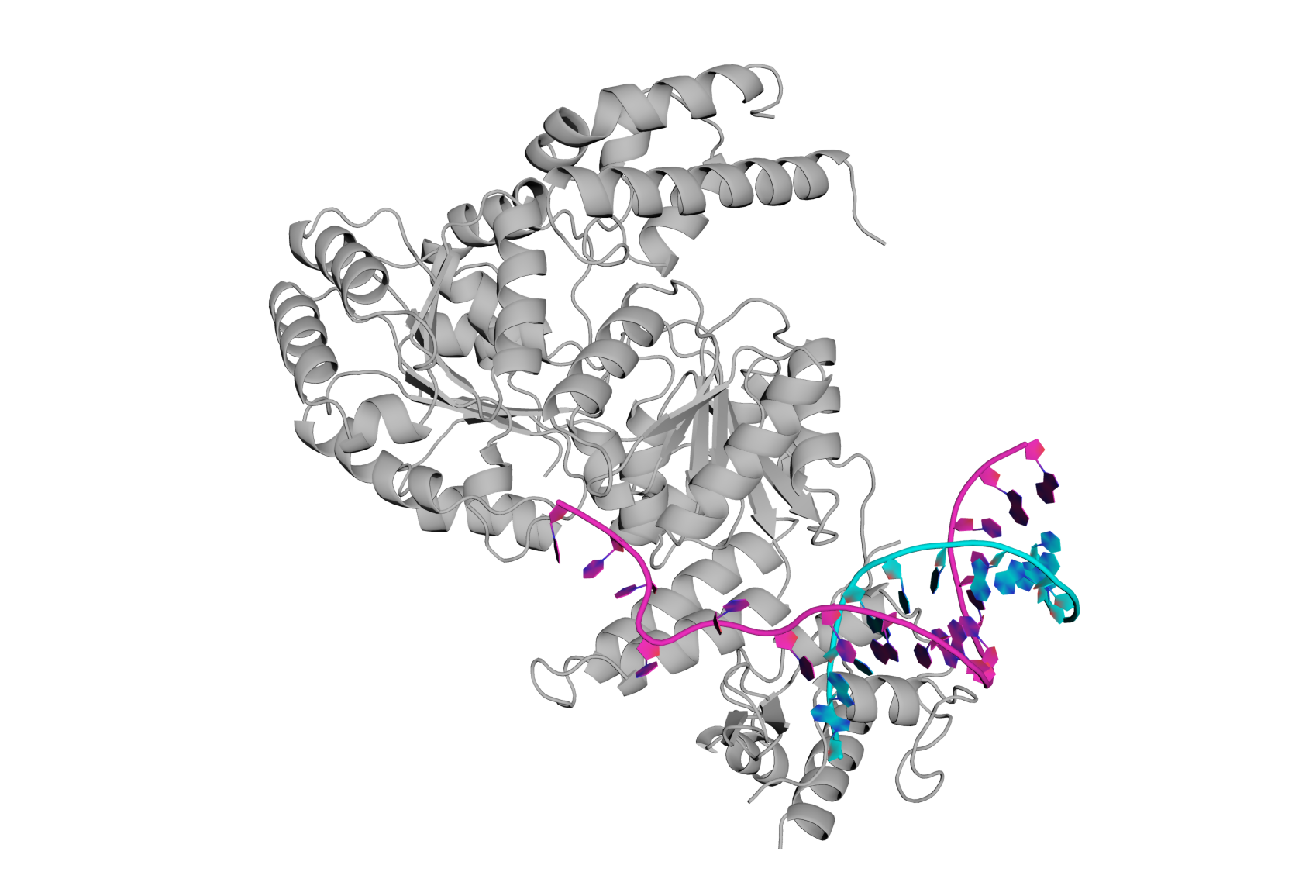
A síndrome é causada por mutações no gene BLM, responsável por produzir uma proteína helicase que preserva a estabilidade do DNA. Essas mutações geram instabilidade nos cromossomos e aumentam as quebras genéticas.
Referências
Fontes citadas no texto, publicações do grafo e bases de dados usadas neste verbete
7 publicações do grafo RarasNet (PubMed) · 8 bases de dados. Títulos, periódicos e PMIDs vêm direto da fonte, sem intermediação de IA.
Dados compilados pelo RarasNet a partir de fontes abertas (Orphanet, OMIM, MONDO, PubMed/EuropePMC, ClinicalTrials.gov, DATASUS, PCDT/MS). Este conteúdo é informativo e não substitui avaliação médica.
Citar este verbete
Raras. (s.d.). Síndrome Bloom. Em Raras — Enciclopédia de Doenças Raras do Brasil. https://raras.org/doenca/sindrome-bloom
Formato APA. Conteúdo sob CC BY 4.0 — reuso livre com atribuição.
Conteúdo mantido por Agente Raras · Médicos e pesquisadores podem colaborar
Síndrome Bloom
📋 Origem dos dados
Esta página agrega dados de fontes públicas e oficiais. Dados sobre cobertura no SUS (PCDT, CEAF) são verificados ativamente por agente proativo (ver badge no infobox). Demais dados têm atribuição de fonte + data da última sincronização — clique para abrir o original.
- Doença rara (ontologia)
- fonte: Orphanet
- Identificador unificado
- fonte: MONDO
- Genética mendeliana
- fonte: OMIM
- Codificação WHO/SUS
- fonte: WHO ICD-10 / DATASUS
- CID-11 (futuro)
- fonte: WHO ICD-11
- NIH/GARD
- fonte: GARD (NIH)
- Indexação biomédica
- fonte: MeSH (NLM)
- Dado público estruturado
- fonte: Wikidata

