Distúrbio que se manifesta como múltiplos cistos nos ovários. Resulta em desequilíbrios hormonais e leva a períodos menstruais irregulares e anormais, crescimento excessivo de cabelo, erupções de acne e obesidade.
Introdução
O que você precisa saber de cara
A síndrome do ovário policístico, frequentemente chamada de SOP, é um distúrbio em que múltiplos cistos se formam nos ovários e causam desequilíbrios hormonais. Quem vive com a síndrome costuma perceber menstruações irregulares ou ausentes, surgimento de acne, obesidade e crescimento excessivo de pelos pelo corpo. No Brasil, o SUS dispensa medicamentos para o tratamento, como metformina, ciproterona e contraceptivos hormonais, através de um protocolo clínico oficial. A condição apresenta padrão de herança autossômica dominante, e novos tratamentos continuam sendo investigados em estudos clínicos.
Distúrbio que se manifesta como múltiplos cistos nos ovários. Resulta em desequilíbrios hormonais e leva a períodos menstruais irregulares e anormais, crescimento excessivo de cabelo, erupções de acne e obesidade.
Encontrou um erro ou informação desatualizada? Sugira uma correção →
Entender a doença
Do básico ao detalhe, leia no seu ritmo
Preparando trilha educativa...
Sinais e sintomas
O que aparece no corpo e com que frequência cada sintoma acontece
Partes do corpo afetadas
+ 3 sintomas em outras categorias
Características mais comuns
Os sintomas variam de pessoa para pessoa. Abaixo estão as 7 características clínicas mais associadas, ordenadas por frequência.
Linha do tempo da pesquisa
Encontrou um erro ou informação desatualizada? Sugira uma correção →
Genética e causas
O que está alterado no DNA e como passa nas famílias
Nenhum gene associado encontrado
Os dados genéticos desta condição ainda estão sendo catalogados.
Onde tratar no SUS
Hospitais de referência no Brasil e o protocolo oficial do SUS (PCDT)
🇧🇷 Atendimento SUS — Síndrome do ovário policístico
Selecione um estado ou use sua localização para ver resultados.
Dados de DATASUS/CNES, SBGM, ABNeuro e Ministério da Saúde. Sempre confirme a disponibilidade diretamente com o estabelecimento.
Pesquisa ativa
Ensaios clínicos abertos e novidades científicas recentes
Ensaios em destaque
Com ensaio aberto em 47 países. O ponto verde marca onde há vaga agora.
🟢 Recrutando agora
95 pesquisas recrutando participantes. Converse com seu médico sobre a possibilidade de participar.
Outros ensaios clínicos
1.018 ensaios clínicos encontrados, 153 ativos.
Publicações mais relevantes
Polycystic ovary syndrome and the risk of ovarian tumours.
To explore the risk of ovarian cancer (OC) and its subtypes among women with PCOS. This is a retrospective cohort study with a follow-up of 25 years. The study included 479,759 participants, of which 80,131 were diagnosed with PCOS and 399,628 were matched controls (1:5 ratio). The data were obtained from Swedish registers, primarily the National Patient Registry and the Swedish National Cancer Registry. We used Cox regression to calculate hazard ratios, both crude and adjusted, and 95 % confidence intervals (95 % CI). During the study period, 450 individuals were diagnosed with OC or borderline tumour of the ovary (BOT). Following adjustment for obesity, country of birth and education, women with PCOS did not have an increased risk of epithelial ovarian cancer (EOC), aHR: 1.00 (95 % CI 0.64-1.55). However, the risks of developing BOT and non-EOC were higher in women with PCOS, aHR: 1.61 (95 % CI 1.16-2.23) and aHR: 4.26 (95 % CI 2.50-7.03), respectively. When further subgrouping non-EOC, stromal tumours stood out with a seventh-fold increased risk among women with PCOS. Women with PCOS are at higher risk of developing non-EOC and BOT than women without PCOS. Although the risk estimate is high, non-EOC is a rare diagnosis. Thus, the findings of this study may provide insights into the underlying mechanisms of PCOS and ovarian cancer, primarily non-EOC. However, they do not indicate any necessity for screening or alterations in the follow-up of women with PCOS.
Leveraging Northern European population history: novel low-frequency variants for polycystic ovary syndrome.
Can we identify novel variants associated with polycystic ovary syndrome (PCOS) by leveraging the unique population history of Northern Europe? We identified three novel genome-wide significant associations with PCOS, with two putative independent causal variants in the checkpoint kinase 2 (CHEK2) gene and a third in myosin X (MYO10). PCOS is a common, complex disorder with unknown aetiology. While previous genome-wide association studies (GWAS) have mapped several loci associated with PCOS, the analysis of populations with unique population history and genetic makeup has the potential to uncover new low-frequency variants with larger effects. A population-based case-control GWAS was carried out. We identified PCOS cases from national registers by ICD codes (ICD-10 E28.2, ICD-9 256.4, or ICD-8 256.90), and all remaining women were considered controls. We then conducted a three-stage case-control GWAS: in the discovery phase, we had a total of 797 cases and 140 558 controls from the FinnGen study. For validation, we used an independent dataset from the Estonian Biobank, including 2812 cases and 89 230 controls. Finally, we performed a joint meta-analysis of 3609 cases and 229 788 controls from both cohorts. Additionally, we reran the association analyses including BMI as a covariate, with 2169 cases and 160 321 controls from both cohorts. Two out of the three novel genome-wide significant variants associating with PCOS, rs145598156 (P = 3.6×10⁻⁸, odds ratio (OR) = 3.01 [2.02-4.50] minor allele frequency (MAF) = 0.005) and rs182075939 (P = 1.9×10⁻¹⁶, OR = 1.69 [1.49-1.91], MAF = 0.04), were found to be enriched in the Finnish and Estonian populations and are tightly linked to a deletion c.1100delC (r2 = 0.95) and a missense I157T (r2 = 0.83) in CHEK2. The third novel association is a common variant near MYO10 (rs9312937, P = 1.7 × 10⁻⁸, OR = 1.16 [1.10-1.23], MAF = 0.44). We also replicated four previous reported associations near the genes Erb-B2 Receptor Tyrosine Kinase 4 (ERBB4), DENN Domain Containing 1A (DENND1A), FSH Subunit Beta (FSHB) and Zinc Finger And BTB Domain Containing 16 (ZBTB16). When adding BMI as a covariate only one of the novel variants remained genome-wide significant in the meta-analysis (the EstBB lead signal in CHEK2 rs182075939, P = 1.9×10⁻¹⁶, OR = 1.74 [1.5-2.01]) possibly owing to reduced sample size. The age- and BMI-adjusted GWAS meta-analysis summary statistics are available for download from the GWAS Catalog with accession numbers GCST90044902 and GCST90044903. The main limitation was the low prevalence of PCOS in registers; however, the ones with the diagnosis most likely represent the most severe cases. Also, BMI data were not available for all (63% for FinnGen, 76% for EstBB), and the biobank setting limited the accessibility of PCOS phenotypes and laboratory values. This study encourages the use of isolated populations to perform genetic association studies for the identification of rare variants contributing to the genetic landscape of complex diseases such as PCOS. This work has received funding from the European Union's Horizon 2020 research and innovation programme under the MATER Marie Skłodowska-Curie grant agreement No. 813707 (N.P.-G., T.L., T.P.), the Estonian Research Council grant (PRG687, T.L.), the Academy of Finland grants 315921 (T.P.), 321763 (T.P.), 297338 (J.K.), 307247 (J.K.), 344695 (H.L.), Novo Nordisk Foundation grant NNF17OC0026062 (J.K.), the Sigrid Juselius Foundation project grants (T.L., J.K., T.P.), Finska Läkaresällskapet (H.L.) and Jane and Aatos Erkko Foundation (H.L.). The funders had no role in study design, data collection and analysis, publishing or preparation of the manuscript. The authors declare no conflicts of interest.
Deleterious variants in genes regulating mammalian reproduction in Neanderthals, Denisovans and extant humans.
Were Neanderthals and Denisovans (referred here also as extinct hominidae) carrying deleterious variants in genes regulating reproduction? The majority of extinct hominidae analyzed here, presented a considerable number of deleterious variants per individual in proteins regulating different aspects of reproduction, including gonad and uterine function, and gametogenesis. Neanderthals, Denisovans and extant humans were interfertile and hybridized while occupying geographically overlapping areas in Europe and Asia. This is evidenced by the small archaic genome component (average ∼2%) present in non-African extant humans. The genome of eight extinct hominidae, together with five human genome databases, plus 44 mothers and 48 fathers (fertile controls), were screened to look for deleterious variants in 1734 protein-coding genes regulating reproduction. Ancient DNA from six Neanderthals and two Denisovans dated between ∼82 000 and 43 000 calibrated years was retrieved from the public European Nucleotide Archive. The hominins analyzed include Altai, Vindija 33.15, 33.19, 33.25 and 33.26, El Sidron 1253, Denisova 3 and 11. Their DNA was analyzed using the CLC Genomics Workbench 12, by mapping overlapping paired-end reads (Illumina, FASTQ files) to the human genome assembly GRCh37 (hg19) (Vindija 33.19, 33.25, 33.26, Denisova 3 and Denisova 11) or by analyzing BAM files (Altai, El Sidron 1253 and Vindija 33.15) (human genome reference, GRCh37 (hg19)). Non-synonymous reproductive variants were classified as deleterious or tolerated (PolyPhen-2 and SIFT analyses) and were compared to deleterious variants obtained from extant human genome databases (Genome Aggregation Database (GnomAD), 1000 Genomes, the Haplotype Map (HapMap), Single Nucleotide Polymorphism Database (dbSNPs)) across different populations. A genetic intersection between extant or extinct DNA variants and other genetic disorders was evaluated by annotating the obtained variants with the Clinical Variant (ClinVar) database. Among the eight extinct hominidae analyzed, a total of 9650 non-synonymous variants (only coverage ≥20 reads included; frameshift mutations were excluded) in 1734 reproductive protein-coding genes were found, 24% of which were classified as deleterious. The majority (73%) of the deleterious alleles present in extant humans that are shared between extant humans and extinct hominidae were found to be rare (<1%) in extant human populations. A set of 8044 variants were found uniquely in extinct hominidae. At the single-gene level, no extinct individual was found to be homozygous for deleterious variants in genes necessary for gamete recognition and fusion, and no higher chance of embryo-lethality (calculated by Mendelian Genetics) was found upon simulated mating between extant human and extinct hominidae compared to extant human-extant human. However, three of the eight extinct hominidae were found to be homozygous for 48-69 deleterious variants in 55 genes controlling ovarian and uterine functions, or oogenesis (AKAP1, BUB1B, CCDC141, CDC73, DUSP6, ESR1, ESR2, PATL2, PSMC3IP, SEMA3A, WT1 and WNT4). Moreover, we report the distribution of nine Neanderthal variants in genes associated with a human fertility phenotype found in extant human populations, one of which has been associated with polycystic ovarian syndrome and primary congenital glaucoma. While analyzing archaic DNA, stringent filtering criteria were adopted to screen for deleterious variants in Neanderthals and Denisovans, which could result in missing a number of variants. Such restraints preserve the potential for detection of additional deleterious variants in reproductive proteins in extinct hominidae. This study provides a comprehensive overview of putatively deleterious variants in extant human populations and extinct individuals occurring in 1734 protein-coding genes controlling reproduction and provides the fundaments for future functional studies of extinct variants in human reproduction. This study was supported by the Department of Biological Science and by the Office of Research and Sponsored Programs at the University of Tulsa (Faculty Research Grant and Faculty Research Summer Fellowship) to M.A. and the University of Tulsa, Tulsa Undergraduate Research Challenge (TURC) program to E.L.; no conflict of interest to declare. N/A.
[Familial partial lipodystrophy (Dunnigan syndrome) due to LMNA gene mutation: The first description of its clinical case in Russia].
Hereditary lipodystrophies (HLD) are a heterogeneous group of rare diseases characterized by a complete or partial loss of subcutaneous fat and by the development of metabolic disturbances: diabetes mellitus with obvious insulin resistance and acanthosis nigricans, dyslipidemia, hepatic steatosis, hypertension, and polycystic ovary syndrome. The laminopathy variant familial partial lipodystrophy type 2 or Dunnigan syndrome (FPLD2) is the most common cause of partial LD. The paper describes a family (3 clinical cases) with FPLD2 caused by heterozygous R482W missense mutations in the gene encoding the protein lamin A/C (LMNA; 150330). This observation demonstrates that specialists should be more aware of this disease and make a timely diagnose in cases of concurrent severe metabolic disturbances at a young age, which contributes to more effective treatment of patients and to medical genetic counseling of their families. Наследственные липодистрофии (НЛД) представляют собой гетерогенную группу редких заболеваний, характеризующихся полной или частичной потерей подкожной жировой клетчатки, а также развитием метаболических нарушений: сахарного диабета с выраженной инсулинорезистентностью и acanthosis nigricans, дислипидемии, стеатоза печени, артериальной гипертонии, синдрома поликистозных яичников. Наиболее частой причиной парциальной липодистрофии (ЛД) является вариант ламинопатий, семейная парциальная ЛД 2-го типа (FPLD2), или синдром Dunnigan. Описана семья (3 клинических случая) с FPLD2, обусловленной гетерозиготной миссенс-мутацией R482W в гене, кодирующем белок ламин A/C (LMNA; 150330). Это наблюдение демонстрирует необходимость увеличения осведомленности специалистов о данном заболевании и своевременно установленного диагноза в случаях сочетания выраженных метаболических нарушений в молодом возрасте, что способствует более эффективному лечению пациентов и проведению медико-генетического консультирования их семей.
Publicações recentes
Ver todas no PubMed📚 EuropePMCmostrando 4
Polycystic ovary syndrome and the risk of ovarian tumours.
Gynecologic oncologyLeveraging Northern European population history: novel low-frequency variants for polycystic ovary syndrome.
Human reproduction (Oxford, England)Deleterious variants in genes regulating mammalian reproduction in Neanderthals, Denisovans and extant humans.
Human reproduction (Oxford, England)[Familial partial lipodystrophy (Dunnigan syndrome) due to LMNA gene mutation: The first description of its clinical case in Russia].
Terapevticheskii arkhivAssociações
Organizações que acompanham esta doença — pra ter apoio e orientação
Ainda não temos associações cadastradas para Síndrome do ovário policístico.
É de uma associação que acompanha esta doença? Fale com a gente →
Doenças relacionadas
Doenças com sintomas parecidos — ajudam quem ainda está buscando diagnóstico
Perguntas frequentes
O que as famílias mais perguntam sobre esta doença — cada resposta com a fonte de onde saiu
É um distúrbio caracterizado pela presença de múltiplos cistos nos ovários associados a alterações hormonais. O quadro causa sintomas como períodos menstruais anormais, obesidade, acne e excesso de pelos.
Referências
Fontes citadas no texto, publicações do grafo e bases de dados usadas neste verbete
5 publicações do grafo RarasNet (PubMed) · 6 bases de dados. Títulos, periódicos e PMIDs vêm direto da fonte, sem intermediação de IA.
Dados compilados pelo RarasNet a partir de fontes abertas (Orphanet, OMIM, MONDO, PubMed/EuropePMC, ClinicalTrials.gov, DATASUS, PCDT/MS). Este conteúdo é informativo e não substitui avaliação médica.
Citar este verbete
Raras. (s.d.). Síndrome do ovário policístico. Em Raras — Enciclopédia de Doenças Raras do Brasil. https://raras.org/doenca/sindrome-do-ovario-policistico
Formato APA. Conteúdo sob CC BY 4.0 — reuso livre com atribuição.
Conteúdo mantido por Agente Raras · Médicos e pesquisadores podem colaborar
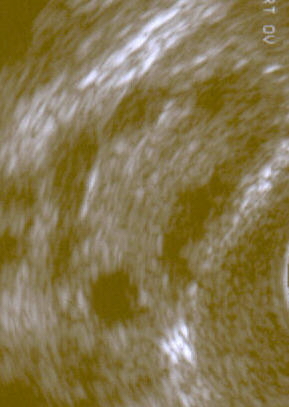
Síndrome do ovário policístico
📋 Origem dos dados
Esta página agrega dados de fontes públicas e oficiais. Dados sobre cobertura no SUS (PCDT, CEAF) são verificados ativamente por agente proativo (ver badge no infobox). Demais dados têm atribuição de fonte + data da última sincronização — clique para abrir o original.
- Doença rara (ontologia)
- fonte: Orphanet
- Identificador unificado
- fonte: MONDO
- Genética mendeliana
- fonte: OMIM
- Codificação WHO/SUS
- fonte: WHO ICD-10 / DATASUS
- Indexação biomédica
- fonte: MeSH (NLM)
- Dado público estruturado
- fonte: Wikidata
- Ensaios clínicos
- fonte: ClinicalTrials.gov

