O hipopituitarismo congênito é caracterizado por deficiência múltipla de hormônio hipofisário, incluindo deficiências somatotróficas, tireotróficas, lactotróficas, corticotróficas ou gonadotróficas, devido a mutações de fatores de transcrição hipofisários envolvidos na ontogênese hipofisária. O hipopituitarismo congênito é raro em comparação com a alta incidência de hipopituitarismo induzido por adenomas hipofisários, cirurgia transesfenoidal ou radioterapia.
Introdução
O que você precisa saber de cara
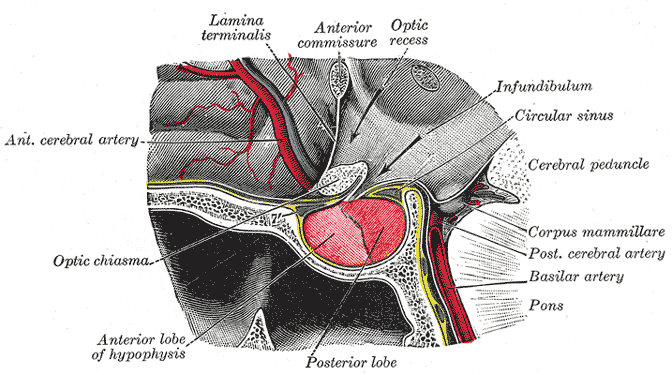
A deficiência combinada de hormônios pituitários é uma condição que causa uma perda parcial ou completa (deficiência) de dois ou mais hormônios que normalmente são produzidos pela glândula pituitária. A glândula pituitária, que está localizada na base do cérebro, produz hormônios que são necessários para o crescimento, desenvolvimento e outras funções corporais críticas. A falta de hormônios pituitários pode afetar o crescimento e o desenvolvimento.
Os sinais e sintomas da deficiência combinada de hormônios pituitários dependem dos hormônios específicos envolvidos. Os hormônios produzidos pela glândula pituitária incluem o hormônio do crescimento (GH), que é necessário para o crescimento normal; o hormônio folículo‑estimulante (FSH) e o hormônio luteinizante (LH), que desempenham um papel no desenvolvimento sexual e na capacidade de ter filhos biológicos (fertilidade); o hormônio estimulante da tireoide (TSH), que desencadeia a liberação de hormônios que controlam como o corpo usa energia; a prolactina, que estimula a produção de leite materno; e o hormônio adrenocorticotrófico (ACTH), que influencia como o corpo responde ao estresse e ajuda a manter níveis normais de glicose no sangue e de pressão arterial.
Embora as características da deficiência combinada de hormônios pituitários possam variar, as pessoas com a condição frequentemente não crescem na taxa esperada, e a baixa estatura geralmente se torna aparente na primeira infância. Bebês com deficiência combinada de hormônios pituitários podem apresentar icterícia persistente da pele e da esclera (amarelecimento dos olhos), baixos níveis de glicose no sangue (hipoglicemia) e anomalias genitais. As características da deficiência combinada de hormônios pituitários incluem fadiga, alterações de peso, puberdade atrasada ou ausente e problemas de fertilidade. Sinais e sintomas adicionais podem incluir desenvolvimento anormal da cabeça e do rosto (anomalias craniofaciais), anomalias cerebrais, crises epilépticas recorrentes (epilepsia) e atrasos no desenvolvimento. Algumas pessoas com a condição têm distúrbios oculares. Estes incluem hipoplasia do nervo óptico, que é um distúrbio que afeta os nervos que transportam informações visuais dos olhos para o cérebro.
Os sinais e sintomas da deficiência combinada de hormônios pituitários podem se assemelhar aos observados em outros distúrbios, o que pode atrasar o diagnóstico. Como os sinais e sintomas da deficiência combinada de hormônios pituitários podem variar amplamente e frequentemente se sobrepõem a outras condições, alguns pesquisadores sugeriram que a deficiência combinada de hormônios pituitários faz parte de um espectro de distúrbios relacionados, em vez de ser um distúrbio único.
A deficiência combinada de hormônios pituitários pode ser congênita ou adquirida. A deficiência combinada de hormônios pituitários adquirida é causada por fatores que ocorrem mais tarde na vida, como infecções ou tumores. Quando a deficiência combinada de hormônios pituitários não é adquirida, a condição é chamada congênita.
Fonte: MedlinePlus Genetics (NLM/NIH), traduzidoO hipopituitarismo congênito é caracterizado por deficiência múltipla de hormônio hipofisário, incluindo deficiências somatotróficas, tireotróficas, lactotróficas, corticotróficas ou gonadotróficas, devido a mutações de fatores de transcrição hipofisários envolvidos na ontogênese hipofisária. O hipopituitarismo congênito é raro em comparação com a alta incidência de hipopituitarismo induzido por adenomas hipofisários, cirurgia transesfenoidal ou radioterapia.
Escala de raridade
<1/50kMuito rara
1/20kRara
1/10kPouco freq.
1/5kIncomum
1/2k
Encontrou um erro ou informação desatualizada? Sugira uma correção →
Entender a doença
Do básico ao detalhe, leia no seu ritmo
Preparando trilha educativa...
Sinais e sintomas
O que aparece no corpo e com que frequência cada sintoma acontece
Partes do corpo afetadas
+ 59 sintomas em outras categorias
Características mais comuns
Os sintomas variam de pessoa para pessoa. Abaixo estão as 161 características clínicas mais associadas, ordenadas por frequência.
Linha do tempo da pesquisa
Encontrou um erro ou informação desatualizada? Sugira uma correção →
Genética e causas
O que está alterado no DNA e como passa nas famílias
Genes associados
20 genes identificados com associação a esta condição. Padrão de herança: Autosomal dominant, Autosomal recessive, X-linked recessive.
Curadoria gene-doença
fontes oficiaisPituitary hormone deficiency, combined, 2
Combined pituitary hormone deficiency is defined as the impaired production of growth hormone and one or more of the other five anterior pituitary hormones. CPHD2 is characterized by pleiotropic deficiencies of growth hormone, thyroid-stimulating hormone, follicle-stimulating hormone, luteinizing hormone, prolactin and adrenocorticotropic hormone.
Hypogonadotropic hypogonadism 3 with or without anosmia
A disorder characterized by absent or incomplete sexual maturation by the age of 18 years, in conjunction with low levels of circulating gonadotropins and testosterone and no other abnormalities of the hypothalamic-pituitary axis. In some cases, it is associated with non-reproductive phenotypes, such as anosmia, cleft palate, and sensorineural hearing loss. Anosmia or hyposmia is related to the absence or hypoplasia of the olfactory bulbs and tracts. Hypogonadism is due to deficiency in gonadotropin-releasing hormone and probably results from a failure of embryonic migration of gonadotropin-releasing hormone-synthesizing neurons. In the presence of anosmia, idiopathic hypogonadotropic hypogonadism is referred to as Kallmann syndrome, whereas in the presence of a normal sense of smell, it has been termed normosmic idiopathic hypogonadotropic hypogonadism (nIHH).
Microphthalmia, syndromic, 3
A disease characterized by the rare association of malformations including uni- or bilateral anophthalmia or microphthalmia, and esophageal atresia with trachoesophageal fistula. Microphthalmia is a disorder of eye formation, ranging from small size of a single eye to complete bilateral absence of ocular tissues (anophthalmia). In many cases, microphthalmia/anophthalmia occurs in association with syndromes that include non-ocular abnormalities.
Webb-Dattani syndrome
A disorder characterized by postnatal microcephaly with fronto-temporal lobe hypoplasia, multiple pituitary hormone deficiency, global developmental delay, seizures, severe visual impairment and abnormalities of the kidneys and urinary tract.
Pfeiffer syndrome
A syndrome characterized by the association of craniosynostosis, broad and deviated thumbs and big toes, and partial syndactyly of the fingers and toes. Three subtypes are known: mild autosomal dominant form (type 1); cloverleaf skull, elbow ankylosis, early death, sporadic (type 2); craniosynostosis, early demise, sporadic (type 3).
ACTH deficiency, isolated
An autosomal recessive disorder that is characterized by adrenal insufficiency symptoms, such as weight loss, lack of appetite (anorexia), weakness, nausea, vomiting and low blood pressure (hypotension). The pituitary hormone ACTH is decreased or absent, and other cortisol and other steroid hormone levels in the blood are abnormally low.
Growth hormone deficiency, isolated, 4
An autosomal recessive deficiency of growth hormone leading to early and severe growth failure and short stature. Patients have low but detectable levels of growth hormone, significantly retarded bone age, and a positive response and immunologic tolerance to growth hormone therapy.
X-linked agammaglobulinemia
Humoral immunodeficiency disease which results in developmental defects in the maturation pathway of B-cells. Affected boys have normal levels of pre-B-cells in their bone marrow but virtually no circulating mature B-lymphocytes. This results in a lack of immunoglobulins of all classes and leads to recurrent bacterial infections like otitis, conjunctivitis, dermatitis, sinusitis in the first few years of life, or even some patients present overwhelming sepsis or meningitis, resulting in death in a few hours. Treatment in most cases is by infusion of intravenous immunoglobulin.
Pituitary hormone deficiency, combined or isolated, 7
An autosomal recessive deficiency of growth hormone characterized by severe postnatal growth failure, delayed bone age without bone dysplasia, and hypoplasia of the anterior pituitary.
Panhypopituitarism X-linked
Affected individuals have absent infundibulum, anterior pituitary hypoplasia, and ectopic posterior pituitary.
Neurooculorenal syndrome
An autosomal recessive syndrome characterized by variable clinical features including congenital renal anomalies, neurodevelopmental defects, intellectual impairment, cardiac defects, and ocular anomalies. Some affected individuals present in utero with renal agenesis and structural brain abnormalities incompatible with life.
Growth hormone deficiency, isolated, 1A
An autosomal recessive, severe deficiency of growth hormone leading to dwarfism. Patients often develop antibodies to administered growth hormone.
Pituitary hormone deficiency, combined, 3
Combined pituitary hormone deficiency is defined as the impaired production of growth hormone and one or more of the other five anterior pituitary hormones. CPHD3 is characterized by a complete deficit in all but one (adrenocorticotropin) anterior pituitary hormone and a rigid cervical spine leading to limited head rotation.
Pituitary hormone deficiency, combined, 1
Combined pituitary hormone deficiency is defined as the impaired production of growth hormone and one or more of the other five anterior pituitary hormones. CPHD1 is characterized by pleiotropic deficiencies of growth hormone, prolactin and thyroid-stimulating hormone, while the production of adrenocorticotropic hormone, luteinizing hormone, and follicle-stimulating hormone are preserved. In infancy severe growth deficiency from birth as well as distinctive facial features with prominent forehead, marked midfacial hypoplasia with depressed nasal bridge, deep-set eyes, and a short nose with anteverted nostrils and hypoplastic pituitary gland by MRI examination can be seen. Some cases present with severe intellectual disability along with short stature.
Septooptic dysplasia
A clinically heterogeneous disorder defined by any combination of optic nerve hypoplasia, pituitary gland hypoplasia with panhypopopituitarism, and midline abnormalities of the brain, including absence of the corpus callosum and septum pellucidum.
Holoprosencephaly 9
A form of holoprosencephaly, a structural anomaly of the brain in which the developing forebrain fails to correctly separate into right and left hemispheres. It is a genetically and clinically heterogeneous disorder with a wide spectrum of severity, ranging from alobar holoprosencephaly with severe facial abnormalities, such as cyclopia and proboscis, to mild forms that include lobar or microform holoprosencephaly, without cerebral malformations and with mild craniofacial defects. HPE9 is characterized by defective anterior pituitary formation and pan-hypopituitarism, with or without overt forebrain cleavage abnormalities, and holoprosencephaly-like midfacial hypoplasia. HPE9 inheritance is autosomal dominant.
Pituitary hormone deficiency, combined, 4
Combined pituitary hormone deficiency is defined as the impaired production of growth hormone and one or more of the other five anterior pituitary hormones. CPHD4 is characterized by complete or partial deficiencies of growth hormone, thyroid-stimulating hormone, luteinizing hormone, follicle stimulating hormone and adrenocorticotropic hormone. Clinical features include short stature, cerebellar defects, and small sella turcica.
Microphthalmia, syndromic, 5
Patients manifest unilateral or bilateral microphthalmia/clinical anophthalmia and variable additional features including pituitary dysfunction, coloboma, microcornea, cataract, retinal dystrophy, hypoplasia or agenesis of the optic nerve, agenesis of the corpus callosum, developmental delay, joint laxity, hypotonia, and seizures. Microphthalmia is a disorder of eye formation, ranging from small size of a single eye to complete bilateral absence of ocular tissues (anophthalmia). In many cases, microphthalmia/anophthalmia occurs in association with syndromes that include non-ocular abnormalities.
Variantes genéticas (ClinVar)
419 variantes patogênicas registradas no ClinVar.
Vias biológicas (Reactome)
82 vias biológicas associadas aos genes desta condição.
Diagnóstico
Os sinais que médicos procuram e os exames que confirmam
Tratamento e manejo
Remédios, cuidados de apoio e o que precisa acompanhar
Onde tratar no SUS
Hospitais de referência no Brasil e o protocolo oficial do SUS (PCDT)
🇧🇷 Atendimento SUS — Deficiências combinadas de hormônios hipofisários, formas genéticas
Selecione um estado ou use sua localização para ver resultados.
Dados de DATASUS/CNES, SBGM, ABNeuro e Ministério da Saúde. Sempre confirme a disponibilidade diretamente com o estabelecimento.
Pesquisa ativa
Ensaios clínicos abertos e novidades científicas recentes
Ensaios em destaque
Com ensaio aberto em 6 países. O ponto verde marca onde há vaga agora.
🟢 Recrutando agora
5 pesquisas recrutando participantes. Converse com seu médico sobre a possibilidade de participar.
Outros ensaios clínicos
46 ensaios clínicos encontrados, 6 ativos.
Publicações mais relevantes
Mostrando amostra de 21 publicações de um total de 138
Clinical and genetic basis of congenital gonadotropin deficiency.
What is the clinical and genetic overlap across subtypes of congenital gonadotropin (Gn) deficiency? This study reveals substantial clinical and genetic overlap among Gn deficiency disorders, with shared genetic and developmental features across congenital hypogonadotropic hypogonadism (CHH), combined pituitary hormone deficiency (CPHD), and syndromic forms of Gn deficiency. Congenital Gn deficiency includes a subset of hypogonadotropic hypogonadism (HH) and can result from defects at the level of the hypothalamus or the pituitary. It includes (i) CHH, further classified into normosmic CHH (nCHH) and Kallmann syndrome (KS); (ii) CPHD; and (iii) syndromic forms such as CHARGE syndrome and septo-optic dysplasia (SOD). The study included all probands with Gn deficiency recruited at a tertiary care center between 2011 and 2024 (n = 568), including 276 KS, 247 nCHH, 29 CPHD, and 16 syndromic Gn deficiency cases. All individuals underwent detailed clinical phenotyping followed by DNA sequencing. Genetic analysis focused on pathogenic (P) and likely pathogenic (LP) variants and variants of uncertain significance (VUS) within established CHH and CPHD genes. Oligogenicity was assessed in the CHH/syndromic HH cohort (n = 523) compared with controls from 1000 Genomes (n = 601). Genetic overlap among CHH, CPHD, and syndromic Gn deficiency was systematically investigated. Cleft lip/palate, dental agenesis, and ear abnormalities were recurrent across all Gn-deficient groups. Notably, some CPHD and SOD patients exhibited anosmia and a preserved Gn response to LH-releasing hormone (LHRH) stimulation, indicating a hypothalamic component to their HH. Rare variants in CHH genes were identified in 53% of KS probands (40% P/LP, 13% VUS) and 33% of nCHH probands (23% P/LP, 10% VUS). FGFR1, ANOS1, and PROKR2 were most frequently mutated in KS, while GNRHR, FGFR1, and KISS1R predominated in nCHH. Oligogenic inheritance was detected in 15% of CHH cases, with variants in FGFR1 being most commonly involved. Importantly, a substantial proportion (14%) of CHH patients without a molecular diagnosis carried rare variants predicted to be P or LP in genes typically associated with CPHD (e.g. ROBO1, BRAF, FAT2, and DCHS2). Conversely, several CHH-associated genes such as FGFR1 and FGF8, already implicated in CPHD, were also identified in patients with CPHD and syndromic GN deficiency, further supporting a shared genetic architecture between CHH and CPHD. N/A. Non-coding and copy number variants were not studied. Functional studies of the new candidate genes for CHH were not undertaken. This study highlights the importance of comprehensive clinical evaluation and broadened genetic testing in patients with Gn deficiency. This work was supported by the Swiss National Foundation (NP) (Grant No. 310030B_201275 to N.P.) and the Natural Science Foundation of Beijing (Grant No. 7244338 to Y.W.). The authors declare no competing interests.
Biallelic pathogenic variants in POMC can cause combined pituitary hormonal deficiency associated with severe obesity.
Biallelic variants in the pro-opiomelanocortin gene (POMC) can cause hypocortisolism, hypopigmentation, and early-onset obesity. Following the identification of 2 patients of combined pituitary hormone deficiency (CPHD), we investigated the prevalence of this association among carriers of rare pathogenic or likely pathogenic (P/LP) POMC variants. This study is a case report and systematic literature review. Genetic analysis was conducted in a family with 2 cousins with childhood-onset obesity and CPHD. We assessed CPHD in carriers for biallelic pathogenic POMC variants using data from the literature and Human Gene Mutation Database. Clinical and biological data were collected, including pituitary axis involvement, obesity onset age, and pituitary imaging results. The 2 cousins, compound heterozygous for POMC variants, developed CPHD following initial hypocortisolism, with subsequent hypothyroidism, growth hormone deficiency, and hypogonadism. Among 41 patients with biallelic POMC variants identified in the literature, 20 had rare homozygous/compound heterozygous P/LP POMC variants and detailed endocrine evaluations. Of these, 40% presented with CPHD, always associated with early-onset severe obesity and hypocortisolism. Growth hormone deficiency was the most frequent (75%), followed by thyrotropic and gonadotropic deficiencies (62.5%). No anomalies were revealed in pituitary imaging. Two patients recovered the gonadotropic axis after treatment with the MC4R agonist. These findings underscore the potential for CPHD to occur in carriers of biallelic pathogenic POMC variants. Sequencing the full POMC, including coding and regulatory regions, is crucial in CPHD cases, alongside evaluating all pituitary axes in neonatal hypocortisolism. Beyond weight regulation, setmelanotide may modulate hypothalamic-pituitary function, with implications for fertility.
Common and Uncommon Mouse Models of Growth Hormone Deficiency.
Mouse models of growth hormone deficiency (GHD) have provided important tools for uncovering the various actions of GH. Nearly 100 years of research using these mouse lines has greatly enhanced our knowledge of the GH/IGF-1 axis. Some of the shared phenotypes of the 5 "common" mouse models of GHD include reduced body size, delayed sexual maturation, decreased fertility, reduced muscle mass, increased adiposity, and enhanced insulin sensitivity. Since these common mouse lines outlive their normal-sized littermates-and have protection from age-associated disease-they have become important fixtures in the aging field. On the other hand, the 12 "uncommon" mouse models of GHD described herein have tremendously divergent health outcomes ranging from beneficial aging phenotypes (similar to those described for the common models) to extremely detrimental features (such as improper development of the central nervous system, numerous sensory organ defects, and embryonic lethality). Moreover, advancements in next-generation sequencing technologies have led to the identification of an expanding array of genes that are recognized as causative agents to numerous rare syndromes with concomitant GHD. Accordingly, this review provides researchers with a comprehensive up-to-date collection of the common and uncommon mouse models of GHD that have been used to study various aspects of physiology and metabolism associated with multiple forms of GHD. For each mouse line presented, the closest comparable human syndromes are discussed providing important parallels to the clinic.
Diagnosis and management of congenital hypopituitarism in children.
Hypopituitarism (or pituitary deficiency) is a rare disease with an estimated prevalence of between 1/16,000 and 1/26,000 individuals, defined by insufficient production of one or several anterior pituitary hormones (growth hormone [GH], thyroid-stimulating hormone [TSH], adrenocorticotropic hormone [ACTH], luteinizing hormone [LH], follicle-stimulating hormone [FSH], prolactin), in association or not with diabetes insipidus (antidiuretic hormone [ADH] deficiency). While in adults hypopituitarism is mostly an acquired disease (tumors, irradiation), in children it is most often a congenital condition, due to abnormal pituitary development. Clinical symptoms vary considerably from isolated to combined deficiencies and between syndromic and non-syndromic forms. Early signs are non-specific but should not be overlooked. Diagnosis is based on a combination of clinical, laboratory (testing of all hormonal axes), imaging (brain magnetic resonance imaging [MRI] with thin slices centered on the hypothalamic-pituitary region), and genetic (next-generation sequencing of genes involved in pituitary development, array-based comparative genomic hybridization, and/or genomic analysis) findings. Early brain MRI is crucial in neonates or in cases of severe hormone deficiency for differential diagnosis and to inform syndrome workup. This article presents recommendations for hormone replacement therapy for each of the respective deficient axes. Lifelong follow-up with an endocrinologist is required, including in adulthood, with multidisciplinary management for patients with syndromic forms or comorbidities. Treatment objectives include alleviating symptoms, preventing comorbidities and acute complications, and optimal social and educational integration.
Comparison of clinical characteristics of a pediatric cohort with combined pituitary hormone deficiency caused by mutation of the PROP1 gene or of other origins.
The most commonly identified genetic cause of combined pituitary hormone deficiency (CPHD) is PROP1 gene mutations. The aim of the study was to compare selected clinical features of patients with CPHD caused by variants of the PROP1 gene (CPHD-PROP1) and patients with inborn CPHD of other etiology (CPHD-nonPROP1). The retrospective analysis included childhood medical records of 74 patients (32 female) with CPHD, including 43 patients (23 female) with the mutation in the PROP1 gene. Patients with CPHD-PROP1 compared to the CPHD-nonPROP1 presented with the following: significantly higher median birth weight (0.21 vs. - 0.29 SDS, p = 0.019), lower growth velocity within 3 years preceding growth hormone administration (- 2.7 vs. - 0.8 SDS, p < 0.001), higher mean maximal blood concentration of growth hormone within the stimulation process (1.2 vs. 1.08 ng/mL, p = 0.003), lower TSH (1.8 vs. 2.4 µIU/mL, p < 0.001), significantly lower prolactin concentrations (128 vs. 416.3 µIU/mL, p < 0.001), and less frequent typical signs of hypogonadism at birth in boys (n = 6; 30% vs. n = 12, 54%, p < 0.001). Secondary adrenal insufficiency was less frequent in CPHD-PROP1 (20 vs. 25 cases, p = 0.006) and occurred at a later age (13.4 vs. 10.4 years). MRI of the pituitary gland in CPHD-PROP1 revealed a small pituitary gland (21 cases), pituitary gland enlargement (eight cases), and one pituitary stalk interruption and posterior lobe ectopy, while it was normal in nine cases. Patients with the PROP1 mutations present a clinical picture significantly different from that of other forms of congenital hypopituitarism. Certain specific clinical results may lead to the successful identification of children requiring diagnostics for the PROP1 gene mutation.
Publicações recentes
New insights into Oliver-McFarlane syndrome: adrenocortical hypofunction and variable expressivity in a Chinese sibling pair.
GH Response to Glucagon in Transition: Role of BMI and Etiology in Childhood-Onset GH Deficiency.
Webb-Dattani syndrome in a 17-year-old girl.
Genetic requirement for Esrp1 and Esrp2 in vertebrate pituitary morphogenesis.
Compound heterozygous ROBO1 gene variants in a neonate with congenital hypopituitarism, dysmorphic features and midline abnormalities: a case report and review of the literature.
📚 EuropePMCmostrando 21
Clinical and genetic basis of congenital gonadotropin deficiency.
Human reproduction openBiallelic pathogenic variants in POMC can cause combined pituitary hormonal deficiency associated with severe obesity.
European journal of endocrinologyCommon and Uncommon Mouse Models of Growth Hormone Deficiency.
Endocrine reviewsDiagnosis and management of congenital hypopituitarism in children.
Archives de pediatrie : organe officiel de la Societe francaise de pediatrieComparison of clinical characteristics of a pediatric cohort with combined pituitary hormone deficiency caused by mutation of the PROP1 gene or of other origins.
Hormones (Athens, Greece)Diagnosing and treating anterior pituitary hormone deficiency in pediatric patients.
Reviews in endocrine & metabolic disordersParaneoplastic isolated adrenocorticotropic hormone deficiency revealed after immune checkpoint inhibitors therapy: new insights into anti-corticotroph antibody.
Frontiers in immunologySpondyloenchondrodysplasia in five new patients: identification of three novel ACP5 variants with variable neurological presentations.
Molecular genetics and genomics : MGGAnalysis of ProP1 Gene in a Cohort of Tunisian Patients with Congenital Combined Pituitary Hormone Deficiency.
Journal of clinical medicineWhole Exome Sequencing Points towards a Multi-Gene Synergistic Action in the Pathogenesis of Congenital Combined Pituitary Hormone Deficiency.
CellsReassessment of predictive values of ACTH-stimulated serum 21-deoxycortisol and 17-hydroxyprogesterone to identify CYP21A2 heterozygote carriers and nonclassic subjects.
Clinical endocrinologyPredictors of reproductive and non-reproductive outcomes of gonadotropin mediated pubertal induction in male patients with congenital hypogonadotropic hypogonadism (CHH).
Journal of endocrinological investigationHomozygous HESX1 and COL1A1 Gene Variants in a Boy with Growth Hormone Deficiency and Early Onset Osteoporosis.
International journal of molecular sciencesEvolving pituitary hormone deficits in primarily isolated GHD: a review and experts' consensus.
Molecular and cellular pediatricsDevelopment of the Pituitary Gland.
Comprehensive PhysiologyClinical and Immunological Phenotype of Patients With Primary Immunodeficiency Due to Damaging Mutations in NFKB2.
Frontiers in immunologyHigh Prevalence of Growth Plate Gene Variants in Children With Familial Short Stature Treated With GH.
The Journal of clinical endocrinology and metabolismThe diagnosis and management of central hypothyroidism in 2018.
Endocrine connectionsFunctional Characterization of Transient Receptor Potential (TRP) Channel C5 in Female Murine Gonadotropes.
EndocrinologyTwo novel LHX3 mutations in patients with combined pituitary hormone deficiency including cervical rigidity and sensorineural hearing loss.
BMC endocrine disordersHeterozygous deletion of FOXA2 segregates with disease in a family with heterotaxy, panhypopituitarism, and biliary atresia.
Human mutationAssociações
Organizações que acompanham esta doença — pra ter apoio e orientação
Ainda não temos associações cadastradas para Deficiências combinadas de hormônios hipofisários, formas genéticas.
É de uma associação que acompanha esta doença? Fale com a gente →
Doença com base genética
Um médico geneticista pode ajudar no diagnóstico de Deficiências combinadas de hormônios hipofisários, formas genéticas e no aconselhamento genético da família.
Doenças relacionadas
Doenças com sintomas parecidos — ajudam quem ainda está buscando diagnóstico
Perguntas frequentes
O que as famílias mais perguntam sobre esta doença — cada resposta com a fonte de onde saiu
A condição é causada por mutações genéticas em fatores essenciais para a formação da glândula hipófise durante o desenvolvimento. Mutações em genes como PROP1, SOX2, SOX3 e FGFR1 estão entre as causas identificadas nos estudos.
Referências
Fontes citadas no texto, publicações do grafo e bases de dados usadas neste verbete
10 publicações do grafo RarasNet (PubMed) · 7 bases de dados. Títulos, periódicos e PMIDs vêm direto da fonte, sem intermediação de IA.
Dados compilados pelo RarasNet a partir de fontes abertas (Orphanet, OMIM, MONDO, PubMed/EuropePMC, ClinicalTrials.gov, DATASUS, PCDT/MS). Este conteúdo é informativo e não substitui avaliação médica.
Citar este verbete
Raras. (s.d.). Deficiências combinadas de hormônios hipofisários, formas genéticas. Em Raras — Enciclopédia de Doenças Raras do Brasil. https://raras.org/doenca/deficiencias-combinadas-de-hormonios-hipofisarios-formas-geneticas
Formato APA. Conteúdo sob CC BY 4.0 — reuso livre com atribuição.
Conteúdo mantido por Agente Raras · Médicos e pesquisadores podem colaborar
Deficiências combinadas de hormônios hipofisários, formas genéticas
📋 Origem dos dados
Esta página agrega dados de fontes públicas e oficiais. Dados sobre cobertura no SUS (PCDT, CEAF) são verificados ativamente por agente proativo (ver badge no infobox). Demais dados têm atribuição de fonte + data da última sincronização — clique para abrir o original.
- Doença rara (ontologia)
- fonte: Orphanet
- Identificador unificado
- fonte: MONDO
- Codificação WHO/SUS
- fonte: WHO ICD-10 / DATASUS
- CID-11 (futuro)
- fonte: WHO ICD-11
- NIH/GARD
- fonte: GARD (NIH)
- Indexação biomédica
- fonte: MeSH (NLM)
- Dado público estruturado
- fonte: Wikidata
- Ensaios clínicos
- fonte: ClinicalTrials.gov

