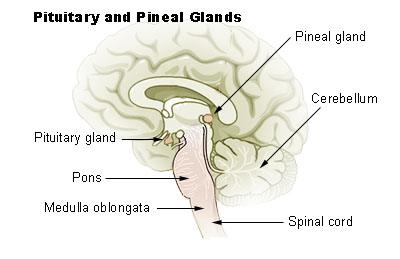
O tumor papilar da região pineal (PTPR) é um tipo de tumor muito raro que surge na região pineal do cérebro. Acredita-se que ele nasce de células especializadas, chamadas ependimócitos, que ficam no órgão subcomissural. Ele se manifesta com problemas de visão, dores de cabeça, perda de coordenação e equilíbrio, enjoos e vômitos. Esses sintomas ocorrem devido ao acúmulo de líquido no cérebro por causa de uma obstrução (condição conhecida como hidrocefalia obstrutiva).
Introdução
O que você precisa saber de cara
O tumor papilar da região pineal, conhecido como PTPR, é um tipo muito raro de tumor que se desenvolve na região central do cérebro. Ele costuma provocar o acúmulo de líquido no cérebro (hidrocefalia), causando dor de cabeça intensa, enjoos, vômitos e problemas na visão ou no equilíbrio. Os estudos médicos documentam o tratamento principalmente por meio de cirurgia e radioterapia. No Brasil, esta condição não consta na lista oficial de PCDTs de doenças raras do Ministério da Saúde, sendo o cuidado conduzido pela rede de atenção hospitalar especializada.
O tumor papilar da região pineal (PTPR) é um tipo de tumor muito raro que surge na região pineal do cérebro. Acredita-se que ele nasce de células especializadas, chamadas ependimócitos, que ficam no órgão subcomissural. Ele se manifesta com problemas de visão, dores de cabeça, perda de coordenação e equilíbrio, enjoos e vômitos. Esses sintomas ocorrem devido ao acúmulo de líquido no cérebro por causa de uma obstrução (condição conhecida como hidrocefalia obstrutiva).
Encontrou um erro ou informação desatualizada? Sugira uma correção →
Entender a doença
Do básico ao detalhe, leia no seu ritmo
Preparando trilha educativa...
Sinais e sintomas
O que aparece no corpo e com que frequência cada sintoma acontece
Partes do corpo afetadas
+ 6 sintomas em outras categorias
Características mais comuns
Os sintomas variam de pessoa para pessoa. Abaixo estão as 14 características clínicas mais associadas, ordenadas por frequência.
Linha do tempo da pesquisa
Encontrou um erro ou informação desatualizada? Sugira uma correção →
Genética e causas
O que está alterado no DNA e como passa nas famílias
Nenhum gene associado encontrado
Os dados genéticos desta condição ainda estão sendo catalogados.
Diagnóstico
Os sinais que médicos procuram e os exames que confirmam
Tratamento e manejo
Remédios, cuidados de apoio e o que precisa acompanhar
Onde tratar no SUS
Hospitais de referência no Brasil e o protocolo oficial do SUS (PCDT)
🇧🇷 Atendimento SUS — Tumor papilar da região pineal
Selecione um estado ou use sua localização para ver resultados.
Dados de DATASUS/CNES, SBGM, ABNeuro e Ministério da Saúde. Sempre confirme a disponibilidade diretamente com o estabelecimento.
Pesquisa ativa
Ensaios clínicos abertos e novidades científicas recentes
Pesquisa e ensaios clínicos
Nenhum ensaio clínico registrado para esta condição.
Publicações mais relevantes
Fractionated Gamma Knife Radiation for Papillary Tumor of the Pineal Region: A Case Report and Literature Review.
Papillary tumor of the pineal region (PTPR) is a rare central nervous system neoplasm with an unpredictable clinical course. Gross total resection, the preferred treatment, is often unachievable due to the tumor's deep-seated location, necessitating alternative therapies. We report the case of a 24-year-old male with recurrent grade 3 PTPR. Initial subtotal resection followed by adjuvant volumetric modulated arc therapy (50.4 Gy in 28 fractions) failed to control tumor progression. After a second subtotal resection for recurrence, the patient underwent fractionated stereotactic radiotherapy (fSRT) using Gamma Knife Icon, delivering a total dose of 28 Gy in eight fractions. One year post-fSRT, significant tumor shrinkage was observed, and the patient maintained clinical stability. This case highlights fSRT's potential as an effective salvage treatment for recurrent PTPR, particularly in anatomically challenging regions where gross total resection is not feasible. To our knowledge, this is the first report detailing the successful use of fractionated Gamma Knife radiosurgery for a large, recurrent primary PTPR refractory to previous multimodal treatment, suggesting a valuable therapeutic option for this challenging condition.
Proton-Based Re-Irradiation of Locally Recurrent Pediatric Brain Tumors in Close Proximity to the Brainstem.
Local recurrence of aggressive, pediatric brain tumors remains a challenge. We offered full-course re-irradiation with proton therapy (PT) to children with local failures in proximity to the brainstem. Eleven children (7 male, 4 female) underwent fractionated re-irradiation using pencil beam-based PT for local recurrence following maximum prior multidisciplinary treatment for ependymoma (N = 6), atypical teratoid rhabdoid tumor (N = 3), papillary tumor of the pineal region (N = 1) and atypical meningioma (N = 1).Median age at first radiotherapy (RT) was 4.5 years (range: 1.5-14.8); at re-RT was 6.7 years (range: 3.0-18.9); median interval between courses was 21 months (range: 13-160). In 9/11 children Gross Tumor was identifiable.Primary RT was with photons (N = 6) or protons (N = 5). Re-RT planning was based on cumulative dose summation. Permissible re-RT OAR doses were individualized. Median prescription dose was 54.0 Gy(RBE) (range 44.0-54.0). All re-treatments were delivered at 1.8-2.2 Gy(RBE) per fraction. A constant RBE value of 1.1 was used. At median follow-up of 42.5 months (range 7-63), 9 /11 children (82%) achieved local control. Actuarial 2- and 3-year local control and overall survival rates were 89% and 76%, and 82% and 73%, respectively.Strategies of balancing target dose with OAR considerations resulted in a median cumulative brainstem surface dose (D0.1cc) of 81.5 Gy(RBE) (range: 65.8-99.48). No CNS toxicities ≥ Grade 2 were observed, specifically no symptomatic brainstem or brain necrosis. Selective re-irradiation with pencil beam-based proton radiotherapy, using specifically modified treatment planning approaches, can be effective and safe, even in cases with tumor abutting the brainstem.
A bibliometric analysis of the top 100 most cited articles on pineal parenchymal tumors worldwide.
Pineal parenchymal tumors are rare central nervous system neoplasms, accounting for less than 1 % of all CNS tumors. We conducted a bibliometric analysis of the 100 most cited articles on pineal parenchymal tumors to identify research trends and highlight influential contributions. Tumor types analyzed included pineocytoma, pineal parenchymal tumor of intermediate differentiation (PPTID), pineoblastoma, and papillary tumor of the pineal region (PTPR), along with the recently classified desmoplastic myxoid tumor, SMARCB1-mutant. To our knowledge, this is the first bibliometric analysis dedicated to pineal parenchymal tumors. Articles were identified through the Web of Science database without time restriction, screened by title, keyword, and abstract. Tumor categorization followed the WHO 5th edition for CNS tumors. Articles discussing non-parenchymal pineal region tumors were excluded. Citation count determined article selection. Data collected included publication year, authorship, journal source, study category, pathology focus, and article type. Data collection and analysis was performed using Microsoft Excel and Google Sheets. A total of 573 articles were retrieved; the top 100 were analyzed, totaling 3845 citations. These articles were published in 42 journals from 16 countries and 74 institutions. The oldest article was published in 1970 and the most recent in 2021. Acta Neuropathologica contributed the most publications (14). The United States accounted for the highest number of articles (34) and citations (1,326). Histopathology was the most studied category (36 %), and case reports and series were the predominant article types. The papillary tumor of the pineal region was the most frequently discussed pathology. This bibliometric analysis reveals a dominance of histopathological studies and reveals critical gaps in clinical studies, surgical management, and patient outcomes. Targeted future research in these areas is needed to improve diagnosis, management, and patient care.
Two illustrative cases of papillary tumor of the pineal region: Clinical presentation, management, and outcomes.
Papillary tumors of the pineal region (PTPR) are rare brain tumors thought to originate from specialized ependymal cell remnants. Their clinical behavior varies, typically manifesting as symptoms of increased intracranial pressure. Due to their rarity, literature on PTPR is limited, complicating the development of evidence-based treatment guidelines. We present two illustrative cases describing their diagnostic workup, management and respective outcomes. This article presents two cases of PTPR, both diagnosed in adult females with a shared clinical presentation of hydrocephalus-associated symptoms. The first case, a 47-year-old patient, presented in October 2014 with progressive headaches, nausea, and vomiting. The second case, a 40-year-old patient, presented in October 2020 with a two-week history of diplopia, headache, and imbalance. Both patients underwent operative interventions, including biopsy and ventriculostomy, followed by tumor resection. Histological analysis confirmed PTPR in both cases, classified as WHO grade 2-3 and grade 3, respectively. The two cases also received radiation therapy, with case 1 demonstrating longstanding tumor control throughout follow-up, and case 2 experiencing aggressive metastatic activity in spite of repeated onco-surgical treatment. These cases highlight the complex management of PTPR as well as the significance of tailored interventions and long-term surveillance for improved outcomes. Surgical resection, in conjunction with adjuvant or salvage high dose radiation, remains of essence.
DNA methylation profiling in a case of papillary tumor of the pineal region.
Publicações recentes
Fractionated Gamma Knife Radiation for Papillary Tumor of the Pineal Region: A Case Report and Literature Review.
Proton-Based Re-Irradiation of Locally Recurrent Pediatric Brain Tumors in Close Proximity to the Brainstem.
Adjuvant radiotherapy for papillary tumor of the pineal region: a case report with a narrative review of the literature.
Descriptive and molecular analysis of pineal parenchymal tumors with clinical correlation.
A bibliometric analysis of the top 100 most cited articles on pineal parenchymal tumors worldwide.
📚 EuropePMC79 artigos no totalmostrando 61
Fractionated Gamma Knife Radiation for Papillary Tumor of the Pineal Region: A Case Report and Literature Review.
Clinical case reportsProton-Based Re-Irradiation of Locally Recurrent Pediatric Brain Tumors in Close Proximity to the Brainstem.
International journal of particle therapyAdjuvant radiotherapy for papillary tumor of the pineal region: a case report with a narrative review of the literature.
International cancer conference journalDescriptive and molecular analysis of pineal parenchymal tumors with clinical correlation.
BMC cancerA bibliometric analysis of the top 100 most cited articles on pineal parenchymal tumors worldwide.
Brain & spineTwo illustrative cases of papillary tumor of the pineal region: Clinical presentation, management, and outcomes.
Surgical neurology internationalPapillary Tumor of the Pineal Region Identified by DNA Methylation Leads to the Incidental Finding of Germline Mutation PTEN G132D Associated with PTEN Hamartoma Tumor Syndrome: A Case Report and Systematic Review.
Current oncology (Toronto, Ont.)Papillary Tumor of the Pineal Region Treated With Surgery and Postoperative Radiotherapy: A Case Report.
CureusDetermination of Optimal Treatment Plan for Papillary Tumor of the Pineal Region: Case Series With Literature Review.
Brain tumor research and treatmentDNA methylation profiling in a case of papillary tumor of the pineal region.
Journal of neuropathology and experimental neurologyPapillary tumor of the pineal region: analysis of DNA methylation profiles and clinical outcomes in 76 cases.
Acta neuropathologica communicationsPapillary Tumor of the Pineal Gland: Series of Four Clinical Cases.
CureusAn Unusual Finding: Papillary Tumor of the Pineal Region.
CureusPapillary tumor of the pineal region in pediatric patient - A case report.
Surgical neurology internationalPapillary Tumor of the Pineal Region Rare Pediatric CNS Tumor Case Series Treated in King Fahad Medical City (KFMC).
Current oncology (Toronto, Ont.)Diagnosis and Treatment of Pineal Region Tumors in Adults: A EURACAN Overview.
CancersHigh Myoinositol on Proton MR Spectroscopy Could Be a Potential Signature of Papillary Tumors of the Pineal Region-Case Report of Two Patients.
Brain sciencesPapillary Tumor of Pineal Region in a 5-Year-Old Male Child: A Rare Entity.
Asian journal of neurosurgeryPineal Parenchymal Tumor of Intermediate Differentiation (PPTID) and Papillary Tumor of Pineal Region (PTPR): A Review.
Neurology India[Papillary Tumor of the Pineal Region:Report of One Case].
Zhongguo yi xue ke xue yuan xue bao. Acta Academiae Medicinae SinicaePapillary tumor of the pineal region: Is stereotactic radiosurgery efficient for this rare entity?
Surgical neurology internationalRecurrent Papillary Tumor of Pineal Region Misdiagnosed as Pineocytoma 9-Years Ago.
Asian journal of neurosurgeryRetractorless interforniceal approach for microsurgical resection of a papillary tumor of the pineal region: operative video and technical nuances.
Neurosurgical focus: VideoPTEN R130Q Papillary Tumor of the Pineal Region (PTPR) with Chromosome 10 Loss Successfully Treated with Everolimus: A Case Report.
Current oncology (Toronto, Ont.)Papillary tumor of the pineal region in pediatric populations: An additional case and systematic review of a rare tumor entity.
Clinical neurology and neurosurgeryPapillary tumor of the pineal region: a single-center experience.
Neuro-oncology practicePapillary Tumor of the Pineal Region with Parinaud Syndrome: A Case Report.
Current medical imagingRadiotherapy for papillary tumor of the pineal region: A systematic review of the literature.
Clinical neurology and neurosurgeryMolecular subgrouping of primary pineal parenchymal tumors reveals distinct subtypes correlated with clinical parameters and genetic alterations.
Acta neuropathologicaMolecular characterization of histopathological ependymoma variants.
Acta neuropathologicaPrimary pineal tumors - Unraveling histological challenges and certain clinical myths.
Neurology IndiaPapillary Tumor of the Pineal Region: Systematic Review and Analysis of Prognostic Factors.
NeurosurgeryPapillary Ependymoma of the Spinal Cord: A Case Report with Summary of Prior Published Cases.
Asian journal of neurosurgeryUnedited microneurosurgery of a large recurrent papillary tumor of the pineal region.
Surgical neurology internationalDurable response to mTOR inhibition in a patient with relapsing papillary tumor of the pineal region.
Neuro-oncologyOne burr-hole craniotomy: Posterior interhemispheric approach in Helsinki Neurosurgery.
Surgical neurology internationalRecurrent Pineocytomalike Papillary Tumor of The Pineal Region: A Case Report and Literature Review.
World neurosurgeryPapillary tumor of the pineal region accompanied by Parinaud's syndrome: magnetic resonance imaging findings.
Radiologia brasileiraPapillary Tumor of the Pineal Region in Children: Presentation of a Case and Comprehensive Literature Review.
World neurosurgeryMicrosurgical Resection of Posterior Third Ventricular/Pineal Region Papillary Tumor Via Supracerebellar Infratentorial Approach: 3-Dimensional Operative Video.
Operative neurosurgery (Hagerstown, Md.)Papillary tumor of the pineal region: Case report and review of the literature.
NeurocirugiaThe Role of Adjuvant Radiotherapy in the Treatment of Papillary Tumors of the Pineal Region: Some General Considerations and a Case Report.
Klinicka onkologie : casopis Ceske a Slovenske onkologicke spolecnostiHistology-Stratified Tumor Control and Patient Survival After Stereotactic Radiosurgery for Pineal Region Tumors: A Report From the International Gamma Knife Research Foundation.
World neurosurgeryNuclear CRX and FOXJ1 Expression Differentiates Non-Germ Cell Pineal Region Tumors and Supports the Ependymal Differentiation of Papillary Tumor of the Pineal Region.
The American journal of surgical pathologySupraorbital subfrontal trans-laminar endoscope-assisted approach for tumors of the posterior third ventricle.
Acta neurochirurgicaLong-term follow-up of a papillary tumor of the pineal region: addendum to a case report.
Journal of neuro-oncologyCytologic features of papillary tumor of the pineal region: A case report showing tigroid background.
Diagnostic cytopathologyA case of papillary tumor of the pineal region with a long clinical history: molecular characterization and therapeutic consideration with review of the literature.
Brain tumor pathologyNHERF1/EBP50 and NF2 as diagnostic markers for choroid plexus tumors.
Acta neuropathologica communicationsLate dissemination via cerebrospinal fluid of papillary tumor of the pineal region: a case report and literature review.
Folia neuropathologicaPapillary tumor of pineal region with an unusual clinical presentation: Case report and review of the literature.
Asian journal of neurosurgeryIncreased VEGF levels in a case of papillary tumor of the pineal region with intracranial hemorrhage: a potential surrogate indicator of tumor angiogenesis and aggressiveness?
Journal of neurosurgical sciencesPapillary tumor of the pineal region: A case report and review of the literature.
Experimental and therapeutic medicinePapillary tumor of the pineal region with extended clinical and radiologic follow-up.
Surgical neurology internationalPapillary tumor of the pineal region-report of three cases with literature review.
Neurology IndiaPapillary tumor of the pineal region presenting with Foster Kennedy sign.
Hematology/oncology and stem cell therapyLack of BRAF-V600E Mutation in Papillary Tumor of the Pineal Region.
NeurosurgeryPapillary Tumor of the Pineal Region: A Distinct Molecular Entity.
Brain pathology (Zurich, Switzerland)Papillary tumor of the pineal region with synchronous suprasellar focus and novel cytogenetic features.
Human pathologyOutcomes After Surgery and Radiotherapy for Papillary Tumor of the Pineal Region.
World neurosurgeryPapillary Tumor of the Pineal Region: MR Signal Intensity Correlated to Histopathology.
Case reports in neurological medicineAssociações
Organizações que acompanham esta doença — pra ter apoio e orientação
Ainda não temos associações cadastradas para Tumor papilar da região pineal.
É de uma associação que acompanha esta doença? Fale com a gente →
Doença com base genética
Um médico geneticista pode ajudar no diagnóstico de Tumor papilar da região pineal e no aconselhamento genético da família.
Doenças relacionadas
Doenças com sintomas parecidos — ajudam quem ainda está buscando diagnóstico
Perguntas frequentes
O que as famílias mais perguntam sobre esta doença — cada resposta com a fonte de onde saiu
Acredita-se que o tumor se origina de células chamadas ependimócitos do órgão subcomissural na região pineal. Não há genes causadores ou padrões de herança genética catalogados nos bancos de dados oficiais até o momento.
Referências
Fontes citadas no texto, publicações do grafo e bases de dados usadas neste verbete
7 publicações do grafo RarasNet (PubMed) · 5 bases de dados. Títulos, periódicos e PMIDs vêm direto da fonte, sem intermediação de IA.
Dados compilados pelo RarasNet a partir de fontes abertas (Orphanet, OMIM, MONDO, PubMed/EuropePMC, ClinicalTrials.gov, DATASUS, PCDT/MS). Este conteúdo é informativo e não substitui avaliação médica.
Citar este verbete
Raras. (s.d.). Tumor papilar da região pineal. Em Raras — Enciclopédia de Doenças Raras do Brasil. https://raras.org/doenca/tumor-papilar-da-regiao-pineal
Formato APA. Conteúdo sob CC BY 4.0 — reuso livre com atribuição.
Conteúdo mantido por Agente Raras · Médicos e pesquisadores podem colaborar
Tumor papilar da região pineal
📋 Origem dos dados
Esta página agrega dados de fontes públicas e oficiais. Dados sobre cobertura no SUS (PCDT, CEAF) são verificados ativamente por agente proativo (ver badge no infobox). Demais dados têm atribuição de fonte + data da última sincronização — clique para abrir o original.
- Doença rara (ontologia)
- fonte: Orphanet
- Identificador unificado
- fonte: MONDO
- Codificação WHO/SUS
- fonte: WHO ICD-10 / DATASUS
- CID-11 (futuro)
- fonte: WHO ICD-11
- NIH/GARD
- fonte: GARD (NIH)
- Dado público estruturado
- fonte: Wikidata

