
A deficiência de adenosina monofosfato (AMP) desaminase é um distúrbio metabólico para o qual foram descritas duas formas. A falta de atividade da isoforma eritrocitária da AMP desaminase foi descrita em indivíduos com baixos níveis plasmáticos de ácido úrico sem relevância clínica óbvia e não será descrita mais detalhadamente. A deficiência de mioadenilato desaminase é um distúrbio hereditário do metabolismo energético muscular com falta de atividade da AMP desaminase no músculo esquelético. É caracterizada por dores musculares induzidas pelo exercício, cãibras e/ou fadiga precoce.
Introdução
O que você precisa saber de cara
A deficiência de adenosina monofosfato (AMP) desaminase é um distúrbio metabólico para o qual foram descritas duas formas. A falta de atividade da isoforma eritrocitária da AMP desaminase foi descrita em indivíduos com baixos níveis plasmáticos de ácido úrico sem relevância clínica óbvia e não será descrita mais detalhadamente. A deficiência de mioadenilato desaminase é um distúrbio hereditário do metabolismo energético muscular com falta de atividade da AMP desaminase no músculo esquelético. É caracterizada por dores musculares induzidas pelo exercício, cãibras e/ou fadiga precoce.
Escala de raridade
<1/50kMuito rara
1/20kRara
1/10kPouco freq.
1/5kIncomum
1/2k
Encontrou um erro ou informação desatualizada? Sugira uma correção →
Entender a doença
Do básico ao detalhe, leia no seu ritmo
Preparando trilha educativa...
Sinais e sintomas
O que aparece no corpo e com que frequência cada sintoma acontece
Características mais comuns
Os sintomas variam de pessoa para pessoa. Abaixo estão as 7 características clínicas mais associadas, ordenadas por frequência.
Linha do tempo da pesquisa
Encontrou um erro ou informação desatualizada? Sugira uma correção →
Genética e causas
O que está alterado no DNA e como passa nas famílias
Genes associados
2 genes identificados com associação a esta condição. Padrão de herança: Autosomal recessive.
AMP deaminase plays a critical role in energy metabolism
Adenosine monophosphate deaminase deficiency erythrocyte type
A metabolic disorder due to lack of activity of the erythrocyte isoform of AMP deaminase. It is a clinically asymptomatic condition characterized by a 50% increase in steady-state levels of ATP in affected cells. Individuals with complete deficiency of erythrocyte AMP deaminase are healthy and have no hematologic disorders.
AMP deaminase plays a critical role in energy metabolism
Myopathy due to myoadenylate deaminase deficiency
A metabolic disorder resulting in exercise-related myopathy. It is characterized by exercise-induced muscle aches, cramps, and early fatigue.
Variantes genéticas (ClinVar)
53 variantes patogênicas registradas no ClinVar.
Classificação de variantes (ClinVar)
Distribuição de 1 variantes classificadas pelo ClinVar.
Vias biológicas (Reactome)
2 vias biológicas associadas aos genes desta condição.
Diagnóstico
Os sinais que médicos procuram e os exames que confirmam
Tratamento e manejo
Remédios, cuidados de apoio e o que precisa acompanhar
Onde tratar no SUS
Hospitais de referência no Brasil e o protocolo oficial do SUS (PCDT)
🇧🇷 Atendimento SUS — Deficiência de adenosina monofosfato desaminase
Selecione um estado ou use sua localização para ver resultados.
Dados de DATASUS/CNES, SBGM, ABNeuro e Ministério da Saúde. Sempre confirme a disponibilidade diretamente com o estabelecimento.
Pesquisa ativa
Ensaios clínicos abertos e novidades científicas recentes
Pesquisa e ensaios clínicos
Nenhum ensaio clínico registrado para esta condição.
Publicações mais relevantes
Skeletal muscle contraction kinetics and AMPK responses are modulated by the adenine nucleotide degrading enzyme AMPD1.
AMP deaminase 1 (AMPD1; AMP → IMP + NH3) deficiency in skeletal muscle results in an inordinate accumulation of AMP during strenuous exercise, with some but not all studies reporting premature fatigue and reduced work capacity. To further explore these inconsistencies, we investigated the extent to which AMPD1 deficiency impacts skeletal muscle contractile function of different muscles and the [AMP]/AMPK responses to different intensities of fatiguing contractions. To reduce AMPD1 protein, we electroporated either an inhibitory AMPD1-specific miRNA encoding plasmid or a control plasmid, into contralateral EDL and SOL muscles of C57BL/6J mice (n = 48 males, 24 females). After 10 days, isolated muscles were assessed for isometric twitch, tetanic, and repeated fatiguing contraction characteristics using one of four (None, LOW, MOD, and HIGH) duty cycles. AMPD1 knockdown (∼35%) had no effect on twitch force or twitch contraction/relaxation kinetics. However, during maximal tetanic contractions, AMPD1 knockdown impaired both time-to-peak tension (TPT) and half-relaxation time (½ RT) in EDL, but not SOL muscle. In addition, AMPD1 knockdown in EDL exaggerated the AMP response to contractions at LOW (+100%) and MOD (+54%) duty cycles, but not at HIGH duty cycle. This accumulation of AMP was accompanied by increased AMPK phosphorylation (Thr-172; LOW +25%, MOD +34%) and downstream substrate phosphorylation (LOW +15%, MOD +17%). These responses to AMPD1 knockdown were not different between males and females. Our findings demonstrate that AMPD1 plays a role in maintaining skeletal muscle contractile function and regulating the energetic responses associated with repeated contractions in a muscle- but not sex-specific manner.NEW & NOTEWORTHY AMP deaminase 1 (AMPD1) deficiency has been associated with premature muscle fatigue and reduced work capacity, but this finding has been inconsistent. Herein, we report that although AMPD1 knockdown in mouse skeletal muscle does not change maximal isometric force, it negatively impacts muscle function by slowing contraction and relaxation kinetics in EDL muscle but not SOL muscle. Furthermore, AMPD1 knockdown differentially affects the [AMP]/AMPK responses to fatiguing contractions in an intensity-dependent manner in EDL muscle.
Exercise efficiency impairment in metabolic myopathies.
Metabolic myopathies are muscle disorders caused by a biochemical defect of the skeletal muscle energy system resulting in exercise intolerance. The primary aim of this research was to evaluate the oxygen cost (∆V'O2/∆Work-Rate) during incremental exercise in patients with metabolic myopathies as compared with patients with non-metabolic myalgia and healthy subjects. The study groups consisted of eight patients with muscle glycogenoses (one Tarui and seven McArdle diseases), seven patients with a complete and twenty-two patients with a partial myoadenylate deaminase (MAD) deficiency in muscle biopsy, five patients with a respiratory chain deficiency, seventy-three patients with exercise intolerance and normal muscle biopsy (non-metabolic myalgia), and twenty-eight healthy controls. The subjects underwent a cardiopulmonary exercise test (CPX Medgraphics) performed on a bicycle ergometer. Pulmonary V'O2 was measured breath-by-breath throughout the incremental test. The ∆V'O2/∆Work-Rate slope for exercise was determined by linear regression analysis. Lower oxygen consumption (peak percent of predicted, mean ± SD; p < 0.04, one-way ANOVA) was seen in patients with glycogenoses (62.8 ± 10.2%) and respiratory chain defects (70.8 ± 23.3%) compared to patients with non-metabolic myalgia (100.0 ± 15.9%) and control subjects (106.4 ± 23.5%). ∆V'O2/∆Work-Rate slope (mLO2.min-1.W-1) was increased in patients with MAD absent (12.6 ± 1.5), MAD decreased (11.3 ± 1.1), glycogenoses (14.0 ± 2.5), respiratory chain defects (13.1 ± 1.2), and patients with non-metabolic myalgia (11.3 ± 1.3) compared with control subjects (10.2 ± 0.7; p < 0.001, one-way ANOVA). In conclusion, patients with metabolic myopathies display an increased oxygen cost during exercise and therefore can perform less work for a given VO2 consumption during daily life-submaximal exercises.
Peripartum anaesthetic management of a patient with Brugada syndrome and myoadenylate deaminase deficiency.
Brugada syndrome is a rare electrophysiological cardiac disease which can result in serious arrhythmias and sudden cardiac death. Peripartum management is centred around avoiding arrhythmogenic drugs, including high doses of sodium channel blocking drugs such as bupivacaine. Myoadenylate deaminase deficiency, also known as adenosine monophosphate deaminase deficiency, is the commonest cause of myopathy in Caucasians. There is evidence that myoadenylate deaminase deficiency can predispose patients to developing malignant hyperthermia when exposed to specific anaesthetic agents. We present a case of a pregnant patient with both Brugada syndrome and myoadenylate deaminase deficiency, in which analgesic and general anaesthetic options for each condition presented potentially conflicting dilemmas for the delivery of intrapartum care.
Effects of AMPD1 common mutation on the metabolic-chronotropic relationship: Insights from patients with myoadenylate deaminase deficiency.
Current evidence indicates that the common AMPD1 gene variant is associated with improved survival in patients with advanced heart failure. Whilst adenosine has been recognized to mediate the cardioprotective effect of C34T AMPD1, the precise pathophysiologic mechanism involved remains undefined to date. To address this issue, we used cardio-pulmonary exercise testing data (CPX) from subjects with myoadenylate deaminase (MAD) defects. From 2009 to 2013, all the patients referred in our laboratory to perform a metabolic exercise testing, i.e. a CPX with measurements of muscle metabolites in plasma during and after exercise testing, were prospectively enrolled. Subjects that also underwent an open muscle biopsy for diagnosis purpose were finally included. The metabolic-chronotropic response was assessed by calculating the slope of the linear relationship between the percent heart rate reserve and the percent metabolic reserve throughout exercise. MAD activity was measured using the Fishbein's technique in muscle biopsy sample. The common AMPD1 mutation was genotyped and the AMPD1 gene was sequenced to screen rare variants from blood DNA. Sixty-seven patients were included in the study; 5 had complete MAD deficiency, 11 had partial MAD deficiency, and 51 had normal MAD activity. Compared with normal MAD activity subjects, MAD deficient subjects appeared to have a lower-than-expected metabolic-chronotopic response during exercise. The metabolic-chronotropic relationship is more closely correlated with MAD activity in skeletal muscle (Rs = 0.57, p = 5.93E-7, Spearman correlation) than the presence of the common AMPD1 gene variant (Rs = 0.34, p = 0.005). Age-predicted O2 pulse ratio is significantly increased in MAD deficient subjects, indicating a greater efficiency of the cardiovascular system to deliver O2 (p < 0.01, Scheffé's post hoc test). The metabolic-chronotropic response is decreased in skeletal muscle MAD deficiency, suggesting a biological mechanism by which AMPD1 gene exerts cardiac effect.
Myoadenylate deaminase deficiency: a frequent cause of muscle pain A case detected by exercise testing.
Myoadenylate deaminase deficit (MAD, MIM#615511) is the most common cause of metabolic myopathies with an estimated prevalence of 1-2% in the general population. We report the case of a 39-year-old man suffering from severe skeletal muscle pain that had developed gradually for 4 years. A moderate increase in creatine kinase (CK) was the only biological sign observed. This study takes a closer look at a common but poorly known pathology and highlights the interest of the dynamic metabolic investigations carried out during exercise stress test with a cycle ergometer. Our non-invasive clinical and biological examination, at the interface between physiology and biology, disclosed the total absence of a physiological increase in plasma ammonia evocative of MAD. However, MAD was later confirmed by histochemistry and molecular studies, which revealed the presence of the recurrent homozygous pathogenic variant affecting the adenosine monophosphate deaminase 1 gene (AMPD1) in most patients with MAD.
Publicações recentes
Peripartum anaesthetic management of a patient with Brugada syndrome and myoadenylate deaminase deficiency.
Primary adenosine monophosphate (AMP) deaminase deficiency in a hypotonic infant.
📚 EuropePMCmostrando 7
Skeletal muscle contraction kinetics and AMPK responses are modulated by the adenine nucleotide degrading enzyme AMPD1.
Journal of applied physiology (Bethesda, Md. : 1985)Exercise efficiency impairment in metabolic myopathies.
Scientific reportsPeripartum anaesthetic management of a patient with Brugada syndrome and myoadenylate deaminase deficiency.
International journal of obstetric anesthesiaEffects of AMPD1 common mutation on the metabolic-chronotropic relationship: Insights from patients with myoadenylate deaminase deficiency.
PloS oneMyoadenylate deaminase deficiency: a frequent cause of muscle pain A case detected by exercise testing.
Annales de biologie cliniqueDiagnostic Algorithm for Glycogenoses and Myoadenylate Deaminase Deficiency Based on Exercise Testing Parameters: A Prospective Study.
PloS oneA diagnostic approach to recurrent myalgia and rhabdomyolysis in children.
Archives of disease in childhoodAssociações
Organizações que acompanham esta doença — pra ter apoio e orientação
Ainda não temos associações cadastradas para Deficiência de adenosina monofosfato desaminase.
É de uma associação que acompanha esta doença? Fale com a gente →
Comunidades
Grupos ativos de quem convive com esta doença aqui no Raras
Ainda não existe comunidade no Raras para Deficiência de adenosina monofosfato desaminase
Pacientes, familiares e cuidadores se organizam em comunidades pra compartilhar experiências, fazer perguntas e se apoiar. Você pode ser o primeiro.
Tire suas dúvidas
Perguntas, dicas e experiências compartilhadas aqui na página
Participe da discussão
Faça login para postar dúvidas, compartilhar experiências e interagir com especialistas.
Fazer loginDoenças relacionadas
Doenças com sintomas parecidos — ajudam quem ainda está buscando diagnóstico
Referências e fontes
Bases de dados externas citadas neste artigo
Publicações científicas
Artigos indexados no PubMed ligados a esta doença no grafo RarasNet — título, periódico e PMID direto da fonte, sem intermediação de IA.
- Skeletal muscle contraction kinetics and AMPK responses are modulated by the adenine nucleotide degrading enzyme AMPD1.
- Exercise efficiency impairment in metabolic myopathies.
- Peripartum anaesthetic management of a patient with Brugada syndrome and myoadenylate deaminase deficiency.
- Effects of AMPD1 common mutation on the metabolic-chronotropic relationship: Insights from patients with myoadenylate deaminase deficiency.
- Myoadenylate deaminase deficiency: a frequent cause of muscle pain A case detected by exercise testing.
- Primary adenosine monophosphate (AMP) deaminase deficiency in a hypotonic infant.
Bases de dados e fontes oficiais
Identificadores e referências canônicas usadas para montar este verbete.
- ORPHA:45(Orphanet)
- MONDO:0013028(MONDO)
- GARD:547(GARD (NIH))
- Variantes catalogadas(ClinVar)
- Busca completa no PubMed(PubMed)
- Q1956662(Wikidata)
Dados compilados pelo RarasNet a partir de fontes abertas (Orphanet, OMIM, MONDO, PubMed/EuropePMC, ClinicalTrials.gov, DATASUS, PCDT/MS). Este conteúdo é informativo e não substitui avaliação médica.
Conteúdo mantido por Agente Raras · Médicos e pesquisadores podem colaborar
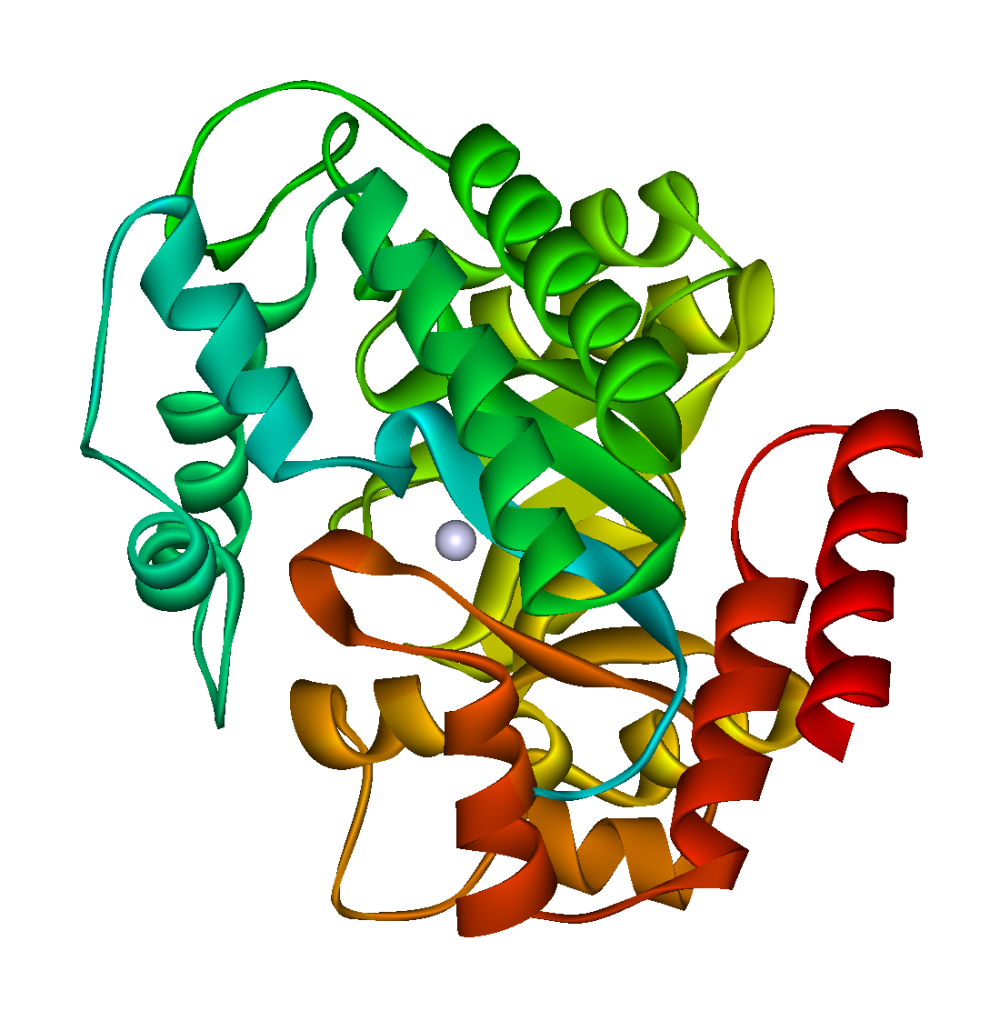
Deficiência de adenosina monofosfato desaminase
📋 Origem dos dados
Esta página agrega dados de fontes públicas e oficiais. Dados sobre cobertura no SUS (PCDT, CEAF) são verificados ativamente por agente proativo (ver badge no infobox). Demais dados têm atribuição de fonte + data da última sincronização — clique para abrir o original.
- Doença rara (ontologia)
- fonte: Orphanet
- Identificador unificado
- fonte: MONDO
- Codificação WHO/SUS
- fonte: WHO ICD-10 / DATASUS
- CID-11 (futuro)
- fonte: WHO ICD-11
- NIH/GARD
- fonte: GARD (NIH)
- Indexação biomédica
- fonte: MeSH (NLM)
- Dado público estruturado
- fonte: Wikidata