
A deficiência de arginase é um distúrbio raro do metabolismo de aminoácidos autossômico recessivo, caracterizado clinicamente por graus variáveis de hiperamonemia, desenvolvendo-se a partir dos 3 anos de idade e levando à perda progressiva de marcos de desenvolvimento e espasticidade na ausência de tratamento.
Introdução
O que você precisa saber de cara
A deficiência de arginase é um distúrbio raro do metabolismo de aminoácidos autossômico recessivo, caracterizado clinicamente por graus variáveis de hiperamonemia, desenvolvendo-se a partir dos 3 anos de idade e levando à perda progressiva de marcos de desenvolvimento e espasticidade na ausência de tratamento.
Escala de raridade
<1/50kMuito rara
1/20kRara
1/10kPouco freq.
1/5kIncomum
1/2k
Encontrou um erro ou informação desatualizada? Sugira uma correção →
Entender a doença
Do básico ao detalhe, leia no seu ritmo
Preparando trilha educativa...
Sinais e sintomas
O que aparece no corpo e com que frequência cada sintoma acontece
Partes do corpo afetadas
+ 15 sintomas em outras categorias
Características mais comuns
Os sintomas variam de pessoa para pessoa. Abaixo estão as 31 características clínicas mais associadas, ordenadas por frequência.
Linha do tempo da pesquisa
Triagem neonatal (Teste do Pezinho)
A triagem neonatal permite diagnóstico precoce e início imediato do tratamento.
Encontrou um erro ou informação desatualizada? Sugira uma correção →
Genética e causas
O que está alterado no DNA e como passa nas famílias
Genes associados
1 gene identificado com associação a esta condição. Padrão de herança: Autosomal recessive.
Curadoria gene-doença
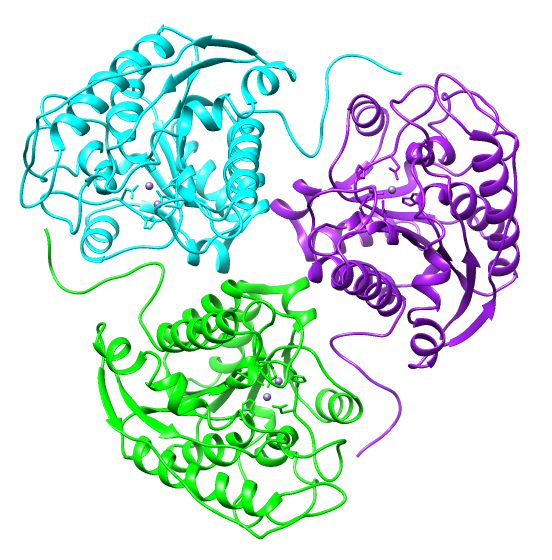
fontes oficiaisKey element of the urea cycle converting L-arginine to urea and L-ornithine, which is further metabolized into metabolites proline and polyamides that drive collagen synthesis and bioenergetic pathways critical for cell proliferation, respectively; the urea cycle takes place primarily in the liver and, to a lesser extent, in the kidneys Functions in L-arginine homeostasis in nonhepatic tissues characterized by the competition between nitric oxide synthase (NOS) and arginase for the available int
CytoplasmCytoplasmic granule
Argininemia
A rare autosomal recessive disorder of the urea cycle. Arginine is elevated in the blood and cerebrospinal fluid, and periodic hyperammonemia occurs. Clinical manifestations include developmental delay, seizures, intellectual disability, hypotonia, ataxia and progressive spastic quadriplegia.
Variantes genéticas (ClinVar)
183 variantes patogênicas registradas no ClinVar.
Vias biológicas (Reactome)
3 vias biológicas associadas aos genes desta condição.
Diagnóstico
Os sinais que médicos procuram e os exames que confirmam
Tratamento e manejo
Remédios, cuidados de apoio e o que precisa acompanhar
Onde tratar no SUS
Hospitais de referência no Brasil e o protocolo oficial do SUS (PCDT)
🇧🇷 Atendimento SUS — Argininemia
Selecione um estado ou use sua localização para ver resultados.
Dados de DATASUS/CNES, SBGM, ABNeuro e Ministério da Saúde. Sempre confirme a disponibilidade diretamente com o estabelecimento.
Pesquisa ativa
Ensaios clínicos abertos e novidades científicas recentes
Ensaios em destaque
🟢 Recrutando agora
3 pesquisas recrutando participantes. Converse com seu médico sobre a possibilidade de participar.
Outros ensaios clínicos
15 ensaios clínicos encontrados, 3 ativos.
Publicações mais relevantes
Updated Gene Therapy for Renal Inborn Errors of Metabolism.
Inborn errors of metabolism (IEMs) are a group of disorders resulting from defects in enzymes in metabolic pathways. These disorders impact the processing of metabolites, leading to a wide array of effects on each organ system. Advances in genetic screening have allowed for the early identification and intervention of IEMs, traditionally in the form of enzyme replacement or vitamin supplementation. However, many IEMs disrupt essential metabolic pathways where simple supplementation proves ineffective, resulting in substantial disease burden. In the case of renal IEMs, metabolic pathway disruption leads to the onset of chronic kidney disease (CKD). For these diseases, genetic therapy provides hope. Over the past few decades, the technology for genetic therapy has emerged as a promising solution to these disorders. These therapies aim to correct the source of the defect in the genetic code so that patients may live full, unencumbered lives. In this review, we searched a large database to identify IEMs that affect the kidney and investigated the current landscape and progression of gene therapy technology. Multiple promising genetic therapies were identified for IEMs affecting the kidney, including primary hyperoxaluria, argininemia, glycogen storage diseases Ia and Ib, and Fabry disease. Emerging gene therapy approaches using adeno-associated virus (AAV) vectors, lentiviral vectors, and CRISPR/Cas9 techniques hold promising potential to provide curative treatments for additional single-mutation disorders.
Potential role of ARG1 c.57G > A variant in Argininemia.
Argininemia (OMIM: 207800), as well as arginase deficiency, a disorder of the urea cycle caused by deficiency of arginase 1 (ARG1, NP_000036.2), is a scarce autosomal recessive genetic disease. The patients who suffered with argininemia often showed spastic paraplegia, epileptic seizures, severe mental retardation, and even the hyperammonemia. In neonatal screening, we found a healthy baby with mild elevated arginine levels. We have demonstrated the genetic etiology of the patient. The patient's clinical characteristic and family history were collected. The technologies including Next Generation Sequencing (NGS), Sanger sequencing, Bioinformatics Analysis, RNA extraction, cDNA obtained, Sanger sequencing, Minigene splicing assay, Real-time PCR, Single-molecule real-time (SMRT) sequencing were applied. One homozygous variant, c.57G > A (p.Q19=), was identified in the proband, which was inherited from the parents. Through different detection methods, we found that the c.57G > A variant causes three different transcriptional versions: normal mRNA (mRNA from blood), mRNA with the exon2 deletion (73bp, mRNA from blood and minigene assay), and mRNA sequence from the SMRT sequencing (parts of exons and introns were detected, including exon 1-4, intron 1 and 4, and part of intron 2, 3, and 5). The expression of ARG1 mRNA and protein also decreased in the blood. The related genes of NMD (Nonsense-mediated mRNA decay), SMG1, UPF1, and UPF3b, were expressed higher than the controls in the blood, which hints the NMD could play a role in the mRNA decay regarding the cDNA with 73bp deletion by c.57G > A variant. The study is the first study considering a synonymous variant of the ARG1 gene influencing alternative splicing(AS). Otherwise, the variant c.57G > A is relatively frequent in the general population( MAF = 0.0146). Our discovery revealed the variant possesses partial pathogenic potential, which would contribute to the deeper understanding and gold model for the intricate relationship between genetic mutations, arginine metabolism, and physical function.
Perioperative Management of Argininemia in a Child Undergoing Circumcision: A Case Report.
Argininemia is a rare autosomal recessive metabolic disorder characterized by a deficiency of arginase, a vital enzyme in the urea cycle. This metabolic defect results in the accumulation of arginine and its metabolites, leading to hyperammonemia and associated neurological symptoms. We present a case detailing the perioperative management of an 11-year-old male child diagnosed with argininemia undergoing circumcision. The perioperative management of patients with argininemia presents unique challenges due to the risk of hyperammonemia and neurological decompensation triggered by physiological stress, fasting, and the catabolic state associated with surgery. This case report highlights the importance of individualized anesthetic strategies for patients with rare metabolic disorders like argininemia. A multidisciplinary approach involving collaboration among anesthesiologists, endocrinologists, dietitians, and surgeons is essential to ensuring a safe perioperative experience for these patients. Further research is essential to refine perioperative protocols and optimal anesthetic interventions for individuals with argininemia undergoing surgical procedures. Arginase deficiency (argininemia) is an autosomal recessive metabolic disorder characterized by hyperammonemia secondary to arginine accumulation. Ammonia levels can vary according to the patient’s current age and status, presenting initially with slow growth, followed by developmental delay and cognitive problems. When improperly treated, it may lead to regression. Often diagnosed at birth through newborn screening (NBS), affected newborns are found to have elevated levels (up to 4 times) of arginine. Its management is similar to other classic urea cycle disorders, although with mild or absent hyperammonemia. If hyperammonemia is present, it responds adequately to ammonia-reducing interventions. Chronic treatment consists of protein restriction along with nitrogen-scavenging medications.
Argininemia and vitamin K-dependent coagulation factors deficiency: A case report and a brief review of the literature.
Phenotypic Pleiotropy in Arginase Deficiency: A Single Center Cohort.
Arginase deficiency is considered a masquerader of diplegic cerebral palsy. The rarity of hyperammonemic crisis and the slowly progressive course has made it a unique entity among the urea cycle defects. The aim of our study is to describe the varied phenotypic spectrum of children with arginase deficiency. This retrospective study included children and adolescents aged <18 years with a biochemical or genetic diagnosis of arginase deficiency from May 2011 to May 2022. Data were collected from the hospital's electronic database. The clinical presentation, laboratory parameters at baseline and during metabolic decompensation, neuroimaging, electroencephalography findings, and molecular studies were analyzed. About 11 children from nine families with biochemically or genetically proven arginase deficiency were analyzed. The male: female ratio was 2.7:1. Consanguineous parentage was observed in all children. The median age at presentation was 36 months (Range: 5 months-18 years). All children with onset of symptoms in early childhood had a predominant delay in motor milestones of varying severity. Metabolic decompensation with encephalopathy occurred in all except two children (n = 9, 81.8%). Pyramidal signs were present in all patients and additional extrapyramidal signs in two children. Positive family history was present in four probands. Seizures occurred in all children. Epilepsy with electrical status in slow wave sleep and West syndrome was noted in three children. All children had elevated ammonia and arginine at the time of metabolic crisis. The spectrum of neuroimaging findings includes periventricular, subcortical, and deep white matter signal changes and diffusion restriction. The mean duration of follow-up was 38.6 ± 34.08 months. All patients were managed with an arginine-restricted diet and sodium benzoate with or without ornithine supplementation. Spastic diparesis, recurrent encephalopathy, presence of family history, and elevated serum arginine levels must alert the clinician to suspect arginase deficiency. Atypical presentations in our cohort include frequent metabolic crises and epileptic encephalopathy. Early identification and management will ensure a better neurodevelopmental outcome.
Publicações recentes
Updated Gene Therapy for Renal Inborn Errors of Metabolism.
Potential role of ARG1 c.57G > A variant in Argininemia.
Perioperative Management of Argininemia in a Child Undergoing Circumcision: A Case Report.
Argininemia and vitamin K-dependent coagulation factors deficiency: A case report and a brief review of the literature.
📚 EuropePMC39 artigos no totalmostrando 40
Updated Gene Therapy for Renal Inborn Errors of Metabolism.
GenesPotential role of ARG1 c.57G > A variant in Argininemia.
Genes & genomicsPerioperative Management of Argininemia in a Child Undergoing Circumcision: A Case Report.
Journal of perianesthesia nursing : official journal of the American Society of PeriAnesthesia NursesArgininemia and vitamin K-dependent coagulation factors deficiency: A case report and a brief review of the literature.
Thrombosis researchPhenotypic Pleiotropy in Arginase Deficiency: A Single Center Cohort.
Annals of Indian Academy of NeurologyA Delayed Presentation of Arginase Deficiency Presenting with Status Epilepticus.
Journal of the College of Physicians and Surgeons--Pakistan : JCPSPArginase 1 deficiency presenting as complicated hereditary spastic paraplegia.
Cold Spring Harbor molecular case studiesEpidemiology, methods of diagnosis, and clinical management of patients with arginase 1 deficiency (ARG1-D): A systematic review.
Molecular genetics and metabolismHealth care resource utilization in the management of patients with Arginase 1 Deficiency in the US: a retrospective, observational, claims database study.
Journal of medical economicsThe effect of liver transplantation for argininemia-the largest experiences in a single center.
Translational pediatricsClinical diagnosis of metabolic disorders using untargeted metabolomic profiling and disease-specific networks learned from profiling data.
Scientific reportsNeurophysiological characteristics in argininemia: a case report.
Translational pediatricsCase series of arginase 1 deficiency: Expanding the spectrum in hyperargininemia.
Pediatrics international : official journal of the Japan Pediatric SocietyDevelopment of a Protein Scaffold for Arginine Sensing Generated through the Dissection of the Arginine-Binding Protein from Thermotoga maritima.
International journal of molecular sciencesNeurological Deterioration in Three Siblings: Exploring the Spectrum of Argininemia.
Indian journal of pediatricsA novel compound heterozygous mutation in the arginase-1 gene identified in a Chinese patient with argininemia: A case report.
Medicine[Analysis of AGR1 gene variants in an infant with early-onset argininemia].
Zhonghua yi xue yi chuan xue za zhi = Zhonghua yixue yichuanxue zazhi = Chinese journal of medical genetics[Analysis of inborn error metabolism in 277 children with autism spectrum disorders from Hainan].
Zhonghua yi xue yi chuan xue za zhi = Zhonghua yixue yichuanxue zazhi = Chinese journal of medical geneticsCorticospinal tract damage in HHH syndrome: a metabolic cause of hereditary spastic paraplegia.
Orphanet journal of rare diseasesEpidemiology of rare diseases detected by newborn screening in the Czech Republic.
Central European journal of public healthHereditary Spastic Paraplegia Is a Common Phenotypic Finding in ARG1 Deficiency, P5CS Deficiency and HHH Syndrome: Three Inborn Errors of Metabolism Caused by Alteration of an Interconnected Pathway of Glutamate and Urea Cycle Metabolism.
Frontiers in neurologyMetabolic liver diseases presenting with neonatal cholestasis: at the crossroad between old and new paradigms.
European journal of pediatricsCoagulation Disturbances in Patients with Argininemia.
Acta haematologicaRecurrent hepatic failure and status epilepticus: an uncommon presentation of hyperargininemia.
Metabolic brain diseaseDomain swapping dissection in Thermotoga maritima arginine binding protein: How structural flexibility may compensate destabilization.
Biochimica et biophysica acta. Proteins and proteomicsArgininemia, Hyperornithinemia, and 3-Hydroxyisovaleric Aciduria.
Clinical chemistryMutations and common variants in the human arginase 1 (ARG1) gene: Impact on patients, diagnostics, and protein structure considerations.
Human mutationDiagnosis and therapeutic monitoring of inborn errors of metabolism in 100,077 newborns from Jining city in China.
BMC pediatricsArgininemia as a cause of severe chronic stunting and partial growth hormone deficiency (PGHD): A case report.
MedicineAminoacidopathies: Prevalence, Etiology, Screening, and Treatment Options.
Biochemical genetics[Screening for amino acid metabolic disorders of newborns in Zhejiang province:prevalence, outcome and follow-up].
Zhejiang da xue xue bao. Yi xue ban = Journal of Zhejiang University. Medical sciencesQuantitation of phenylbutyrate metabolites by UPLC-MS/MS demonstrates inverse correlation of phenylacetate:phenylacetylglutamine ratio with plasma glutamine levels.
Molecular genetics and metabolismThree novel mutations of ARG1 identified in Chinese patients with argininemia detected by newborn screening.
Clinica chimica acta; international journal of clinical chemistrySupplementing essential amino acids with the nitric oxide precursor, l-arginine, enhances skeletal muscle perfusion without impacting anabolism in older men.
Clinical nutrition (Edinburgh, Scotland)Argininemia and plasma arginine bioavailability - predictive factors of mortality in the severe trauma patients?
Nutrition & metabolismArgininemia as a cause of severe chronic stunting in a low-resource developing country setting: a case report.
BMC pediatricsImproving long term outcomes in urea cycle disorders-report from the Urea Cycle Disorders Consortium.
Journal of inherited metabolic diseaseAge at disease onset and peak ammonium level rather than interventional variables predict the neurological outcome in urea cycle disorders.
Journal of inherited metabolic disease[Seven patients of argininemia with spastic tetraplegia as the first and major symptom and prenatal diagnosis of two fetuses with high risk].
Zhonghua er ke za zhi = Chinese journal of pediatricsInherited metabolic disorders in Turkish patients with autism spectrum disorders.
Autism research : official journal of the International Society for Autism ResearchAssociações
Organizações que acompanham esta doença — pra ter apoio e orientação
Ainda não temos associações cadastradas para Argininemia.
É de uma associação que acompanha esta doença? Fale com a gente →
Comunidades
Grupos ativos de quem convive com esta doença aqui no Raras
Ainda não existe comunidade no Raras para Argininemia
Pacientes, familiares e cuidadores se organizam em comunidades pra compartilhar experiências, fazer perguntas e se apoiar. Você pode ser o primeiro.
Tire suas dúvidas
Perguntas, dicas e experiências compartilhadas aqui na página
Participe da discussão
Faça login para postar dúvidas, compartilhar experiências e interagir com especialistas.
Fazer loginDoenças relacionadas
Doenças com sintomas parecidos — ajudam quem ainda está buscando diagnóstico
Referências e fontes
Bases de dados externas citadas neste artigo
Publicações científicas
Artigos indexados no PubMed ligados a esta doença no grafo RarasNet — título, periódico e PMID direto da fonte, sem intermediação de IA.
- Updated Gene Therapy for Renal Inborn Errors of Metabolism.
- Potential role of ARG1 c.57G > A variant in Argininemia.
- Perioperative Management of Argininemia in a Child Undergoing Circumcision: A Case Report.Journal of perianesthesia nursing : official journal of the American Society of PeriAnesthesia Nurses· 2025· PMID 39217526mais citado
- Argininemia and vitamin K-dependent coagulation factors deficiency: A case report and a brief review of the literature.
- Phenotypic Pleiotropy in Arginase Deficiency: A Single Center Cohort.
- Arginase Deficiency.
Bases de dados e fontes oficiais
Identificadores e referências canônicas usadas para montar este verbete.
- ORPHA:90(Orphanet)
- OMIM OMIM:207800(OMIM)
- MONDO:0008814(MONDO)
- GARD:5840(GARD (NIH))
- Variantes catalogadas(ClinVar)
- Busca completa no PubMed(PubMed)
- Artigo Wikipedia(Wikipedia)
- Q890367(Wikidata)
Dados compilados pelo RarasNet a partir de fontes abertas (Orphanet, OMIM, MONDO, PubMed/EuropePMC, ClinicalTrials.gov, DATASUS, PCDT/MS). Este conteúdo é informativo e não substitui avaliação médica.
Conteúdo mantido por Agente Raras · Médicos e pesquisadores podem colaborar
Argininemia
📋 Origem dos dados
Esta página agrega dados de fontes públicas e oficiais. Dados sobre cobertura no SUS (PCDT, CEAF) são verificados ativamente por agente proativo (ver badge no infobox). Demais dados têm atribuição de fonte + data da última sincronização — clique para abrir o original.
- Doença rara (ontologia)
- fonte: Orphanet
- Identificador unificado
- fonte: MONDO
- Genética mendeliana
- fonte: OMIM
- Codificação WHO/SUS
- fonte: WHO ICD-10 / DATASUS
- CID-11 (futuro)
- fonte: WHO ICD-11
- NIH/GARD
- fonte: GARD (NIH)
- Indexação biomédica
- fonte: MeSH (NLM)
- Dado público estruturado
- fonte: Wikidata
- Ensaios clínicos
- fonte: ClinicalTrials.gov