
Condição hereditária que afeta o sistema nervoso e causa problemas de movimento. Pessoas com esta condição desenvolvem coordenação muscular prejudicada (ataxia) que piora com o tempo. Outras características incluem a perda gradual de força e sensação nos braços e pernas, rigidez muscular (espasticidade) e dificuldade de fala. Muitos indivíduos têm uma forma de doença cardíaca chamada cardiomiopatia hipertrófica. Alguns desenvolvem diabetes, deficiência visual, perda auditiva ou curvatura anormal da coluna vertebral (escoliose). A maioria das pessoas com ataxia de Friedreich começa a sentir os sinais e sintomas por volta da puberdade.
Introdução
O que você precisa saber de cara
Condição hereditária que afeta o sistema nervoso e causa problemas de movimento. Pessoas com esta condição desenvolvem coordenação muscular prejudicada (ataxia) que piora com o tempo. Outras características incluem a perda gradual de força e sensação nos braços e pernas, rigidez muscular (espasticidade) e dificuldade de fala. Muitos indivíduos têm uma forma de doença cardíaca chamada cardiomiopatia hipertrófica. Alguns desenvolvem diabetes, deficiência visual, perda auditiva ou curvatura anormal da coluna vertebral (escoliose). A maioria das pessoas com ataxia de Friedreich começa a sentir os sinais e sintomas por volta da puberdade.
Tem tratamento?
Escala de raridade
<1/50kMuito rara
1/20kRara
1/10kPouco freq.
1/5kIncomum
1/2k
Encontrou um erro ou informação desatualizada? Sugira uma correção →
Entender a doença
Do básico ao detalhe, leia no seu ritmo
Preparando trilha educativa...
Sinais e sintomas
O que aparece no corpo e com que frequência cada sintoma acontece
Partes do corpo afetadas
+ 34 sintomas em outras categorias
Características mais comuns
Os sintomas variam de pessoa para pessoa. Abaixo estão as 76 características clínicas mais associadas, ordenadas por frequência.
Linha do tempo da pesquisa
Encontrou um erro ou informação desatualizada? Sugira uma correção →
Genética e causas
O que está alterado no DNA e como passa nas famílias
Genes associados
1 gene identificado com associação a esta condição. Padrão de herança: Autosomal recessive.
Curadoria gene-doença
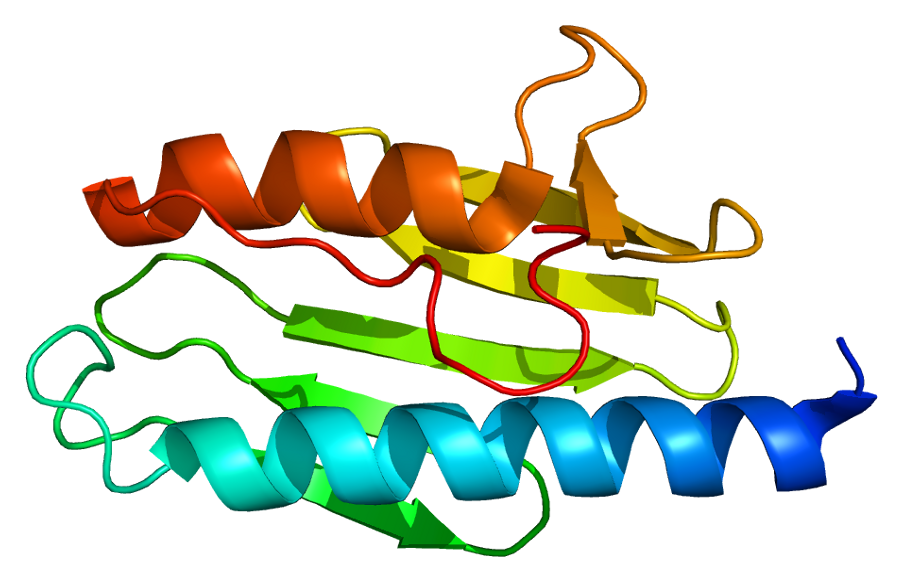
fontes oficiaisFunctions as an activator of persulfide transfer to the scaffoding protein ISCU as component of the core iron-sulfur cluster (ISC) assembly complex and participates to the [2Fe-2S] cluster assembly (PubMed:12785837, PubMed:24971490). Accelerates sulfur transfer from NFS1 persulfide intermediate to ISCU and to small thiols such as L-cysteine and glutathione leading to persulfuration of these thiols and ultimately sulfide release (PubMed:24971490). Binds ferrous ion and is released from FXN upon t
MitochondrionCytoplasm, cytosol
Friedreich ataxia
Autosomal recessive, progressive degenerative disease characterized by neurodegeneration and cardiomyopathy it is the most common inherited ataxia. The disorder is usually manifest before adolescence and is generally characterized by incoordination of limb movements, dysarthria, nystagmus, diminished or absent tendon reflexes, Babinski sign, impairment of position and vibratory senses, scoliosis, pes cavus, and hammer toe. In most patients, FRDA is due to GAA triplet repeat expansions in the first intron of the frataxin gene. But in some cases the disease is due to mutations in the coding region.
Medicamentos e terapias
Mecanismo: Nuclear factor erythroid 2-related factor 2 activator
Mecanismo: Quinone reductase 1 modulator
Mecanismo: Peroxisome proliferator-activated receptor gamma agonist
Mecanismo: Interferon gamma receptor agonist
Mecanismo: Neuronal acetylcholine receptor; alpha4/beta2 partial agonist
Mecanismo: Peroxisome proliferator-activated receptor gamma agonist
Mecanismo: Erythropoietin receptor agonist
Mecanismo: HMG-CoA reductase inhibitor
Mecanismo: Glucocorticoid receptor agonist
Variantes genéticas (ClinVar)
86 variantes patogênicas registradas no ClinVar.
Classificação de variantes (ClinVar)
Distribuição de 24 variantes classificadas pelo ClinVar.
Vias biológicas (Reactome)
4 vias biológicas associadas aos genes desta condição.
Diagnóstico
Os sinais que médicos procuram e os exames que confirmam
Tratamento e manejo
Remédios, cuidados de apoio e o que precisa acompanhar
Onde tratar no SUS
Hospitais de referência no Brasil e o protocolo oficial do SUS (PCDT)
🇧🇷 Atendimento SUS — Ataxia de Friedreich
Selecione um estado ou use sua localização para ver resultados.
Dados de DATASUS/CNES, SBGM, ABNeuro e Ministério da Saúde. Sempre confirme a disponibilidade diretamente com o estabelecimento.
Pesquisa ativa
Ensaios clínicos abertos e novidades científicas recentes
Ensaios em destaque
🟢 Recrutando agora
20 pesquisas recrutando participantes. Converse com seu médico sobre a possibilidade de participar.
Outros ensaios clínicos
Publicações mais relevantes
Mostrando amostra de 200 publicações de um total de 601
Pathological frataxin deficiency in mice causes tissue-specific alterations in iron homeostasis.
Friedreich ataxia is caused by partial frataxin deficiency due to genetic mutations. It is well established that frataxin knockout affects iron homeostasis, but the alterations caused by pathological (partial) frataxin deficiency are poorly understood. In this study, we have analyzed iron homeostasis in a mouse model presenting pathological frataxin deficiency (FXNI151F). Our results reveal tissue-specific alterations of iron regulatory proteins (IRPs). In the heart, IRP2 accumulation is observed, likely triggered by iron-sulfur deficiency, while IRP1 is decreased in the cerebellum and liver. We also found elevated iron levels in mutant mice. Accumulation was particularly pronounced in the cerebellum, where increases were already evident at 10 weeks. Hepatic accumulation was not manifested until 21 weeks and was more pronounced in females. Overall, these findings indicate that frataxin deficiency disrupts iron homeostasis in a tissue-, age-, and sex-dependent manner, and provide novel insights into the mechanisms causing these perturbations.
Hereditary Ataxias: From Pathogenesis and Clinical Features to Neuroimaging, Fluid, and Digital Biomarkers-A Scoping Review.
Hereditary ataxias are a heterogeneous group of disorders with overlapping clinical presentations but diverse genetic and molecular etiologies. Biomarkers are increasingly essential to improve diagnosis, refine prognosis, and accelerate the development of targeted therapies. Following PRISMA-ScR guidelines, we conducted a scoping review of PubMed and complementary sources (2010-2025) to map and describe the current landscape of genetic, imaging, fluid, electrophysiological, and digital biomarkers across the most prevalent hereditary ataxias, including SCA1, SCA2, SCA3, SCA6, SCA7, SCA17, SCA27B, dentatorubral-pallidoluysian atrophy (DRPLA), Friedreich's ataxia (FRDA), RFC1-related ataxia (CANVAS), SPG7, and fragile X-associated tremor/ataxia syndrome (FXTAS). Eligible evidence encompassed observational cohorts, clinical trials, case series, and case reports providing primary biomarker data, with the objective of characterizing evidence breadth and identifying knowledge gaps rather than assessing comparative effectiveness. Across modalities, converging evidence highlights subtype-specific biomarker signatures. MRI volumetry, DTI, and FDG-PET map characteristic neurodegeneration patterns. Fluid biomarkers such as neurofilament light chain are informative across several SCAs and FRDA, while frataxin levels constitute robust endpoints in FRDA trials. Pathology-specific biomarkers such as ataxin-3 are advancing as tools for target engagement and may generalize to future gene-lowering strategies. Electrophysiological and oculographic measures show sensitivity for early disease detection, and wearable technologies are emerging as scalable tools for longitudinal monitoring. This scoping review synthesizes the heterogeneous evidence on hereditary ataxia biomarkers, highlighting multimodal frameworks that link molecular mechanisms with clinical endpoints. Mapping current approaches also reveals substantial variability and gaps across diseases and modalities, underscoring the need for harmonized validation in international multicenter cohorts and systematic integration into future clinical trials to advance precision medicine in hereditary ataxias.
Biallelic Truncating DNAH14 Variant in Siblings with Neurodevelopmental Disorder and Predominant Ataxia: Clinical Report and Literature Review.
Neurodevelopmental disorders (NDDs) with ataxia are genetically heterogeneous and remain a diagnostic challenge. Recent advances in genomic technologies have facilitated the identification of rare, potentially causative variants in genes not traditionally associated with classic NDD phenotypes. The DNAH14 gene, encoding a dynein axonemal heavy chain involved in ciliary motility, has recently emerged as a novel candidate in neurological syndromes. Here, we report two Turkish siblings presenting with late-onset balance disorder, progressive ataxia, and cognitive impairment. Initial genetic analysis revealed that both siblings also harbor FXN GAA repeat expansions consistent with pathogenic Friedreich's ataxia (FRDA). To elucidate the molecular basis of the patients' cognitive impairment, whole-exome sequencing was performed. This analysis identified a novel homozygous frameshift variant in the DNAH14 gene, located within the conserved linker domain upstream of the motor core, which is critical for ATP hydrolysis and microtubule interactions. The variant is absent from population databases, predicted to be deleterious by multiple in silico algorithms, and segregates in the family in a manner consistent with autosomal recessive inheritance. The coexistence of FRDA expansions and a truncating DNAH14 variant suggests a potential dual genetic contribution to the observed phenotype, in which FRDA-associated pathology likely underlies the ataxia, while DNAH14 disruption may contribute to additional neurodevelopmental features. This is the first report describing the co-occurrence of FRDA and a homozygous truncating DNAH14 variant in the same individuals, broadening our understanding of overlapping neurogenetic mechanisms. Our findings expand the phenotypic spectrum of DNAH14-related disorders and highlight the importance of considering multilocus pathogenic variants in patients with complex or atypical ataxia presentations.
Human pluripotent stem cell models of Friedreich's ataxia: innovations, considerations, and future perspectives.
Friedreich's ataxia (FRDA) is an inherited, autosomal recessive, multisystem disorder that primarily manifests in children and affects the nervous system and the heart. FRDA is caused by an expansion of GAA repeats in the first intron of the frataxin (FXN) gene. The expansion disrupts transcription of FXN, resulting in significantly decreased FXN expression in FRDA patients' tissues. Frataxin is involved in biosynthesis of iron-sulfur (Fe-S) clusters, which are critical for the function of the electron transport chain and many metabolic enzymes. Frataxin deficiency leads to reduced energy production and accumulation of iron in mitochondria that exacerbates oxidative stress. Despite significant advancements in the field, FXN cellular functions and underlying pathological mechanisms of FXN deficiency in cell-type specific contexts remain to be elucidated. Inaccessibility to the most vulnerable cell types in FRDA patients, including neurons, cardiomyocytes, and β-cells, largely accounts for these limitations. Significant progress in recent years regarding the derivation and differentiation of human pluripotent stem cells (hPSCs), along with breakthroughs in gene editing technologies, enables the generation of patient-derived and isogenic control disease-relevant cell types and organoid-like structures as platforms for studying disease mechanisms and for drug discovery. Herein, we first provide an overview of hPSC derivation and intrinsic properties of these cells. We then discuss current advances and limitations of hiPSC-based cell models for FRDA. We also highlight the need to further refine and develop these in vitro cell models for pre-clinical advancement of therapeutic approaches for FRDA.
Patient-reported, psychosocial and health economic outcomes in mild to moderate Friedreich's ataxia: baseline results of the PROFA study.
Friedreich ataxia (FA) is the most common autosomal recessive ataxia. Little attention has been paid to FA's impact on patient-reported, psychosocial, and health-economic outcomes. This study aimed to report these outcomes across FA's disability stages 1-5. We assessed patients in Germany, France, and Austria as part of the PROFA study, a European multicenter observational study. The protocol included a study center visit followed by a remote mobile assessment capturing ataxia severity (SARA), daily living deficits (FARS-ADL), cognitive and affective impairments (CCAS), health-related quality of life (HRQoL: PROM-Ataxia short-form, EQ-5D-5L), mental well-being (WEMWBS), communication disabilities (COMATAX), and healthcare and informal care utilization. FARS disability stages were used to demonstrate outcomes with effect size measures (Eta-Squared, Cramér's V). Multivariate regression models evaluated associations between z-standardized outcomes and disability stages. One hundred one patients (mean [SD]: age 35.0 [11.5]; GAA-repeat size 657 [299]; 50.5% women) were included. Activities of daily living, HRQoL, communication disabilities, and informal care utilization worsened significantly across disability stages with moderate to high effect sizes. Cognitive-affective impairments and mental well-being showed significant associations with small effect sizes. Twenty-three patients (33.3%) received formal care, while 40 (58.0%) received informal care (mean 12.2 h/week). Omaveloxolone was used by 33 patients (32.7%). Annual healthcare costs excluding Omaveloxolone were €13,620 (payer) and €32,679 (societal perspective, including informal care and productivity losses). The results emphasize the multidimensional patient, societal, and economic burden of FA and the need for comprehensive care addressing physical, mental, and psychosocial health. European Joint Programme on Rare Diseases (EJP RD).
Publicações recentes
Integrative network pharmacology delineates dual GPCR and non-GPCR mechanisms of blended and individual Taikong Blue lavender and Pingyin rose essential oils in neurodegenerative and psychiatric disorders.
Comprehensive Review of Anesthetic Strategies for Patients With Neurodegenerative Diseases.
Longitudinal analysis shows GAA1 length and baseline clinical status as robust predictors of progression in Friedreich ataxia.
A new c.681dup RUNX1 variant in familial leukemia.
Peripheral frataxin levels govern long-term clinical progression in Friedreich ataxia.
📚 EuropePMC844 artigos no totalmostrando 195
Myo-inositol elevation as an in vivo marker of reactive gliosis in pediatric Friedreich ataxia: evidence from HERMES-edited MR spectroscopy.
NeuroImage. ClinicalDeciphering the missing links between Friedreich ataxia and multiple sclerosis for targeted drug development.
Drug discovery todayThe multifaceted nature of Friedreich ataxia: strategies for comprehensive patient care.
Neurodegenerative disease managementIdentification of Biological Subtypes of Friedreich Ataxia with Structural MRI-based Machine Learning.
RadiologyFraming childhood-onset facioscapulohumeral dystrophy: from first symptoms to future trials.
Neuromuscular disorders : NMDCoexistence of Friedreich's Ataxia and Esophageal Cancer: A Case Report.
Clinical case reportsMitochondrial iron overload is associated with lysosomal dysfunction-mediated mitophagy impairment in the heart of Friedreich's ataxia.
MitochondrionPathological frataxin deficiency in mice causes tissue-specific alterations in iron homeostasis.
iScienceHereditary Ataxias: From Pathogenesis and Clinical Features to Neuroimaging, Fluid, and Digital Biomarkers-A Scoping Review.
International journal of molecular sciencesBiallelic Truncating DNAH14 Variant in Siblings with Neurodevelopmental Disorder and Predominant Ataxia: Clinical Report and Literature Review.
International journal of molecular sciencesTargeting frataxin deficiency in DRG neurons and fibroblasts: omaveloxolone restores metabolic and iron balance to reduce ferroptosis.
Biomedicine & pharmacotherapy = Biomedecine & pharmacotherapieZygomatic Screws for Severe Open Bite Closure in a Young Friedreich's Ataxia Patient: A Case Report.
Case reports in dentistry[Pharmacotherapy of neuromuscular diseases : what's new in 2025].
Revue medicale suissePolyphenol-Enriched Fraction from Chestnut Shells as a Source of Bioactive Compounds for Friedreich Ataxia.
Molecules (Basel, Switzerland)Human pluripotent stem cell models of Friedreich's ataxia: innovations, considerations, and future perspectives.
Stem cell research & therapyPatient-reported, psychosocial and health economic outcomes in mild to moderate Friedreich's ataxia: baseline results of the PROFA study.
The Lancet regional health. EuropeNanobodies as tools for studying human frataxin biology.
Communications biologyNeuropathology of Friedreich ataxia and its links to metabolic pathways.
Neurodegenerative disease managementUnrecognized high prevalence of expanded composite repeats in Friedreich ataxia.
Human molecular geneticsAppropriate use of steroids for patients with generalized Myasthenia Gravis: an international Delphi study.
Therapeutic advances in neurological disordersEstablishing biomarkers and clinical endpoints in myotonic dystrophy type 1 (END-DM1): Protocol of an international natural history study.
PloS oneCross-regulation of [2Fe-2S] cluster synthesis by ferredoxin-2 and frataxin.
NatureMutations in mitochondrial ferredoxin FDX2 suppress frataxin deficiency.
NatureInduced Proprioceptor and Low-Threshold Mechanoreceptor Neurons Derived from Human Pluripotent Stem Cells Exhibit Distinct Functional Mechanosensory Properties.
Advanced science (Weinheim, Baden-Wurttemberg, Germany)Real-world evidence supporting orphan drugs approvals for rare neuromuscular disorders in the European Union and the United States: Review of public assessment reports (2015-2025).
Current opinion in pharmacologyNerve Ultrasound in Patients With Friedreich Ataxia.
Muscle & nerveReliable Objective Assessment of Friedreich Ataxia Through Isolation Forest-Based Anomaly Detection.
Annual International Conference of the IEEE Engineering in Medicine and Biology Society. IEEE Engineering in Medicine and Biology Society. Annual International ConferenceObjective Assessment of Friedreich Ataxia in Children: Accounting for Developmental Deficits.
Annual International Conference of the IEEE Engineering in Medicine and Biology Society. IEEE Engineering in Medicine and Biology Society. Annual International ConferenceEnhancing the Objective Assessment of Friedreich Ataxia Severity: A Multiview IMU-Based Approach.
Annual International Conference of the IEEE Engineering in Medicine and Biology Society. IEEE Engineering in Medicine and Biology Society. Annual International ConferenceMicrogliopathy as a primary mediator of neuronal death in models of Friedreich's Ataxia.
Nature communicationsDomain Specific Placebo Response in the Modified Friedreich's Ataxia Rating Scale.
Annals of clinical and translational neurology[A case of Friedreich Ataxia and left ventricular hypertrophy induced by FXN gene mutation].
Zhonghua xin xue guan bing za zhiSurvival in Brazilian Patients with Friedreich´s Ataxia.
Cerebellum (London, England)Delphi study to elicit expert consensus around decision-making in the treatment of Friedreich ataxia.
Frontiers in neurologyEarly experience on omaveloxolone in adult patients with Friedreich's ataxia: a real-world observational study.
Journal of neurologyComparative Structural Analysis of Escherichia Coli Cyay at Room and Cryogenic Temperatures Using Macromolecular and Serial Crystallography.
Chembiochem : a European journal of chemical biologyNeuropsychiatric Challenges of Friedreich Ataxia in a Patient Residing in a Long-Term Care Facility.
The primary care companion for CNS disordersDevelopment of an AAV-based gene therapy for the ocular phenotype of Friedreich's ataxia.
Molecular therapy : the journal of the American Society of Gene TherapyPositron emission tomography reveals increased myocardial glucose uptake in a subset of Friedreich ataxia patients.
Scientific reportsQuebec Spinal Muscular Atrophy Newborn Screening Program: The First Year Experience.
International journal of neonatal screening279th ENMC international workshop: Classification, clinical care, outcome measures and biomarkers in childhood onset facioscapulohumeral dystrophy: towards standardizing clinical care and ensuring clinical trial readiness. Hoofddorp, The Netherlands, 1-3 November 2024.
Neuromuscular disorders : NMDSynthesis and Biological Profile of Omaveloxolone: The Cornerstone for Friedreich Ataxia Treatment.
International journal of molecular sciencesAstroGreen transgenic mouse illuminates the trafficking of astrocyte-derived extracellular vesicles.
Molecular and cellular neurosciencesAnalysis of a Modified Version of the Inventory of Non-Ataxia Signs Over 12 Years in Patients with Friedreich's Ataxia in the EFACTS Study.
Movement disorders : official journal of the Movement Disorder SocietyScoliosis Surgery in a Patient With Advanced Friedreich's Ataxia-It Is Not Too Late.
Annals of clinical and translational neurologyFriedreich Ataxia and Related Diabetes: Therapeutic Approach Targeting Mitochondrial Dysfunction.
JCEM case reportsType and position of repeat interruptions as determinants of disease severity and expansion size in Friedreich ataxia.
Genetics in medicine : official journal of the American College of Medical GeneticsOxidative Stress and Antioxidant Therapies in Friedreich's Ataxia.
CellsImpact of age on neurofilament light chain in Friedreich ataxia: a 1-year longitudinal study.
Brain communicationsProgress and challenges in sporadic late-onset cerebellar ataxias.
Nature reviews. NeurologyLeriglitazone improves iron homeostasis and ferroptotic markers in frataxin-deficient dorsal root ganglia neurons.
Biomedicine & pharmacotherapy = Biomedecine & pharmacotherapieFriedreich's Ataxia in Colombia: A Population-Based Study of Incidence and Socioeconomic Determinants.
Movement disorders : official journal of the Movement Disorder SocietyUnderstanding the genetics and neurology: an overview of adult neurogenetics.
Asian biomedicine : research, reviews and newsRepeat-associated ataxias in a German patient cohort analysed by targeted parallel long-read sequencing.
Brain : a journal of neurologyGenetic and Phenotypic Variability in Siblings With Friedreich Ataxia.
Neurology. GeneticsSpatial perspective taking is impaired in spinocerebellar ataxias and Friedreich ataxia.
Scientific reportsAlpha-lipoic acid supplementation improves pathological alterations in cellular models of Friedreich ataxia.
Orphanet journal of rare diseasesSensory nerve action potential reappearance after omaveloxolone treatment in patients with Friedreich ataxia.
Clinical neurophysiology : official journal of the International Federation of Clinical NeurophysiologyBest Oculomotor Endpoints for Clinical Trials in Hereditary Ataxias: A Systematic Review and Consensus by the Ataxia Global Initiative Working Group on Digital‑Motor Biomarkers.
Cerebellum (London, England)Hypertrophic cardiomyopathy with ataxic gait: a cardiac clue to a neurologic diagnosis.
BMJ case reportsLimb-Girdle Muscular Dystrophy Scientific Workshop: A Multistakeholder Discussion Focused on Charting the Path Forward for Drug Development.
Neurology. Clinical practiceThe Tiger Milk Medicinal Mushroom Lignosus rhinocerus (Agaricomycetes) Mitigates Oxidative Damage in a Cellular Model Mimicking Friedreich's Ataxia.
International journal of medicinal mushroomsEvaluation of Mitochondrial Complex 1 Density with [18F]BCPP-EF in a Murine Model and Individuals with Friedreich Ataxia.
Journal of nuclear medicine : official publication, Society of Nuclear Medicine3D Printing for Neural Repair: Bridging the Gap in Regenerative Medicine.
Advanced materials (Deerfield Beach, Fla.)Disease Progression in Children With Friedreich Ataxia: Functional Performance and Other Outcome Assessments in the FACHILD Study.
Journal of child neurologyFriedreich's ataxia: A case series, literature review, and recommendations for pregnancy.
International journal of gynaecology and obstetrics: the official organ of the International Federation of Gynaecology and ObstetricsFalse Beliefs, True Deficits: Investigating Social Cognition in Friedreich Ataxia.
Cerebellum (London, England)The clinical burden of Friedreich ataxia in the United States: A retrospective claims database analysis.
Journal of the neurological sciencesSalutary Effects of Overexpression of Rsm22, an Assembly Factor for the Mitochondrial Ribosome, on Frataxin/Yfh1 Depletion Phenotypes in Saccharomyces cerevisiae.
BiomoleculesPharmacokinetics and Pharmacodynamics of Nomlabofusp in Non-clinical Studies of Friedreich's Ataxia.
The AAPS journalCerebellar transcranial direct current stimulation in Friedreich ataxia: Anatomy matters.
Clinical neurophysiology : official journal of the International Federation of Clinical NeurophysiologyStable Isotope Labeling in Bacteria Enables Characterization and Quantification of Frataxin Protein in a Friedreich's Ataxia Zebrafish Model.
Analytical chemistryPain Experiences and Prescription Pain Medications Among People With Selected Muscular Dystrophies in the Muscular Dystrophy Surveillance, Tracking, and Research Network.
Muscle & nerveFriedreich's ataxia-a rare multisystem disease.
The Lancet. NeurologyCharacteristics of Adverse Events and Clinical Risks of Omaveloxolone Based on FAERS Data.
Cerebellum (London, England)Long-Read Sequencing Identifies Mosaic Sequence Variations in Friedreich's Ataxia-GAA Repeats.
International journal of molecular sciencesOmaveloxolone, But Not Dimethyl Fumarate, Improves Cardiac Function in Friedreich's Ataxia Mice With Severe Cardiomyopathy.
Journal of the American Heart AssociationIncrease of Plasma Biomarkers in Friedreich's Ataxia: Potential Insights into Disease Pathology.
Movement disorders : official journal of the Movement Disorder SocietyNeck and mind: exploring emotion processing in cervical dystonia.
Frontiers in neuroscienceClinical and cognitive assessment in Friedreich ataxia clinical trials: a review.
Frontiers in neurologyManaging Aminotransferase Elevations in Patients with Friedreich Ataxia Treated with Omaveloxolone: A Review and Expert Opinion on Use Considerations.
Neurology and therapyClinical and Developmental Outcomes After 50 Years of Newborn Bloodspot Screening for Classical Galactosaemia in the Republic of Ireland.
JIMD reportsBase editing of trinucleotide repeats that cause Huntington's disease and Friedreich's ataxia reduces somatic repeat expansions in patient cells and in mice.
Nature geneticsSulforaphane Targets Multiple Pathological Processes in Friedreich Ataxia Patient-Induced Pluripotent Stem Cell-Derived Sensory Neurons.
Antioxidants & redox signalingInhibition of Rho-Associated Kinases ROCK1 and ROCK2 as a Therapeutic Strategy to Reactivate the Repressed FXN Gene in Friedreich Ataxia.
The Journal of neuroscience : the official journal of the Society for NeuroscienceNeuromagnetic responses to multimodal stimuli in Friedreich's ataxia.
Clinical neurophysiology : official journal of the International Federation of Clinical NeurophysiologyPredictive machine learning and multimodal data to develop highly sensitive, composite biomarkers of disease progression in Friedreich ataxia.
Scientific reportsCerebellar grey matter volume predicts cerebellar tDCS efficacy in individuals with Friedreich ataxia.
Clinical neurophysiology : official journal of the International Federation of Clinical NeurophysiologyTherapeutic combination of L-ascorbic acid, N-acetylcysteine, and dimethyl fumarate in Friedreich's ataxia: insights from in vitro models.
Redox report : communications in free radical researchCase Report: Complex cardiac arrhythmia management in the ICU for an adolescent with Friedreich ataxia.
Frontiers in pediatricsDietary and lifestyle interventions for the management of hereditary ataxias.
Frontiers in nutritionThe Cerebellar Neuropsychiatric Rating Scale in the Spinocerebellar Ataxias.
Cerebellum (London, England)Redox homeostasis and inflammation in fibroblasts of patients with Friedreich Ataxia: a possible cross talk.
Frontiers in molecular neuroscienceSafety Monitoring of Omaveloxolone in Friedreich Ataxia: Results from One Year of Clinical Treatment.
Neurology and therapyMSH2 is not required for either maintenance of DNA methylation or repeat contraction at the FMR1 locus in fragile X syndrome or the FXN locus in Friedreich's ataxia.
Epigenetics & chromatinUDP-glucose dehydrogenase variants cause dystroglycanopathy.
Annals of clinical and translational neurologyEarly onset development of hypertrophic cardiomyopathy in less than 1 year in a patient with familial Friedrich's ataxia: Case report.
Radiology case reportsHereditary Ataxias in Argentina.
Cerebellum (London, England)Gait characteristics in people with Friedreich ataxia: daily life versus clinic measures.
Frontiers in neurologyNomlabofusp, a Fusion Protein of Human Frataxin and a Cell Penetrant Peptide, Delivers Mature and Functional Frataxin into Mitochondria.
The AAPS journalPeripheral Nerve Involvement in Friedreich's Ataxia Characterized by Quantitative Magnetic Resonance Neurography.
European journal of neurologyNeuroimaging Biomarkers for Friedreich Ataxia: A Cross-Sectional Analysis of the TRACK-FA Study.
Annals of neurologyCorrigendum to "Deciphering the ferroptosis pathways in dorsal root ganglia of Friedreich ataxia models. The role of LKB1/AMPK, KEAP1, and GSK3β in the impairment of the NRF2 response" [Redox Biol. 76 (2024) 103339].
Redox biologyContinuous Optimization of a Hierarchical Bayesian Network for Friedreich's Ataxia Severity Classification.
Annual International Conference of the IEEE Engineering in Medicine and Biology Society. IEEE Engineering in Medicine and Biology Society. Annual International ConferenceA global perspective on research advances and future challenges in Friedreich ataxia.
Nature reviews. NeurologyRobust behavioral assessment of the inducible Friedreich's ataxia mouse does not show improvement with NRF2 induction.
Disease models & mechanismsFrataxin deficiency and the pathology of Friedreich's Ataxia across tissues.
Tissue barriersEffect of a Supratherapeutic Dose of Omaveloxolone on the Corrected QT Interval in Healthy Participants: A Randomized, Double-Blind, Placebo- and Active-Controlled, Three-Way Crossover Study.
Clinical and translational scienceHealthcare delay in neurogenetic disorders of adult onset and the role of predictive genetic testing.
Journal of community geneticsOculodentodigital Dysplasia Presenting as Spastic Ataxic Syndrome in an Indian Patient.
Annals of Indian Academy of NeurologyDemystifying the Etiology of ILOCA in the Genomic Era: A Narrative Review.
Cerebellum (London, England)Clinical Assessment of the Drug-Drug Interaction Potential of Omaveloxolone in Healthy Adult Participants.
Journal of clinical pharmacologyFunctional Characterization of Parallel Fiber-Purkinje Cell Synapses in Two Friedreich's Ataxia Mouse Models.
Cerebellum (London, England)Neurochemical alterations in the cerebellum of Friedreich's Ataxia mouse models.
Experimental neurologyProphylactic Use of Cardiac Medications and Survival in Duchenne Muscular Dystrophy.
Muscle & nerveDiagnosis of hereditary ataxias: a real-world single center experience.
Journal of neurologyContent Validity of the Friedreich Ataxia Rating Scale in Patients with Spinocerebellar Ataxia.
Neurology and therapyFriedreich Ataxia: An (Almost) 30-Year History After Gene Discovery.
Neurology. GeneticsFriedreich ataxia: what can we learn from non-GAA repeat mutations?
Neurodegenerative disease managementAltered Intracerebellar Functional Connectivity in Friedreich's Ataxia: A Graph-Theory Functional MRI Study.
Cerebellum (London, England)Measurement Properties of the Friedreich Ataxia Rating Scale in Patients with Spinocerebellar Ataxia.
Neurology and therapyLongitudinal analysis of anthropometric measures over 5 years in patients with Friedreich ataxia in the EFACTS natural history study.
European journal of neurologyPoincaré plot analysis of electrocardiogram uncovers beneficial effects of omaveloxolone in a mouse model of Friedreich's ataxia.
Heart rhythmHealth-Related Quality of Life in Patients with Friedreich Ataxia Using Mobility Assistive Technologies: Limited Fit of the EQ-5D-3L Mobility Dimension.
Neurology and therapySafety and efficacy of omaveloxolone v/s placebo for the treatment of Friedreich's ataxia in patients aged more than 16 years: a systematic review.
Orphanet journal of rare diseasesTachycardiomyopathy Treated With Ablation by Using 3D Mapping System in a Patient With Friedreich Ataxia.
Pacing and clinical electrophysiology : PACEPlasma miRNAs Correlate with Structural Brain and Cardiac Damage in Friedreich's Ataxia.
Cerebellum (London, England)Altered Ca2+ responses and antioxidant properties in Friedreich's ataxia-like cerebellar astrocytes.
Journal of cell sciencePatient-Relevant Digital-Motor Outcomes for Clinical Trials in Hereditary Spastic Paraplegia Type 7: A Multicenter PROSPAX Study.
NeurologyRecurrent DNA nicks drive massive expansions of (GAA)n repeats.
Proceedings of the National Academy of Sciences of the United States of AmericaAbnormal visual cortex activity using functional magnetic resonance imaging in treatment resistant photophobia in Friedreich Ataxia.
American journal of ophthalmology case reportsExploring neuropsychiatric symptoms in Friedreich ataxia.
Scientific reportsRespiratory function and evaluation in individuals with facioscapulohumeral muscular dystrophy in the Muscular Dystrophy Surveillance, Tracking and Research Network.
Neuromuscular disorders : NMDAssessment of the Clinical Interactions of GAA Repeat Expansions in FGF14 and FXN.
Neurology. GeneticsOmaveloxolone for the Treatment of Friedreich Ataxia: Efficacy, Safety, and Future Perspectives.
Movement disorders : official journal of the Movement Disorder SocietyDifferential Gene Expression in Late-Onset Friedreich Ataxia: A Comparative Transcriptomic Analysis Between Symptomatic and Asymptomatic Sisters.
International journal of molecular sciencesPrecision medicine and Friedreich ataxia: promoting equity, beneficence, and informed consent for novel gene therapies.
International journal for equity in healthBilateral Dentate Nuclei Hyperintensities and Response to 4-Aminopyridine in a Patient With Childhood-Onset GAA-FGF14-Related Ataxia.
Neurology. GeneticsUniparental IsoDisomy: a case study on a new mechanism of Friedreich ataxia.
European journal of human genetics : EJHGAt-home wearable-based monitoring predicts clinical measures and biological biomarkers of disease severity in Friedreich's Ataxia.
Communications medicineBiallelic GGGCC repeat expansion leading to NAXE-related mitochondrial encephalopathy.
NPJ genomic medicineCalcitriol in Friedreich Ataxia.
Movement disorders : official journal of the Movement Disorder SocietyUtility of Optical Genome Mapping in Repeat Disorders.
Clinical geneticsLack of Concentration-QTc Relationship and Cardiac Risk With Vatiquinone Therapeutic and Supratherapeutic Doses.
Clinical pharmacology in drug developmentPyridoxal-5'-phosphate: A cost-effective treatment candidate for hypertensive patients?
Journal of internal medicineDifferential Effects of Cerebellar Transcranial Direct Current Stimulation with Gait Training on Functional Mobility, Balance, and Ataxia Symptoms.
Cerebellum (London, England)Sexual dimorphism in a mouse model of Friedreich's ataxia with severe cardiomyopathy.
Communications biologySkeletal Muscle Involvement in Friedreich Ataxia.
International journal of molecular sciencesCase Report of Friedreich's Ataxia and ALG1 -Related Biochemical Abnormalities in a Patient With Progressive Spastic Paraplegia.
American journal of medical genetics. Part AATH434, a promising iron-targeting compound for treating iron regulation disorders.
Metallomics : integrated biometal scienceNeurological glycogen storage diseases and emerging therapeutics.
Neurotherapeutics : the journal of the American Society for Experimental NeuroTherapeuticsDeciphering the ferroptosis pathways in dorsal root ganglia of Friedreich ataxia models. The role of LKB1/AMPK, KEAP1, and GSK3β in the impairment of the NRF2 response.
Redox biologyUnusual Age-Dependent Behavior of Leukocytes Telomere Length in Friedreich's Ataxia.
Movement disorders : official journal of the Movement Disorder SocietyUnderstanding the mechanisms of food effect on omaveloxolone pharmacokinetics through physiologically based biopharmaceutics modeling.
CPT: pharmacometrics & systems pharmacologyNerve ultrasound in CANVAS-spectrum disease: Reduced nerve size distinguishes genetically confirmed CANVAS from other axonal polyneuropathies.
Journal of the peripheral nervous system : JPNSA Pilot Phase 2 Randomized Trial to Evaluate the Safety and Potential Efficacy of Etravirine in Friedreich Ataxia Patients.
Children (Basel, Switzerland)Interplay of FXN expression and lipolysis in white adipocytes plays a critical role in insulin sensitivity in Friedreich's ataxia mouse model.
Scientific reportsNAD+ precursors prolong survival and improve cardiac phenotypes in a mouse model of Friedreich's Ataxia.
JCI insightEmerging therapies in hereditary ataxias.
Trends in molecular medicineA multiple animal and cellular models approach to study frataxin deficiency in Friedreich Ataxia.
Biochimica et biophysica acta. Molecular cell researchNew and Emerging Drug and Gene Therapies for Friedreich Ataxia.
CNS drugsGlial cell activation precedes neurodegeneration in the cerebellar cortex of the YG8-800 murine model of Friedreich ataxia.
Neurobiology of diseaseInsulin Sensitivity and Insulin Secretion in Adults With Friedreich's Ataxia: The Role of Skeletal Muscle.
The Journal of clinical endocrinology and metabolismOculomotor and Vestibular Deficits in Friedreich Ataxia - Systematic Review and Meta-Analysis of Quantitative Measurements.
Cerebellum (London, England)DNA Base Damage Repair Crosstalks with Chromatin Structures to Contract Expanded GAA Repeats in Friedreich's Ataxia.
BiomoleculesThe importance of synthetic pharmacotherapy for recessive cerebellar ataxias.
Expert review of neurotherapeuticsGradient of microstructural damage along the dentato-thalamo-cortical tract in Friedreich ataxia.
Annals of clinical and translational neurologyGeneration of genetically modified Friedreich's ataxia induced pluripotent stem cell lines and isogenic control lines carrying an inducible neurogenin-2 expression cassette.
Stem cell researchAdvancing Understanding of Predictive Factors for Survival in Friedreich's Ataxia: A Review of Current Evidence and Future Directions.
Movement disorders : official journal of the Movement Disorder SocietyThe Regulation of the Disease-Causing Gene FXN.
CellsAn In Silico Analysis of Genetic Variants and Structural Modeling of the Human Frataxin Protein in Friedreich's Ataxia.
International journal of molecular sciencesDigital Gait Outcomes for Autosomal Recessive Spastic Ataxia of Charlevoix-Saguenay (ARSACS): Discriminative, Convergent, and Ecological Validity in a Multicenter Study (PROSPAX).
Movement disorders : official journal of the Movement Disorder SocietyRelative Bioavailability of Omaveloxolone When Capsules Are Sprinkled Over and Mixed in Applesauce Compared With Administration as Intact Omaveloxolone Capsules: A Phase 1, Randomized, Open-Label, Single-Dose, Crossover Study in Healthy Adults.
Journal of clinical pharmacologyInsights into the effects of Friedreich ataxia on the left ventricle using T1 mapping and late gadolinium enhancement.
PloS oneEvaluation of diaphragm functions with diaphragm ultrasound and pulmonary function tests in individuals with Friedreich's ataxia.
Turkish journal of medical sciencesAn RNA-seq study in Friedreich ataxia patients identified hsa-miR-148a-3p as a putative prognostic biomarker of the disease.
Human genomicsAn Update on the Adult-Onset Hereditary Cerebellar Ataxias: Novel Genetic Causes and New Diagnostic Approaches.
Cerebellum (London, England)Characterization of clinical serum cardiac biomarker levels in individuals with Friedreich ataxia.
Journal of the neurological sciencesFriedreich Ataxia Caregiver-Reported Health Index: Development of a Novel, Disease-Specific Caregiver-Reported Outcome Measure.
Neurology. Clinical practiceGlial overexpression of Tspo extends lifespan and protects against frataxin deficiency in Drosophila.
BiochimieDevelopment and Validation of SCACOMS, a Composite Scale for Assessing Disease Progression and Treatment Effects in Spinocerebellar Ataxia.
Cerebellum (London, England)Calcitriol Treatment Is Safe and Increases Frataxin Levels in Friedreich Ataxia Patients.
Movement disorders : official journal of the Movement Disorder SocietyGenetic Determined Iron Starvation Signature in Friedreich's Ataxia.
Movement disorders : official journal of the Movement Disorder SocietyEmerging therapies for childhood-onset movement disorders.
Current opinion in pediatricsPerioperative management and outcomes for posterior spinal fusion in patients with Friedreich ataxia: A single-center, retrospective study.
Paediatric anaesthesiaLocalized Changes in Dentate Nucleus Shape and Magnetic Susceptibility in Friedreich Ataxia.
Movement disorders : official journal of the Movement Disorder SocietyThe Role of Verbal Fluency in the Cerebellar Cognitive Affective Syndrome Scale in Friedreich Ataxia.
Cerebellum (London, England)Recent Advances in the Treatment Strategies of Friedreich's Ataxia: A Review of Potential Drug Candidates and their Underlying Mechanisms.
Current pharmaceutical designFrataxin deficiency shifts metabolism to promote reactive microglia via glucose catabolism.
Life science alliancePharmacotherapeutic strategies for Friedreich Ataxia: a review of the available data.
Expert opinion on pharmacotherapyExpression and processing of mature human frataxin after gene therapy in mice.
Scientific reportsApproval of omaveloxolone for Friedreich ataxia.
Nature reviews. NeurologyAccelerometer-based measures in Friedreich ataxia: a longitudinal study on real-life activity.
Frontiers in pharmacologyLeber Hereditary Optic Neuropathy in 2 Sisters With Friedreich Ataxia.
Journal of neuro-ophthalmology : the official journal of the North American Neuro-Ophthalmology SocietyEvaluating mFARS in pediatric Friedreich's ataxia: Insights from the FACHILD study.
Annals of clinical and translational neurologyAssociações
Organizações que acompanham esta doença — pra ter apoio e orientação
Ainda não temos associações cadastradas para Ataxia de Friedreich.
É de uma associação que acompanha esta doença? Fale com a gente →
Comunidades
Grupos ativos de quem convive com esta doença aqui no Raras
Ainda não existe comunidade no Raras para Ataxia de Friedreich
Pacientes, familiares e cuidadores se organizam em comunidades pra compartilhar experiências, fazer perguntas e se apoiar. Você pode ser o primeiro.
Tire suas dúvidas
Perguntas, dicas e experiências compartilhadas aqui na página
Participe da discussão
Faça login para postar dúvidas, compartilhar experiências e interagir com especialistas.
Fazer loginDoenças relacionadas
Doenças com sintomas parecidos — ajudam quem ainda está buscando diagnóstico
Referências e fontes
Bases de dados externas citadas neste artigo
Publicações científicas
Artigos indexados no PubMed ligados a esta doença no grafo RarasNet — título, periódico e PMID direto da fonte, sem intermediação de IA.
- Pathological frataxin deficiency in mice causes tissue-specific alterations in iron homeostasis.
- Hereditary Ataxias: From Pathogenesis and Clinical Features to Neuroimaging, Fluid, and Digital Biomarkers-A Scoping Review.
- Biallelic Truncating DNAH14 Variant in Siblings with Neurodevelopmental Disorder and Predominant Ataxia: Clinical Report and Literature Review.
- Human pluripotent stem cell models of Friedreich's ataxia: innovations, considerations, and future perspectives.
- Patient-reported, psychosocial and health economic outcomes in mild to moderate Friedreich's ataxia: baseline results of the PROFA study.
- Integrative network pharmacology delineates dual GPCR and non-GPCR mechanisms of blended and individual Taikong Blue lavender and Pingyin rose essential oils in neurodegenerative and psychiatric disorders.
- Comprehensive Review of Anesthetic Strategies for Patients With Neurodegenerative Diseases.
- Longitudinal analysis shows GAA1 length and baseline clinical status as robust predictors of progression in Friedreich ataxia.
- A new c.681dup RUNX1 variant in familial leukemia.
- Peripheral frataxin levels govern long-term clinical progression in Friedreich ataxia.
Bases de dados e fontes oficiais
Identificadores e referências canônicas usadas para montar este verbete.
- ORPHA:95(Orphanet)
- MONDO:0100339(MONDO)
- GARD:6468(GARD (NIH))
- Variantes catalogadas(ClinVar)
- Busca completa no PubMed(PubMed)
- Artigo Wikipedia(Wikipedia)
- Q913856(Wikidata)
Dados compilados pelo RarasNet a partir de fontes abertas (Orphanet, OMIM, MONDO, PubMed/EuropePMC, ClinicalTrials.gov, DATASUS, PCDT/MS). Este conteúdo é informativo e não substitui avaliação médica.
Conteúdo mantido por Agente Raras · Médicos e pesquisadores podem colaborar
Ataxia de Friedreich
📋 Origem dos dados
Esta página agrega dados de fontes públicas e oficiais. Dados sobre cobertura no SUS (PCDT, CEAF) são verificados ativamente por agente proativo (ver badge no infobox). Demais dados têm atribuição de fonte + data da última sincronização — clique para abrir o original.
- Doença rara (ontologia)
- fonte: Orphanet
- Identificador unificado
- fonte: MONDO
- Codificação WHO/SUS
- fonte: WHO ICD-10 / DATASUS
- CID-11 (futuro)
- fonte: WHO ICD-11
- NIH/GARD
- fonte: GARD (NIH)
- Indexação biomédica
- fonte: MeSH (NLM)
- Dado público estruturado
- fonte: Wikidata
- Medicamentos (literatura)
- fonte: Orphanet
- Ensaios clínicos
- fonte: ClinicalTrials.gov