
A deficiência de GTP-cicloidrolase I, uma doença genética autossômica recessiva, é uma das causas de hiperfenilalaninemia maligna por deficiência de tetrahidrobiopterina. A deficiência em tetrahidrobiopterina não só causa a hiperfenilalaninemia, como também é responsável pela deficiência na neurotransmissão por monoaminas devido à disfunção das tirosina e triptofano hidroxilases, ambas enzimas dependentes da tetrahidrobiopterina.
Introdução
O que você precisa saber de cara
Visão geral
A deficiência de GTP cicloidrolase I é uma doença genética rara que afeta o sistema nervoso e o metabolismo. Estima-se que sua prevalência seja inferior a 1 caso a cada 1.000.000 de pessoas. A condição geralmente se manifesta ainda na infância ou no período neonatal, com sintomas que podem incluir dificuldades de alimentação, hipotonia (tônus muscular baixo) e atraso no desenvolvimento.[1][4]
Sinais e sintomas
Os sinais e sintomas mais frequentes incluem: salivação excessiva, dificuldades alimentares, hipotonia muscular grave, distonia (contrações musculares involuntárias), anormalidade do movimento ocular, atraso global do desenvolvimento, rigidez, deficiência intelectual, movimentos hipercinéticos (movimentos excessivos), disfagia (dificuldade para engolir), convulsões, febre recorrente, tremor, coreoatetose (movimentos involuntários irregulares), hipertonia de membros, letargia, deterioração neurológica progressiva, hipotonia generalizada, sucção pobre e hiperfenilalaninemia (nível elevado de fenilalanina no sangue). Exames laboratoriais podem mostrar nível elevado de sulfatídeo urinário, aumento da concentração de fenilalanina no líquido cefalorraquidiano (LCR), nível urinário de biopterina diminuído e nível urinário de neopterina diminuído.[1][4]
Causas genéticas
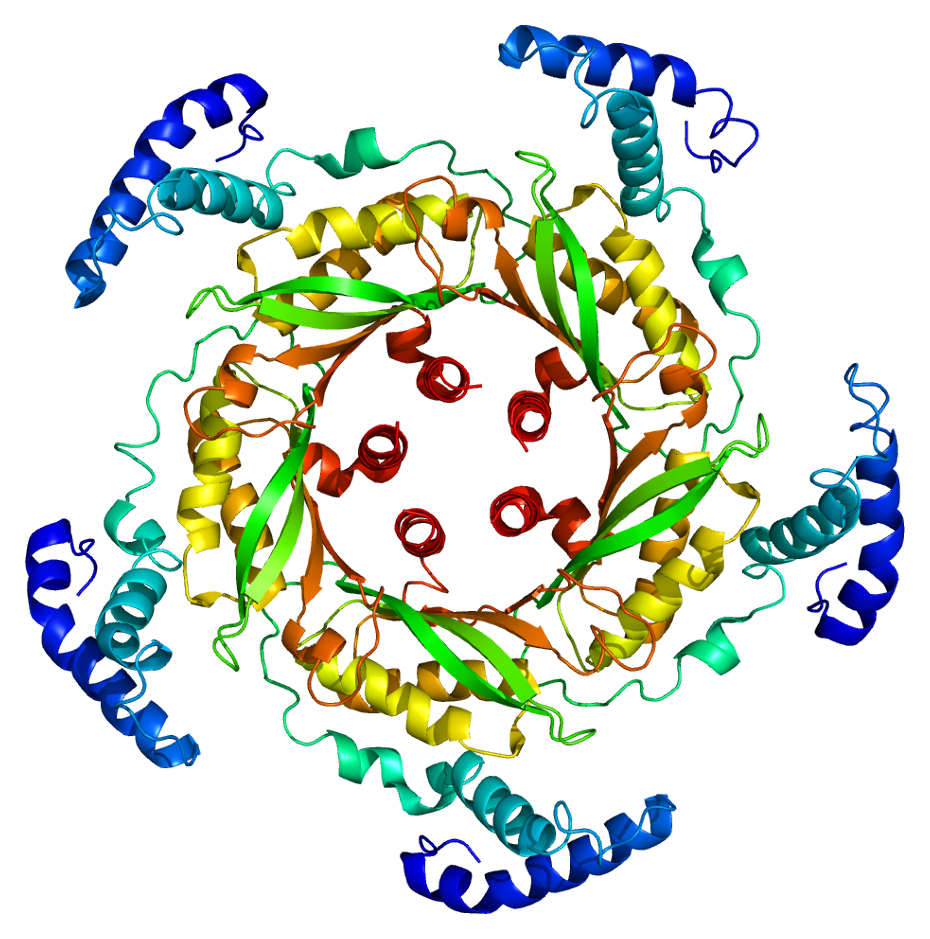
A deficiência de GTP cicloidrolase I é causada por alterações (mutações) no gene GCH1, que fornece instruções para a produção da enzima GTP cicloidrolase 1. Essa enzima é essencial para a produção de biopterina, uma molécula necessária para a síntese de neurotransmissores como dopamina e serotonina. A herança é autossômica recessiva, ou seja, a pessoa precisa herdar uma cópia do gene alterado de cada um dos pais para desenvolver a doença.[1][2][5]
Diagnóstico
O diagnóstico pode ser suspeitado por exames laboratoriais que detectam níveis elevados de fenilalanina no sangue (hiperfenilalaninemia) e níveis baixos de biopterina e neopterina na urina. A confirmação é feita por meio de testes genéticos, como o sequenciamento completo do exoma (WES), que identifica mutações no gene GCH1. No Brasil, o Sistema Único de Saúde (SUS) oferece cobertura mínima para procedimentos como: dosagem de aminoácidos (erros inatos), dosagem de ácidos orgânicos na urina, teste de triagem para erros inatos do metabolismo, teste do pezinho (triagem neonatal) e atendimento em reabilitação para doenças raras. Atualmente, há 203 variantes do gene GCH1 registradas no ClinVar e 35 testes genéticos disponíveis.[1][2][5][6]
Tratamento e manejo
O manejo da deficiência de GTP cicloidrolase I é multidisciplinar e pode incluir suporte nutricional com fórmulas metabólicas específicas para erros inatos do metabolismo (como as usadas na fenilcetonúria), além de atendimento em reabilitação para doenças raras. O tratamento deve ser individualizado e acompanhado por uma equipe médica especializada. Não há informações sobre medicamentos específicos aprovados no Brasil para esta condição nos dados disponíveis.[1][2][6]
Tratamentos citados na literatura
A literatura científica (fonte: PubTator3) menciona associações entre a doença e algumas substâncias, com base no número de publicações. Estas são informações de pesquisa e não constituem recomendação de tratamento: sapropterin (13 publicações), neopterin (8 publicações), levodopa (6 publicações), dopamine (4 publicações), homovanillic acid (4 publicações), phenylalanine (3 publicações), pterins (3 publicações), hydroxyindoleacetic acid (3 publicações), serotonin (3 publicações) e biopterins (2 publicações).[6]
Prognóstico e qualidade de vida
A deficiência de GTP cicloidrolase I é uma condição progressiva que pode levar a deterioração neurológica ao longo do tempo. O prognóstico varia conforme a gravidade dos sintomas e a precocidade do diagnóstico e do manejo. O acompanhamento regular com neurologista, geneticista e equipe de reabilitação é fundamental para otimizar a qualidade de vida e o desenvolvimento da pessoa afetada.[1][4]
Conteúdo informativo gerado e mantido automaticamente a partir de fontes oficiais (Orphanet, HPO, OMIM, SUS). Não substitui avaliação médica.
A deficiência de GTP-cicloidrolase I, uma doença genética autossômica recessiva, é uma das causas de hiperfenilalaninemia maligna por deficiência de tetrahidrobiopterina. A deficiência em tetrahidrobiopterina não só causa a hiperfenilalaninemia, como também é responsável pela deficiência na neurotransmissão por monoaminas devido à disfunção das tirosina e triptofano hidroxilases, ambas enzimas dependentes da tetrahidrobiopterina.
Escala de raridade
<1/50kMuito rara
1/20kRara
1/10kPouco freq.
1/5kIncomum
1/2k
Encontrou um erro ou informação desatualizada? Sugira uma correção →
Entender a doença
Do básico ao detalhe, leia no seu ritmo
Preparando trilha educativa...
Sinais e sintomas
O que aparece no corpo e com que frequência cada sintoma acontece
Visão geral
A deficiência de GTP cicloidrolase I é uma doença genética rara que afeta o sistema nervoso e o metabolismo. Estima-se que sua prevalência seja inferior a 1 caso a cada 1.000.000 de pessoas. A condição geralmente se manifesta ainda na infância ou no período neonatal, com sintomas que podem incluir dificuldades de alimentação, hipotonia (tônus muscular baixo) e atraso no desenvolvimento.[1][4]
Sinais e sintomas
Os sinais e sintomas mais frequentes incluem: salivação excessiva, dificuldades alimentares, hipotonia muscular grave, distonia (contrações musculares involuntárias), anormalidade do movimento ocular, atraso global do desenvolvimento, rigidez, deficiência intelectual, movimentos hipercinéticos (movimentos excessivos), disfagia (dificuldade para engolir), convulsões, febre recorrente, tremor, coreoatetose (movimentos involuntários irregulares), hipertonia de membros, letargia, deterioração neurológica progressiva, hipotonia generalizada, sucção pobre e hiperfenilalaninemia (nível elevado de fenilalanina no sangue). Exames laboratoriais podem mostrar nível elevado de sulfatídeo urinário, aumento da concentração de fenilalanina no líquido cefalorraquidiano (LCR), nível urinário de biopterina diminuído e nível urinário de neopterina diminuído.[1][4]
Causas genéticas
A deficiência de GTP cicloidrolase I é causada por alterações (mutações) no gene GCH1, que fornece instruções para a produção da enzima GTP cicloidrolase 1. Essa enzima é essencial para a produção de biopterina, uma molécula necessária para a síntese de neurotransmissores como dopamina e serotonina. A herança é autossômica recessiva, ou seja, a pessoa precisa herdar uma cópia do gene alterado de cada um dos pais para desenvolver a doença.[1][2][5]
Diagnóstico
O diagnóstico pode ser suspeitado por exames laboratoriais que detectam níveis elevados de fenilalanina no sangue (hiperfenilalaninemia) e níveis baixos de biopterina e neopterina na urina. A confirmação é feita por meio de testes genéticos, como o sequenciamento completo do exoma (WES), que identifica mutações no gene GCH1. No Brasil, o Sistema Único de Saúde (SUS) oferece cobertura mínima para procedimentos como: dosagem de aminoácidos (erros inatos), dosagem de ácidos orgânicos na urina, teste de triagem para erros inatos do metabolismo, teste do pezinho (triagem neonatal) e atendimento em reabilitação para doenças raras. Atualmente, há 203 variantes do gene GCH1 registradas no ClinVar e 35 testes genéticos disponíveis.[1][2][5][6]
Tratamento e manejo
O manejo da deficiência de GTP cicloidrolase I é multidisciplinar e pode incluir suporte nutricional com fórmulas metabólicas específicas para erros inatos do metabolismo (como as usadas na fenilcetonúria), além de atendimento em reabilitação para doenças raras. O tratamento deve ser individualizado e acompanhado por uma equipe médica especializada. Não há informações sobre medicamentos específicos aprovados no Brasil para esta condição nos dados disponíveis.[1][2][6]
Tratamentos citados na literatura
A literatura científica (fonte: PubTator3) menciona associações entre a doença e algumas substâncias, com base no número de publicações. Estas são informações de pesquisa e não constituem recomendação de tratamento: sapropterin (13 publicações), neopterin (8 publicações), levodopa (6 publicações), dopamine (4 publicações), homovanillic acid (4 publicações), phenylalanine (3 publicações), pterins (3 publicações), hydroxyindoleacetic acid (3 publicações), serotonin (3 publicações) e biopterins (2 publicações).[6]
Prognóstico e qualidade de vida
A deficiência de GTP cicloidrolase I é uma condição progressiva que pode levar a deterioração neurológica ao longo do tempo. O prognóstico varia conforme a gravidade dos sintomas e a precocidade do diagnóstico e do manejo. O acompanhamento regular com neurologista, geneticista e equipe de reabilitação é fundamental para otimizar a qualidade de vida e o desenvolvimento da pessoa afetada.[1][4]
Conteúdo informativo gerado e mantido automaticamente a partir de fontes oficiais (Orphanet, HPO, OMIM, SUS). Não substitui avaliação médica.
Partes do corpo afetadas
+ 13 sintomas em outras categorias
Características mais comuns
Os sintomas variam de pessoa para pessoa. Abaixo estão as 29 características clínicas mais associadas, ordenadas por frequência.
Linha do tempo da pesquisa
Encontrou um erro ou informação desatualizada? Sugira uma correção →
Genética e causas
O que está alterado no DNA e como passa nas famílias
Genes associados
1 gene identificado com associação a esta condição. Padrão de herança: Autosomal recessive.
Curadoria gene-doença
fontes oficiaisPositively regulates nitric oxide synthesis in umbilical vein endothelial cells (HUVECs). May be involved in dopamine synthesis. May modify pain sensitivity and persistence. Isoform GCH-1 is the functional enzyme, the potential function of the enzymatically inactive isoforms remains unknown
CytoplasmNucleus
Hyperphenylalaninemia, BH4-deficient, B
A disease characterized by malignant hyperphenylalaninemia due to tetrahydrobiopterin deficiency, and defective neurotransmission due to depletion of the neurotransmitters dopamine and serotonin. The principal symptoms include: psychomotor retardation, tonicity disorders, convulsions, drowsiness, irritability, abnormal movements, hyperthermia, hypersalivation, and difficulty swallowing. Some patients may present a phenotype of intermediate severity between severe hyperphenylalaninemia and mild dystonia. In this intermediate phenotype, there is marked motor delay, but no intellectual disability and only minimal, if any, hyperphenylalaninemia.
Variantes genéticas (ClinVar)
203 variantes patogênicas registradas no ClinVar.
Classificação de variantes (ClinVar)
Distribuição de 500 variantes classificadas pelo ClinVar.
Vias biológicas (Reactome)
1 via biológica associada aos genes desta condição.
Diagnóstico
Os sinais que médicos procuram e os exames que confirmam
Tratamento e manejo
Remédios, cuidados de apoio e o que precisa acompanhar
Onde tratar no SUS
Hospitais de referência no Brasil e o protocolo oficial do SUS (PCDT)
🇧🇷 Atendimento SUS — Deficiência de GTP cicloidrolase I
Selecione um estado ou use sua localização para ver resultados.
Dados de DATASUS/CNES, SBGM, ABNeuro e Ministério da Saúde. Sempre confirme a disponibilidade diretamente com o estabelecimento.
Pesquisa ativa
Ensaios clínicos abertos e novidades científicas recentes
Ensaios em destaque
🟢 Recrutando agora
1 pesquisa recrutando participantes. Converse com seu médico sobre a possibilidade de participar.
Outros ensaios clínicos
2 ensaios clínicos encontrados, 1 ativos.
Publicações mais relevantes
A rare GCH1 p.Arg170Gly variant shows impaired enzymatic activity and co-occurs with a novel NEXMIF p.Asp155GlnfsTer2 leading to a complex neurological phenotype: functional studies and clinical aspects.
GTP cyclohydrolase I deficiency is a rare inherited disorder of biogenic amine metabolism due to pathogenic GCH1 variants, manifesting as DOPA-responsive dystonia or severe encephalopathy. Pathogenic variants in the NEXMIF gene cause X-linked intellectual disability and epilepsy. Here, using trio-WES approach, we identified a rare, previously uncharacterized GCH1 p.Arg170Gly variant and a novel NEXMIF p.Asp155GlnfsTer2 variant in a female patient. This study aimed to confirm the pathogenicity of these variants and elucidate their underlying molecular pathomechanisms by molecular in vitro studies. First, we confirmed that the NEXMIF variant introduces a premature stop codon at the cDNA level, implying loss of NEXMIF protein function. To explore the functional consequences of the GCH1 variant, we expressed and purified wild-type (WT) and p.Arg170Gly homodecameric GCH1, as well as a mixed population of heterodecameric GCH1 proteins, and performed biochemical characterization. Kinetic studies revealed that the catalytic efficiency of the mutant homo- and heterodecameric GCH1 was reduced by 37- and 9-fold, respectively, compared to the WT enzyme, confirming a significant loss of activity. Furthermore, the presence of mutant GCH1 monomers negatively affected catalytic cooperativity in the decameric enzyme. Circular dichroism indicated that p.Arg170Gly slightly impacts the structure of the protein, as shown by reduced α-helical content in the mutant homodecamer. In summary, we provide the first functional evidence that the GCH1 p.Arg170Gly variant is pathogenic mainly due to reduced enzyme activity, and that its combination with a novel NEXMIF loss-of-function variant manifests as a complex neurological phenotype arising from two distinct disorders.
Catecholamines and Parkinson's disease: tyrosine hydroxylase (TH) over tetrahydrobiopterin (BH4) and GTP cyclohydrolase I (GCH1) to cytokines, neuromelanin, and gene therapy: a historical overview.
The author identified the genes and proteins of human enzymes involved in the biosynthesis of catecholamines (dopamine, norepinephrine, epinephrine) and tetrahydrobiopterin (BH4): tyrosine hydroxylase (TH), aromatic L-amino acid decarboxylase (AADC), dopamine β-hydroxylase (DBH), phenylethanolamine N-methyltransferase (PNMT), and GTP cyclohydrolase I (GCH1). In Parkinson's disease (PD), the activities and levels of mRNA and protein of all catecholamine-synthesizing enzymes are decreased, especially in dopamine neurons in the substantia nigra. Hereditary GCH1 deficiency results in reductions in the levels of BH4 and the activities of TH, causing decreases in dopamine levels. Severe deficiencies in GCH1 or TH cause severe decreases in dopamine levels leading to severe neurological symptoms, whereas mild decreases in TH activity in mild GCH1 deficiency or in mild TH deficiency result in only modest reductions in dopamine levels and symptoms of DOPA-responsive dystonia (DRD, Segawa disease) or juvenile Parkinsonism. DRD is a treatable disease and small doses of L-DOPA can halt progression. The death of dopamine neurons in PD in the substantia nigra may be related to (i) inflammatory effect of extra neuronal neuromelanin, (ii) inflammatory cytokines which are produced by activated microglia, (iii) decreased levels of BDNF, and/or (iv) increased levels of apoptosis-related factors. This review also discusses progress in gene therapies for the treatment of PD, and of GCH1, TH and AADC deficiencies, by transfection of TH, AADC, and GCH1 via adeno-associated virus (AAV) vectors.
Early-onset autosomal dominant GTP-cyclohydrolase I deficiency: Diagnostic delay and residual motor signs.
Autosomal dominant (AD) guanosine triphosphate cyclohydrolase 1 (GCH1) deficiency is the most common cause of dopa-responsive dystonia (DRD). Patients with GCH1 deficiency are likely to experience diagnostic delay, but its consequences have not been described thoroughly in patients with early-onset disease. We describe the diagnostic delay and residual motor signs (RMS) observed in patients with early-onset (before 15 years of age) disease. Twelve patients with early-onset AD GCH1 deficiency from a single center were included in the case series analysis. For the meta-analysis, the PubMed database was searched for articles on early-onset AD GCH1 deficiency published from 1995 to 2019. In the case series, the mean duration of diagnostic delay was 5.6 years. Two patients exhibited RMS, and four patients underwent orthopedic surgery. The literature search yielded 137 AD GCH1 deficiency cases for review; gait disturbance was reported in 92.7% of patients, diurnal fluctuation of symptoms in 91.9%, and RMS in 39%. The mean duration of diagnostic delay was 14.6 years overall: 12.0 years in RMS-negative patients and 21.2 years in RMS-positive patients. Diagnostic delay in early-onset AD GCH1 deficiency is more closely associated with later RMS. Early clinical suspicion, timely diagnosis, and levodopa treatment may reduce the occurrence of RMS in patients with early-onset AD GCH1 deficiency.
GTP-Cyclohydrolase I deficiency presenting as malignant hyperphenylalaninemia, recurrent hyperthermia and progressive neurological dysfunction in a South Asian child - a case report.
Tetrahydrobiopterin (BH4) deficiencies are disorders affecting phenylalanine homeostasis, and catecholamine and serotonin biosynthesis. GTP-Cyclohydrolase I deficiency (OMIM 600225) is an extremely rare variant of inborn error of BH4 synthesis which exists in recessive and dominant forms. The recessive form presents with complex neurological and autonomic dysfunction whilst the dominant form presents as Dopa-responsive dystonia. We describe a South Asian child who initially presented with neurological dysfunction and recurrent vomiting and later developed recurrent hyperthermia for several months. The child did not have screening for hyperphenylalaninemia at birth and was found to have marked hyperphenylalaninemia after clinical presentation at 5 months. Further evaluation revealed BH4 deficiency. GTP-Cyclohydrolase I deficiency (GTPCH) was identified based on normal dihydro pteridine reductase activity and markedly reduced neopterin in dried blood spot test. After institution of treatment and control of high phenylalanine levels, clinical deterioration decelerated yet with noticeable residual neurological dysfunction. To authors' knowledge, this is first report of GTPCH deficiency in a South Asian child. The case highlights practical issues regarding diagnosis of GTPCH deficiency, especially in countries without broader universal newborn screening programs for early detection of inherited metabolic disorders. Testing for GTPCH deficiency should be considered for patients with unexplained neurological and autonomic symptoms following initial metabolic screen.
A novel GTPCH deficiency mouse model exhibiting tetrahydrobiopterin-related metabolic disturbance and infancy-onset motor impairments.
GTP cyclohydrolase I (GTPCH) deficiency could impair the synthesis of tetrahydrobiopterin and causes metabolic diseases involving phenylalanine catabolism, neurotransmitter synthesis, nitric oxide production and so on. Though improvements could be achieved by tetrahydrobiopterin and neurotransmitter precursor levodopa supplementation, residual motor and mental deficits remain in some patients. An appropriate GTPCH deficiency animal model with clinical symptoms, especially the motor impairments, is still not available for mechanism and therapy studies yet. To investigate whether the heterozygous GTPCH missense mutation p.Leu117Arg identified from a patient with severe infancy-onset dopa-responsive motor impairments is causative and establish a clinical relevant GTPCH deficiency mouse model, we generated a mouse mutant mimicking this missense mutation using the CRISPR/Cas9 technology. Series of characterization experiments on the heterozygous and homozygous mutants were conducted. The expressions of GTPCH were not significantly changed in the mutants, but the enzyme activities were impaired in the homozygous mutants. BH4 reduction and phenylalanine accumulation were observed both in the liver and brain of the homozygous mutants. Severer metabolic disturbance occurred in the brain than in the liver. Significant reduction of neurotransmitter dopamine, norepinephrine and serotonin was observed in the brains of homozygous mutants. Live-born homozygous mutants exhibited infancy-onset motor and vocalization deficits similar to the disease symptoms observed in the patient, while no obvious symptoms were observed in the young heterozygous mutant mice. With benserazide-levodopa treatment, survival of the homozygous mutants was improved but not completely rescued. The GTPCH p.Leu117Arg missense mutation is deleterious and could cause tetrahydrobiopterin, phenylalanine and neurotransmitter metabolic disturbances and infancy-onset motor dysfunctions recessively. This is the first GTPCH deficiency mouse model which could be live-born and exhibits significant motor impairments. The different extents of BH4 reduction and phenylalanine accumulation observed between liver and brain in response to GTPCH deficiency gives potential new insights into the vulnerability of brain to GTPCH deficiency.
Publicações recentes
A rare GCH1 p.Arg170Gly variant shows impaired enzymatic activity and co-occurs with a novel NEXMIF p.Asp155GlnfsTer2 leading to a complex neurological phenotype: functional studies and clinical aspects.
Catecholamines and Parkinson's disease: tyrosine hydroxylase (TH) over tetrahydrobiopterin (BH4) and GTP cyclohydrolase I (GCH1) to cytokines, neuromelanin, and gene therapy: a historical overview.
Early-onset autosomal dominant GTP-cyclohydrolase I deficiency: Diagnostic delay and residual motor signs.
GTP-Cyclohydrolase I deficiency presenting as malignant hyperphenylalaninemia, recurrent hyperthermia and progressive neurological dysfunction in a South Asian child - a case report.
A novel GTPCH deficiency mouse model exhibiting tetrahydrobiopterin-related metabolic disturbance and infancy-onset motor impairments.
📚 EuropePMC8 artigos no totalmostrando 5
A rare GCH1 p.Arg170Gly variant shows impaired enzymatic activity and co-occurs with a novel NEXMIF p.Asp155GlnfsTer2 leading to a complex neurological phenotype: functional studies and clinical aspects.
Molecular genetics and metabolismCatecholamines and Parkinson's disease: tyrosine hydroxylase (TH) over tetrahydrobiopterin (BH4) and GTP cyclohydrolase I (GCH1) to cytokines, neuromelanin, and gene therapy: a historical overview.
Journal of neural transmission (Vienna, Austria : 1996)Early-onset autosomal dominant GTP-cyclohydrolase I deficiency: Diagnostic delay and residual motor signs.
Brain & developmentGTP-Cyclohydrolase I deficiency presenting as malignant hyperphenylalaninemia, recurrent hyperthermia and progressive neurological dysfunction in a South Asian child - a case report.
BMC pediatricsA novel GTPCH deficiency mouse model exhibiting tetrahydrobiopterin-related metabolic disturbance and infancy-onset motor impairments.
Metabolism: clinical and experimentalAssociações
Organizações que acompanham esta doença — pra ter apoio e orientação
Ainda não temos associações cadastradas para Deficiência de GTP cicloidrolase I.
É de uma associação que acompanha esta doença? Fale com a gente →
Comunidades
Grupos ativos de quem convive com esta doença aqui no Raras
Ainda não existe comunidade no Raras para Deficiência de GTP cicloidrolase I
Pacientes, familiares e cuidadores se organizam em comunidades pra compartilhar experiências, fazer perguntas e se apoiar. Você pode ser o primeiro.
Tire suas dúvidas
Perguntas, dicas e experiências compartilhadas aqui na página
Participe da discussão
Faça login para postar dúvidas, compartilhar experiências e interagir com especialistas.
Fazer loginDoenças relacionadas
Doenças com sintomas parecidos — ajudam quem ainda está buscando diagnóstico
Referências e fontes
Bases de dados externas citadas neste artigo
Publicações científicas
Artigos indexados no PubMed ligados a esta doença no grafo RarasNet — título, periódico e PMID direto da fonte, sem intermediação de IA.
- A rare GCH1 p.Arg170Gly variant shows impaired enzymatic activity and co-occurs with a novel NEXMIF p.Asp155GlnfsTer2 leading to a complex neurological phenotype: functional studies and clinical aspects.
- Catecholamines and Parkinson's disease: tyrosine hydroxylase (TH) over tetrahydrobiopterin (BH4) and GTP cyclohydrolase I (GCH1) to cytokines, neuromelanin, and gene therapy: a historical overview.
- Early-onset autosomal dominant GTP-cyclohydrolase I deficiency: Diagnostic delay and residual motor signs.
- GTP-Cyclohydrolase I deficiency presenting as malignant hyperphenylalaninemia, recurrent hyperthermia and progressive neurological dysfunction in a South Asian child - a case report.
- A novel GTPCH deficiency mouse model exhibiting tetrahydrobiopterin-related metabolic disturbance and infancy-onset motor impairments.
Bases de dados e fontes oficiais
Identificadores e referências canônicas usadas para montar este verbete.
- ORPHA:2102(Orphanet)
- OMIM OMIM:233910(OMIM)
- MONDO:0100186(MONDO)
- GARD:2844(GARD (NIH))
- Variantes catalogadas(ClinVar)
- Busca completa no PubMed(PubMed)
- Q54889350(Wikidata)
Dados compilados pelo RarasNet a partir de fontes abertas (Orphanet, OMIM, MONDO, PubMed/EuropePMC, ClinicalTrials.gov, DATASUS, PCDT/MS). Este conteúdo é informativo e não substitui avaliação médica.
Conteúdo mantido por Agente Raras · Médicos e pesquisadores podem colaborar
Deficiência de GTP cicloidrolase I
📋 Origem dos dados
Esta página agrega dados de fontes públicas e oficiais. Dados sobre cobertura no SUS (PCDT, CEAF) são verificados ativamente por agente proativo (ver badge no infobox). Demais dados têm atribuição de fonte + data da última sincronização — clique para abrir o original.
- Doença rara (ontologia)
- fonte: Orphanet
- Identificador unificado
- fonte: MONDO
- Genética mendeliana
- fonte: OMIM
- Codificação WHO/SUS
- fonte: WHO ICD-10 / DATASUS
- CID-11 (futuro)
- fonte: WHO ICD-11
- NIH/GARD
- fonte: GARD (NIH)
- Indexação biomédica
- fonte: MeSH (NLM)
- Dado público estruturado
- fonte: Wikidata
- Ensaios clínicos
- fonte: ClinicalTrials.gov