
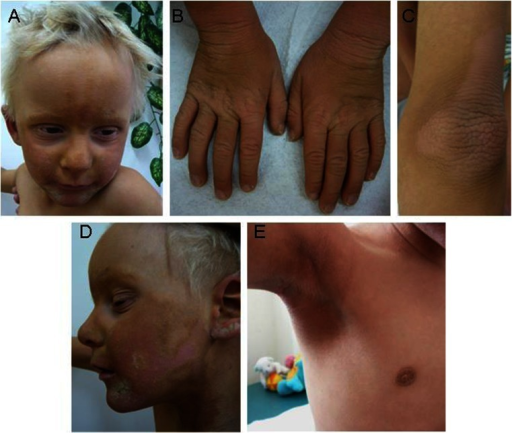
Paquioníquia congênita (PC) é uma doença de pele genética rara, caracterizada principalmente por espessamento doloroso da pele das palmas das mãos e solas dos pés, unhas grossas, cistos e o revestimento interno da boca esbranquiçado.
Introdução
O que você precisa saber de cara
Paquioníquia congênita (PC) é uma doença de pele genética rara, caracterizada principalmente por espessamento doloroso da pele das palmas das mãos e solas dos pés, unhas grossas, cistos e o revestimento interno da boca esbranquiçado.
Tem tratamento?
Escala de raridade
<1/50kMuito rara
1/20kRara
1/10kPouco freq.
1/5kIncomum
1/2k
Encontrou um erro ou informação desatualizada? Sugira uma correção →
Entender a doença
Do básico ao detalhe, leia no seu ritmo
Preparando trilha educativa...
Sinais e sintomas
O que aparece no corpo e com que frequência cada sintoma acontece
Partes do corpo afetadas
+ 15 sintomas em outras categorias
Características mais comuns
Os sintomas variam de pessoa para pessoa. Abaixo estão as 40 características clínicas mais associadas, ordenadas por frequência.
Linha do tempo da pesquisa
Encontrou um erro ou informação desatualizada? Sugira uma correção →
Genética e causas
O que está alterado no DNA e como passa nas famílias
Genes associados
4 genes identificados com associação a esta condição. Padrão de herança: Autosomal dominant, Autosomal recessive.
Pachyonychia congenita 4
An autosomal dominant genodermatosis characterized by hypertrophic nail dystrophy, painful and highly debilitating plantar keratoderma, oral leukokeratosis, and a variety of epidermal cysts.
Epidermis-specific type I keratin that plays a key role in skin. Acts as a regulator of innate immunity in response to skin barrier breach: required for some inflammatory checkpoint for the skin barrier maintenance
Pachyonychia congenita 1
An autosomal dominant ectodermal dysplasia characterized by hypertrophic nail dystrophy resulting in onchyogryposis (thickening and increase in curvature of the nail), palmoplantar keratoderma, follicular hyperkeratosis, and oral leukokeratosis. Hyperhidrosis of the hands and feet is usually present.
Type I keratin involved in the formation and maintenance of various skin appendages, specifically in determining shape and orientation of hair (By similarity). Required for the correct growth of hair follicles, in particular for the persistence of the anagen (growth) state (By similarity). Modulates the function of TNF in the specific context of hair cycling. Regulates protein synthesis and epithelial cell growth through binding to the adapter protein SFN and by stimulating Akt/mTOR pathway (By
Cytoplasm
Pachyonychia congenita 2
An autosomal dominant ectodermal dysplasia characterized by hypertrophic nail dystrophy resulting in onchyogryposis (thickening and increase in curvature of the nail), palmoplantar keratoderma and hyperhidrosis, follicular hyperkeratosis, multiple epidermal cysts, absent/sparse eyebrow and body hair, and by the presence of natal teeth.
Epidermis-specific type I keratin involved in wound healing. Involved in the activation of follicular keratinocytes after wounding, while it does not play a major role in keratinocyte proliferation or migration. Participates in the regulation of epithelial migration by inhibiting the activity of SRC during wound repair
Pachyonychia congenita 3
An autosomal dominant genodermatosis characterized by hypertrophic nail dystrophy, painful and highly debilitating plantar keratoderma, oral leukokeratosis, and a variety of epidermal cysts.
Medicamentos e terapias
Mecanismo: FK506-binding protein 1A inhibitor
Variantes genéticas (ClinVar)
111 variantes patogênicas registradas no ClinVar.
Classificação de variantes (ClinVar)
Distribuição de 89 variantes classificadas pelo ClinVar.
Vias biológicas (Reactome)
3 vias biológicas associadas aos genes desta condição.
Diagnóstico
Os sinais que médicos procuram e os exames que confirmam
Tratamento e manejo
Remédios, cuidados de apoio e o que precisa acompanhar
Onde tratar no SUS
Hospitais de referência no Brasil e o protocolo oficial do SUS (PCDT)
🇧🇷 Atendimento SUS — Paquioníquia congênita
Centros de Referência SUS
24 centros habilitados pelo SUS para Paquioníquia congênita
Centros para Paquioníquia congênita
Detalhes dos centros
Hospital Universitário Prof. Edgard Santos (HUPES)
R. Dr. Augusto Viana, s/n - Canela, Salvador - BA, 40110-060 · CNES 0003808
Serviço de Referência
Hospital Infantil Albert Sabin
R. Tertuliano Sales, 544 - Vila União, Fortaleza - CE, 60410-794 · CNES 2407876
Serviço de Referência
Hospital de Apoio de Brasília (HAB)
AENW 3 Lote A Setor Noroeste - Plano Piloto, Brasília - DF, 70684-831 · CNES 0010456
Serviço de Referência
Hospital Estadual Infantil e Maternidade Alzir Bernardino Alves (HIABA)
Av. Min. Salgado Filho, 918 - Soteco, Vila Velha - ES, 29106-010 · CNES 6631207
Serviço de Referência
Hospital das Clínicas da UFG
Rua 235 QD. 68 Lote Área, Nº 285, s/nº - Setor Leste Universitário, Goiânia - GO, 74605-050 · CNES 2338424
Serviço de Referência
Hospital Universitário da UFJF
R. Catulo Breviglieri, Bairro - s/n - Santa Catarina, Juiz de Fora - MG, 36036-110 · CNES 2297442
Atenção Especializada
Hospital das Clínicas da UFMG
Av. Prof. Alfredo Balena, 110 - Santa Efigênia, Belo Horizonte - MG, 30130-100 · CNES 2280167
Serviço de Referência
Hospital Universitário Julio Müller (HUJM)
R. Luis Philippe Pereira Leite, s/n - Alvorada, Cuiabá - MT, 78048-902 · CNES 2726092
Atenção Especializada
Hospital Universitário João de Barros Barreto
R. dos Mundurucus, 4487 - Guamá, Belém - PA, 66073-000 · CNES 2337878
Serviço de Referência
Hospital Universitário Lauro Wanderley (HULW)
R. Tabeliao Estanislau Eloy, 585 - Castelo Branco, João Pessoa - PB, 58050-585 · CNES 0002470
Atenção Especializada
Instituto de Medicina Integral Prof. Fernando Figueira (IMIP)
R. dos Coelhos, 300 - Boa Vista, Recife - PE, 50070-902 · CNES 0000647
Serviço de Referência
Hospital Pequeno Príncipe
R. Des. Motta, 1070 - Água Verde, Curitiba - PR, 80250-060 · CNES 3143805
Serviço de Referência
Hospital Universitário Regional de Maringá (HUM)
Av. Mandacaru, 1590 - Parque das Laranjeiras, Maringá - PR, 87083-240 · CNES 2216108
Atenção Especializada
Hospital de Clínicas da UFPR
R. Gen. Carneiro, 181 - Alto da Glória, Curitiba - PR, 80060-900 · CNES 2364980
Serviço de Referência
Hospital Universitário Pedro Ernesto (HUPE-UERJ)
Blvd. 28 de Setembro, 77 - Vila Isabel, Rio de Janeiro - RJ, 20551-030 · CNES 2280221
Serviço de Referência
Instituto Nacional de Saúde da Mulher, da Criança e do Adolescente Fernandes Figueira (IFF/Fiocruz)
Av. Rui Barbosa, 716 - Flamengo, Rio de Janeiro - RJ, 22250-020 · CNES 2269988
Serviço de Referência
Hospital São Lucas da PUCRS
Av. Ipiranga, 6690 - Jardim Botânico, Porto Alegre - RS, 90610-000 · CNES 2232928
Serviço de Referência
Hospital de Clínicas de Porto Alegre (HCPA)
Rua Ramiro Barcelos, 2350 Bloco A - Av. Protásio Alves, 211 - Bloco B e C - Santa Cecília, Porto Alegre - RS, 90035-903 · CNES 2237601
Serviço de Referência
Hospital Universitário da UFSC (HU-UFSC)
R. Profa. Maria Flora Pausewang - Trindade, Florianópolis - SC, 88036-800 · CNES 2560356
Serviço de Referência
Hospital das Clínicas da FMUSP
R. Dr. Ovídio Pires de Campos, 225 - Cerqueira César, São Paulo - SP, 05403-010 · CNES 2077485
Serviço de Referência
Hospital de Base de São José do Rio Preto
Av. Brg. Faria Lima, 5544 - Vila Sao Jose, São José do Rio Preto - SP, 15090-000 · CNES 2079798
Atenção Especializada
Hospital de Clínicas da UNICAMP
R. Vital Brasil, 251 - Cidade Universitária, Campinas - SP, 13083-888 · CNES 2748223
Serviço de Referência
Hospital de Clínicas de Ribeirão Preto (HCRP-USP)
R. Ten. Catão Roxo, 3900 - Vila Monte Alegre, Ribeirão Preto - SP, 14015-010 · CNES 2082187
Serviço de Referência
UNIFESP / Hospital São Paulo
R. Napoleão de Barros, 715 - Vila Clementino, São Paulo - SP, 04024-002 · CNES 2688689
Serviço de Referência
Dados de DATASUS/CNES, SBGM, ABNeuro e Ministério da Saúde. Sempre confirme a disponibilidade diretamente com o estabelecimento.
Pesquisa ativa
Ensaios clínicos abertos e novidades científicas recentes
Ensaios em destaque
🟢 Recrutando agora
2 pesquisas recrutando participantes. Converse com seu médico sobre a possibilidade de participar.
Outros ensaios clínicos
13 ensaios clínicos encontrados, 3 ativos.
Publicações mais relevantes
KRT6A Variant Underlies Pachyonychia Congenita: Insights Into Protein Aggregation and PPAR Signaling.
Variants in the keratin 6A (KRT6A) gene are a major cause of pachyonychia congenita (PC), a rare autosomal dominant disorder characterized by nail hypertrophy and other ectodermal abnormalities. This study aimed to identify the causative mutation in a PC family and investigate the underlying pathogenic mechanism. We performed exome sequencing on this PC pedigree and validated candidate variations using Sanger sequencing. In silico predictions and in vitro experiments showed that the heterozygous missense variant c.512A>G in KRT6A was pathogenic, inducing protein aggregation and disrupting filamentous network structures. Enrichment analysis suggested that the PPAR signaling pathway played a crucial role in PC, with decreased expression of PPARβ/δ in HeLa cells. Comparative analysis of PC patients carrying the p.Asn171 variant revealed marked heterogeneity in clinical manifestations. Notably, oral leukokeratosis, a common phenotype in KRT6A mutation carriers, was not observed in the patients in this study. Interestingly, one patient presented with small papules around the lips and nasal bridge. We conclude that the c.512A>G variant in KRT6A is the genetic cause of this PC family, diagnosed as PC-K6a subtype. This study expands the phenotypic spectrum of congenital PC and suggests the PPAR signaling pathway as a potential therapeutic target.
Functional roles of Keratin 6A in disease pathogenesis across cancer and skin disorders.
Keratin 6A (KRT6A) is an epithelial-specific type II keratin localized within cytoskeletal intermediate filaments and functions in cooperation with KRT16/17 to maintain epidermal homeostasis and tissue repair. Accumulating evidence highlights its multifaceted roles in cancer. Aberrant KRT6A expression promotes cell cycle progression, epithelial-mesenchymal transition, migration, and invasion, thereby driving tumor initiation and metastasis, although tumor-suppressive effects have been observed in specific contexts. Mechanistically, KRT6A regulates adhesion, cytoskeletal remodeling, and critical signaling pathways, thereby reshaping tumor immunity and metabolism to facilitate immune evasion and metabolic dysregulation. Elevated KRT6A expression is strongly associated with resistance to chemotherapy, targeted therapy, and radiotherapy. Therapeutic approaches targeting KRT6A include nucleic acid-based interventions, protein degradation strategies, inhibition of upstream regulatory pathways, and combinatorial regimens to overcome drug resistance. Clinically, KRT6A has emerged as both a diagnostic and prognostic biomarker, supporting treatment monitoring and enhancing predictive models for risk stratification and individualized outcome evaluation. Beyond oncology, mutations in KRT6A underlie pachyonychia congenita, and its dysregulation contributes to epidermal hyperproliferative disorders such as psoriasis. Overall, systematic elucidation of the structure-function-pathway-clinical axis of KRT6A offers new opportunities for precision medicine and supports its potential as a therapeutic target in cancer management.
Proteomics reveals altered lipid biosynthesis and keratin hyperphosphorylation in pachyonychia congenita.
Pachyonychia congenita is a rare and painful skin disorder caused by dominant pathogenic variants in keratin genes (K6A/K6B/K6C/K16/K17), with no effective treatment. We developed a scalable, in-depth, and miniaturized mass spectrometry-based proteomics and phosphorylated proteomics analysis of full-thickness skin biopsies applied to 10 patients with pachyonychia congenita to elucidate pathogenic mechanisms and pinpoint therapeutic targets. We quantified 7200 protein groups on average from 2-mm snap-frozen skin samples, the most in-depth proteome coverage reported to date from a single-shot mass spectrometry analysis. Among the identified protein groups, ∼1400 proteins were differentially abundant in lesional versus nonlesional samples. Enrichment analysis points toward impaired mitochondrial function, hyperkeratinization, enhanced immune response, and a significant increase in cholesterol biosynthesis. Phosphoproteomics revealed hyperphosphorylation of specific sites in pachyonychia congenita-related keratins; confirmed the hyperactivation of EGFR and downstream kinases, including protein kinase C and Src, and disclosed p38 MAPK activation. All of these kinases have been reported to phosphorylate keratins. Our study expands upon current understanding of the consequences of EGFR pathway activation, including increased cholesterol biosynthesis, thereby renewing interest in the use of statins for pachyonychia congenita. Above all, it provides a solid foundation for the continued exploration of EGFR inhibitors and offers therapeutic avenues, particularly those using multikinase inhibitors.
Early-onset Pachyonychia Congenita with Oral and Cutaneous Manifestations.
An 11-year-old girl presented with painful plantar hyperkeratosis and nail dystrophy, evident since infancy. Examination revealed hyperkeratotic plaques on the soles, wedge-shaped nail hypertrophy, follicular hyperkeratosis over the extremities, and oral leukokeratosis. A positive maternal history suggested autosomal dominant inheritance with variable expressivity, consistent with pachyonychia congenita. Fungal infection was excluded via KOH mount; genetic testing was unavailable due to financial constraints. Despite prior treatments with keratolytics and emollients, improvement was minimal. This case highlights the early onset, classical features, and psychosocial burden associated with pachyonychia congenita, emphasizing the importance of early diagnosis, genetic counseling, and supportive care. RésuméUne fille de 11 ans s’est présentée avec une hyperkératose plantaire douloureuse et une dystrophie unguéale, présentes depuis la petite enfance. L’examen clinique a révélé des plaques hyperkératosiques sur les plantes des pieds, une hypertrophie unguéale en forme de coin, une hyperkératose folliculaire des extrémités et une leucokératose orale. Une histoire maternelle positive suggérait une transmission autosomique dominante avec expressivité variable, compatible avec une pachyonychie congénitale. L’infection fongique a été exclue par un examen au KOH ; le test génétique n’a pas pu être réalisé en raison de contraintes financières. Malgré des traitements antérieurs par kératolytiques et émollients, l’amélioration était minime. Ce cas met en évidence l’apparition précoce, les caractéristiques classiques et le fardeau psychosocial associés à la pachyonychie congénitale, soulignant l’importance du diagnostic précoce, du conseil génétique et de la prise en charge de soutien. Une fille de 11 ans s’est présentée avec une hyperkératose plantaire douloureuse et une dystrophie unguéale, présentes depuis la petite enfance. L’examen clinique a révélé des plaques hyperkératosiques sur les plantes des pieds, une hypertrophie unguéale en forme de coin, une hyperkératose folliculaire des extrémités et une leucokératose orale. Une histoire maternelle positive suggérait une transmission autosomique dominante avec expressivité variable, compatible avec une pachyonychie congénitale. L’infection fongique a été exclue par un examen au KOH ; le test génétique n’a pas pu être réalisé en raison de contraintes financières. Malgré des traitements antérieurs par kératolytiques et émollients, l’amélioration était minime. Ce cas met en évidence l’apparition précoce, les caractéristiques classiques et le fardeau psychosocial associés à la pachyonychie congénitale, soulignant l’importance du diagnostic précoce, du conseil génétique et de la prise en charge de soutien.
Oral Statin Therapy in KRT16- and KRT17-Associated Palmoplantar Epidermal Differentiation Disorder (Pachyonychia Congenita).
Palmoplantar epidermal differentiation disorder associated with pachyonychia congenita (pEDD-PC) is a rare autosomal dominant skin disorder caused by pathogenic variants in keratin genes, including KRT6A, KRT6B, KRT6C, KRT16, and KRT17. While statins have been reported to alleviate symptoms in KRT6A-pEDD-PC, their efficacy in other subtypes remains unclear. We report six adult patients, including four with KRT17 variants and two with KRT16 variants, who underwent off-label oral statin therapy. Statins were administered for at least 6 months following dose stabilization. Although the treatment was well tolerated in most cases, no significant clinical improvement in plantar calluses or pain was observed. All patients discontinued therapy due to insufficient efficacy. Our findings indicate that oral statin therapy may offer limited benefit in KRT16/KRT17-pEDD-PC and suggest the potential importance of early intervention and genotype-specific therapeutic strategies.
Publicações recentes
Keratin 16 inhibits type I interferon responses in differentiating keratinocytes of stressed and diseased skin.
KRT6A Variant Underlies Pachyonychia Congenita: Insights Into Protein Aggregation and PPAR Signaling.
Functional roles of Keratin 6A in disease pathogenesis across cancer and skin disorders.
Proteomics reveals altered lipid biosynthesis and keratin hyperphosphorylation in pachyonychia congenita.
Oral Statin Therapy in KRT16- and KRT17-Associated Palmoplantar Epidermal Differentiation Disorder (Pachyonychia Congenita).
📚 EuropePMC369 artigos no totalmostrando 162
KRT6A Variant Underlies Pachyonychia Congenita: Insights Into Protein Aggregation and PPAR Signaling.
American journal of medical genetics. Part AFunctional roles of Keratin 6A in disease pathogenesis across cancer and skin disorders.
Experimental biology and medicine (Maywood, N.J.)Proteomics reveals altered lipid biosynthesis and keratin hyperphosphorylation in pachyonychia congenita.
The Journal of investigative dermatologyOral Statin Therapy in KRT16- and KRT17-Associated Palmoplantar Epidermal Differentiation Disorder (Pachyonychia Congenita).
The Journal of dermatologyA Newly Documented Rare Case of Pachyonychia Congenita II in a Three-Month-Old Baby.
Case reports in dermatological medicineOff-Label Topical Application of Sirolimus (Rapamycin) for Dermatological Conditions.
Journal of cutaneous medicine and surgeryThe Importance of Shared Patient Voices in Advancing Science for Genodermatoses on a Global Scale.
The Journal of investigative dermatologyEarly-onset Pachyonychia Congenita with Oral and Cutaneous Manifestations.
Annals of African medicineMucoscopic Features of Oral Lichen Planus: A Retrospective Comparative Study with Inflammatory Mimickers.
Diagnostics (Basel, Switzerland)Nonsyndromic epidermal differentiation disorders: a new classification toward pathogenesis-based therapy.
The British journal of dermatologySyndromic epidermal differentiation disorders: a new classification toward pathogenesis-based therapy.
The British journal of dermatologyPalmoplantar epidermal differentiation disorders: a new classification toward pathogenesis-based therapy.
The British journal of dermatologyEvaluation of the Foot Function Index in pachyonychia congenita.
The British journal of dermatologyThe variant c.274A>G (p.Asn92Asp) in KRT17 in a patient with pachyonychia congenita and a novel clinical feature of acne inversa.
Frontiers in geneticsNon-pachyonychia congenita conditions in the International Pachyonychia Congenita Research Registry.
International journal of dermatologyCelebrating 20 Years of the International Pachyonychia Congenita Consortium.
The Journal of investigative dermatologyPrevalence and Patient Characteristics of Pachyonychia Congenita.
JAMA dermatologyPachyonychia Congenita: A Rare Disorder of Keratinization.
Indian pediatricsPachyonychia congenita: Spectrum of cutaneous disease.
Journal of the American Academy of DermatologyPachyonychia congenita: A father and son with a novel variant in the KRT16 gene.
Pediatric dermatologyA case of pachyonychia congenita with a hotspot variant at Arg127 in KRT16: Disease severity assessment using AlphaMissense technology.
The Journal of dermatologyCongenital nail abnormalities.
Hand surgery & rehabilitationPain Hypersensitivity in SLURP1 and SLURP2 Knock-out Mouse Models of Hereditary Palmoplantar Keratoderma.
The Journal of neuroscience : the official journal of the Society for NeurosciencePachyonychia congenita: pathogenesis of pain and approaches to treatment.
Clinical and experimental dermatologyMutation p.Arg127Pro in the 1A Domain of KRT16 Causes Pachyonychia Congenita in Chinese Patient: A Case Report of PC Associated with Acral Melanoma.
Clinical, cosmetic and investigational dermatologyA Rare Case of Pachyonychia Congenita and the Need for Awareness.
Balkan medical journalA cross-sectional study of erythromelalgia in patients with pachyonychia congenita.
The British journal of dermatologyA novel heterozygous frameshift mutation in the KRT6A gene responsible for an uncommon phenotype of pachyonychia congenita: One case report and review of literature.
HeliyonIncrease in melanoma knowledge in Latino patients after a targeted digital educational program.
JAAD internationalSurgical Management of Pachyonychia Congenita in a 3-Year-Old.
Archives of plastic surgeryPachyonychia Congenita: A Research Agenda Leading to New Therapeutic Approaches.
The Journal of investigative dermatologyA recurrent missense mutation in the KRT16 gene causing pachyonychia congenita in a patient.
International journal of dermatologyPachyonychia Congenita Project: Advancing Research and Drug Development through Collaboration.
The Keio journal of medicineSuccessful treatment of pachyonychia congenita with simvastatin.
Journal of the European Academy of Dermatology and Venereology : JEADVThe Pachyonychia Congenita Virtual Support Group Meeting: Patient Insights and Pearls.
Journal of the American Podiatric Medical AssociationPosttranslational modifications of keratins and their associated proteins as therapeutic targets in keratin diseases.
Current opinion in cell biologyPachyonychia Congenita: Clinical Features and Future Treatments.
The Keio journal of medicinePachyonychia Congenita: Sporadic Onset with Mutation Analysis.
Indian dermatology online journalNail Whispers Revealing Dermatological and Systemic Secrets: An Analysis of Nail Disorders Associated With Diverse Dermatological and Systemic Conditions.
CureusProteomic profiling reveals KRT6C as a probable hereterodimer partner for KRT9: New insights into re-classifying epidermolytic palmoplantar keratoderma (EPPK) and a milder form of pachyonychia congenita (PC-K6c) as a group of genetic cutaneous disorders.
Journal of proteomicsWalking a day in a pachyonychia congenita patient's shoes: Impact on plantar pain and activity levels measured with wristband activity trackers.
Indian journal of dermatology, venereology and leprologyPhenotype and genotype features of Vietnamese children with pachyonychia congenita.
Pediatrics and neonatologyPachyonychia Congenita with a Novel Variant in the KRT16 Gene, c.348_379delinsAA.
Annals of dermatologyDefining patient-centered research priorities in pediatric dermatology.
Pediatric dermatologyPainful thickened skin on the soles of the feet.
JAAD case reportsA novel KRT16 frameshift variant causing pachyonychia congenita by re-initiation of translation.
Journal of the European Academy of Dermatology and Venereology : JEADVEGFR Signaling Is Overactive in Pachyonychia Congenita: Effective Treatment with Oral Erlotinib.
The Journal of investigative dermatologyModulation of keratin deposition and pathogenesis of hidradenitis suppurativa: evidence coming from pachyonychia congenita.
The British journal of dermatologyA unique skin phenotype resulting from a large heterozygous deletion spanning six keratin genes.
The British journal of dermatologyHeterozygous variants in the integrin subunit beta 4 gene (ITGB4) cause autosomal dominant nail dystrophy.
The British journal of dermatologyKERATIN 17-related recessive atypical pachyonychia congenita with variable hair and tooth anomalies.
European journal of human genetics : EJHGCoexistence of pachyonychia congenita and hidradenitis suppurativa: more than a coincidence.
The British journal of dermatologyTreatment of Painful Palmoplantar Keratoderma Related to Pachyonychia Congenita Using EGFR Inhibitors.
BiomedicinesScrutinising the role of simvastatin in a patient of Pachyonychia Congenita with KRT6A gene mutation.
The Australasian journal of dermatologyGenotype-phenotype correlations of neurovascular structures on the feet in patients with pachyonychia congenita: A cross-sectional study.
Journal of the American Academy of DermatologyA KRT6A mutation p.Ile462Asn in a Chinese family with pachyonychia congenita, and identification of maternal mosaicism: a case report.
BMC medical genomicsFuture Perspectives of Oral Delivery of Next Generation Therapies for Treatment of Skin Diseases.
PharmaceuticsPrevalence and Characterization of Itch in Pachyonychia Congenita.
JAMA dermatologyOcular manifestations of skin diseases with pathological keratinization abnormalities.
Postepy dermatologii i alergologiiHighly branched poly(β-amino ester)s for gene delivery in hereditary skin diseases.
Advanced drug delivery reviewsGenotype‒Structurotype‒Phenotype Correlations in Patients with Pachyonychia Congenita.
The Journal of investigative dermatologyDistinctions in the Management, Patient Impact, and Clinical Profiles of Pachyonychia Congenita Subtypes.
Skin appendage disordersA KRT6A and a Novel KRT16 Gene Mutations in Chinese Patients with Pachyonychia Congenita.
International journal of general medicinePediatric Nail Disorders.
Dermatologic clinicsTherapeutic Use of Botulinum Neurotoxins in Dermatology: Systematic Review.
ToxinsIdentification of clinically useful predictive genetic variants in pachyonychia congenita.
Clinical and experimental dermatologyHomozygous dominant missense mutation in Keratin 6b leading to severe pachyonychia congenita.
Clinical and experimental dermatologyMolecular epidemiology of pachyonychia congenita in the Israeli population.
Clinical and experimental dermatologyGeneralized bullae in a young girl with KRT6A-related pachyonychia congenita.
Pediatric dermatologySeverely Callused Hands and Feet.
American family physicianSuccessful treatment of Pachyonychia congenita with Rosuvastatin.
Journal of the European Academy of Dermatology and Venereology : JEADVA role for keratins in supporting mitochondrial organization and function in skin keratinocytes.
Molecular biology of the cellPachyonychia congenita, a paradigm for rare skin disorders.
The British journal of dermatologySharing (data) is caring for patients with pachyonychia congenita.
The British journal of dermatologyManagement of symptomatic mucosal involvement in paediatric pachyonychia congenita.
The British journal of dermatologyPachyonychia congenita and botulinum toxin.
The British journal of dermatologyThe histopathological features of the nail plate in pachyonychia congenita.
Journal of cutaneous pathologyPlantar pain and thickened nails: a genodermatosis.
Archives of disease in childhoodRevisiting pachyonychia congenita: a case-cohort study of 815 patients.
The British journal of dermatologyCurrent mysteries of pachyonychia congenita.
The British journal of dermatologySymptomatic mucosal involvement in pachyonychia congenita: challenges in infants and young children.
The British journal of dermatologyUpdate on pachyonychia congenita research.
The British journal of dermatology[Genetic study of a Chinese pedigree affected with pachyonychia congenita].
Zhonghua yi xue yi chuan xue za zhi = Zhonghua yixue yichuanxue zazhi = Chinese journal of medical geneticsOld mitochondria accumulate in pachyonychia congenita.
The British journal of dermatologyFollicular occlusion tetrad in a male patient with pachyonychia congenita: clinical and genetic analysis.
Journal of the European Academy of Dermatology and Venereology : JEADVStopping pachyonychia congenita plantar pain with a statin?
The British journal of dermatologyPachyonychia congenita responding favorably to a combination of surgical and medical therapies.
Dermatologic therapyIntravenous Ketamine as an Adjunct for Pachyonychia Congenita-Associated Pain: A Case Report.
A&A practiceAltered keratinocyte differentiation is an early driver of keratin mutation-based palmoplantar keratoderma.
Human molecular geneticsA treatment protocol for botulinum toxin injections in the treatment of pachyonychia congenita-associated keratoderma.
The British journal of dermatologyGenetic and developmental disorders of the oral mucosa: Epidemiology; molecular mechanisms; diagnostic criteria; management.
Periodontology 2000A systematic review of reported cases of pachyonychia congenita tarda.
Clinical and experimental dermatologyPathophysiology of pachyonychia congenita-associated palmoplantar keratoderma: new insights into skin epithelial homeostasis and avenues for treatment.
The British journal of dermatologyKeratin 6a mutations lead to impaired mitochondrial quality control.
The British journal of dermatologyPachyonychia Congenita Associated with a Novel Variant of KRT17 Presenting Unusual Oral Manifestations.
Journal of dentistry for children (Chicago, Ill.)A KRT16 mutation in the first Chinese pedigree with Pachyonychia congenita and review of the literatures.
Journal of cosmetic dermatologyNovel mutations in desmoglein 1: focal palmoplantar keratoderma in milder phenotypes.
The British journal of dermatologyThick nails, plantar keratoderma, follicular hyperkeratosis, and leukokeratosis associated with a novel mutation in KRT6A gene.
International journal of dermatologyPachyonychia congenita: a case report of a successful treatment with rosuvastatin in a patient with a KRT6A mutation.
The British journal of dermatologyKeratin 17 in disease pathogenesis: from cancer to dermatoses.
The Journal of pathologyNovel and recurrent mutations in keratin 1 cause epidermolytic ichthyosis and palmoplantar keratoderma.
Clinical and experimental dermatologyNociceptin/orphanin FQ opioid peptide-receptor expression in pachyonychia congenita.
Journal of the peripheral nervous system : JPNSPlantar pain in pachyonychia congenita.
The British journal of dermatologySkin fragility, woolly hair syndrome with a desmoplakin mutation - a case from India.
International journal of dermatologyEnamel Anomalies in a Pachyonychia Congenita Patient with a Mutation in KRT16.
The Journal of investigative dermatologyFacial cystic lesions and onychodystrophy.
Pediatric dermatologyIdentification of a novel substitution mutation (R103C) in the rod domain of the keratin 17 gene associated with pachyonychia congenita type 2.
International journal of dermatologyNovel treatment of painful plantar keratoderma in pachyonychia congenita using topical sirolimus.
Clinical and experimental dermatologySex Matters: Interfering with the Oxidative Stress Response in Pachyonychia Congenita.
The Journal of investigative dermatologyThe keratin 16 null phenotype is modestly impacted by genetic strain background in mice.
Experimental dermatologyGenetic variants in pachyonychia congenita-associated keratins increase susceptibility to tooth decay.
PLoS geneticsStriate palmoplantar keratoderma resulting from a missense mutation in DSG1.
The British journal of dermatologySexual Dimorphism in Response to an NRF2 Inducer in a Model for Pachyonychia Congenita.
The Journal of investigative dermatologyCutaneous Cysts with Nail Dystrophy in a Young Female: A Classical Association.
Indian journal of dermatologyChronic pain in pachyonychia congenita: evidence for neuropathic origin.
The British journal of dermatologyFirst Report of Pachyonychia Congenita Type PC-K6a in the Romanian Population.
MaedicaThe non-neuronal and nonmuscular effects of botulinum toxin: an opportunity for a deadly molecule to treat disease in the skin and beyond.
The British journal of dermatologyManagement of Plantar KeratodermasLessons from Pachyonychia Congenita.
Journal of the American Podiatric Medical AssociationDiffuse Palmoplantar Keratoderma, Onychodystrophy, universal Hypotrichosis and Cysts.
Acta dermatovenerologica Croatica : ADCKeratin 6b variant p.Gly499Ser reported in delayed-onset pachyonychia congenita is a non-pathogenic polymorphism.
The Journal of dermatologyKeratin 17 Mutations in Four Families from India with Pachyonychia Congenita.
Indian journal of dermatologyPachyonychia Congenita: Brief Appraisal of History and Current Classification.
Indian dermatology online journalProteomic profiling of Pachyonychia congenita plantar callus.
Journal of proteomicsPachyonychia Congenita in a Toddler.
Plastic and reconstructive surgery. Global openNail removal in pachyonychia congenita: Patient-reported survey outcomes.
Journal of the American Academy of DermatologyReport of the 13th Annual International Pachyonychia Congenita Consortium Symposium.
The British journal of dermatologyAuthor's Reply: Pachyonychia Congenita Type 1: Case Report and Review of the Literature.
Indian journal of dermatologyA novel KRT6A mutation in a case of pachyonychia congenita from India.
Indian journal of dermatology, venereology and leprologyMutations in desmoglein 1 cause diverse inherited palmoplantar keratoderma phenotypes: implications for genetic screening.
The British journal of dermatology[Pachyonychia congenita associated with renal artery stenosis and bronchiectasis].
The Pan African medical journalIsolated recessive nail dysplasia caused by FZD6 mutations: report of three families and review of the literature.
Clinical and experimental dermatologyPeripheral neuropathic changes in pachyonychia congenita.
PainLaryngeal manifestations of pachyonychia congenita: a clinical case and discussion on management for the otolaryngologist.
The Journal of laryngology and otologyPachyonychia Congenita: New Classification and Diagnosis.
Indian journal of dermatologyPachyonychia congenita with late onset (PC tarda).
Indian dermatology online journalMutations in POGLUT1 in Galli-Galli/Dowling-Degos disease.
The British journal of dermatologyEarly severe pachyonychia congenita subtype PC-K6a with a novel mutation in the KRT6A gene.
Journal of the European Academy of Dermatology and Venereology : JEADVOxidative stress and dysfunctional NRF2 underlie pachyonychia congenita phenotypes.
The Journal of clinical investigationChronic Foot Pain due to Pachyonychia Congenita in a Pediatric Patient: A Successful Management Strategy.
A & A case reportsRealizing Our Potential in Biobanking: Disease Advocacy Organizations Enliven Translational Research.
Biopreservation and biobankingPachyonychia Congenita Type 1: Case Report and Review of the Literature.
Indian journal of dermatologyPachyonychia Congenita: A Spectrum of KRT6a Mutations in Australian Patients.
Pediatric dermatologyp53 Is a Direct Transcriptional Repressor of Keratin 17: Lessons from a Rat Model of Radiation Dermatitis.
The Journal of investigative dermatology[Congenital pachyonychia: A new case associated with the KRT17 gene].
Anales de pediatria (Barcelona, Spain : 2003)Identification of a CAST Mutation in a Cohort Previously Misdiagnosed as Having Autosomal Recessive Pachyonychia Congenita.
JAMA dermatology[Painful plantar keratoderma and onychodystrophy in caucasian young woman].
Dermatology online journalJadassohn Lewandowsky Syndrome: A Rare Entity.
Indian journal of dermatologyImaging Functional Nucleic Acid Delivery to Skin.
Methods in molecular biology (Clifton, N.J.)Pachyonychia Congenita (K16) with Unusual Features and Good Response to Acitretin.
Case reports in dermatologyEfficacy of botulinum toxin in pachyonychia congenita type 1: report of two new cases.
Dermatologic therapyCan skin disease cause neuropathic pain? A study in pachyonychia congenita.
Clinical and experimental dermatologyFocal PPK secondary to a novel KRT6C mutation (Pachyonychia congenita-K6c).
Journal of the European Academy of Dermatology and Venereology : JEADVTherapy for dominant inherited diseases by allele-specific RNA interference: successes and pitfalls.
Current gene therapyNon-Invasive Intravital Imaging of siRNA-Mediated Mutant Keratin Gene Repression in Skin.
Molecular imaging and biologyA novel H1 mutation in keratin 6a in an infant with pachyonychia congenita.
Indian journal of dermatology, venereology and leprology[Clinical and molecular findings of pachyonychia congenita type 2 (PC-2)].
Gaceta medica de MexicoOlmsted syndrome: clinical, molecular and therapeutic aspects.
Orphanet journal of rare diseasesPCQoL: A Quality of Life Assessment Measure for Pachyonychia Congenita.
Journal of cutaneous medicine and surgeryAdvances in the therapeutic use of mammalian target of rapamycin (mTOR) inhibitors in dermatology.
Journal of the American Academy of DermatologyA case of pachyonychia congenita with unusual manifestations: an unusual type or a new syndrome?
International journal of dermatologyGene expression profiling in pachyonychia congenita skin.
Journal of dermatological scienceKeratins and skin disease.
Cell and tissue researchAssociações
Organizações que acompanham esta doença — pra ter apoio e orientação
Ainda não temos associações cadastradas para Paquioníquia congênita.
É de uma associação que acompanha esta doença? Fale com a gente →
Comunidades
Grupos ativos de quem convive com esta doença aqui no Raras
Ainda não existe comunidade no Raras para Paquioníquia congênita
Pacientes, familiares e cuidadores se organizam em comunidades pra compartilhar experiências, fazer perguntas e se apoiar. Você pode ser o primeiro.
Tire suas dúvidas
Perguntas, dicas e experiências compartilhadas aqui na página
Participe da discussão
Faça login para postar dúvidas, compartilhar experiências e interagir com especialistas.
Fazer loginDoenças relacionadas
Doenças com sintomas parecidos — ajudam quem ainda está buscando diagnóstico
Referências e fontes
Bases de dados externas citadas neste artigo
Publicações científicas
Artigos indexados no PubMed ligados a esta doença no grafo RarasNet — título, periódico e PMID direto da fonte, sem intermediação de IA.
- KRT6A Variant Underlies Pachyonychia Congenita: Insights Into Protein Aggregation and PPAR Signaling.
- Functional roles of Keratin 6A in disease pathogenesis across cancer and skin disorders.
- Proteomics reveals altered lipid biosynthesis and keratin hyperphosphorylation in pachyonychia congenita.
- Early-onset Pachyonychia Congenita with Oral and Cutaneous Manifestations.
- Oral Statin Therapy in KRT16- and KRT17-Associated Palmoplantar Epidermal Differentiation Disorder (Pachyonychia Congenita).
- Keratin 16 inhibits type I interferon responses in differentiating keratinocytes of stressed and diseased skin.
Bases de dados e fontes oficiais
Identificadores e referências canônicas usadas para montar este verbete.
- ORPHA:2309(Orphanet)
- MONDO:0016471(MONDO)
- GARD:10753(GARD (NIH))
- Variantes catalogadas(ClinVar)
- Busca completa no PubMed(PubMed)
- Q3360152(Wikidata)
Dados compilados pelo RarasNet a partir de fontes abertas (Orphanet, OMIM, MONDO, PubMed/EuropePMC, ClinicalTrials.gov, DATASUS, PCDT/MS). Este conteúdo é informativo e não substitui avaliação médica.
Conteúdo mantido por Agente Raras · Médicos e pesquisadores podem colaborar
Paquioníquia congênita
📋 Origem dos dados
Esta página agrega dados de fontes públicas e oficiais. Dados sobre cobertura no SUS (PCDT, CEAF) são verificados ativamente por agente proativo (ver badge no infobox). Demais dados têm atribuição de fonte + data da última sincronização — clique para abrir o original.
- Doença rara (ontologia)
- fonte: Orphanet
- Identificador unificado
- fonte: MONDO
- Codificação WHO/SUS
- fonte: WHO ICD-10 / DATASUS
- CID-11 (futuro)
- fonte: WHO ICD-11
- NIH/GARD
- fonte: GARD (NIH)
- Indexação biomédica
- fonte: MeSH (NLM)
- Dado público estruturado
- fonte: Wikidata
- Medicamentos (literatura)
- fonte: Orphanet
- Ensaios clínicos
- fonte: ClinicalTrials.gov