
A bestrofinopatia autossômica recessiva (ARB) é uma doença genética ocular que causa a degeneração da retina e se caracteriza pela perda da visão central nos primeiros 20 anos de vida. Exames como o eletro-oculograma (EOG), que mede a atividade elétrica de algumas células do olho, não mostram a resposta normal à luz; e o eletroretinograma (ERG), que avalia a função elétrica da retina, apresenta resultados reduzidos.
Introdução
O que você precisa saber de cara
A bestrofinopatia autossômica recessiva (ARB) é uma doença genética ocular que causa a degeneração da retina e se caracteriza pela perda da visão central nos primeiros 20 anos de vida. Exames como o eletro-oculograma (EOG), que mede a atividade elétrica de algumas células do olho, não mostram a resposta normal à luz; e o eletroretinograma (ERG), que avalia a função elétrica da retina, apresenta resultados reduzidos.
Escala de raridade
<1/50kMuito rara
1/20kRara
1/10kPouco freq.
1/5kIncomum
1/2k
Encontrou um erro ou informação desatualizada? Sugira uma correção →
Entender a doença
Do básico ao detalhe, leia no seu ritmo
Preparando trilha educativa...
Sinais e sintomas
O que aparece no corpo e com que frequência cada sintoma acontece
Características mais comuns
Os sintomas variam de pessoa para pessoa. Abaixo estão as 6 características clínicas mais associadas, ordenadas por frequência.
Linha do tempo da pesquisa
Encontrou um erro ou informação desatualizada? Sugira uma correção →
Genética e causas
O que está alterado no DNA e como passa nas famílias
Genes associados
1 gene identificado com associação a esta condição. Padrão de herança: Autosomal recessive.
Curadoria gene-doença
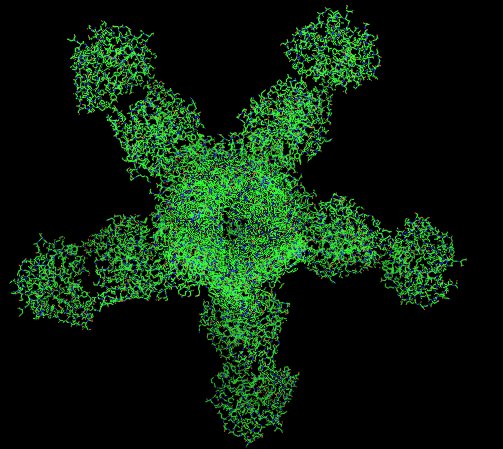
fontes oficiaisLigand-gated anion channel that allows the movement of anions across cell membranes when activated by calcium (Ca2+) (PubMed:11904445, PubMed:12907679, PubMed:18179881, PubMed:18400985, PubMed:19853238, PubMed:21330666, PubMed:26200502, PubMed:26720466, PubMed:35789156). Allows the movement of chloride and hydrogencarbonate (PubMed:11904445, PubMed:12907679, PubMed:18179881, PubMed:18400985, PubMed:19853238, PubMed:21330666, PubMed:26200502, PubMed:26720466, PubMed:35789156). Found in a partiall
Cell membraneBasolateral cell membrane
Macular dystrophy, vitelliform, 2
An autosomal dominant form of macular degeneration that usually begins in childhood or adolescence. VMD2 is characterized by typical 'egg-yolk' macular lesions due to abnormal accumulation of lipofuscin within and beneath the retinal pigment epithelium cells. Progression of the disease leads to destruction of the retinal pigment epithelium and vision loss.
Variantes genéticas (ClinVar)
455 variantes patogênicas registradas no ClinVar.
Classificação de variantes (ClinVar)
Distribuição de 66 variantes classificadas pelo ClinVar.
Vias biológicas (Reactome)
1 via biológica associada aos genes desta condição.
Diagnóstico
Os sinais que médicos procuram e os exames que confirmam
Tratamento e manejo
Remédios, cuidados de apoio e o que precisa acompanhar
Onde tratar no SUS
Hospitais de referência no Brasil e o protocolo oficial do SUS (PCDT)
🇧🇷 Atendimento SUS — Bestrofinopatia autossômica recessiva
Selecione um estado ou use sua localização para ver resultados.
Dados de DATASUS/CNES, SBGM, ABNeuro e Ministério da Saúde. Sempre confirme a disponibilidade diretamente com o estabelecimento.
Pesquisa ativa
Ensaios clínicos abertos e novidades científicas recentes
🟢 Recrutando agora
1 pesquisa recrutando participantes. Converse com seu médico sobre a possibilidade de participar.
Outros ensaios clínicos
Publicações mais relevantes
Review of the clinical electrooculogram - Part 2: the bestrophinopathies and modified protocols.
The light-rise of the electro-oculogram (EOG) is used as a clinical marker for a collection of disorders known as the 'bestrophinopathies.' This review provides an overview of these conditions including Best Vitelliform Macular Dystrophy (BVMD, Autosomal Recessive Bestrophinopathy (ARB), Adult Onset Vitelliform Macular Dystrophy (AVMD) and Autosomal Dominant Vitreoretinalchoriodopathy (ADVIRC) and potential future therapies. One drawback of the EOG is the time to administer the test and shortened protocols that have been developed to improve the clinical testing of the EOG which include incorporating measures during recordings of the ERG or shortening the period of dark and light adaptation. The companion paper summarizes the cellular mechanism of the EOG, and this review is focused on the clinical applications of the EOG.
Clinical and genetic characterization of BEST1-associated retinal dystrophies in the Norwegian population.
BEST1 variants are the third leading cause of inherited retinal dystrophies in Norway. The purpose of this study was to describe the BEST1-associated retinal dystrophy (BEST1-RD) population genetically and clinically, and to determine the prevalence of BEST1-RD in Southern and Eastern Norway. This registry-based study used the Oslo University Hospital Inherited Retinal Disease registry for genetic data and extracted clinical data from medical records. Sixty patients were included. The prevalence of BEST1-RD in Southern and Eastern Norway was between 1:64 600 and 1:43 700. Forty-one patients were diagnosed with Best's vitelliform macular dystrophy (BVMD), 15 with autosomal recessive bestrophinopathy (ARB) and 4 with autosomal dominant vitreoretinochoroidopathy (ADVIRC). The two most common genotypes were c.403G>A and c.89A>G. These variants were associated with BVMD and a later age of onset compared with other BVMD-associated genotypes. The prevalence of BEST1-RD in Southern and Eastern Norway was between 1:64 600 and 1:43 700. BVMD patients carrying c.403G>A or c.89A>G had a later age of onset than BVMD patients carrying other variants.
Autosomal Recessive Bestrophinopathy-Phenotypic Variability, Natural History, and Genotype-Phenotype Correlations.
To describe the clinical characteristics, natural history, and genotype-phenotype correlations of autosomal recessive bestrophinopathy (ARB). Retrospective cohort study including data collected for clinical practice. Thirty-four consecutive patients (68 eyes) affected by ARB who had a molecularly confirmed diagnosis followed at a single referral center for inherited retinal diseases (REFERET, Quinze-Vingts Hospital, Paris, France). We collected data from medical records, including genetic data, ophthalmologic history, clinical examinations, retinal imaging, and full-field electroretinograms (ERG). Disease severity graded on short-wavelength autofluorescence (SW-AF), and the presence of primary angle closure (PAC) was evaluated as candidate risk factors for clinical outcomes. Longitudinal outcome analysis was performed using mixed-effects linear modeling and Kaplan-Meier survival curves. ERG amplitudes; best-corrected visual acuity and degree of visual impairment according to World Health Organization criteria; central subfield thickness measured on optical coherence tomography. The median age at baseline was 32 years (interquartile range, 18.3-46.9), and 29% (10/34) of patients had PAC. On SW-AF, 21% (7/34) had isolated macular lesions (grade 1), 44% (15/34) had multifocal lesions or diffuse alterations at the posterior pole with zonal sparing (grade 2), and 35% (12/34) had panretinal alterations (grade 3). Marked attenuation of ERG amplitudes was found only in patients with grade 3 disease. Of 32 unique BEST1 variants, 11 (34%) were novel, and the p.(Thr363Pro) occurred only in grade 1 disease. The median age at onset of severe visual impairment was lower in patients with PAC (47 years) compared with those without (68 years; P = .01), whereas no such association was observed with SW-AF grade. No significant linear annual change in best-corrected visual acuity could be demonstrated over a median follow-up of 3 years. ARB encompasses a wide phenotypic spectrum, ranging from mild, isolated macular involvement to severe panretinal degeneration with abnormal ERG. However, the risk of visual impairment appears to be driven primarily by the presence of PAC rather than by the severity of fundus lesions, representing an important confounding factor for future clinical trials. The very slow rate of visual acuity decline further underscores the need for more sensitive functional outcome measures in bestrophinopathies.
Vitelliform lesions and choroidal changes in chorioretinal disorders: pathophysiological insights and clinical implications.
This narrative review aims to explore the correlation between choroidal thickness (CT), broader choroidal changes, and the development and progression of vitelliform lesions, with a focus on their potential modulatory role-whether primary or secondary- through mechanisms involving choriocapillaris (CC) and retinal pigment epithelium (RPE) dysfunction. CT was found to be significantly increased in various vitelliform maculopathies, including adult-onset foveomacular vitelliform dystrophy (AOFVD), Best disease, autosomal recessive bestrophinopathy, age-related macular degeneration (AMD), and pachychoroid disease spectrum (PDS) disorders. Notably, increased subfoveal CT was associated with the presence and progression of subretinal hyperreflective material and subretinal fluid in AOFVD and Best disease. In PDS disorders, choroidal thickening, pachyvessels, and choroidal vascular hyperpermeability were identified as key contributors to RPE dysfunction and vitelliform lesion formation. Conversely, leptovitelliform maculopathy was characterised by thinner choroid in association with reticular pseudodrusen or subretinal drusenoid deposits. An important feature is CC dysfunction, which is often associated with pachyvessels, even in the absence of a clear pachychoroid-related phenotype or choroidal thickening. These findings underscore the importance of CT evaluation in clinical practice and highlight the need for further research to elucidate the complex relationship between CT and vitelliform maculopathies.
A novel founder variant in BEST1 gene causing autosomal recessive bestrophinopathy.
Autosomal recessive bestrophinopathy (ARB) is a rare retinal dystrophy caused by homozygous or compound heterozygous null variants in the BEST1 gene. Clinically, ARB presents with variable features including central visual impairment, global photoreceptor dysfunction (as indicated by abnormal full-field ERG), and a significantly reduced electro-oculogram (EOG) light rise, a hallmark of bestrophinopathy. Fundus examination reveals widespread retinal pigment epithelial (RPE) disturbance, vitelliform deposits in the posterior pole (more clearly visualized with fundus autofluorescence), and macular fluid accumulation. Angle-closure glaucoma, secondary to anterior chamber dysgenesis, is a potential complication. This work aims at documenting the founder effect of a novel variant in the BEST1 gene causing autosomal recessive bestrophinopathy and determining its variable clinical features. Twelve members of nine unrelated, consanguineous Egyptian families with a history of impaired central vision underwent comprehensive ophthalmological examination, fundus color photography, fundus autofluorescence (FAF), spectral-domain optical coherence tomography (SD-OCT) of the macula, and electrophysiological studies. Variant screening of coding exons of the BEST1 gene and some flanking regions was performed using the Sanger sequencing technique. The pathogenicity of the variants was tested using different in silico functional analysis tools. The clinical examination and investigations confirmed the ARB phenotype. All twelve patients exhibited (c.365 G > C, p. Arg122Pro) a novel BEST1 gene variant in a homozygous form. On top of the classical retinal phenotype of ARB, some patients had other ocular associations: four patients were found to have angle-closure glaucoma, one patient had associated corneal dystrophy, one developed a macular hole, and one patient developed uveitis. The identification of the same, novel homozygous BEST1 missense variant in twelve patients from nine unrelated, consanguineous families of Egyptian origin, suggests a founder effect. Angle-closure glaucoma was the most commonly associated ocular abnormality (30%). Our finding expands the molecular spectrum of ARB-associated variants, and identification of this founder variant can simplify genetic testing in the presence of limited resources and lead to better counseling.
Publicações recentes
Central retinal vein occlusion in BEST1-related angle-closure glaucoma in autosomal recessive bestrophinopathy: a case report.
Ultra-Widefield Examination of the Peripheral Retina in BEST1 -related retinopathy.
Characterization of ARB in twins: in-trans frameshift and deep intronic BEST1 variants.
Review of the clinical electrooculogram - Part 2: the bestrophinopathies and modified protocols.
Clinical and genetic characterization of BEST1-associated retinal dystrophies in the Norwegian population.
📚 EuropePMC86 artigos no totalmostrando 104
Review of the clinical electrooculogram - Part 2: the bestrophinopathies and modified protocols.
Documenta ophthalmologica. Advances in ophthalmologyClinical and genetic characterization of BEST1-associated retinal dystrophies in the Norwegian population.
Acta ophthalmologicaAutosomal Recessive Bestrophinopathy-Phenotypic Variability, Natural History, and Genotype-Phenotype Correlations.
American journal of ophthalmologySurgical treatment of autosomal recessive bestrophinopathy with angle-closure glaucoma: vitreous liquefaction as the key to correcting postoperative malignant glaucoma-three case reports.
Frontiers in medicineVitelliform lesions and choroidal changes in chorioretinal disorders: pathophysiological insights and clinical implications.
Eye (London, England)Anti-vascular endothelial growth factor therapies in ophthalmology.
Medical hypothesis, discovery & innovation ophthalmology journalMicropulse transscleral cyclophotocoagulation in the treatment of autosomal recessive bestrophinopathy combined with angle closure glaucoma: a case report.
Frontiers in medicineBest Vitelliform Macular Dystrophy.
Advances in experimental medicine and biologyClinical and Genetic Features of Autosomal Recessive Bestrophinopathy: A Case Series from a Vietnamese Cohort.
BiomedicinesA unique genotype-phenotype relationship between a novel BEST1 mutation and a case of severe autosomal recessive bestrophinopathy.
Canadian journal of ophthalmology. Journal canadien d'ophtalmologieA novel founder variant in BEST1 gene causing autosomal recessive bestrophinopathy.
Orphanet journal of rare diseasesSubthreshold micropulse laser treatment for autosomal recessive bestrophinopathy complicated by macular neovascularization.
European journal of ophthalmologyMACULAR HOLE ASSOCIATED RETINAL DETACHMENT IN PRESUMED AUTOSOMAL RECESSIVE BESTROPHINOPATHY: A RETROSPECTIVE OBSERVATIONAL SERIES OF TWO CASES.
Retinal cases & brief reportsBEST1 associated bestrophinopathies with angle closure and post-surgical malignant glaucoma.
Ophthalmic geneticsPerfection in Imperfection: A Case of Autosomal Recessive Bestrophinopathy.
Ophthalmic surgery, lasers & imaging retinaClinical and genetic features in autosomal recessive bestrophinopathy in Chinese cohort.
BMC ophthalmologyMultimodal imaging analysis of autosomal recessive bestrophinopathy: Case series.
MedicineDetection of Novel BEST1 Variations in Autosomal Recessive Bestrophinopathy Using Third-generation Sequencing.
Current medical scienceMultimodal imaging and genetic characteristics of autosomal recessive bestrophinopathy.
Journal francais d'ophtalmologiePrevalence of inherited retinal diseases in a large Egyptian cohort.
BMC ophthalmologyComprehensive Genetic Analysis Unraveled the Missing Heritability and a Founder Variant of BEST1 in a Chinese Cohort With Autosomal Recessive Bestrophinopathy.
Investigative ophthalmology & visual scienceThe Retinal Phenotype Associated with the p.Pro101Thr BEST1 Variant.
Ophthalmology. RetinaMacular neovascularization in inherited retinal diseases: A review.
Survey of ophthalmology[A case report of autosomal recessive bestrophinopathy].
[Zhonghua yan ke za zhi] Chinese journal of ophthalmologyNon-vasogenic cystoid maculopathy in autosomal recessive bestrophinopathy: novel insights from NIR-FAF and OCTA imaging.
Ophthalmic geneticsAutosomal recessive bestrophinopathy combined with neurofibromatosis type 1 in a patient.
BMC ophthalmologyParadoxical autosomal recessive bestrophinopathy-like phenotypes shown in an autosomal dominant pedigree.
European journal of ophthalmologyAutosomal Recessive Bestrophinopathy Presenting With a Macular Hole Retinal Detachment.
Journal of vitreoretinal diseasesTypical best vitelliform dystrophy secondary to biallelic variants in BEST1.
Ophthalmic geneticsANATOMICAL AND FUNCTIONAL OUTCOMES OF BEVACIZUMAB TREATMENT IN PEDIATRIC AUTOSOMAL RECESSIVE BESTROPHINOPATHY.
Retinal cases & brief reportsElaborate Evaluation of Farnsworth Dichotomous D-15 Panel Test Can Help Differentiate between Best Vitelliform Macular Dystrophy and Autosomal Recessive Bestrophinopathy.
Ophthalmic researchA novel compound heterozygous BEST1 gene mutation in two siblings causing autosomal recessive bestrophinopathy.
BMC ophthalmologyCase report: Autosomal recessive bestrophinopathy with macular cysts and MNV over 13-year follow-up.
Frontiers in geneticsPhotoreceptor function and structure in retinal degenerations caused by biallelic BEST1 mutations.
Vision researchCombination of Trabeculectomy and Primary Pars Plana Vitrectomy in the Successful Treatment of Angle-Closure Glaucoma with BEST1 Mutations: Self-Controlled Case Series.
Ophthalmology and therapyMicrostructural changes of photoreceptor layers detected by ultrahigh-resolution SD-OCT in patients with autosomal recessive bestrophinopathy.
American journal of ophthalmology case reportsAutosomal recessive bestrophinopathy associated with compound heterozygous variants in the BEST1 gene.
Ophthalmic geneticsGenetic and clinical features of BEST1-associated retinopathy based on 59 Chinese families and database comparisons.
Experimental eye researchClinical Features and Genetic Findings of Autosomal Recessive Bestrophinopathy.
GenesAngle-closure glaucoma associated with autosomal recessive bestrophinopathy.
Indian journal of ophthalmologyClinical and visual electrophysiological characteristics of vitelliform macular dystrophies in the first decade of life.
Indian journal of ophthalmologyBranch retina vein occlusion combined with angle-closure glaucoma is associated with a mutation in BEST1: a case report.
BMC ophthalmologyA novel variant of autosomal recessive best vitelliform macular dystrophy and management of early-onset complications.
Saudi journal of ophthalmology : official journal of the Saudi Ophthalmological SocietyHeterozygote MTHFR A1298C mutation in a case of autosomal recessive bestrophinopathy with branch retinal vein occlusion.
Ophthalmic geneticsTwelve-year follow up of a case of autosomal recessive bestrophinopathy with transient resolution of retinal edema in one eye.
European journal of ophthalmology[Clinical features of young inpatients with angle-closure glaucoma].
[Zhonghua yan ke za zhi] Chinese journal of ophthalmologyClinical reassessments and whole-exome sequencing uncover novel BEST1 mutation associated with bestrophinopathy phenotype.
Ophthalmic geneticsClinical findings in eyes with BEST1-related retinopathy complicated by choroidal neovascularization.
Graefe's archive for clinical and experimental ophthalmology = Albrecht von Graefes Archiv fur klinische und experimentelle OphthalmologieDisease expression caused by different variants in the BEST1 gene: genotype and phenotype findings in bestrophinopathies.
Acta ophthalmologicaPhenotypic and Genetic Spectrum of Autosomal Recessive Bestrophinopathy and Best Vitelliform Macular Dystrophy.
Investigative ophthalmology & visual scienceAutosomal Recessive Bestrophinopathy: Clinical and Genetic Characteristics of Twenty-Four Cases.
Journal of ophthalmologyNovel BEST1 mutations and clinical characteristics of autosomal recessive bestrophinopathy in a Spanish patient.
European journal of ophthalmologyNovel BEST1 mutation in autosomal recessive bestrophinopathy in Japanese siblings.
Taiwan journal of ophthalmologyMacular Hole-Associated Retinal Detachment in Autosomal Recessive Bestrophinopathy.
Ophthalmology. RetinaClinical Heterogeneity in Autosomal Recessive Bestrophinopathy with Biallelic Mutations in the BEST1 Gene.
International journal of molecular sciencesMACULAR HOLE-RELATED RETINAL DETACHMENT COMPLICATING AUTOSOMAL RECESSIVE BESTROPHINOPATHY: CLINICAL FEATURES, MULTIMODAL IMAGING, AND SURGICAL OUTCOME.
Retinal cases & brief reportsAutosomal Recessive Bestrophinopathy: Clinical Features, Natural History, and Genetic Findings in Preparation for Clinical Trials.
OphthalmologyInduced Pluripotent Stem Cell Modeling of Best Disease and Autosomal Recessive Bestrophinopathy.
Yonsei medical journalPathogenic role of the vitreous in angle-closure glaucoma with autosomal recessive bestrophinopathy: a case report.
BMC ophthalmologyDisease-causing mutations associated with bestrophinopathies promote apoptosis in retinal pigment epithelium cells.
Graefe's archive for clinical and experimental ophthalmology = Albrecht von Graefes Archiv fur klinische und experimentelle OphthalmologieAutosomal recessive bestrophinopathy with macular hole.
Indian journal of ophthalmologyThe Clinical Features and Genetic Spectrum of a Large Cohort of Chinese Patients With Vitelliform Macular Dystrophies.
American journal of ophthalmologyAssociation of Clinical and Genetic Heterogeneity With BEST1 Sequence Variations.
JAMA ophthalmologyPeripapillary Sparing in Autosomal Recessive Bestrophinopathy.
Ophthalmology. Retina[Mutation-Dependent Mechanisms and Their Impact on Targeted Therapeutic Strategies with Reference to Bestrophin 1 and the Bestrophinopathies].
Klinische Monatsblatter fur AugenheilkundeMutation-Dependent Pathomechanisms Determine the Phenotype in the Bestrophinopathies.
International journal of molecular sciencesFamilial autosomal recessive bestrophinopathy: identification of a novel variant in BEST1 gene and the specific metabolomic profile.
BMC medical geneticsVisual Acuity and Foveal Structure in Eyes with Fragmented Foveal Avascular Zones.
Ophthalmology. RetinaDiffuse Outer Layer Opacification: A Novel Finding in Patients With Autosomal Recessive Bestrophinopathy.
Asia-Pacific journal of ophthalmology (Philadelphia, Pa.)Clinical and Genetic Findings of Autosomal Recessive Bestrophinopathy (ARB).
GenesBilateral Choroidal Neovascularization and Chorioretinal Anastomosis in Autosomal Recessive Bestrophinopathy.
Journal of vitreoretinal diseasesNeovascularized Best Disease in Child: Contribution of Optical Coherence Tomography Angiography.
Ophthalmic surgery, lasers & imaging retinaMutation spectrum of the bestrophin-1 gene in a large Chinese cohort with bestrophinopathy.
The British journal of ophthalmologyNovel BEST1 gene mutations associated with two different forms of macular dystrophy in Tunisian families.
Clinical & experimental ophthalmologyNovel Missense Mutations in BEST1 Are Associated with Bestrophinopathies in Lebanese Patients.
GenesNovel BEST1 mutations and special clinical characteristics of autosomal recessive bestrophinopathy in Chinese patients.
Acta ophthalmologicaClinical and Mutation Analysis of Patients with Best Vitelliform Macular Dystrophy or Autosomal Recessive Bestrophinopathy in Chinese Population.
BioMed research internationalClinical Course of Autosomal Recessive Bestrophinopathy Complicated by Choroidal Neovascularization.
Ophthalmic surgery, lasers & imaging retinaCHANGES OF CONE PHOTORECEPTOR MOSAIC IN AUTOSOMAL RECESSIVE BESTROPHINOPATHY.
Retina (Philadelphia, Pa.)Next generation sequencing identifies novel disease-associated BEST1 mutations in Bestrophinopathy patients.
Scientific reports[Analysis on the clinical and retinal imaging characteristics of autosomal recessive bestrophinopathy].
[Zhonghua yan ke za zhi] Chinese journal of ophthalmologyBEST1 protein stability and degradation pathways differ between autosomal dominant Best disease and autosomal recessive bestrophinopathy accounting for the distinct retinal phenotypes.
Human molecular geneticsMutant Best1 Expression and Impaired Phagocytosis in an iPSC Model of Autosomal Recessive Bestrophinopathy.
Scientific reportsAUTOSOMAL RECESSIVE BESTROPHINOPATHY: MULTIMODAL IMAGING UPDATE.
Retinal cases & brief reportsIMAGING OF VITELLIFORM MACULAR LESIONS USING POLARIZATION-SENSITIVE OPTICAL COHERENCE TOMOGRAPHY.
Retina (Philadelphia, Pa.)Idiopathic Acute Exudative Polymorphous Vitelliform Maculopathy: Clinical Spectrum and Multimodal Imaging Characteristics.
OphthalmologyAdult-Onset Vitelliform Macular Dystrophy caused by BEST1 p.Ile38Ser Mutation is a Mild Form of Best Vitelliform Macular Dystrophy.
Scientific reportsScreening of BEST1 Gene in a Chinese Cohort With Best Vitelliform Macular Dystrophy or Autosomal Recessive Bestrophinopathy.
Investigative ophthalmology & visual scienceNORMAL ELECTROOCULOGRAPHY IN BEST DISEASE AND AUTOSOMAL RECESSIVE BESTROPHINOPATHY.
Retina (Philadelphia, Pa.)Ten-Year Follow-Up after Bilateral Submacular Neovascular Membrane Removal in a Case of Autosomal Recessive Bestrophinopathy.
Case reports in ophthalmologyA unique case series of autosomal recessive bestrophinopathy exhibiting multigenerational inheritance.
Ophthalmic genetics[Multimodal Approaches for the Analysis of Retinal Functional Disorders―Focusing on Retinal Detachment].
Nippon Ganka Gakkai zasshiBestrophin 1 and retinal disease.
Progress in retinal and eye researchFlat Anterior Chamber after Trabeculectomy in Secondary Angle-Closure Glaucoma with BEST1 Gene Mutation: Case Series.
PloS oneFUNCTIONAL AND ANATOMICAL OUTCOMES OF CHOROIDAL NEOVASCULARIZATION COMPLICATING BEST1-RELATED RETINOPATHY.
Retina (Philadelphia, Pa.)Restoration of mutant bestrophin-1 expression, localisation and function in a polarised epithelial cell model.
Disease models & mechanisms[Extensive yellowish fundus changes in a 6-year-old child].
Der Ophthalmologe : Zeitschrift der Deutschen Ophthalmologischen GesellschaftClinical and Genetic Findings of Autosomal Recessive Bestrophinopathy in Japanese Cohort.
American journal of ophthalmologyDetailed analysis of family with autosomal recessive bestrophinopathy associated with new BEST1 mutation.
Documenta ophthalmologica. Advances in ophthalmologyRetinitis pigmentosa associated with a mutation in BEST1.
American journal of ophthalmology case reportsA Novel BEST1 Mutation in Autosomal Recessive Bestrophinopathy.
Investigative ophthalmology & visual scienceBESTROPHINOPATHY: A Spectrum of Ocular Abnormalities Caused by the c.614T>C Mutation in the BEST1 Gene.
Retina (Philadelphia, Pa.)Biallelic Mutations in the BEST1 Gene: Additional Families with Autosomal Recessive Bestrophinopathy.
Ophthalmic geneticsAutosomal Recessive Bestrophinopathy Is Not Associated With the Loss of Bestrophin-1 Anion Channel Function in a Patient With a Novel BEST1 Mutation.
Investigative ophthalmology & visual scienceAssociações
Organizações que acompanham esta doença — pra ter apoio e orientação
Ainda não temos associações cadastradas para Bestrofinopatia autossômica recessiva.
É de uma associação que acompanha esta doença? Fale com a gente →
Comunidades
Grupos ativos de quem convive com esta doença aqui no Raras
Ainda não existe comunidade no Raras para Bestrofinopatia autossômica recessiva
Pacientes, familiares e cuidadores se organizam em comunidades pra compartilhar experiências, fazer perguntas e se apoiar. Você pode ser o primeiro.
Tire suas dúvidas
Perguntas, dicas e experiências compartilhadas aqui na página
Participe da discussão
Faça login para postar dúvidas, compartilhar experiências e interagir com especialistas.
Fazer loginDoenças relacionadas
Doenças com sintomas parecidos — ajudam quem ainda está buscando diagnóstico
Referências e fontes
Bases de dados externas citadas neste artigo
Publicações científicas
Artigos indexados no PubMed ligados a esta doença no grafo RarasNet — título, periódico e PMID direto da fonte, sem intermediação de IA.
- Review of the clinical electrooculogram - Part 2: the bestrophinopathies and modified protocols.
- Clinical and genetic characterization of BEST1-associated retinal dystrophies in the Norwegian population.
- Autosomal Recessive Bestrophinopathy-Phenotypic Variability, Natural History, and Genotype-Phenotype Correlations.
- Vitelliform lesions and choroidal changes in chorioretinal disorders: pathophysiological insights and clinical implications.
- A novel founder variant in BEST1 gene causing autosomal recessive bestrophinopathy.
- Central retinal vein occlusion in BEST1-related angle-closure glaucoma in autosomal recessive bestrophinopathy: a case report.
- Ultra-Widefield Examination of the Peripheral Retina in BEST1 -related retinopathy.
- Characterization of ARB in twins: in-trans frameshift and deep intronic BEST1 variants.
Bases de dados e fontes oficiais
Identificadores e referências canônicas usadas para montar este verbete.
- ORPHA:139455(Orphanet)
- OMIM OMIM:611809(OMIM)
- MONDO:0012733(MONDO)
- GARD:10301(GARD (NIH))
- Variantes catalogadas(ClinVar)
- Busca completa no PubMed(PubMed)
- Q18553385(Wikidata)
Dados compilados pelo RarasNet a partir de fontes abertas (Orphanet, OMIM, MONDO, PubMed/EuropePMC, ClinicalTrials.gov, DATASUS, PCDT/MS). Este conteúdo é informativo e não substitui avaliação médica.
Conteúdo mantido por Agente Raras · Médicos e pesquisadores podem colaborar
Bestrofinopatia autossômica recessiva
📋 Origem dos dados
Esta página agrega dados de fontes públicas e oficiais. Dados sobre cobertura no SUS (PCDT, CEAF) são verificados ativamente por agente proativo (ver badge no infobox). Demais dados têm atribuição de fonte + data da última sincronização — clique para abrir o original.
- Doença rara (ontologia)
- fonte: Orphanet
- Identificador unificado
- fonte: MONDO
- Genética mendeliana
- fonte: OMIM
- Codificação WHO/SUS
- fonte: WHO ICD-10 / DATASUS
- CID-11 (futuro)
- fonte: WHO ICD-11
- NIH/GARD
- fonte: GARD (NIH)
- Indexação biomédica
- fonte: MeSH (NLM)
- Dado público estruturado
- fonte: Wikidata
- Ensaios clínicos
- fonte: ClinicalTrials.gov