
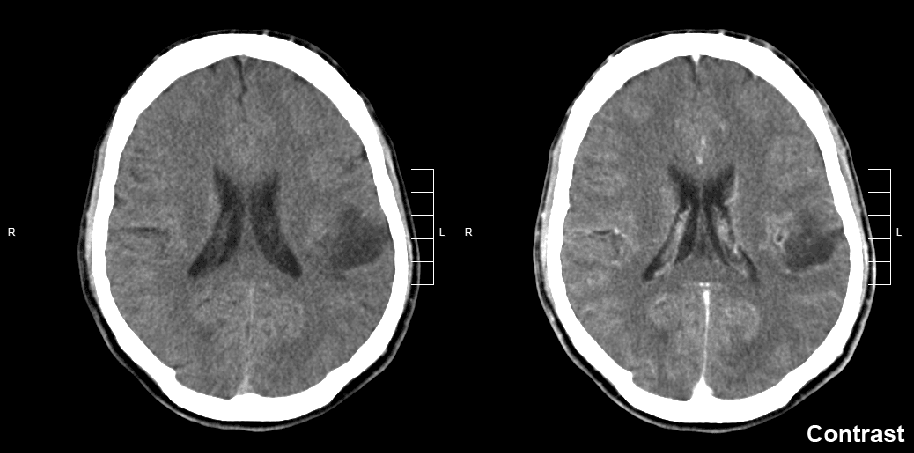
É um tipo de tumor, benigno (não canceroso) ou maligno (canceroso), que pode surgir no cérebro ou na medula espinhal. Ele se desenvolve a partir das células gliais, que são células de suporte presentes no sistema nervoso. Os tumores que se originam dos astrócitos são chamados de tumores astrocíticos ou astrocitomas. Aqueles que surgem dos oligodendrócitos são conhecidos como tumores oligodendrogliais. Já os tumores que se desenvolvem a partir das células ependimárias são chamados de ependimomas.
Introdução
O que você precisa saber de cara
É um tipo de tumor, benigno (não canceroso) ou maligno (canceroso), que pode surgir no cérebro ou na medula espinhal. Ele se desenvolve a partir das células gliais, que são células de suporte presentes no sistema nervoso. Os tumores que se originam dos astrócitos são chamados de tumores astrocíticos ou astrocitomas. Aqueles que surgem dos oligodendrócitos são conhecidos como tumores oligodendrogliais. Já os tumores que se desenvolvem a partir das células ependimárias são chamados de ependimomas.
Escala de raridade
<1/50kMuito rara
1/20kRara
1/10kPouco freq.
1/5kIncomum
1/2k
Encontrou um erro ou informação desatualizada? Sugira uma correção →
Entender a doença
Do básico ao detalhe, leia no seu ritmo
Preparando trilha educativa...
Sinais e sintomas
O que aparece no corpo e com que frequência cada sintoma acontece
Partes do corpo afetadas
+ 66 sintomas em outras categorias
Características mais comuns
Os sintomas variam de pessoa para pessoa. Abaixo estão as 137 características clínicas mais associadas, ordenadas por frequência.
Linha do tempo da pesquisa
Encontrou um erro ou informação desatualizada? Sugira uma correção →
Genética e causas
O que está alterado no DNA e como passa nas famílias
Genes associados
30 genes identificados com associação a esta condição.
Plays a role in intermediary metabolism and energy production (PubMed:19228619, PubMed:22416140). It may tightly associate or interact with the pyruvate dehydrogenase complex (PubMed:19228619, PubMed:22416140)
Mitochondrion
D-2-hydroxyglutaric aciduria 2
A neurometabolic disorder causing developmental delay, epilepsy, hypotonia, and dysmorphic features. Both a mild and a severe phenotype exist. The severe phenotype is homogeneous and is characterized by early infantile-onset epileptic encephalopathy and cardiomyopathy. The mild phenotype has a more variable clinical presentation. Diagnosis is based on the presence of an excess of D-2-hydroxyglutaric acid in the urine.
Receptor tyrosine kinase (RTK) that plays a role in epithelial cell differentiation and regionalization of the proximal epididymal epithelium. NELL2 is an endogenous ligand for ROS1. Upon endogenous stimulation by NELL2, ROS1 activates the intracellular signaling pathway and triggers epididymal epithelial differentiation and subsequent sperm maturation (By similarity). May activate several downstream signaling pathways related to cell differentiation, proliferation, growth and survival including
Cell membrane
Catalyzes the NADP(+)-dependent oxidative decarboxylation of isocitrate (D-threo-isocitrate) to 2-ketoglutarate (2-oxoglutarate), which is required by other enzymes such as the phytanoyl-CoA dioxygenase (PubMed:10521434, PubMed:19935646). Plays a critical role in the generation of NADPH, an important cofactor in many biosynthesis pathways (PubMed:10521434). May act as a corneal epithelial crystallin and may be involved in maintaining corneal epithelial transparency (By similarity)
Cytoplasm, cytosolPeroxisome
Glioma
Gliomas are benign or malignant central nervous system neoplasms derived from glial cells. They comprise astrocytomas and glioblastoma multiforme that are derived from astrocytes, oligodendrogliomas derived from oligodendrocytes and ependymomas derived from ependymocytes.
NF-kappa-B is a pleiotropic transcription factor present in almost all cell types and is the endpoint of a series of signal transduction events that are initiated by a vast array of stimuli related to many biological processes such as inflammation, immunity, differentiation, cell growth, tumorigenesis and apoptosis. NF-kappa-B is a homo- or heterodimeric complex formed by the Rel-like domain-containing proteins RELA/p65, RELB, NFKB1/p105, NFKB1/p50, REL and NFKB2/p52. The heterodimeric RELA-NFKB
NucleusCytoplasm
Multifunctional transcription factor that induces cell cycle arrest, DNA repair or apoptosis upon binding to its target DNA sequence (PubMed:11025664, PubMed:12524540, PubMed:12810724, PubMed:15186775, PubMed:15340061, PubMed:17317671, PubMed:17349958, PubMed:19556538, PubMed:20673990, PubMed:20959462, PubMed:22726440, PubMed:24051492, PubMed:24652652, PubMed:35618207, PubMed:36634798, PubMed:38653238, PubMed:9840937). Acts as a tumor suppressor in many tumor types; induces growth arrest or apop
CytoplasmNucleusNucleus, PML bodyEndoplasmic reticulumMitochondrion matrixCytoplasm, cytoskeleton, microtubule organizing center, centrosome
Involved in transcription regulation induced by nuclear receptors, including in T3 thyroid hormone and all-trans retinoic acid pathways (PubMed:20078863). Might promote the nuclear localization of the receptors (PubMed:20078863). Likely involved in the processes that promote cell division prior to the formation of differentiated tissues
CytoplasmNucleusCytoplasm, cytoskeleton, microtubule organizing center, centrosomeMidbodyMembrane
Probable regulator of the Hippo/SWH (Sav/Wts/Hpo) signaling pathway, a signaling pathway that plays a pivotal role in tumor suppression by restricting proliferation and promoting apoptosis. Along with WWC1 can synergistically induce the phosphorylation of LATS1 and LATS2 and can probably function in the regulation of the Hippo/SWH (Sav/Wts/Hpo) signaling pathway. May act as a membrane stabilizing protein. May inhibit PI3 kinase by binding to AGAP2 and impairing its stimulating activity. Suppress
Cell projection, filopodium membraneCell projection, ruffle membraneNucleusCytoplasm, perinuclear regionCytoplasmic granuleCytoplasm, cytoskeleton
Schwannomatosis, vestibular
An autosomal dominant neoplasia syndrome characterized by the development of multiple benign nerve sheath tumors called schwannomas, particularly affecting the vestibular nerve. Affected individuals usually present with bilateral vestibular schwannomas but can have schwannomas on other cranial, spinal, and peripheral/cutaneous nerves. Meningiomas are common, whereas 20 to 35% of affected individuals develop intramedullary spinal cord tumors called ependymomas. The condition is also characterized by several ophthalmic features such as lenticular opacities, retinal hamartoma, epiretinal membranes.
Receptor tyrosine kinase binding ligands of the EGF family and activating several signaling cascades to convert extracellular cues into appropriate cellular responses (PubMed:10805725, PubMed:27153536, PubMed:2790960, PubMed:35538033). Known ligands include EGF, TGFA/TGF-alpha, AREG, epigen/EPGN, BTC/betacellulin, epiregulin/EREG and HBEGF/heparin-binding EGF (PubMed:12297049, PubMed:15611079, PubMed:17909029, PubMed:20837704, PubMed:27153536, PubMed:2790960, PubMed:7679104, PubMed:8144591, PubM
Cell membraneEndoplasmic reticulum membraneGolgi apparatus membraneNucleus membraneEndosomeEndosome membraneNucleusSecreted
Lung cancer
A common malignancy affecting tissues of the lung. The most common form of lung cancer is non-small cell lung cancer (NSCLC) that can be divided into 3 major histologic subtypes: squamous cell carcinoma, adenocarcinoma, and large cell lung cancer. NSCLC is often diagnosed at an advanced stage and has a poor prognosis.
Ligand-activated transcription factor that forms obligate heterodimers with the retinoic acid receptor and acts as a key regulator of biological processes, such as adipocyte differentiation, lipid metabolism, glucose homeostasis and beta-oxidation of fatty acids (PubMed:16150867, PubMed:20829347, PubMed:23525231, PubMed:8702406, PubMed:8706692, PubMed:9065481). Activated by lipid ligands: binds peroxisome proliferators, such as hypolipidemic drugs, and fatty acids, such as prostaglandin J2 metab
NucleusCytoplasm
Plays a role in the microtubule-dependent coupling of the nucleus and the centrosome. Involved in the processes that regulate centrosome-mediated interkinetic nuclear migration (INM) of neural progenitors (By similarity). Acts as a component of the TACC3/ch-TOG/clathrin complex proposed to contribute to stabilization of kinetochore fibers of the mitotic spindle by acting as inter-microtubule bridge. The TACC3/ch-TOG/clathrin complex is required for the maintenance of kinetochore fiber tension (P
CytoplasmCytoplasm, cytoskeleton, microtubule organizing center, centrosomeCytoplasm, cytoskeleton, spindleCytoplasm, cytoskeleton, spindle pole
Inhibits the activity of dimeric NF-kappa-B/REL complexes by trapping REL (RELA/p65 and NFKB1/p50) dimers in the cytoplasm by masking their nuclear localization signals (PubMed:1493333, PubMed:36651806, PubMed:7479976). On cellular stimulation by immune and pro-inflammatory responses, becomes phosphorylated promoting ubiquitination and degradation, enabling the dimeric RELA to translocate to the nucleus and activate transcription (PubMed:7479976, PubMed:7628694, PubMed:7796813, PubMed:7878466)
CytoplasmNucleus
Ectodermal dysplasia and immunodeficiency 2
A form of ectoderma dysplasia, a heterogeneous group of disorders due to abnormal development of two or more ectodermal structures. This form of ectodermal dysplasia is associated with decreased production of pro-inflammatory cytokines and certain interferons, rendering patients susceptible to infection. EDAID2 inheritance is autosomal dominant.
Substrate-specific adapter of a BCR (BTB-CUL3-RBX1) E3 ubiquitin-protein ligase complex that mediates ubiquitination of Ras (K-Ras/KRAS, N-Ras/NRAS and H-Ras/HRAS) (PubMed:30442762, PubMed:30442766, PubMed:30481304). Is a negative regulator of RAS-MAPK signaling that acts by controlling Ras levels and decreasing Ras association with membranes (PubMed:30442762, PubMed:30442766, PubMed:30481304)
Endomembrane systemRecycling endosomeGolgi apparatus
Glioma
Gliomas are benign or malignant central nervous system neoplasms derived from glial cells. They comprise astrocytomas and glioblastoma multiforme that are derived from astrocytes, oligodendrogliomas derived from oligodendrocytes and ependymomas derived from ependymocytes.
Core component of the BAF (hSWI/SNF) complex. This ATP-dependent chromatin-remodeling complex plays important roles in cell proliferation and differentiation, in cellular antiviral activities and inhibition of tumor formation. The BAF complex is able to create a stable, altered form of chromatin that constrains fewer negative supercoils than normal. This change in supercoiling would be due to the conversion of up to one-half of the nucleosomes on polynucleosomal arrays into asymmetric structures
Nucleus
Rhabdoid tumor predisposition syndrome 1
A familial cancer syndrome predisposing to renal or extrarenal malignant rhabdoid tumors and to a variety of tumors of the central nervous system, including choroid plexus carcinoma, medulloblastoma, and central primitive neuroectodermal tumors. Rhabdoid tumors are the most aggressive and lethal malignancies occurring in early childhood.
FAD-dependent monooxygenase required for two non-consecutive steps during ubiquinone biosynthesis (PubMed:26260787, PubMed:38425362). Required for the C5-ring hydroxylation during ubiquinone biosynthesis by catalyzing the hydroxylation of 4-hydroxy-3-(all-trans-decaprenyl)benzoic acid to 3,4-dihydroxy-5-(all-trans-decaprenyl)benzoic acid (PubMed:26260787, PubMed:38425362). Also acts downstream of COQ4, for the C1-hydroxylation during ubiquinone biosynthesis by catalyzing the hydroxylation of 2-m
Mitochondrion inner membraneGolgi apparatusCell projection
Coenzyme Q10 deficiency, primary, 6
An autosomal recessive disorder characterized by onset in infancy of severe progressive nephrotic syndrome resulting in end-stage renal failure and sensorineural deafness. Renal biopsy usually shows focal segmental glomerulosclerosis.
Filament-forming cytoskeletal GTPase (Probable). Involved in the migration of cortical neurons and the formation of neuron leading processes during embryonic development (By similarity). Plays a role in sperm head formation during spermiogenesis, potentially via facilitating localization of ACTN4 to cell filaments (PubMed:33228246)
CytoplasmCytoplasm, cytoskeletonCell projection, axonCell projection, dendritePerikaryonCytoplasm, perinuclear regionCytoplasmic vesicle, secretory vesicle, acrosome
Ras proteins bind GDP/GTP and possess intrinsic GTPase activity (PubMed:20949621, PubMed:39809765). Plays an important role in the regulation of cell proliferation (PubMed:22711838, PubMed:23698361). Activates MAPK1/MAPK3 resulting in phosphorylation and ultimately degradation of GJA1 (By similarity). Plays a role in promoting oncogenic events by inducing transcriptional silencing of tumor suppressor genes (TSGs) in colorectal cancer (CRC) cells in a ZNF304-dependent manner (PubMed:24623306)
Cell membraneEndomembrane systemCytoplasm, cytosol
Leukemia, acute myelogenous
A subtype of acute leukemia, a cancer of the white blood cells. AML is a malignant disease of bone marrow characterized by maturational arrest of hematopoietic precursors at an early stage of development. Clonal expansion of myeloid blasts occurs in bone marrow, blood, and other tissue. Myelogenous leukemias develop from changes in cells that normally produce neutrophils, basophils, eosinophils and monocytes.
Tyrosine-protein kinase that acts as a cell-surface receptor for fibroblast growth factors and plays an essential role in the regulation of embryonic development, cell proliferation, differentiation and migration. Required for normal mesoderm patterning and correct axial organization during embryonic development, normal skeletogenesis and normal development of the gonadotropin-releasing hormone (GnRH) neuronal system. Phosphorylates PLCG1, FRS2, GAB1 and SHB. Ligand binding leads to the activati
Cell membraneNucleusCytoplasm, cytosolCytoplasmic vesicle
Pfeiffer syndrome
A syndrome characterized by the association of craniosynostosis, broad and deviated thumbs and big toes, and partial syndactyly of the fingers and toes. Three subtypes are known: mild autosomal dominant form (type 1); cloverleaf skull, elbow ankylosis, early death, sporadic (type 2); craniosynostosis, early demise, sporadic (type 3).
Serine/threonine-protein kinase that acts as a regulatory link between the membrane-associated Ras GTPases and the MAPK/ERK cascade, and this critical regulatory link functions as a switch determining cell fate decisions including proliferation, differentiation, apoptosis, survival and oncogenic transformation. RAF1 activation initiates a mitogen-activated protein kinase (MAPK) cascade that comprises a sequential phosphorylation of the dual-specific MAPK kinases (MAP2K1/MEK1 and MAP2K2/MEK2) and
CytoplasmCell membraneMitochondrionNucleus
Noonan syndrome 5
A form of Noonan syndrome, a disease characterized by short stature, facial dysmorphic features such as hypertelorism, a downward eyeslant and low-set posteriorly rotated ears, and a high incidence of congenital heart defects and hypertrophic cardiomyopathy. Other features can include a short neck with webbing or redundancy of skin, deafness, motor delay, variable intellectual deficits, multiple skeletal defects, cryptorchidism, and bleeding diathesis. Individuals with Noonan syndrome are at risk of juvenile myelomonocytic leukemia, a myeloproliferative disorder characterized by excessive production of myelomonocytic cells.
RNA reader protein, which recognizes and binds specific RNAs, thereby regulating RNA metabolic processes, such as pre-mRNA splicing, circular RNA (circRNA) formation, mRNA export, mRNA stability and/or translation (PubMed:22398723, PubMed:23630077, PubMed:25768908, PubMed:27029405, PubMed:31331967, PubMed:37379838). Involved in various cellular processes, such as mRNA storage into stress granules, apoptosis, lipid deposition, interferon response, glial cell fate and development (PubMed:25768908,
NucleusCytoplasmCytoplasm, cytosolCytoplasm, Stress granule
Adapter protein involved in invadopodia and podosome formation, extracellular matrix degradation and invasiveness of some cancer cells (PubMed:27789576). Binds matrix metalloproteinases (ADAMs), NADPH oxidases (NOXs) and phosphoinositides. Acts as an organizer protein that allows NOX1- or NOX3-dependent reactive oxygen species (ROS) generation and ROS localization. In association with ADAM12, mediates the neurotoxic effect of amyloid-beta peptide
CytoplasmCell projection, podosome
Protein kinase involved in the transduction of mitogenic signals from the cell membrane to the nucleus (Probable). Phosphorylates MAP2K1, and thereby activates the MAP kinase signal transduction pathway (PubMed:21441910, PubMed:29433126). Phosphorylates PFKFB2 (PubMed:36402789). May play a role in the postsynaptic responses of hippocampal neurons (PubMed:1508179)
NucleusCytoplasmCell membrane
May play a role in photoreceptor function
MembraneCell projection, cilium
Retinitis pigmentosa 86
A form of retinitis pigmentosa, a retinal dystrophy belonging to the group of pigmentary retinopathies. Retinitis pigmentosa is characterized by retinal pigment deposits visible on fundus examination and primary loss of rod photoreceptor cells followed by secondary loss of cone photoreceptors. Patients typically have night vision blindness and loss of midperipheral visual field. As their condition progresses, they lose their far peripheral visual field and eventually central vision as well. RP86 is an autosomal recessive form.
GTPase-activating protein for RAC1 and perhaps Cdc42, but not for RhoA small GTPase. May attenuate RAC1 signaling in neurons
Serine protease with a variety of targets, including extracellular matrix proteins such as fibronectin. HTRA1-generated fibronectin fragments further induce synovial cells to up-regulate MMP1 and MMP3 production. May also degrade proteoglycans, such as aggrecan, decorin and fibromodulin. Through cleavage of proteoglycans, may release soluble FGF-glycosaminoglycan complexes that promote the range and intensity of FGF signals in the extracellular space. Regulates the availability of insulin-like g
Cell membraneSecretedCytoplasm, cytosol
Tyrosine-protein kinase that acts as a cell-surface receptor for fibroblast growth factors and plays an essential role in the regulation of cell proliferation, differentiation and apoptosis. Plays an essential role in the regulation of chondrocyte differentiation, proliferation and apoptosis, and is required for normal skeleton development. Regulates both osteogenesis and postnatal bone mineralization by osteoblasts. Promotes apoptosis in chondrocytes, but can also promote cancer cell proliferat
Cell membraneCytoplasmic vesicleEndoplasmic reticulumSecreted
Achondroplasia
A frequent form of short-limb dwarfism. It is characterized by a long, narrow trunk, short extremities, particularly in the proximal (rhizomelic) segments, a large head with frontal bossing, hypoplasia of the midface and a trident configuration of the hands. ACH is an autosomal dominant disease.
Involved in the cellular defense against the biological effects of O6-methylguanine (O6-MeG) and O4-methylthymine (O4-MeT) in DNA. Repairs the methylated nucleobase in DNA by stoichiometrically transferring the methyl group to a cysteine residue in the enzyme. This is a suicide reaction: the enzyme is irreversibly inactivated
Nucleus
Component of the telomerase ribonucleoprotein (RNP) complex that is essential for the replication of chromosome termini. Is a component of the double-stranded telomeric DNA-binding TRF1 complex which is involved in the regulation of telomere length by cis-inhibition of telomerase. Also acts as a single-stranded telomeric DNA-binding protein and thus may act as a downstream effector of the TRF1 complex and may transduce information about telomere maintenance and/or length to the telomere terminus
NucleusChromosome, telomere
Tumor predisposition syndrome 3
An autosomal dominant disorder characterized by an increased risk for the development of various types of benign and malignant neoplasms throughout life, with age-dependent penetrance. Affected individuals can develop neoplasms involving epithelial, mesenchymal, and neuronal tissues, as well as lymphoid and myeloid cancers. The disorder is associated with elongated telomeres.
Transcriptional activator; DNA-binding protein that specifically recognize the sequence 5'-YAAC[GT]G-3'. Plays an important role in the control of proliferation and differentiation of hematopoietic progenitor cells
Nucleus
Receptor tyrosine kinase involved in the development and the maturation of the central and the peripheral nervous systems through regulation of neuron survival, proliferation, migration, differentiation, and synapse formation and plasticity (By similarity). Receptor for BDNF/brain-derived neurotrophic factor and NTF4/neurotrophin-4. Alternatively can also bind NTF3/neurotrophin-3 which is less efficient in activating the receptor but regulates neuron survival through NTRK2 (PubMed:15494731, PubM
Cell membraneEndosome membraneEarly endosome membraneCell projection, axonCell projection, dendriteCytoplasm, perinuclear regionPostsynaptic density
Developmental and epileptic encephalopathy 58
A form of epileptic encephalopathy, a heterogeneous group of severe early-onset epilepsies characterized by refractory seizures, neurodevelopmental impairment, and poor prognosis. Development is normal prior to seizure onset, after which cognitive and motor delays become apparent. DEE58 is an autosomal dominant condition characterized by onset of refractory seizures in the first days or months of life.
Variantes genéticas (ClinVar)
150 variantes patogênicas registradas no ClinVar.
Vias biológicas (Reactome)
220 vias biológicas associadas aos genes desta condição.
Diagnóstico
Os sinais que médicos procuram e os exames que confirmam
Tratamento e manejo
Remédios, cuidados de apoio e o que precisa acompanhar
Onde tratar no SUS
Hospitais de referência no Brasil e o protocolo oficial do SUS (PCDT)
🇧🇷 Atendimento SUS — Glioma
Selecione um estado ou use sua localização para ver resultados.
Dados de DATASUS/CNES, SBGM, ABNeuro e Ministério da Saúde. Sempre confirme a disponibilidade diretamente com o estabelecimento.
Pesquisa ativa
Ensaios clínicos abertos e novidades científicas recentes
Ensaios em destaque
🟢 Recrutando agora
13 pesquisas recrutando participantes. Converse com seu médico sobre a possibilidade de participar.
Outros ensaios clínicos
3.445 ensaios clínicos encontrados, 18 ativos.
Publicações mais relevantes
An Exploratory Application of a Central Nervous System (CNS) Tumor Methylation Classifier in Ovarian Neuroectodermal Tumors.
Para tumores neuroectodérmicos raros do ovário, de difícil diagnóstico e tratamento, este estudo explorou a aplicação do perfil de metilação de DNA. Essa técnica permitiu classificar esses tumores em subtipos moleculares semelhantes aos do sistema nervoso central (SNC), oferecendo insights cruciais para um diagnóstico mais preciso, prognóstico (inclusive a identificação de subtipos com desfechos muito ruins) e a potencial aplicação de estratégias terapêuticas já utilizadas para tumores cerebrais.
🇧🇷 traduzidoInnovative aptamer approaches in glial tumor diagnostics and therapy: Progress and future directions.
O diagnóstico e tratamento de tumores gliais, especialmente glioblastomas, são grandes desafios para médicos e pacientes devido à sua complexidade e à dificuldade de acesso a essas áreas cerebrais. Este artigo destaca os aptâmeros – moléculas com alta especificidade – como uma abordagem inovadora e promissora. Eles podem aprimorar o diagnóstico, tornando-o mais preciso e menos invasivo (via exames de imagem ou biópsia líquida), e melhorar a visualização do tumor durante cirurgias. Além disso, os aptâmeros permitem a entrega direcionada de medicamentos e terapias diretamente às células tumorais, visando maior eficácia e redução de efeitos colaterais, prometendo melhores resultados para os pacientes no futuro.
🇧🇷 traduzidoEnvironmental Hazards and Glial Brain Tumors: Association or Causation?
Este artigo destaca a importância crucial de identificar fatores de risco ambientais para tumores cerebrais gliais, como o glioblastoma, devido ao seu prognóstico grave e opções de tratamento limitadas. Além de causas estabelecidas como irradiação cerebral e síndromes genéticas, o uso de tabaco é considerado um fator provável, impactando não só o DNA mas também o microambiente tumoral. Compreender e verificar esses riscos é fundamental para que médicos e pacientes possam adotar medidas preventivas, melhorar o manejo clínico e fazer escolhas de estilo de vida que possam reduzir o risco de desenvolvimento ou progressão desses tumores.
🇧🇷 traduzidoGlial Tumor Metastasizing to Bone Marrow: A Rare Journey.
Este artigo científico destaca que tumores gliais raramente se espalham para fora do sistema nervoso, sendo a metástase para a medula óssea algo excepcionalmente incomum. O estudo descreve um caso raro dessa ocorrência, oferecendo informações cruciais para médicos sobre como diagnosticar e compreender padrões incomuns de disseminação em tumores gliais. Isso é vital para que estejam cientes dessa possibilidade, embora rara, no manejo e acompanhamento de pacientes.
🇧🇷 traduzidoGlioma mimicking a cystic infectious disease: A case report of multifocal, multicentric cystic glioblastoma.
Este artigo relata um caso raro e desafiador de glioblastoma (GBM) que se apresentou de forma atípica, multifocal e multicística, mimetizando fortemente uma doença infecciosa cerebral, mesmo com testes repetidamente negativos para infecção. A complexidade do quadro levou a um diagnóstico inicial equivocado, com o tumor glial de alto grau sendo revelado apenas pela patologia definitiva. Este caso serve como um lembrete crucial para médicos e pacientes de que o GBM é um "grande mimetizador", capaz de ter múltiplas aparências, tornando o diagnóstico de lesões císticas cerebrais um desafio considerável.
🇧🇷 traduzidoPublicações recentes
A Misleading Cystic Brain Lesion: An Uncommon Presentation of Meningioma.
Protein Expression Status of HTR4 and PDE4D Genes in Glial Brain Tumors Followed by the Study of Genomic Instability.
[Topic modeling of literature in glioma radiomics].
A PET-CT study of the uptake of labeled aptamers [(18)F]FB-Gol1 and [(18)F]FB-GR20 in rat 101.8 glioblastoma model.
📖 RevisãoInnovative aptamer approaches in glial tumor diagnostics and therapy: Progress and future directions.
📚 EuropePMC124 artigos no totalmostrando 199
[Topic modeling of literature in glioma radiomics].
Zhurnal voprosy neirokhirurgii imeni N. N. BurdenkoA PET-CT study of the uptake of labeled aptamers [18F]FB-Gol1 and [18F]FB-GR20 in rat 101.8 glioblastoma model.
Frontiers in oncologyInnovative aptamer approaches in glial tumor diagnostics and therapy: Progress and future directions.
Molecular therapy. Nucleic acidsAn Exploratory Application of a Central Nervous System (CNS) Tumor Methylation Classifier in Ovarian Neuroectodermal Tumors.
Modern pathology : an official journal of the United States and Canadian Academy of Pathology, IncPossible involvement of cerebrospinal fluid drop metastasis in the survival of French bulldogs after radiotherapy for presumed glial brain tumors.
Open veterinary journalNew experimental therapies for glioblastoma: a review of preclinical research.
Acta neuropathologica communicationsInvestigation of Intraoperative and Permanent Diagnostic Consistency in Glial Tumors Considering Rater and Technical Variability.
Medicina (Kaunas, Lithuania)Case Report: Multimodal management of a rare pediatric astroblastoma using proton beam therapy and Gamma Knife radiosurgery-a case report and literature review.
Frontiers in oncologyCoexistence of IDH1 Mutation and KIAA1549::BRAF Fusion in a Diffuse Glioma: A Case Report With Clinical, Radiological, and Pathological Correlation.
Neuropathology : official journal of the Japanese Society of NeuropathologyEnvironmental Hazards and Glial Brain Tumors: Association or Causation?
International journal of molecular sciencesThe Association between p53 Expression and Histopathology Grade of Astrocytoma.
Asian Pacific journal of cancer prevention : APJCPGlial Tumor Metastasizing to Bone Marrow: A Rare Journey.
Indian journal of hematology & blood transfusion : an official journal of Indian Society of Hematology and Blood TransfusionGlioma mimicking a cystic infectious disease: A case report of multifocal, multicentric cystic glioblastoma.
Surgical neurology internationalReliability of Frameless Stereotactic Brain Biopsy for Complicated Lesions: Multicenter Experiences.
Neurology IndiaMyxopapillary Ependymoma: A Case Report.
CureusThe Significance of Relative Cerebral Blood Volume Index in Discriminating Glial Tumors from Brain Metastasis Using Perfusion Magnetic Resonance Imaging.
Diagnostics (Basel, Switzerland)Targeting the Cargo Receptor TMED9 as a Therapeutic Strategy Against Brain Tumors.
CellsEndoscopic transorbital approach with electrocorticography for resection of anterior temporal lobe mass.
Neurosurgical focus: VideoHigh-grade astrocytoma with piloid features: a single-institution case series and literature review.
Acta neuropathologica communicationsRecurrent pineal tumor in a young adult male: Challenges in diagnosis and multimodal treatment management.
Radiology case reportsAssessing the impact of CD73 inhibition on overcoming anti-EGFR resistance in glioma cells.
Oncology researchA rare case of gliosarcoma: Comprehensive radiological, histopathological, and clinical insights into diagnosis and management.
Radiology case reportsCutting-edge technologies illuminate the neural landscape of cancer: Insights into tumor development.
Cancer lettersCost-effective isolation of Viburnum opulus-derived nanovesicles and evaluation of their cytotoxic, anticancer, and antioxidant properties on human glioblastoma cell line U87MG.
Medical oncology (Northwood, London, England)Rare glioblastoma subtype masquerading as a poorly differentiated carcinoma: illustrative case.
Journal of neurosurgery. Case lessonsVanishing Contrast Enhancement of a Diffuse Midline Glioma.
Neuropathology : official journal of the Japanese Society of NeuropathologyTight junction proteins in glial tumors development and progression.
Frontiers in cellular neuroscienceLiquid biopsy for detection of H3K27m and BRAF V600E mutations in patients with diffuse brainstem tumors.
Zhurnal voprosy neirokhirurgii imeni N. N. BurdenkoMolecular Characteristics of a ZFTA::RELA Fusion Gliosarcoma: A Case Report.
International journal of surgical pathologyEstablishing a living biobank of pediatric high-grade glioma and ependymoma suitable for cancer pharmacology.
Neuro-oncologyMolecular profile of adult primary leptomeningeal gliomatosis aligns with glioblastoma, IDH-wildtype.
Brain pathology (Zurich, Switzerland)[Liquid biopsy in diagnosis of central nervous system tumors].
Zhurnal voprosy neirokhirurgii imeni N. N. BurdenkoAre PDFGRA Dinucleotide Alterations Definitional for Myxoid Glioneuronal Tumor? Report of PDFRA p. K385L Mutation in a Neonatal High-Grade Glioma.
Pediatric and developmental pathology : the official journal of the Society for Pediatric Pathology and the Paediatric Pathology SocietyImaging-tracked progression of primary leptomeningeal gliomatosis: A case report.
Surgical neurology internationalGiant intracranial tuberculomas in children: An unexpected diagnosis and difficult management - About two cases and review of the literature.
Surgical neurology internationalGlial transformation of a DNET: About a case.
Radiology case reportsAstroblastoma: A molecularly defined entity, its clinico-radiological & pathological analysis of eight cases and review of literature.
Pathology, research and practiceHigh-grade astrocytoma with piloid features: MRI findings associated with a novel entity.
Radiology case reportsThe impact of gliomas on the normal brain microenvironment: a pilot study.
Journal of histotechnologyHeterogeneous expression of the atypical chemokine receptor ACKR3 in glioblastoma patient-derived tissue samples and cell cultures.
Scientific reportsEvaluation of glial tumors: correlation between magnetic resonance imaging and histopathological analysis.
Radiologia brasileiraVentricular system-unrelated cerebellar ependymoma: A case report.
World journal of clinical casesMimickers of nervous system involvement among patients with Behçet's syndrome.
Journal of neurologyPhysical therapy enhances physical and functional abilities in a female patient with gliomatosis cerebri.
Anales del sistema sanitario de NavarraSurvival and Prognostic Factors in Re-irradiation for Recurrent/Progressive Malignant Gliomas: Turkish Society of Radiation Oncology Neuro-Oncology Group, TROD 007-006 Study.
Turkish neurosurgeryDiffuse leptomeningeal glioneuronal tumor with distinct neuronal and glial components but identical diagnostic molecular and genetic features.
Neuropathology : official journal of the Japanese Society of NeuropathologyHybrid Positron Emission Tomography and Magnetic Resonance Imaging Guided Microsurgical Management of Glial Tumors: Case Series and Review of the Literature.
Diagnostics (Basel, Switzerland)FET PET provides adjunctive value to FDG PET in distinction of spinal cord tumors.
HeliyonA rare case of coexistence of meningioma and glioma in a single patient: A case report from Nepal.
International journal of surgery case reportsIntraoperative MRI without an intraoperative MRI suite: a workflow for glial tumor surgery.
Acta neurochirurgicaPleomorphic Xanthoastrocytoma: Multi-Institutional Evaluation of Stereotactic Radiosurgery.
NeurosurgeryIsocitrate Dehydrogenase Inhibitors in Glioma: From Bench to Bedside.
Pharmaceuticals (Basel, Switzerland)Integrin receptor-targeted, doxorubicin-loaded cerium oxide nanoparticles delivery to combat glioblastoma.
Nanomedicine (London, England)Toxicity of Large and Small Surface-Engineered Upconverting Nanoparticles for In Vitro and In Vivo Bioapplications.
International journal of molecular sciencesHydrocephalus following Brain Tumor Surgery: Factors Correlating with Occurrence of Postoperative Hydrocephalus and Predictive Scoring Model.
Asian journal of neurosurgeryPrognostic significance of systemic inflammatory parameters in high-grade glial tumor patients: Two center experience.
MedicineRare vermian pilocytic astrocytoma with recurrent spontaneous hemorrhage in the elderly: A case report and review of literature.
Surgical neurology internationalNavigating the Diagnosis and Treatment of Astroblastoma: A Pediatric Case Report.
CureusPapillary glioneuronal tumor: A rare case with recent updates as per 2021 CNS WHO 5 th classification.
Indian journal of pathology & microbiologyMYCN immunohistochemistry as surrogate marker for MYCN-amplified spinal ependymomas.
Human cellSpinal astroblastoma, MN1 altered in 3-year-old child: An uncommon tumor at an unusual site.
Neuropathology : official journal of the Japanese Society of NeuropathologyFusion of old and new: Employing touch imprint slides for next generation sequencing in solid tumors.
Diagnostic cytopathologyLaser interstitial thermal therapy as a radiation-sparing approach for central nervous system tumors in children with cancer predisposition syndromes: report of a child with Li-Fraumeni syndrome. Illustrative case.
Journal of neurosurgery. Case lessonsAn Investigation into the Relationship of SUR-1TRPM4 Receptor with Peritumoral Edema in High-Grade Glial Tumors.
Turkish neurosurgeryCyberKnife Radiosurgery for Extracranial Metastases of Oligodendroglioma: A Clinical Case Report.
CureusImmunotherapy with autologous dendritic cells in the complex treatment of malignant gliomas - results.
Journal of neuro-oncologyPediatric H3K27M‑mutant diffuse midline glioma with vertebral metastasis: A case report and literature review.
Oncology lettersIn vitro investigation of the effects of high-intensity therapeutic ultrasound (HITU) in glial tumor cell culture.
European review for medical and pharmacological sciencesNavigating the calvaria with mobile mixed reality-based neurosurgical planning: how feasible are smartphone applications as a craniotomy guide?
Neurosurgical focusA 10-Year Survival-Trend Analysis of Low-Grade Glioma and Treatment Patterns from an LMIC.
Asian journal of neurosurgeryRetinal hamartomas at different stages in a patient with tuberous sclerosis: A OCT-SS description.
Clinical case reportsImmunohistochemical Analysis of PD-1 and FOXP3 in Tumor-Infiltrating Lymphocytes in Human Gliomas.
CureusParapharyngeal meningioma extending through foramen ovale: a case report.
Frontiers in oncologyPersonalized Treatment of Glioblastoma: Current State and Future Perspective.
BiomedicinesMonitoring of breast cancer progression via aptamer-based detection of circulating tumor cells in clinical blood samples.
Frontiers in molecular biosciencesClinicopathological and Immunohistochemistry Study of a Long Survivor of Giant Cell Glioblastoma in a Patient With Neurofibromatosis 1: Case Report.
CureusSurgical Treatment of a Supratentorial Extraventricular Ependymoma: A Case Report.
CureusPigmented ependymoma, a tumor with predilection for the middle-aged adult: case report with methylation classification and review of 16 literature cases.
Free neuropathologyDiffusion restriction associated with bevacizumab treatment in recurrent glial tumors, evaluation of survival with ADC measurement analysis.
European review for medical and pharmacological sciencesMagnetic resonance relaxometry in quantitative imaging of brain gliomas: A literature review.
The neuroradiology journalHemangiopericytoma of the central nervous system: a case report.
The Pan African medical journal[FALSE POSITIVE 5-ALA INDUCED FLUORESCENCE OF HEMATOLOGICAL MALIGNANCIES, BENIGN TUMORS, INFECTIOUS AND INFLAMMATORY PATHOLOGIES PRESENTED AS BRAIN LESIONS - A CASE SERIES].
HarefuahDevelopment of DNA aptamers for visualization of glial brain tumors and detection of circulating tumor cells.
Molecular therapy. Nucleic acidsIntracerebral de novo arterio-venous malformations as a side effect of bevacizumab.
Journal of oncology pharmacy practice : official publication of the International Society of Oncology Pharmacy PractitionersRole of cyclin D1 in glial tumors-A retrospective and observational study.
Indian journal of pathology & microbiologyThe effects of radiotherapy on arterial diameters in patients with high-grade glial tumors who have undergone adjuvant radiotherapy.
Nigerian journal of clinical practiceSurgical approach to the treatment of pituicytoma. Report of five cases and a literature review.
World neurosurgery: XAn enduring debate on gliomatosis cerebri.
Brain tumor pathologyThe Current State of Adult Glial Tumor Patients' Care in Kazakhstan: Challenges in Diagnosis and Patterns in Survival Outcomes.
BiomedicinesMultimodal imaging in a case of bilateral astrocytic hamartoma with retinitis pigmentosa.
GMS ophthalmology casesPosterior Fossa Dysembryoplastic Neuroepithelial Tumor: A Neuropathological Report.
CureusHemorrhagic presentation of previously silent brain tumors.
NeurocirugiaRisk for hydrocephalus, hygroma, and tumor dissemination after ventricular opening during resection of supratentorial neoplasms in children.
Child's nervous system : ChNS : official journal of the International Society for Pediatric NeurosurgeryThe Role of Cellular Prion Protein in Glioma Tumorigenesis Could Be through the Autophagic Mechanisms: A Narrative Review.
International journal of molecular sciencesGrowth Hormone Replacement Therapy Seems to Be Safe in Children with Low-Grade Midline Glioma: A Series of 124 Cases with Review of the Literature.
CancersDiffuse reflectance spectroscopy sensor to differentiate between glial tumor and healthy brain tissue: a proof-of-concept study.
Biomedical optics expressCase report: Spinal drop metastasis of IDH-mutant, 1p/19q-codeleted oligodendroglioma.
Frontiers in neurologyCerebral developmental venous anomalies in children with mismatch repair deficiency.
The Turkish journal of pediatricsGlutathione and Its Metabolic Enzymes in Gliomal Tumor Tissue and the Peritumoral Zone at Different Degrees of Anaplasia.
Current issues in molecular biologyMapping the functional expression of auxiliary subunits of KCa1.1 in glioblastoma.
Scientific reportsIncorporation of a Disposable ESI Emitter into Inline Cartridge Extraction Mass Spectrometry Improves Throughput and Spectra Stability.
Journal of the American Society for Mass SpectrometryDiffuse Leptomeningeal Glioneuronal Tumor: A Rare Case Report with Review of Literature.
Asian journal of neurosurgeryEpilepsy treatment in neuro-oncology: A rationale for drug choice in common clinical scenarios.
Frontiers in pharmacologyThe complex interactions between the cellular and non-cellular components of the brain tumor microenvironmental landscape and their therapeutic implications.
Frontiers in oncologyProspects for the use of blood elemental status to assess the molecular genetic profile of gliomas.
Klinicheskaia laboratornaia diagnostikaA pediatric bithalamic high grade glioma with concomitant H3K27M and EGFR mutations.
The Turkish journal of pediatricsPituicytoma: A rare case report of sellar and suprasellar tumor.
International journal of surgery case reportsAtypical clinical presentation of glioblastoma mimicking autoimmune meningitis in an adult.
Folia neuropathologicaPapillary glioneuronal tumor growing slowly for 26 years: illustrative case.
Journal of neurosurgery. Case lessonsSingle-Cell RNA Sequencing Unravels Upregulation of Immune Cell Crosstalk in Relapsed Pediatric Ependymoma.
Frontiers in immunologyThe Use of Pro-Angiogenic and/or Pro-Hypoxic miRNAs as Tools to Monitor Patients with Diffuse Gliomas.
International journal of molecular sciencesThe road-map for establishment of a prognostic molecular marker panel in glioma using liquid biopsy: current status and future directions.
Clinical & translational oncology : official publication of the Federation of Spanish Oncology Societies and of the National Cancer Institute of MexicoDiffuse Intrinsic Pontine Glioma: Molecular Landscape, Evolving Treatment Strategies and Emerging Clinical Trials.
Journal of personalized medicineMyriad Presentations of Intracranial Meningiomas: Pictoral Essay.
Journal of the Belgian Society of RadiologyCircumscribed astrocytic gliomas: Contribution of molecular analyses to histopathology diagnosis in the WHO CNS5 classification.
Indian journal of pathology & microbiologyβ-Catenin marks proliferating endothelial cells in glioblastoma.
Journal of clinical neuroscience : official journal of the Neurosurgical Society of AustralasiaFollow-Up of High-Grade Glial Tumor; Differentiation of Posttreatment Enhancement and Tumoral Enhancement by DCE-MR Perfusion.
Contrast media & molecular imagingClinicoradiological and histopathological characteristics and treatment outcomes of cerebral astroblastoma in children: a single-institution experience.
Journal of neurosurgery. PediatricsAdvantages and drawbacks of dexamethasone in glioblastoma multiforme.
Critical reviews in oncology/hematologyHybrid [18F]-F-DOPA PET/MRI Interpretation Criteria and Scores for Glioma Follow-up After Radiotherapy.
Clinical neuroradiologyPrediction of Postoperative Speech Dysfunction Based on Cortico-Cortical Evoked Potentials and Machine Learning.
Studies in health technology and informaticsAnalysis of Factors Affecting 5-ALA Fluorescence Intensity in Visualizing Glial Tumor Cells-Literature Review.
International journal of molecular sciencesExpression of glutamate carboxypeptidase II in the glial tumor recurrence evaluated in vivo using radionuclide imaging.
Scientific reportsFrequent FGFR1 hotspot alterations in driver-unknown low-grade glioma and mixed neuronal-glial tumors.
Journal of cancer research and clinical oncologyDiffuse leptomeningeal glioneuronal tumor without KIAA1549-BRAF fusion and 1p detection: a case report and review of literature.
Child's nervous system : ChNS : official journal of the International Society for Pediatric NeurosurgeryPrimal-dual for classification with rejection (PD-CR): a novel method for classification and feature selection-an application in metabolomics studies.
BMC bioinformaticsTransmembrane Protein TMEM230, a Target of Glioblastoma Therapy.
Frontiers in cellular neuroscienceThe Inhibitory Effects of Terminalia catappa L. Extract on the Migration and Invasion of Human Glioblastoma Multiforme Cells.
Pharmaceuticals (Basel, Switzerland)Evaluation of progesterone receptor expression in low- and high-grade astrocytomas.
Revista da Associacao Medica Brasileira (1992)Neuroimaging of astroblastomas: A case series and systematic review.
Journal of neuroimaging : official journal of the American Society of NeuroimagingA review on epidermal growth factor receptor's role in breast and non-small cell lung cancer.
Chemico-biological interactionsBerberine Photo-Activation Potentiates Cytotoxicity in Human Astrocytoma Cells through Apoptosis Induction.
Journal of personalized medicineTanycytic ependymoma: highlighting challenges in radio-pathological diagnosis.
Indian journal of pathology & microbiologyGenome editing of Nf1, Pten, and Trp53 in neonatal mice induces glioblastomas positive for oligodendrocyte lineage transcription factor 2.
Journal of toxicologic pathologyPredictors of mortality and tumor recurrence in desmoplastic infantile ganglioglioma and astrocytoma-and individual participant data meta-analysis (IPDMA).
Journal of neuro-oncologyEpendymosarcoma harboring C11orf95:RELA fusion transcript: Report of two cases and review of the literature.
Neuropathology : official journal of the Japanese Society of NeuropathologyMultiprong control of glioblastoma multiforme invasiveness: blockade of pro-inflammatory signaling, anti-angiogenesis, and homeostasis restoration.
Cancer metastasis reviewsGanglioside Composition Distinguishes Anaplastic Ganglioglioma Tumor Tissue from Peritumoral Brain Tissue: Complementary Mass Spectrometry and Thin-Layer Chromatography Evidence.
International journal of molecular sciencesAnalyses of DNA Methylation Profiling in the Diagnosis of Intramedullary Astrocytomas.
Journal of neuropathology and experimental neurologyC-methionine-PET-guided Gamma Knife radiosurgery boost as adjuvant treatment for newly diagnosed glioblastomas.
Surgical neurology internationalA Rare Case of a High-Grade Astroblastoma with 5-Year Follow-up.
Asian journal of neurosurgeryClinical features, radiological profiles, pathological features and surgical outcomes of pituicytomas: a report of 11 cases and a pooled analysis of individual patient data.
Military Medical ResearchC4-T3 Replacement Laminoplasty and Microsurgical Resection of Ependymoma: 2-Dimensional Operative Video.
Operative neurosurgery (Hagerstown, Md.)Epidemiology and Survival of Patients With Brainstem Gliomas: A Population-Based Study Using the SEER Database.
Frontiers in oncologyNimotuzumab therapy in the treatment of pediatric central nervous system tumors: single-center experience.
Naunyn-Schmiedeberg's archives of pharmacologyBlood-Based Biomarkers for Glioma in the Context of Gliomagenesis: A Systematic Review.
Frontiers in oncologySubcutaneous Sacro Coccygeal Myxopapillary Ependymoma: A Case Report and a Comprehensive Review of the Literature Reappraising Its Current Diagnostic Approach and Management.
CureusA Systematic Review of Glioblastoma-Targeted Therapies in Phases II, III, IV Clinical Trials.
CancersSuccessful treatment of an adult patient with diffuse midline glioma employing olaparib combined with bevacizumab.
Investigational new drugsRapid estimation of tumor cell percentage in brain tissue biopsy samples using inline cartridge extraction mass spectrometry.
Analytical and bioanalytical chemistry[Histomolecular diagnosis of glial and glioneuronal tumours].
Annales de pathologieClassification of neoplastic and inflammatory brain disease using MRI texture analysis in 119 dogs.
Veterinary radiology & ultrasound : the official journal of the American College of Veterinary Radiology and the International Veterinary Radiology AssociationA Simple Panel of IDH1 and P53 in Differential Diagnosis Between Low-Grade Astrocytoma and Reactive Gliosis.
Clinical pathology (Thousand Oaks, Ventura County, Calif.)Functional connectivity of the default mode, dorsal attention and fronto-parietal executive control networks in glial tumor patients.
Journal of neuro-oncologyGliomatosis Cerebri Growth Pattern: Association of Differential First-Line Treatment with Overall Survival in WHO Grade II and III Gliomas.
OncologyGlioblastoma with a primitive neuroectodermal component: two cases with implications for glioblastoma cell-of-origin.
Clinical imaging[Features of the neuroradiological picture of ganglioglioma on the example of 20 clinical cases].
Zhurnal nevrologii i psikhiatrii imeni S.S. KorsakovaProfiling of inhibitory immune checkpoints in glioblastoma: Potential pathogenetic players.
Oncology lettersMolecular Features and Prognostic Factors of Pleomorphic Xanthoastrocytoma: A Collaborative Investigation of the Tohoku Brain Tumor Study Group.
Neurologia medico-chirurgicaThe Botanical Drug PBI-05204, a Supercritical CO2 Extract of Nerium Oleander, Inhibits Growth of Human Glioblastoma, Reduces Akt/mTOR Activities, and Modulates GSC Cell-Renewal Properties.
Frontiers in pharmacologyA juvenile case of epilepsy-associated, isocitrate dehydrogenase wild-type/histone 3 wild-type diffuse glioma with a rare BRAF A598T mutation.
Neuropathology : official journal of the Japanese Society of NeuropathologyMultinodular and vacuolating neuronal tumor of the cerebrum: Two cases and review of the literature.
Clinical neurology and neurosurgeryMultiple retinal astrocytic hamartomas in siblings with lebers congenital amaurosis: a case series and review of literature.
BMC ophthalmologyElevated plasma 20S proteasome chymotrypsin-like activity is correlated with IL-8 levels and associated with an increased risk of death in glial brain tumor patients.
PloS oneProteoglycans as Therapeutic Targets in Brain Cancer.
Frontiers in oncologyComparative cerebrospinal fluid metabolites profiling in glioma patients to predict malignant transformation and leptomeningeal metastasis with a potential for preventive personalized medicine.
The EPMA journalClinical, radiological and molecular characterization of intramedullary astrocytomas.
Acta neuropathologica communications68Ga PSMA PET/MR in the differentiation of low and high grade gliomas: Is 68Ga PSMA PET/MRI useful to detect brain gliomas?
European journal of radiologyAnaplastic Astrocytoma: State of the art and future directions.
Critical reviews in oncology/hematologyLeukemia-Associated Rho Guanine Nucleotide Exchange Factor and Ras Homolog Family Member C Play a Role in Glioblastoma Cell Invasion and Resistance.
The American journal of pathologyNCI-CONNECT: Comprehensive Oncology Network Evaluating Rare CNS Tumors-Histone Mutated Midline Glioma Workshop Proceedings.
Neuro-oncology advancesSymptomatic cerebral vasospasm in the setting of carmustine wafer placement for glioblastoma: A case presentation and review of literature.
Surgical neurology internationalTROY signals through JAK1-STAT3 to promote glioblastoma cell migration and resistance.
Neoplasia (New York, N.Y.)Intraoperative MRI guidance for right deep fronto-temporal glioma resection: how I do it.
Acta neurochirurgicaCaprylic (Octanoic) Acid as a Potential Fatty Acid Chemotherapeutic for Glioblastoma.
Prostaglandins, leukotrienes, and essential fatty acidsInvestigation of the Effects of MicroRNA-221 Expression Levels in Glioblastoma Multiforme Tumors.
Anticancer researchCOVID-19-Associated Encephalitis Mimicking Glial Tumor.
World neurosurgeryIrisin, an exercise myokine, potently suppresses tumor proliferation, invasion, and growth in glioma.
FASEB journal : official publication of the Federation of American Societies for Experimental BiologyDiffuse midline glioma of the cervical spinal cord with H3 K27M genotype phenotypically mimicking anaplastic ganglioglioma: a case report and review of the literature.
Brain tumor pathologyGlucosinolates and phenolic compounds rich broccoli extract: Encapsulation by electrospraying and antitumor activity against glial tumor cells.
Colloids and surfaces. B, BiointerfacesPediatric Lymphoma and Solid Tumors Associated With Cancer Susceptibility Syndromes.
Journal of pediatric hematology/oncologyDevelopment of a Rapid and Sensitive IDH1/2 Mutation Detection Method for Glial Tumors and a Comparative Mutation Analysis of 236 Glial Tumor Samples.
Molecular diagnosis & therapyHigh expression of estrogen receptor alpha and aromatase in glial tumor cells is associated with gender-independent survival benefits in glioblastoma patients.
Journal of neuro-oncologyThe role of diffusion tractography in refining glial tumor resection.
Brain structure & function[Recurrent High-grade Astroblastoma Treated with Stereotactic Radiotherapy:A Case Report].
No shinkei geka. Neurological surgeryComparison of Immunogenetic Properties of Glial Tumors with Advanced Magnetic Resonance Imaging Findings.
Turkish neurosurgeryAngiocentric glioma: Drop Metastases to the Spinal Cord.
World neurosurgeryMalignant transformation of pleomorphic xanthoastrocytoma and differential diagnosis: case report.
BMC neurologyIncreased Twist and ZEB2 expression in a cutaneous metastasis of high-grade glioma.
Neuropathology : official journal of the Japanese Society of NeuropathologyRecurrent Extradural Myxopapillary Ependymoma With Oligometastatic Spread.
Frontiers in oncology[Pseudo-tumor form of neuro-Behçet disease: case study and literature review].
The Pan African medical journalA rare case of intracranial extra-axial ependymoma.
Ultrastructural pathologyThe correlation of fractional anisotropy parameters with Ki-67 index, and the clinical implication in grading of non-enhancing gliomas and neuronal-glial tumors.
Magnetic resonance imagingDemography, Pattern of Care, and Survival in Patients with Xanthoastrocytoma: A Systematic Review and Individual Patient Data Analysis of 325 Cases.
Journal of neurosciences in rural practiceTivantinib Hampers the Proliferation of Glioblastoma Cells via PI3K/Akt/Mammalian Target of Rapamycin (mTOR) Signaling.
Medical science monitor : international medical journal of experimental and clinical researchDiagnostic value of fusion of metabolic and structural images for stereotactic biopsy of brain tumors without enhancement after contrast medium injection.
Neuro-ChirurgiePerinatal complex low- and high-grade glial tumor harboring a novel GIGYF2-ALK fusion.
Pediatric blood & cancerA Novel Highly Selective Cannabinoid CB2 Agonist Reduces in vitro Growth and TGF-beta Release of Human Glial Cell Tumors.
Central nervous system agents in medicinal chemistryEvaluation of Diffusion Anisotropy and Diffusion Shape in Grading of Glial Tumors.
Journal of biomedical physics & engineeringAssociações
Organizações que acompanham esta doença — pra ter apoio e orientação
Ainda não temos associações cadastradas para Glioma.
É de uma associação que acompanha esta doença? Fale com a gente →
Comunidades
Grupos ativos de quem convive com esta doença aqui no Raras
Ainda não existe comunidade no Raras para Glioma
Pacientes, familiares e cuidadores se organizam em comunidades pra compartilhar experiências, fazer perguntas e se apoiar. Você pode ser o primeiro.
Tire suas dúvidas
Perguntas, dicas e experiências compartilhadas aqui na página
Participe da discussão
Faça login para postar dúvidas, compartilhar experiências e interagir com especialistas.
Fazer loginDoenças relacionadas
Doenças com sintomas parecidos — ajudam quem ainda está buscando diagnóstico
Referências e fontes
Bases de dados externas citadas neste artigo
Publicações científicas
Artigos indexados no PubMed ligados a esta doença no grafo RarasNet — título, periódico e PMID direto da fonte, sem intermediação de IA.
- An Exploratory Application of a Central Nervous System (CNS) Tumor Methylation Classifier in Ovarian Neuroectodermal Tumors.Modern pathology : an official journal of the United States and Canadian Academy of Pathology, Inc· 2026· PMID 41203136mais citado
- Innovative aptamer approaches in glial tumor diagnostics and therapy: Progress and future directions.
- Environmental Hazards and Glial Brain Tumors: Association or Causation?
- Glial Tumor Metastasizing to Bone Marrow: A Rare Journey.Indian journal of hematology & blood transfusion : an official journal of Indian Society of Hematology and Blood Transfusion· 2025· PMID 40687464mais citado
- Glioma mimicking a cystic infectious disease: A case report of multifocal, multicentric cystic glioblastoma.
- A Misleading Cystic Brain Lesion: An Uncommon Presentation of Meningioma.
- Protein Expression Status of HTR4 and PDE4D Genes in Glial Brain Tumors Followed by the Study of Genomic Instability.
- [Topic modeling of literature in glioma radiomics].
- A PET-CT study of the uptake of labeled aptamers [(18)F]FB-Gol1 and [(18)F]FB-GR20 in rat 101.8 glioblastoma model.
Bases de dados e fontes oficiais
Identificadores e referências canônicas usadas para montar este verbete.
- ORPHA:182067(Orphanet)
- MONDO:0021042(MONDO)
- GARD:6513(GARD (NIH))
- Variantes catalogadas(ClinVar)
- Busca completa no PubMed(PubMed)
- Artigo Wikipedia(Wikipedia)
- Q1365309(Wikidata)
Dados compilados pelo RarasNet a partir de fontes abertas (Orphanet, OMIM, MONDO, PubMed/EuropePMC, ClinicalTrials.gov, DATASUS, PCDT/MS). Este conteúdo é informativo e não substitui avaliação médica.
Conteúdo mantido por Agente Raras · Médicos e pesquisadores podem colaborar
Glioma
📋 Origem dos dados
Esta página agrega dados de fontes públicas e oficiais. Dados sobre cobertura no SUS (PCDT, CEAF) são verificados ativamente por agente proativo (ver badge no infobox). Demais dados têm atribuição de fonte + data da última sincronização — clique para abrir o original.
- Doença rara (ontologia)
- fonte: Orphanet
- Identificador unificado
- fonte: MONDO
- NIH/GARD
- fonte: GARD (NIH)
- Indexação biomédica
- fonte: MeSH (NLM)
- Dado público estruturado
- fonte: Wikidata
- Ensaios clínicos
- fonte: ClinicalTrials.gov