
A forma familiar de necrose estriatal bilateral infantil (IBSN), uma síndrome de degeneração esponjosa simétrica bilateral do núcleo caudado, putâmen e globo pálido caracterizada por regressão do desenvolvimento, coreoatetose e distonia progredindo para quadriparesia espástica.
Introdução
O que você precisa saber de cara
A forma familiar de necrose estriatal bilateral infantil (IBSN), uma síndrome de degeneração esponjosa simétrica bilateral do núcleo caudado, putâmen e globo pálido caracterizada por regressão do desenvolvimento, coreoatetose e distonia progredindo para quadriparesia espástica.
Escala de raridade
<1/50kMuito rara
1/20kRara
1/10kPouco freq.
1/5kIncomum
1/2k
Encontrou um erro ou informação desatualizada? Sugira uma correção →
Entender a doença
Do básico ao detalhe, leia no seu ritmo
Preparando trilha educativa...
Sinais e sintomas
O que aparece no corpo e com que frequência cada sintoma acontece
Partes do corpo afetadas
+ 30 sintomas em outras categorias
Características mais comuns
Os sintomas variam de pessoa para pessoa. Abaixo estão as 59 características clínicas mais associadas, ordenadas por frequência.
Linha do tempo da pesquisa
Encontrou um erro ou informação desatualizada? Sugira uma correção →
Genética e causas
O que está alterado no DNA e como passa nas famílias
Genes associados
4 genes identificados com associação a esta condição. Padrão de herança: Autosomal dominant, Autosomal recessive, Mitochondrial inheritance.
Curadoria gene-doença
fontes oficiaisEssential component of the nuclear pore complex (PubMed:1915414). The N-terminal is probably involved in nucleocytoplasmic transport (PubMed:1915414). The C-terminal is involved in protein-protein interaction probably via coiled-coil formation, promotes its association with centrosomes and may function in anchorage of p62 to the pore complex (PubMed:1915414, PubMed:24107630). Plays a role in mitotic cell cycle progression by regulating centrosome segregation, centriole maturation and spindle ori
Nucleus, nuclear pore complexCytoplasm, cytoskeleton, spindle poleNucleus envelopeCytoplasm, cytoskeleton, microtubule organizing center, centrosome
Infantile striatonigral degeneration
Neurological disorder characterized by symmetrical degeneration of the caudate nucleus, putamen, and occasionally the globus pallidus, with little involvement of the rest of the brain. The clinical features include developmental regression, choreoathetosis, dystonia, spasticity, dysphagia, failure to thrive, nystagmus, optic atrophy, and intellectual disability.
Subunit a, of the mitochondrial membrane ATP synthase complex (F(1)F(0) ATP synthase or Complex V) that produces ATP from ADP in the presence of a proton gradient across the membrane which is generated by electron transport complexes of the respiratory chain (Probable). ATP synthase complex consist of a soluble F(1) head domain - the catalytic core - and a membrane F(1) domain - the membrane proton channel (PubMed:37244256). These two domains are linked by a central stalk rotating inside the F(1
Mitochondrion inner membrane
Neuropathy, ataxia, and retinitis pigmentosa
A syndrome characterized by variable combination of developmental delay, psychomotor retardation, hearing loss, optic atrophy and retinitis pigmentosa, dementia, seizures, ataxia, proximal neurogenic muscle weakness, and sensory neuropathy.
Catalyzes the hydrolytic deamination of adenosine to inosine in double-stranded RNA (dsRNA) referred to as A-to-I RNA editing (PubMed:12618436, PubMed:7565688, PubMed:7972084). This may affect gene expression and function in a number of ways that include mRNA translation by changing codons and hence the amino acid sequence of proteins since the translational machinery read the inosine as a guanosine; pre-mRNA splicing by altering splice site recognition sequences; RNA stability by changing seque
CytoplasmNucleusNucleus, nucleolus
Dyschromatosis symmetrica hereditaria
An autosomal dominant pigmentary genodermatosis characterized by a mixture of hyperpigmented and hypopigmented macules distributed on the face and the dorsal parts of the hands and feet, that appear in infancy or early childhood.
Component of the nuclear pore complex, a complex required for the trafficking across the nuclear membrane
Nucleus, nuclear pore complexNucleus membrane
Dystonia 37, early-onset, with striatal lesions
A form of dystonia, a disorder defined by the presence of sustained involuntary muscle contraction, often leading to abnormal postures. DYT37 is an autosomal recessive form characterized by the onset of progressive dystonia, dysphagia, and choreoathetosis in the first months or years of life. Affected individuals show delayed motor development and may have impaired intellectual development.
Variantes genéticas (ClinVar)
1.629 variantes patogênicas registradas no ClinVar.
Classificação de variantes (ClinVar)
Distribuição de 4 variantes classificadas pelo ClinVar.
Vias biológicas (Reactome)
36 vias biológicas associadas aos genes desta condição.
Diagnóstico
Os sinais que médicos procuram e os exames que confirmam
Tratamento e manejo
Remédios, cuidados de apoio e o que precisa acompanhar
Onde tratar no SUS
Hospitais de referência no Brasil e o protocolo oficial do SUS (PCDT)
🇧🇷 Atendimento SUS — Necrose do estriado bilateral da infância familiar
Selecione um estado ou use sua localização para ver resultados.
Dados de DATASUS/CNES, SBGM, ABNeuro e Ministério da Saúde. Sempre confirme a disponibilidade diretamente com o estabelecimento.
Pesquisa ativa
Ensaios clínicos abertos e novidades científicas recentes
Pesquisa e ensaios clínicos
Nenhum ensaio clínico registrado para esta condição.
Publicações mais relevantes
Publicações recentes
Cytokine Production by Mononuclear Cells from Patients with Familial Infantile Bilateral Striatal Necrosis.
Familial infantile bilateral striatal necrosis: clinical features and response to biotin treatment.
📚 EuropePMC2 artigos no totalmostrando 1
Ver todos os 2 no EuropePMCAssociações
Organizações que acompanham esta doença — pra ter apoio e orientação
Ainda não temos associações cadastradas para Necrose do estriado bilateral da infância familiar.
É de uma associação que acompanha esta doença? Fale com a gente →
Comunidades
Grupos ativos de quem convive com esta doença aqui no Raras
Ainda não existe comunidade no Raras para Necrose do estriado bilateral da infância familiar
Pacientes, familiares e cuidadores se organizam em comunidades pra compartilhar experiências, fazer perguntas e se apoiar. Você pode ser o primeiro.
Tire suas dúvidas
Perguntas, dicas e experiências compartilhadas aqui na página
Participe da discussão
Faça login para postar dúvidas, compartilhar experiências e interagir com especialistas.
Fazer loginDoenças relacionadas
Doenças com sintomas parecidos — ajudam quem ainda está buscando diagnóstico
Referências e fontes
Bases de dados externas citadas neste artigo
Publicações científicas
Artigos indexados no PubMed ligados a esta doença no grafo RarasNet — título, periódico e PMID direto da fonte, sem intermediação de IA.
Bases de dados e fontes oficiais
Identificadores e referências canônicas usadas para montar este verbete.
- ORPHA:225154(Orphanet)
- OMIM OMIM:271930(OMIM)
- MONDO:0010080(MONDO)
- GARD:17141(GARD (NIH))
- Variantes catalogadas(ClinVar)
- Busca completa no PubMed(PubMed)
- Q55345729(Wikidata)
Dados compilados pelo RarasNet a partir de fontes abertas (Orphanet, OMIM, MONDO, PubMed/EuropePMC, ClinicalTrials.gov, DATASUS, PCDT/MS). Este conteúdo é informativo e não substitui avaliação médica.
Conteúdo mantido por Agente Raras · Médicos e pesquisadores podem colaborar
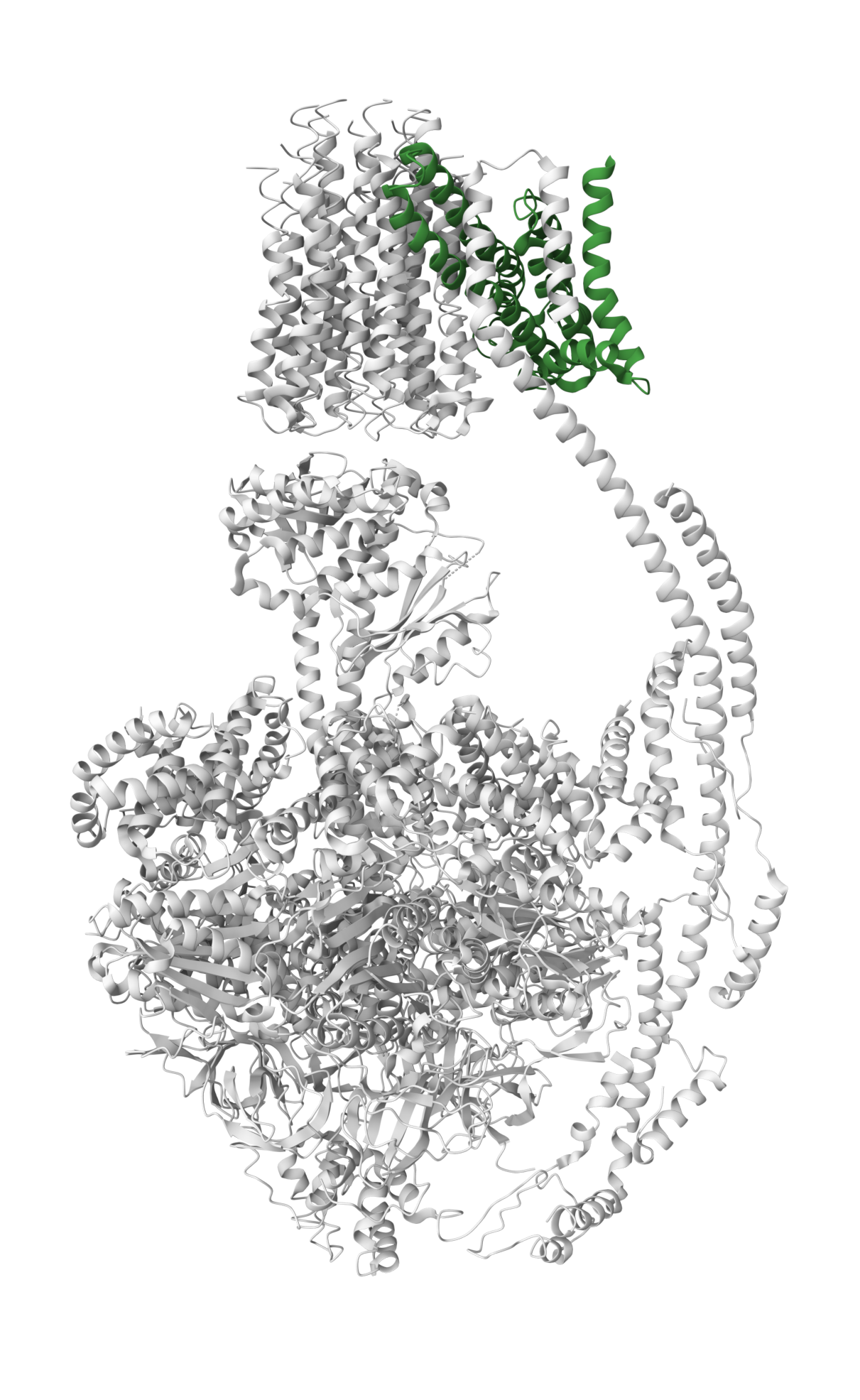
Necrose do estriado bilateral da infância familiar
📋 Origem dos dados
Esta página agrega dados de fontes públicas e oficiais. Dados sobre cobertura no SUS (PCDT, CEAF) são verificados ativamente por agente proativo (ver badge no infobox). Demais dados têm atribuição de fonte + data da última sincronização — clique para abrir o original.
- Doença rara (ontologia)
- fonte: Orphanet
- Identificador unificado
- fonte: MONDO
- Genética mendeliana
- fonte: OMIM
- Codificação WHO/SUS
- fonte: WHO ICD-10 / DATASUS
- CID-11 (futuro)
- fonte: WHO ICD-11
- NIH/GARD
- fonte: GARD (NIH)
- Dado público estruturado
- fonte: Wikidata