
A doença de Machado-Joseph tipo 3 é um subtipo da doença de Machado-Joseph (SCA3/MJD) de gravidade mais leve, caracterizada por um início tardio, progressão mais lenta e pela atrofia (perda e enfraquecimento) dos músculos das extremidades (braços e pernas).
Introdução
O que você precisa saber de cara
A doença de Machado-Joseph tipo 3 é um subtipo da doença de Machado-Joseph (SCA3/MJD) de gravidade mais leve, caracterizada por um início tardio, progressão mais lenta e pela atrofia (perda e enfraquecimento) dos músculos das extremidades (braços e pernas).
Escala de raridade
<1/50kMuito rara
1/20kRara
1/10kPouco freq.
1/5kIncomum
1/2k
Encontrou um erro ou informação desatualizada? Sugira uma correção →
Entender a doença
Do básico ao detalhe, leia no seu ritmo
Preparando trilha educativa...
Sinais e sintomas
O que aparece no corpo e com que frequência cada sintoma acontece
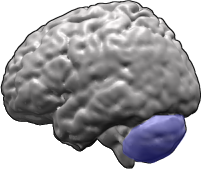
Partes do corpo afetadas
+ 17 sintomas em outras categorias
Características mais comuns
Os sintomas variam de pessoa para pessoa. Abaixo estão as 38 características clínicas mais associadas, ordenadas por frequência.
Linha do tempo da pesquisa
Encontrou um erro ou informação desatualizada? Sugira uma correção →
Genética e causas
O que está alterado no DNA e como passa nas famílias
Genes associados
1 gene identificado com associação a esta condição. Padrão de herança: Autosomal dominant.
Deubiquitinating enzyme involved in protein homeostasis maintenance, transcription, cytoskeleton regulation, myogenesis and degradation of misfolded chaperone substrates (PubMed:12297501, PubMed:16118278, PubMed:17696782, PubMed:23625928, PubMed:28445460, PubMed:33157014). Binds long polyubiquitin chains and trims them, while it has weak or no activity against chains of 4 or less ubiquitins (PubMed:17696782). Involved in degradation of misfolded chaperone substrates via its interaction with STUB
Nucleus matrixNucleusLysosome membrane
Spinocerebellar ataxia 3
Spinocerebellar ataxia is a clinically and genetically heterogeneous group of cerebellar disorders. Patients show progressive incoordination of gait and often poor coordination of hands, speech and eye movements, due to cerebellum degeneration with variable involvement of the brainstem and spinal cord. SCA3 belongs to the autosomal dominant cerebellar ataxias type I (ADCA I) which are characterized by cerebellar ataxia in combination with additional clinical features like optic atrophy, ophthalmoplegia, bulbar and extrapyramidal signs, peripheral neuropathy and dementia. The molecular defect in SCA3 is the a CAG repeat expansion in ATX3 coding region. Longer expansions result in earlier onset and more severe clinical manifestations of the disease.
Variantes genéticas (ClinVar)
31 variantes patogênicas registradas no ClinVar.
Vias biológicas (Reactome)
2 vias biológicas associadas aos genes desta condição.
Diagnóstico
Os sinais que médicos procuram e os exames que confirmam
Tratamento e manejo
Remédios, cuidados de apoio e o que precisa acompanhar
Onde tratar no SUS
Hospitais de referência no Brasil e o protocolo oficial do SUS (PCDT)
🇧🇷 Atendimento SUS — Doença de Machado–Joseph, tipo 3
Selecione um estado ou use sua localização para ver resultados.
Dados de DATASUS/CNES, SBGM, ABNeuro e Ministério da Saúde. Sempre confirme a disponibilidade diretamente com o estabelecimento.
Pesquisa ativa
Ensaios clínicos abertos e novidades científicas recentes
Ensaios em destaque
🟢 Recrutando agora
1 pesquisa recrutando participantes. Converse com seu médico sobre a possibilidade de participar.
Outros ensaios clínicos
Publicações mais relevantes
Association of rare apolipoprotein E ε4 homozygosity with an earlier age at onset in spinocerebellar ataxia type 3.
Spinocerebellar Ataxia Type 3 (SCA3) is an autosomal dominant neurodegenerative Polyglutamine (polyQ) disease, caused by a cytosine-adenine-guanine (CAG) repeat expansion in the ATXN3 gene, resulting in an expanded polyQ tract in the Ataxin-3 protein. Although the principal genetic determinant of the age at onset (AAO) in polyQ diseases is the expanded CAG repeat length, variability in AAO has been explained only partly, suggesting the existence of additional genetic modifiers. Apolipoprotein E (APOE) haplotypes are associated with the risk of numerous, especially degenerative, diseases. Investigations of a potential role of APOE haplotypes in AAO variability of SCA3 have resulted in partly conflicting outcomes, with current evidence lacking power and patient diversity. To further clarify a potential modifying effect of APOE haplotypes on the AAO in SCA3, over 800 SCA3 patients from different origins were enrolled in the present study. While we did not find an association of common APOE haplotypes or singular APOE alleles with AAO in SCA3, rare ε4 homozygosity was linked to an earlier AAO in individuals from Brazil, with a mean disease onset six years earlier than carriers of other APOE haplotypes. Our study thus provides initial evidence for a relevant impact of ε4 homozygosity on disease onset in SCA3 and provides evidence supporting an allele-dosage effect of APOE ε4 in polyQ diseases.
Gastrodin inhibits the formation of ataxin-3 aggregates by regulating the level of ERK1/2/P38 proteins.
Spinocerebellar ataxia type 3 (SCA3/Machado-Joseph disease), an incurable autosomal dominant neurodegenerative disorder, is caused by cytotoxic aggregation of polyglutamine-expanded ataxin-3 protein. Novel therapeutic strategies targeting its pathogenesis are urgently needed. Given gastrodin’s established antioxidative and neuroprotective properties, this study investigated its therapeutic potential against SCA3 pathogenesis. Three distinct cell models including parental HEK293T, ataxin-3-15Q (physiologic), and ataxin-3-77Q (pathogenic) were employed to assess gastrodin cytotoxicity, quantify insoluble aggregate formation and measure soluble ataxin-3 levels. Mechanistic studies included antioxidant capacity assays, human phosphokinase array profiling (37 kinases) and western blot validation of MAPK pathway components. Gastrodin treatment showed no cytotoxicity, significantly suppressed ataxin-3-77Q aggregate accumulation (p < 0.01), increased soluble ataxin-3 levels, enhanced cellular antioxidant capacity and selectively downregulated ERK1/2 and p38 proteins in MAPK pathways. We provide first evidence that gastrodin mitigates polyQ-mediated proteotoxicity by reducing ataxin-3 aggregation through suppression of the ERK1/2-p38 signaling axis in cellular models, revealing a novel mechanistic basis for SCA3 therapeutic development. The online version contains supplementary material available at 10.1186/s13023-025-04089-1. Gastrodin’s safety profile was demonstrated in SCA3 cellular models at concentrations up to 100 µM without causing cytotoxicity. Gastrodin significantly reduced the formation of polyQ-expanded ataxin-3 aggregates. There was a dose-dependent increase in soluble ataxin-3 levels by gastrodin. Gastrodin was found to attenuate SCA3 proteotoxicity in cellular models by simultaneously decreasing the total protein levels of ERK1/2 and p38. The online version contains supplementary material available at 10.1186/s13023-025-04089-1.
Peripheral and autonomic nervous system involvement in spinocerebellar ataxia type 3: unveiling an invisible burden.
Neuropathological examinations in spinocerebellar ataxia type 3 (SCA3) have demonstrated peripheral and autonomic nervous system degeneration, but the impact of associated symptoms on genetically affected individuals at different disease stages remains understudied. To investigate the clinical burden of peripheral and autonomic nervous system involvement in SCA3 mutation carriers across the disease spectrum. Forty SCA3 mutation carriers, including ten pre-ataxic individuals, completed questionnaires about muscle cramps, neuropathic pain, autonomic symptoms, activities of daily living, and quality of life, and underwent a standardized clinical examination of ataxia and neuropathy severity. Data were compared with 16 healthy controls. All but one of the ataxic and 60% of pre-ataxic individuals experienced muscle cramps at least weekly. Neuropathic pain was reported by 20% of pre-ataxic and 16.7% of ataxic mutation carriers, while the average number of autonomic symptoms in both groups was 2 and 4.7, respectively. Neuropathy severity scores were significantly higher in pre-ataxic and ataxic individuals than in healthy controls and associated with (i) worse self-reported functional status and (ii) clinician-reported ataxia severity. The number of autonomic symptoms was associated with patient-reported impairments in daily life and quality of life. Clinical features of peripheral and autonomic nervous system degeneration are very common in SCA3, may already be observed in pre-ataxic individuals, and independently contribute to patient-reported disease burden and clinician-rated overall ataxia severity.
Investigating the pathogenic role of calpain proteases and the therapeutic potential of their inhibition in mice modelling Machado-Joseph disease.
Machado-Joseph disease (MJD, also known as spinocerebellar ataxia type-3) is a fatal disease characterised by motor impairments and the presence of aggregated ataxin-3, the protein affected in MJD, in degenerating brain regions. Ataxin-3 protein aggregates have previously been reported to contain both full-length ataxin-3 protein and shorter protein fragments, highlighting proteolytic cleavage as a pathogenic mechanism. Calpains, calcium-activated proteases, have been reported to cleave ataxin-3 and have been implicated in MJD pathogenesis. This study aimed to explore whether calpain proteases were overactive at early, pathogenesis-relevant timepoints in male transgenic CMVMJD135 mice modelling MJD and identify the timepoint of calpain overactivation through obtaining longitudinal plasma samples. We detected increased levels of cleaved αII-spectrin in plasma from MJD mice as early as 12 weeks of age, shortly after the onset of neurological symptoms. Cerebellar and brainstem tissue from 15-week-old mice was immunoblotted, revealing a trend towards increased levels of calpain 1, and increased cleavage of calpain substrates such as αII-spectrin, beclin-1 and TAR DNA binding protein 43 (TDP-43) within the cerebellum. Further, we found that short-term treatment of male MJD mice (from 10 to 12 weeks of age) with the calpain inhibitor compound calpeptin yielded improvements in neurological symptoms and reduced the presence of cleaved αII-spectrin in plasma and cerebellum tissue when compared to vehicle treated MJD males. Our findings suggest that calpain overactivity may be an early disease phenotype that contributes to neurodegeneration in transgenic CMVMJD135 mice modelling MJD, and that calpeptin warrants further investigation as a potential treatment for MJD.
Allosteric Modulation of Pathological Ataxin-3 Aggregation: A Path to Spinocerebellar Ataxia Type-3 Therapies.
Spinocerebellar ataxia type 3 (SCA3) is a rare neurodegenerative disorder caused by the expansion of a polyglutamine (polyQ) repeat in ataxin-3 (Atx3) for which no disease-modifying therapies are available. The presence of protein inclusions enriched in polyQ-expanded Atx3 in neurons suggests that inhibiting its self-assembly may provide targeted therapies. Here, it is demonstrated that the supramolecular tweezer CLR01 binds to a lysine residue on a positively charged patch of the Atx3 catalytic Josephin domain, decreasing conformational fluctuations of the distal helical hairpin, without altering its ubiquitin hydrolase activity. This reduces exposure of the aggregation-prone region that initiates Atx3 self-assembly, ultimately delaying Atx3 amyloid fibril formation and reducing the secondary nucleation rate, a process linked to fibril proliferation and toxicity. CLR01's effects translate into the reversal of synapse loss in SCA3 cultured cortical neuron model, improve locomotor function in a Caenorhabditis elegans SCA3 model, and delay disease onset with reduced severity of motor symptoms in a SCA3 mouse model. These insights reveal a novel allosteric site for developing CLR01-inspired therapies targeting pathological aggregation while preserving essential functional sites. They also highlight that targeting allosteric sites in amyloid-forming proteins may provide new opportunities for safe therapeutic strategies for various protein misfolding disorders.
Publicações recentes
Extracellular vesicles-mediated delivery of SpCas9 RNPs for therapeutic gene editing in Spinocerebellar Ataxia Type 3.
Revisited case for intranasal neuropeptide Y based therapeutics: From preclinical to clinical.
Retrotransposition Events Shape the Evolution of the Ataxin-3 Gene Family in Primates.
IGFBP1 as a metabolic-neurodegenerative biomarker in spinocerebellar ataxia type 3.
Gastrodin inhibits the formation of ataxin-3 aggregates by regulating the level of ERK1/2/P38 proteins.
📚 EuropePMC582 artigos no totalmostrando 196
Association of rare apolipoprotein E ε4 homozygosity with an earlier age at onset in spinocerebellar ataxia type 3.
Human molecular geneticsExtracellular vesicles-mediated delivery of SpCas9 RNPs for therapeutic gene editing in Spinocerebellar Ataxia Type 3.
BiomaterialsRetrotransposition Events Shape the Evolution of the Ataxin-3 Gene Family in Primates.
Genome biology and evolutionIGFBP1 as a metabolic-neurodegenerative biomarker in spinocerebellar ataxia type 3.
Experimental and therapeutic medicineGastrodin inhibits the formation of ataxin-3 aggregates by regulating the level of ERK1/2/P38 proteins.
Orphanet journal of rare diseasesCerebellar magnetic stimulation increased beta power and phase synchronisation in spinocerebellar ataxia type 3.
Clinical neurophysiology : official journal of the International Federation of Clinical NeurophysiologySingle-Cell RNA Sequencing Reveals Impaired CHIP-Mediated Heat Stress Response in SCA3 Pathogenesis.
Molecular neurobiologyPeripheral metabolic profiles in spinocerebellar ataxia type 3: Features and genotype-phenotype links.
Parkinsonism & related disordersCognitive impairment in SCA3: A multi-center cohort study with demographic, imaging, and biomarker correlates.
Neurobiology of diseaseRepurposing of natural products for spinocerebellar ataxia type 3 using integrated network pharmacology and in silico approaches.
Scientific reportsPeripheral and autonomic nervous system involvement in spinocerebellar ataxia type 3: unveiling an invisible burden.
Journal of neurologyInvestigating the pathogenic role of calpain proteases and the therapeutic potential of their inhibition in mice modelling Machado-Joseph disease.
Human molecular geneticsDiffusion along perivascular spaces as a marker for Glymphatic system impairment in spinocerebellar Ataxia type 3.
Neurobiology of diseaseBrain atrophy staging in spinocerebellar ataxia type 3 for clinical prognosis and trial enrichment.
EBioMedicineRegional brain atrophy subtypes in spinocerebellar ataxia type 3: links to clinical performance and treatment response.
Journal of neurologyManaging symptoms and improving the quality of life of persons with Machado-Joseph disease.
Expert review of neurotherapeuticsAllosteric Modulation of Pathological Ataxin-3 Aggregation: A Path to Spinocerebellar Ataxia Type-3 Therapies.
Advanced science (Weinheim, Baden-Wurttemberg, Germany)Pragmatic Feasibility Study Combining Cerebello-spinal Neuromodulation and Exercise in Spinocerebellar Ataxia Type 3: A 20-session Single-arm Protocol.
Cerebellum (London, England)Spinocerebellar Ataxia Type 3 Accompanied by Amyotrophic Lateral Sclerosis: A Case Report and Comprehensive Literature Review.
Internal medicine (Tokyo, Japan)Cerebellar transcranial direct current stimulation in spinocerebellar ataxia type 3: An electric field modelling study.
Clinical neurophysiology : official journal of the International Federation of Clinical NeurophysiologyMultidimensional abnormal gait analysis and biomarker identification for patients with spinocerebellar ataxia type 3 using an Azure Kinect-based motion capture system.
Gait & postureThe Medication Patterns of Spinocerebellar Ataxia Type 3 Mutation Carriers Enrolled in the ESMI Cohort.
CNS drugsExtracellular vesicles-associated AAVs for the treatment of Machado-Joseph disease.
Molecular therapy : the journal of the American Society of Gene TherapyPeripheral inflammation in spinocerebellar ataxia type 3: associations with genetic and clinical manifestations.
Inflammation research : official journal of the European Histamine Research Society ... [et al.]Cerebello-cortical inhibition underlies the effects of cerebellar magnetic stimulation on spinocerebellar ataxia type 3: A randomized controlled trial.
Brain stimulationDysphagia linked to clinical phenotype and disease progression in spinocerebellar ataxia type 3.
European journal of medical researchArticle Title: Impact of Dysphagia on Quality of Life in Machado-Joseph Disease.
Cerebellum (London, England)Long-read sequencing identifies ATXN3 repeat expansions, and transcriptomics reveals disease progression biomarkers and druggable targets for spinocerebellar ataxia type 3.
BMC neurologyDysarthria in Spinocerebellar Ataxia Type 3: Prevalence and Disease Progression.
Journal of speech, language, and hearing research : JSLHRFamilial spinocerebellar ataxia type 3: A case report of multi-generational presentation.
MedicineDistribution of perivascular spaces distribution and relate to the clinical features of SCA3.
Orphanet journal of rare diseasesAltered static and dynamic spontaneous brain activity patterns in spinocerebellar ataxia type3 patients.
Journal of neurologyDifferential impact of mutant Ataxin-3 in hindbrain regions: further evidence of white matter loss as a core pathological feature.
Experimental neurologyChoroid plexus enlargement correlated with motor dysfunction in spinocerebellar ataxia type 3.
Neurobiology of diseaseGene editing for Spinocerebellar ataxia type 3 taking advantage of the human ATXN3L paralog as replacement gene.
Gene therapySpinocerebellar ataxia type 3: from pathogenesis to promising therapeutics.
Trends in molecular medicineCircadian rhythms are disrupted in patients and preclinical models of Machado-Joseph disease.
Brain : a journal of neurologyInfluence of ATXN2 intermediate CAG repeats, 9bp duplication and alternative splicing on SCA3 pathogenesis.
Acta neuropathologica communicationsTranscranial alternating current stimulation for treating spinocerebellar ataxia type 3: A randomized controlled trial.
Cell reports. MedicineIntegrative role of diet and gut microbiome dynamics for the interventive therapeutics of Spinocerebellar ataxia type 3: The current update.
NeuroscienceProgressive subcortical involvement as spinocerebellar ataxia type 3 advances.
Orphanet journal of rare diseasesMachado-Joseph disease in Brazil and other South American countries: A systematic Review and Meta-analysis of Prevalence, CAG Repeat Lengths, Age At Onset, and Ancestry.
Cerebellum (London, England)Therapeutic Effects of Hemerocallis citrina Baroni Extract on Animal Models of Neurodegenerative Diseases Through Serotonin and HLH-30/TFEB-Dependent Mechanisms.
International journal of molecular sciencesClinical Characteristics of Spinocerebellar Ataxia Type 3 in Uruguay.
Cerebellum (London, England)Differential effects of lifespan-extending genetic manipulations in an animal model of MJD/SCA3.
Mechanisms of ageing and developmentAltered Brain Iron Depositions of Spinocerebellar Ataxia Type 3: From Pre-Symptomatic to Symptomatic Stage.
European journal of neurologyDecreased Peripheral Blood Lymphocytes in Spinocerebellar Ataxia Type 3 Correlate with Disease Severity.
Movement disorders : official journal of the Movement Disorder SocietyGenome editing in spinocerebellar ataxia type 3 cells improves Golgi apparatus structure.
Scientific reportsLongitudinal description of health-related quality of life and depressive symptoms in polyQ spinocerebellar ataxia patients.
Journal of neurologyMisdiagnosis of spinocerebellar ataxia type 3 as persistent postural-perceptual dizziness: A case report.
MedicineFatigue in the Preataxic and Ataxic Stages of Spinocerebellar Ataxia Type 3.
European journal of neurologyWhole Genome Sequencing-Based Diagnosis of Spinocerebellar Ataxia Type 3 Repeat Expansion Neuromuscular Disorders in an Undiagnosed Patient: Breaking Past Diagnostic Boundaries.
Neurology IndiaGeneration of an induced pluripotent stem cell (iPSC) line (INNDSUi008-A) from a patient with Spinocerebellar Ataxia Type 3.
Stem cell researchPredicting Which Mitophagy Proteins Are Dysregulated in Spinocerebellar Ataxia Type 3 (SCA3) Using the Auto-p2docking Pipeline.
International journal of molecular sciencesMovement Disorders in Hereditary Cerebellar Ataxia.
Movement disorders clinical practiceEffects of trace element dysregulation on brain structure and function in spinocerebellar Ataxia type 3.
Neurobiology of diseaseCerebellar lipid dysregulation in SCA3: A comparative study in patients and mice.
Neurobiology of diseaseAssessment of Peripheral Neuropathy Using Current Perception Threshold Measurement in Patients with Spinocerebellar Ataxia Type 3.
Cerebellum (London, England)Associations between CAG repeat size, brain and spinal cord volume loss, and motor symptoms in spinocerebellar ataxia type 3: a cohort study.
Orphanet journal of rare diseasesStatic Posture Instability as a Sensitive Biomarker for Motor Abnormalities in Pre-ataxic Spinocerebellar Ataxia Type 3 Patients.
Movement disorders : official journal of the Movement Disorder SocietyStep Width Haptic Feedback for Gait Stability in Spinocerebellar Ataxia: Preliminary Results.
Movement disorders : official journal of the Movement Disorder SocietyWhite matter functional and structural alterations of spinocerebellar ataxia type 3: A longitudinal MRI study.
NeuroscienceApolipoprotein E epsilon4 allele is associated with better performance language and visual memory in spinocerebellar ataxia type 3.
European journal of neurologyGray Matter Asymmetry Alterations in Patients With Spinocerebellar Ataxia Type 3: A Voxel-Based Morphometric Comparison Study.
CNS neuroscience & therapeuticsBiochemical analysis to study wild-type and polyglutamine-expanded ATXN3 species.
PloS oneGenetic Analysis of GCA Repeats in the GLS Gene: Implications for Undiagnosed Ataxia and Spinocerebellar Ataxia 3 in Mainland China.
Movement disorders : official journal of the Movement Disorder SocietyRegional distribution of polymorphisms associated to the disease-causing gene of spinocerebellar ataxia type 3.
Journal of neurologyGeneration of induced pluripotent stem cell line (ZZUi037-A) from a patient with spinocerebellar ataxia type 3.
Stem cell researchEvolutionary model of repeat insertions in Ataxin-3 traces the origin of the polyglutamine stretch to an ancestral ubiquitin binding module.
Protein science : a publication of the Protein SocietySplit hand and minipolymyoclonus in spinocerebellar ataxia type 3: a case report.
BMC neurologyPotential Disease-Modifying Effects of Ganglioside GM1 Pulse Treatment on Spinocerebellar Ataxia Type 3, a Parallel-Group, Double-Blind, Randomized, Controlled Trial.
Movement disorders : official journal of the Movement Disorder SocietyAstragaloside IV reduces mutant Ataxin-3 levels and supports mitochondrial function in Spinocerebellar Ataxia Type 3.
Scientific reportsMorphological changes of cerebral gray matter in spinocerebellar ataxia type 3 using fractal dimension analysis.
Progress in brain researchAge-dependent somatic expansion of the ATXN3 CAG repeat in the blood and buccal swab DNA of individuals with spinocerebellar ataxia type 3/Machado-Joseph disease.
Human geneticsATXN3: a multifunctional protein involved in the polyglutamine disease spinocerebellar ataxia type 3.
Expert reviews in molecular medicineTreatment of neurological pathology and inflammation in Machado-Joseph disease through in vivo self-assembled siRNA.
Brain : a journal of neurologyThermal Facial Profile and Orofacial Myofunctional Aspects in Movement Disorder Patients: Comparison Between Parkinson Disease and Spinocerebellar Ataxia Type 3.
Journal of oral rehabilitationPIAS1 S510G variant acts as a genetic modifier of spinocerebellar ataxia type 3 by selectively impairing mutant ataxin-3 proteostasis.
The international journal of biochemistry & cell biologyPolyneuropathy in Patients with Spinocerebellar Ataxias Types 2, 3, and 10: A Systematic Review.
Cerebellum (London, England)Investigation of Spinocerebellar Ataxia (SCA) Disease in Iranian Patients and Accurate Trinucleotide Repeat Detection in the SCA3 by TP-PCR Method.
Molecular neurobiologySpecific Biomarkers in Spinocerebellar Ataxia Type 3: A Systematic Review of Their Potential Uses in Disease Staging and Treatment Assessment.
International journal of molecular sciencesPreimplantation Genetic Testing of Spinocerebellar Ataxia Type 3/Machado-Joseph Disease-Robust Tools for Direct and Indirect Detection of the ATXN3 (CAG)n Repeat Expansion.
International journal of molecular sciencesThe parkin V380L variant is a genetic modifier of Machado-Joseph disease with impact on mitophagy.
Acta neuropathologicaSpinocerebellar Ataxias: Phenotypic Spectrum of PolyQ versus Non-Repeat Expansion Forms.
Cerebellum (London, England)Identifying extracerebellar characteristics in a large cohort of 319 Chinese patients with spinocerebellar ataxia type 3.
Chinese medical journalExploring functional and structural connectivity disruptions in spinocerebellar ataxia type 3: Insights from gradient analysis.
CNS neuroscience & therapeuticsProduction of Spinocerebellar Ataxia Type 3 Model Mice by Intravenous Injection of AAV-PHP.B Vectors.
International journal of molecular sciencesCaffeine Consumption and Interaction with ADORA2A, CYP1A2 and NOS1 Variants Do Not Influence Age at Onset of Machado-Joseph Disease.
Cerebellum (London, England)Trehalose prevents the formation of aggregates of mutant ataxin-3 and reduces soluble ataxin-3 protein levels in an SCA3 cell model.
NeuroscienceImbalanced optimal feedback motor control system in spinocerebellar ataxia type 3.
European journal of neurologyDisrupted cerebellar structural connectome in spinocerebellar ataxia type 3 and its association with transcriptional profiles.
Cerebral cortex (New York, N.Y. : 1991)Randomized double-blind placebo-controlled trial of the effects of oral trehalose in spinocerebellar ataxia type 3: An interim analysis.
Parkinsonism & related disordersInsight into the early pathogenesis and therapeutic strategies of spinocerebellar ataxia type 3/machado-joseph disease from mouse models.
Parkinsonism & related disordersA combination of chlorzoxazone and folic acid improves recognition memory, anxiety and depression in SCA3-84Q mice.
Human molecular geneticsSingle-Session Cerebellar Transcranial Direct Current Stimulation Improves Postural Stability and Reduces Ataxia Symptoms in Spinocerebellar Ataxia.
Cerebellum (London, England)Spinocerebellar Ataxia Type 3 Pathophysiology-Implications for Translational Research and Clinical Studies.
International journal of molecular sciencesGene editing as a therapeutic strategy for spinocerebellar ataxia type-3.
Revue neurologiqueMolecular Imaging in CANVAS: A Contribution for Differential Diagnosis?
Movement disorders clinical practiceEffect of Regional Brain Activity Following Repeat Transcranial Magnetic Stimulation in SCA3: A Secondary Analysis of a Randomized Clinical Trial.
Cerebellum (London, England)Spinocerebellar ataxia type 4 is not detected in a cohort from Hokkaido, the northernmost island of Japan.
Journal of the neurological sciencesThe deubiquitinase function of ataxin-3 and its role in the pathogenesis of Machado-Joseph disease and other diseases.
The Biochemical journalSpermidine treatment: induction of autophagy but also apoptosis?
Molecular brainASOs are an effective treatment for disease-associated oligodendrocyte signatures in premanifest and symptomatic SCA3 mice.
Molecular therapy : the journal of the American Society of Gene TherapyBlood and cerebellar abundance of ATXN3 splice variants in spinocerebellar ataxia type 3/Machado-Joseph disease.
Neurobiology of diseaseCompressed cerebellar functional connectome hierarchy in spinocerebellar ataxia type 3.
Human brain mappingInvestigating the therapeutic effects of novel compounds targeting inflammatory IL-1β and IL-6 signaling pathways in spinocerebellar ataxia type 3.
European journal of pharmacologyTreatment with sodium butyrate induces autophagy resulting in therapeutic benefits for spinocerebellar ataxia type 3.
FASEB journal : official publication of the Federation of American Societies for Experimental BiologyThe natural breakthrough: phytochemicals as potent therapeutic agents against spinocerebellar ataxia type 3.
Scientific reportsGlucocorticoid receptor-dependent therapeutic efficacy of tauroursodeoxycholic acid in preclinical models of spinocerebellar ataxia type 3.
The Journal of clinical investigationEfficiency of PGK1 proteins delivered to the brain via a liposomal system through intranasal route administration for the treatment of spinocerebellar ataxia type 3.
Drug delivery and translational researchCell-Free and In Vivo Characterization of the Inhibitory Activity of Lavado Cocoa Flavanols on the Amyloid Protein Ataxin-3: Toward New Approaches against Spinocerebellar Ataxia Type 3.
ACS chemical neuroscienceCognitive-affective manifestations since premanifest phases of Spinocerebellar Ataxia Type 3/Machado-Joseph Disease.
Cortex; a journal devoted to the study of the nervous system and behaviorA model for the dynamics of expanded CAG repeat alleles: ATXN2 and ATXN3 as prototypes.
Frontiers in geneticsProgression of Retinal Ganglion Cell and Nerve Fiber Layer Loss in Spinocerebellar Ataxia 3 Patients.
Cerebellum (London, England)Efficacy and Safety of Repetitive Transcranial Magnetic Stimulation in Spinocerebellar Ataxia Type 3: a Systematic Review and Meta‑analysis of Randomized Controlled Trials.
Cerebellum (London, England)Stage-Dependent Biomarker Changes in Spinocerebellar Ataxia Type 3.
Annals of neurologyIL-4/STAT6 axis observed to reverse proliferative defect in SCA3 patient-derived neural progenitor cells.
Clinical and experimental pharmacology & physiologyEstablishment of human-induced pluripotent stem cell GZHMCi0011-A from peripheral blood mononuclear cells from a volunteer with 14/63 CAG repeats of the ATXN3 mutation.
Stem cell researchLysine 117 on ataxin-3 modulates toxicity in Drosophila models of Spinocerebellar Ataxia Type 3.
Journal of the neurological sciencesMemory decline, anxiety and depression in the mouse model of spinocerebellar ataxia type 3.
Human molecular geneticsPrevalence of repeat expansions causing autosomal dominant spinocerebellar ataxias in Hokkaido, the northernmost island of Japan.
Journal of human geneticsCognitive impairment associated with cerebellar volume loss in spinocerebellar ataxia type 3.
Journal of neurologyPreconditioning of exosomes derived from human olfactory ensheathing cells improved motor coordination and balance in an SCA3/MJD mouse model: A new therapeutic approach.
European journal of pharmaceutical sciences : official journal of the European Federation for Pharmaceutical SciencesCase report: Short-term efficacy and changes in 18F-FDG-PET with acute multi-target stimulation in spinocerebellar ataxia type 3 (SCA3/MJD).
Frontiers in neurologyA pilot study: handgrip as a predictor in the disease progression of SCA3.
Orphanet journal of rare diseasesBlood levels of neurofilament light are associated with disease progression in a mouse model of spinocerebellar ataxia type 3.
Disease models & mechanismsThe vestibular symptomatology of Machado-Joseph Disease.
Journal of vestibular research : equilibrium & orientationDrug repurposing of dopaminergic drugs to inhibit ataxin-3 aggregation.
Biomedicine & pharmacotherapy = Biomedecine & pharmacotherapieGenetic Epidemiology and Clinical Characteristics of Patients with Spinocerebellar Ataxias in an Unexplored Brazilian State, Using Strategies for Resource-Limited Settings.
Cerebellum (London, England)Genetic Ablation of Inositol 1,4,5-Trisphosphate Receptor Type 2 (IP3R2) Fails to Modify Disease Progression in a Mouse Model of Spinocerebellar Ataxia Type 3.
International journal of molecular sciencesTherapeutic effects of engineered exosome-based miR-25 and miR-181a treatment in spinocerebellar ataxia type 3 mice by silencing ATXN3.
Molecular medicine (Cambridge, Mass.)Efficacy of cerebellar transcranial magnetic stimulation in spinocerebellar ataxia type 3: a randomized, single-blinded, controlled trial.
Journal of neurologyTissue-Specific Vulnerability to Apoptosis in Machado-Joseph Disease.
CellsAltered large-scale individual-based morphological brain network in spinocerebellar ataxia type 3.
CNS neuroscience & therapeuticsImplications of specific lysine residues within ataxin-3 for the molecular pathogenesis of Machado-Joseph disease.
Frontiers in molecular neuroscienceAntisense Oligonucleotide Silencing Reverses Abnormal Neurochemistry in Spinocerebellar Ataxia 3 Mice.
Annals of neurologyThe longitudinal progression of MRI changes in pre-ataxic carriers of SCA3/MJD.
Journal of neurologyEffectiveness of High-Frequency Repetitive Transcranial Magnetic Stimulation in Patients With Spinocerebellar Ataxia Type 3.
The journal of ECTRegional and age-dependent changes in ubiquitination in cellular and mouse models of spinocerebellar ataxia type 3.
Frontiers in molecular neuroscienceTemporal Relationship between Impairment of Cerebellar Motor Learning and Deterioration of Ataxia in Patients with Cerebellar Degeneration.
Cerebellum (London, England)Autophagy in Spinocerebellar Ataxia Type 3: From Pathogenesis to Therapeutics.
International journal of molecular sciencesBlood transcriptome sequencing identifies biomarkers able to track disease stages in spinocerebellar ataxia type 3.
Brain : a journal of neurologyExtracellular vesicle-based delivery of silencing sequences for the treatment of Machado-Joseph disease/spinocerebellar ataxia type 3.
Molecular therapy : the journal of the American Society of Gene TherapySynaptic Loss in Spinocerebellar Ataxia Type 3 Revealed by SV2A Positron Emission Tomography.
Movement disorders : official journal of the Movement Disorder SocietyThe Josephin domain (JD) containing proteins are predicted to bind to the same interactors: Implications for spinocerebellar ataxia type 3 (SCA3) studies using Drosophila melanogaster mutants.
Frontiers in molecular neuroscienceAutophagic vacuolar myopathy involving the phenotype of spinocerebellar ataxia type 3.
Neuropathology : official journal of the Japanese Society of NeuropathologyAutophagy Function and Benefits of Autophagy Induction in Models of Spinocerebellar Ataxia Type 3.
CellsHorizontal Vestibulo-Ocular Reflex Deficit as a Biomarker for Clinical Disease Onset, Severity, and Progression of Machado-Joseph Disease.
Cerebellum (London, England)ATXN3 controls DNA replication and transcription by regulating chromatin structure.
Nucleic acids researchOutcomes with Finerenone in Participants with Stage 4 CKD and Type 2 Diabetes: A FIDELITY Subgroup Analysis.
Clinical journal of the American Society of Nephrology : CJASNDisease-associated oligodendrocyte signatures are spatiotemporally dysregulated in spinocerebellar ataxia type 3.
Frontiers in neuroscience"I Do Not Know How You Feel and How I Feel About That": Mentalizing Impairments in Machado-Joseph Disease.
Cerebellum (London, England)The Homogeneous Azorean Machado-Joseph Disease Cohort: Characterization and Contributions to Advances in Research.
BiomedicinesMachado Joseph disease severity is linked with gut microbiota alterations in transgenic mice.
Neurobiology of diseaseA standardised protocol for blood and cerebrospinal fluid collection and processing for biomarker research in ataxia.
Neuropathology and applied neurobiologyBaseline Clinical and Blood Biomarkers in Patients With Preataxic and Early-Stage Disease Spinocerebellar Ataxia 1 and 3.
NeurologyRetinal Manifestations in Spinocerebellar Ataxia Type 3.
Journal of neuro-ophthalmology : the official journal of the North American Neuro-Ophthalmology SocietyAltered binaural hearing in pre-ataxic and ataxic mutation carriers of spinocerebellar ataxia type 3.
Cerebellum (London, England)Moving chin left and right: levodopa induced dyskinesia in spinocerebellar ataxia type 3?
Acta neurologica BelgicaAssociation Between Serum Neurofilament Light Chain and Neurochemistry Deficits in Patients with Spinocerebellar Ataxia Type 3.
Cerebellum (London, England)The protective effect of erinacine A-enriched Hericium erinaceus mycelium ethanol extract on oxidative Stress-Induced neurotoxicity in cell and Drosophila models of spinocerebellar ataxia type 3.
Free radical biology & medicineEffect of speech therapy on quality of life in patients with spinocerebelar ataxia type 3.
Arquivos de neuro-psiquiatriaShort-term efficacy of repetitive transcranial magnetic stimulation in SCA3: A prospective, randomized, double-blind, sham-controlled study.
Parkinsonism & related disordersThe stress granule protein G3BP1 alleviates spinocerebellar ataxia-associated deficits.
Brain : a journal of neurologyAltered brain white matter structural motor network in spinocerebellar ataxia type 3.
Annals of clinical and translational neurologyRecurrent divergence-insufficiency esotropia in Machado-Joseph disease (spinocerebellar ataxia type 3).
American journal of ophthalmology case reportsStructural alterations of spinocerebellar ataxias type 3: from pre-symptomatic to symptomatic stage.
European radiologyFirst report on spinocerebellar ataxia type 3 (Machado-Joseph disease) in Poland.
Parkinsonism & related disordersMachado Joseph-Disease Is Rare in the Peruvian Population.
Cerebellum (London, England)Pharmacotherapy for the management of the symptoms of Machado-Joseph Disease.
Expert opinion on pharmacotherapyCerebello-cerebral resting-state functional connectivity in spinocerebellar ataxia type 3.
Human brain mappingCharacterization of the central motor conduction time in a large cohort of spinocerebellar ataxia type 3 patients.
Parkinsonism & related disordersSleep Alterations in a Mouse Model of Spinocerebellar Ataxia Type 3.
CellsProgression of Clinical and Eye Movement Markers in Preataxic Carriers of Machado-Joseph Disease.
Movement disorders : official journal of the Movement Disorder SocietyExplainable artificial intelligence based on feature optimization for age at onset prediction of spinocerebellar ataxia type 3.
Frontiers in neuroinformaticsCoenzyme Q10 Supplementation Increases Removal of the ATXN3 Polyglutamine Repeat, Reducing Cerebellar Degeneration and Improving Motor Dysfunction in Murine Spinocerebellar Ataxia Type 3.
NutrientsDigital Gait Biomarkers Allow to Capture 1-Year Longitudinal Change in Spinocerebellar Ataxia Type 3.
Movement disorders : official journal of the Movement Disorder SocietyPathogenetic Mechanisms Underlying Spinocerebellar Ataxia Type 3 Are Altered in Primary Oligodendrocyte Culture.
CellsSpinocerebellar ataxia type 3 (Machado-Joseph disease).
Polish archives of internal medicineVoxel-Based Morphometry and Relaxometry Demonstrate Macro- and Microstructural Damages in Spinocerebellar Ataxia Type 3.
Cerebellum (London, England)Derivation of spinocerebellar ataxia type 3 human embryonic stem cell line UMICHe001-A/UM134-1.
Stem cell researchGlutamatergic Synapse Dysfunction in Drosophila Neuromuscular Junctions Can Be Rescued by Proteostasis Modulation.
Frontiers in molecular neuroscienceShort Communication: Restrictions in care following the COVID-19 pandemic severely impacted Machado-Joseph disease patients: a study in the Azores Islands, Portugal.
Journal of community geneticsLignin-carbohydrate complexes suppress SCA3 neurodegeneration via upregulating proteasomal activities.
International journal of biological macromoleculesEstablishment and characterization of human pluripotent stem cells-derived brain organoids to model cerebellar diseases.
Scientific reportsThe Natural History of Spinocerebellar Ataxia Type 3 in Mainland China: A 2-Year Cohort Study.
Frontiers in aging neuroscienceTranscription factor EB-mediated mesenchymal stem cell therapy induces autophagy and alleviates spinocerebellar ataxia type 3 defects in neuronal cells model.
Cell death & diseaseLong-term efficacy of bilateral subthalamic deep brain stimulation in the parkinsonism of SCA 3: A rare case report.
European journal of neurologyDifferential Temporal Dynamics of Axial and Appendicular Ataxia in SCA3.
Movement disorders : official journal of the Movement Disorder SocietyMicroglial Depletion Has No Impact on Disease Progression in a Mouse Model of Machado-Joseph Disease.
CellsKPNB1 modulates the Machado-Joseph disease protein ataxin-3 through activation of the mitochondrial protease CLPP.
Cellular and molecular life sciences : CMLSBody sway and movement strategies for control of postural stability in people with spinocerebellar ataxia type 3: A cross-sectional study.
Clinical biomechanics (Bristol, Avon)CRISPR/Cas9-mediated genetic correction reverses spinocerebellar ataxia 3 disease-associated phenotypes in differentiated cerebellar neurons.
Life medicineA Robust Assay to Monitor Ataxin-3 Amyloid Fibril Assembly.
CellsMitochondrial Dysfunction in Spinocerebellar Ataxia Type 3 Is Linked to VDAC1 Deubiquitination.
International journal of molecular sciencesCerebellar neuronal dysfunction accompanies early motor symptoms in spinocerebellar ataxia type 3.
Disease models & mechanismsAssociações
Organizações que acompanham esta doença — pra ter apoio e orientação
Ainda não temos associações cadastradas para Doença de Machado–Joseph, tipo 3.
É de uma associação que acompanha esta doença? Fale com a gente →
Comunidades
Grupos ativos de quem convive com esta doença aqui no Raras
Ainda não existe comunidade no Raras para Doença de Machado–Joseph, tipo 3
Pacientes, familiares e cuidadores se organizam em comunidades pra compartilhar experiências, fazer perguntas e se apoiar. Você pode ser o primeiro.
Tire suas dúvidas
Perguntas, dicas e experiências compartilhadas aqui na página
Participe da discussão
Faça login para postar dúvidas, compartilhar experiências e interagir com especialistas.
Fazer loginDoenças relacionadas
Doenças com sintomas parecidos — ajudam quem ainda está buscando diagnóstico
Referências e fontes
Bases de dados externas citadas neste artigo
Publicações científicas
Artigos indexados no PubMed ligados a esta doença no grafo RarasNet — título, periódico e PMID direto da fonte, sem intermediação de IA.
- Association of rare apolipoprotein E ε4 homozygosity with an earlier age at onset in spinocerebellar ataxia type 3.
- Gastrodin inhibits the formation of ataxin-3 aggregates by regulating the level of ERK1/2/P38 proteins.
- Peripheral and autonomic nervous system involvement in spinocerebellar ataxia type 3: unveiling an invisible burden.
- Investigating the pathogenic role of calpain proteases and the therapeutic potential of their inhibition in mice modelling Machado-Joseph disease.
- Allosteric Modulation of Pathological Ataxin-3 Aggregation: A Path to Spinocerebellar Ataxia Type-3 Therapies.
- Extracellular vesicles-mediated delivery of SpCas9 RNPs for therapeutic gene editing in Spinocerebellar Ataxia Type 3.
- Revisited case for intranasal neuropeptide Y based therapeutics: From preclinical to clinical.
- Retrotransposition Events Shape the Evolution of the Ataxin-3 Gene Family in Primates.
- IGFBP1 as a metabolic-neurodegenerative biomarker in spinocerebellar ataxia type 3.
Bases de dados e fontes oficiais
Identificadores e referências canônicas usadas para montar este verbete.
- ORPHA:276244(Orphanet)
- MONDO:0017176(MONDO)
- GARD:21050(GARD (NIH))
- Variantes catalogadas(ClinVar)
- Busca completa no PubMed(PubMed)
- Q55345984(Wikidata)
Dados compilados pelo RarasNet a partir de fontes abertas (Orphanet, OMIM, MONDO, PubMed/EuropePMC, ClinicalTrials.gov, DATASUS, PCDT/MS). Este conteúdo é informativo e não substitui avaliação médica.
Conteúdo mantido por Agente Raras · Médicos e pesquisadores podem colaborar
Doença de Machado–Joseph, tipo 3
📋 Origem dos dados
Esta página agrega dados de fontes públicas e oficiais. Dados sobre cobertura no SUS (PCDT, CEAF) são verificados ativamente por agente proativo (ver badge no infobox). Demais dados têm atribuição de fonte + data da última sincronização — clique para abrir o original.
- Doença rara (ontologia)
- fonte: Orphanet
- Identificador unificado
- fonte: MONDO
- Codificação WHO/SUS
- fonte: WHO ICD-10 / DATASUS
- CID-11 (futuro)
- fonte: WHO ICD-11
- NIH/GARD
- fonte: GARD (NIH)
- Dado público estruturado
- fonte: Wikidata
- Ensaios clínicos
- fonte: ClinicalTrials.gov