
Doença rara do metabolismo da tirosina, caracterizada por pigmentação escleral, raquitismo, aminoacidúria e ceratose actínica. Pode apresentar hipopigmentação, neoplasias de pele e alterações oculares como vasculatura coroidal e nervo óptico anormais.
Introdução
O que você precisa saber de cara
Visão geral
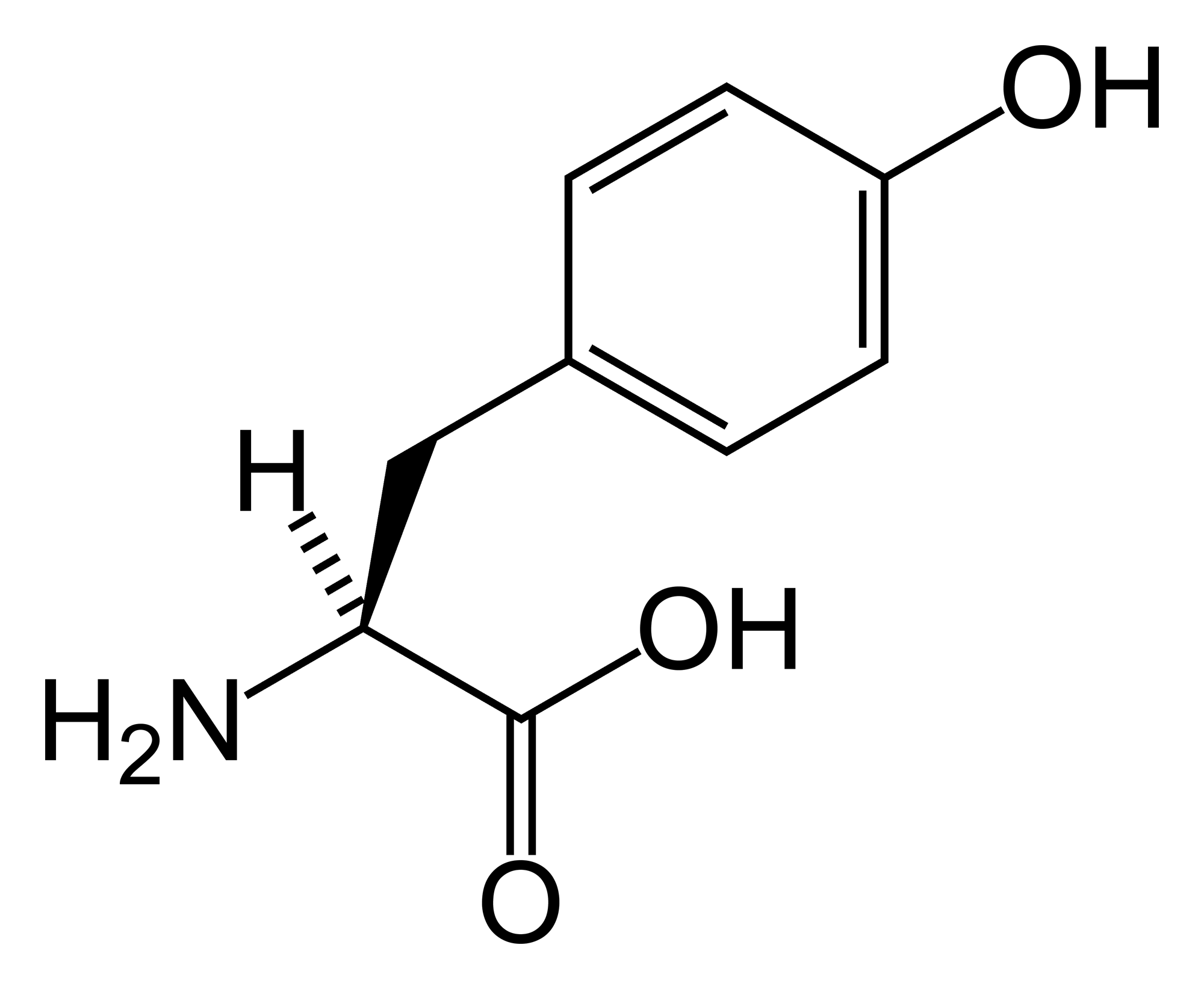
A doença do metabolismo da tirosina é uma condição rara que afeta a forma como o corpo processa o aminoácido tirosina. Isso pode levar ao acúmulo de substâncias tóxicas e a uma série de manifestações clínicas que variam de pessoa para pessoa. A doença é classificada na Classificação Internacional de Doenças (CID-10) sob o código E70.2.[1][2]
Sinais e sintomas
Os sinais e sintomas da doença do metabolismo da tirosina podem incluir alterações na pigmentação da pele, cabelo e olhos, como hipopigmentação generalizada (pele mais clara), sardas, cílios e sobrancelhas brancas, e hipopigmentação da íris. Também podem ocorrer problemas oculares, como astigmatismo corneano, ambliopia, anormalidades da retina e do nervo óptico, e defeitos de transiluminação da íris. Na pele, é comum fotossensibilidade, ceratose actínica, pele espessada e maior risco de neoplasias cutâneas, incluindo carcinoma basocelular, carcinoma de células escamosas e melanoma. Outros achados incluem raquitismo dos membros inferiores, aminoacidúria generalizada (excesso de aminoácidos na urina) e anormalidades dos potenciais visuais evocados.[1][3]
Causas genéticas
A doença do metabolismo da tirosina está associada a variantes em diversos genes que participam da via de degradação da tirosina. Os genes identificados incluem: TAT (tirosina aminotransferase), FAH (fumarilacetoacetase), HPD (4-hidroxifenilpiruvato dioxigenase), HGD (homogentisato 1,2-dioxigenase), TH (tirosina 3-monooxigenase), TYR (tirosinase) e TSPOAP1 (proteína associada ao receptor de benzodiazepina do tipo periférico 1). Mutações nesses genes podem comprometer o funcionamento das enzimas responsáveis pelo metabolismo da tirosina, levando ao acúmulo de metabólitos tóxicos.[1][4]
Diagnóstico
O diagnóstico da doença do metabolismo da tirosina pode ser realizado por meio de exames laboratoriais e genéticos. Os procedimentos disponíveis no Sistema Único de Saúde (SUS) incluem a dosagem de aminoácidos (para erros inatos do metabolismo), a dosagem de ácidos orgânicos na urina, o teste de triagem para erros inatos do metabolismo (teste do pezinho), o sequenciamento completo do exoma (WES) e o atendimento em reabilitação para doenças raras. Atualmente, existem 336 testes genéticos disponíveis e 1.540 variantes registradas no ClinVar associadas a essa condição.[1][4]
Tratamento e manejo
O manejo da doença do metabolismo da tirosina deve ser individualizado e multidisciplinar, envolvendo acompanhamento clínico regular. No Brasil, o nível de cobertura pelo SUS é considerado mínimo, e os procedimentos disponíveis incluem exames laboratoriais e genéticos, além de atendimento em reabilitação para doenças raras. Não há informações específicas sobre medicamentos aprovados ou protocolos de tratamento padronizados nos dados disponíveis. O acompanhamento com especialistas (como geneticista, dermatologista, oftalmologista e nutricionista) é fundamental para monitorar e tratar as manifestações da doença.[1]
Prognóstico e qualidade de vida
O prognóstico da doença do metabolismo da tirosina pode variar amplamente dependendo da gravidade das manifestações e do acesso ao diagnóstico e manejo adequados. A presença de complicações como neoplasias cutâneas e problemas oculares pode impactar a qualidade de vida. O acompanhamento regular e o tratamento das complicações são essenciais para melhorar o bem-estar e a sobrevida dos pacientes.[1][3]
Conteúdo informativo gerado e mantido automaticamente a partir de fontes oficiais (Orphanet, HPO, OMIM, SUS). Não substitui avaliação médica.
Doença rara do metabolismo da tirosina, caracterizada por pigmentação escleral, raquitismo, aminoacidúria e ceratose actínica. Pode apresentar hipopigmentação, neoplasias de pele e alterações oculares como vasculatura coroidal e nervo óptico anormais.
Tem tratamento?
Encontrou um erro ou informação desatualizada? Sugira uma correção →
Entender a doença
Do básico ao detalhe, leia no seu ritmo
Preparando trilha educativa...
Sinais e sintomas
O que aparece no corpo e com que frequência cada sintoma acontece
Visão geral
A doença do metabolismo da tirosina é uma condição rara que afeta a forma como o corpo processa o aminoácido tirosina. Isso pode levar ao acúmulo de substâncias tóxicas e a uma série de manifestações clínicas que variam de pessoa para pessoa. A doença é classificada na Classificação Internacional de Doenças (CID-10) sob o código E70.2.[1][2]
Sinais e sintomas
Os sinais e sintomas da doença do metabolismo da tirosina podem incluir alterações na pigmentação da pele, cabelo e olhos, como hipopigmentação generalizada (pele mais clara), sardas, cílios e sobrancelhas brancas, e hipopigmentação da íris. Também podem ocorrer problemas oculares, como astigmatismo corneano, ambliopia, anormalidades da retina e do nervo óptico, e defeitos de transiluminação da íris. Na pele, é comum fotossensibilidade, ceratose actínica, pele espessada e maior risco de neoplasias cutâneas, incluindo carcinoma basocelular, carcinoma de células escamosas e melanoma. Outros achados incluem raquitismo dos membros inferiores, aminoacidúria generalizada (excesso de aminoácidos na urina) e anormalidades dos potenciais visuais evocados.[1][3]
Causas genéticas
A doença do metabolismo da tirosina está associada a variantes em diversos genes que participam da via de degradação da tirosina. Os genes identificados incluem: TAT (tirosina aminotransferase), FAH (fumarilacetoacetase), HPD (4-hidroxifenilpiruvato dioxigenase), HGD (homogentisato 1,2-dioxigenase), TH (tirosina 3-monooxigenase), TYR (tirosinase) e TSPOAP1 (proteína associada ao receptor de benzodiazepina do tipo periférico 1). Mutações nesses genes podem comprometer o funcionamento das enzimas responsáveis pelo metabolismo da tirosina, levando ao acúmulo de metabólitos tóxicos.[1][4]
Diagnóstico
O diagnóstico da doença do metabolismo da tirosina pode ser realizado por meio de exames laboratoriais e genéticos. Os procedimentos disponíveis no Sistema Único de Saúde (SUS) incluem a dosagem de aminoácidos (para erros inatos do metabolismo), a dosagem de ácidos orgânicos na urina, o teste de triagem para erros inatos do metabolismo (teste do pezinho), o sequenciamento completo do exoma (WES) e o atendimento em reabilitação para doenças raras. Atualmente, existem 336 testes genéticos disponíveis e 1.540 variantes registradas no ClinVar associadas a essa condição.[1][4]
Tratamento e manejo
O manejo da doença do metabolismo da tirosina deve ser individualizado e multidisciplinar, envolvendo acompanhamento clínico regular. No Brasil, o nível de cobertura pelo SUS é considerado mínimo, e os procedimentos disponíveis incluem exames laboratoriais e genéticos, além de atendimento em reabilitação para doenças raras. Não há informações específicas sobre medicamentos aprovados ou protocolos de tratamento padronizados nos dados disponíveis. O acompanhamento com especialistas (como geneticista, dermatologista, oftalmologista e nutricionista) é fundamental para monitorar e tratar as manifestações da doença.[1]
Prognóstico e qualidade de vida
O prognóstico da doença do metabolismo da tirosina pode variar amplamente dependendo da gravidade das manifestações e do acesso ao diagnóstico e manejo adequados. A presença de complicações como neoplasias cutâneas e problemas oculares pode impactar a qualidade de vida. O acompanhamento regular e o tratamento das complicações são essenciais para melhorar o bem-estar e a sobrevida dos pacientes.[1][3]
Conteúdo informativo gerado e mantido automaticamente a partir de fontes oficiais (Orphanet, HPO, OMIM, SUS). Não substitui avaliação médica.
Partes do corpo afetadas
+ 78 sintomas em outras categorias
Características mais comuns
Os sintomas variam de pessoa para pessoa. Abaixo estão as 204 características clínicas mais associadas, ordenadas por frequência.
Linha do tempo da pesquisa
Encontrou um erro ou informação desatualizada? Sugira uma correção →
Genética e causas
O que está alterado no DNA e como passa nas famílias
Genes associados
7 genes identificados com associação a esta condição.
Catalyzes the conversion of L-tyrosine to L-dihydroxyphenylalanine (L-Dopa), the rate-limiting step in the biosynthesis of catecholamines, dopamine, noradrenaline, and adrenaline. Uses tetrahydrobiopterin and molecular oxygen to convert tyrosine to L-Dopa (PubMed:15287903, PubMed:1680128, PubMed:17391063, PubMed:24753243, PubMed:34922205, PubMed:8528210, Ref.18). In addition to tyrosine, is able to catalyze the hydroxylation of phenylalanine and tryptophan with lower specificity (By similarity).
Cytoplasm, perinuclear regionNucleusCell projection, axonCytoplasmCytoplasmic vesicle, secretory vesicle, synaptic vesicle
Segawa syndrome autosomal recessive
A form of DOPA-responsive dystonia presenting in infancy or early childhood. Dystonia is defined by the presence of sustained involuntary muscle contractions, often leading to abnormal postures. Some cases present with parkinsonian symptoms in infancy. Unlike all other forms of dystonia, it is an eminently treatable condition, due to a favorable response to L-DOPA.
Required for synaptic transmission regulation (PubMed:33539324). It probably controls the recruitment of voltage-gated calcium channels to the presynaptic membrane, and modulates neurotransmitter release
CytoplasmMitochondrion
Dystonia 22, adult-onset
A form of dystonia, a disorder defined by the presence of sustained involuntary muscle contraction, often leading to abnormal postures. DYT22AO is an autosomal recessive form characterized by focal dystonia or tremor and mild cognitive impairment.
Catalyzes the conversion of homogentisate to maleylacetoacetate
Alkaptonuria
An autosomal recessive error of metabolism characterized by an increase in the level of homogentisic acid. The clinical manifestations are urine that turns dark on standing and alkalinization, black ochronotic pigmentation of cartilage and collagenous tissues, and spine arthritis.
This is a copper-containing oxidase that functions in the formation of pigments such as melanins and other polyphenolic compounds. Catalyzes the initial and rate limiting step in the cascade of reactions leading to melanin production from tyrosine (By similarity). In addition to hydroxylating tyrosine to DOPA (3,4-dihydroxyphenylalanine), also catalyzes the oxidation of DOPA to DOPA-quinone, and possibly the oxidation of DHI (5,6-dihydroxyindole) to indole-5,6 quinone (PubMed:28661582)
Melanosome membraneMelanosome
Albinism, oculocutaneous, 1A
An autosomal recessive disorder in which the biosynthesis of melanin pigment is absent in skin, hair, and eyes. It is characterized by complete lack of tyrosinase activity due to production of an inactive enzyme. Patients present with a life-long absence of melanin pigment after birth, and manifest increased sensitivity to ultraviolet radiation with predisposition to skin cancer. Visual anomalies include decreased acuity, nystagmus, strabismus and photophobia.
Transaminase involved in tyrosine breakdown. Converts tyrosine to p-hydroxyphenylpyruvate. Can catalyze the reverse reaction, using glutamic acid, with 2-oxoglutarate as cosubstrate (in vitro). Has much lower affinity and transaminase activity towards phenylalanine
Tyrosinemia 2
An inborn error of metabolism characterized by elevations of tyrosine in the blood and urine, and oculocutaneous manifestations. Typical features include palmoplantar keratosis, painful corneal ulcers, and intellectual disability.
Tyrosinemia 1
An inborn error of metabolism characterized by elevations of tyrosine in the blood and urine, and hepatorenal manifestations. Typical features include hepatic necrosis, renal tubular injury, episodic weakness, self-mutilation, and seizures. Renal tubular dysfunction is associated with phosphate loss and hypophosphataemic rickets. Progressive liver disease can lead to the development of hepatocellular carcinoma. Dietary treatment with restriction of tyrosine and phenylalanine alleviates the rickets, but liver transplantation has so far been the only definite treatment.
Catalyzes the conversion of 4-hydroxyphenylpyruvic acid to homogentisic acid, one of the steps in tyrosine catabolism
CytoplasmEndoplasmic reticulum membraneGolgi apparatus membrane
Tyrosinemia 3
An autosomal recessive inborn error of metabolism characterized by high levels of tyrosine in the blood, massive excretion of its derivatives into urine, seizures and mild intellectual disability.
Medicamentos e terapias
Mecanismo: 4-hydroxyphenylpyruvate dioxygenase inhibitor
Variantes genéticas (ClinVar)
1.540 variantes patogênicas registradas no ClinVar.
Vias biológicas (Reactome)
10 vias biológicas associadas aos genes desta condição.
Diagnóstico
Os sinais que médicos procuram e os exames que confirmam
Tratamento e manejo
Remédios, cuidados de apoio e o que precisa acompanhar
Onde tratar no SUS
Hospitais de referência no Brasil e o protocolo oficial do SUS (PCDT)
🇧🇷 Atendimento SUS — Doença do metabolismo da tirosina
Centros de Referência SUS
21 centros habilitados pelo SUS para Doença do metabolismo da tirosina
Centros para Doença do metabolismo da tirosina
Detalhes dos centros
Hospital Universitário Prof. Edgard Santos (HUPES)
R. Dr. Augusto Viana, s/n - Canela, Salvador - BA, 40110-060 · CNES 0003808
Serviço de Referência
Hospital de Apoio de Brasília (HAB)
AENW 3 Lote A Setor Noroeste - Plano Piloto, Brasília - DF, 70684-831 · CNES 0010456
Serviço de Referência
Hospital Estadual Infantil e Maternidade Alzir Bernardino Alves (HIABA)
Av. Min. Salgado Filho, 918 - Soteco, Vila Velha - ES, 29106-010 · CNES 6631207
Serviço de Referência
Hospital das Clínicas da UFG
Rua 235 QD. 68 Lote Área, Nº 285, s/nº - Setor Leste Universitário, Goiânia - GO, 74605-050 · CNES 2338424
Serviço de Referência
Hospital das Clínicas da UFMG
Av. Prof. Alfredo Balena, 110 - Santa Efigênia, Belo Horizonte - MG, 30130-100 · CNES 2280167
Serviço de Referência
NUPAD / Faculdade de Medicina UFMG
Av. Prof. Alfredo Balena, 189 - 5 andar - Centro, Belo Horizonte - MG, 30130-100 · CNES 2183226
Serviço de Referência
Hospital Universitário João de Barros Barreto
R. dos Mundurucus, 4487 - Guamá, Belém - PA, 66073-000 · CNES 2337878
Serviço de Referência
Hospital de Clínicas da Universidade Federal de Pernambuco
Av. Prof. Moraes Rego, 1235 - Cidade Universitária, Recife - PE, 50670-901 · CNES 2561492
Atenção Especializada
Instituto de Medicina Integral Prof. Fernando Figueira (IMIP)
R. dos Coelhos, 300 - Boa Vista, Recife - PE, 50070-902 · CNES 0000647
Serviço de Referência
Hospital de Clínicas da UFPR
R. Gen. Carneiro, 181 - Alto da Glória, Curitiba - PR, 80060-900 · CNES 2364980
Serviço de Referência
Hospital Universitário Pedro Ernesto (HUPE-UERJ)
Blvd. 28 de Setembro, 77 - Vila Isabel, Rio de Janeiro - RJ, 20551-030 · CNES 2280221
Serviço de Referência
Instituto Nacional de Saúde da Mulher, da Criança e do Adolescente Fernandes Figueira (IFF/Fiocruz)
Av. Rui Barbosa, 716 - Flamengo, Rio de Janeiro - RJ, 22250-020 · CNES 2269988
Serviço de Referência
Hospital Universitário Onofre Lopes (HUOL)
Av. Nilo Peçanha, 620 - Petrópolis, Natal - RN, 59012-300 · CNES 2408570
Atenção Especializada
Hospital São Lucas da PUCRS
Av. Ipiranga, 6690 - Jardim Botânico, Porto Alegre - RS, 90610-000 · CNES 2232928
Serviço de Referência
Hospital de Clínicas de Porto Alegre (HCPA)
Rua Ramiro Barcelos, 2350 Bloco A - Av. Protásio Alves, 211 - Bloco B e C - Santa Cecília, Porto Alegre - RS, 90035-903 · CNES 2237601
Serviço de Referência
Hospital Universitário da UFSC (HU-UFSC)
R. Profa. Maria Flora Pausewang - Trindade, Florianópolis - SC, 88036-800 · CNES 2560356
Serviço de Referência
Hospital das Clínicas da FMUSP
R. Dr. Ovídio Pires de Campos, 225 - Cerqueira César, São Paulo - SP, 05403-010 · CNES 2077485
Serviço de Referência
Hospital de Clínicas da UNICAMP
R. Vital Brasil, 251 - Cidade Universitária, Campinas - SP, 13083-888 · CNES 2748223
Serviço de Referência
Hospital de Clínicas de Ribeirão Preto (HCRP-USP)
R. Ten. Catão Roxo, 3900 - Vila Monte Alegre, Ribeirão Preto - SP, 14015-010 · CNES 2082187
Serviço de Referência
Instituto da Criança e do Adolescente (ICr-HCFMUSP)
Av. Dr. Enéas Carvalho de Aguiar, 647 - Cerqueira César, São Paulo - SP, 05403-000 · CNES 2081695
Serviço de Referência
UNIFESP / Hospital São Paulo
R. Napoleão de Barros, 715 - Vila Clementino, São Paulo - SP, 04024-002 · CNES 2688689
Serviço de Referência
Dados de DATASUS/CNES, SBGM, ABNeuro e Ministério da Saúde. Sempre confirme a disponibilidade diretamente com o estabelecimento.
Pesquisa ativa
Ensaios clínicos abertos e novidades científicas recentes
Ensaios em destaque
🟢 Recrutando agora
3 pesquisas recrutando participantes. Converse com seu médico sobre a possibilidade de participar.
Outros ensaios clínicos
0 ensaios clínicos encontrados.
Publicações mais relevantes
Ochronotic arthropathy: skeletal manifestations and orthopaedic treatment.
Alkaptonuria is an extremely rare disorder of tyrosine metabolism caused by an autosomal recessive enzymatic deficiency of homogentisic acid (HGA) oxidase, causing its accumulation in collagenous structures, especially in hyaline cartilage. It is characterized by a triad of homogentisic aciduria, bluish-black discoloration of connective tissues (ochronosis) and arthropathy of the spine and large weight-bearing joints. Several clinical manifestations were described including coronary and valvular calcification, aortic stenosis, limited chest expansion, and renal, urethral and prostate calculi as well as ocular and cutaneous pigmentation. Skeletal affection usually presents as spondylotic changes of the spine. The knee is the most common peripheral joint to be involved. Enthesopathy or tendon ruptures may occur, and reduced bone density is not unusual. A low-protein diet and ascorbic acid may reduce HGA levels. Nitisinone can safely and effectively reduce HGA production and urinary excretion. In severe ochronotic arthropathy, joint arthroplasty can offer reliable pain relief and excellent functional outcomes. Cementless fixation is successful in young patients.
A Lithuanian Case of Tyrosinemia Type 1 with a Literature Review: A Rare Cause of Acute Liver Failure in Childhood.
Hereditary type 1 tyrosinemia (HT1) is a rare inherited autosomal recessive disorder of tyrosine metabolism, characterized by progressive liver damage, dysfunction of kidney tubules, and neurological crises. In the course of this disease, due to the deficiency of the enzyme fumarylacetoacetate hydrolase (FAH), toxic intermediate metabolites of tyrosine breakdown, such as fumarylacetoacetate (FAA), succinylacetoacetate (SAA), and succinylacetone (SA), accumulate in liver and kidney cells, causing cellular damage. Because of this, an increased SA concentration in the blood or urine is pathognomonic of HT1. In the year 2000, HT1 was diagnosed in Lithuania for the first time, and this was the first time when a specific treatment for HT1 was administered in the country. Over two decades, four cases of this disease have been diagnosed in Lithuania. In the first of these patients, the disease was diagnosed in infancy, manifesting as liver damage with liver failure. Treatment with nitisinone was initiated, which continues to be administered, maintaining normal liver function. Liver transplantation was performed on two subsequent patients due to complications of HT1. It is crucial to diagnose HT1 as early as possible in order to reduce or completely eliminate complications related to the disease, including progressive liver failure and kidney dysfunction, among others. This can only be achieved by conducting a universal newborn screening for tyrosinemia and by starting treatment with nitisinone (NTBC) before the age of 1 month in all cases of HT1. However, in those countries where this screening is not being carried out, physicians must be aware of and consider this highly rare disorder. They should be vigilant, paying attention to even minimal changes in a few specific laboratory test results-such as unexplained anemia alongside neutropenia and thrombocytopenia-and should conduct more detailed examinations to determine the causes of these changes. In this article, we present the latest clinical case of HT1 in Lithuania, diagnosed at the Children's Diseases' Clinic of the Lithuanian University of Health Sciences (LUHS) Hospital Kaunas Clinics. The case manifested as life-threatening acute liver failure in early childhood. This article explores and discusses the peculiarities of diagnosing this condition in the absence of universal newborn screening for tyrosinemia in the country, as well as the course, treatment, and ongoing monitoring of patients with this disorder.
Ochronotic arthropathy effectively treated with total hip and total knee arthroplasty: a case report.
Ochronosis is a rare autosomal recessive disorder of tyrosine metabolism characterized by multilevel spinal degeneration and arthritis of large weight-bearing joints, which is referred to as ochronotic arthropathy. In this case report, we describe diagnosis and treatment of ochronotic arthropathy in a patient who underwent total hip arthroplasty (THA) and total knee arthroplasty (TKA). The Harris hip score was 26 preoperatively and 45, 68, 76, 90, 92, and 94 at 1, 3, 6, 9, 11, and 14 months, respectively, postoperatively. The forgotten joint score (FJS) of the hip was 27.8, 52.8, 81.1, 89.0, 90.6, and 92.4 at 1, 3, 6, 9, 11, and 14 months, respectively, postoperatively. TKA was performed 8 months after THA. The Knee Society Score was 36 before TKA and 74, 82, and 90 at 1, 3, and 6 months, respectively, after TKA. The FJS of the knee was 36.6, 63.9, and 84.5 at 1, 3, and 6 months, respectively, after TKA. The patient's knee range of motion returned to normal, with significant reduction in pain and improved satisfaction levels after TKA. THA and TKA can achieve good clinical outcomes in patients with ochronosis accompanied by severe joint pain.
Nitisinone treatment during two pregnancies and breastfeeding in a woman with tyrosinemia type 1 - a case report.
Tyrosinaemia type 1, an inherited disorder of tyrosine metabolism, is usually treated with a tyrosine-defined diet and since 2000 with nitisinone. So far, data about effects of nitisone during pregnancy and breastfeeding are rare. This is the first report of two pregnancies in a patient with tyrosinaemia type 1 while under treatment with nitisinone. We here present a 20-year-old female patient with tyrisonemia type 1 receiving treatment with nitisinone and a tyrosine-defined diet since she was diagnosed with tyrosinaemia type 1 at the age of 18 months. During two pregnancies blood concentrations of tyrosine, succinylacetone and nitisinone were measured regularly. Neither infant has tyrosinaemia type 1 and both showed an initial increase in concentrations of tyrosine, succinylacetone and nitisinone. All three metabolites dropped within two weeks after birth. Both were exclusively breastfed for about two weeks. Both children show age-appropriate physical and mental development. Nitisinone therapy during pregnancy and the short breastfeeding period did not result in adverse events in our patient or her children. Regular assessments of tyrosine, succinylacetone and nitisinone should be made during pregnancy and the breastfeeding period in both the mother and the infant. For better understanding, in principle, all cases of pregnancy and breastfeeding with tyrosinemia type 1 should be assessed and followed to further evaluate the implications of tyrosinaemia type 1 and its treatment during pregnancy. Additionally, even though experience with breastfeeding is limited, medication with nitisinone is safe and there is no reason to consider breastfeeding unsafe or to not recommend it.
Metabolomic studies in the inborn error of metabolism alkaptonuria reveal new biotransformations in tyrosine metabolism.
Alkaptonuria (AKU) is an inherited disorder of tyrosine metabolism caused by lack of active enzyme homogentisate 1,2-dioxygenase (HGD). The primary consequence of HGD deficiency is increased circulating homogentisic acid (HGA), the main agent in the pathology of AKU disease. Here we report the first metabolomic analysis of AKU homozygous Hgd knockout (Hgd -/-) mice to model the wider metabolic effects of Hgd deletion and the implication for AKU in humans. Untargeted metabolic profiling was performed on urine from Hgd -/- AKU (n = 15) and Hgd +/- non-AKU control (n = 14) mice by liquid chromatography high-resolution time-of-flight mass spectrometry (Experiment 1). The metabolites showing alteration in Hgd -/- were further investigated in AKU mice (n = 18) and patients from the UK National AKU Centre (n = 25) at baseline and after treatment with the HGA-lowering agent nitisinone (Experiment 2). A metabolic flux experiment was carried out after administration of 13C-labelled HGA to Hgd -/-(n = 4) and Hgd +/-(n = 4) mice (Experiment 3) to confirm direct association with HGA. Hgd -/- mice showed the expected increase in HGA, together with unexpected alterations in tyrosine, purine and TCA-cycle pathways. Metabolites with the greatest abundance increases in Hgd -/- were HGA and previously unreported sulfate and glucuronide HGA conjugates, these were decreased in mice and patients on nitisinone and shown to be products from HGA by the 13C-labelled HGA tracer. Our findings reveal that increased HGA in AKU undergoes further metabolism by mainly phase II biotransformations. The data advance our understanding of overall tyrosine metabolism, demonstrating how specific metabolic conditions can elucidate hitherto undiscovered pathways in biochemistry and metabolism.
Publicações recentes
A rare coexistence: tyrosinemia type III and Wolff-Parkinson-White syndrome.
Ochronotic arthropathy: skeletal manifestations and orthopaedic treatment.
A Lithuanian Case of Tyrosinemia Type 1 with a Literature Review: A Rare Cause of Acute Liver Failure in Childhood.
Ochronotic arthropathy effectively treated with total hip and total knee arthroplasty: a case report.
A novel deep intronic variant strongly associates with Alkaptonuria.
📚 EuropePMC3 artigos no totalmostrando 21
Ochronotic arthropathy: skeletal manifestations and orthopaedic treatment.
EFORT open reviewsA Lithuanian Case of Tyrosinemia Type 1 with a Literature Review: A Rare Cause of Acute Liver Failure in Childhood.
Medicina (Kaunas, Lithuania)Ochronotic arthropathy effectively treated with total hip and total knee arthroplasty: a case report.
Frontiers in medicineA novel deep intronic variant strongly associates with Alkaptonuria.
NPJ genomic medicineDevelopment of an Effective Therapy for Alkaptonuria - Lessons for Osteoarthritis.
Rheumatology and immunology researchNitisinone treatment during two pregnancies and breastfeeding in a woman with tyrosinemia type 1 - a case report.
Journal of pediatric endocrinology & metabolism : JPEMBlack Aortic Valve: Incidental Finding of Alkaptonuria.
The Thoracic and cardiovascular surgeon reportsMetabolomic studies in the inborn error of metabolism alkaptonuria reveal new biotransformations in tyrosine metabolism.
Genes & diseasesAortic distensibility in alkaptonuria.
Molecular genetics and metabolismHawkinsinuria clinical practice guidelines: a Mexican case report and literature review.
The Journal of international medical researchRaman Spectroscopy identifies differences in ochronotic and non-ochronotic cartilage; a potential novel technique for monitoring ochronosis.
Osteoarthritis and cartilageThe Dark Side of the Heart: Cardiovascular Manifestation of Ochronosis.
The Annals of thoracic surgeryEvaluation of the Mitra microsampling device for use with key urinary metabolites in patients with Alkaptonuria.
BioanalysisBlack Aortic Valve Stenosis Reveals a Rare Disorder of Tyrosine Metabolism.
Deutsches Arzteblatt internationalOchronosis of Mitral Valve and Coronary Arteries.
The Annals of thoracic surgeryExpanding the phenotype of hawkinsinuria: new insights from response to N-acetyl-L-cysteine.
Journal of inherited metabolic diseaseAcute fatal metabolic complications in alkaptonuria.
Journal of inherited metabolic diseaseFatal oxidative haemolysis and methaemoglobinaemia in a patient with alkaptonuria and acute kidney injury.
Clinical kidney journalPerturbations of tyrosine metabolism promote the indolepyruvate pathway via tryptophan in host and microbiome.
Molecular genetics and metabolismSerum markers in alkaptonuria: simultaneous analysis of homogentisic acid, tyrosine and nitisinone by liquid chromatography tandem mass spectrometry.
Annals of clinical biochemistryTotal knee arthroplasty in ochronosis.
Arthroplasty todayAssociações
Organizações que acompanham esta doença — pra ter apoio e orientação
Ainda não temos associações cadastradas para Doença do metabolismo da tirosina.
É de uma associação que acompanha esta doença? Fale com a gente →
Comunidades
Grupos ativos de quem convive com esta doença aqui no Raras
Ainda não existe comunidade no Raras para Doença do metabolismo da tirosina
Pacientes, familiares e cuidadores se organizam em comunidades pra compartilhar experiências, fazer perguntas e se apoiar. Você pode ser o primeiro.
Tire suas dúvidas
Perguntas, dicas e experiências compartilhadas aqui na página
Participe da discussão
Faça login para postar dúvidas, compartilhar experiências e interagir com especialistas.
Fazer loginDoenças relacionadas
Doenças com sintomas parecidos — ajudam quem ainda está buscando diagnóstico
Referências e fontes
Bases de dados externas citadas neste artigo
Publicações científicas
Artigos indexados no PubMed ligados a esta doença no grafo RarasNet — título, periódico e PMID direto da fonte, sem intermediação de IA.
- Ochronotic arthropathy: skeletal manifestations and orthopaedic treatment.
- A Lithuanian Case of Tyrosinemia Type 1 with a Literature Review: A Rare Cause of Acute Liver Failure in Childhood.
- Ochronotic arthropathy effectively treated with total hip and total knee arthroplasty: a case report.
- Nitisinone treatment during two pregnancies and breastfeeding in a woman with tyrosinemia type 1 - a case report.
- Metabolomic studies in the inborn error of metabolism alkaptonuria reveal new biotransformations in tyrosine metabolism.
- A rare coexistence: tyrosinemia type III and Wolff-Parkinson-White syndrome.
- A novel deep intronic variant strongly associates with Alkaptonuria.
Bases de dados e fontes oficiais
Identificadores e referências canônicas usadas para montar este verbete.
- ORPHA:284818(Orphanet)
- MONDO:0017307(MONDO)
- GARD:21127(GARD (NIH))
- Variantes catalogadas(ClinVar)
- Busca completa no PubMed(PubMed)
- Artigo Wikipedia(Wikipedia)
- Q1122668(Wikidata)
Dados compilados pelo RarasNet a partir de fontes abertas (Orphanet, OMIM, MONDO, PubMed/EuropePMC, ClinicalTrials.gov, DATASUS, PCDT/MS). Este conteúdo é informativo e não substitui avaliação médica.
Conteúdo mantido por Agente Raras · Médicos e pesquisadores podem colaborar
Doença do metabolismo da tirosina
📋 Origem dos dados
Esta página agrega dados de fontes públicas e oficiais. Dados sobre cobertura no SUS (PCDT, CEAF) são verificados ativamente por agente proativo (ver badge no infobox). Demais dados têm atribuição de fonte + data da última sincronização — clique para abrir o original.
- Doença rara (ontologia)
- fonte: Orphanet
- Identificador unificado
- fonte: MONDO
- Codificação WHO/SUS
- fonte: WHO ICD-10 / DATASUS
- CID-11 (futuro)
- fonte: WHO ICD-11
- NIH/GARD
- fonte: GARD (NIH)
- Indexação biomédica
- fonte: MeSH (NLM)
- Dado público estruturado
- fonte: Wikidata
- Medicamentos (literatura)
- fonte: Orphanet