
A Deficiência Familiar da Lipase Lipoproteica é uma doença genética rara em que a pessoa não tem a enzima lipase lipoproteica, uma proteína importante para quebrar as moléculas de gordura. A falta dessa enzima impede que as pessoas afetadas digiram corretamente alguns tipos de gordura. Isso faz com que se acumulem no sangue pequenas bolhas de gordura chamadas quilomícrons, e aumente a quantidade de triglicerídeos no sangue. Os sintomas incluem dores fortes na barriga de vez em quando, inflamações repetidas do pâncreas (pancreatite), aumento fora do normal do fígado e/ou do baço (hepatoesplenomegalia), e o surgimento de lesões na pele chamadas xantomas eruptivos. Essa condição é causada por alterações (mutações) no gene LPL. É herdada de forma autossômica recessiva. O tratamento busca controlar os sintomas e os níveis de triglicerídeos no sangue com uma dieta com pouquíssima gordura. O tratamento para sintomas específicos (como a pancreatite) segue as recomendações médicas já conhecidas.
Introdução
O que você precisa saber de cara
A Deficiência Familiar da Lipase Lipoproteica é uma doença genética rara em que a pessoa não tem a enzima lipase lipoproteica, uma proteína importante para quebrar as moléculas de gordura. A falta dessa enzima impede que as pessoas afetadas digiram corretamente alguns tipos de gordura. Isso faz com que se acumulem no sangue pequenas bolhas de gordura chamadas quilomícrons, e aumente a quantidade de triglicerídeos no sangue. Os sintomas incluem dores fortes na barriga de vez em quando, inflamações repetidas do pâncreas (pancreatite), aumento fora do normal do fígado e/ou do baço (hepatoesplenomegalia), e o surgimento de lesões na pele chamadas xantomas eruptivos. Essa condição é causada por alterações (mutações) no gene LPL. É herdada de forma autossômica recessiva. O tratamento busca controlar os sintomas e os níveis de triglicerídeos no sangue com uma dieta com pouquíssima gordura. O tratamento para sintomas específicos (como a pancreatite) segue as recomendações médicas já conhecidas.
Tem tratamento?
Escala de raridade
<1/50kMuito rara
1/20kRara
1/10kPouco freq.
1/5kIncomum
1/2k
Encontrou um erro ou informação desatualizada? Sugira uma correção →
Entender a doença
Do básico ao detalhe, leia no seu ritmo
Preparando trilha educativa...
Sinais e sintomas
O que aparece no corpo e com que frequência cada sintoma acontece
Partes do corpo afetadas
+ 8 sintomas em outras categorias
Características mais comuns
Os sintomas variam de pessoa para pessoa. Abaixo estão as 16 características clínicas mais associadas, ordenadas por frequência.
Linha do tempo da pesquisa
Encontrou um erro ou informação desatualizada? Sugira uma correção →
Genética e causas
O que está alterado no DNA e como passa nas famílias
Genes associados
1 gene identificado com associação a esta condição. Padrão de herança: Autosomal dominant, Autosomal recessive.
Curadoria gene-doença
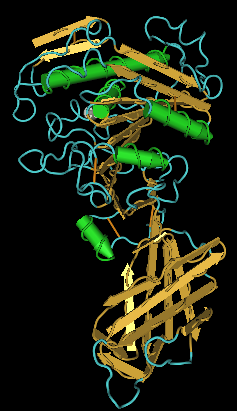
fontes oficiaisKey enzyme in triglyceride metabolism. Catalyzes the hydrolysis of triglycerides from circulating chylomicrons and very low density lipoproteins (VLDL), and thereby plays an important role in lipid clearance from the blood stream, lipid utilization and storage (PubMed:11342582, PubMed:27578112, PubMed:8675619). Although it has both phospholipase and triglyceride lipase activities it is primarily a triglyceride lipase with low but detectable phospholipase activity (PubMed:12032167, PubMed:7592706
Cell membraneSecretedSecreted, extracellular space, extracellular matrix
Hyperlipoproteinemia 1
An autosomal recessive metabolic disorder characterized by defective breakdown of dietary fats, impaired clearance of chylomicrons from plasma causing the plasma to have a milky appearance, and severe hypertriglyceridemia. On a normal diet, patients often present with abdominal pain, hepatosplenomegaly, lipemia retinalis, eruptive xanthomata, and massive hypertriglyceridemia, sometimes complicated with acute pancreatitis.
Medicamentos e terapias
Mecanismo: Apolipoprotein C-III mRNA 3'UTR antisense inhibitor
Mecanismo: Inosine-5'-monophosphate dehydrogenase (IMPDH) inhibitor
Mecanismo: Cyclophilin A modulator
Mecanismo: Glucocorticoid receptor agonist
Mecanismo: Glucocorticoid receptor agonist
Variantes genéticas (ClinVar)
300 variantes patogênicas registradas no ClinVar.
Vias biológicas (Reactome)
5 vias biológicas associadas aos genes desta condição.
Diagnóstico
Os sinais que médicos procuram e os exames que confirmam
Tratamento e manejo
Remédios, cuidados de apoio e o que precisa acompanhar
Onde tratar no SUS
Hospitais de referência no Brasil e o protocolo oficial do SUS (PCDT)
🇧🇷 Atendimento SUS — Deficiência de lipase lipoproteica, forma familiar
Selecione um estado ou use sua localização para ver resultados.
Dados de DATASUS/CNES, SBGM, ABNeuro e Ministério da Saúde. Sempre confirme a disponibilidade diretamente com o estabelecimento.
Pesquisa ativa
Ensaios clínicos abertos e novidades científicas recentes
Ensaios em destaque
🟢 Recrutando agora
1 pesquisa recrutando participantes. Converse com seu médico sobre a possibilidade de participar.
Outros ensaios clínicos
33 ensaios clínicos encontrados, 1 ativos.
Publicações mais relevantes
Homozygous familial lipoprotein lipase deficiency without obvious coronary artery stenosis.
The prevalence of familial lipoprotein lipase deficiency (LPLD) is approximately one in 1,000,000 in the general population. There are conflicting reports on whether or not LPLD is atherogenic. We conducted coronary computed tomographic (CT) angiography on two patients in their 70 s who had genetically confirmed LPLD. Patient 1 was a 73 year old woman with a body mass index (BMI) of 27.5 kg/m2, no history of diabetes mellitus and no history of drinking alcohol or smoking. At the time of her first visit, her serum total cholesterol, triglycerides and high-density lipoprotein cholesterol levels were 4.8 mmol/L, 17.3 mmol/L, and 0.5 mmol/L, respectively. She was treated with a lipid-restricted diet and fibrate but her serum TG levels remained extremely high. Next-generation sequencing analysis revealed a missense mutation (homo) in the LPL gene, c.662T>C (p. Ile221Thr), leading to the diagnosis of homozygous familial LPL deficiency (LPLD). Patient 2 was another 73- year- old woman. She also had marked hypertriglyceridemia with no history of diabetes mellitus, drinking alcohol, or smoking. Previous genetic studies showed she had a nonsense mutation (homozygous) in the LPL gene, c.1277G>A (p.Trp409Ter). To clarify the degree of coronary artery stenosis in these two cases, we conducted coronary CT angiography and found that no coronary artery stenosis in either the right or left coronary arteries. Based on the findings in these two elderly women along with previous reports on patients in their 60 s with LPLD and hypertriglyceridemia, we suggest that LPLD may not be associated with the development or progression of coronary artery disease.
Detailed analysis of lipolytic enzymes in a Japanese woman of familial lipoprotein lipase deficiency - Effects of pemafibrate treatment.
We present here a 72-y-old Japanese woman with lipoprotein lipase (LPL) deficiency and analyzed her lipolytic enzymes in detail before and after pemafibrate treatment. She had a serum triglycerides (TG) of 22.6 mmol/l at a medical checkup at the age of 52 y. She was referred to our hospital at the age of 61 y. Her serum lipoprotein lipase (LPL) concentration was extremely low, suggesting the clinical diagnosis of LPL deficiency. She experienced an event of acute pancreatitis at the age of 65 y. Next-generation sequencing analysis revealed a homozygous nonsense mutation in the LPL gene, c.1277G > A (p.Trp409Ter). Her serum TG, LPL and hepatic lipase (HL) concentrations were 15.0 mmol/l, 23 ng/ml and 66 ng/ml, respectively. Fifteen minutes after intravenous heparin injection (30 U/kg), her serum TG, LPL and HL concentrations turned to 14.1 mmol/l, 20 ng/ml and 660 ng/ml, respectively. Eight weeks of pemafibrate treatment (0.2 mg/day) caused a modest reductions in serum TG (15.02 → 13.58 mmol/l) and considerable increases in preheparin HL (66 → 76 ng/ml) and PHP-HL (660 → 1118 ng/ml) concentrations and PHP-HL activities (253 → 369U/l) despite almost no effect on LPL concentrations and activities. These findings suggest that HL may contribute to the reduction of plasma TG in LPL deficiency.
Molecular analysis of three known and one novel LPL variants in patients with type I hyperlipoproteinemia.
Type I hyperlipoproteinemia, also known as familial chylomicronemia syndrome (FCS), is a rare autosomal recessive disorder caused by variants in LPL, APOC2, APOA5, LMF1 or GPIHBP1 genes. The aim of this study was to identify novel variants in the LPL gene causing lipoprotein lipase deficiency and to understand the molecular mechanisms. A total of 3 individuals with severe hypertriglyceridemia and recurrent pancreatitis were selected from the Lipid Clinic at Sahlgrenska University Hospital and LPL was sequenced. In vitro experiments were performed in human embryonic kidney 293T/17 (HEK293T/17) cells transiently transfected with wild type or mutant LPL plasmids. Cell lysates and media were used to analyze LPL synthesis and secretion. Media were used to measure LPL activity. Patient 1 was compound heterozygous for three known variants: c.337T > C (W113R), c.644G > A (G215E) and c.1211T > G (M404R); patient 2 was heterozygous for the known variant c.658A > C (S220R) while patient 3 was homozygous for a novel variant in the exon 5 c.679G > T (V227F). All the LPL variants identified were loss-of-function variants and resulted in a substantial reduction in the secretion of LPL protein. We characterized at the molecular level three known and one novel LPL variants causing type I hyperlipoproteinemia showing that all these variants are pathogenic.
Severe hypertriglyceridemia in Japan: Differences in causes and therapeutic responses.
Severe hypertriglyceridemia (>1000 mg/dL) has a variety of causes and frequently leads to life-threating acute pancreatitis. However, the origins of this disorder are unclear for many patients. We aimed to characterize the causes of and responses to therapy in rare cases of severe hypertriglyceridemia in a group of Japanese patients. We enrolled 121 patients from a series of case studies that spanned 30 years. Subjects were divided into 3 groups: (1) primary (genetic causes); (2) secondary (acquired); and (3) disorders of uncertain causes. In the last group, we focused on 3 possible risks factors for hypertriglyceridemia: obesity, diabetes mellitus, and heavy alcohol intake. Group A (n = 20) included 13 patients with familial lipoprotein lipase deficiency, 3 patients with apolipoprotein CII deficiency, and other genetic disorders in the rest of the group. Group B patients (n = 15) had various metabolic and endocrine diseases. In Group C (uncertain causes; n = 86), there was conspicuous gender imbalance (79 males, 3 females) and most male subjects were heavy alcohol drinkers. In addition, 18 of 105 adult patients (17%) had histories of acute pancreatitis. The cause of severe hypertriglyceridemia is uncertain in many patients. In primary genetic forms of severe hypertriglyceridemia, genetic diversity between populations is unknown. In the acquired forms, we found fewer cases of estrogen-induced hypertriglyceridemia than in Western countries. In our clinical experience, the cause of most hypertriglyceridemia is uncertain. Our work suggests that genetic factors for plasma triglyceride sensitivity to alcohol should be explored. Familial lipoprotein lipase (LPL) deficiency usually presents in childhood and is characterized by very severe hypertriglyceridemia with episodes of abdominal pain, recurrent acute pancreatitis, eruptive cutaneous xanthomata, and hepatosplenomegaly. Clearance of chylomicrons from the plasma is impaired, causing triglycerides to accumulate in plasma and the plasma to have a milky (lactescent or lipemic) appearance. Symptoms usually resolve with restriction of total dietary fat to ≤20 g/day. The diagnosis of LPL deficiency is established in a proband by the identification of biallelic pathogenic variants in LPL on molecular genetic testing. Treatment of manifestations: Treatment is based on medical nutrition therapy to maintain plasma triglyceride concentration below 1000 mg/dL. Maintenance of triglyceride levels below 2000 mg/dL prevents recurrent abdominal pain. Restriction of dietary fat to ≤20 g/day or 15% of a total energy intake is usually sufficient to reduce plasma triglyceride concentration and to keep the individual with familial LPL deficiency free of symptoms. An acute pancreatitis episode is treated with standard care. Prevention of secondary complications: Prevention of recurrent acute pancreatitis decreases the risk of developing diabetes mellitus. Surveillance: Monitoring of plasma triglycerides. Agents/circumstances to avoid: Agents known to increase endogenous triglyceride concentration such as alcohol, oral estrogens, diuretics, isotretinoin, glucocorticoids, selective serotonin reuptake inhibitors, and beta-adrenergic blocking agents; fish oil supplements are contraindicated because they contribute to chylomicron levels. Pregnancy management: For pregnant women with LPL deficiency, extreme dietary fat restriction to <2 g/day during the second and third trimesters of pregnancy with close monitoring of plasma triglyceride concentration is recommended. Other: The lipid-lowering drugs that are used to treat other disorders of lipid metabolism are not effective in individuals with familial LPL deficiency. Familial LPL deficiency is inherited in an autosomal recessive manner. Each sib of an affected individual has a 25% chance of being affected, a 50% chance of being an asymptomatic carrier, and a 25% chance of being unaffected and not a carrier. Carrier testing for at-risk relatives and prenatal testing for pregnancies at increased risk are possible if the pathogenic variants in the family are known.
Identification and characterization of two novel mutations in the LPL gene causing type I hyperlipoproteinemia.
Type 1 hyperlipoproteinemia is a rare autosomal recessive disorder most often caused by mutations in the lipoprotein lipase (LPL) gene resulting in severe hypertriglyceridemia and pancreatitis. The aim of this study was to identify novel mutations in the LPL gene causing type 1 hyperlipoproteinemia and to understand the molecular mechanisms underlying the severe hypertriglyceridemia. Three patients presenting classical features of type 1 hyperlipoproteinemia were recruited for DNA sequencing of the LPL gene. Pre-heparin and post-heparin plasma of patients were used for protein detection analysis and functional test. Furthermore, in vitro experiments were performed in HEK293 cells. Protein synthesis and secretion were analyzed in lysate and medium fraction, respectively, whereas medium fraction was used for functional assay. We identified two novel mutations in the LPL gene causing type 1 hyperlipoproteinemia: a two base pair deletion (c.765_766delAG) resulting in a frameshift at position 256 of the protein (p.G256TfsX26) and a nucleotide substitution (c.1211 T > G) resulting in a methionine to arginine substitution (p.M404 R). LPL protein and activity were not detected in pre-heparin or post-heparin plasma of the patient with p.G256TfsX26 mutation or in the medium of HEK293 cells over-expressing recombinant p.G256TfsX26 LPL. A relatively small amount of LPL p.M404 R was detected in both pre-heparin and post-heparin plasma and in the medium of the cells, whereas no LPL activity was detected. We conclude that these two novel mutations cause type 1 hyperlipoproteinemia by inducing a loss or reduction in LPL secretion accompanied by a loss of LPL enzymatic activity.
Publicações recentes
Therapeutic plasmapheresis in a young infant with severe hypertriglyceridemia: a case report.
Homozygous familial lipoprotein lipase deficiency without obvious coronary artery stenosis.
Detailed analysis of lipolytic enzymes in a Japanese woman of familial lipoprotein lipase deficiency - Effects of pemafibrate treatment.
Molecular analysis of three known and one novel LPL variants in patients with type I hyperlipoproteinemia.
Severe hypertriglyceridemia in Japan: Differences in causes and therapeutic responses.
📚 EuropePMC30 artigos no totalmostrando 6
Homozygous familial lipoprotein lipase deficiency without obvious coronary artery stenosis.
Clinical biochemistryDetailed analysis of lipolytic enzymes in a Japanese woman of familial lipoprotein lipase deficiency - Effects of pemafibrate treatment.
Clinica chimica acta; international journal of clinical chemistryMolecular analysis of three known and one novel LPL variants in patients with type I hyperlipoproteinemia.
Nutrition, metabolism, and cardiovascular diseases : NMCDSevere hypertriglyceridemia in Japan: Differences in causes and therapeutic responses.
Journal of clinical lipidologyIdentification and characterization of two novel mutations in the LPL gene causing type I hyperlipoproteinemia.
Journal of clinical lipidologyAlipogene tiparvovec: a review of its use in adults with familial lipoprotein lipase deficiency.
DrugsAssociações
Organizações que acompanham esta doença — pra ter apoio e orientação
Ainda não temos associações cadastradas para Deficiência de lipase lipoproteica, forma familiar.
É de uma associação que acompanha esta doença? Fale com a gente →
Comunidades
Grupos ativos de quem convive com esta doença aqui no Raras
Ainda não existe comunidade no Raras para Deficiência de lipase lipoproteica, forma familiar
Pacientes, familiares e cuidadores se organizam em comunidades pra compartilhar experiências, fazer perguntas e se apoiar. Você pode ser o primeiro.
Tire suas dúvidas
Perguntas, dicas e experiências compartilhadas aqui na página
Participe da discussão
Faça login para postar dúvidas, compartilhar experiências e interagir com especialistas.
Fazer loginDoenças relacionadas
Doenças com sintomas parecidos — ajudam quem ainda está buscando diagnóstico
Referências e fontes
Bases de dados externas citadas neste artigo
Publicações científicas
Artigos indexados no PubMed ligados a esta doença no grafo RarasNet — título, periódico e PMID direto da fonte, sem intermediação de IA.
- Homozygous familial lipoprotein lipase deficiency without obvious coronary artery stenosis.
- Detailed analysis of lipolytic enzymes in a Japanese woman of familial lipoprotein lipase deficiency - Effects of pemafibrate treatment.
- Molecular analysis of three known and one novel LPL variants in patients with type I hyperlipoproteinemia.
- Severe hypertriglyceridemia in Japan: Differences in causes and therapeutic responses.
- Identification and characterization of two novel mutations in the LPL gene causing type I hyperlipoproteinemia.
- Therapeutic plasmapheresis in a young infant with severe hypertriglyceridemia: a case report.
Bases de dados e fontes oficiais
Identificadores e referências canônicas usadas para montar este verbete.
- ORPHA:309015(Orphanet)
- OMIM OMIM:238600(OMIM)
- MONDO:0009387(MONDO)
- GARD:12241(GARD (NIH))
- Variantes catalogadas(ClinVar)
- Busca completa no PubMed(PubMed)
- Q2349695(Wikidata)
Dados compilados pelo RarasNet a partir de fontes abertas (Orphanet, OMIM, MONDO, PubMed/EuropePMC, ClinicalTrials.gov, DATASUS, PCDT/MS). Este conteúdo é informativo e não substitui avaliação médica.
Conteúdo mantido por Agente Raras · Médicos e pesquisadores podem colaborar
Deficiência de lipase lipoproteica, forma familiar
📋 Origem dos dados
Esta página agrega dados de fontes públicas e oficiais. Dados sobre cobertura no SUS (PCDT, CEAF) são verificados ativamente por agente proativo (ver badge no infobox). Demais dados têm atribuição de fonte + data da última sincronização — clique para abrir o original.
- Doença rara (ontologia)
- fonte: Orphanet
- Identificador unificado
- fonte: MONDO
- Genética mendeliana
- fonte: OMIM
- Codificação WHO/SUS
- fonte: WHO ICD-10 / DATASUS
- CID-11 (futuro)
- fonte: WHO ICD-11
- NIH/GARD
- fonte: GARD (NIH)
- Indexação biomédica
- fonte: MeSH (NLM)
- Dado público estruturado
- fonte: Wikidata
- Medicamentos (literatura)
- fonte: Orphanet
- Alvos terapêuticos
- fonte: OpenTargets
- Ensaios clínicos
- fonte: ClinicalTrials.gov