
A Neurodegeneração associada à hidroxilase de ácidos graxos (FAHN) é uma doença muito rara, de origem genética (autossômica recessiva, o que significa que é transmitida de pai e mãe para o filho), que faz parte de um grupo de doenças com acúmulo de ferro no cérebro (NBIA). Ela se caracteriza por sintomas que aparecem na infância, como: movimentos musculares involuntários e descontrolados em uma parte do corpo (distonia focal); paralisia e rigidez progressiva nas pernas (paraplegia espástica), que avança para fraqueza nos quatro membros (tetraparesia); dificuldade de coordenação e equilíbrio (ataxia); dificuldade para falar (disartria); piora das funções mentais e de aprendizado (declínio intelectual); e problemas nos movimentos dos olhos e na visão (como atrofia óptica, que é uma degeneração do nervo do olho). Isso tudo é acompanhado por acúmulo de ferro em uma parte específica do cérebro chamada globo pálido.
Introdução
O que você precisa saber de cara
A Neurodegeneração associada à hidroxilase de ácidos graxos (FAHN) é uma doença muito rara, de origem genética (autossômica recessiva, o que significa que é transmitida de pai e mãe para o filho), que faz parte de um grupo de doenças com acúmulo de ferro no cérebro (NBIA). Ela se caracteriza por sintomas que aparecem na infância, como: movimentos musculares involuntários e descontrolados em uma parte do corpo (distonia focal); paralisia e rigidez progressiva nas pernas (paraplegia espástica), que avança para fraqueza nos quatro membros (tetraparesia); dificuldade de coordenação e equilíbrio (ataxia); dificuldade para falar (disartria); piora das funções mentais e de aprendizado (declínio intelectual); e problemas nos movimentos dos olhos e na visão (como atrofia óptica, que é uma degeneração do nervo do olho). Isso tudo é acompanhado por acúmulo de ferro em uma parte específica do cérebro chamada globo pálido.
Escala de raridade
<1/50kMuito rara
1/20kRara
1/10kPouco freq.
1/5kIncomum
1/2k
Encontrou um erro ou informação desatualizada? Sugira uma correção →
Entender a doença
Do básico ao detalhe, leia no seu ritmo
Preparando trilha educativa...
Sinais e sintomas
O que aparece no corpo e com que frequência cada sintoma acontece
Partes do corpo afetadas
+ 8 sintomas em outras categorias
Características mais comuns
Os sintomas variam de pessoa para pessoa. Abaixo estão as 31 características clínicas mais associadas, ordenadas por frequência.
Linha do tempo da pesquisa
Encontrou um erro ou informação desatualizada? Sugira uma correção →
Genética e causas
O que está alterado no DNA e como passa nas famílias
Genes associados
1 gene identificado com associação a esta condição. Padrão de herança: Autosomal recessive.
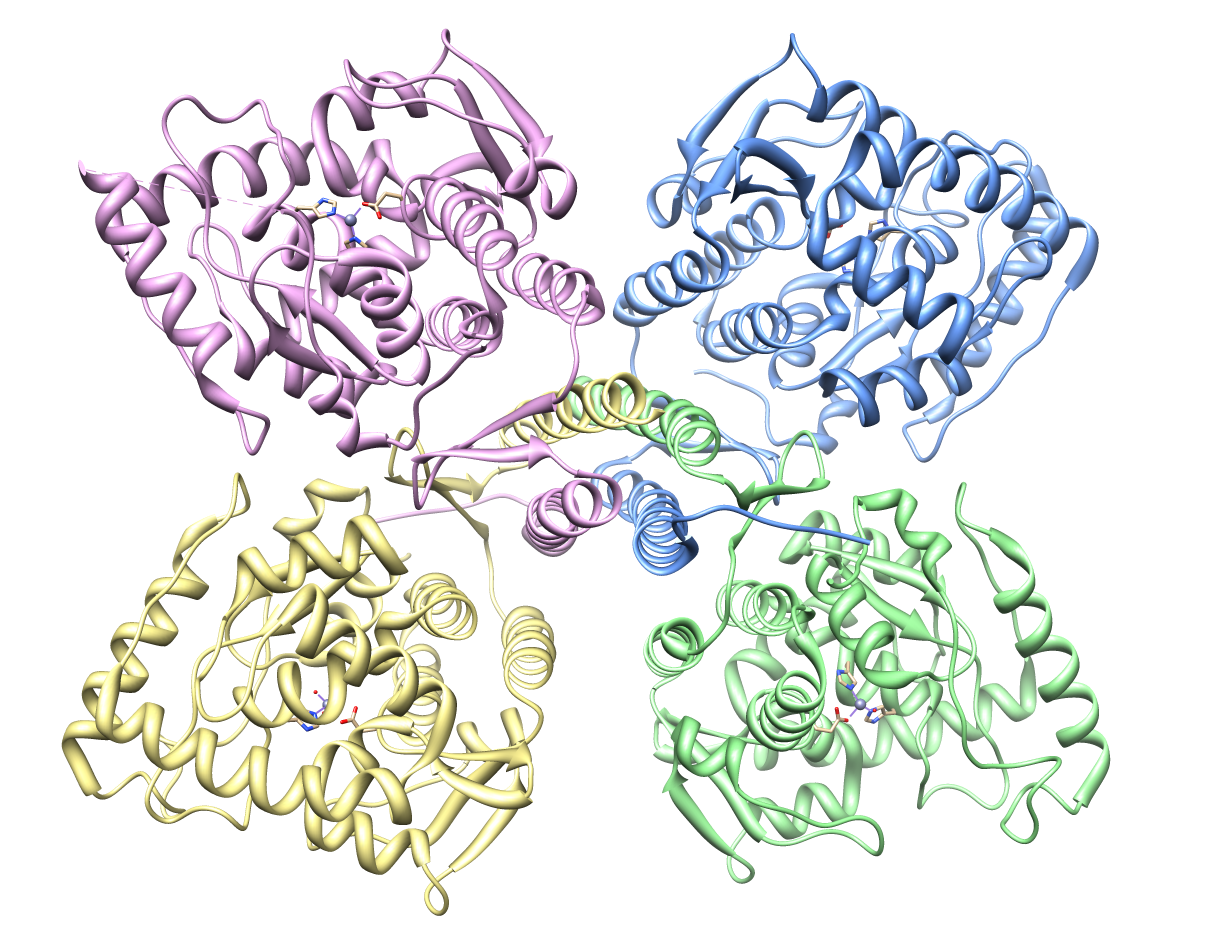
Catalyzes the hydroxylation of free fatty acids at the C-2 position to produce 2-hydroxy fatty acids, which are building blocks of sphingolipids and glycosphingolipids common in neural tissue and epidermis (PubMed:15337768, PubMed:15863841, PubMed:17355976, PubMed:22517924). FA2H is stereospecific for the production of (R)-2-hydroxy fatty acids (PubMed:22517924). Plays an essential role in the synthesis of galactosphingolipids of the myelin sheath (By similarity). Responsible for the synthesis o
Endoplasmic reticulum membraneMicrosome membrane
Spastic paraplegia 35, autosomal recessive, with or without neurodegeneration
A form of spastic paraplegia, a neurodegenerative disorder characterized by a slow, gradual, progressive weakness and spasticity of the lower limbs. Rate of progression and the severity of symptoms are quite variable. Initial symptoms may include difficulty with balance, weakness and stiffness in the legs, muscle spasms, and dragging the toes when walking. In some forms of the disorder, bladder symptoms (such as incontinence) may appear, or the weakness and stiffness may spread to other parts of the body. SPG35 is a complicated form characterized by childhood onset of gait difficulties. It has a rapid progression and many patients become wheelchair-bound as young adults. Patients manifest cognitive decline associated with leukodystrophy. Other variable neurologic features, such as dystonia, optic atrophy, and seizures may also occur.
Medicamentos aprovados (FDA)
1 medicamento encontrado nos registros da FDA americana.
Variantes genéticas (ClinVar)
137 variantes patogênicas registradas no ClinVar.
Vias biológicas (Reactome)
1 via biológica associada aos genes desta condição.
Diagnóstico
Os sinais que médicos procuram e os exames que confirmam
Tratamento e manejo
Remédios, cuidados de apoio e o que precisa acompanhar
Onde tratar no SUS
Hospitais de referência no Brasil e o protocolo oficial do SUS (PCDT)
🇧🇷 Atendimento SUS — Neurodegenerescência associada à hidroxilase dos ácidos graxos
Selecione um estado ou use sua localização para ver resultados.
Dados de DATASUS/CNES, SBGM, ABNeuro e Ministério da Saúde. Sempre confirme a disponibilidade diretamente com o estabelecimento.
Pesquisa ativa
Ensaios clínicos abertos e novidades científicas recentes
Ensaios em destaque
🟢 Recrutando agora
1 pesquisa recrutando participantes. Converse com seu médico sobre a possibilidade de participar.
Outros ensaios clínicos
Publicações mais relevantes
Clinical, Radiological, and Genetic Profile of Patients with FA2H-Associated Neurodegeneration: Eight Cases from India and a Review of the Literature.
Autosomal recessive spastic paraplegia 35 (SPG35), also known as Fatty acid hydroxylase-associated neurodegeneration (FAHN), is a rare recessive neurodegenerative disorder with or without ataxia, dystonia, and other neurological findings. It is caused by genetic variants in FA2H, which encodes fatty acid 2-hydroxylase. To report the clinical, electrophysiological, radiological, and genetic profile of patients diagnosed with FAHN. We performed a retrospective chart review of genetically proven cases of FAHN from our database. We identified eight patients (6 females) with genetically proven FAHN. All patients presented with first-decade onset pyramidal syndrome with or without ataxia and with radiological findings of callosal atrophy, peri-ventricular white matter hyperintensity, and cerebellar atrophy. Iron accumulation was observed in four of them. Whole exome sequencing revealed seven unique variants including three missense variants (c.83G>C;p.Arg28Pro, c.130C>A;p.Pro44Thr, and c.703C>T;p.Arg235Cys), a stop-gain variant (c.379C>T;p.Arg127Ter), a frameshift deletion variant (c.536delT;p.Leu179Argfs*62), a in-frame deletion variant (c.200_202del;p.His67del) and a in-frame duplication variant (c.86_97dup;p.Arg29_Arg32dup). The variants p.Pro44Thr, p.Arg28Pro, p.Arg29_Arg32dup, and p.His67del are located in the iron-binding region, and the p.Arg235Cys in the hydroxylase domain. The other two variants, p.Arg127Ter and p.Leu179Argfs*62, predictively cause protein truncation, leading to loss of the transmembrane domain and the fatty acid hydroxylase domain, which in turn may result in disruption of fatty acid alpha-hydroxylase activity of FA2H. Our study identifies novel variants associated with FA2H in FAHN patients, highlighting their possible roles in iron binding and in the loss of the transmembrane and catalytic domains.
Disrupted Myelination in FAHN: Insights from a Patient-Specific hiPSC Neuron-Oligodendrocyte Model.
Fatty-acid-hydroxylase-associated neurodegeneration (FAHN) is a rare neurodegenerative disorder caused by loss-of-function mutations in the FA2H gene, leading to impaired enzymatic activity and resulting in myelin sheath instability, demyelination, and axonal degeneration. In this study, we established a human in vitro model using neurons and oligodendrocytes derived from induced pluripotent stem cells (hiPSCs) of a FAHN patient. This coculture system enabled the investigation of myelination processes and myelin integrity in a disease-relevant context. Analyses using immunofluorescence and Western blot revealed impaired expression and localisation of key myelin proteins in oligodendrocytes and cocultures. FA2H-deficient cells showed reduced myelination, shortened internodes, and disrupted formation of the nodes of Ranvier. Additionally, we identified autophagy defects-a hallmark of many neurodegenerative diseases-including reduced p62 expression, elevated LC3B levels, and impaired fusion of autophagosomes with lysosomes. This study presents a robust hiPSC-based model to study FAHN, offering new insights into the molecular pathology of the disease. Our findings suggest that FA2H mutations compromise both the structural integrity of myelin and the efficiency of the autophagic machinery, highlighting potential targets for future therapeutic interventions. The purpose of this overview is to: 1.. Briefly describe the clinical characteristics of neurodegeneration with brain iron accumulation (NBIA); 2.. Review the genetic causes of NBIA; 3.. Review the differential diagnosis of NBIA with a focus on genetic conditions; 4.. Provide an evaluation strategy to identify the genetic cause of NBIA in a proband (when possible); 5.. Review high-level management of NBIA; 6.. Inform genetic counseling of family members of an individual with NBIA.
Neurodegeneration With Brain Iron Accumulation and Ferroptosis Disorders in Children and Adults: An Imaging Review.
Neurodegeneration with brain iron accumulation (NBIA) refers to a group of rare genetic disorders characterized by abnormal iron deposition in the basal ganglia and brainstem due to impaired iron homeostasis. Disease severity and manifestations vary according to the underlying genetic mutation and age of presentation; however, most subtypes share progressive neurological features such as dystonia, Parkinsonism, spasticity, cognitive decline, and intellectual disability. In this review, we first outline the physiological role of iron in the central nervous system, emphasizing its importance for neurotransmitter synthesis, myelination, and mitochondrial metabolism, and discuss how disruption of homeostatic mechanisms may lead to ferroptosis and neuronal injury. We then explore the role of neuroimaging in the diagnosis of NBIA, with a focus on MRI as the modality of choice. Finally, we provide an overview of the clinical and imaging features of the major NBIA subtypes, highlighting both shared characteristics and distinctive patterns. Covered NBIA include primary disorders of iron metabolism, such as neuroferritinopathy and aceruloplasminemia, and secondary disorders with disrupted iron regulation, including Pantothenate Kinase-Associated Neurodegeneration, Phospholipase A2 Group VI-Associated Neurodegeneration, Mitochondrial Membrane Protein-Associated Neurodegeneration, Beta-Propeller Protein-Associated Neurodegeneration, Fatty Acid Hydroxylase-Associated Neurodegeneration, Coenzyme A Synthetase Protein-Associated Neurodegeneration, Woodhouse-Sakati syndrome, and Kufor-Rakeb Disease. By integrating genetics, pathophysiology, and imaging, this review aims to improve recognition of NBIA and support comprehensive clinical management.
A Novel Homozygous Deletion Including Exon 1 of FA2H Gene Causes Spastic Paraplegia-35: Genetic and Lipidomics Analysis of the Patients.
Fatty acid 2-hydroxylase (FA2H) is encoded by the FA2H gene, with mutations therein leading to the neurodegenerative condition, spastic paraplegia-35 (SPG35). We aim to elucidate the genetic underpinnings of a nonconsanguineous Chinese family diagnosed with SPG35 by examining the clinical manifestations, scrutinizing genetic variants, and establishing the role of FA2H mutation in lipid metabolism. Using next-generation sequencing analysis to identify the pathogenic gene in this pedigree and family cosegregation verification. The use of lipidomics of patient pedigree peripheral blood mononuclear cells further substantiated alterations in lipid metabolism attributable to the FA2H exon 1 deletion. The proband exhibited gait disturbance from age 5 years; he developed further clinical manifestations such as scissor gait and dystonia. His younger sister also presented with a spastic gait from the same age. We identified a homozygous deletion in the region of FA2H exon 1, spanning from chr16:74807867 to chr16: 74810391 in the patients. Lipidomic analysis revealed significant differences in 102 metabolites compared with healthy controls, with 62 metabolites increased and 40 metabolites decreased. We specifically zeroed in on 19 different sphingolipid metabolites, which comprised ceramides, ganglioside, etc., with only three of these sphingolipids previously reported. This is the first study of lipid metabolism in the blood of patients with SPG35. The results broaden our understanding of the SPG35 gene spectrum, offering insights for future molecular mechanism research and laying groundwork for determining metabolic markers.
Dual target deep brain stimulation for complex essential and dystonic tremor - A 5-year follow up.
Essential tremor (ET) is characterized by action tremor of the upper limbs, head tremor and voice tremor. Dystonic tremor (DT) is produced by muscle contractions in a body affected by dystonia. Deep brain stimulation (DBS) of ventral intermediate nucleus of the thalamus (VIM) is the most well-known advanced treatment for medication-refractory tremor. However, decline in efficacy overtime has led to explore other targets. This study aimed to measure the efficacy of bilateral dual targeting ViM/caudal Zona Incerta (cZI) stimulation on tremor control. A secondary aim was to evaluate if there was a difference in the efficacy between ET and DT. 36 patients were retrospectively recruited at the Walton NHS Foundation Trust, Liverpool, UK. Patients were assessed pre-operatively, and then at 1-year, 3-years, and 5-years post-operatively with the following scales: Fahn-Tolosa-Marin tremor rating (FTMTR) scale, EuroQol-5D, and Hospital Anxiety and Depression Scale. Bilateral ViM-cZI DBS significantly improved overall tremor score by 45.1% from baseline to 3-years post-operatively (p < 0.001). It continued to show improvement in overall FTMTR score by 30.7% at 5-years but this failed to meet significance. However, there was no significant improvement of mood or quality of life (QoL) scores. ET group on average showed a significant better clinical outcome compared to the DT group (p > 0.001). Our study found that bilateral ViM-cZI DBS treatment had a favourable effect on motor symptoms sustained over the 5-years in tremor patients, especially in ET group. There was limited effect on mood and QoL with similar trends in outcomes for both tremor types.
Publicações recentes
Clinical, Radiological, and Genetic Profile of Patients with FA2H-Associated Neurodegeneration: Eight Cases from India and a Review of the Literature.
Neurodegeneration With Brain Iron Accumulation and Ferroptosis Disorders in Children and Adults: An Imaging Review.
Disrupted Myelination in FAHN: Insights from a Patient-Specific hiPSC Neuron-Oligodendrocyte Model.
Neurodegeneration with Brain Iron Accumulation Disorders Overview.
📚 EuropePMC6 artigos no totalmostrando 30
Clinical, Radiological, and Genetic Profile of Patients with FA2H-Associated Neurodegeneration: Eight Cases from India and a Review of the Literature.
Tremor and other hyperkinetic movements (New York, N.Y.)Neurodegeneration With Brain Iron Accumulation and Ferroptosis Disorders in Children and Adults: An Imaging Review.
Journal of neuroimaging : official journal of the American Society of NeuroimagingDisrupted Myelination in FAHN: Insights from a Patient-Specific hiPSC Neuron-Oligodendrocyte Model.
CellsHereditary spastic paraplegia type 35 in a Turkish girl with fatty acid hydroxylase-associated neurodegeneration.
Journal of pediatric endocrinology & metabolism : JPEMA Novel Homozygous Deletion Including Exon 1 of FA2H Gene Causes Spastic Paraplegia-35: Genetic and Lipidomics Analysis of the Patients.
Pediatric neurologyDual target deep brain stimulation for complex essential and dystonic tremor - A 5-year follow up.
Journal of the neurological sciencesNovel Homozygous FA2H Variant Causing the Full Spectrum of Fatty Acid Hydroxylase-Associated Neurodegeneration (SPG35).
GenesDeep Brain Stimulation for GNAO1-Associated Dystonia: A Systematic Review and Meta-Analysis.
Neuromodulation : journal of the International Neuromodulation SocietyClinical outcomes after MRI connectivity-guided radiofrequency thalamotomy for tremor.
Journal of neurosurgeryDeep Brain Stimulation for Dystonia: Experience of a Moroccan University Hospital.
Pediatric neurologyGeneration of the human iPSC lines AKOSi011-A carrying the mutation p.Pro65Ser/p.Asp35T and AKOSi012-A, carrying the mutation p.Tyr231His, derived from FAHN patient fibroblasts.
Stem cell researchCranial geometry in patients with dystonia and Parkinson's disease.
Scientific reportsThe first reports of FA2H-associated neurodegeneration from two unrelated Iranian families.
Neurological sciences : official journal of the Italian Neurological Society and of the Italian Society of Clinical NeurophysiologyFatty Acid 2-Hydroxylase and 2-Hydroxylated Sphingolipids: Metabolism and Function in Health and Diseases.
International journal of molecular sciencesEssential tremor and the scales: Quality of life in essential tremor, the Fahn-Tolosa-Marin Tremor Rating Scale; and, the Bain and Findley Clinical Tremor Rating Scale.
Clinical neurology and neurosurgeryA new model for fatty acid hydroxylase-associated neurodegeneration reveals mitochondrial and autophagy abnormalities.
Frontiers in cell and developmental biologyObsessive-compulsive symptoms are negatively correlated with motor severity in patients with generalized dystonia.
Scientific reportsMicro lesion effect of pallidal deep‑brain stimulation for meige syndrome.
Scientific reportsProbabilistic mapping of deep brain stimulation in childhood dystonia.
Parkinsonism & related disordersLong-Term Outcomes of Idiopathic and Acquired Dystonia After Pallidal Deep Brain Stimulation: A Case Series.
World neurosurgeryGeneration of the human iPSC line AKOSi010-A from fibroblasts of a female FAHN patient, carrying the compound heterozygous mutation p.Gly45Arg/p.His319Arg.
Stem cell researchA randomised double-blind controlled study of Deep Brain Stimulation for dystonia in STN or GPi - A long term follow-up after up to 15 years.
Parkinsonism & related disordersConsensus clinical management guideline for beta-propeller protein-associated neurodegeneration.
Developmental medicine and child neurologyDecreased turnover of the CNS myelin protein Opalin in a mouse model of hereditary spastic paraplegia 35.
Human molecular geneticsNovel biallelic FA2H mutations in a Japanese boy with fatty acid hydroxylase-associated neurodegeneration.
Brain & developmentFAHN/SPG35: a narrow phenotypic spectrum across disease classifications.
Brain : a journal of neurologyIdentification of progesterone receptor membrane component-1 as an interaction partner and possible regulator of fatty acid 2-hydroxylase.
The Biochemical journalNeurodegeneration with brain iron accumulation.
Handbook of clinical neurologyA diagnostic approach for neurodegeneration with brain iron accumulation: clinical features, genetics and brain imaging.
Arquivos de neuro-psiquiatriaUniparental disomy of chromosome 16 unmasks recessive mutations of FA2H/SPG35 in 4 families.
NeurologyAssociações
Organizações que acompanham esta doença — pra ter apoio e orientação
Ainda não temos associações cadastradas para Neurodegenerescência associada à hidroxilase dos ácidos graxos.
É de uma associação que acompanha esta doença? Fale com a gente →
Comunidades
Grupos ativos de quem convive com esta doença aqui no Raras
Ainda não existe comunidade no Raras para Neurodegenerescência associada à hidroxilase dos ácidos graxos
Pacientes, familiares e cuidadores se organizam em comunidades pra compartilhar experiências, fazer perguntas e se apoiar. Você pode ser o primeiro.
Tire suas dúvidas
Perguntas, dicas e experiências compartilhadas aqui na página
Participe da discussão
Faça login para postar dúvidas, compartilhar experiências e interagir com especialistas.
Fazer loginDoenças relacionadas
Doenças com sintomas parecidos — ajudam quem ainda está buscando diagnóstico
Referências e fontes
Bases de dados externas citadas neste artigo
Publicações científicas
Artigos indexados no PubMed ligados a esta doença no grafo RarasNet — título, periódico e PMID direto da fonte, sem intermediação de IA.
- Clinical, Radiological, and Genetic Profile of Patients with FA2H-Associated Neurodegeneration: Eight Cases from India and a Review of the Literature.
- Disrupted Myelination in FAHN: Insights from a Patient-Specific hiPSC Neuron-Oligodendrocyte Model.
- Neurodegeneration With Brain Iron Accumulation and Ferroptosis Disorders in Children and Adults: An Imaging Review.Journal of neuroimaging : official journal of the American Society of Neuroimaging· 2025· PMID 41320772mais citado
- A Novel Homozygous Deletion Including Exon 1 of FA2H Gene Causes Spastic Paraplegia-35: Genetic and Lipidomics Analysis of the Patients.
- Dual target deep brain stimulation for complex essential and dystonic tremor - A 5-year follow up.
- Neurodegeneration with Brain Iron Accumulation Disorders Overview.
- Editorial: Modelling neurodevelopmental and neurodegenerative diseases for prognosis, diagnosis, and therapies.
Bases de dados e fontes oficiais
Identificadores e referências canônicas usadas para montar este verbete.
- ORPHA:329308(Orphanet)
- MONDO:0017999(MONDO)
- GARD:10810(GARD (NIH))
- Variantes catalogadas(ClinVar)
- Busca completa no PubMed(PubMed)
- Q55346022(Wikidata)
Dados compilados pelo RarasNet a partir de fontes abertas (Orphanet, OMIM, MONDO, PubMed/EuropePMC, ClinicalTrials.gov, DATASUS, PCDT/MS). Este conteúdo é informativo e não substitui avaliação médica.
Conteúdo mantido por Agente Raras · Médicos e pesquisadores podem colaborar
Neurodegenerescência associada à hidroxilase dos ácidos graxos
📋 Origem dos dados
Esta página agrega dados de fontes públicas e oficiais. Dados sobre cobertura no SUS (PCDT, CEAF) são verificados ativamente por agente proativo (ver badge no infobox). Demais dados têm atribuição de fonte + data da última sincronização — clique para abrir o original.
- Doença rara (ontologia)
- fonte: Orphanet
- Identificador unificado
- fonte: MONDO
- Codificação WHO/SUS
- fonte: WHO ICD-10 / DATASUS
- NIH/GARD
- fonte: GARD (NIH)
- Indexação biomédica
- fonte: MeSH (NLM)
- Dado público estruturado
- fonte: Wikidata
- Medicamentos aprovados FDA
- fonte: FDA OpenFDA
- Ensaios clínicos
- fonte: ClinicalTrials.gov