
A Distrofia Muscular das Cinturas Autossômica Recessiva tipo 2G (LGMD2G) é uma forma mais branda dessa doença, caracterizada por fraqueza e perda de massa muscular (atrofia). Os sintomas podem surgir em qualquer idade, desde a infância até a adolescência, e incluem fraqueza e atrofia muscular que pioram com o tempo. Isso afeta principalmente os músculos mais próximos do tronco, como os dos ombros, braços e coxas. Também são observados um leve descolamento das escápulas (os ossos dos ombros, que podem ficar um pouco "saltados" como asas), aumento do tamanho das panturrilhas (hipertrofia da panturrilha) e a ausência de problemas respiratórios ou cardíacos.
Introdução
O que você precisa saber de cara
A Distrofia Muscular das Cinturas Autossômica Recessiva tipo 2G (LGMD2G) é uma forma mais branda dessa doença, caracterizada por fraqueza e perda de massa muscular (atrofia). Os sintomas podem surgir em qualquer idade, desde a infância até a adolescência, e incluem fraqueza e atrofia muscular que pioram com o tempo. Isso afeta principalmente os músculos mais próximos do tronco, como os dos ombros, braços e coxas. Também são observados um leve descolamento das escápulas (os ossos dos ombros, que podem ficar um pouco "saltados" como asas), aumento do tamanho das panturrilhas (hipertrofia da panturrilha) e a ausência de problemas respiratórios ou cardíacos.
Escala de raridade
<1/50kMuito rara
1/20kRara
1/10kPouco freq.
1/5kIncomum
1/2k
Encontrou um erro ou informação desatualizada? Sugira uma correção →
Entender a doença
Do básico ao detalhe, leia no seu ritmo
Preparando trilha educativa...
Sinais e sintomas
O que aparece no corpo e com que frequência cada sintoma acontece
Partes do corpo afetadas
+ 5 sintomas em outras categorias
Características mais comuns
Os sintomas variam de pessoa para pessoa. Abaixo estão as 17 características clínicas mais associadas, ordenadas por frequência.
Linha do tempo da pesquisa
Encontrou um erro ou informação desatualizada? Sugira uma correção →
Genética e causas
O que está alterado no DNA e como passa nas famílias
Genes associados
1 gene identificado com associação a esta condição. Padrão de herança: Autosomal recessive.
Curadoria gene-doença
fontes oficiaisMuscle assembly regulating factor. Mediates the antiparallel assembly of titin (TTN) molecules at the sarcomeric Z-disk
Cytoplasm, myofibril, sarcomere
Cardiomyopathy, familial hypertrophic, 25
A hereditary heart disorder characterized by ventricular hypertrophy, which is usually asymmetric and often involves the interventricular septum. The symptoms include dyspnea, syncope, collapse, palpitations, and chest pain. They can be readily provoked by exercise. The disorder has inter- and intrafamilial variability ranging from benign to malignant forms with high risk of cardiac failure and sudden cardiac death.
Variantes genéticas (ClinVar)
84 variantes patogênicas registradas no ClinVar.
Vias biológicas (Reactome)
1 via biológica associada aos genes desta condição.
Diagnóstico
Os sinais que médicos procuram e os exames que confirmam
Tratamento e manejo
Remédios, cuidados de apoio e o que precisa acompanhar
Onde tratar no SUS
Hospitais de referência no Brasil e o protocolo oficial do SUS (PCDT)
🇧🇷 Atendimento SUS — Distrofia muscular das cinturas dos membros R7 teletonina-relacionada
Selecione um estado ou use sua localização para ver resultados.
Dados de DATASUS/CNES, SBGM, ABNeuro e Ministério da Saúde. Sempre confirme a disponibilidade diretamente com o estabelecimento.
Pesquisa ativa
Ensaios clínicos abertos e novidades científicas recentes
Pesquisa e ensaios clínicos
Nenhum ensaio clínico registrado para esta condição.
Publicações mais relevantes
Two distinct phenotypes and a novel mutation in limb-girdle muscular dystrophy R7 telethonin-related patients from Thai neuromuscular center.
Limb-girdle muscular dystrophy R7 telethonin-related (LGMDR7) is a rare autosomal recessive disorder caused by TCAP gene mutations. This study described the phenotypic spectrum, genetic characteristics, and muscle magnetic resonance imaging (MRI) findings of patients with LGMDR7. Five patients from three unrelated families with TCAP mutations were retrospectively identified at the Neuromuscular Center at King Chulalongkorn Memorial Hospital. Demographic, clinical, laboratory, and muscle MRI data were collected and analyzed. We observed a mild phenotype associated with asymptomatic/paucisymptomatic hyperCKemia in one family and a classic limb-girdle muscular dystrophy phenotype in two unrelated patients. The novel deletion variant c.136_137del was identified in a compound heterozygous state with c.26_33dup in a family with a mild phenotype. Muscle MRI of four patients revealed consistent sparing of the sartorius muscle in all patients. This study expands the clinical and genetic spectrum of LGMDR7 by demonstrating an asymptomatic/paucisymptomatic hyperCKemia phenotype and identifying the novel c.136_137del variant. The muscle MRI findings highlight a characteristic pattern in which the sartorius muscle is consistently uninvolved. These findings contribute to a better understanding of the disease and assist in developing future diagnostic strategies for affected individuals, specifically by using clinical profiles in conjunction with the characteristics of muscle MRI.
Findings of limb-girdle muscular dystrophy R7 telethonin-related patients from a Chinese neuromuscular center.
Limb-girdle muscular dystrophy (LGMD) is a group of clinically and genetically heterogeneous neuromuscular disorders. LGMD-R7, which is caused by telethonin gene (TCAP) mutations, is one of the rarest forms of LGMD, and only a small number of LGMD-R7 cases have been described and mostly include patients from Brazil. A total of two LGMD-R7 patients were enrolled at a Chinese neuromuscular center. Demographic and clinical data were collected. Laboratory investigations and electromyography were performed. Routine and immunohistochemistry staining of muscle specimens was performed, and a next-generation sequencing panel array for genes associated with hereditary neuromuscular disorders was used for analysis. The patients exhibited predominant muscle weakness. Electromyography revealed myopathic changes. The muscle biopsy showed myopathic features, such as increased fiber size variation, muscle fiber atrophy and regeneration, slight hyperplasia of the connective tissue, and disarray of the myofibrillar network. Two patients were confirmed to have mutations in the open reading frame of TCAP by next-generation sequencing. One patient had compound heterozygous mutations, and the other patient harbored a novel homozygous mutation. Western blotting analysis of the skeletal muscle lysate confirmed the absence of telethonin in the patients. We described two LGMD-R7 patients presenting a classical LGMD phenotype and a novel homozygous TCAP mutation. Our research expands the spectrum of LGMD-R7 due to TCAP mutations based on patients from a Chinese neuromuscular center.
Clinical and genetic characterization of limb girdle muscular dystrophy R7 telethonin-related patients from three unrelated Chinese families.
Limb girdle muscular dystrophy LGMD R7 telethonin-related is a rare autosomal recessive muscle disorder characterized by proximal muscle weakness of pelvic and shoulder girdles. Mutation in TCAP is responsible for LGMD R7, and the disease has a wide geographic distribution in diverse populations, but genotype-phenotype relationships remain unclear. We collected 5 LGMD R7 patients from three unrelated Chinese families. The average onset age was 16 ± 1.41; the initial symptoms included progressive proximal muscle weakness in limbs, difficulty in fast running, and asymmetric muscle atrophy in calves. Muscle MR imaging showed varying severity of fatty infiltration in the pelvic girdle, thigh, and calf muscles, and the severity of muscle infiltration was related to the length of the disease course. Muscle histopathology revealed aberrantly sized muscle fibers, internal nuclei, split fibers, rimmed vacuoles, monocyte invasion, and necrotic fibers. Sequencing identified one novel and one previously reported TCAP mutation. Our study extends the known distribution of this rare muscular dystrophy and presents the first detailed clinical and genetic characterizations of LGMD R7 cases from the Chinese population. Our work expands the mutation spectrum known for LGMD R7 and emphasizes the need for clinicians to consider TCAP mutations when evaluating patients with symptoms of limb girdle muscular dystrophy.
Publicações recentes
Limb girdle muscular dystrophy 2G in a religious minority of Bulgarian Muslims homozygous for the c.75G>A, p.Trp25X mutation.
Functional muscle analysis of the Tcap knockout mouse.
📚 EuropePMCmostrando 3
Two distinct phenotypes and a novel mutation in limb-girdle muscular dystrophy R7 telethonin-related patients from Thai neuromuscular center.
Neurological sciences : official journal of the Italian Neurological Society and of the Italian Society of Clinical NeurophysiologyFindings of limb-girdle muscular dystrophy R7 telethonin-related patients from a Chinese neuromuscular center.
NeurogeneticsClinical and genetic characterization of limb girdle muscular dystrophy R7 telethonin-related patients from three unrelated Chinese families.
Neuromuscular disorders : NMDAssociações
Organizações que acompanham esta doença — pra ter apoio e orientação
Ainda não temos associações cadastradas para Distrofia muscular das cinturas dos membros R7 teletonina-relacionada.
É de uma associação que acompanha esta doença? Fale com a gente →
Comunidades
Grupos ativos de quem convive com esta doença aqui no Raras
Ainda não existe comunidade no Raras para Distrofia muscular das cinturas dos membros R7 teletonina-relacionada
Pacientes, familiares e cuidadores se organizam em comunidades pra compartilhar experiências, fazer perguntas e se apoiar. Você pode ser o primeiro.
Tire suas dúvidas
Perguntas, dicas e experiências compartilhadas aqui na página
Participe da discussão
Faça login para postar dúvidas, compartilhar experiências e interagir com especialistas.
Fazer loginDoenças relacionadas
Doenças com sintomas parecidos — ajudam quem ainda está buscando diagnóstico
Referências e fontes
Bases de dados externas citadas neste artigo
Publicações científicas
Artigos indexados no PubMed ligados a esta doença no grafo RarasNet — título, periódico e PMID direto da fonte, sem intermediação de IA.
- Two distinct phenotypes and a novel mutation in limb-girdle muscular dystrophy R7 telethonin-related patients from Thai neuromuscular center.Neurological sciences : official journal of the Italian Neurological Society and of the Italian Society of Clinical Neurophysiology· 2025· PMID 40195250mais citado
- Findings of limb-girdle muscular dystrophy R7 telethonin-related patients from a Chinese neuromuscular center.
- Clinical and genetic characterization of limb girdle muscular dystrophy R7 telethonin-related patients from three unrelated Chinese families.
- Limb girdle muscular dystrophy 2G in a religious minority of Bulgarian Muslims homozygous for the c.75G>A, p.Trp25X mutation.
- Functional muscle analysis of the Tcap knockout mouse.
Bases de dados e fontes oficiais
Identificadores e referências canônicas usadas para montar este verbete.
- ORPHA:34514(Orphanet)
- OMIM OMIM:601954(OMIM)
- MONDO:0011170(MONDO)
- GARD:10471(GARD (NIH))
- Variantes catalogadas(ClinVar)
- Busca completa no PubMed(PubMed)
- Q1531333(Wikidata)
Dados compilados pelo RarasNet a partir de fontes abertas (Orphanet, OMIM, MONDO, PubMed/EuropePMC, ClinicalTrials.gov, DATASUS, PCDT/MS). Este conteúdo é informativo e não substitui avaliação médica.
Conteúdo mantido por Agente Raras · Médicos e pesquisadores podem colaborar
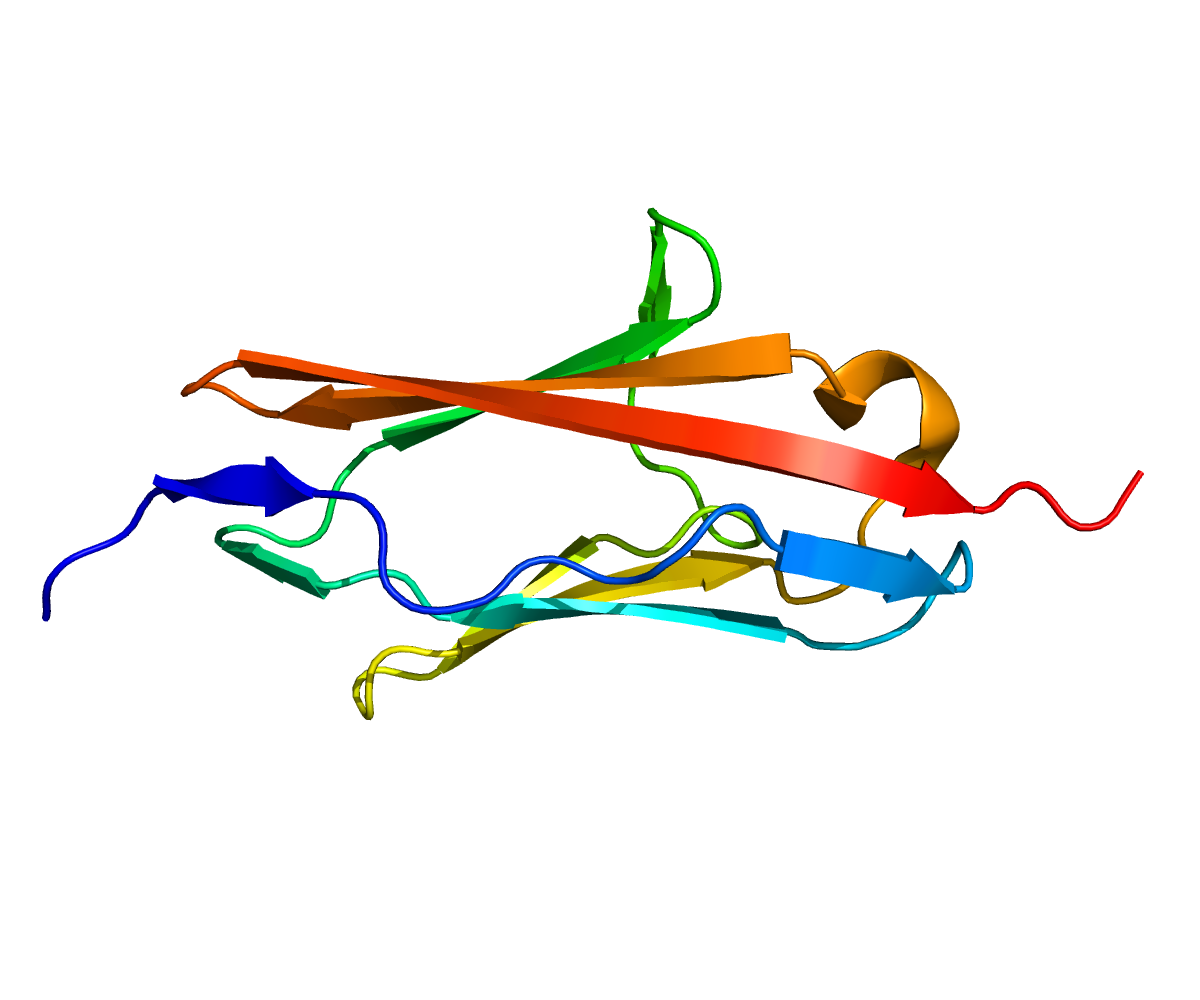
Distrofia muscular das cinturas dos membros R7 teletonina-relacionada
📋 Origem dos dados
Esta página agrega dados de fontes públicas e oficiais. Dados sobre cobertura no SUS (PCDT, CEAF) são verificados ativamente por agente proativo (ver badge no infobox). Demais dados têm atribuição de fonte + data da última sincronização — clique para abrir o original.
- Doença rara (ontologia)
- fonte: Orphanet
- Identificador unificado
- fonte: MONDO
- Genética mendeliana
- fonte: OMIM
- Codificação WHO/SUS
- fonte: WHO ICD-10 / DATASUS
- CID-11 (futuro)
- fonte: WHO ICD-11
- NIH/GARD
- fonte: GARD (NIH)
- Indexação biomédica
- fonte: MeSH (NLM)
- Dado público estruturado
- fonte: Wikidata