
Uma deficiência genética em qualquer um dos componentes do sistema complemento (um grupo de proteínas que ajuda o corpo a se defender). Isso inclui componentes das vias clássica, alternativa e terminal, que são as diferentes formas como o sistema funciona. Essa deficiência pode ser tanto adquirida (desenvolvida ao longo da vida) quanto herdada (passada dos pais).
Introdução
O que você precisa saber de cara
Uma deficiência genética em qualquer um dos componentes do sistema complemento (um grupo de proteínas que ajuda o corpo a se defender). Isso inclui componentes das vias clássica, alternativa e terminal, que são as diferentes formas como o sistema funciona. Essa deficiência pode ser tanto adquirida (desenvolvida ao longo da vida) quanto herdada (passada dos pais).
Tem tratamento?
Encontrou um erro ou informação desatualizada? Sugira uma correção →
Entender a doença
Do básico ao detalhe, leia no seu ritmo
Preparando trilha educativa...
Sinais e sintomas
O que aparece no corpo e com que frequência cada sintoma acontece
Partes do corpo afetadas
+ 51 sintomas em outras categorias
Características mais comuns
Os sintomas variam de pessoa para pessoa. Abaixo estão as 98 características clínicas mais associadas, ordenadas por frequência.
Linha do tempo da pesquisa
Encontrou um erro ou informação desatualizada? Sugira uma correção →
Genética e causas
O que está alterado no DNA e como passa nas famílias
Genes associados
27 genes identificados com associação a esta condição.
Calcium-dependent lectin, which acts as a pattern recognition receptor that initiates the lectin pathway of the complement system, a cascade of proteins that leads to phagocytosis and breakdown of pathogens and signaling that strengthens the adaptive immune system (PubMed:11907111, PubMed:15804047, PubMed:17215869, PubMed:26133042). Specifically recognizes and binds carbohydrates on the pathogen surface, activating the MASP1 serine protease and initiating the proteolytic cascade of the lectin co
SecretedCell surface
Ficolin 3 deficiency
A disorder characterized by immunodeficiency, recurrent infections, brain abscesses and recurrent warts on the fingers. Affected individuals have normal levels of lymphocytes, normal T-cell responses, and normal antibodies, but a selective deficient antibody response to pneumococcal polysaccharide vaccine.
Calcium-dependent lectin, which acts as a pattern recognition receptor that initiates the lectin pathway of the complement system, a cascade of proteins that leads to phagocytosis and breakdown of pathogens and signaling that strengthens the adaptive immune system (PubMed:14515269, PubMed:22966085, PubMed:7634089, PubMed:9087411). Specifically recognizes and binds the mannose moiety of carbohydrates on the pathogen surface, activating the MASP1 serine protease and initiating the proteolytic casc
SecretedCell surface
Precursor of the catalytic component of the C3 and C5 convertase complexes of the alternative pathway of the complement system, a cascade of proteins that leads to phagocytosis and breakdown of pathogens and signaling that strengthens the adaptive immune system (PubMed:3638964, PubMed:624565, PubMed:6554279, PubMed:6919543, PubMed:9748277). The alternative complement pathway acts as an amplification loop that enhances other complement pathways (classical, lectin and GZMK) by promoting formation
SecretedCell surface
Macular degeneration, age-related, 14
A form of age-related macular degeneration, a multifactorial eye disease and the most common cause of irreversible vision loss in the developed world. In most patients, the disease is manifest as ophthalmoscopically visible yellowish accumulations of protein and lipid that lie beneath the retinal pigment epithelium and within an elastin-containing structure known as Bruch membrane.
Glycoprotein that plays an essential role in maintaining a well-balanced immune response by modulating complement activation. Acts as a soluble inhibitor of complement, where its binding to self markers such as glycan structures prevents complement activation and amplification on cell surfaces (PubMed:21285368, PubMed:21317894, PubMed:25402769). Accelerates the decay of the complement alternative pathway (AP) C3 convertase C3bBb, thus preventing local formation of more C3b, the central player of
Secreted
Basal laminar drusen
Drusen are extracellular deposits that accumulate below the retinal pigment epithelium on Bruch membrane. Basal laminar drusen refers to an early adult-onset drusen phenotype that shows a pattern of uniform small, slightly raised yellow subretinal nodules randomly scattered in the macula. In later stages, these drusen often become more numerous, with clustered groups of drusen scattered throughout the retina. In time these small basal laminar drusen may expand and ultimately lead to a serous pigment epithelial detachment of the macula that may result in vision loss.
Component of the membrane attack complex (MAC), a multiprotein complex activated by the complement cascade, which inserts into a target cell membrane and forms a pore, leading to target cell membrane rupture and cell lysis (PubMed:26841837, PubMed:27052168, PubMed:30552328). The MAC is initiated by proteolytic cleavage of C5 into complement C5b in response to the classical, alternative, lectin and GZMK complement pathways (PubMed:30552328, PubMed:39914456, PubMed:39814882). The complement pathwa
SecretedTarget cell membrane
Membrane-bound diacylglycerol kinase that converts diacylglycerol/DAG into phosphatidic acid/phosphatidate/PA and regulates the respective levels of these two bioactive lipids (PubMed:15544348, PubMed:19744926, PubMed:21477596, PubMed:22108654, PubMed:23949095). Thereby, acts as a central switch between the signaling pathways activated by these second messengers with different cellular targets and opposite effects in numerous biological processes (PubMed:15544348, PubMed:8626589). Also plays an
MembraneCytoplasm
Nephrotic syndrome 7
A form of nephrotic syndrome, a renal disease clinically characterized by severe proteinuria, resulting in complications such as hypoalbuminemia, hyperlipidemia and edema. NPHS7 is an autosomal recessive form characterized by onset of proteinuria usually in the first decade of life. The disorder is progressive, and some patients develop end-stage renal disease within several years. Renal biopsy typically shows membranoproliferative glomerulonephritis.
Serine protease component of the complement C1 complex, a multiprotein complex that initiates the classical pathway of the complement system, a cascade of proteins that leads to phagocytosis and breakdown of pathogens and signaling that strengthens the adaptive immune system (PubMed:17996945, PubMed:19473974, PubMed:29449492). C1R catalyzes the first enzymatic step in the classical complement pathway: it is activated by the C1Q subcomplex of the C1 complex, which associates with IgG or IgM immun
SecretedCell surface
Ehlers-Danlos syndrome, periodontal type, 1
A form of Ehlers-Danlos syndrome, a connective tissue disorder characterized by hyperextensible skin, atrophic cutaneous scars due to tissue fragility and joint hyperlaxity. EDSPD1 is characterized by the association of typical features of Ehlers-Danlos syndrome with gingival recession and severe early-onset periodontal disease, leading to premature loss of permanent teeth. EDSPD1 inheritance is autosomal dominant.
Acts as a cofactor for complement factor I, a serine protease which protects autologous cells against complement-mediated injury by cleaving C3b and C4b deposited on host tissue. May be involved in the fusion of the spermatozoa with the oocyte during fertilization. Also acts as a costimulatory factor for T-cells which induces the differentiation of CD4+ into T-regulatory 1 cells. T-regulatory 1 cells suppress immune responses by secreting interleukin-10, and therefore are thought to prevent auto
Cytoplasmic vesicle, secretory vesicle, acrosome inner membrane
Hemolytic uremic syndrome, atypical, 2
An atypical form of hemolytic uremic syndrome. It is a complex genetic disease characterized by microangiopathic hemolytic anemia, thrombocytopenia, renal failure and absence of episodes of enterocolitis and diarrhea. In contrast to typical hemolytic uremic syndrome, atypical forms have a poorer prognosis, with higher death rates and frequent progression to end-stage renal disease.
Endothelial cell receptor that plays a critical role in regulating several physiological processes including hemostasis, coagulation, fibrinolysis, inflammation, and angiogenesis (PubMed:10761923). Acts as a cofactor for thrombin activation of protein C/PROC on the surface of vascular endothelial cells leading to initiation of the activated protein C anticoagulant pathway (PubMed:29323190, PubMed:33836597, PubMed:9395524). Also accelerates the activation of the plasma carboxypeptidase B2/CPB2, w
Membrane
Thrombophilia due to thrombomodulin defect
A hemostatic disorder characterized by a tendency to thrombosis.
Pore-forming component of the membrane attack complex (MAC), a multiprotein complex activated by the complement cascade, which inserts into a target cell membrane and forms a pore, leading to target cell membrane rupture and cell lysis (PubMed:22832194, PubMed:26841837, PubMed:26841934, PubMed:27052168, PubMed:30552328, PubMed:6177822, PubMed:9212048, PubMed:9634479). The MAC is initiated by proteolytic cleavage of C5 into complement C5b in response to the classical, alternative, lectin and GZMK
SecretedTarget cell membrane
Complement component 9 deficiency
A rare defect of the complement classical pathway associated with susceptibility to severe recurrent infections predominantly by Neisseria gonorrhoeae or Neisseria meningitidis. Some patients may develop dermatomyositis.
Component of the membrane attack complex (MAC), a multiprotein complex activated by the complement cascade, which inserts into a target cell membrane and forms a pore, leading to target cell membrane rupture and cell lysis (PubMed:22267737, PubMed:22832194, PubMed:26841837, PubMed:27052168, PubMed:30552328). The MAC is initiated by proteolytic cleavage of C5 into complement C5b in response to the classical, alternative, lectin and GZMK complement pathways (PubMed:30552328, PubMed:39914456, PubMe
SecretedTarget cell membrane
Complement component 6 deficiency
A rare defect of the complement classical pathway associated with susceptibility to severe recurrent infections, predominantly by Neisseria gonorrhoeae or Neisseria meningitidis.
Core component of the complement C1 complex, a multiprotein complex that initiates the classical pathway of the complement system, a cascade of proteins that leads to phagocytosis and breakdown of pathogens and signaling that strengthens the adaptive immune system (PubMed:12847249, PubMed:19006321, PubMed:24626930, PubMed:29449492, PubMed:3258649, PubMed:34155115, PubMed:6249812, PubMed:6776418). The classical complement pathway is initiated by the C1Q subcomplex of the C1 complex, which specifi
SecretedCell surface
C1q deficiency 3
An autosomal recessive disorder caused by impaired activation of the complement classical pathway. It generally leads to severe immune complex disease characterized by recurrent skin lesions, chronic infections, an increased risk of systemic lupus erythematosus, and glomerulonephritis.
Component of the membrane attack complex (MAC), a multiprotein complex activated by the complement cascade, which inserts into a target cell membrane and forms a pore, leading to target cell membrane rupture and cell lysis (PubMed:22832194, PubMed:26841837, PubMed:27052168, PubMed:30552328, PubMed:7440581). The MAC is initiated by proteolytic cleavage of C5 into complement C5b in response to the classical, alternative, lectin and GZMK complement pathways (PubMed:30552328, PubMed:39914456, PubMed
SecretedTarget cell membrane
Complement component 8 deficiency, 2
A rare defect of the complement classical pathway associated with susceptibility to severe recurrent infections, predominantly by Neisseria gonorrhoeae or Neisseria meningitidis.
Trypsin-like serine protease that plays an essential role in regulating the immune response by controlling all complement pathways. Inhibits these pathways by cleaving three peptide bonds in the alpha-chain of C3b and two bonds in the alpha-chain of C4b thereby inactivating these proteins (PubMed:17320177, PubMed:7360115). Essential cofactors for these reactions include factor H and C4BP in the fluid phase and membrane cofactor protein/CD46 and CR1 on cell surfaces (PubMed:12055245, PubMed:21418
Secreted, extracellular spaceSecreted
Hemolytic uremic syndrome, atypical, 3
An atypical form of hemolytic uremic syndrome. It is a complex genetic disease characterized by microangiopathic hemolytic anemia, thrombocytopenia, renal failure and absence of episodes of enterocolitis and diarrhea. In contrast to typical hemolytic uremic syndrome, atypical forms have a poorer prognosis, with higher death rates and frequent progression to end-stage renal disease.
Core component of the complement C1 complex, a multiprotein complex that initiates the classical pathway of the complement system, a cascade of proteins that leads to phagocytosis and breakdown of pathogens and signaling that strengthens the adaptive immune system (PubMed:12847249, PubMed:19006321, PubMed:24626930, PubMed:29449492, PubMed:3258649, PubMed:34155115, PubMed:6249812, PubMed:6776418). The classical complement pathway is initiated by the C1Q subcomplex of the C1 complex, which specifi
SecretedCell surface
C1q deficiency 1
An autosomal recessive disorder caused by impaired activation of the complement classical pathway. It generally leads to severe immune complex disease characterized by recurrent skin lesions, chronic infections, an increased risk of systemic lupus erythematosus, and glomerulonephritis.
Component of the membrane attack complex (MAC), a multiprotein complex activated by the complement cascade, which inserts into a target cell membrane and forms a pore, leading to target cell membrane rupture and cell lysis (PubMed:17872444, PubMed:22832194, PubMed:26841837, PubMed:27052168, PubMed:30552328, PubMed:7440581). The MAC is initiated by proteolytic cleavage of C5 into complement C5b in response to the classical, alternative, lectin and GZMK complement pathways (PubMed:17872444, PubMed
SecretedTarget cell membrane
Complement component 8 deficiency, 1
A rare defect of the complement classical pathway associated with susceptibility to severe recurrent infections, predominantly by Neisseria gonorrhoeae or Neisseria meningitidis.
Precursor of non-enzymatic components of the classical, lectin and GZMK complement pathways, which consist in a cascade of proteins that leads to phagocytosis and breakdown of pathogens and signaling that strengthens the adaptive immune system Non-enzymatic component of C3 and C5 convertases (PubMed:8538770). Generated following cleavage by complement proteases (C1S, MASP2 or GZMK, depending on the complement pathway), it covalently attaches to the surface of pathogens, where it acts as an opson
SecretedSynapseCell projection, axonCell projection, dendriteCell surface
Complement component 4A deficiency
A rare defect of the complement classical pathway associated with the development of autoimmune disorders, mainly systemic lupus with or without associated glomerulonephritis.
Component of the complement C1 complex, a multiprotein complex that initiates the classical pathway of the complement system, a cascade of proteins that leads to phagocytosis and breakdown of pathogens and signaling that strengthens the adaptive immune system (PubMed:11445589, PubMed:16169853, PubMed:417728, PubMed:467643, PubMed:6271784, PubMed:6282646, PubMed:6319179, PubMed:70787, PubMed:9422791). C1S is activated following association of the C1 complex with immunoglobulins (IgG or IgM) compl
SecretedCell surface
Complement component C1s deficiency
A rare defect resulting in C1 deficiency and impaired activation of the complement classical pathway. C1 deficiency generally leads to severe immune complex disease with features of systemic lupus erythematosus and glomerulonephritis.
Serine protease that initiates the alternative pathway of the complement system, a cascade of proteins that leads to phagocytosis and breakdown of pathogens and signaling that strengthens the adaptive immune system (PubMed:21205667, PubMed:22362762, PubMed:6769474, PubMed:874324, PubMed:9748277). In contrast to other complement pathways (classical, lectin and GZMK) that are directly activated by pathogens or antigen-antibody complexes, the alternative complement pathway is initiated by the spont
Secreted
Complement factor D deficiency
An immunologic disorder characterized by increased susceptibility to bacterial infections, particularly Neisseria infections, due to a defect in the alternative complement pathway.
Serine protease inhibitor, which acrs as a regulator of the classical complement pathway (PubMed:10946292, PubMed:11527969, PubMed:3458172, PubMed:6416294). Forms a proteolytically inactive stoichiometric complex with the C1r or C1s proteases (PubMed:10946292, PubMed:3458172, PubMed:6416294). May also regulate blood coagulation, fibrinolysis and the generation of kinins (PubMed:8495195). Very efficient inhibitor of FXIIa. Inhibits chymotrypsin and kallikrein (PubMed:8495195)
Secreted
Angioedema, hereditary, 1
An autosomal dominant disorder characterized by episodic local swelling involving subcutaneous or submucous tissue of the upper respiratory and gastrointestinal tracts, face, extremities, and genitalia. Hereditary angioedema due to C1 esterase inhibitor deficiency is comprised of two clinically indistinguishable forms. In hereditary angioedema type 1, serum levels of C1 esterase inhibitor are decreased, while in type 2, the levels are normal or elevated, but the protein is non-functional.
Component of the membrane attack complex (MAC), a multiprotein complex activated by the complement cascade, which inserts into a target cell membrane and forms a pore, leading to target cell membrane rupture and cell lysis (PubMed:22832194, PubMed:26841837, PubMed:27052168, PubMed:30552328, PubMed:3335508). The MAC is initiated by proteolytic cleavage of C5 into complement C5b in response to the classical, alternative, lectin and GZMK complement pathways (PubMed:22832194, PubMed:30552328, PubMed
SecretedTarget cell membrane
Complement component 7 deficiency
A rare defect of the complement classical pathway associated with susceptibility to severe recurrent infections, predominantly by Neisseria gonorrhoeae or Neisseria meningitidis.
Precursor of non-enzymatic components of the classical, lectin and GZMK complement pathways, which consist in a cascade of proteins that leads to phagocytosis and breakdown of pathogens and signaling that strengthens the adaptive immune system Non-enzymatic component of C3 and C5 convertases (By similarity). Generated following cleavage by complement proteases (C1S, MASP2 or GZMK, depending on the complement pathway), it covalently attaches to the surface of pathogens, where it acts as an opsoni
SecretedSynapseCell projection, axonCell projection, dendriteCell surface
Systemic lupus erythematosus
A chronic, relapsing, inflammatory, and often febrile multisystemic disorder of connective tissue, characterized principally by involvement of the skin, joints, kidneys and serosal membranes. It is of unknown etiology, but is thought to represent a failure of the regulatory mechanisms of the autoimmune system. The disease is marked by a wide range of system dysfunctions, an elevated erythrocyte sedimentation rate, and the formation of LE cells in the blood or bone marrow.
Core component of the complement C1 complex, a multiprotein complex that initiates the classical pathway of the complement system, a cascade of proteins that leads to phagocytosis and breakdown of pathogens and signaling that strengthens the adaptive immune system (PubMed:12847249, PubMed:19006321, PubMed:24626930, PubMed:29449492, PubMed:3258649, PubMed:34155115, PubMed:6249812, PubMed:6776418). The classical complement pathway is initiated by the C1Q subcomplex of the C1 complex, which specifi
SecretedCell surface
C1q deficiency 2
An autosomal recessive disorder caused by impaired activation of the complement classical pathway. It generally leads to severe immune complex disease characterized by recurrent skin lesions, chronic infections, an increased risk of systemic lupus erythematosus, and glomerulonephritis.
Precursor of non-enzymatic components of the classical, alternative, lectin and GZMK complement pathways, which consist in a cascade of proteins that leads to phagocytosis and breakdown of pathogens and signaling that strengthens the adaptive immune system Non-enzymatic component of C5 convertase (PubMed:28264884, PubMed:31507604, PubMed:3653927, PubMed:3897448). Generated following cleavage by C3 convertase, it covalently attaches to the surface of pathogens, where it acts as an opsonin that ma
SecretedCell surface
Complement component 3 deficiency
A rare defect of the complement classical pathway. Patients develop recurrent, severe, pyogenic infections because of ineffective opsonization of pathogens. Some patients may also develop autoimmune disorders, such as arthralgia and vasculitic rashes, lupus-like syndrome and membranoproliferative glomerulonephritis.
Precursor of the C5a anaphylatoxin and complement C5b components of the complement pathways, which consist in a cascade of proteins that leads to phagocytosis and breakdown of pathogens and signaling that strengthens the adaptive immune system (PubMed:12878586, PubMed:18204047, PubMed:30643019, PubMed:6554279). Activated downstream of classical, alternative, lectin and GZMK complement pathways (PubMed:12878586, PubMed:18204047, PubMed:30643019, PubMed:39914456, PubMed:39814882, PubMed:6554279) C
SecretedTarget cell membrane
Complement component 5 deficiency
A rare defect of the complement classical pathway associated with susceptibility to severe recurrent infections, predominantly by Neisseria gonorrhoeae or Neisseria meningitidis.
Precursor of the catalytic component of the C3 and C5 convertase complexes, which are part of the complement pathway, a cascade of proteins that leads to phagocytosis and breakdown of pathogens and signaling that strengthens the adaptive immune system (PubMed:12878586, PubMed:17027507, PubMed:18204047, PubMed:39914456, PubMed:39814882). Component C2 is part of the classical, lectin and GZMK complement systems (PubMed:12878586, PubMed:17027507, PubMed:18204047, PubMed:22691502, PubMed:39914456) C
SecretedCell surface
Macular degeneration, age-related, 14
A form of age-related macular degeneration, a multifactorial eye disease and the most common cause of irreversible vision loss in the developed world. In most patients, the disease is manifest as ophthalmoscopically visible yellowish accumulations of protein and lipid that lie beneath the retinal pigment epithelium and within an elastin-containing structure known as Bruch membrane.
Precursor of a serum protease that activates the lectin pathway of the complement system, a cascade of proteins that leads to phagocytosis and breakdown of pathogens and signaling that strengthens the adaptive immune system (PubMed:11527969, PubMed:22691502). The lectin complement system is activated following association of lectins, such as MBL2, FCN1, FCN2 or FCN3, to carbohydrates on the pathogen surface (PubMed:22691502, PubMed:22966085). MASP2 is cleaved and activated by MASP1 in response t
SecretedCell surface
MASP2 deficiency
A disorder that results in autoimmune manifestations, recurrent severe infections, and chronic inflammatory disease.
Medicamentos e terapias
Mecanismo: Complement C5 inhibitor
Mecanismo: Mannan-binding lectin serine protease 2 inhibitor
Mecanismo: Complement factor B inhibitor
Mecanismo: Complement C5 inhibitor
Mecanismo: Complement C5 inhibitor
Mecanismo: Complement C5 mRNA RNAi inhibitor
Mecanismo: C5a anaphylatoxin chemotactic receptor antagonist
Variantes genéticas (ClinVar)
73 variantes patogênicas registradas no ClinVar.
Vias biológicas (Reactome)
23 vias biológicas associadas aos genes desta condição.
Diagnóstico
Os sinais que médicos procuram e os exames que confirmam
Tratamento e manejo
Remédios, cuidados de apoio e o que precisa acompanhar
Onde tratar no SUS
Hospitais de referência no Brasil e o protocolo oficial do SUS (PCDT)
🇧🇷 Atendimento SUS — Imunodeficiência por deficiência de um componente da cascata do complemento
Selecione um estado ou use sua localização para ver resultados.
Dados de DATASUS/CNES, SBGM, ABNeuro e Ministério da Saúde. Sempre confirme a disponibilidade diretamente com o estabelecimento.
Pesquisa ativa
Ensaios clínicos abertos e novidades científicas recentes
Pesquisa e ensaios clínicos
Nenhum ensaio clínico registrado para esta condição.
Publicações mais relevantes
Evaluating pozelimab in the treatment of CHAPLE disease.
CHAPLE disease (Complement Hyperactivation, Angiopathic Thrombosis, and Protein-Losing Enteropathy [PLE]) is a rare, life-threatening disorder caused by biallelic mutations in the CD55 gene, which encodes decay-accelerating factor, a key regulator of the complement system. The disease typically manifests in early childhood with hypoalbuminemic edema, gastrointestinal symptoms, recurrent infections, and failure to thrive, alongside an elevated thrombotic risk due to complement-mediated endothelial injury and coagulation activation. Given these pathogenetic mechanisms, complement-targeted therapies have emerged as a rational approach to disease management. Eculizumab, a monoclonal antibody against complement component C5, initially demonstrated clinical benefit when administered on a compassionate-use basis. Building upon this success, pozelimab, a next-generation subcutaneous anti-C5 monoclonal antibody, was evaluated in CHAPLE patients and subsequently received U.S. FDA approval for this indication. Pozelimab effectively inhibits terminal complement activation, leading to sustained remission of PLE, obviating the need for albumin replacement, reducing hospitalization rates, improving symptom control and nutritional status, and ultimately enhancing overall quality of life. This review highlights the evolving role of pozelimab in CHAPLE disease by discussing its mechanistic basis, emerging clinical evidence, and implications for patient-centered care. CHAPLE disease is a very rare and serious condition that starts in early childhood. It is caused by mutations in a gene called CD55, which normally helps control the body’s immune system, especially a part called the complement system. When this system is not controlled properly, it attacks the body’s own blood vessels, lymphatic vessels, and organs.Children with CHAPLE often have swelling from low protein levels, stomach problems (like pain, vomiting, and diarrhea), frequent infections, and poor growth. They are also at high risk of dangerous blood clots.The main problem in CHAPLE is damage to lymphatic vessels in the intestines and abnormal clotting caused by overactive immune responses. This leads to loss of protein from the intestines and other serious complications.Treatments that target the overactive complement system have shown promise. One such drug, eculizumab, helped patients with this condition. A newer medicine called pozelimab, administered by subcutaneous injection, has now been approved by the FDA. It works by blocking part of the immune system that causes the damage.Pozelimab has helped CHAPLE patients by stopping protein loss, improving growth and nutrition, and enhancing overall quality of life. This review explains how pozelimab works, what the latest research shows, and how it transforms CHAPLE care.
Anelloviruses: From General Biology to Their Role as Biomarkers of Immune Competence in HIV Infection.
Viruses of the family Anelloviridae represent a predominant component of the human virome across various anatomical sites, yet their clinical significance remains poorly understood. This review summarizes current data on the dynamics and functional interactions of anelloviruses with the immune system in the context of human immune deficiency virus (HIV) infection. Existing studies indicate that an individual's complement of anelloviruses (their "anellome") serves as a highly sensitive indicator of immunocompetence. In the absence of antiretroviral therapy (ART), the viral load and taxonomic diversity of anelloviruses (genera Alphatorquevirus, Betatorquevirus, and Gammatorquevirus) demonstrate a rapid increase, correlating with HIV viral load, a decline in CD4+ T-lymphocyte count, and the CD4/CD8 ratio, reflecting weakened immune surveillance. Upon initiation of antiretroviral therapy (ART), a decrease in anellovirus viral load is observed; however, it likely does not revert to the pre-HIV infection baseline. At the same time, a high baseline level of Torque teno virus (TTV) is associated with incomplete immune recovery and the risk of ART non-response. Anelloviruses exhibit a dual role as both activators of the immune system (via APOBEC3, antibody production, and pro-inflammatory cytokines resulting from Toll-like receptor (TLR) activation) and disruptors of certain signaling pathways (through micro-RNAs and proteins encoded by ORF2). Thus, monitoring the anellome represents a promising non-invasive approach for assessing immune status, risk stratification, and personalizing therapy in patients with HIV infection. Future research should focus on the practical application of anellovirus viral load and diversity as markers of immune status and on clarifying the consequences of the aggregate interaction between HIV modulator proteins and anelloviruses during co-infection.
Complement deficiencies and infections.
The complement system is a central component of innate immunity, mediating opsonization, chemotaxis, cytolysis, and shaping adaptive responses. Deficiencies in complement proteins, whether inherited or acquired, predispose to severe infections, particularly with encapsulated bacteria such as Neisseria meningitidis and Streptococcus pneumoniae. Although rare, inherited defects affect different pathways and may also present with autoimmune or renal diseases. Diagnosis relies on functional and quantitative assays, especially in patients with early-onset or recurrent infections. Complement inhibition, introduced with eculizumab and expanded to agents targeting C3, Factor B, or Factor D, has transformed the management of complement-mediated disorders but unmasked novel infectious risks, including meningococcal disease and invasive fungal infections. This review summarizes clinical and mechanistic aspects of complement deficiencies, infection risks associated with therapeutic blockade, and current diagnostic strategies. It emphasizes the importance of anticipatory care, vaccination, and prophylaxis as new complement-targeted drugs continue to emerge.
Complement factor I deficiency-associated neuroinflammatory disease among Old Order Amish.
Complement factor I (CFI) deficiency is an ultrarare inborn disorder of complement regulation that manifests with protean infectious, vasculitic, and neuroinflammatory symptoms. We sought to functionally validate a previously unrecognized, disease-associated CFI variant (Y459S) and determine variant enrichment in the Old Order Amish population. Expression and function of the CFI Y459S variant was evaluated via immunoblot, complement factor 3b degradation, and crystal structure analysis. CFI variant frequencies in Old Order Amish populations were determined using genomic databases hosted by the Clinic for Special Children and the Anabaptist Variant Server. Patient samples were assessed for leukocyte frequencies, cytokine concentrations, and complement component concentrations in clinical laboratories. Neuroinflammatory assessments were made by review of brain and spine magnetic resonance imaging by a blinded neuroradiologist. Y459S conferred a loss of function to CFI. The CFI Y459S allele is enriched more than 4500-fold among the Old Order Amish (mean allelic frequency, 0.037), with 1 in every 730 live births in this population predicted to be homozygous. A single-center cohort of 11 Amish CFI Y459S homozygous patients identified 5 patients with critical neuroinflammatory diagnoses including acute disseminated encephalomyelitis, transverse myelitis, and aseptic meningoencephalitis. Features of CFI-deficient neuroinflammation included neutrophilic cerebral spinal fluid pleocytosis, constitutive complement activation, female predominance, diverse neuroimaging findings, and (in 1 case) a clinical response to eculizumab. CFI deficiency should be a key diagnostic consideration for patients with neuroinflammatory symptoms, neutrophilic cerebral spinal fluid pleocytosis, and complement consumption, especially if they belong to the Old Order Amish community.
Complement dysregulation at lymphatics.
The complement system is a central component of innate immunity, orchestrating pathogen clearance while regulating inflammation, tissue repair, and homeostasis. Its activation is tightly controlled by multiple inhibitors to prevent self-damage. However, complement dysregulation is implicated in numerous organ-specific diseases, including paroxysmal nocturnal hemoglobinuria (erythrocytes), atypical hemolytic uremic syndrome (kidneys), and age-related macular degeneration (eyes). Recent discoveries have revealed that complement hyperactivation also drives lymphatic dysfunction, most notably in CHAPLE (CD55 deficiency with hyperactivation of complement, angiopathic thrombosis, and protein-losing enteropathy) disease-a rare pediatric disorder caused by biallelic CD55 mutations. Impaired regulation of C3 and C5 convertases leads to unchecked complement and coagulation activation, resulting in membrane attack complex deposition, severe intestinal lymphangiectasia, and protein-losing enteropathy. Patients typically present with hypoalbuminemia, edema, gastrointestinal symptoms, growth retardation, and recurrent thromboembolic events, reflecting a severe thrombophilic phenotype. C5-blocking antibodies, including pozelimab and eculizumab, transformed CHAPLE management. In a phase 2/3 study, pozelimab led to normalization of serum albumin levels and notable reductions in hospitalizations and transfusion needs, leading to Food and Drug Administration approval. Emerging evidence suggests that complement-driven protein-losing enteropathy may also arise in other pathological contexts, expanding the clinical impact of complement dysregulation. As research progresses, novel diagnostic and therapeutic strategies are expected to emerge for a broader spectrum of complement-mediated lymphatic disorders.
Publicações recentes
Mast cell mediators in hereditary angioedema.
Prenatal Molecular Diagnosis of COL2A1-Associated Stickler Syndrome: Genotype-Phenotype Correlation in a Resource-Limited Healthcare Setting.
🥉 Relato de casoPlatelet gene signatures detecting pulmonary artery stenosis in patients with pulmonary hypertension.
The global impact of imiglucerase therapy in children with Gaucher disease types 1 and 3: a real-world analysis from the International Collaborative Gaucher Group Gaucher Registry.
Monogenic lupus with SLC7A7 mutations: a retrospective study from a Chinese center.
📚 EuropePMCmostrando 36
Evaluating pozelimab in the treatment of CHAPLE disease.
ImmunotherapyAnelloviruses: From General Biology to Their Role as Biomarkers of Immune Competence in HIV Infection.
VirusesComplement deficiencies and infections.
Current opinion in immunologyComplement factor I deficiency-associated neuroinflammatory disease among Old Order Amish.
The Journal of allergy and clinical immunologyComplement dysregulation at lymphatics.
The Journal of allergy and clinical immunologyRecurrent meningococcal infections as a sign of inborn error immunity.
Epidemiologie, mikrobiologie, imunologie : casopis Spolecnosti pro epidemiologii a mikrobiologii Ceske lekarske spolecnosti J.E. PurkyneImmunodeficiency: Complement disorders.
Allergy and asthma proceedingsComplement or insult: the emerging link between complement cascade deficiencies and pathology of myeloid malignancies.
Journal of leukocyte biologyComplement C1s deficiency in a male Caucasian patient with systemic lupus erythematosus: a case report.
Frontiers in immunologyEfficacy of GalNAc C3 siRNAs in factor H-deficient mice with C3 glomerulopathy.
Molecular immunologyA complement atlas identifies interleukin-6-dependent alternative pathway dysregulation as a key druggable feature of COVID-19.
Science translational medicineThe complement system and human autoimmune diseases.
Journal of autoimmunityStrong Association of Combined Genetic Deficiencies in the Classical Complement Pathway With Risk of Systemic Lupus Erythematosus and Primary Sjögren's Syndrome.
Arthritis & rheumatology (Hoboken, N.J.)C2 by-pass: Cross-talk between the complement classical and alternative pathways.
ImmunobiologyComplement C6 deficiency exacerbates pathophysiology after spinal cord injury.
Scientific reportsComplement Deficiencies Result in Surrogate Pathways of Complement Activation in Novel Polygenic Lupus-like Models of Kidney Injury.
Journal of immunology (Baltimore, Md. : 1950)European Society for Immunodeficiencies (ESID) and European Reference Network on Rare Primary Immunodeficiency, Autoinflammatory and Autoimmune Diseases (ERN RITA) Complement Guideline: Deficiencies, Diagnosis, and Management.
Journal of clinical immunologyContact activation-induced complex formation between complement factor H and coagulation factor XIIa.
Journal of thrombosis and haemostasis : JTHDengue virus and the complement alternative pathway.
FEBS lettersShould MASP-2 Deficiency Be Considered a Primary Immunodeficiency? Relevance of the Lectin Pathway.
Journal of clinical immunologyAnalysis of the Complement System in the Clinical Immunology Laboratory.
Clinics in laboratory medicineClinical and Genetic Spectrum of a Large Cohort With Total and Sub-total Complement Deficiencies.
Frontiers in immunologyComplement deficiencies and dysregulation: Pathophysiological consequences, modern analysis, and clinical management.
Molecular immunologyIdentification and CRISPR/Cas9 Inactivation of the C1s Protease Responsible for Proteolysis of Recombinant Proteins Produced in CHO Cells.
Biotechnology and bioengineeringInterpretation of Serological Complement Biomarkers in Disease.
Frontiers in immunologyQuantification of human complement C2 protein using an automated turbidimetric immunoassay.
Clinical chemistry and laboratory medicineSpecific Inhibition of Complement Activation Significantly Ameliorates Autoimmune Blistering Disease in Mice.
Frontiers in immunologyHereditary angioedema: Assessing the hypothesis for underlying autonomic dysfunction.
PloS oneA Decade of Change: Recent Developments in Pharmacotherapy of Hereditary Angioedema (HAE).
Clinical reviews in allergy & immunologyNovel Mutations Causing C5 Deficiency in Three North-African Families.
Journal of clinical immunologyFull Expression of Cardiomyopathy Is Partly Dependent on B-Cells: A Pathway That Involves Cytokine Activation, Immunoglobulin Deposition, and Activation of Apoptosis.
Journal of the American Heart AssociationOral medicine case book 64: Some aspects of the pathophysiology of angioedema with special reference to the upper aerodigestive tract.
SADJ : journal of the South African Dental Association = tydskrif van die Suid-Afrikaanse Tandheelkundige VerenigingGene copy-number variations (CNVs) of complement C4 and C4A deficiency in genetic risk and pathogenesis of juvenile dermatomyositis.
Annals of the rheumatic diseasesHeat differentiated complement factor profiling.
Journal of proteomicsThe autoimmune side of hereditary angioedema: insights on the pathogenesis.
Autoimmunity reviews[Atypical HUS caused by complement-related abnormalities].
[Rinsho ketsueki] The Japanese journal of clinical hematologyAssociações
Organizações que acompanham esta doença — pra ter apoio e orientação
Ainda não temos associações cadastradas para Imunodeficiência por deficiência de um componente da cascata do complemento.
É de uma associação que acompanha esta doença? Fale com a gente →
Comunidades
Grupos ativos de quem convive com esta doença aqui no Raras
Ainda não existe comunidade no Raras para Imunodeficiência por deficiência de um componente da cascata do complemento
Pacientes, familiares e cuidadores se organizam em comunidades pra compartilhar experiências, fazer perguntas e se apoiar. Você pode ser o primeiro.
Tire suas dúvidas
Perguntas, dicas e experiências compartilhadas aqui na página
Participe da discussão
Faça login para postar dúvidas, compartilhar experiências e interagir com especialistas.
Fazer loginDoenças relacionadas
Doenças com sintomas parecidos — ajudam quem ainda está buscando diagnóstico
Referências e fontes
Bases de dados externas citadas neste artigo
Publicações científicas
Artigos indexados no PubMed ligados a esta doença no grafo RarasNet — título, periódico e PMID direto da fonte, sem intermediação de IA.
- Evaluating pozelimab in the treatment of CHAPLE disease.
- Anelloviruses: From General Biology to Their Role as Biomarkers of Immune Competence in HIV Infection.
- Complement deficiencies and infections.
- Complement factor I deficiency-associated neuroinflammatory disease among Old Order Amish.
- Complement dysregulation at lymphatics.
- Mast cell mediators in hereditary angioedema.
- Prenatal Molecular Diagnosis of COL2A1-Associated Stickler Syndrome: Genotype-Phenotype Correlation in a Resource-Limited Healthcare Setting.
- Platelet gene signatures detecting pulmonary artery stenosis in patients with pulmonary hypertension.
- The global impact of imiglucerase therapy in children with Gaucher disease types 1 and 3: a real-world analysis from the International Collaborative Gaucher Group Gaucher Registry.
- Monogenic lupus with SLC7A7 mutations: a retrospective study from a Chinese center.
Bases de dados e fontes oficiais
Identificadores e referências canônicas usadas para montar este verbete.
- ORPHA:459345(Orphanet)
- MONDO:0003832(MONDO)
- Variantes catalogadas(ClinVar)
- Busca completa no PubMed(PubMed)
- Q55788286(Wikidata)
Dados compilados pelo RarasNet a partir de fontes abertas (Orphanet, OMIM, MONDO, PubMed/EuropePMC, ClinicalTrials.gov, DATASUS, PCDT/MS). Este conteúdo é informativo e não substitui avaliação médica.
Conteúdo mantido por Agente Raras · Médicos e pesquisadores podem colaborar
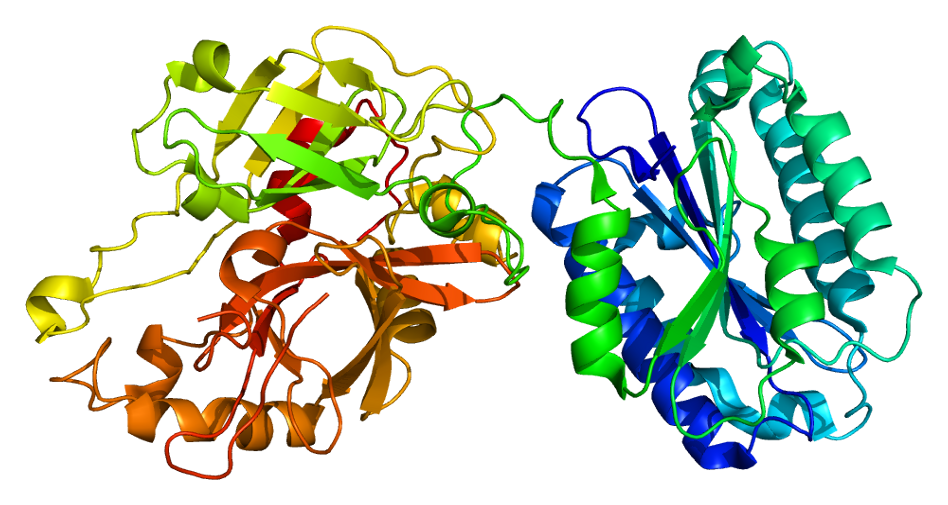
Imunodeficiência por deficiência de um componente da cascata do complemento
📋 Origem dos dados
Esta página agrega dados de fontes públicas e oficiais. Dados sobre cobertura no SUS (PCDT, CEAF) são verificados ativamente por agente proativo (ver badge no infobox). Demais dados têm atribuição de fonte + data da última sincronização — clique para abrir o original.
- Doença rara (ontologia)
- fonte: Orphanet
- Identificador unificado
- fonte: MONDO
- Dado público estruturado
- fonte: Wikidata
- Medicamentos (literatura)
- fonte: Orphanet