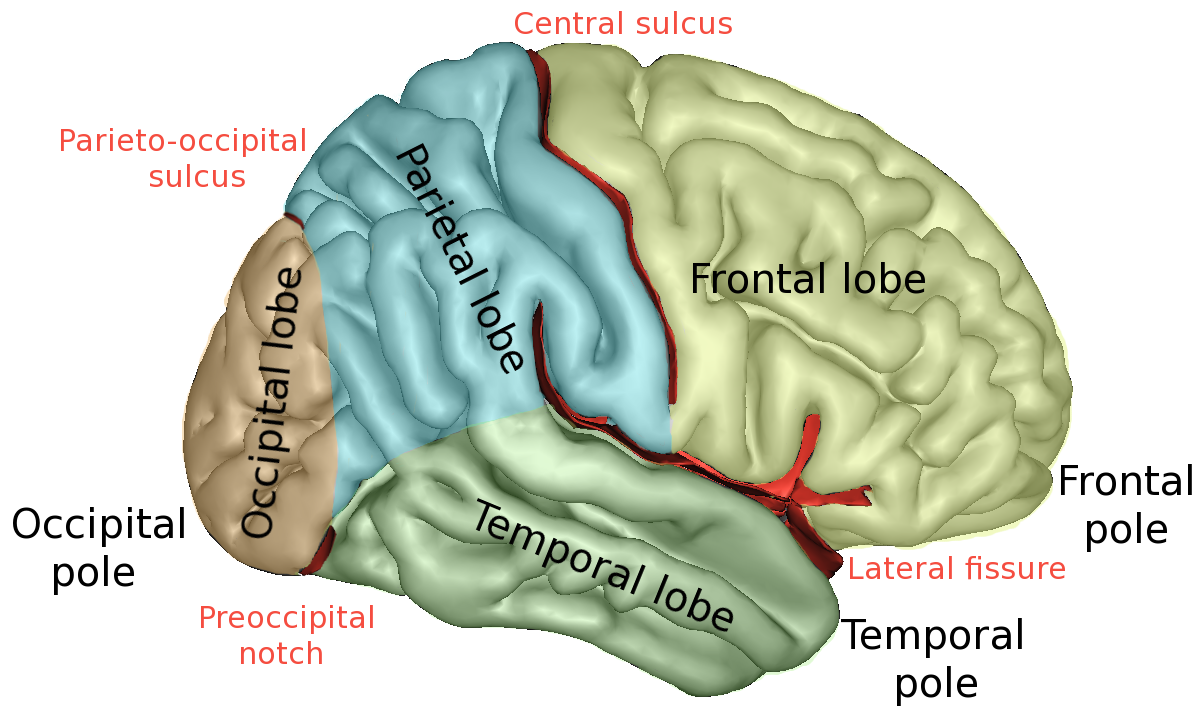
A Atrofia Cortical Posterior (ACP) é uma condição rara do cérebro que vai piorando com o tempo, e que geralmente começa entre os 50 e 65 anos de idade. Ela é caracterizada por dificuldades crescentes em processar e interpretar o que se vê, além de afetar outras funções da parte de trás do cérebro (córtex posterior), sem que haja problemas nos olhos que expliquem essa dificuldade.
Introdução
O que você precisa saber de cara
A Atrofia Cortical Posterior (ACP) é uma condição rara do cérebro que vai piorando com o tempo, e que geralmente começa entre os 50 e 65 anos de idade. Ela é caracterizada por dificuldades crescentes em processar e interpretar o que se vê, além de afetar outras funções da parte de trás do cérebro (córtex posterior), sem que haja problemas nos olhos que expliquem essa dificuldade.
Escala de raridade
<1/50kMuito rara
1/20kRara
1/10kPouco freq.
1/5kIncomum
1/2k
Encontrou um erro ou informação desatualizada? Sugira uma correção →
Entender a doença
Do básico ao detalhe, leia no seu ritmo
Preparando trilha educativa...
Sinais e sintomas
O que aparece no corpo e com que frequência cada sintoma acontece
Partes do corpo afetadas
+ 13 sintomas em outras categorias
Características mais comuns
Os sintomas variam de pessoa para pessoa. Abaixo estão as 21 características clínicas mais associadas, ordenadas por frequência.
Linha do tempo da pesquisa
Encontrou um erro ou informação desatualizada? Sugira uma correção →
Genética e causas
O que está alterado no DNA e como passa nas famílias
Nenhum gene associado encontrado
Os dados genéticos desta condição ainda estão sendo catalogados.
Diagnóstico
Os sinais que médicos procuram e os exames que confirmam
Tratamento e manejo
Remédios, cuidados de apoio e o que precisa acompanhar
Onde tratar no SUS
Hospitais de referência no Brasil e o protocolo oficial do SUS (PCDT)
🇧🇷 Atendimento SUS — Atrofia cortical posterior
Selecione um estado ou use sua localização para ver resultados.
Dados de DATASUS/CNES, SBGM, ABNeuro e Ministério da Saúde. Sempre confirme a disponibilidade diretamente com o estabelecimento.
Pesquisa ativa
Ensaios clínicos abertos e novidades científicas recentes
Ensaios em destaque
🟢 Recrutando agora
5 pesquisas recrutando participantes. Converse com seu médico sobre a possibilidade de participar.
Outros ensaios clínicos
13 ensaios clínicos encontrados, 6 ativos.
Publicações mais relevantes
Disrupted brain topological network and its association with clinical features in posterior cortical atrophy.
The characteristics of structural brain topological network alterations and their correlation with clinical features in posterior cortical atrophy (PCA) remain elusive. This study aims to explore the structural topological network alterations and their correlation with clinical features in PCA. Thirty-four patients with PCA and 34 healthy controls were enrolled in this cross-sectional study and underwent diffusion tensor imaging, structural MRI and neuropsychological assessment. The graph theory method was applied to capture the individual structural properties of the network. Partial correlation analysis was conducted to investigate the clinical relevance of the network properties. The global metrics of the structural and topological network are altered in the PCA group. The nodal metrics were changed in the occipital, parietal, temporal and frontal lobes. Global network metrics are associated with cognition and disease severity. For the node associated with apraxia, finger agnosia, left-right disorientation and agnosia for colour, face and object, we observed a similar but not identical nodal distribution, which was mainly distributed in the parietal cortex. Notably, we observed frontal nodes, including the orbital gyrus, contribute to the left-right disorientation and colour agnosia, and the rectus contributes to the object agnosia. This study helps us understand the underlying mechanism of the symptom network in PCA and provides a promising biomarker for PCA.
Gray matter atrophy and structural connectivity in Posterior Cortical Atrophy: A voxel-based meta-analysis.
Posterior Cortical Atrophy (PCA) is a neurodegenerative syndrome most commonly associated with Alzheimer's disease, characterized by progressive visuospatial and visuoperceptual decline. Although voxel-based morphometry studies have described gray matter loss in PCA, a comprehensive and updated coordinate-based meta-analysis is still missing, and associated structural connectivity alterations remain unclear. We conducted a systematic review and meta-analysis of whole-brain voxel-based morphometry studies comparing patients with PCA and healthy controls (PROSPERO ID: CRD420251010673). Analyses were performed using Seed-based d Mapping with Permutation of Subject Images (SDM-PSI) with family-wise error correction, and meta-regressions assessed the impact of demographic and clinical variables. To investigate structural connectivity, deterministic tractography was carried out on a normative diffusion MRI template, using meta-analytic gray matter clusters as seeds. Eighteen studies were included (339 PCA; 577 healthy controls). The meta-analysis revealed consistent bilateral gray matter atrophy in the lateral occipital cortex, inferior parietal lobule, precuneus, and ventral occipitotemporal regions. Meta-regression highlighted an interaction between age and disease duration, associated with atrophy in the left superior temporal gyrus and right thalamus. Tractography demonstrated that affected clusters were embedded within major long-range pathways, including the superior and inferior longitudinal fasciculi, vertical occipital fasciculi, and parietal aslant tract. Regression-derived clusters additionally mapped onto the arcuate fasciculus, frontal aslant tract, and superior thalamic radiations. This is the first systematic review and voxel-based meta-analysis of PCA conducted after the establishment of consensus diagnostic criteria, providing a statistically robust characterization of gray and white matter alterations and identifying potential imaging biomarkers for diagnosis and treatment.
Detecting Dementia Using Lexical Analysis: Terry Pratchett's Discworld Tells a More Personal Story.
Background/Objectives: Dementia, characterised by cognitive decline, significantly impacts language abilities. While the risk of dementia increases with age, it often manifests years before clinical diagnosis. Identifying early warning signs is crucial for timely intervention. Previous research has demonstrated that changes in language, such as reduced vocabulary diversity and simpler sentence structures, may be observed in individuals with dementia. This study investigates the potential of linguistic analysis to detect early signs of cognitive decline by examining the writing of Sir Terry Pratchett, a renowned author diagnosed with Posterior Cortical Atrophy (PCA), typically a form of dementia caused by Alzheimer's disease. Methods: This study analysed 33 Discworld novels by Terry Pratchett, comparing linguistic features before and after a potential turning point identified through analysis of adjective type-token ratios (TTR). Results: A significant decrease in lexical diversity (TTR) was observed for nouns and adjectives in later works. Total wordcount increased, while lexical diversity decreased, suggesting a shift towards simpler language. This shift coincided with a decrease in adjective TTR below a defined threshold, occurring approximately ten years before Pratchett's formal diagnosis. Conclusions: These findings suggest that subtle changes in linguistic patterns, such as decreased lexical diversity, may precede clinical diagnosis of dementia by a considerable margin. This research highlights the potential of linguistic analysis as a valuable tool for early detection of cognitive decline. Further research is needed to validate these findings in larger cohorts and explore the specific linguistic markers associated with different types of dementia.
Alzheimer's Disease Continuum: Evaluating the Relationship between Fluid Biomarkers and Patients' Phenotype and Profile.
The measurement of fluid biomarkers such as phosphorylated tau at threonine 181 (pTAU181), amyloid-β 40 (Aβ40), and Aβ42 is a routine medical examination that contributes to achieving an accurate diagnosis within the Alzheimer's disease (AD) clinical continuum. The aim of this study is to compare the concentration of these biomarkers in CSF and plasma and determine their relationship with the patients' clinical variant and profile. Patients were diagnosed following the NIA-AA criteria. Plasma and CSF were obtained from healthy controls (HC), mild cognitive impairment (MCI non-AD), MCI displaying positive AD markers (MCI-AD), and AD patients. Biomarker levels were assessed using the LUMIPULSE® G600II instrument (Fujirebio, Japan). Data showed a significant increase in pTAU181 concentration, specifically in the progression from MCI non-AD to AD conditions. The opposite trend was observed for Aβ42 and Aβ42/Aβ40. Furthermore, these biomarker trends appeared to change consistently with variations in the MMSE score, highlighting the relevance of plasma in detecting changes in patients' cognitive function. Considering the clinical variant, atypical patients displayed the highest pTAU181 and lowest Aβ42 levels, consistent with their lower MMSE scores. Lastly, the posterior cortical atrophy (PCA) profile showed higher pTAU181 and lower Aβ42 levels when compared to other profiles. Nevertheless, these last results are to be cautiously interpreted given the limited number of samples included in the analysis. Hence, further analyses on larger cohorts are needed to better define the role of these biomarkers in distinguishing between patients' clinical variants.
How reproducible are data-driven subtypes of Alzheimer's disease atrophy?
BackgroundAlzheimer's disease (AD) exhibits substantial clinical and biological heterogeneity, complicating efforts in treatment and intervention development. While new computational methods offer insights into AD subtyping and disease staging, the reproducibility of these subtypes across datasets remains understudied, particularly concerning the robustness of subtype definitions when validated on diverse databases.ObjectiveThis study evaluates the robustness of the AD progression subtypes identified by the Subtype and Stage Inference (SuStaIn) algorithm on a larger and more diverse cohort.MethodsWe extracted T1-weighted MRI data for 5444 subjects from ANMerge, OASIS, and ADNI datasets, forming four independent cohorts. Each cohort was analyzed with SuStaIn under two conditions: one using the full cohort, including cognitively normal controls, and another excluding controls to test subtype robustness.ResultsResults confirm the three primary atrophy subtypes identified in earlier studies: Typical, Cortical, and Subcortical, as well as the emergence of rare and atypical AD variants such as posterior cortical atrophy. Notably, each subtype displayed varying robustness to the inclusion of controls, with certain subtypes, like the Subcortical subtype, more influenced by cohort composition.ConclusionsThis investigation underscores SuStaIn's reliability for defining stable AD subtypes and suggests its utility in clinical stratification for trials and diagnosis. However, our findings also highlight the need for improved dataset ethnic and demographic diversity, particularly in terms of ethnic representation, to enhance generalizability and support broader clinical application.
Publicações recentes
Posterior Cortical Atrophy Presenting with Psychotic Delirium.
Single-nucleus transcriptomics identifies a shared vulnerable excitatory neuronal population across typical and atypical Alzheimer's disease.
Factors Associated With the Use of Digital Health and Well-Being Resources in Non-Memory-Led Dementias: Quantitative Survey Study.
Posterior Cortical Atrophy in the Asia-Pacific: A Report From the PCA Asian Workgroup.
Homonymous hemianopia in posterior cortical atrophy: right-left asymmetry, progression over time and relationship to the classical neuropsychological deficits.
📚 EuropePMC433 artigos no totalmostrando 195
Disrupted brain topological network and its association with clinical features in posterior cortical atrophy.
Brain communicationsAlzheimer's Disease Continuum: Evaluating the Relationship between Fluid Biomarkers and Patients' Phenotype and Profile.
Aging and diseaseGray matter atrophy and structural connectivity in Posterior Cortical Atrophy: A voxel-based meta-analysis.
Neuroscience and biobehavioral reviewsHow reproducible are data-driven subtypes of Alzheimer's disease atrophy?
Journal of Alzheimer's disease : JADDetecting Dementia Using Lexical Analysis: Terry Pratchett's Discworld Tells a More Personal Story.
Brain sciencesEye movement abnormalities in Alzheimer's disease and other neurodegenerative dementias: insights from current evidence and priorities for future research.
Frontiers in ophthalmologyPosterior Cortical Atrophy Masked by a Pituitary Macroadenoma: Diagnostic Challenges in the Setting of Dual Visual Pathology.
CureusPosterior Cortical Atrophy: Altered Language Processing System Connectivity and Its Implications on Language Comprehension and Production.
Brain sciencesThe Heterogeneity of Reading and Spelling Deficits in Posterior Cortical Atrophy.
Brain sciencesLecanemab for posterior cortical atrophy: Two contrasting cases.
The Clinical neuropsychologistA Cerebral Origin for Retinal Degeneration in the Visual Form of Alzheimer's Disease?
The European journal of neuroscienceDigital dementia and testing of cognitive intervention for degenerating neural networks.
NPJ systems biology and applicationsPosterior cortical atrophy: reorganization of the dorsal attention network and its implications on volume loss and clinical performance.
Journal of neurologyPosterior cortical atrophy misdiagnosed as typical Alzheimer's disease: Clinical and neuropsychological evolution over eight years. A case report.
Journal of Alzheimer's disease reportsVisual modulation of vestibular-evoked balance response disturbed by posterior cortical atrophy.
The Journal of physiologyMultidimensional cognitive deficits in the typical and atypical variants of Alzheimer's disease.
Alzheimer's research & therapySymptomatic Epilepsy and Aspiration Pneumonia in a Female Patient With Posterior Cortical Atrophy.
Geriatrics & gerontology internationalSpatial Patterns of Cerebral Blood Flow in Alzheimer's Disease Identified by the Subtype and Stage Inference Algorithm.
Dementia and geriatric cognitive disorders extraThe First Shall Be First: Letter-Position Coding and Spatial Invariance in Two Cases of Attentional Dyslexia.
Brain sciencesEveryday functioning in young onset dementia: differences between diagnostic groups.
Alzheimer's & dementia : the journal of the Alzheimer's AssociationInvestigating the Impact of Presentation Format on Reading Ability in Posterior Cortical Atrophy: A Case Study.
Reports (MDPI)Take Caution of Normal Visual Acuity in Posterior Cortical Atrophy!
Neuro-ophthalmology (Aeolus Press)Neurodevelopment and neural environment inform Alzheimer's disease age at onset and phenotype.
Alzheimer's & dementia : the journal of the Alzheimer's AssociationComputerized Open-Source Navon Test (COSNaT): Normative data for the assessment of global processing abilities and simultanagnosia in the Italian population.
Behavior research methodsAlterations of the brain functional organization in young-onset Alzheimer's disease: Is it a matter of "time"?
Journal of Alzheimer's disease : JADBetter Living with Non-memory-led Dementia: study protocol for a randomised controlled trial of a web-based caregiver educational programme (BELIDE trial).
BMJ openIshihara color plates utilized as an assessment for simultanagnosia in posterior cortical atrophy: A case report.
World journal of clinical casesNeuroimaging in posterior cortical atrophy: an integrative review for clinicians and radiologists.
Frontiers in neurologyConnectivity as a universal predictor of tau progression in atypical Alzheimer's disease.
Brain : a journal of neurologyVisuospatial impairment and resting-state network correlations in Alzheimer's disease: A systematic review.
Behavioural brain researchVisual field defects in dementia: A scoping review.
Ophthalmic & physiological optics : the journal of the British College of Ophthalmic Opticians (Optometrists)An FDG-PET-Based Machine Learning Framework to Support Neurologic Decision-Making in Alzheimer Disease and Related Disorders.
NeurologyPosterior cortical atrophy in the age of anti-amyloid treatments: An 11-year retrospective study of eligible patients from the Leenaards Memory Center.
Journal of Alzheimer's disease : JADDecline in activities of daily living in the rarer dementias.
General psychiatryAn uncommon variant of Alzheimer's disease: Posterior cortical atrophy.
The South African journal of psychiatry : SAJP : the journal of the Society of Psychiatrists of South AfricaNeural mechanisms of disease pathology and cognition in young-onset Alzheimer's disease variants.
Journal of Alzheimer's disease : JAD[Posterior cortical atrophy presenting with agraphia for kanji and statokinetic dissociation (Riddoch phenomenon): a case report].
Rinsho shinkeigaku = Clinical neurologyParkinsonism Associated with Posterior Cortical Atrophy: Atypical Alzheimer's Disease.
Movement disorders clinical practice'Dementia has got two faces': grief as an experience of holding on and letting go for people living with primary progressive aphasia and posterior cortical atrophy.
Aging & mental healthCognitive stimulation in non-memory led dementias: A scoping review.
Dementia (London, England)iSupport for rare dementias: a mixed-methods non-randomised feasibility study of an online self-help programme for carers.
Pilot and feasibility studiesSurvival Differences Between Individuals With Typical and Atypical Phenotypes of Alzheimer Disease.
NeurologyLongitudinal Evolution of Posterior Cortical Atrophy: Diagnostic Delays, Overlapping Phenotypes, and Clinical Outcomes.
NeurologyCognitive Phenotyping and Interpretation of Alzheimer Blood Biomarkers.
JAMA neurologyPathological Characterisation of Posterior Cortical Atrophy in Comparison With Amnestic Alzheimer's Disease.
Neuropathology and applied neurobiologyWhite matter hyperintensities in dementia with lewy bodies and posterior cortical atrophy.
Neurobiology of agingPhenotype-specific metabolic patterns in Posterior cortical atrophy and early-onset typical Alzheimer's disease.
Annals of nuclear medicineTowards realistic simulation of disease progression in the visual cortex with CNNs.
Scientific reportsAutopsy-proven patient with corticobasal degeneration presenting with visuo-constructive disorders as initial symptoms: How advanced MRI sequences can help clinical practice.
Journal of Alzheimer's disease : JADMulti-parametric [18F]PI-2620 tau PET/MRI for the phenotyping of different Alzheimer's disease variants.
European journal of nuclear medicine and molecular imaging[The experience of diagnosing Alzheimer's disease based on the study of cerebrospinal fluid biomarkers].
Zhurnal nevrologii i psikhiatrii imeni S.S. KorsakovaDetection of Alzheimer Neuropathology in Alzheimer and Non-Alzheimer Clinical Syndromes With Blood-Based Biomarkers.
JAMA neurologyImprovement in gait and functional abilities in an adult with posterior cortical atrophy after translingual neuromodulation with neurorehabilitation physical therapy: a case report.
Physiotherapy theory and practiceHeterogeneous clinical phenotypes of sporadic early-onset Alzheimer's disease: a neuropsychological data-driven approach.
Alzheimer's research & therapyEffects of Route Complexity and Lighting on Route Following in Alzheimer's Disease and Posterior Cortical Atrophy.
Brain sciencesA Case of Posterior Cortical Atrophy in Alzheimer's Disease.
CureusDifferences in baseline cognitive performance between participants with early-onset and late-onset Alzheimer's disease: Comparison of LEADS and ADNI.
Alzheimer's & dementia : the journal of the Alzheimer's AssociationGreater baseline cortical atrophy in the dorsal attention network predicts faster clinical decline in Posterior Cortical Atrophy.
Alzheimer's research & therapyPosterior Cortical Atrophy Due to Alzheimer Disease in a Person With Down Syndrome: A Case Report.
NeurologyAtypical Presentations of Alzheimer Disease.
Continuum (Minneapolis, Minn.)Cognitive rehabilitation in posterior cortical atrophy.
Practical neurologyLate-onset diplopia: an unusual presentation of posterior cortical atrophy.
Neurological sciences : official journal of the Italian Neurological Society and of the Italian Society of Clinical NeurophysiologyAlterations of the pulvinar in posterior cortical atrophy: A multimodal MRI study.
Cortex; a journal devoted to the study of the nervous system and behaviorPreserved musical working memory and absolute pitch in posterior cortical atrophy.
Cortex; a journal devoted to the study of the nervous system and behaviorDefault mode network tau predicts future clinical decline in atypical early Alzheimer's disease.
Brain : a journal of neurologyAlzheimer's disease clinical variants show distinct neuroinflammatory profiles with neuropathology.
Neuropathology and applied neurobiologyPathologically Confirmed Alzheimer's Disease Presenting as Clinical Parkinson's Disease, A Case Report.
Movement disorders clinical practiceConsensus recommendations for clinical assessment tools for the diagnosis of posterior cortical atrophy syndrome from the Atypical AD PIA of ISTAART.
Alzheimer's & dementia (Amsterdam, Netherlands)Baseline multimodal imaging to predict longitudinal clinical decline in atypical Alzheimer's disease.
Cortex; a journal devoted to the study of the nervous system and behaviorGlobal Processing Deficit in Amnestic Mild Cognitive Impairment.
Journal of Alzheimer's disease : JADThe Role of Population Receptive Field Sizes in Higher-Order Visual Dysfunction.
Current neurology and neuroscience reportsAssociation of outer retinal and choroidal alterations with neuroimaging and clinical features in posterior cortical atrophy.
Alzheimer's research & therapy[A case of left posterior cortical atrophy presenting with kana-predominant reading impairment].
Rinsho shinkeigaku = Clinical neurologyNeuropsychological Diagnosis and Assessment of Alexia: A Mixed-Methods Study.
Brain sciencesGraded Multidimensional Clinical and Radiologic Variation in Patients With Alzheimer Disease and Posterior Cortical Atrophy.
NeurologyDementia With Lewy Bodies Phenocopy in a Case of RT-QuIC-Negative Creutzfeldt-Jakob Disease: Implications of Functional Anatomy.
The Journal of neuropsychiatry and clinical neurosciencesRehabilitation Services for Young-Onset Dementia: Examples from High- and Low-Middle-Income Countries.
International journal of environmental research and public healthThe Graded Incomplete Letters Test (GILT): a rapid test to detect cortical visual loss, with UK Biobank implementation.
Behavior research methodsExploring experiential differences in everyday activities - A focused ethnographic study in the homes of people living with memory-led Alzheimer's disease and posterior cortical atrophy.
Journal of aging studiesCase report: pre-symptomatic clinical and metabolic profile in posterior cortical atrophy and dementia with Lewy bodies.
NeurocaseVisual imagery deficits in posterior cortical atrophy.
Cognitive neuropsychologyPeer Support for Caregivers of People Living with Posterior Cortical Atrophy in Melbourne, Australia: A Feasibility Study.
International journal of environmental research and public health"I Want to Do Something" - Exploring What Makes Activities Meaningful for Community-Dwelling People Living With Dementia: A Focused Ethnographic Study.
Qualitative health researchAge-specific prevalence of the different clinical presentations of AD and FTD in young-onset dementia.
Journal of neurologySecondary language impairment in posterior cortical atrophy: insights from sentence repetition.
Frontiers in neuroscienceGreater white matter degeneration and lower structural connectivity in non-amnestic vs. amnestic Alzheimer's disease.
Frontiers in neuroscienceAtypical Alzheimer's disease: new insights into an overlapping spectrum between the language and visual variants.
Journal of neurologyRetinal and Cortical Visual Processing Dysfunction in a Case of Mild Cognitive Impairment with Lewy Bodies: A Case Report.
Journal of Alzheimer's disease reportsCognitive phenotype and neurodegeneration associated with Tau in Huntington's disease.
Annals of clinical and translational neurologyPotential ocular indicators to distinguish posterior cortical atrophy and typical Alzheimer's disease: a cross-section study using optical coherence tomography angiography.
Alzheimer's research & therapyAtypical clinical variants of Alzheimer's disease: are they really atypical?
Frontiers in neuroscienceLongitudinal default mode sub-networks in the language and visual variants of Alzheimer's disease.
Brain communicationsAltered structural and functional connectivity in Posterior Cortical Atrophy and Dementia with Lewy bodies.
NeuroImageProsopagnosia: face blindness and its association with neurological disorders.
Brain communicationsLanguage uncovers visuospatial dysfunction in posterior cortical atrophy: a natural language processing approach.
Frontiers in neuroscienceVentral Variant Posterior Cortical Atrophy with Occipito-temporal Accumulation of Tau Proteins/Astrocyte Gliosis.
Internal medicine (Tokyo, Japan)Neurophysiological Alterations of the Visual Pathway in Posterior Cortical Atrophy: Systematic Review and a Case Series.
Journal of Alzheimer's disease : JADA Case of Posterior Cortical Atrophy Presenting with Mood and Psychotic Symptoms.
Case reports in psychiatryVisual Agnosia Mimicking Memory Impairment: A Case Report of Posterior Cortical Atrophy.
Neuro-ophthalmology (Aeolus Press)Diagnostic performance of molecular imaging methods in predicting the progression from mild cognitive impairment to dementia: an updated systematic review.
European journal of nuclear medicine and molecular imaging'Communication is difficult': Speech, language and communication needs of people with young onset or rarer forms of non-language led dementia.
International journal of language & communication disordersAuditory naming is impaired in posterior cortical atrophy and early-onset Alzheimer's disease.
Frontiers in neuroscienceDemographic, clinical, biomarker, and neuropathological correlates of posterior cortical atrophy: an international cohort study and individual participant data meta-analysis.
The Lancet. NeurologyPosterior cortical atrophy: new insights into treatments and biomarkers for Alzheimer's disease.
The Lancet. NeurologyLobar Microbleeds in the Posterior Cortical Atrophy Syndrome: A Comparison to Typical Alzheimer's Disease.
Current neurology and neuroscience reportsEffects of a Hybrid Model of Occupational Therapy on Visuospatial Perception and Functional Skills for Cases With Posterior Cortical Atrophy: A Five-Case Report.
American journal of Alzheimer's disease and other dementiasBehavioral and Neuropsychiatric Differences Across Two Atypical Alzheimer's Disease Variants: Logopenic Progressive Aphasia and Posterior Cortical Atrophy.
Journal of Alzheimer's disease : JADSocial cognition and behavioral changes in patients with posterior cortical atrophy.
Journal of neurologyPareidolias are a function of visuoperceptual impairment.
PloS oneAbnormal network connections to early visual cortex in posterior cortical atrophy.
Journal of the neurological sciencesE-mail as an early indicator of posterior cortical atrophy.
Neurological sciences : official journal of the Italian Neurological Society and of the Italian Society of Clinical Neurophysiology"Better Living with Non-memory-led Dementia": protocol for a feasibility randomised controlled trial of a web-based caregiver educational programme.
Pilot and feasibility studiesMedial Temporal Lobe Tau Aggregation Relates to Divergent Cognitive and Emotional Empathy Abilities in Alzheimer's Disease.
Journal of Alzheimer's disease : JADIncreased Resolution of Structural MRI at 3T Improves Estimation of Regional Cortical Degeneration in Individual Dementia Patients Using Surface Thickness Maps.
Journal of Alzheimer's disease : JADA Case of Corticobasal Syndrome and Posterior Cortical Atrophy With Biomarkers of Alzheimer Disease.
Alzheimer disease and associated disordersIs Shadowing Behavior Caused by Body Representation Disorders and Apraxia?
Journal of Alzheimer's disease : JADHow Many Alzheimer-Perusini's Atypical Forms Do We Still Have to Discover?
BiomedicinesLongitudinal rates of atrophy and tau accumulation differ between the visual and language variants of atypical Alzheimer's disease.
Alzheimer's & dementia : the journal of the Alzheimer's AssociationShadowing Behavior May Be Associated with an Inability to Recognize the External World: A Case Report of Shadowing in a Patient with Posterior Cortical Atrophy.
Journal of Alzheimer's disease : JADAltered within- and between-network functional connectivity in atypical Alzheimer's disease.
Brain communications"I felt like I had been put on the shelf and forgotten about" - lasting lessons about the impact of COVID-19 on people affected by rarer dementias.
BMC geriatricsAtypical forms of Alzheimer's disease: patients not to forget.
Current opinion in neurologyA Novel PSEN1 Variant Leading to Posterior Cortical Atrophy: A Case Report.
Journal of Alzheimer's disease reportsDiffusivity Changes in Posterior Cortical Atrophy and Logopenic Progressive Aphasia: A Longitudinal Diffusion Tensor Imaging Study.
Journal of Alzheimer's disease : JADAssociation between pseudoexfoliation and Alzheimer's disease-related brain atrophy.
PloS oneComposite Indices of the Color-Picture Version of Boston Naming Test Have Better Discriminatory Power: Reliability and Validity in a Chinese Sample with Diverse Neurodegenerative Diseases.
Journal of Alzheimer's disease : JADExpanding MAPT p.V363I Mutation Phenotype: An Overlapping of PSP-CBS and Posterior Cortical Atrophy.
Movement disorders clinical practiceAPOE ε4 influences within and between network functional connectivity in posterior cortical atrophy and logopenic progressive aphasia.
Alzheimer's & dementia : the journal of the Alzheimer's AssociationSuitability of memory aids and strategies for people with posterior cortical atrophy: protocol for a scoping review.
Systematic reviewsSensory Integration Deficits in Neurodegenerative Diseases: Implications for Apraxia.
Archives of clinical neuropsychology : the official journal of the National Academy of NeuropsychologistsNeurofunctional Correlates of Activities of Daily Living in Patients with Posterior Cortical Atrophy.
Journal of Alzheimer's disease : JADA Selective Hand Posture Apraxia in an Individual With Posterior Cortical Atrophy and Probable Corticobasal Syndrome.
Cognitive and behavioral neurology : official journal of the Society for Behavioral and Cognitive NeurologyAntiphospholipid syndrome mimicking posterior cortical atrophy and the "railroad track" sign on brain fluorodeoxyglucose-positron emission tomography.
Journal of the neurological sciencesEffects of the visual environment on object localization in posterior cortical atrophy and typical Alzheimer's disease.
Frontiers in medicinePosterior cortical atrophy: clinical, neuroimaging, and neuropathological features.
Expert review of neurotherapeuticsDiagnosis and Management of Posterior Cortical Atrophy.
Current treatment options in neurologyPosterior white matter integrity and self-reported posterior cortical symptoms using the Colorado Posterior Cortical Questionnaire.
Frontiers in neurologyInterest of eye movement study in early diagnosis of posterior cortical atrophy: A case-report.
Revue neurologiqueRecent research advances in young-onset dementia.
Current opinion in psychiatry[Rare forms of dementia-Atypical variants of Alzheimer's dementia].
Innere Medizin (Heidelberg, Germany)Meaningless imitation in neurodegenerative diseases: Effects of body part, bimanual imitation, asymmetry, and body midline crossing.
Cognitive neuropsychologyThe first report of a known 4A syndrome patient with suspected manifestations of COVID-19, what was the final outcome?
HeliyonVisual Dysfunction in Posterior Cortical Atrophy: A Masquerade.
CureusAllochiria for spatial landmarks as the presenting feature of posterior cortical atrophy.
Cortex; a journal devoted to the study of the nervous system and behaviorResearch on Alzheimer's syndromes is critical to improve diagnosis, patient management and non-pharmacological treatments, but is under-pursued.
Frontiers in aging neurosciencePerspectives and a Systematic Scoping Review on Longitudinal Profiles of Posterior Cortical Atrophy Syndrome.
Current neurology and neuroscience reportsAnterior dorsal attention network tau drives visual attention deficits in posterior cortical atrophy.
Brain : a journal of neurologyMissing apolipoprotein E ε4 allele associated with nonamnestic Alzheimer's disease in a Tunisian population.
Journal of geneticsTemporal Cortical Thickness and Cognitive Associations among Typical and Atypical Phenotypes of Alzheimer's Disease.
Journal of Alzheimer's disease reportsBetter conversations: a language and communication intervention for aphasia in posterior cortical atrophy.
NeurocaseCSF Aβ40 and P-Tau181 Might Differentiate Atypical from Typical AD Phenotypes: Preliminary Evidence.
Neuro-degenerative diseasesDementia in Convolutional Neural Networks: Using Deep Learning Models to Simulate Neurodegeneration of the Visual System.
NeuroinformaticsNeural correlates of episodic memory in adults with Down syndrome and Alzheimer's disease.
Alzheimer's research & therapyClinical Reasoning: An 80-Year-Old Woman With a Homonymous Hemianopsia.
NeurologyDistinct brain iron profiles associated with logopenic progressive aphasia and posterior cortical atrophy.
NeuroImage. ClinicalAtypical Alzheimer's disease phenotypes with normal or borderline PET biomarker profiles.
Journal of neurologyPosterior cortical atrophy.
Journal of osteopathic medicineA Case of Atypical Alzheimer's Disease With Clinical Manifestation That Straddled the Boundary Between Primary Progressive Aphasia and Posterior Cortical Atrophy.
The neurologistRegional white matter hyperintensities in posterior cortical atrophy and logopenic progressive aphasia.
Neurobiology of agingSeeing the Woods for the Trees? Applying Diagnostic Criteria for Dementia with Lewy Bodies to Patients Presenting with Posterior Cortical Atrophy.
Alzheimer disease and associated disordersClinical and metabolic imaging features of late-onset and early-onset posterior cortical atrophy.
European journal of neurologyDevelopment of the Colorado posterior cortical questionnaire within an Alzheimer's disease study cohort.
Journal of clinical and experimental neuropsychologyVerbal Encoding Deficits Impact Recognition Memory in Atypical "Non-Amnestic" Alzheimer's Disease.
Brain sciencesThe Development of Videoconference-Based Support for People Living With Rare Dementias and Their Carers: Protocol for a 3-Phase Support Group Evaluation.
JMIR research protocolsAPOE ε4 influences medial temporal atrophy and tau deposition in atypical Alzheimer's disease.
Alzheimer's & dementia : the journal of the Alzheimer's AssociationAtypical Alzheimer Disease Variants.
Continuum (Minneapolis, Minn.)Is the pathology of posterior cortical atrophy clinically predictable?
Reviews in the neurosciencesClinical Screening for Posterior Cortical Atrophy.
Cognitive and behavioral neurology : official journal of the Society for Behavioral and Cognitive NeurologyPrimary and Secondary Progressive Aphasia in Posterior Cortical Atrophy.
Life (Basel, Switzerland)Characterizing Differences in Functional Connectivity Between Posterior Cortical Atrophy and Semantic Dementia by Seed-Based Approach.
Frontiers in aging neuroscienceReligious conversion in an older male with longstanding epilepsy.
Epilepsy & behavior reportsInvestigating Heterogeneity and Neuroanatomic Correlates of Longitudinal Clinical Decline in Atypical Alzheimer Disease.
Neurology"Occipital Pole" Sign on 18 F-FDG PET for Dementia With Lewy Bodies and Posterior Cortical Atrophy : Evidence From the Treviso Dementia (TREDEM) Registry.
Clinical nuclear medicineTau and the fractionated default mode network in atypical Alzheimer's disease.
Brain communicationsThe clinical approach to the identification of higher-order visual dysfunction in neurodegenerative disease.
Current neurology and neuroscience reportsPosterior cortical atrophy: Primary occipital variant.
European journal of neurologyCausal Evidence for the Multiple Demand Network in Change Detection: Auditory Mismatch Magnetoencephalography across Focal Neurodegenerative Diseases.
The Journal of neuroscience : the official journal of the Society for NeuroscienceImaging Clinical Subtypes and Associated Brain Networks in Alzheimer's Disease.
Brain sciencesTracking the clinical progression of posterior cortical atrophy: implications for post-diagnostic and therapeutic interventions.
Journal of neurology, neurosurgery, and psychiatryMedial Temporal Atrophy in Posterior Cortical Atrophy and Its Relationship to the Cingulate Island Sign.
Journal of Alzheimer's disease : JADMRI findings suggestive of Alzheimer's disease in patients with primary open angle glaucoma - a single sequence analysis using rapid 3D T1 spoiled gradient echo.
The British journal of radiologyRecent Insights and Multifactorial Applications of Carbon Nanotubes.
MicromachinesWhat's "up"? Impaired Spatial Preposition Processing in Posterior Cortical Atrophy.
Frontiers in human neuroscienceModeling Neurodegeneration in silico With Deep Learning.
Frontiers in neuroinformaticsAltered visual and haptic verticality perception in posterior cortical atrophy and Alzheimer's disease.
The Journal of physiologyHomonymous hemianopia as the presenting sign of posterior cortical atrophy.
Practical neurologyPosterior cortical atrophy phenotypic heterogeneity revealed by decoding 18F-FDG-PET.
Brain communicationsBrain structural and functional anomalies associated with simultanagnosia in patients with posterior cortical atrophy.
Brain imaging and behaviorCase Study 1: A 55-Year-Old Woman With Progressive Cognitive, Perceptual, and Motor Impairments.
The Journal of neuropsychiatry and clinical neurosciencesBreakdown of specific functional brain networks in clinical variants of Alzheimer's disease.
Ageing research reviewsRelationship of APOE, age at onset, amyloid and clinical phenotype in Alzheimer disease.
Neurobiology of agingRates of longitudinal change in 18 F-flortaucipir PET vary by brain region, cognitive impairment, and age in atypical Alzheimer's disease.
Alzheimer's & dementia : the journal of the Alzheimer's AssociationWhen it is not primary progressive aphasia: A scoping review of spoken language impairment in other neurodegenerative dementias.
Alzheimer's & dementia (New York, N. Y.)Neuropsychological deficits in Posterior Cortical Atrophy and typical Alzheimer's disease: A meta-analytic review.
Cortex; a journal devoted to the study of the nervous system and behaviorRetinal phenotyping of variants of Alzheimer's disease using ultra-widefield retinal images.
Alzheimer's & dementia (Amsterdam, Netherlands)Associações
Organizações que acompanham esta doença — pra ter apoio e orientação
Ainda não temos associações cadastradas para Atrofia cortical posterior.
É de uma associação que acompanha esta doença? Fale com a gente →
Comunidades
Grupos ativos de quem convive com esta doença aqui no Raras
Ainda não existe comunidade no Raras para Atrofia cortical posterior
Pacientes, familiares e cuidadores se organizam em comunidades pra compartilhar experiências, fazer perguntas e se apoiar. Você pode ser o primeiro.
Tire suas dúvidas
Perguntas, dicas e experiências compartilhadas aqui na página
Participe da discussão
Faça login para postar dúvidas, compartilhar experiências e interagir com especialistas.
Fazer loginDoenças relacionadas
Doenças com sintomas parecidos — ajudam quem ainda está buscando diagnóstico
Referências e fontes
Bases de dados externas citadas neste artigo
Publicações científicas
Artigos indexados no PubMed ligados a esta doença no grafo RarasNet — título, periódico e PMID direto da fonte, sem intermediação de IA.
- Disrupted brain topological network and its association with clinical features in posterior cortical atrophy.
- Gray matter atrophy and structural connectivity in Posterior Cortical Atrophy: A voxel-based meta-analysis.
- Detecting Dementia Using Lexical Analysis: Terry Pratchett's Discworld Tells a More Personal Story.
- Alzheimer's Disease Continuum: Evaluating the Relationship between Fluid Biomarkers and Patients' Phenotype and Profile.
- How reproducible are data-driven subtypes of Alzheimer's disease atrophy?
- Posterior Cortical Atrophy Presenting with Psychotic Delirium.
- Single-nucleus transcriptomics identifies a shared vulnerable excitatory neuronal population across typical and atypical Alzheimer's disease.
- Factors Associated With the Use of Digital Health and Well-Being Resources in Non-Memory-Led Dementias: Quantitative Survey Study.
- Posterior Cortical Atrophy in the Asia-Pacific: A Report From the PCA Asian Workgroup.
- Homonymous hemianopia in posterior cortical atrophy: right-left asymmetry, progression over time and relationship to the classical neuropsychological deficits.
Bases de dados e fontes oficiais
Identificadores e referências canônicas usadas para montar este verbete.
- ORPHA:54247(Orphanet)
- MONDO:0018899(MONDO)
- GARD:18846(GARD (NIH))
- Busca completa no PubMed(PubMed)
- Artigo Wikipedia(Wikipedia)
- Q2869816(Wikidata)
Dados compilados pelo RarasNet a partir de fontes abertas (Orphanet, OMIM, MONDO, PubMed/EuropePMC, ClinicalTrials.gov, DATASUS, PCDT/MS). Este conteúdo é informativo e não substitui avaliação médica.
Conteúdo mantido por Agente Raras · Médicos e pesquisadores podem colaborar