
A Distrofia Muscular das Cinturas tipo 1F (LGMD1F) é um tipo de distrofia muscular, que é uma doença genética. É classificada como autossômica dominante, o que significa que basta herdar uma cópia alterada do gene responsável para desenvolvê-la. A idade em que os sintomas aparecem pode variar. Ela é caracterizada por uma fraqueza progressiva e perda de massa muscular que afetam principalmente os ombros e a região da bacia (quadril). Os músculos da bacia são geralmente os mais atingidos, em especial o iliopsoas. É comum que também apareçam aumento do volume das panturrilhas, dificuldade para engolir, dedos longos e finos (aracnodactilia) com ou sem dedos enrijecidos ou curvados, e a doença pode afetar também músculos mais afastados do centro do corpo (como nas mãos e pés) e os do tronco. Outras características incluem alteração na forma de andar, dificuldade para fazer exercícios físicos, dores musculares, cansaço intenso e dificuldade para respirar. Normalmente, não são observados problemas na condução elétrica do coração.
Introdução
O que você precisa saber de cara
A Distrofia Muscular das Cinturas tipo 1F (LGMD1F) é um tipo de distrofia muscular, que é uma doença genética. É classificada como autossômica dominante, o que significa que basta herdar uma cópia alterada do gene responsável para desenvolvê-la. A idade em que os sintomas aparecem pode variar. Ela é caracterizada por uma fraqueza progressiva e perda de massa muscular que afetam principalmente os ombros e a região da bacia (quadril). Os músculos da bacia são geralmente os mais atingidos, em especial o iliopsoas. É comum que também apareçam aumento do volume das panturrilhas, dificuldade para engolir, dedos longos e finos (aracnodactilia) com ou sem dedos enrijecidos ou curvados, e a doença pode afetar também músculos mais afastados do centro do corpo (como nas mãos e pés) e os do tronco. Outras características incluem alteração na forma de andar, dificuldade para fazer exercícios físicos, dores musculares, cansaço intenso e dificuldade para respirar. Normalmente, não são observados problemas na condução elétrica do coração.
Escala de raridade
<1/50kMuito rara
1/20kRara
1/10kPouco freq.
1/5kIncomum
1/2k
Encontrou um erro ou informação desatualizada? Sugira uma correção →
Entender a doença
Do básico ao detalhe, leia no seu ritmo
Preparando trilha educativa...
Sinais e sintomas
O que aparece no corpo e com que frequência cada sintoma acontece
Partes do corpo afetadas
+ 11 sintomas em outras categorias
Características mais comuns
Os sintomas variam de pessoa para pessoa. Abaixo estão as 23 características clínicas mais associadas, ordenadas por frequência.
Linha do tempo da pesquisa
Encontrou um erro ou informação desatualizada? Sugira uma correção →
Genética e causas
O que está alterado no DNA e como passa nas famílias
Genes associados
1 gene identificado com associação a esta condição. Padrão de herança: Autosomal dominant.
Curadoria gene-doença
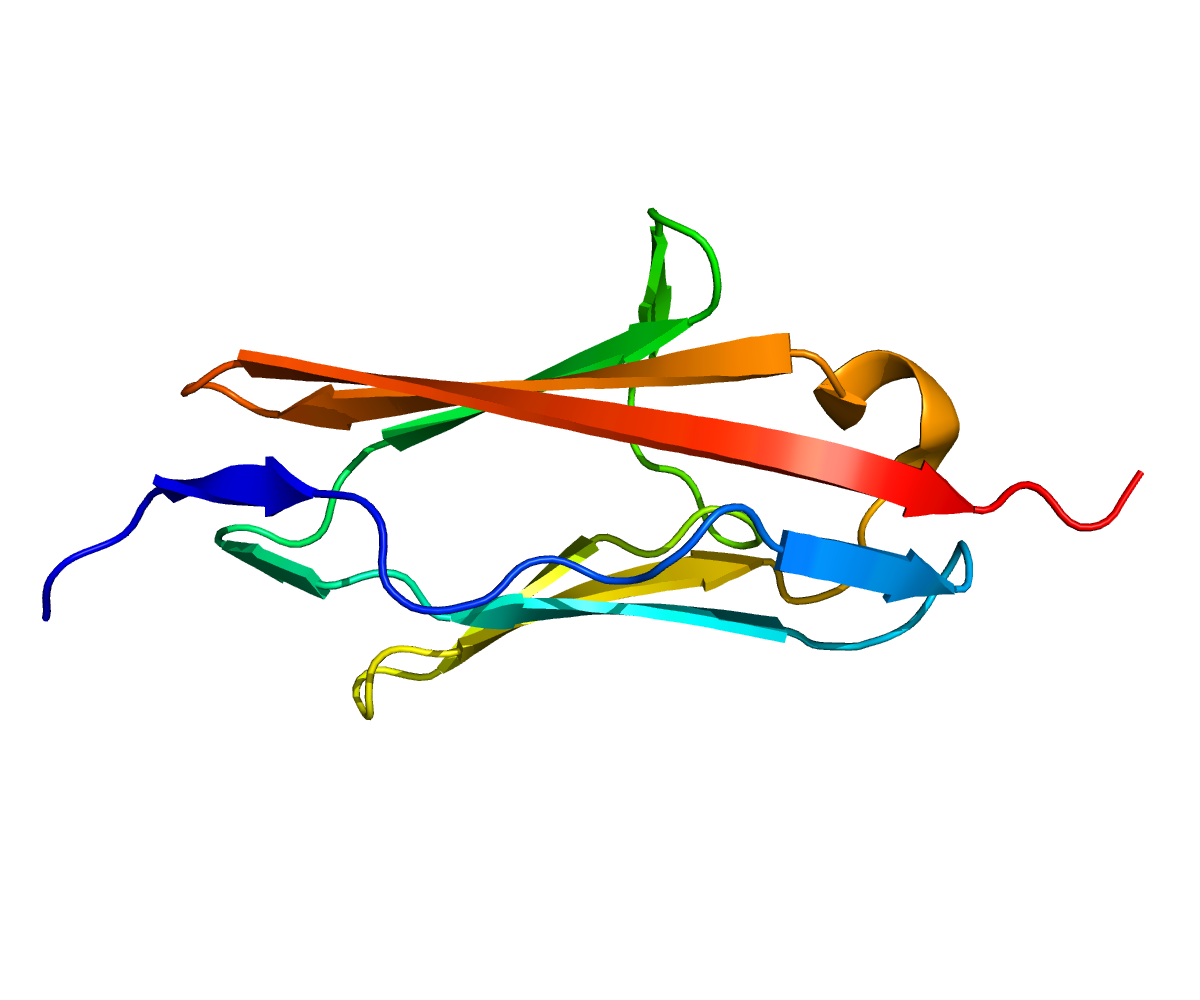
fontes oficiaisImportin, which transports target proteins into the nucleus (PubMed:10366588, PubMed:10713112, PubMed:11517331, PubMed:12628928, PubMed:24449914). Specifically mediates the nuclear import of splicing factor serine/arginine (SR) proteins, such as RBM4, SFRS1 and SFRS2, by recognizing phosphorylated SR domains (PubMed:10366588, PubMed:10713112, PubMed:11517331, PubMed:12628928, PubMed:24449914). Also mediates the nuclear import of serine/arginine (SR) protein CPSF6, independently of CPSF6 phosphor
Nucleus envelopeCytoplasm
Muscular dystrophy, limb-girdle, autosomal dominant 2
An autosomal dominant myopathy characterized by proximal muscle weakness primarily affecting the lower limbs, but also affecting the upper limbs in most patients. Affected individuals also have distal muscle weakness of the hands and lower leg muscles. The disease has generally a benign clinical course but some individuals with childhood or juvenile onset manifest severe widespread myopathy, leading to wheelchair dependency and respiratory insufficiency. Muscle biopsy shows dystrophic changes with abnormal nuclei, rimmed vacuoles, and filamentous inclusions.
Variantes genéticas (ClinVar)
89 variantes patogênicas registradas no ClinVar.
Diagnóstico
Os sinais que médicos procuram e os exames que confirmam
Tratamento e manejo
Remédios, cuidados de apoio e o que precisa acompanhar
Onde tratar no SUS
Hospitais de referência no Brasil e o protocolo oficial do SUS (PCDT)
🇧🇷 Atendimento SUS — Distrofia muscular das cinturas dos membros D2 TNP03-relacionada
Selecione um estado ou use sua localização para ver resultados.
Dados de DATASUS/CNES, SBGM, ABNeuro e Ministério da Saúde. Sempre confirme a disponibilidade diretamente com o estabelecimento.
Pesquisa ativa
Ensaios clínicos abertos e novidades científicas recentes
Pesquisa e ensaios clínicos
Nenhum ensaio clínico registrado para esta condição.
Publicações mais relevantes
Valosin-Containing Protein (VCP)/p97 Oligomerization.
Valosin-containing protein (VCP), also known as p97, is an evolutionarily conserved AAA+ ATPase essential for cellular homeostasis. Cooperating with different sets of cofactors, VCP is involved in multiple cellular processes through either the ubiquitin-proteasome system (UPS) or the autophagy/lysosomal route. Pathogenic mutations frequently found at the interface between the NTD domain and D1 ATPase domain have been shown to cause malfunction of VCP, leading to degenerative disorders including the inclusion body myopathy associated with Paget disease of bone and frontotemporal dementia (IBMPFD), amyotrophic lateral sclerosis (ALS), and cancers. Therefore, VCP has been considered as a potential therapeutic target for neurodegeneration and cancer. Most of previous studies found VCP predominantly exists and functions as a hexamer, which unfolds and extracts ubiquitinated substrates from protein complexes for degradation. However, recent studies have characterized a new VCP dodecameric state and revealed a controlling mechanism of VCP oligomeric states mediated by the D2 domain nucleotide occupancy. Here, we summarize our recent knowledge on VCP oligomerization, regulation, and potential implications of VCP in cellular function and pathogenic progression.
CRISPR-Cas9 editing of a TNPO3 mutation in a muscle cell model of limb-girdle muscular dystrophy type D2.
A single-nucleotide deletion in the stop codon of the nuclear import receptor transportin-3 (TNPO3), also involved in human immunodeficiency virus type 1 (HIV-1) infection, causes the ultrarare autosomal dominant disease limb-girdle muscular dystrophy D2 (LGMDD2) by extending the wild-type protein. Here, we generated a patient-derived in vitro model of LGMDD2 as an immortalized myoblast cell line carrying the TNP O 3 mutation. The cell model reproduced critical molecular alterations seen in patients, such as TNP O 3 overexpression, defects in terminal muscle markers, and autophagy overactivation. Correction of the TNP O 3 mutation via CRISPR-Cas9 editing caused a significant reversion of the pathological phenotypes in edited cells, including a complete absence of the mutant TNPO3 protein, as detected with a polyclonal antibody specific against the abnormal 15-aa peptide. Transcriptomic analyses found that 15% of the transcriptome was differentially expressed in model myotubes. CRISPR-Cas9-corrected cells showed that 44% of the alterations were rescued toward normal levels. MicroRNAs (miRNAs) analyses showed that around 50% of miRNAs with impaired expression because of the disease were recovered on the mutation edition. In summary, this work provides proof of concept of the potential of CRISPR-Cas9-mediated gene editing of TNP O 3 as a therapeutic approach and describes critical reagents in LGMDD2 research.
Limb-Girdle Muscular Dystrophy D2 TNPO3-Related: A Quality of Life Study.
The present study is the first research that analyzes the quality of life (QoL) of people affected by a dominant form of limb-girdle muscular dystrophy, specifically limb-girdle muscular dystrophy D2 (LGMD-D2). Additionally, clinical forms of the individual cases of the six affected patients are presented. This study also aims to explore the differences between patients' reports and caregivers' reports, and between LGMD-D2 and recessive forms of LGMD. The instruments used were as follows: sociodemographic data, GSGC, and INQoL instrument. The sample consisted of six people affected by LGMD-D2: three caregivers of three affected people, and three patients with recessive LGMD. They came from associations of affected people and a hospital in Padua. Those affected have multiple symptoms that lead to disability, which ultimately leads to dependence on the assistance. The present study shows that LGMD-D2 has a greater impact on activities of daily living, fatigue, muscle pain, and independence than other LGMD pathologies or other neuromuscular diseases. It also appears that age could influence QoL, and that muscle weakness is a very disabling symptom in this variant. In the current context of constantly developing research for new treatments, it is essential to analyze which aspects are most affected. Finally, caregivers can play an essential role in symptom reporting, as certain psychological adjustment mechanisms in the patient may be interfering with the objectivity of the report.
LGMD D2 TNPO3-Related: From Clinical Spectrum to Pathogenetic Mechanism.
Limb-girdle muscular dystrophies (LGMDs) are clinically and genetically heterogeneous diseases presenting with a wide clinical spectrum. Autosomal dominant LGMDs represent about 10-15% of LGMDs and include disorders due to defects of DNAJB6, transportin-3 (TNPO3), HNRNPDL, Calpain-3 (CAPN3), and Bethlem myopathy. This review article aims to describe the clinical spectrum of LGMD D2 TNPO3-related, a rare disease due to heterozygous mutation in the TNPO3 gene. TNPO3 encodes for transportin-3, which belongs to the importin beta family and transports into the nucleus serine/arginine-rich (SR) proteins, such as splicing factors, and HIV-1 proteins, thus contributing to viral infection. The purpose of this review is to present and compare the clinical features and the genetic and histopathological findings described in LGMD D2, performing a comparative analytical description of all the families and sporadic cases identified. Even if the causative gene and mutations of this disease have been identified, the pathogenic mechanisms are still an open issue; therefore, we will present an overview of the hypotheses that explain the pathology of LGMD D2 TNPO3-related.
Inhibition of autophagy rescues muscle atrophy in a LGMDD2 Drosophila model.
Limb-girdle muscular dystrophy D2 (LGMDD2) is an ultrarare autosomal dominant myopathy caused by mutation of the normal stop codon of the TNPO3 nuclear importin. The mutant protein carries a 15 amino acid C-terminal extension associated with pathogenicity. Here we report the first animal model of the disease by expressing the human mutant TNPO3 gene in Drosophila musculature or motor neurons and concomitantly silencing the endogenous expression of the fly protein ortholog. A similar genotype expressing wildtype TNPO3 served as a control. Phenotypes characterization revealed that mutant TNPO3 expression targeted at muscles or motor neurons caused LGMDD2-like phenotypes such as muscle degeneration and atrophy, and reduced locomotor ability. Notably, LGMDD2 mutation increase TNPO3 at the transcript and protein level in the Drosophila model Upregulated muscle autophagy observed in LGMDD2 patients was also confirmed in the fly model, in which the anti-autophagic drug chloroquine was able to rescue histologic and functional phenotypes. Overall, we provide a proof of concept of autophagy as a target to treat disease phenotypes and propose a neurogenic component to explain mutant TNPO3 pathogenicity in diseased muscles.
📚 EuropePMCmostrando 10
Valosin-Containing Protein (VCP)/p97 Oligomerization.
Sub-cellular biochemistryLimb-Girdle Muscular Dystrophy D2 TNPO3-Related: A Quality of Life Study.
Muscles (Basel, Switzerland)CRISPR-Cas9 editing of a TNPO3 mutation in a muscle cell model of limb-girdle muscular dystrophy type D2.
Molecular therapy. Nucleic acidsLGMD D2 TNPO3-Related: From Clinical Spectrum to Pathogenetic Mechanism.
Frontiers in neurologyInhibition of autophagy rescues muscle atrophy in a LGMDD2 Drosophila model.
FASEB journal : official publication of the Federation of American Societies for Experimental BiologyOver three decades of natural history of limb girdle muscular dystrophy type R1/2A and R2/2B: Mathematical modelling of a multifactorial study.
Neuromuscular disorders : NMDLGMD. Identification, description and classification.
Acta myologica : myopathies and cardiomyopathies : official journal of the Mediterranean Society of MyologyTransportin 3 (TNPO3) and related proteins in limb girdle muscular dystrophy D2 muscle biopsies: A morphological study and pathogenetic hypothesis.
Neuromuscular disorders : NMD[The TNPO3 mutation that causes LGMD1F induces protection against HIV-1 infection].
Medecine sciences : M/SA new family with transportinopathy: increased clinical heterogeneity.
Therapeutic advances in neurological disordersAssociações
Organizações que acompanham esta doença — pra ter apoio e orientação
Ainda não temos associações cadastradas para Distrofia muscular das cinturas dos membros D2 TNP03-relacionada.
É de uma associação que acompanha esta doença? Fale com a gente →
Comunidades
Grupos ativos de quem convive com esta doença aqui no Raras
Ainda não existe comunidade no Raras para Distrofia muscular das cinturas dos membros D2 TNP03-relacionada
Pacientes, familiares e cuidadores se organizam em comunidades pra compartilhar experiências, fazer perguntas e se apoiar. Você pode ser o primeiro.
Tire suas dúvidas
Perguntas, dicas e experiências compartilhadas aqui na página
Participe da discussão
Faça login para postar dúvidas, compartilhar experiências e interagir com especialistas.
Fazer loginDoenças relacionadas
Doenças com sintomas parecidos — ajudam quem ainda está buscando diagnóstico
Referências e fontes
Bases de dados externas citadas neste artigo
Publicações científicas
Artigos indexados no PubMed ligados a esta doença no grafo RarasNet — título, periódico e PMID direto da fonte, sem intermediação de IA.
- Valosin-Containing Protein (VCP)/p97 Oligomerization.
- CRISPR-Cas9 editing of a TNPO3 mutation in a muscle cell model of limb-girdle muscular dystrophy type D2.
- Limb-Girdle Muscular Dystrophy D2 TNPO3-Related: A Quality of Life Study.
- LGMD D2 TNPO3-Related: From Clinical Spectrum to Pathogenetic Mechanism.
- Inhibition of autophagy rescues muscle atrophy in a LGMDD2 Drosophila model.FASEB journal : official publication of the Federation of American Societies for Experimental Biology· 2021· PMID 34547132mais citado
Bases de dados e fontes oficiais
Identificadores e referências canônicas usadas para montar este verbete.
- ORPHA:55595(Orphanet)
- OMIM OMIM:608423(OMIM)
- MONDO:0012034(MONDO)
- GARD:12530(GARD (NIH))
- Variantes catalogadas(ClinVar)
- Q1531328(Wikidata)
Dados compilados pelo RarasNet a partir de fontes abertas (Orphanet, OMIM, MONDO, PubMed/EuropePMC, ClinicalTrials.gov, DATASUS, PCDT/MS). Este conteúdo é informativo e não substitui avaliação médica.
Conteúdo mantido por Agente Raras · Médicos e pesquisadores podem colaborar
Distrofia muscular das cinturas dos membros D2 TNP03-relacionada
📋 Origem dos dados
Esta página agrega dados de fontes públicas e oficiais. Dados sobre cobertura no SUS (PCDT, CEAF) são verificados ativamente por agente proativo (ver badge no infobox). Demais dados têm atribuição de fonte + data da última sincronização — clique para abrir o original.
- Doença rara (ontologia)
- fonte: Orphanet
- Identificador unificado
- fonte: MONDO
- Genética mendeliana
- fonte: OMIM
- Codificação WHO/SUS
- fonte: WHO ICD-10 / DATASUS
- CID-11 (futuro)
- fonte: WHO ICD-11
- NIH/GARD
- fonte: GARD (NIH)
- Indexação biomédica
- fonte: MeSH (NLM)
- Dado público estruturado
- fonte: Wikidata