
Distrofia muscular das cinturas autossômica recessiva rara caracterizada pelo início da infância à adolescência de uma forma mais leve de distrofia muscular das cinturas com ou sem perturbação do desenvolvimento intelectual. Os pacientes apresentam fraqueza muscular dos membros próximos variáveis com hipertrofia dos gêmeos e elevação da creatina quinase sérica.
Introdução
O que você precisa saber de cara
Visão geral
A Distrofia das cinturas musculares dos membros R24 POMGNT2-relacionada é uma doença neuromuscular rara, caracterizada por fraqueza e atrofia muscular progressiva que afeta principalmente os músculos dos ombros e da pelve (cinturas). A condição tem prevalência estimada em menos de 1 caso por 1.000.000 de pessoas, sendo considerada extremamente rara. O início dos sintomas pode ocorrer na infância ou na adolescência.[1][3]
Sinais e sintomas
Os principais sinais e sintomas incluem: fraqueza muscular proximal nos membros inferiores (dificuldade para levantar-se, correr ou ficar em pé), atrofia do músculo esquelético, hipertrofia do músculo da panturrilha, atraso motor, dificuldade para correr, fala pobre, deficiência intelectual, transtorno do déficit de atenção com hiperatividade (TDAH), concentração elevada de creatina quinase circulante (indicando lesão muscular), miosite (inflamação muscular), baixos níveis de vitamina K e atresia biliar (malformação dos ductos biliares).[1][3]
Causas genéticas
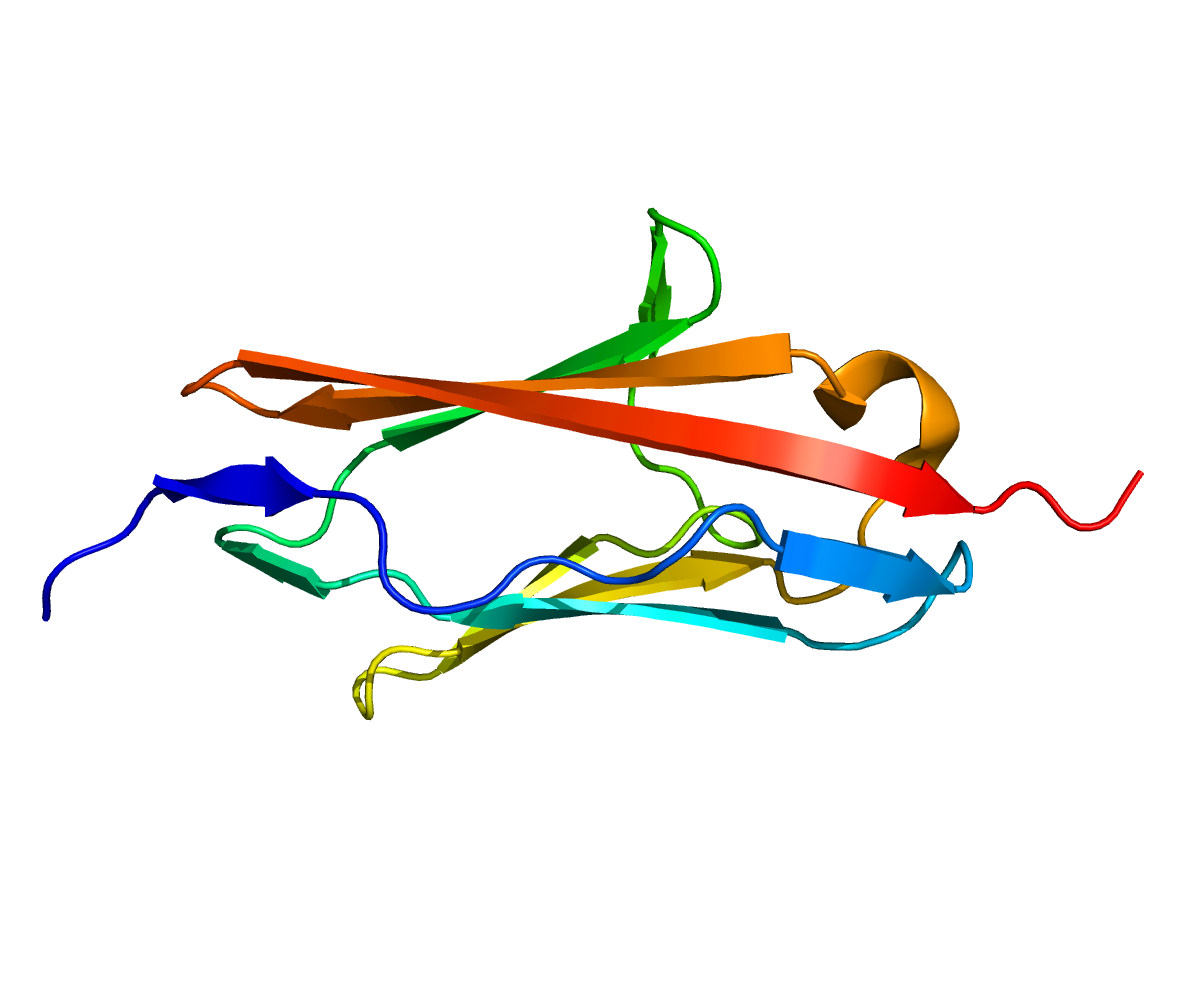
A doença é causada por variantes (mutações) no gene POMGNT2. Este gene fornece instruções para a produção de uma enzima envolvida na glicosilação de proteínas, processo essencial para a função muscular e neural. A herança é autossômica recessiva, o que significa que são necessárias duas cópias alteradas do gene (uma herdada de cada genitor) para manifestar a doença.[1][4]
Diagnóstico
O diagnóstico é baseado na avaliação clínica, dosagem de creatina quinase (elevada), exames de imagem muscular e, principalmente, no sequenciamento completo do exoma (WES) para identificação de variantes patogênicas no gene POMGNT2. O teste genético está disponível no Brasil, com cobertura mínima pelo SUS (Sistema Único de Saúde). O CID-10 correspondente é G71.0 (distrofia muscular).[1][4]
Tratamento e manejo
Atualmente, não há cura para a Distrofia das cinturas musculares dos membros R24 POMGNT2-relacionada. O manejo é multidisciplinar e visa aliviar os sintomas, manter a função muscular e melhorar a qualidade de vida. Inclui fisioterapia, terapia ocupacional, acompanhamento nutricional (para deficiência de vitamina K) e suporte educacional para deficiência intelectual e TDAH. O atendimento em reabilitação para doenças raras está disponível no SUS. Não há medicamentos específicos aprovados para esta condição.[1]
Prognóstico e qualidade de vida
O prognóstico varia conforme a gravidade dos sintomas e a idade de início. A progressão da fraqueza muscular pode levar à perda da capacidade de deambulação em alguns casos. A presença de atresia biliar e deficiência intelectual pode impactar significativamente a qualidade de vida. O acompanhamento regular com equipe multidisciplinar é essencial para otimizar o suporte e a funcionalidade ao longo da vida.[1][3]
Conteúdo informativo gerado e mantido automaticamente a partir de fontes oficiais (Orphanet, HPO, OMIM, SUS). Não substitui avaliação médica.
Distrofia muscular das cinturas autossômica recessiva rara caracterizada pelo início da infância à adolescência de uma forma mais leve de distrofia muscular das cinturas com ou sem perturbação do desenvolvimento intelectual. Os pacientes apresentam fraqueza muscular dos membros próximos variáveis com hipertrofia dos gêmeos e elevação da creatina quinase sérica.
Escala de raridade
<1/50kMuito rara
1/20kRara
1/10kPouco freq.
1/5kIncomum
1/2k
Encontrou um erro ou informação desatualizada? Sugira uma correção →
Entender a doença
Do básico ao detalhe, leia no seu ritmo
Preparando trilha educativa...
Sinais e sintomas
O que aparece no corpo e com que frequência cada sintoma acontece
Visão geral
A Distrofia das cinturas musculares dos membros R24 POMGNT2-relacionada é uma doença neuromuscular rara, caracterizada por fraqueza e atrofia muscular progressiva que afeta principalmente os músculos dos ombros e da pelve (cinturas). A condição tem prevalência estimada em menos de 1 caso por 1.000.000 de pessoas, sendo considerada extremamente rara. O início dos sintomas pode ocorrer na infância ou na adolescência.[1][3]
Sinais e sintomas
Os principais sinais e sintomas incluem: fraqueza muscular proximal nos membros inferiores (dificuldade para levantar-se, correr ou ficar em pé), atrofia do músculo esquelético, hipertrofia do músculo da panturrilha, atraso motor, dificuldade para correr, fala pobre, deficiência intelectual, transtorno do déficit de atenção com hiperatividade (TDAH), concentração elevada de creatina quinase circulante (indicando lesão muscular), miosite (inflamação muscular), baixos níveis de vitamina K e atresia biliar (malformação dos ductos biliares).[1][3]
Causas genéticas
A doença é causada por variantes (mutações) no gene POMGNT2. Este gene fornece instruções para a produção de uma enzima envolvida na glicosilação de proteínas, processo essencial para a função muscular e neural. A herança é autossômica recessiva, o que significa que são necessárias duas cópias alteradas do gene (uma herdada de cada genitor) para manifestar a doença.[1][4]
Diagnóstico
O diagnóstico é baseado na avaliação clínica, dosagem de creatina quinase (elevada), exames de imagem muscular e, principalmente, no sequenciamento completo do exoma (WES) para identificação de variantes patogênicas no gene POMGNT2. O teste genético está disponível no Brasil, com cobertura mínima pelo SUS (Sistema Único de Saúde). O CID-10 correspondente é G71.0 (distrofia muscular).[1][4]
Tratamento e manejo
Atualmente, não há cura para a Distrofia das cinturas musculares dos membros R24 POMGNT2-relacionada. O manejo é multidisciplinar e visa aliviar os sintomas, manter a função muscular e melhorar a qualidade de vida. Inclui fisioterapia, terapia ocupacional, acompanhamento nutricional (para deficiência de vitamina K) e suporte educacional para deficiência intelectual e TDAH. O atendimento em reabilitação para doenças raras está disponível no SUS. Não há medicamentos específicos aprovados para esta condição.[1]
Prognóstico e qualidade de vida
O prognóstico varia conforme a gravidade dos sintomas e a idade de início. A progressão da fraqueza muscular pode levar à perda da capacidade de deambulação em alguns casos. A presença de atresia biliar e deficiência intelectual pode impactar significativamente a qualidade de vida. O acompanhamento regular com equipe multidisciplinar é essencial para otimizar o suporte e a funcionalidade ao longo da vida.[1][3]
Conteúdo informativo gerado e mantido automaticamente a partir de fontes oficiais (Orphanet, HPO, OMIM, SUS). Não substitui avaliação médica.
Partes do corpo afetadas
+ 8 sintomas em outras categorias
Características mais comuns
Os sintomas variam de pessoa para pessoa. Abaixo estão as 13 características clínicas mais associadas, ordenadas por frequência.
Linha do tempo da pesquisa
Encontrou um erro ou informação desatualizada? Sugira uma correção →
Genética e causas
O que está alterado no DNA e como passa nas famílias
Nenhum gene associado encontrado
Os dados genéticos desta condição ainda estão sendo catalogados.
Diagnóstico
Os sinais que médicos procuram e os exames que confirmam
Tratamento e manejo
Remédios, cuidados de apoio e o que precisa acompanhar
Onde tratar no SUS
Hospitais de referência no Brasil e o protocolo oficial do SUS (PCDT)
🇧🇷 Atendimento SUS — Distrofia das cinturas musculares dos membros R24 POMGNT2-relacionada
Selecione um estado ou use sua localização para ver resultados.
Dados de DATASUS/CNES, SBGM, ABNeuro e Ministério da Saúde. Sempre confirme a disponibilidade diretamente com o estabelecimento.
Pesquisa ativa
Ensaios clínicos abertos e novidades científicas recentes
Pesquisa e ensaios clínicos
Nenhum ensaio clínico registrado para esta condição.
Publicações mais relevantes
Mitochondrial dysfunction and consequences in calpain-3-deficient muscle.
Nonsense or loss-of-function mutations in the non-lysosomal cysteine protease calpain-3 result in limb-girdle muscular dystrophy type 2A (LGMD2A). While calpain-3 is implicated in muscle cell differentiation, sarcomere formation, and muscle cytoskeletal remodeling, the physiological basis for LGMD2A has remained elusive. Cell growth, gene expression profiling, and mitochondrial content and function were analyzed using muscle and muscle cell cultures established from healthy and calpain-3-deficient mice. Calpain-3-deficient mice were also treated with PPAR-delta agonist (GW501516) to assess mitochondrial function and membrane repair. The unpaired t test was used to assess the significance of the differences observed between the two groups or treatments. ANOVAs were used to assess significance over time. We find that calpain-3 deficiency causes mitochondrial dysfunction in the muscles and myoblasts. Calpain-3-deficient myoblasts showed increased proliferation, and their gene expression profile showed aberrant mitochondrial biogenesis. Myotube gene expression analysis further revealed altered lipid metabolism in calpain-3-deficient muscle. Mitochondrial defects were validated in vitro and in vivo. We used GW501516 to improve mitochondrial biogenesis in vivo in 7-month-old calpain-3-deficient mice. This treatment improved satellite cell activity as indicated by increased MyoD and Pax7 mRNA expression. It also decreased muscle fatigability and reduced serum creatine kinase levels. The decreased mitochondrial function also impaired sarcolemmal repair in the calpain-3-deficient skeletal muscle. Improving mitochondrial activity by acute pyruvate treatment improved sarcolemmal repair. Our results provide evidence that calpain-3 deficiency in the skeletal muscle is associated with poor mitochondrial biogenesis and function resulting in poor sarcolemmal repair. Addressing this deficit by drugs that improve mitochondrial activity offers new therapeutic avenues for LGMD2A.
Fibroadipogenic progenitors are responsible for muscle loss in limb girdle muscular dystrophy 2B.
Muscle loss due to fibrotic or adipogenic replacement of myofibers is common in muscle diseases and muscle-resident fibro/adipogenic precursors (FAPs) are implicated in this process. While FAP-mediated muscle fibrosis is widely studied in muscle diseases, the role of FAPs in adipogenic muscle loss is not well understood. Adipogenic muscle loss is a feature of limb girdle muscular dystrophy 2B (LGMD2B) - a disease caused by mutations in dysferlin. Here we show that FAPs cause the adipogenic loss of dysferlin deficient muscle. Progressive accumulation of Annexin A2 (AnxA2) in the myofiber matrix causes FAP differentiation into adipocytes. Lack of AnxA2 prevents FAP adipogenesis, protecting against adipogenic loss of dysferlinopathic muscle while exogenous AnxA2 enhances muscle loss. Pharmacological inhibition of FAP adipogenesis arrests adipogenic replacement and degeneration of dysferlin-deficient muscle. These results demonstrate the pathogenic role of FAPs in LGMD2B and establish these cells as therapeutic targets to ameliorate muscle loss in patients.
Limb girdle muscular dystrophy D3 HNRNPDL related in a Chinese family with distal muscle weakness caused by a mutation in the prion-like domain.
Limb-girdle muscular dystrophies (LGMD) are a group of clinically and genetically heterogeneous diseases characterized by weakness and wasting of the pelvic and shoulder girdle muscles. Twenty-four recessive LGMD (types R1-R24) and five dominant LGMD (types D1-D5) have been identified with characterization of mutations in various genes. To date, LGMD D3 (previously known as LGMD1G) has been characterized in only two families with Brazilian or Uruguayan origin. Each was caused by a distinct mutation at codon 378 in the prion-like domain of HNRNPDL encoding heterogeneous nuclear ribonucleoprotein D like (HNRNPDL), an RNA processing protein. Our study characterized eight patients suffering from LGMD D3 in a Chinese family spanning three generations. Muscle biopsy specimens from two patients showed a myopathy with rimmed vacuoles. Sequencing analysis revealed a heterozygous c.1132G > A (p.D378N) mutation in HNRNPDL that co-segregated with disease phenotype in the family. The same mutation has been identified previously in the Brazilian family with LGMD D3. However, most patients in the current family showed distal as well as proximal limb weakness rather than weakness of toe and finger flexor muscles that were typical features in the other two LGMD D3 families reported previously. The present study indicates that the same mutation in HNRNPDL results in various phenotypes of LGMD D3. That all mutations in three unrelated families with different ethnic background occur at the same position in codon 378 of HNRNPDL gene suggests a mutation hotspot. Acceleration of intrinsic self-aggregation of HNRNPDL caused by mutation of the prior-like domain may contribute to the pathogenesis of the disease.
Membrane Stabilization by Modified Steroid Offers a Potential Therapy for Muscular Dystrophy Due to Dysferlin Deficit.
Mutations of the DYSF gene leading to reduced dysferlin protein level causes limb girdle muscular dystrophy type 2B (LGMD2B). Dysferlin facilitates sarcolemmal membrane repair in healthy myofibers, thus its deficit compromises myofiber repair and leads to chronic muscle inflammation. An experimental therapeutic approach for LGMD2B is to protect damage or improve repair of myofiber sarcolemma. Here, we compared the effects of prednisolone and vamorolone (a dissociative steroid; VBP15) on dysferlin-deficient myofiber repair. Vamorolone, but not prednisolone, stabilized dysferlin-deficient muscle cell membrane and improved repair of dysferlin-deficient mouse (B6A/J) myofibers injured by focal sarcolemmal damage, eccentric contraction-induced injury or injury due to spontaneous in vivo activity. Vamorolone decreased sarcolemmal lipid mobility, increased muscle strength, and decreased late-stage myofiber loss due to adipogenic infiltration. In contrast, the conventional glucocorticoid prednisolone failed to stabilize dysferlin deficient muscle cell membrane or improve repair of dysferlinopathic patient myoblasts and mouse myofibers. Instead, prednisolone treatment increased muscle weakness and myofiber atrophy in B6A/J mice-findings that correlate with reports of prednisolone worsening symptoms of LGMD2B patients. Our findings showing improved cellular and pre-clinical efficacy of vamorolone compared to prednisolone and better safety profile of vamorolone indicates the suitability of vamorolone for clinical trials in LGMD2B.
Annexin A2 links poor myofiber repair with inflammation and adipogenic replacement of the injured muscle.
Repair of skeletal muscle after sarcolemmal damage involves dysferlin and dysferlin-interacting proteins such as annexins. Mice and patient lacking dysferlin exhibit chronic muscle inflammation and adipogenic replacement of the myofibers. Here, we show that similar to dysferlin, lack of annexin A2 (AnxA2) also results in poor myofiber repair and progressive muscle weakening with age. By longitudinal analysis of AnxA2-deficient muscle we find that poor myofiber repair due to the lack of AnxA2 does not result in chronic inflammation or adipogenic replacement of the myofibers. Further, deletion of AnxA2 in dysferlin deficient mice reduced muscle inflammation, adipogenic replacement of myofibers, and improved muscle function. These results identify multiple roles of AnxA2 in muscle repair, which includes facilitating myofiber repair, chronic muscle inflammation and adipogenic replacement of dysferlinopathic muscle. It also identifies inhibition of AnxA2-mediated inflammation as a novel therapeutic avenue for treating muscle loss in dysferlinopathy.
📚 EuropePMCmostrando 5
Mitochondrial dysfunction and consequences in calpain-3-deficient muscle.
Skeletal muscleFibroadipogenic progenitors are responsible for muscle loss in limb girdle muscular dystrophy 2B.
Nature communicationsLimb girdle muscular dystrophy D3 HNRNPDL related in a Chinese family with distal muscle weakness caused by a mutation in the prion-like domain.
Journal of neurologyMembrane Stabilization by Modified Steroid Offers a Potential Therapy for Muscular Dystrophy Due to Dysferlin Deficit.
Molecular therapy : the journal of the American Society of Gene TherapyAnnexin A2 links poor myofiber repair with inflammation and adipogenic replacement of the injured muscle.
Human molecular geneticsAssociações
Organizações que acompanham esta doença — pra ter apoio e orientação
Ainda não temos associações cadastradas para Distrofia das cinturas musculares dos membros R24 POMGNT2-relacionada.
É de uma associação que acompanha esta doença? Fale com a gente →
Comunidades
Grupos ativos de quem convive com esta doença aqui no Raras
Ainda não existe comunidade no Raras para Distrofia das cinturas musculares dos membros R24 POMGNT2-relacionada
Pacientes, familiares e cuidadores se organizam em comunidades pra compartilhar experiências, fazer perguntas e se apoiar. Você pode ser o primeiro.
Tire suas dúvidas
Perguntas, dicas e experiências compartilhadas aqui na página
Participe da discussão
Faça login para postar dúvidas, compartilhar experiências e interagir com especialistas.
Fazer loginDoenças relacionadas
Doenças com sintomas parecidos — ajudam quem ainda está buscando diagnóstico
Referências e fontes
Bases de dados externas citadas neste artigo
Publicações científicas
Artigos indexados no PubMed ligados a esta doença no grafo RarasNet — título, periódico e PMID direto da fonte, sem intermediação de IA.
- Mitochondrial dysfunction and consequences in calpain-3-deficient muscle.
- Fibroadipogenic progenitors are responsible for muscle loss in limb girdle muscular dystrophy 2B.
- Limb girdle muscular dystrophy D3 HNRNPDL related in a Chinese family with distal muscle weakness caused by a mutation in the prion-like domain.
- Membrane Stabilization by Modified Steroid Offers a Potential Therapy for Muscular Dystrophy Due to Dysferlin Deficit.Molecular therapy : the journal of the American Society of Gene Therapy· 2018· PMID 30166241mais citado
- Annexin A2 links poor myofiber repair with inflammation and adipogenic replacement of the injured muscle.
Bases de dados e fontes oficiais
Identificadores e referências canônicas usadas para montar este verbete.
- ORPHA:565899(Orphanet)
- MONDO:0035432(MONDO)
- GARD:22271(GARD (NIH))
Dados compilados pelo RarasNet a partir de fontes abertas (Orphanet, OMIM, MONDO, PubMed/EuropePMC, ClinicalTrials.gov, DATASUS, PCDT/MS). Este conteúdo é informativo e não substitui avaliação médica.
Conteúdo mantido por Agente Raras · Médicos e pesquisadores podem colaborar
Distrofia das cinturas musculares dos membros R24 POMGNT2-relacionada
📋 Origem dos dados
Esta página agrega dados de fontes públicas e oficiais. Dados sobre cobertura no SUS (PCDT, CEAF) são verificados ativamente por agente proativo (ver badge no infobox). Demais dados têm atribuição de fonte + data da última sincronização — clique para abrir o original.
- Doença rara (ontologia)
- fonte: Orphanet
- Identificador unificado
- fonte: MONDO
- Codificação WHO/SUS
- fonte: WHO ICD-10 / DATASUS
- NIH/GARD
- fonte: GARD (NIH)