
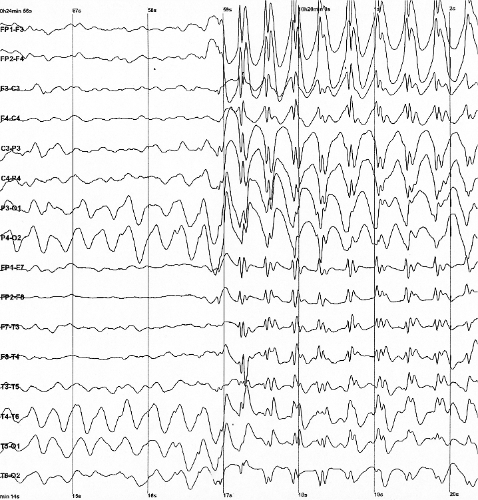
Uma epilepsia infantil generalizada e familiar, caracterizada por crises de ausência muito frequentes (várias vezes ao dia), que geralmente ocorre em crianças entre 4 e 10 anos de idade e, na maioria dos casos, tem um bom prognóstico.
Introdução
O que você precisa saber de cara
Uma epilepsia infantil generalizada e familiar, caracterizada por crises de ausência muito frequentes (várias vezes ao dia), que geralmente ocorre em crianças entre 4 e 10 anos de idade e, na maioria dos casos, tem um bom prognóstico.
Escala de raridade
<1/50kMuito rara
1/20kRara
1/10kPouco freq.
1/5kIncomum
1/2k
Encontrou um erro ou informação desatualizada? Sugira uma correção →
Entender a doença
Do básico ao detalhe, leia no seu ritmo
Preparando trilha educativa...
Sinais e sintomas
O que aparece no corpo e com que frequência cada sintoma acontece
Partes do corpo afetadas
+ 9 sintomas em outras categorias
Características mais comuns
Os sintomas variam de pessoa para pessoa. Abaixo estão as 24 características clínicas mais associadas, ordenadas por frequência.
Linha do tempo da pesquisa
Encontrou um erro ou informação desatualizada? Sugira uma correção →
Genética e causas
O que está alterado no DNA e como passa nas famílias
Genes associados
5 genes identificados com associação a esta condição. Padrão de herança: Autosomal dominant.
Alpha subunit of the heteropentameric ligand-gated chloride channel gated by Gamma-aminobutyric acid (GABA), a major inhibitory neurotransmitter in the brain (PubMed:23909897, PubMed:25489750, PubMed:29950725, PubMed:30602789). GABA-gated chloride channels, also named GABA(A) receptors (GABAAR), consist of five subunits arranged around a central pore and contain GABA active binding site(s) located at the alpha and beta subunit interface(s) (PubMed:29950725, PubMed:30602789). When activated by GA
Postsynaptic cell membraneCell membraneCytoplasmic vesicle membrane
Epilepsy, childhood absence 4
A subtype of idiopathic generalized epilepsy characterized by an onset at age 6-7 years, frequent absence seizures (several per day) and bilateral, synchronous, symmetric 3-Hz spike waves on EEG. Tonic-clonic seizures often develop in adolescence. Absence seizures may either remit or persist into adulthood.
Gamma subunit of the heteropentameric ligand-gated chloride channel gated by gamma-aminobutyric acid (GABA), a major inhibitory neurotransmitter in the brain (PubMed:14993607, PubMed:16412217, PubMed:23909897, PubMed:2538761, PubMed:25489750, PubMed:27864268, PubMed:29950725, PubMed:30602789). GABA-gated chloride channels, also named GABA(A) receptors (GABAAR), consist of five subunits arranged around a central pore and contain GABA active binding site(s) located at the alpha and beta subunit in
Postsynaptic cell membraneCell membraneCell projection, dendriteCytoplasmic vesicle membrane
Developmental and epileptic encephalopathy 74
A form of epileptic encephalopathy, a heterogeneous group of severe early-onset epilepsies characterized by refractory seizures, neurodevelopmental impairment, and poor prognosis. Development is normal prior to seizure onset, after which cognitive and motor delays become apparent. DEE74 is an autosomal dominant form with onset in the first year of life.
Voltage-sensitive calcium channel that gives rise to T-type calcium currents. T-type calcium channels belong to the 'low-voltage activated (LVA)' group. A particularity of this type of channel is an opening at quite negative potentials, and a voltage-dependent inactivation (PubMed:27149520, PubMed:9670923, PubMed:9930755). T-type channels serve pacemaking functions in both central neurons and cardiac nodal cells and support calcium signaling in secretory cells and vascular smooth muscle (Probabl
Cell membrane
Epilepsy, idiopathic generalized 6
A disorder characterized by recurring generalized seizures in the absence of detectable brain lesions and/or metabolic abnormalities. Generalized seizures arise diffusely and simultaneously from both hemispheres of the brain.
May bind DNA
Nucleus
Beta subunit of the heteropentameric ligand-gated chloride channel gated by gamma-aminobutyric acid (GABA), a major inhibitory neurotransmitter in the brain (PubMed:14993607, PubMed:18514161, PubMed:22243422, PubMed:22303015, PubMed:24909990, PubMed:26950270, PubMed:30602789). GABA-gated chloride channels, also named GABA(A) receptors (GABAAR), consist of five subunits arranged around a central pore and contain GABA active binding site(s) located at the alpha and beta subunit interface(s) (PubMe
Postsynaptic cell membraneCell membraneCytoplasmic vesicle membrane
Epilepsy, childhood absence 5
A subtype of idiopathic generalized epilepsy characterized by an onset at age 6-7 years, frequent absence seizures (several per day) and bilateral, synchronous, symmetric 3-Hz spike waves on EEG. Tonic-clonic seizures often develop in adolescence. Absence seizures may either remit or persist into adulthood.
Variantes genéticas (ClinVar)
907 variantes patogênicas registradas no ClinVar.
Classificação de variantes (ClinVar)
Distribuição de 22 variantes classificadas pelo ClinVar.
Vias biológicas (Reactome)
5 vias biológicas associadas aos genes desta condição.
Diagnóstico
Os sinais que médicos procuram e os exames que confirmam
Tratamento e manejo
Remédios, cuidados de apoio e o que precisa acompanhar
Onde tratar no SUS
Hospitais de referência no Brasil e o protocolo oficial do SUS (PCDT)
🇧🇷 Atendimento SUS — Epilepsia de ausências infantil
Selecione um estado ou use sua localização para ver resultados.
Dados de DATASUS/CNES, SBGM, ABNeuro e Ministério da Saúde. Sempre confirme a disponibilidade diretamente com o estabelecimento.
Pesquisa ativa
Ensaios clínicos abertos e novidades científicas recentes
Ensaios em destaque
🟢 Recrutando agora
2 pesquisas recrutando participantes. Converse com seu médico sobre a possibilidade de participar.
Outros ensaios clínicos
17 ensaios clínicos encontrados, 3 ativos.
Publicações mais relevantes
Patterns of Response to Treatment and Outcome of Childhood Absence Epilepsy: A Multicenter Study From Saudi Arabia.
Childhood absence epilepsy (CAE) is a common pediatric epilepsy syndrome affecting school-aged children. While generally considered benign, recent studies indicate that a significant proportion of patients experience pharmaco-resistance and neuropsychiatric comorbidities. This study aimed to investigate the outcomes of CAE patients across tertiary care centers in Saudi Arabia. A retrospective cohort study was conducted at multiple tertiary care centers in Saudi Arabia. The study included 61 pediatric patients (≤14 years) with confirmed CAE diagnosis. Data were collected from electronic medical records. Response to treatment was defined as >50% reduction in seizure frequency from the baseline, while terminal remission was defined as one-year seizure-free off antiseizure medications. The study population had an equal gender distribution (50.8% male) with a median age of 7 years at diagnosis. Most patients (93.4%) had no comorbidities. The majority (88.5%) achieved response to appropriate antiseizure medications; of these responders, 27.8% achieved terminal remission, while 11.5% demonstrated no response. Isolated staring episodes were the predominant presentation (88.5%). Most patients (93.4%) were managed with monotherapy, with valproic acid (60.7%) being the most commonly prescribed medication, followed by ethosuximide (36.1%). Age at diagnosis showed a positive association with recurrence risk, though not statistically significant. CAE patients in Saudi Arabian tertiary care centers demonstrate favorable outcomes, with high response rates with monotherapy. Early diagnosis and treatment may improve prognosis, as suggested by the trend toward higher recurrence rates in patients diagnosed at older ages.
Deep learning-based real-time seizure detection and multi-seizure classification on pediatric EEG.
To develop a reliable and accurate seizure detection method using deep learning models capable of detecting and classifying multiple seizure types in real time. We retrospectively collected electroencephalography (EEG) recordings, which were acquired as part of routine diagnostic tests for patients aged 3 months to ≤18 years of age with childhood absence epilepsy, infantile epileptic spasms syndrome, other generalized epilepsy, and focal epilepsy, between January 2018 and December 2022 at Severance Children's Hospital. We used EEG recordings from both seizure and non-seizure patients, which were downsampled to 200 Hz for real-time seizure detection and multi-classification. Of the 199 patients (620 seizures), 49 (297 seizures) belonged to the childhood absence epilepsy group, 16 (200 seizures) to the infantile epileptic spasms syndrome group, 14 (76 seizures) to other generalized epilepsy group, 19 (47 seizures) to focal epilepsy group, and 101 to the normal group. The results showed the best overall performance of AUROC 0.98 and APROC of 0.73 with ResNet with Long-Short Term Network and a 12 s sliding window on real-time seizure detection task. Furthermore, ResNet50 without the frequency bands feature extractor showed the best overall weighted performance for multi-class seizure detection with 0.99 AUROC and 0.99 APPRC. Our approach proposes robust methods which include EEG preprocessing strategy with real-time detection/classification of multiple seizures, which helps monitor pediatric seizure. The result shows that real-time seizure detection can be effectively applied to real-world clinical datasets from a pediatric epilepsy unit with realistic performance and speed.
Effects of lipid-lowering drugs on epilepsy and its subtypes: A drug-target Mendelian randomization study.
Statins, commonly used lipid-lowering drugs to reduce cardiovascular risk, have also been suggested to have protective effects against epilepsy. However, whether this association is causal remains unclear. We conducted a drug-target Mendelian randomization study to examine the effects of genetically predicted inhibition of 3 established lipid-lowering targets (3-hydroxy-3-methylglutaryl coenzyme A reductase [statins], Niemann-Pick C1-Like 1 [ezetimibe], and proprotein convertase subtilisin/kexin type 9 [PCSK9 inhibitors]) on epilepsy and its subtypes. The inverse-variance weighted approach served as the primary analysis, supplemented with multiple sensitivity tests to ensure robustness. Genetically proxied 3-hydroxy-3-methylglutaryl coenzyme A reductase inhibition was associated with decreased risks of epilepsy (odds ratio [OR] = 0.87; 95% confidence interval [CI]: 0.82-0.92; P = 1.4 × 10⁻⁶) and focal epilepsy (OR = 0.83; 95% CI: 0.76-0.92; P = 1.5 × 10⁻⁴). Inhibition of Niemann-Pick C1-Like 1 corresponded to a lower risk of generalized epilepsy with tonic-clonic seizures (OR = 0.98; 95% CI: 0.97-0.98; P = 1.2 × 10⁻³⁴) but increased risks of focal epilepsy (lesion negative, OR = 1.08; 95% CI: 1.06-1.09; P = 5.9 × 10⁻³¹), childhood absence epilepsy (OR = 1.06; 95% CI: 1.05-1.07; P = 1.8 × 10⁻²¹), and juvenile absence epilepsy (OR = 1.03; 95% CI: 1.01-1.05; P = 9.7 × 10⁻³). PCSK9 inhibition was linked to reduced risks of generalized epilepsy with tonic-clonic seizures (OR = 0.99; 95% CI: 0.98-1.00; P = 1.4 × 10⁻²), juvenile absence epilepsy (OR = 0.96; 95% CI: 0.93-1.00; P = 2.7 × 10⁻²), and juvenile myoclonic epilepsy (OR = 0.96; 95% CI: 0.93-1.00; P = 2.9 × 10⁻²). The effects of lipid-lowering drug targets on epilepsy risk vary by target and exhibit pleiotropy. Statins and PCSK9 inhibitors appear protective against epilepsy and several subtypes, whereas ezetimibe may increase susceptibility to certain subtypes. These results underscore the importance of considering target-specific effects when choosing lipid-lowering therapies for patients with or at risk of epilepsy.
Thalamic distribution and effects of 5-HT2C receptors on tonic GABAA inhibition and absence seizures: implications for treatment.
Childhood absence epilepsy (CAE) is associated with abnormal thalamocortical oscillations and enhanced GABAergic function in the ventrobasal (VB) thalamus, including increased extrasynaptic GABAA receptor-mediated tonic currents in thalamocortical (TC) neurons. Serotonin signaling modulates seizure activity in several epilepsy models, and activation of 5-HT2C receptors (5-HT2CRs) has been reported to exert anti-absence seizure effects, although the underlying cellular mechanisms remain unclear. Here, we examined the thalamic distribution of 5-HT2CRs and their functional impact on tonic GABAA inhibition and absence seizures. 5-HT2CR expression in the nucleus reticularis thalami (NRT) and VB was assessed by immunohistochemistry in adult Wistar rats, Genetic Absence Epilepsy Rats from Strasbourg (GAERS), and their non-epileptic control strain (NEC). Whole-cell patch-clamp recordings were used to measure tonic GABAA currents in VB TC neurons in thalamic slices. In vivo EEG recordings in freely moving GAERS rats were performed to evaluate the effects of systemic administration of the 5-HT2CR agonist Ro 60-0175 on absence seizures. No differences in 5-HT2CR expression were observed in the NRT across strains. In the VB, receptor expression was lowest in GAERS and highest in Wistar rats compared with NEC. Tonic GABAA currents in TC neurons were larger in GAERS than in Wistar or NEC rats. Activation of 5-HT2CRs with Ro 60-0175 reduced tonic GABAA currents in TC neurons in all strains. Systemic administration of Ro 60-0175 in adult GAERS produced a clear reduction in absence seizures. These findings indicate that 5-HT2CRs regulate thalamic extrasynaptic GABAA inhibition and that their activation reduces tonic inhibitory drive in TC neurons while exerting anti-absence effects in vivo. The lower expression of 5-HT2CRs in the GAERS VB suggests altered serotonergic control of thalamic inhibition in absence epilepsy. By reducing tonic GABAergic currents, 5-HT2CR activation may rebalance thalamocortical activity and suppress pathological oscillations, supporting these receptors as potential therapeutic targets for CAE.
Isolated absence epilepsy associated with a de novo FBXW7 missense variant in the F-box domain.
The FBXW7 gene encodes a substrate-recognition component of the Skp1-Cul1-F-box (SCF) E3 ubiquitin ligase complex, which targets key regulatory proteins for proteasomal degradation. Recently, loss-of-function FBXW7 variants have been associated with a novel neurodevelopmental disorder characterized by heterogeneous clinical features. Most reported pathogenic variants cluster within the WD40 domains, while variants in other regions, such as the F-box domain, remain poorly characterized. In this study, we performed trio-exome sequencing on a 3-year-old girl with Early-Onset Childhood Absence Epilepsy. We analyzed the identified FBXW7 variant using multiple in silico tools for pathogenicity prediction and structural modeling. Clinical phenotype was compared with previously reported cases. We identified a novel de novo missense variant in FBXW7, c.926G>C; p.(Arg309Pro), affecting a highly conserved residue in the F-box domain. Notably, unlike prior cases predominantly associated with WD40 domain variants and severe phenotypes, our patient exhibited a much milder clinical presentation consisting of isolated, drug-responsive absence seizures without intellectual disability. Structural modeling predicted significant impairment in protein-protein binding affinity, particularly with the SCF complex component SKP1, supporting a potentially disruptive effect of the p.(Arg309Pro) substitution on complex assembly. Overall, our findings expand the genotypic and phenotypic spectrum of FBXW7-related disorders. Variants in the F-box domain may result in milder neurological phenotypes compared to those in the WD40 domains, suggesting domain-specific effects and potentially distinct pathogenic mechanisms. PLAIN LANGUAGE SUMMARY: The FBXW7 gene helps regulate the stability of many proteins essential for brain development and function. Changes in this gene have recently been linked to neurodevelopmental disorders with epilepsy. We identified a new FBXW7 variant in a 3-year-old girl with early-onset absence epilepsy. Computer-based modeling suggests that this change weakens the protein's normal interactions. Our findings broaden the spectrum of FBXW7-related disorders and indicate that variants in different gene regions may result in variable clinical severity.
Publicações recentes
Circuit-Selective FAAH Inhibition Suppresses Experimental Absence Seizures.
Presynaptic P/Q calcium channel deficit promotes postsynaptic excitability remodeling and neurogenesis in developing thalamic circuitry.
Patterns of Response to Treatment and Outcome of Childhood Absence Epilepsy: A Multicenter Study From Saudi Arabia.
Effects of lipid-lowering drugs on epilepsy and its subtypes: A drug-target Mendelian randomization study.
Deep learning-based real-time seizure detection and multi-seizure classification on pediatric EEG.
📚 EuropePMC280 artigos no totalmostrando 198
Patterns of Response to Treatment and Outcome of Childhood Absence Epilepsy: A Multicenter Study From Saudi Arabia.
Pediatric neurologyEffects of lipid-lowering drugs on epilepsy and its subtypes: A drug-target Mendelian randomization study.
MedicineDeep learning-based real-time seizure detection and multi-seizure classification on pediatric EEG.
Frontiers in neurologyThalamic distribution and effects of 5-HT2C receptors on tonic GABAA inhibition and absence seizures: implications for treatment.
Frontiers in pharmacologyIsolated absence epilepsy associated with a de novo FBXW7 missense variant in the F-box domain.
Epilepsia openComputational modeling of resistance to hormone-mediated remission in childhood absence epilepsy.
Frontiers in computational neuroscienceEEG and clinical findings in pediatric epilepsy and control groups using video-based pattern stimulation.
Epileptic disorders : international epilepsy journal with videotapeBidirectional causal relationships between epilepsy subtypes and psychiatric disorders: A two-sample mendelian randomization study.
Journal of affective disordersEpilepsy and stroke: A mendelian Randomization study.
Epilepsy researchAutoimmune thyroid disease and human health: a systematic review of Mendelian randomization studies.
Frontiers in immunologyThe whole-brain dynamic neuromagnetic network characteristics in childhood absence epilepsy: A multi-frequency magnetoencephalography study.
Epilepsy & behavior : E&BShared and divergent neuromagnetic network signatures in childhood absence epilepsy and self-limited epilepsy with centrotemporal spikes.
SeizureClinical and EEG predictors of treatment response in pediatric absence epilepsy - a single-center experience.
Neurologia i neurochirurgia polskaInterruption of rat absence seizures by auditory stimulation.
bioRxiv : the preprint server for biologyCompound heterozygous variants of CACNA1H change channel properties and contribute to intractable epilepsy with myoclonic-atonic seizures.
Journal of human geneticsChildhood absence epilepsy and distinct dynamic functional network connectivity patterns in self-limited epilepsy with centrotemporal spikes: a resting-state fMRI study.
Pediatric researchSyndromic and etiological classification predicts seizure freedom in childhood and youth onset epilepsy: A population-based study from the Norwegian Mother, Father, and Child Cohort Study.
EpilepsiaInvestigating the Effects of NMDAR and LGI1 Antibodies on Absence Seizures: Insights from Genetic Absence Epilepsy Rats and Acute Pharmacological Model of Absence Seizures.
Noro psikiyatri arsiviIncreased volumes of the precuneus and the pallidum in idiopathic generalized epilepsy.
Scientific reportsEpilepsy and systemic autoimmune diseases: A bidirectional two-sample Mendelian randomization study.
Epilepsia openFrontiers in EEG as a tool for the management of pediatric epilepsy: Past, present, and future.
Epilepsia openNuclear neuroimaging in childhood epilepsy syndromes: A systematic review.
Epilepsy & behavior : E&BImpairment of Spatial Working Memory but Preservation of Recognition Memory in Female Rats with Spontaneous Absence Seizures.
Neurochemical researchAssociations between the gut microbiota, immune cells, and different subtypes of epilepsy: A Mendelian randomization study.
Epilepsia openFocus on epilepsy and epilepsy syndromes in children with autism spectrum disorders: a study of 74 patients.
Brain & developmentGenome-Wide Insights and Polygenic Risk Scores in Common Epilepsies: A Narrative Review.
American journal of medical genetics. Part B, Neuropsychiatric genetics : the official publication of the International Society of Psychiatric GeneticsCo-occurrence of childhood absence epilepsy and self-limited focal epilepsy interictal discharges: Differences from childhood absence epilepsy alone.
Epileptic disorders : international epilepsy journal with videotapeEthosuximide Induced Raynaud's Phenomenon in a Child With Childhood Absence Epilepsy.
Journal of child neurologyThe Diagnostic Value of EEG Wave Trains for Distinguishing Immature Absence Seizures and Sleep Spindles: Evidence from the WAG/Rij Rat Model.
Diagnostics (Basel, Switzerland)Physical activity and risk of epilepsy: A 2-sample Mendelian randomization study.
Epileptic disorders : international epilepsy journal with videotapeImmunocyte phenotypes and childhood disease susceptibility: insights from bidirectional Mendelian randomization and implications for immunomodulatory therapies.
Naunyn-Schmiedeberg's archives of pharmacologyAntiseizure potential of the triple T-type calcium channel blocker ACT-709478 (apinocaltamide) in rodent models.
EpilepsiaThe noncausal association between a loss-of-function CLCN2 variant and childhood absence epilepsy.
GenomicsProviding integrated mental health care as a neurologist.
Epilepsy & behavior : E&BStudy of Eye Movements Abnormalities in Epilepsy.
Neuro-ophthalmology (Aeolus Press)Multidimensional dataset for cognitive assessment, sMRI, and rsfMRI in common benign epileptic children.
Scientific dataVideo game exposure in children with epilepsy: EEG and clinical findings.
Brain & developmentRhythmic EEG patterns: The oldest idea in the EEG world, but without an obvious definition.
Clinical neurophysiology : official journal of the International Federation of Clinical NeurophysiologyIntegrated care for mental health in epilepsy: A systematic review and meta-synthesis by the International League Against Epilepsy Integrated Mental Health Care Pathways Task Force.
EpilepsiaTremor as an intrinsic feature of juvenile myoclonic epilepsy.
EpilepsiaMolecular and clinical Insights into KMT2E-Related O'Donnell-Luria-Rodan syndrome in a novel patient cohort.
European journal of medical geneticsModelling the effect of allopregnanolone on the resolution of spike-wave discharges.
Journal of computational neuroscienceClinical, etiological, and therapeutic profile of early-onset absence seizures: A case series analysis.
Clinical neurology and neurosurgeryAssessing the Need for Repeat EEG in Pediatric Patients with Idiopathic Generalized Epilepsy After Anti-Seizure Medication Withdrawal Following Seizure Freedom.
Journal of child neurologyMetabolite Associations with Childhood and Juvenile Absence Epilepsy: A Bidirectional Mendelian Randomization Study.
Psychiatry and clinical psychopharmacologyWhole-course power evolution in childhood absence epilepsy: A multi-frequency magnetoencephalography study.
SeizureGenetic heterogeneity in familial forms of genetic generalized epilepsy: from mono- to oligogenism.
Human genomicsWONOEP appraisal: Targeted therapy development for early onset epilepsies.
EpilepsiaShould neurologists treat common psychiatric comorbidities in patients with epilepsy?
Epilepsy & behavior reportsRisk of ADHD in children with childhood absence epilepsy versus controls: A population-based study.
Epilepsy & behavior : E&BA unique case of tactile-induced reflex myoclonic epilepsy of infancy evolving into childhood absence epilepsy.
Epileptic disorders : international epilepsy journal with videotapeUnraveling the shared genetics of common epilepsies and general cognitive ability.
SeizureGeneralized spike-waves in idiopathic generalized epilepsies: Does their frequency matter?
Brain and behaviorMolecular Mechanisms Underlying the Generation of Absence Seizures: Identification of Potential Targets for Therapeutic Intervention.
International journal of molecular sciencesA Review of Hyperventilation Activation in Diagnosis and Management of Childhood Absence Epilepsy.
Journal of child neurologyCausal links between serum micronutrients and epilepsy: a Mendelian randomization analysis.
Frontiers in neurologyA novel duplication mutation of SLC2A1 gene causing glucose transporter 1 deficiency syndrome.
GeneImportance of Genetic Testing in Children With Generalized Epilepsy.
CureusAssessing the impact of circulating inflammatory cytokines and proteins as drivers and therapeutic targets in epilepsy: A Mendelian randomization study.
Epilepsy & behavior : E&BDissecting the Shared Genetic Architecture of Common Epilepsies With Cortical Brain Morphology.
Neurology. GeneticsGlucose transporter-1 deficiency syndrome with extreme phenotypic variability in a five-generation family carrying a novel SLC2A1 variant.
European journal of neurologyDetection of seizure onset in childhood absence epilepsy.
Clinical neurophysiology : official journal of the International Federation of Clinical NeurophysiologyFocality in childhood absence epilepsy.
Neurological researchA systematic review and meta-analysis of factors related to first line drugs refractoriness in patients with juvenile myoclonic epilepsy (JME).
PloS oneA 6-year-old with childhood absence epilepsy and motor hyperactivity.
Epilepsy & behavior reportsEpilepsy-related functional brain network alterations are already present at an early age in the GAERS rat model of genetic absence epilepsy.
Frontiers in neurologyDrug-resistant generalized epilepsies: Revisiting the frontiers of idiopathic generalized epilepsies.
Revue neurologiqueLong-term Prognosis of Childhood Absence Epilepsy.
Noro psikiyatri arsiviCare of pharmaco-resistant absence seizures in childhood.
Revue neurologiqueAssociation of epilepsy and neurological impairments with homozygous recessive missense mutations found in the genes responsible for ganglioside biosynthesis (ST3GAL5) and calcium voltage-gated channels (CACNA1H) - insights through molecular dynamic simulations.
Journal of biomolecular structure & dynamicsThyroid function and epilepsy: a two-sample Mendelian randomization study.
Frontiers in human neuroscienceThe sound of silence: Quantification of typical absence seizures by sonifying EEG signals from a custom-built wearable device.
Epileptic disorders : international epilepsy journal with videotapeThe Challenges of Distinguishing Cognitive Disengagement Syndrome from Childhood Absence Epilepsy in Clinical Settings.
Developmental neuropsychologyPredicting the therapeutic response to valproic acid in childhood absence epilepsy through electroencephalogram analysis using machine learning.
Epilepsy & behavior : E&BDysfunction of the glymphatic system in childhood absence epilepsy.
Frontiers in neuroscienceExploring the core network of the structural covariance network in childhood absence epilepsy.
HeliyonLack of causal association between epilepsy and dementia: A Mendelian randomization analysis.
Epilepsy & behavior : E&BExploring causal correlations between systemic inflammatory cytokines and epilepsy: A bidirectional Mendelian randomization study.
SeizureChildhood Absence Epilepsy- Electroclinical Profile and Prevalence of Attention-Deficit/Hyperactivity Disorder Among a Cohort of 47 Children.
Pediatric neurologyEfficacy of highly purified cannabidiol (CBD) in typical absence seizures: A pilot study.
Epilepsy & behavior : E&BW. J. Adie and his "pyknolepsy," a century ago.
Journal of the history of the neurosciencesDifferences in generation and maintenance between ictal and interictal generalized spike-and-wave discharges in childhood absence epilepsy: A magnetoencephalography study.
Epilepsy & behavior : E&B[Idiopathic generalized epilepsies].
MedicinaRelationship Between Electroencephalography and Seizure Outcome in Typical Absence Seizures in Children.
Pediatric neurologyA quantitative and T-pattern analysis of anxiety-like behavior in male GAERS, NEC, and Wistar rats bred under the same conditions, against a commercially available Wistar control group in the hole board and elevated plus maze tests.
CNS neuroscience & therapeuticsVariation in functional networks between clinical and subclinical discharges in childhood absence epilepsy: A multi-frequency MEG study.
SeizurePatient-derived SLC6A1 variant S295L results in an epileptic phenotype similar to haploinsufficient mice.
EpilepsiaChanges in awake and sleep electroencephalography characteristics after 1-year treatment for childhood and juvenile absence epilepsy.
SeizureEEG phase synchronization during absence seizures.
Frontiers in neuroinformaticsAntiseizure medications for idiopathic generalized epilepsies: a systematic review and network meta-analysis.
Journal of neurologyModel-Informed Precision Dosing Guidance of Ethosuximide Developed from a Randomized Controlled Clinical Trial of Childhood Absence Epilepsy.
Clinical pharmacology and therapeuticsImpaired rich-club connectivity in childhood absence epilepsy.
Frontiers in neurologyAlzheimer Disease and Epilepsy: A Mendelian Randomization Study.
NeurologyKnowledge and Awareness of Parents About the Difference Between Attention Deficit Hyperactivity Disorder and Childhood Absence Epilepsy in the Paediatric Population Makkah, Saudi Arabia: A Cross-Sectional Study.
CureusAltered neuromagnetic activity in default mode network in childhood absence epilepsy.
Frontiers in neuroscienceHCN channels and absence seizures.
Neurobiology of diseaseClinical and electroencephalographic findings prior to the onset of juvenile myoclonic epilepsy: A case series.
Epileptic disorders : international epilepsy journal with videotapeThree consecutive epilepsy syndromes in one child.
Epileptic disorders : international epilepsy journal with videotapeDoes E-learning Facilitate Medical Education in Pediatric Neurology?
The Canadian journal of neurological sciences. Le journal canadien des sciences neurologiquesClinical application of trio-based whole-exome sequencing in idiopathic generalized epilepsy.
SeizureChildhood absence epilepsy patients with cognitive impairment have decreased sleep spindle density.
Sleep medicineAntiseizure medication withdrawal risk estimation and recommendations: A survey of American Academy of Neurology and EpiCARE members.
Epilepsia openDevelopmental Inhibitory Changes in the Primary Somatosensory Cortex of the Stargazer Mouse Model of Absence Epilepsy.
BiomoleculesSuppression of seizure in childhood absence epilepsy using robust control of deep brain stimulation: a simulation study.
Scientific reportsSchool performance and psychiatric comorbidity in childhood absence epilepsy: A Danish cohort study.
European journal of paediatric neurology : EJPN : official journal of the European Paediatric Neurology SocietyAn innovative ethosuximide granule formulation designed for pediatric use: Comparative pharmacokinetics, safety, tolerability, and palatability profile versus reference syrup.
Pharmacology research & perspectivesGenetically proxied gut microbiota, gut metabolites with risk of epilepsy and the subtypes: A bi-directional Mendelian randomization study.
Frontiers in molecular neuroscienceCausal relationship among obesity and body fat distribution and epilepsy subtypes.
Frontiers in neurologyNeuronal networks underlying ictal and subclinical discharges in childhood absence epilepsy.
Journal of neurologyClinical and Instrumental Follow-Up of Childhood Absence Epilepsy (CAE): Exploration of Prognostic Factors.
Children (Basel, Switzerland)EEG Markers of Treatment Resistance in Idiopathic Generalized Epilepsy: From Standard EEG Findings to Advanced Signal Analysis.
BiomedicinesA Case of a Seven-Year-old boy with Epilepsy with Myoclonic Absence: Importance of Seizure Semiology, Genetic Etiology, and Electroencephalogram Correlation for Timely Intervention.
Child neurology openChildhood vs. juvenile absence epilepsy: How to make a diagnosis.
SeizureChildhood Absence Epilepsy Associated With Concomitant Centrotemporal Spikes.
CureusThe Adhesion GPCR VLGR1/ADGRV1 Regulates the Ca2+ Homeostasis at Mitochondria-Associated ER Membranes.
CellsTemporal and spatial dynamic propagation of electroencephalogram by combining power spectral and synchronization in childhood absence epilepsy.
Frontiers in neuroinformaticsPerampanel and childhood absence epilepsy: A real life experience.
Frontiers in neurologyIdiopathic generalized epilepsies: Analysis of 101 patients.
Medicina clinicaPretreatment electroencephalographic features in patients with childhood absence epilepsy.
Neurophysiologie clinique = Clinical neurophysiologyEfficacy and tolerability of brivaracetam monotherapy in childhood and juvenile absence epilepsy: An innovative adaptive trial design.
Epilepsia openStaring Spells: How to Distinguish Epileptic Seizures from Nonepileptic Staring.
Journal of child neurologyPRRT2 mutation in a Japanese woman: Adult-onset focal epilepsy coexisting with movement disorders and cerebellar atrophy.
Epilepsy & behavior reportsCannabinoid 1/2 Receptor Activation Induces Strain-Dependent Behavioral and Neurochemical Changes in Genetic Absence Epilepsy Rats From Strasbourg and Non-epileptic Control Rats.
Frontiers in cellular neuroscienceChildhood absence epilepsy: Electro-clinical manifestations, treatment options, and outcome in a tertiary educational center.
International journal of pediatrics & adolescent medicineCACNA1A Mutations Associated With Epilepsies and Their Molecular Sub-Regional Implications.
Frontiers in molecular neuroscienceInternational League Against Epilepsy classification and definition of epilepsy syndromes with onset in childhood: Position paper by the ILAE Task Force on Nosology and Definitions.
EpilepsiaILAE definition of the Idiopathic Generalized Epilepsy Syndromes: Position statement by the ILAE Task Force on Nosology and Definitions.
EpilepsiaValidation of Pediatric Idiopathic Generalized Epilepsy Diagnoses from the Danish National Patient Register During 1994‒2019.
Clinical epidemiologyPretreatment topological disruptions of whole-brain networks exist in childhood absence epilepsy: A resting-state EEG-fMRI study.
Epilepsy researchStudy of paediatric patients with the clinical and biochemical phenotype of glucose transporter type 1 deficiency syndrome.
NeurologiaThe Impact of Glutamatergic Synapse Dysfunction in the Corticothalamocortical Network on Absence Seizure Generation.
Frontiers in molecular neuroscienceThe type 1 cannabinoid receptor positive allosteric modulators GAT591 and GAT593 reduce spike-and-wave discharges in Genetic Absence Epilepsy Rats from Strasbourg.
IBRO neuroscience reportsNeuropsychological and behavioral profiles of self-limited epileptic syndromes of childhood: a cross-syndrome comparison.
Child neuropsychology : a journal on normal and abnormal development in childhood and adolescenceSleep disorders and ADHD symptoms in children and adolescents with typical absence seizures: An observational study.
Epilepsy & behavior : E&BTherapeutic Options for Childhood Absence Epilepsy.
Pediatric reportsAbsence seizures during sleep in childhood absence epilepsy: A sign of drug resistance?
Brain & developmentGenetic generalized epilepsies in adults - challenging assumptions and dogmas.
Nature reviews. NeurologyFrequency-Dependent Dynamics of Functional Connectivity Networks During Seizure Termination in Childhood Absence Epilepsy: A Magnetoencephalography Study.
Frontiers in neurologyInvolvement of ADGRV1 Gene in Familial Forms of Genetic Generalized Epilepsy.
Frontiers in neurologyMore than one self-limited epilepsy of childhood in the same patient: A multicenter study.
Epilepsy researchPretreatment Source Location and Functional Connectivity Network Correlated With Therapy Response in Childhood Absence Epilepsy: A Magnetoencephalography Study.
Frontiers in neurologyAlterations in white matter integrity and asymmetry in patients with benign childhood epilepsy with centrotemporal spikes and childhood absence epilepsy: An automated fiber quantification tractography study.
Epilepsy & behavior : E&BCross-Frequency Coupling in Childhood Absence Epilepsy.
Brain connectivityGraph-theory based degree centrality combined with machine learning algorithms can predict response to treatment with antiepileptic medications in children with epilepsy.
Journal of clinical neuroscience : official journal of the Neurosurgical Society of AustralasiaDifferentiating ictal/subclinical spikes and waves in childhood absence epilepsy by spectral and network analyses: A pilot study.
Clinical neurophysiology : official journal of the International Federation of Clinical NeurophysiologyAssociation Analysis of Candidate Variants in Admixed Brazilian Patients With Genetic Generalized Epilepsies.
Frontiers in geneticsImpact of Dysfunctional Feed-Forward Inhibition on Glutamate Decarboxylase Isoforms and γ-Aminobutyric Acid Transporters.
International journal of molecular sciencesTherapeutic approach to difficult-to-treat typical absences and related epilepsy syndromes.
Expert review of clinical pharmacologyAbsence Seizure Detection Algorithm for Portable EEG Devices.
Frontiers in neurologyTopological Organization Alterations of Whole-Brain Functional Networks in Patients with Childhood Absence Epilepsy: Associations with Treatment Effects.
Disease markersFunctional reorganization of brain regions into a network in childhood absence epilepsy: A magnetoencephalography study.
Epilepsy & behavior : E&BEpilepsy: Epileptic Syndromes and Treatment.
Neurologic clinicsFrom Physiology to Pathology of Cortico-Thalamo-Cortical Oscillations: Astroglia as a Target for Further Research.
Frontiers in neurologyIdentification of a novel variant p.Ser606Gly in SCN3A associated with childhood absence epilepsy.
Epilepsy researchAssessing seizure burden in pediatric epilepsy using an electronic medical record-based tool through a common data element approach.
EpilepsiaAltered Neurotransmitter Expression in the Corticothalamocortical Network of an Absence Epilepsy Model with impaired Feedforward Inhibition.
NeuroscienceSeizures in Sotos syndrome: Phenotyping in 49 patients.
Epilepsia openCommon molecular mechanisms of SLC6A1 variant-mediated neurodevelopmental disorders in astrocytes and neurons.
Brain : a journal of neurologySystemic administration of ivabradine, a hyperpolarization-activated cyclic nucleotide-gated channel inhibitor, blocks spontaneous absence seizures.
EpilepsiaPositive allosteric modulation of type 1 cannabinoid receptors reduces spike-and-wave discharges in Genetic Absence Epilepsy Rats from Strasbourg.
NeuropharmacologyAbsence seizures and their relationship to depression and anxiety: Evidence for bidirectionality.
EpilepsiaClinical profile and treatment outcome of epilepsy syndromes in children: A hospital-based study in Eastern Nepal.
Epilepsia openEthosuximide, sodium valproate or lamotrigine for absence seizures in children and adolescents.
The Cochrane database of systematic reviewsAlternatives to valproate in girls and women of childbearing potential with Idiopathic Generalized Epilepsies: state of the art and guidance for the clinician proposed by the Epilepsy and Gender Commission of the Italian League Against Epilepsy (LICE).
SeizureDiagnosing and managing childhood absence epilepsy by telemedicine.
Epilepsy & behavior : E&BChanges of Ictal-Onset Epileptic Network Synchronicity in Childhood Absence Epilepsy: A Magnetoencephalography Study.
Frontiers in neurologyGenetic Landscape of Common Epilepsies: Advancing towards Precision in Treatment.
International journal of molecular sciencesThe brain as a complex network: assessment of EEG-based functional connectivity patterns in patients with childhood absence epilepsy.
Epileptic disorders : international epilepsy journal with videotapeNetwork characteristics of genetic generalized epilepsy: Are the syndromes distinct?
SeizureAltered Structural Network in Newly Onset Childhood Absence Epilepsy.
Journal of clinical neurology (Seoul, Korea)Dynamical mesoscale model of absence seizures in genetic models.
PloS oneHow to diagnose and classify idiopathic (genetic) generalized epilepsies.
Epileptic disorders : international epilepsy journal with videotapeTrait impulsivity correlates with active myoclonic seizures in genetic generalized epilepsy.
Epilepsy & behavior : E&BMultifrequency Dynamics of Cortical Neuromagnetic Activity Underlying Seizure Termination in Absence Epilepsy.
Frontiers in human neuroscienceCortical and subcortical volume differences between Benign Epilepsy with Centrotemporal Spikes and Childhood Absence Epilepsy.
Epilepsy researchGenetic generalized epilepsies with frontal lesions mimicking migratory disorders on the epilepsy monitoring unit.
Epilepsia openIdiopathic (genetic) generalized epilepsies with absences: clinical and electrographic characteristics and seizure outcome.
Neurological sciences : official journal of the Italian Neurological Society and of the Italian Society of Clinical NeurophysiologyNUS1 mutation in a family with epilepsy, cerebellar ataxia, and tremor.
Epilepsy researchCharacterization of Anti-seizure Medication Treatment Pathways in Pediatric Epilepsy Using the Electronic Health Record-Based Common Data Model.
Frontiers in neurologyAbsence seizure provocation during routine EEG: Does position of the child during hyperventilation affect the diagnostic yield?
SeizureDoes Early Recognition of Treatment Failure and Changing Anti-Epilepsy Medication Regimen Improve Short-Term Seizure Remission Rates In Childhood Absence Epilepsy?
Acta neurologica TaiwanicaCircadian Rhythms and Epilepsy: A Suitable Case for Absence Epilepsy.
Frontiers in neurologyFunctional brain network characteristics are associated with epilepsy severity in childhood absence epilepsy.
NeuroImage. ClinicalAltered spontaneous brain activity in patients with childhood absence epilepsy: associations with treatment effects.
NeuroreportEstablishing Drug Effects on Electrocorticographic Activity in a Genetic Absence Epilepsy Model: Advances and Pitfalls.
Frontiers in pharmacologyHigh-power, frontal-dominant ripples in absence status epilepticus during childhood.
Clinical neurophysiology : official journal of the International Federation of Clinical NeurophysiologyConstructing an Axonal-Specific Myelin Developmental Graph and its Application to Childhood Absence Epilepsy.
Journal of neuroimaging : official journal of the American Society of NeuroimagingChanges in Interictal Pretreatment and Posttreatment EEG in Childhood Absence Epilepsy.
Frontiers in neuroscienceCACNA1H variants are not a cause of monogenic epilepsy.
Human mutationCognitive Function in Genetic Generalized Epilepsies: Insights From Neuropsychology and Neuroimaging.
Frontiers in neurologySpike-wave discharges in absence epilepsy: segregation of electrographic components reveals distinct pathways of seizure activity.
The Journal of physiologyDifferences Between Interictal and Ictal Generalized Spike-Wave Discharges in Childhood Absence Epilepsy: A MEG Study.
Frontiers in neurologyIdentifying epilepsy psychiatric comorbidities with machine learning.
Acta neurologica ScandinavicaDefault mode network dysfunction in idiopathic generalised epilepsy.
Epilepsy researchInfantile spasms followed by childhood absence epilepsy: A case series.
SeizureAdult loss of Cacna1a in mice recapitulates childhood absence epilepsy by distinct thalamic bursting mechanisms.
Brain : a journal of neurologyGenomic and Personalized Medicine Perspective in Genetic Generalized Epilepsy.
Archives of Iranian medicine[Pathomorphosis of idiopathic generalized epilepsies].
Zhurnal nevrologii i psikhiatrii imeni S.S. KorsakovaAssociações
Organizações que acompanham esta doença — pra ter apoio e orientação
Ainda não temos associações cadastradas para Epilepsia de ausências infantil.
É de uma associação que acompanha esta doença? Fale com a gente →
Comunidades
Grupos ativos de quem convive com esta doença aqui no Raras
Ainda não existe comunidade no Raras para Epilepsia de ausências infantil
Pacientes, familiares e cuidadores se organizam em comunidades pra compartilhar experiências, fazer perguntas e se apoiar. Você pode ser o primeiro.
Tire suas dúvidas
Perguntas, dicas e experiências compartilhadas aqui na página
Participe da discussão
Faça login para postar dúvidas, compartilhar experiências e interagir com especialistas.
Fazer loginDoenças relacionadas
Doenças com sintomas parecidos — ajudam quem ainda está buscando diagnóstico
Referências e fontes
Bases de dados externas citadas neste artigo
Publicações científicas
Artigos indexados no PubMed ligados a esta doença no grafo RarasNet — título, periódico e PMID direto da fonte, sem intermediação de IA.
- Patterns of Response to Treatment and Outcome of Childhood Absence Epilepsy: A Multicenter Study From Saudi Arabia.
- Deep learning-based real-time seizure detection and multi-seizure classification on pediatric EEG.
- Effects of lipid-lowering drugs on epilepsy and its subtypes: A drug-target Mendelian randomization study.
- Thalamic distribution and effects of 5-HT2C receptors on tonic GABAA inhibition and absence seizures: implications for treatment.
- Isolated absence epilepsy associated with a de novo FBXW7 missense variant in the F-box domain.
- Circuit-Selective FAAH Inhibition Suppresses Experimental Absence Seizures.
- Presynaptic P/Q calcium channel deficit promotes postsynaptic excitability remodeling and neurogenesis in developing thalamic circuitry.
Bases de dados e fontes oficiais
Identificadores e referências canônicas usadas para montar este verbete.
- ORPHA:64280(Orphanet)
- MONDO:0010826(MONDO)
- Epilepsia(PCDT · Ministério da Saúde)
- GARD:16667(GARD (NIH))
- Variantes catalogadas(ClinVar)
- Busca completa no PubMed(PubMed)
- Q2894827(Wikidata)
Dados compilados pelo RarasNet a partir de fontes abertas (Orphanet, OMIM, MONDO, PubMed/EuropePMC, ClinicalTrials.gov, DATASUS, PCDT/MS). Este conteúdo é informativo e não substitui avaliação médica.
Conteúdo mantido por Agente Raras · Médicos e pesquisadores podem colaborar
Epilepsia de ausências infantil
📋 Origem dos dados
Esta página agrega dados de fontes públicas e oficiais. Dados sobre cobertura no SUS (PCDT, CEAF) são verificados ativamente por agente proativo (ver badge no infobox). Demais dados têm atribuição de fonte + data da última sincronização — clique para abrir o original.
- Doença rara (ontologia)
- fonte: Orphanet
- Identificador unificado
- fonte: MONDO
- Codificação WHO/SUS
- fonte: WHO ICD-10 / DATASUS
- CID-11 (futuro)
- fonte: WHO ICD-11
- NIH/GARD
- fonte: GARD (NIH)
- Dado público estruturado
- fonte: Wikidata
- Reposicionamento
- fonte: Drug Repurposing Hub
- Ensaios clínicos
- fonte: ClinicalTrials.gov