
A deficiência congênita de leptina é uma forma de obesidade genética causada por um único gene. Ela se caracteriza por obesidade grave que surge muito cedo na vida e por um apetite excessivo e incontrolável.
Introdução
O que você precisa saber de cara
A deficiência congênita de leptina é uma forma de obesidade genética causada por um único gene. Ela se caracteriza por obesidade grave que surge muito cedo na vida e por um apetite excessivo e incontrolável.
Escala de raridade
<1/50kMuito rara
1/20kRara
1/10kPouco freq.
1/5kIncomum
1/2k
Encontrou um erro ou informação desatualizada? Sugira uma correção →
Entender a doença
Do básico ao detalhe, leia no seu ritmo
Preparando trilha educativa...
Sinais e sintomas
O que aparece no corpo e com que frequência cada sintoma acontece
Partes do corpo afetadas
+ 13 sintomas em outras categorias
Características mais comuns
Os sintomas variam de pessoa para pessoa. Abaixo estão as 26 características clínicas mais associadas, ordenadas por frequência.
Linha do tempo da pesquisa
Encontrou um erro ou informação desatualizada? Sugira uma correção →
Genética e causas
O que está alterado no DNA e como passa nas famílias
Genes associados
1 gene identificado com associação a esta condição. Padrão de herança: Autosomal recessive.
Curadoria gene-doença
fontes oficiaisKey player in the regulation of energy balance and body weight control. Once released into the circulation, has central and peripheral effects by binding LEPR, found in many tissues, which results in the activation of several major signaling pathways (PubMed:15899045, PubMed:17344214, PubMed:19688109). In the hypothalamus, acts as an appetite-regulating factor that induces a decrease in food intake and an increase in energy consumption by inducing anorexinogenic factors and suppressing orexigeni
Secreted
Leptin deficiency
A rare disease characterized by low levels of serum leptin, severe hyperphagia and intractable obesity from an early age.
Medicamentos aprovados (FDA)
1 medicamento encontrado nos registros da FDA americana.
Variantes genéticas (ClinVar)
35 variantes patogênicas registradas no ClinVar.
Classificação de variantes (ClinVar)
Distribuição de 48 variantes classificadas pelo ClinVar.
Vias biológicas (Reactome)
4 vias biológicas associadas aos genes desta condição.
Diagnóstico
Os sinais que médicos procuram e os exames que confirmam
Tratamento e manejo
Remédios, cuidados de apoio e o que precisa acompanhar
Onde tratar no SUS
Hospitais de referência no Brasil e o protocolo oficial do SUS (PCDT)
🇧🇷 Atendimento SUS — Obesidade por deficiência de leptina congênita
Centros de Referência SUS
24 centros habilitados pelo SUS para Obesidade por deficiência de leptina congênita
Centros para Obesidade por deficiência de leptina congênita
Detalhes dos centros
Hospital Universitário Prof. Edgard Santos (HUPES)
R. Dr. Augusto Viana, s/n - Canela, Salvador - BA, 40110-060 · CNES 0003808
Serviço de Referência
Hospital Infantil Albert Sabin
R. Tertuliano Sales, 544 - Vila União, Fortaleza - CE, 60410-794 · CNES 2407876
Serviço de Referência
Hospital de Apoio de Brasília (HAB)
AENW 3 Lote A Setor Noroeste - Plano Piloto, Brasília - DF, 70684-831 · CNES 0010456
Serviço de Referência
Hospital Estadual Infantil e Maternidade Alzir Bernardino Alves (HIABA)
Av. Min. Salgado Filho, 918 - Soteco, Vila Velha - ES, 29106-010 · CNES 6631207
Serviço de Referência
Hospital das Clínicas da UFG
Rua 235 QD. 68 Lote Área, Nº 285, s/nº - Setor Leste Universitário, Goiânia - GO, 74605-050 · CNES 2338424
Serviço de Referência
Hospital Universitário da UFJF
R. Catulo Breviglieri, Bairro - s/n - Santa Catarina, Juiz de Fora - MG, 36036-110 · CNES 2297442
Atenção Especializada
Hospital das Clínicas da UFMG
Av. Prof. Alfredo Balena, 110 - Santa Efigênia, Belo Horizonte - MG, 30130-100 · CNES 2280167
Serviço de Referência
Hospital Universitário Julio Müller (HUJM)
R. Luis Philippe Pereira Leite, s/n - Alvorada, Cuiabá - MT, 78048-902 · CNES 2726092
Atenção Especializada
Hospital Universitário João de Barros Barreto
R. dos Mundurucus, 4487 - Guamá, Belém - PA, 66073-000 · CNES 2337878
Serviço de Referência
Hospital Universitário Lauro Wanderley (HULW)
R. Tabeliao Estanislau Eloy, 585 - Castelo Branco, João Pessoa - PB, 58050-585 · CNES 0002470
Atenção Especializada
Instituto de Medicina Integral Prof. Fernando Figueira (IMIP)
R. dos Coelhos, 300 - Boa Vista, Recife - PE, 50070-902 · CNES 0000647
Serviço de Referência
Hospital Pequeno Príncipe
R. Des. Motta, 1070 - Água Verde, Curitiba - PR, 80250-060 · CNES 3143805
Serviço de Referência
Hospital Universitário Regional de Maringá (HUM)
Av. Mandacaru, 1590 - Parque das Laranjeiras, Maringá - PR, 87083-240 · CNES 2216108
Atenção Especializada
Hospital de Clínicas da UFPR
R. Gen. Carneiro, 181 - Alto da Glória, Curitiba - PR, 80060-900 · CNES 2364980
Serviço de Referência
Hospital Universitário Pedro Ernesto (HUPE-UERJ)
Blvd. 28 de Setembro, 77 - Vila Isabel, Rio de Janeiro - RJ, 20551-030 · CNES 2280221
Serviço de Referência
Instituto Nacional de Saúde da Mulher, da Criança e do Adolescente Fernandes Figueira (IFF/Fiocruz)
Av. Rui Barbosa, 716 - Flamengo, Rio de Janeiro - RJ, 22250-020 · CNES 2269988
Serviço de Referência
Hospital São Lucas da PUCRS
Av. Ipiranga, 6690 - Jardim Botânico, Porto Alegre - RS, 90610-000 · CNES 2232928
Serviço de Referência
Hospital de Clínicas de Porto Alegre (HCPA)
Rua Ramiro Barcelos, 2350 Bloco A - Av. Protásio Alves, 211 - Bloco B e C - Santa Cecília, Porto Alegre - RS, 90035-903 · CNES 2237601
Serviço de Referência
Hospital Universitário da UFSC (HU-UFSC)
R. Profa. Maria Flora Pausewang - Trindade, Florianópolis - SC, 88036-800 · CNES 2560356
Serviço de Referência
Hospital das Clínicas da FMUSP
R. Dr. Ovídio Pires de Campos, 225 - Cerqueira César, São Paulo - SP, 05403-010 · CNES 2077485
Serviço de Referência
Hospital de Base de São José do Rio Preto
Av. Brg. Faria Lima, 5544 - Vila Sao Jose, São José do Rio Preto - SP, 15090-000 · CNES 2079798
Atenção Especializada
Hospital de Clínicas da UNICAMP
R. Vital Brasil, 251 - Cidade Universitária, Campinas - SP, 13083-888 · CNES 2748223
Serviço de Referência
Hospital de Clínicas de Ribeirão Preto (HCRP-USP)
R. Ten. Catão Roxo, 3900 - Vila Monte Alegre, Ribeirão Preto - SP, 14015-010 · CNES 2082187
Serviço de Referência
UNIFESP / Hospital São Paulo
R. Napoleão de Barros, 715 - Vila Clementino, São Paulo - SP, 04024-002 · CNES 2688689
Serviço de Referência
Dados de DATASUS/CNES, SBGM, ABNeuro e Ministério da Saúde. Sempre confirme a disponibilidade diretamente com o estabelecimento.
Pesquisa ativa
Ensaios clínicos abertos e novidades científicas recentes
Ensaios em destaque
Pesquisa e ensaios clínicos
0 ensaios clínicos encontrados.
Publicações mais relevantes
Leptin: 30 Years Later.
The discovery of leptin as an adipocyte-secreted hormone encoded by the ob gene whose absence produces severe obesity that is corrected by leptin repletion in both mice and humans was a transformative event in metabolic science. Leptin's discovery in 1994 accelerated the identification of central neuronal circuitry responsive to peripheral signals that regulate energy balance as well as metabolic, neuroendocrine, and other vital functions. Leptin's primary physiological role was initially viewed as preventing obesity by its levels rising, but subsequent research has emphasized the key role of falling levels to signal starvation. Resistance to leptin action, though partial, characterizes common forms of obesity. Despite much being learned about leptin signal transduction over 30 years, the precise molecular mechanisms for leptin resistance and common obesity remain unclear. Leptin therapy is effective in rare patients with congenital leptin deficiency and other low leptin conditions but not common obesity. Interestingly, reducing hyperleptinemia may prove useful in treating common obesity.
Dose-finding and in vivo safety study of an adipose targeted leptin gene therapy for congenital leptin deficiency.
Congenital leptin deficiency is a monogenic disease originated from adipose tissue, causing hyperphagia, severe obesity, and hyperinsulinemia. Moreover, most forms of lipodystrophy syndromes exhibit leptin deficiency. Leptin replacement therapy with leptin protein analog requires frequent injection for life and is extremely expensive. We previously reported that a single intraperitoneal injection of an adipose-targeting Rec2-leptin adeno-associated virus (AAV) vector normalized metabolic syndromes in the leptin deficient ob/ob mice. Here, we conducted a dose-deescalating study with four doses (2E10, 1E10, 5E9, and 1E9 viral genome per mouse) in ob/ob mice and extended in vivo monitoring to 27 weeks post dosing. Rec2-leptin at all doses normalized excessive weight gain, hyperphagia, obesity, low core temperature, glucose intolerance, and hyperinsulinemia in the ob/ob mice. Transgene expression was restricted in the targeting visceral adipose tissues and sustained throughout the 27-weeks study. Rec2-leptin at the lowest dose 1E9 viral genome (vg)/mouse restored the circulating leptin level to 18% of the normal level of wild-type (WT) mice. Rec2-leptin at all doses reversed liver steatosis and pancreatic islet hyperplasia. Behavioral assessment, serum chemistry, and histopathology noted no significant adverse effects attributed to Rec2-leptin. This study demonstrates that Rec2-leptin is safe and highly efficacious, supporting further development for genetic or acquired leptin deficiency.
Response to long-term pharmacological management of metreleptin in a patient with monogenic obesity due to mutation in the LEP gene.
The cases of obesity worldwide have increased significantly, with this condition being considered a global pandemic. This pathology poses a major health problem due to its high morbidity burden. Its cause in the majority of cases is multifactorial; however, there are various cases of monogenic obesity reported in the literature. Mutation in the leptin gene causes a marked decrease in leptin levels, leading to intense hyperphagia and associated morbid obesity. Substituting leptin with metreleptin is a treatment option for these patients. We present the case of a patient with morbid obesity due to a single mutation in the LEP gene and approximately four years of treatment with metreleptin as a substitute therapy. Weight decreased from 154 to 64 kg and BMI decreased from 68.4 to 28.4 kg/m2. The patient achieved a reduction of 40 kg/m2 in BMI, corresponding to a body weight loss of 90 kg, with a significant improvement in associated metabolic comorbidities, acne, and hirsutism.
Leptin and leptin resistance in obesity: current evidence, mechanisms and future directions.
Leptin, a key adipokine regulating energy homeostasis, has been extensively studied for its potential in the management of obesity. However, its therapeutic efficacy is often limited due to leptin resistance. This review synthesizes animal and clinical evidence on leptin's role in obesity, focusing on models such as genetically deficient mice (e.g., ob/ob, db/db), diet-induced obesity mice, and clinical conditions such as congenital leptin deficiency (CLD), leptin receptor deficiency (LRD), lipodystrophy, and common obesity. The mechanisms underlying leptin resistance are summarized, including hyperleptinemia, impaired JAK2-STAT3 signaling, reduced blood-brain barrier permeability, defective autophagy, endoplasmic reticulum stress, inflammation, decreased leptin receptor expression, leptin signaling pathway dysfunction, increased mTOR activity, and peripheral leptin resistance. Due to these leptin receptor and/or post-receptor signaling pathway defects, leptin or its analogs usually fail to produce the expected weight-loss effect in individuals with overweight or obesity, although they remain highly effective in individuals with CLD and lipodystrophy, as well as in ob/ob mice. Alternative strategies, such as melanocortin-4 receptor (MC4R) agonists (e.g., setmelanotide) for LRD treatment, are very promising. Future directions include enhancing leptin sensitization, combining leptin with other drugs, and exploring partial leptin reduction to mitigate compensatory responses during weight loss. The review emphasizes the complexity of leptin resistance and the necessity of targeted approaches in obesity therapy.
Structural and functional characterization of the Pro64Ser leptin mutant: Implications for congenital leptin deficiency.
Congenital leptin deficiency or dysfunction is a form of monogenic childhood obesity. The disease is primarily caused by mutations in the LEP gene, which encodes for the expression of a hormone called leptin. The mutations typically impair leptin synthesis, secretion, or binding to the leptin receptor (LepR). The Pro64Ser mutation in leptin, despite not affecting the protein's stability or its binding affinity to the LepR, completely abolishes the protein's ability to mediate intracellular signaling via the LepR. To elucidate the mechanism underlying this signal inhibition and to further understand the mechanism of leptin-mediated LepR signal transduction, we performed extensive molecular dynamics simulations of both the wild-type and mutant (MT) leptins. Our simulations reveal that the Pro64Ser mutation increases the rigidity of AB loop N-terminus and thus prevents the loop's conformational changes required for interaction with the LepR immunoglobulin-like domain (IgD). Conversely, the CD loop of the MT exhibits increased flexibility compared with the wild-type. This elevated flexibility potentially hinders the protein's transition into helical structure and subsequent interaction with the IgD. Given that the interactions between leptin and the LepR IgD are crucial for the formation of higher-order leptin-LepR assembly and the following intracellular signal transduction, the observed changes in the MT leptin loop dynamics provide a mechanistic explanation for the signaling defects.
Publicações recentes
Ocular findings of the patients with congenital leptin deficiency under long-term leptin replacement therapy.
Leptin and leptin resistance in obesity: current evidence, mechanisms and future directions.
Structural and functional characterization of the Pro64Ser leptin mutant: Implications for congenital leptin deficiency.
📚 EuropePMCmostrando 63
Leptin and leptin resistance in obesity: current evidence, mechanisms and future directions.
Endocrine connectionsStructural and functional characterization of the Pro64Ser leptin mutant: Implications for congenital leptin deficiency.
Biophysical journalSubcutaneous administration of adipose-tropic gene therapy for congenital leptin deficiency.
Research squareDose-finding and in vivo safety study of an adipose targeted leptin gene therapy for congenital leptin deficiency.
Molecular therapy. Methods & clinical developmentA real-world pharmacovigilance assessment and literature review of lymphoma development in lipodystrophy.
Frontiers in endocrinologyOne-year metreleptin in Colombian sisters with congenital leptin deficiency.
AdipocyteSevere obesity with hypo-leptinemia.
Endocrine journalEvidence from clinical studies of leptin: current and future clinical applications in humans.
Metabolism: clinical and experimentalRelationship between adipokines and androgens in children and young adults with congenital adrenal hyperplasia.
Frontiers in endocrinologyNovel compound heterozygous mutations in LEP responsible for obesity in a Chinese family.
Molecular genetics and metabolism reportsClassification of Congenital Leptin Deficiency.
The Journal of clinical endocrinology and metabolismSyndromic and Monogenic Obesity: New Opportunities Due to Genetic-Based Pharmacological Treatment.
Children (Basel, Switzerland)Preclinical, randomized phase 1, and compassionate use evaluation of REGN4461, a leptin receptor agonist antibody for leptin deficiency.
Science translational medicineHigh morbidity and mortality in children with untreated congenital deficiency of leptin or its receptor.
Cell reports. MedicinePositive effect of leptin substitution on mood and behaviour in patients with congenital leptin deficiency.
Pediatric obesityCongenital leptin and leptin receptor deficiencies in nine new families: identification of six novel variants and review of literature.
Molecular genetics and genomics : MGGPrevalence estimates of putatively pathogenic leptin variants in the gnomAD database.
PloS oneFirst Account of Psychological Changes Perceived by a Female with Congenital Leptin Deficiency upon Treatment with Metreleptin.
Obesity factsThe role of hypoleptinemia in the psychological and behavioral adaptation to starvation: Implications for anorexia nervosa.
Neuroscience and biobehavioral reviewsMorbidly obese pregnant woman with congenital leptin deficiency: Follow-up and obstetric outcome.
The journal of obstetrics and gynaecology researchEarly-onset severe obesity due to homozygous p.R105W (c313C> T) mutation in leptin gene in Turkish siblings: Two cases reports.
Obesity research & clinical practiceReduced Endothelial Leptin Signaling Increases Vascular Adrenergic Reactivity in a Mouse Model of Congenital Generalized Lipodystrophy.
International journal of molecular sciencesWhen Leptin Is Not There: A Review of What Nonsyndromic Monogenic Obesity Cases Tell Us and the Benefits of Exogenous Leptin.
Frontiers in endocrinologyPinch Loss Ameliorates Obesity, Glucose Intolerance, and Fatty Liver by Modulating Adipocyte Apoptosis in Mice.
DiabetesCardiac Phenotype and Tissue Sodium Content in Adolescents With Defects in the Melanocortin System.
The Journal of clinical endocrinology and metabolismSerum IGF1 and linear growth in children with congenital leptin deficiency before and after leptin substitution.
International journal of obesity (2005)Leptin gene-targeted editing in ob/ob mouse adipose tissue based on the CRISPR/Cas9 system.
Journal of genetics and genomics = Yi chuan xue baoAltered acylated ghrelin response to food intake in congenital generalized lipodystrophy.
PloS oneEating behaviour in contrasting adiposity phenotypes: Monogenic obesity and congenital generalized lipodystrophy.
Obesity reviews : an official journal of the International Association for the Study of ObesityGenetic Studies of Leptin Concentrations Implicate Leptin in the Regulation of Early Adiposity.
DiabetesLeptin-Mediated Changes in the Human Metabolome.
The Journal of clinical endocrinology and metabolismPartial leptin deficiency confers resistance to diet-induced obesity in mice.
Molecular metabolismThyroid Deficiency Before Birth Alters the Adipose Transcriptome to Promote Overgrowth of White Adipose Tissue and Impair Thermogenic Capacity.
Thyroid : official journal of the American Thyroid AssociationMetabolomic Analysis of the Effects of Leptin Replacement Therapy in Patients with Lipodystrophy.
Journal of the Endocrine SocietyLeptin Restores Endothelial Function via Endothelial PPARγ-Nox1-Mediated Mechanisms in a Mouse Model of Congenital Generalized Lipodystrophy.
Hypertension (Dallas, Tex. : 1979)Monogenic leptin deficiency in early childhood obesity.
Pediatric obesityLeptin Is Not Essential for Obesity-Associated Hypertension.
Obesity factsClinical Trials Required to Assess Potential Benefits and Side Effects of Treatment of Patients With Anorexia Nervosa With Recombinant Human Leptin.
Frontiers in psychologyCongenital Leptin Deficiency and Leptin Gene Missense Mutation Found in Two Colombian Sisters with Severe Obesity.
GenesGEOFFREY HARRIS PRIZE LECTURE 2018: Novel pathways regulating neuroendocrine function, energy homeostasis and metabolism in humans.
European journal of endocrinologyUncovering the molecular mechanisms behind disease-associated leptin variants.
The Journal of biological chemistryDiagnosis and treatment of lipodystrophy: a step-by-step approach.
Journal of endocrinological investigationEarly childhood BMI trajectories in monogenic obesity due to leptin, leptin receptor, and melanocortin 4 receptor deficiency.
International journal of obesity (2005)Potential role of gender specific effect of leptin receptor deficiency in an extended consanguineous family with severe early-onset obesity.
European journal of medical geneticsLeptin Replacement Reestablishes Brain Insulin Action in the Hypothalamus in Congenital Leptin Deficiency.
Diabetes careEnergy homeostasis in leptin deficient Lepob/ob mice.
PloS oneSevere Early Onset Obesity due to a Novel Missense Mutation in Exon 3 of the Leptin Gene in an Infant from Northwest India.
Journal of clinical research in pediatric endocrinologyEarly-onset severe obesity due to complete deletion of the leptin gene in a boy.
Journal of pediatric endocrinology & metabolism : JPEMDifferences in Adipose Tissue and Lean Mass Distribution in Patients with Collagen VI Related Myopathies Are Associated with Disease Severity and Physical Ability.
Frontiers in aging neuroscienceMetreleptin therapy lowers plasma angiopoietin-like protein 3 in patients with generalized lipodystrophy.
Journal of clinical lipidologyCardio-metabolic risk factors in youth with classical 21-hydroxylase deficiency.
European journal of pediatricsLeptin and Hormones: Energy Homeostasis.
Endocrinology and metabolism clinics of North AmericaRole of Leptin Deficiency, Inefficiency, and Leptin Receptors in Obesity.
Biochemical geneticsDiet rich in Docosahexaenoic Acid/Eicosapentaenoic Acid robustly ameliorates hepatic steatosis and insulin resistance in seipin deficient lipodystrophy mice.
Nutrition & metabolismMonogenic forms of childhood obesity due to mutations in the leptin gene.
Molecular and cellular pediatricsMetreleptin for injection to treat the complications of leptin deficiency in patients with congenital or acquired generalized lipodystrophy.
Expert review of clinical pharmacologyLeptin applications in 2015: what have we learned about leptin and obesity?
Current opinion in endocrinology, diabetes, and obesitySevere Early-Onset Obesity Due to Bioinactive Leptin Caused by a p.N103K Mutation in the Leptin Gene.
The Journal of clinical endocrinology and metabolismMetreleptin and generalized lipodystrophy and evolving therapeutic perspectives.
Expert opinion on biological therapyIncreased Abdominal Adiposity in Adolescents and Young Adults With Classical Congenital Adrenal Hyperplasia due to 21-Hydroxylase Deficiency.
The Journal of clinical endocrinology and metabolismLeptin signaling as a therapeutic target of obesity.
Expert opinion on therapeutic targetsLipodystrophy: Syndrome of severe insulin resistance.
Postgraduate medicineInsulin resistance and white adipose tissue inflammation are uncoupled in energetically challenged Fsp27-deficient mice.
Nature communicationsAssociações
Organizações que acompanham esta doença — pra ter apoio e orientação
Ainda não temos associações cadastradas para Obesidade por deficiência de leptina congênita.
É de uma associação que acompanha esta doença? Fale com a gente →
Comunidades
Grupos ativos de quem convive com esta doença aqui no Raras
Ainda não existe comunidade no Raras para Obesidade por deficiência de leptina congênita
Pacientes, familiares e cuidadores se organizam em comunidades pra compartilhar experiências, fazer perguntas e se apoiar. Você pode ser o primeiro.
Tire suas dúvidas
Perguntas, dicas e experiências compartilhadas aqui na página
Participe da discussão
Faça login para postar dúvidas, compartilhar experiências e interagir com especialistas.
Fazer loginDoenças relacionadas
Doenças com sintomas parecidos — ajudam quem ainda está buscando diagnóstico
Referências e fontes
Bases de dados externas citadas neste artigo
Publicações científicas
Artigos indexados no PubMed ligados a esta doença no grafo RarasNet — título, periódico e PMID direto da fonte, sem intermediação de IA.
- Leptin: 30 Years Later.
- Dose-finding and in vivo safety study of an adipose targeted leptin gene therapy for congenital leptin deficiency.
- Response to long-term pharmacological management of metreleptin in a patient with monogenic obesity due to mutation in the LEP gene.
- Leptin and leptin resistance in obesity: current evidence, mechanisms and future directions.
- Structural and functional characterization of the Pro64Ser leptin mutant: Implications for congenital leptin deficiency.
- Ocular findings of the patients with congenital leptin deficiency under long-term leptin replacement therapy.
Bases de dados e fontes oficiais
Identificadores e referências canônicas usadas para montar este verbete.
- ORPHA:66628(Orphanet)
- OMIM OMIM:614962(OMIM)
- MONDO:0013991(MONDO)
- GARD:13015(GARD (NIH))
- Variantes catalogadas(ClinVar)
- Busca completa no PubMed(PubMed)
- Q55784417(Wikidata)
Dados compilados pelo RarasNet a partir de fontes abertas (Orphanet, OMIM, MONDO, PubMed/EuropePMC, ClinicalTrials.gov, DATASUS, PCDT/MS). Este conteúdo é informativo e não substitui avaliação médica.
Conteúdo mantido por Agente Raras · Médicos e pesquisadores podem colaborar
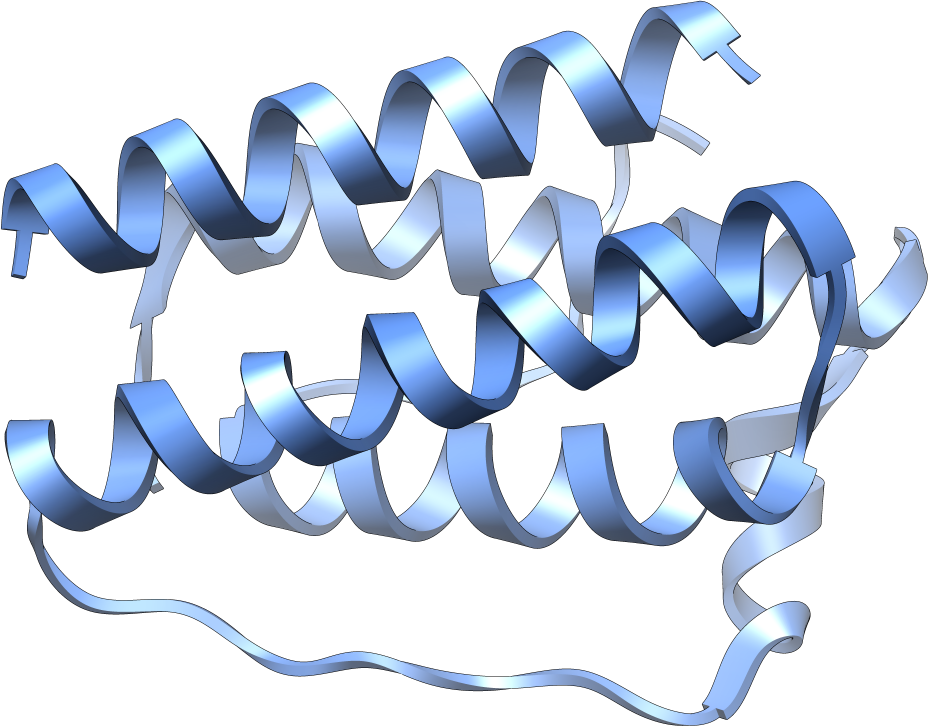
Obesidade por deficiência de leptina congênita
📋 Origem dos dados
Esta página agrega dados de fontes públicas e oficiais. Dados sobre cobertura no SUS (PCDT, CEAF) são verificados ativamente por agente proativo (ver badge no infobox). Demais dados têm atribuição de fonte + data da última sincronização — clique para abrir o original.
- Doença rara (ontologia)
- fonte: Orphanet
- Identificador unificado
- fonte: MONDO
- Genética mendeliana
- fonte: OMIM
- Codificação WHO/SUS
- fonte: WHO ICD-10 / DATASUS
- CID-11 (futuro)
- fonte: WHO ICD-11
- NIH/GARD
- fonte: GARD (NIH)
- Dado público estruturado
- fonte: Wikidata
- Medicamentos aprovados FDA
- fonte: FDA OpenFDA
- Reposicionamento
- fonte: Drug Repurposing Hub