A Síndrome de Kallmann (SK) é uma condição genética que afeta o desenvolvimento, caracterizada por dois problemas principais: o hipogonadismo hipogonadotrófico congênito (HHC), que é um problema hormonal presente desde o nascimento onde o corpo não produz hormônios sexuais em quantidade suficiente (isso acontece pela falta de um hormônio importante chamado GnRH); e a anosmia (perda total do olfato) ou hiposmia (olfato reduzido), que estão ligadas ao desenvolvimento incompleto ou à ausência dos bulbos olfatórios (as partes do cérebro responsáveis pelo olfato).
Introdução
O que você precisa saber de cara
Síndrome de Kallmann é uma condição caracterizada por puberdade atrasada ou ausente e por um sentido de olfato prejudicado.
Esse distúrbio é uma forma de hipogonadismo hipogonadotrópico, que é uma condição resultante da falta de produção de certos hormônios que dirigem o desenvolvimento sexual. Esses hormônios são normalmente produzidos em uma parte do cérebro chamada hipotálamo. Homens nascidos com hipogonadismo hipogonadotrópico frequentemente apresentam um pênis incomumente pequeno (micropênis) e testículos não descidos (criptorquidia). Na puberdade, a maioria das pessoas afetadas não desenvolve características sexuais secundárias, como o crescimento de pelos faciais e o aprofundamento da voz nos homens, o início da menstruação e o desenvolvimento das mamas nas mulheres, e um surto de crescimento em ambos os sexos. Sem tratamento, a maioria dos homens e mulheres afetados não consegue ter filhos biológicos (inférteis).
Na síndrome de Kallmann, o sentido de olfato está diminuído (hiposmia) ou completamente ausente (anosmia). Essa característica distingue a síndrome de Kallmann da maioria das outras formas de hipogonadismo hipogonadotrópico, que não afetam o sentido de olfato. Muitas pessoas com síndrome de Kallmann não percebem que são incapazes de detectar odores até que a deficiência seja descoberta por meio de testes.
A síndrome de Kallmann pode apresentar uma grande variedade de sinais e sintomas adicionais. Estes incluem a falha no desenvolvimento de um rim (agenesia renal unilateral), anomalias nos ossos dos dedos das mãos ou dos pés, fissura labial com ou sem abertura no palato (fissura palatina), movimentos oculares anormais, perda auditiva e anomalias no desenvolvimento dos dentes. Alguns indivíduos afetados apresentam uma característica chamada sinquinesia bimanual, na qual os movimentos de uma mão são espelhados pela outra mão. A sinquinesia bimanual pode dificultar a realização de tarefas que exigem que as mãos se movam separadamente, como tocar um instrumento musical.
Fonte: MedlinePlus Genetics (NLM/NIH), traduzidoA Síndrome de Kallmann (SK) é uma condição genética que afeta o desenvolvimento, caracterizada por dois problemas principais: o hipogonadismo hipogonadotrófico congênito (HHC), que é um problema hormonal presente desde o nascimento onde o corpo não produz hormônios sexuais em quantidade suficiente (isso acontece pela falta de um hormônio importante chamado GnRH); e a anosmia (perda total do olfato) ou hiposmia (olfato reduzido), que estão ligadas ao desenvolvimento incompleto ou à ausência dos bulbos olfatórios (as partes do cérebro responsáveis pelo olfato).
Escala de raridade
<1/50kMuito rara
1/20kRara
1/10kPouco freq.
1/5kIncomum
1/2k
Encontrou um erro ou informação desatualizada? Sugira uma correção →
Entender a doença
Do básico ao detalhe, leia no seu ritmo
Preparando trilha educativa...
Sinais e sintomas
O que aparece no corpo e com que frequência cada sintoma acontece
Partes do corpo afetadas
+ 35 sintomas em outras categorias
Características mais comuns
Os sintomas variam de pessoa para pessoa. Abaixo estão as 87 características clínicas mais associadas, ordenadas por frequência.
Linha do tempo da pesquisa
Encontrou um erro ou informação desatualizada? Sugira uma correção →
Genética e causas
O que está alterado no DNA e como passa nas famílias
Genes associados
23 genes identificados com associação a esta condição. Padrão de herança: Autosomal dominant, Autosomal recessive, Multigenic/multifactorial, X-linked recessive.
Curadoria gene-doença
fontes oficiaisCHARGE syndrome
Common cause of congenital anomalies. Is characterized by a non-random pattern of congenital anomalies including choanal atresia and malformations of the heart, inner ear, and retina.
Hypogonadotropic hypogonadism 9 with or without anosmia
A disorder characterized by absent or incomplete sexual maturation by the age of 18 years, in conjunction with low levels of circulating gonadotropins and testosterone and no other abnormalities of the hypothalamic-pituitary axis. In some cases, it is associated with non-reproductive phenotypes, such as anosmia, cleft palate, and sensorineural hearing loss. Anosmia or hyposmia is related to the absence or hypoplasia of the olfactory bulbs and tracts. Hypogonadism is due to deficiency in gonadotropin-releasing hormone and probably results from a failure of embryonic migration of gonadotropin-releasing hormone-synthesizing neurons. In the presence of anosmia, idiopathic hypogonadotropic hypogonadism is referred to as Kallmann syndrome, whereas in the presence of a normal sense of smell, it has been termed normosmic idiopathic hypogonadotropic hypogonadism (nIHH).
Hypogonadotropic hypogonadism 8 with or without anosmia
A disorder characterized by absent or incomplete sexual maturation by the age of 18 years, in conjunction with low levels of circulating gonadotropins and testosterone and no other abnormalities of the hypothalamic-pituitary axis. In some cases, it is associated with non-reproductive phenotypes, such as anosmia, cleft palate, and sensorineural hearing loss. Anosmia or hyposmia is related to the absence or hypoplasia of the olfactory bulbs and tracts. Hypogonadism is due to deficiency in gonadotropin-releasing hormone and probably results from a failure of embryonic migration of gonadotropin-releasing hormone-synthesizing neurons. In the presence of anosmia, idiopathic hypogonadotropic hypogonadism is referred to as Kallmann syndrome, whereas in the presence of a normal sense of smell, it has been termed normosmic idiopathic hypogonadotropic hypogonadism (nIHH). HH8 inheritance pattern is autosomal recessive.
Hypogonadotropic hypogonadism 15 with or without anosmia
A disorder characterized by absent or incomplete sexual maturation by the age of 18 years, in conjunction with low levels of circulating gonadotropins and testosterone and no other abnormalities of the hypothalamic-pituitary axis. In some cases, it is associated with non-reproductive phenotypes, such as anosmia, cleft palate, and sensorineural hearing loss. Anosmia or hyposmia is related to the absence or hypoplasia of the olfactory bulbs and tracts. Hypogonadism is due to deficiency in gonadotropin-releasing hormone and probably results from a failure of embryonic migration of gonadotropin-releasing hormone-synthesizing neurons. In the presence of anosmia, idiopathic hypogonadotropic hypogonadism is referred to as Kallmann syndrome, whereas in the presence of a normal sense of smell, it has been termed normosmic idiopathic hypogonadotropic hypogonadism (nIHH).
Hypogonadotropic hypogonadism 25 with anosmia
A form of hypogonadotropic hypogonadism, a group of disorders characterized by absent or incomplete sexual maturation by the age of 18 years, in conjunction with low levels of circulating gonadotropins and testosterone, and no other abnormalities of the hypothalamic-pituitary axis. In some cases, it is associated with non-reproductive phenotypes, such as anosmia, cleft palate, and sensorineural hearing loss. Anosmia or hyposmia is related to the absence or hypoplasia of the olfactory bulbs and tracts. In the presence of anosmia, idiopathic hypogonadotropic hypogonadism is referred to as Kallmann syndrome, whereas in the presence of a normal sense of smell, it has been termed normosmic idiopathic hypogonadotropic hypogonadism (nIHH). HH25 is an autosomal dominant form with anosmia, characterized by intrafamilial variable expressivity and incomplete penetrance.
Hypogonadotropic hypogonadism 20 with or without anosmia
A disorder characterized by absent or incomplete sexual maturation by the age of 18 years, in conjunction with low levels of circulating gonadotropins and testosterone and no other abnormalities of the hypothalamic-pituitary axis. In some cases, it is associated with non-reproductive phenotypes, such as anosmia, cleft palate, and sensorineural hearing loss. Anosmia or hyposmia is related to the absence or hypoplasia of the olfactory bulbs and tracts. Hypogonadism is due to deficiency in gonadotropin-releasing hormone and probably results from a failure of embryonic migration of gonadotropin-releasing hormone-synthesizing neurons. In the presence of anosmia, idiopathic hypogonadotropic hypogonadism is referred to as Kallmann syndrome, whereas in the presence of a normal sense of smell, it has been termed normosmic idiopathic hypogonadotropic hypogonadism (nIHH).
Hypogonadotropic hypogonadism 6 with or without anosmia
A disorder characterized by absent or incomplete sexual maturation by the age of 18 years, in conjunction with low levels of circulating gonadotropins and testosterone and no other abnormalities of the hypothalamic-pituitary axis. In some cases, it is associated with non-reproductive phenotypes, such as anosmia, cleft palate, and sensorineural hearing loss. Anosmia or hyposmia is related to the absence or hypoplasia of the olfactory bulbs and tracts. Hypogonadism is due to deficiency in gonadotropin-releasing hormone and probably results from a failure of embryonic migration of gonadotropin-releasing hormone-synthesizing neurons. In the presence of anosmia, idiopathic hypogonadotropic hypogonadism is referred to as Kallmann syndrome, whereas in the presence of a normal sense of smell, it has been termed normosmic idiopathic hypogonadotropic hypogonadism (nIHH).
Hypogonadotropic hypogonadism 19 with or without anosmia
A disorder characterized by absent or incomplete sexual maturation by the age of 18 years, in conjunction with low levels of circulating gonadotropins and testosterone and no other abnormalities of the hypothalamic-pituitary axis. In some cases, it is associated with non-reproductive phenotypes, such as anosmia, cleft palate, and sensorineural hearing loss. Anosmia or hyposmia is related to the absence or hypoplasia of the olfactory bulbs and tracts. Hypogonadism is due to deficiency in gonadotropin-releasing hormone and probably results from a failure of embryonic migration of gonadotropin-releasing hormone-synthesizing neurons. In the presence of anosmia, idiopathic hypogonadotropic hypogonadism is referred to as Kallmann syndrome, whereas in the presence of a normal sense of smell, it has been termed normosmic idiopathic hypogonadotropic hypogonadism (nIHH).
Mirror movements 1
A disorder characterized by contralateral involuntary movements that mirror voluntary ones. While mirror movements are occasionally found in young children, persistence beyond the age of 10 is abnormal. Mirror movements occur more commonly in the upper extremities. Some MRMV1 patients have agenesis of the corpus callosum.
Hypogonadotropic hypogonadism 18 with or without anosmia
A disorder characterized by absent or incomplete sexual maturation by the age of 18 years, in conjunction with low levels of circulating gonadotropins and testosterone and no other abnormalities of the hypothalamic-pituitary axis. In some cases, it is associated with non-reproductive phenotypes, such as anosmia, cleft palate, and sensorineural hearing loss. Anosmia or hyposmia is related to the absence or hypoplasia of the olfactory bulbs and tracts. Hypogonadism is due to deficiency in gonadotropin-releasing hormone and probably results from a failure of embryonic migration of gonadotropin-releasing hormone-synthesizing neurons. In the presence of anosmia, idiopathic hypogonadotropic hypogonadism is referred to as Kallmann syndrome, whereas in the presence of a normal sense of smell, it has been termed normosmic idiopathic hypogonadotropic hypogonadism (nIHH).
Septooptic dysplasia
A clinically heterogeneous disorder defined by any combination of optic nerve hypoplasia, pituitary gland hypoplasia with panhypopopituitarism, and midline abnormalities of the brain, including absence of the corpus callosum and septum pellucidum.
Waardenburg syndrome 2E
An autosomal dominant auditory-pigmentary disorder characterized by sensorineural deafness, pigmentary disturbances of the hair, skin and eyes, and absence of dystopia canthorum which is the lateral displacement of the inner canthus of each eye. Individuals with WS2E may have neurologic abnormalities, including mental impairment, myelination defects, and ataxia. Some patients can manifest features of Kallmann syndrome.
Hypogonadotropic hypogonadism 22 with or without anosmia
A disorder characterized by absent or incomplete sexual maturation by the age of 18 years, in conjunction with low levels of circulating gonadotropins and testosterone and no other abnormalities of the hypothalamic-pituitary axis. In some cases, it is associated with non-reproductive phenotypes, such as anosmia, cleft palate, and sensorineural hearing loss. Anosmia or hyposmia is related to the absence or hypoplasia of the olfactory bulbs and tracts. Hypogonadism is due to deficiency in gonadotropin-releasing hormone and probably results from a failure of embryonic migration of gonadotropin-releasing hormone-synthesizing neurons. In the presence of anosmia, idiopathic hypogonadotropic hypogonadism is referred to as Kallmann syndrome, whereas in the presence of a normal sense of smell, it has been termed normosmic idiopathic hypogonadotropic hypogonadism (nIHH).
Hypogonadotropic hypogonadism 3 with or without anosmia
A disorder characterized by absent or incomplete sexual maturation by the age of 18 years, in conjunction with low levels of circulating gonadotropins and testosterone and no other abnormalities of the hypothalamic-pituitary axis. In some cases, it is associated with non-reproductive phenotypes, such as anosmia, cleft palate, and sensorineural hearing loss. Anosmia or hyposmia is related to the absence or hypoplasia of the olfactory bulbs and tracts. Hypogonadism is due to deficiency in gonadotropin-releasing hormone and probably results from a failure of embryonic migration of gonadotropin-releasing hormone-synthesizing neurons. In the presence of anosmia, idiopathic hypogonadotropic hypogonadism is referred to as Kallmann syndrome, whereas in the presence of a normal sense of smell, it has been termed normosmic idiopathic hypogonadotropic hypogonadism (nIHH).
Hypogonadotropic hypogonadism 1 with or without anosmia
A disorder characterized by absent or incomplete sexual maturation by the age of 18 years, in conjunction with low levels of circulating gonadotropins and testosterone and no other abnormalities of the hypothalamic-pituitary axis. In some cases, it is associated with non-reproductive phenotypes, such as anosmia, cleft palate, and sensorineural hearing loss. Anosmia or hyposmia is related to the absence or hypoplasia of the olfactory bulbs and tracts. Hypogonadism is due to deficiency in gonadotropin-releasing hormone and probably results from a failure of embryonic migration of gonadotropin-releasing hormone-synthesizing neurons. In the presence of anosmia, idiopathic hypogonadotropic hypogonadism is referred to as Kallmann syndrome, whereas in the presence of a normal sense of smell, it has been termed normosmic idiopathic hypogonadotropic hypogonadism (nIHH).
Pfeiffer syndrome
A syndrome characterized by the association of craniosynostosis, broad and deviated thumbs and big toes, and partial syndactyly of the fingers and toes. Three subtypes are known: mild autosomal dominant form (type 1); cloverleaf skull, elbow ankylosis, early death, sporadic (type 2); craniosynostosis, early demise, sporadic (type 3).
Hypogonadotropic hypogonadism 11 with or without anosmia
A disorder characterized by absent or incomplete sexual maturation by the age of 18 years, in conjunction with low levels of circulating gonadotropins and testosterone and no other abnormalities of the hypothalamic-pituitary axis. In some cases, it is associated with non-reproductive phenotypes, such as anosmia, cleft palate, and sensorineural hearing loss. Anosmia or hyposmia is related to the absence or hypoplasia of the olfactory bulbs and tracts. Hypogonadism is due to deficiency in gonadotropin-releasing hormone and probably results from a failure of embryonic migration of gonadotropin-releasing hormone-synthesizing neurons. In the presence of anosmia, idiopathic hypogonadotropic hypogonadism is referred to as Kallmann syndrome, whereas in the presence of a normal sense of smell, it has been termed normosmic idiopathic hypogonadotropic hypogonadism (nIHH).
Hypogonadotropic hypogonadism 16 with or without anosmia
A disorder characterized by absent or incomplete sexual maturation by the age of 18 years, in conjunction with low levels of circulating gonadotropins and testosterone and no other abnormalities of the hypothalamic-pituitary axis. In some cases, it is associated with non-reproductive phenotypes, such as anosmia, cleft palate, and sensorineural hearing loss. Anosmia or hyposmia is related to the absence or hypoplasia of the olfactory bulbs and tracts. Hypogonadism is due to deficiency in gonadotropin-releasing hormone and probably results from a failure of embryonic migration of gonadotropin-releasing hormone-synthesizing neurons. In the presence of anosmia, idiopathic hypogonadotropic hypogonadism is referred to as Kallmann syndrome, whereas in the presence of a normal sense of smell, it has been termed normosmic idiopathic hypogonadotropic hypogonadism (nIHH).
Hypogonadotropic hypogonadism 21 with or without anosmia
A disorder characterized by absent or incomplete sexual maturation by the age of 18 years, in conjunction with low levels of circulating gonadotropins and testosterone and no other abnormalities of the hypothalamic-pituitary axis. In some cases, it is associated with non-reproductive phenotypes, such as anosmia, cleft palate, and sensorineural hearing loss. Anosmia or hyposmia is related to the absence or hypoplasia of the olfactory bulbs and tracts. Hypogonadism is due to deficiency in gonadotropin-releasing hormone and probably results from a failure of embryonic migration of gonadotropin-releasing hormone-synthesizing neurons. In the presence of anosmia, idiopathic hypogonadotropic hypogonadism is referred to as Kallmann syndrome, whereas in the presence of a normal sense of smell, it has been termed normosmic idiopathic hypogonadotropic hypogonadism (nIHH).
Hypogonadotropic hypogonadism 4 with or without anosmia
A disorder characterized by absent or incomplete sexual maturation by the age of 18 years, in conjunction with low levels of circulating gonadotropins and testosterone and no other abnormalities of the hypothalamic-pituitary axis. In some cases, it is associated with non-reproductive phenotypes, such as anosmia, cleft palate, and sensorineural hearing loss. Anosmia or hyposmia is related to the absence or hypoplasia of the olfactory bulbs and tracts. Hypogonadism is due to deficiency in gonadotropin-releasing hormone and probably results from a failure of embryonic migration of gonadotropin-releasing hormone-synthesizing neurons. In the presence of anosmia, idiopathic hypogonadotropic hypogonadism is referred to as Kallmann syndrome, whereas in the presence of a normal sense of smell, it has been termed normosmic idiopathic hypogonadotropic hypogonadism (nIHH).
Hypogonadotropic hypogonadism 17 with or without anosmia
A disorder characterized by absent or incomplete sexual maturation by the age of 18 years, in conjunction with low levels of circulating gonadotropins and testosterone and no other abnormalities of the hypothalamic-pituitary axis. In some cases, it is associated with non-reproductive phenotypes, such as anosmia, cleft palate, and sensorineural hearing loss. Anosmia or hyposmia is related to the absence or hypoplasia of the olfactory bulbs and tracts. Hypogonadism is due to deficiency in gonadotropin-releasing hormone and probably results from a failure of embryonic migration of gonadotropin-releasing hormone-synthesizing neurons. In the presence of anosmia, idiopathic hypogonadotropic hypogonadism is referred to as Kallmann syndrome, whereas in the presence of a normal sense of smell, it has been termed normosmic idiopathic hypogonadotropic hypogonadism (nIHH).
Variantes genéticas (ClinVar)
4.118 variantes patogênicas registradas no ClinVar.
Vias biológicas (Reactome)
67 vias biológicas associadas aos genes desta condição.
Diagnóstico
Os sinais que médicos procuram e os exames que confirmam
Tratamento e manejo
Remédios, cuidados de apoio e o que precisa acompanhar
Onde tratar no SUS
Hospitais de referência no Brasil e o protocolo oficial do SUS (PCDT)
🇧🇷 Atendimento SUS — Síndrome Kallmann
Selecione um estado ou use sua localização para ver resultados.
Dados de DATASUS/CNES, SBGM, ABNeuro e Ministério da Saúde. Sempre confirme a disponibilidade diretamente com o estabelecimento.
Pesquisa ativa
Ensaios clínicos abertos e novidades científicas recentes
Ensaios em destaque
Com ensaio aberto em 3 países. O ponto verde marca onde há vaga agora.
🟢 Recrutando agora
2 pesquisas recrutando participantes. Converse com seu médico sobre a possibilidade de participar.
Outros ensaios clínicos
22 ensaios clínicos encontrados, 3 ativos.
Publicações mais relevantes
[Kallmann syndrome in a girl caused by a novel CHD7 variant].
This article reports the case of a 15-year-old girl with primary amenorrhea and olfactory dysfunction. Evaluation demonstrated hypogonadotropic hypogonadism, and an initial clinical diagnosis of Kallmann syndrome was made. Whole-exome sequencing identified a novel heterozygous CHD7 variant, c.5238_5239del(p.Tyr1746*), which was classified as likely pathogenic according to the variant interpretation guidelines of the American College of Medical Genetics and Genomics. In light of the typical clinical phenotype and genetic findings, the patient was diagnosed with CHD7-related Kallmann syndrome. This case broadens the CHD7 mutational spectrum in Kallmann syndrome and provides valuable insights to inform clinicians' understanding of this disease. 患儿,女,15岁,因原发性闭经,伴有嗅觉障碍就诊。完善检查提示为低促性腺激素性性腺功能减退症,初步诊断为Kallmann综合征。经全外显子组测序发现患儿存在CHD7基因c.5238_5239del(p.Tyr1746*)新发杂合变异,依据美国医学遗传学与基因组学学会变异解读指南,该变异为疑似致病变异。结合典型临床表现,该患儿确诊为CHD7基因杂合变异所致的Kallmann综合征。该病例丰富了Kallmann综合征基因变异谱,为临床医生对该病的认识提供参考。.
Clinical and genetic basis of congenital gonadotropin deficiency.
What is the clinical and genetic overlap across subtypes of congenital gonadotropin (Gn) deficiency? This study reveals substantial clinical and genetic overlap among Gn deficiency disorders, with shared genetic and developmental features across congenital hypogonadotropic hypogonadism (CHH), combined pituitary hormone deficiency (CPHD), and syndromic forms of Gn deficiency. Congenital Gn deficiency includes a subset of hypogonadotropic hypogonadism (HH) and can result from defects at the level of the hypothalamus or the pituitary. It includes (i) CHH, further classified into normosmic CHH (nCHH) and Kallmann syndrome (KS); (ii) CPHD; and (iii) syndromic forms such as CHARGE syndrome and septo-optic dysplasia (SOD). The study included all probands with Gn deficiency recruited at a tertiary care center between 2011 and 2024 (n = 568), including 276 KS, 247 nCHH, 29 CPHD, and 16 syndromic Gn deficiency cases. All individuals underwent detailed clinical phenotyping followed by DNA sequencing. Genetic analysis focused on pathogenic (P) and likely pathogenic (LP) variants and variants of uncertain significance (VUS) within established CHH and CPHD genes. Oligogenicity was assessed in the CHH/syndromic HH cohort (n = 523) compared with controls from 1000 Genomes (n = 601). Genetic overlap among CHH, CPHD, and syndromic Gn deficiency was systematically investigated. Cleft lip/palate, dental agenesis, and ear abnormalities were recurrent across all Gn-deficient groups. Notably, some CPHD and SOD patients exhibited anosmia and a preserved Gn response to LH-releasing hormone (LHRH) stimulation, indicating a hypothalamic component to their HH. Rare variants in CHH genes were identified in 53% of KS probands (40% P/LP, 13% VUS) and 33% of nCHH probands (23% P/LP, 10% VUS). FGFR1, ANOS1, and PROKR2 were most frequently mutated in KS, while GNRHR, FGFR1, and KISS1R predominated in nCHH. Oligogenic inheritance was detected in 15% of CHH cases, with variants in FGFR1 being most commonly involved. Importantly, a substantial proportion (14%) of CHH patients without a molecular diagnosis carried rare variants predicted to be P or LP in genes typically associated with CPHD (e.g. ROBO1, BRAF, FAT2, and DCHS2). Conversely, several CHH-associated genes such as FGFR1 and FGF8, already implicated in CPHD, were also identified in patients with CPHD and syndromic GN deficiency, further supporting a shared genetic architecture between CHH and CPHD. N/A. Non-coding and copy number variants were not studied. Functional studies of the new candidate genes for CHH were not undertaken. This study highlights the importance of comprehensive clinical evaluation and broadened genetic testing in patients with Gn deficiency. This work was supported by the Swiss National Foundation (NP) (Grant No. 310030B_201275 to N.P.) and the Natural Science Foundation of Beijing (Grant No. 7244338 to Y.W.). The authors declare no competing interests.
From patients to partners: Evaluating a co-designed website for congenital hypogonadotropic hypogonadism.
Patients with congenital hypogonadotropic hypogonadism (CHH) are geographically dispersed and have unmet health and informational needs. Patients often rely on the internet to learn about CHH, find expert care, and connect with other patients. We partnered with patients to co-design a website (virtual empowerment toolkit) and conducted an online evaluation of the website. Healthcare providers, patients, and a design team engaged in an iterative 'design thinking' process (i.e., empathize, define, ideate, prototype, refine, test) to co-design the website. Subsequently, patients with CHH were recruited and evaluated the site using the 'gold standard' Patient Education Materials Assessment Tool for audio/visual materials (PEMAT-A/V). Scores ≥80% on PEMAT-A/V domains are considered 'high-quality'. Content analysis was used to group qualitative feedback into salient themes. Patients were involved from the outset and in all stages of the design thinking process. Iterative patient focus groups and online surveys were used to prioritize content and refine prototypes. In total, 58 participants (48.5±14.4 yrs.) completed the online evaluation. All PEMAT-A/V domains scored >88% (i.e., 'high-quality'). Participants (47/55, 86%) rated the site 'easy to navigate' and 52/55 (95%) would recommend the site to another patient. Qualitative feedback was largely positive and expressed appreciation for the online resource. Partnering with patients to co-design the virtual patient empowerment toolkit produced an understandable, actionable website that was responsive to patient priorities. This work supports the utility of co-creation and co-design for empowering patients with CHH and may serve as a roadmap for other rare diseases.
Genetic Basis and Heterogeneity of Congenital Hypogonadotropic Hypogonadism.
Congenital hypogonadotropic hypogonadism (CHH) is a rare genetic disorder characterized by absent or incomplete pubertal development due to impaired production, secretion, or action of gonadotropin-releasing hormone (GnRH). When associated with anosmia or hyposmia, it is termed Kallmann syndrome. CHH exhibits striking clinical and genetic heterogeneity, encompassing either sporadic or familial cases, with inheritance patterns that include X-linked, autosomal dominant, and autosomal recessive transmission. Over the past few decades, major advances uncovered the molecular basis of CHH, shedding light on the intricate neuroendocrine regulation of human reproduction. A growing repertoire of genes has been implicated in CHH molecular pathogenesis, encoding proteins involved in the ontogeny and function of GnRH neurons. Notably, pathogenic variants in genes typically associated with complex syndromes have also been identified in patients with isolated CHH or subtle syndromic manifestations, suggesting a wide spectrum of expressivity and incomplete penetrance. Furthermore, spontaneous hypogonadism reversal, either permanent or temporary, may occur in some patients, suggesting a potential neuroplasticity within the GnRH neuronal network. This review summarizes recent advances in the molecular genetics of CHH, emphasizing the expanding spectrum of causative genes and their inheritance patterns. · Congenital hypogonadotropic hypogonadism (CHH) is a rare reproductive disorder caused by impaired production, secretion, or action of gonadotropin-releasing hormone (GnRH). When CHH is associated with olfactory defects (hyposmia or anosmia), it is termed Kallmann syndrome.. · CHH is a complex clinical and genetic heterogeneous condition with both sporadic and familial cases. Inheritance can be X-linked, autosomal recessive, or dominant.. · Although more than 60 genes have been implicated in the molecular pathogenesis of CHH, approximately 50% of cases remain without molecular diagnosis.. · CHH-associated genes encode proteins involved either in GnRH neuron ontogeny and migration or in GnRH synthesis, secretion, or action.. · Digenic or oligogenic inheritance accounts for up to 20% of CHH cases and may explain the high phenotypic variability observed among affected families.. · Pathogenic variants in genes associated with complex syndromes have been identified in cases of isolated CHH or in cases with only one additional phenotypic feature, resembling mild or incomplete forms of the original syndrome.. · Spontaneous recovery of reproductive function may occur in 10 to 20% of patients with CHH, including those harboring rare pathogenic variants in typical CHH-associated genes..
Congenital Hypogonadotropic Hypogonadism Caused by Prokineticin Receptor 2 Rare Sequence Variants: Molecular Genetics, Clinical Phenotypes and Therapeutic Outcomes From a Single-center Cohort.
Limited data are available regarding the fertility-inducing treatment outcomes and spermatogenic duration in congenital hypogonadotropic hypogonadism patients carrying prokineticin receptor 2 rare sequence variants. We aimed to delineate the rare sequence variant profiles of PROKR2 in a large Chinese cohort with congenital hypogonadotropic hypogonadism, and to characterize the associated clinical phenotypes and therapeutic outcomes. In addition, the reproductive phenotypes and therapeutic outcomes were compared between patients with congenital hypogonadotropic hypogonadism who harbored PROKR2 rare sequence variants and those without identified rare sequence variants in known congenital hypogonadotropic hypogonadism-associated genes. Seven unrelated congenital hypogonadotropic hypogonadism probands carrying PROKR2 rare sequence variants (four with Kallmann syndrome and three with normosmic congenital hypogonadotropic hypogonadism) were included. PROKR2 variants in these patients were identified using targeted next-generation sequencing and verified using Sanger sequencing. The pathogenicity of the identified PROKR2 rare sequence variants was assessed according to the American College of Medical Genetics and Genomics guidelines. Baseline clinical characteristics and therapeutic outcomes were retrospectively evaluated and compared between patients with PROKR2 rare sequence variants and those lacking the identified rare sequence variants in established congenital hypogonadotropic hypogonadism-associated genes. We identified a novel PROKR2 rare sequence variant (p.Y154*, a nonsense mutation). Four rare sequence variants were classified as likely pathogenic according to the American College of Medical Genetics and Genomics guidelines. Spermatogenesis was achieved in all six male patients with PROKR2 rare sequence variants who received gonadotropin therapy following an average of 1.28 years. No statistically significant differences were observed in the baseline clinical characteristics and spermatogenic outcomes between patients with PROKR2 rare sequence variants and those without identified rare sequence variants in known congenital hypogonadotropic hypogonadism-associated genes. We observed a lack of evidence for a significant difference in reproductive phenotype or spermatogenic outcomes between male patients with congenital hypogonadotropic hypogonadism and PROKR2 rare sequence variants and those without identified rare sequence variants in congenital hypogonadotropic hypogonadism-associated genes, but this finding is critically limited by the small number of PROKR2 rare sequence variant carriers in our treatment cohort. The identification of a novel PROKR2 rare sequence variant expands the PROKR2 variant spectrum in patients with congenital hypogonadotropic hypogonadism.
Publicações recentes
Altered spontaneous brain activity is associated with cognitive impairment in patients with Kallmann syndrome.
[Genetic variants analysis of 17 female patients with idiopathic hypogonadotropic hypogonadism].
Radiological phenotyping in patients with SOX10 pathogenic variants: insights into neck, brain and temporal bones abnormalities.
Clinical and genetic basis of congenital gonadotropin deficiency.
🥉 Relato de casoFrom patients to partners: evaluating a co-designed website for congenital hypogonadotropic hypogonadism.
🥇 Meta-análise📚 EuropePMC442 artigos no totalmostrando 200
Clinical and genetic basis of congenital gonadotropin deficiency.
Human reproduction openFrom patients to partners: Evaluating a co-designed website for congenital hypogonadotropic hypogonadism.
Endocrine connectionsGenetic Basis and Heterogeneity of Congenital Hypogonadotropic Hypogonadism.
Seminars in reproductive medicine[Kallmann syndrome in a girl caused by a novel CHD7 variant].
Zhongguo dang dai er ke za zhi = Chinese journal of contemporary pediatricsCongenital Hypogonadotropic Hypogonadism Caused by Prokineticin Receptor 2 Rare Sequence Variants: Molecular Genetics, Clinical Phenotypes and Therapeutic Outcomes From a Single-center Cohort.
AndrologyA rare case of Kallmann syndrome in a female with pulmonary valve stenosis: Coincidence or genetic link?
La Tunisie medicaleKallmann Syndrome in a 30-Year-Old Female With Primary Infertility: A Case Report.
Case reports in obstetrics and gynecologyAssociation of self-stigma, impulsivity, and insomnia with anxiety and depression in patients with Kallmann syndrome.
Zhong nan da xue xue bao. Yi xue ban = Journal of Central South University. Medical sciencesOverestimation of Pathogenic Variants in Idiopathic Hypogonadotropic Hypogonadism and Kallmann Syndrome.
Endocrine practice : official journal of the American College of Endocrinology and the American Association of Clinical EndocrinologistsAssociation of increased cortical thickness and cognitive impairment in patients with Kallmann syndrome.
European journal of endocrinologyCase Report: Diabetic ketoacidosis in a patient with Klinefelter syndrome: a rare and complex presentation.
Frontiers in endocrinologyPregnancy in a woman with Kallmann-De Morsier syndrome: A case report.
Clinical and experimental reproductive medicineIdentification and Functional Characterization of a Novel SEMA3A Exon Deletion Variant in Kallmann Syndrome.
Molecular genetics & genomic medicineA young woman with Kallmann syndrome and acute neurologic symptoms.
Cleveland Clinic journal of medicineThe prevalence of pathogenic variants in medically actionable genes among individuals with idiopathic hypogonadotropic hypogonadism/Kallmann syndrome.
Journal of assisted reproduction and geneticsClinical approach to the male with delayed puberty.
Archives of endocrinology and metabolismFunctional Validation and Phenotypic Spectrum of Splice-Site Variants in CHD7, FGFR1, and ANOS1 in Congenital Hypogonadotropic Hypogonadism.
Clinical geneticsMetabolic sexual dimorphism in hypothalamic Fezf1 neuron-specific BDNF knockout.
Biology of sex differencesReversal of Congenital Hypogonadotropic Hypogonadism.
The Journal of clinical endocrinology and metabolismA familial case of Kallmann syndrome: novel variants in ANOS1 and GNRHR genes.
Archives of endocrinology and metabolismChromosomal Roadblocks in Male Fertility: Mechanisms, Risk Factors and Syndromes.
Medicina (Kaunas, Lithuania)Mirror Movements and Ichthyosis in a Child: A Rare Presentation of Kallmann Syndrome.
Annals of Indian Academy of NeurologyFGFR1-related congenital hypogonadotropic hypogonadism: a case report and literature review.
Gynecological endocrinology : the official journal of the International Society of Gynecological EndocrinologyBody Composition by DXA in Patients with Klinefelter and Kallmann Syndrome: The Kama Study.
The Journal of clinical endocrinology and metabolismIncomplete Evidence of Bone Density Normalization Following Long-Term Reproductive Hormone Treatment in Men With Hypogonadotropic Hypogonadism.
The Journal of clinical endocrinology and metabolismSperm DNA methylation profiling in patients with Kallmann syndrome.
Endocrine connectionsGenetics of Idiopathic Hypogonadotropic Hypogonadism.
Journal of clinical research in pediatric endocrinologyGender Dysphoria and Transition in a Patient with Kallmann Syndrome: A Case Report.
LGBT healthExpanded Targeted-Exome Sequencing and Functional Validation Improve Molecular Diagnosis and Refine Genotype-Phenotype Correlations in Congenital Hypogonadotropic Hypogonadism.
NeuroendocrinologyModification of the Sniffin Kids Test for olfactory testing in a population of Polish children.
RhinologyThe Lysine at Position 177 Is Essential to Limit the Inhibitory Capacities of Sprouty4 Protein in Normal and Cancer-Derived Cells.
International journal of molecular sciencesTherapeutic effects of a pulsatile GnRH pump on adult male patients with congenital hypogonadotropic hypogonadism (CHH): a retrospective study.
Translational andrology and urologySpatiotemporal regulation by downstream genes of Prok2 in the olfactory system: from development to function.
Frontiers in cell and developmental biologySpontaneous Improvement of Hypogonadotropic Hypogonadism in a Patient with PCSK1 and HS6ST1 Mutations: A Case Report.
Life (Basel, Switzerland)Altered glucose metabolism in default mode network and prefrontal circuit in patients with Kallmann syndrome.
EJNMMI researchDe Novo Splice Site Variant of TCF12 in a Boy With Isolated Kallmann Syndrome.
Case reports in endocrinologyIdentification of Novel Genetic Variants in a Cohort of Congenital Hypogonadotropic Hypogonadism: Computational Analysis of Pathogenicity Predictions.
International journal of molecular sciencesEffect of pubertal induction with combined gonadotropin therapy on testes development and spermatogenesis in males with gonadotropin deficiency: a cohort study.
Human reproduction openA rare combination of hypogonadotropic hypogonadism, GH deficiency and rectal atresia in a female with an FGFR1 variant: a case report and systematic review of the literature.
EndocrineIntrafamilial Phenotypic Variability of the FGFR1 p.Cys277Tyr Variant: A Case Report and Review of the Literature.
GenesPluripotent Stem Cell Plasticity is Sculpted by a Slit-Independent Robo Pathway in a Regenerative Animal.
bioRxiv : the preprint server for biologyHealth Disparities and Disrupted Puberty in Males.
Endocrinology and metabolism clinics of North AmericaWorth the Effort: Lessons for Discovery and Care From an Unusual Case of Gorlin Syndrome.
American journal of medical genetics. Part AKallmann Syndrome due to Balanced X Chromosomal Pericentric Inversion Disrupting ANOS1.
Cytogenetic and genome researchTwo cases of Kallmann syndrome caused by a novel mutation in ANOS1: A case report.
MedicineInvolvement of a Novel Variant of FGFR1 Detected in an Adult Patient with Kallmann Syndrome in Regulation of Gonadal Steroidogenesis.
International journal of molecular sciencesAn Effective Outcome Despite Delayed Treatment Initiation in a Female With Kallmann Syndrome: A Case Report.
CureusPROKR2 mutations and SPRY4 variants with uncertain significance in a Kallmann syndrome family: Incomplete penetrance.
Global medical geneticsCo-occurrence of a Mullerian anomaly and Kallmann syndrome: A case report.
Case reports in women's healthPhenotype and genotype of 23 patients with hypopituitarism and pathogenic GLI2 variants.
European journal of endocrinologyOral and Maxillofacial Manifestations of Kallmann Syndrome: A Systematic Analysis of the Literature.
Special care in dentistry : official publication of the American Association of Hospital Dentists, the Academy of Dentistry for the Handicapped, and the American Society for Geriatric DentistryMagnetic resonance imaging does not distinguish Kallmann syndrome from normosmic isolated hypogonadotropic hypogonadism.
Endocrine connectionsAutosomally dominantly inherited isolated gonadotropin deficiency via maternal assisted reproduction due to SOX10 mutation.
Journal of pediatric endocrinology & metabolism : JPEMGonadotropin Therapy for Mini-Puberty Induction in Male Infants With Hypogonadotropic Hypogonadism.
The Journal of clinical endocrinology and metabolismKallmann Syndrome: Functional Analysis of a CHD7 Missense Variant Shows Aberrant RNA Splicing.
International journal of molecular sciencesHypogonadotropic hypogonadism as a cause of NOA and its treatment.
Asian journal of andrologyGenetic Polymorphisms of Prokineticins and Prokineticin Receptors Associated with Human Disease.
Life (Basel, Switzerland)Hypogonadotropic Hypogonadism as First Presentation of the Severe Neuroendocrine Disorder Caused by RNF216.
JCEM case reportsCribriform Plate Foramina Count in Patients With Acquired and Congenital Anosmia.
American journal of rhinology & allergyA closer look: sperm analysis and clinical outcomes of microscopic and loupe-assisted varicocele repair in male infertility due to moderate-to-severe varicocele.
International urology and nephrologyKallmann syndrome: Diagnostics and management.
Clinica chimica acta; international journal of clinical chemistryFgf17: A regulator of the mid/hind brain boundary in mammals.
Differentiation; research in biological diversityDNA methylation changes in the genome of patients with hypogonadotropic hypogonadism.
HeliyonGenetic architecture of congenital hypogonadotropic hypogonadism: insights from analysis of a Portuguese cohort.
Human reproduction openDiagnosis of Kallmann Syndrome in a Young Adult Male.
CureusCurrent landscape of fertility induction in males with congenital hypogonadotropic hypogonadism.
Annals of the New York Academy of SciencesGenetic Variability of SOX10-Related Disorders within an Italian Family: Straddling the Line between Kallmann and Waardenburg Syndrome.
Molecular syndromologyCase report: An adolescent female with anosmic hypogonadotropic hypogonadism, intellectual disability, and papillary thyroid carcinoma: heterozygous deletion of TCF12.
Frontiers in endocrinologyDeletion in RMST lncRNA impairs hypothalamic neuronal development in a human stem cell-based model of Kallmann Syndrome.
Cell death discoveryIndications for genetic diagnosis in children with growth hormone deficiency and born small for gestational age.
Pediatric endocrinology, diabetes, and metabolismGonadotropin treatment of cryptorchidism in congenital hypogonadotropic hypogonadism-Age is no limit?
Clinical endocrinology46 XX Ovotesticular Disorder of Sex Development with Gonadotropin-Releasing Hormone Receptor, Autosomal Recessive Heterozygous Missense Mutation and Autosomal Dominant Heterozygous Missense Mutation of the PROKR2 Gene: A Case Report.
Global medical geneticsCombined gonadotropin therapy to replace mini-puberty in male infants with congenital hypogonadotropic hypogonadism.
Annals of the New York Academy of SciencesHypogonadotropic hypogonadism with Zinner syndrome: a coincidence or a consequence?
BMJ case reportsA novel mutation in ANOS1 in a Chinese family with Kallmann syndrome: Case report.
Clinical case reportsUnusual coexistence of restrictive heart disease and Kallmann syndrome: a case report.
The Egyptian heart journal : (EHJ) : official bulletin of the Egyptian Society of CardiologyClinical phenotype of a Kallmann syndrome patient with IL17RD and CPEB4 variants.
Frontiers in endocrinologySmelling TNT: Trends of the Terminal Nerve.
International journal of molecular sciencesPrevalence of pathogenic variants and digenic disease in patients diagnosed with normosmic hypogonadotropic hypogonadism/Kallmann Syndrome.
Molecular and cellular endocrinologyFertility outcomes in male adults with congenital hypogonadotropic hypogonadism treated during puberty with human chorionic gonadotropin and recombinant follicle stimulating hormone.
Journal of paediatrics and child healthCase report: Novel SIN3A loss-of-function variant as causative for hypogonadotropic hypogonadism in Witteveen-Kolk syndrome.
Frontiers in geneticsIlluminating the terminal nerve: Uncovering the link between GnRH-1 neuron and olfactory development.
The Journal of comparative neurologyContributions of Common Genetic Variants to Constitutional Delay of Puberty and Idiopathic Hypogonadotropic Hypogonadism.
The Journal of clinical endocrinology and metabolismMini-Puberty, Physiological and Disordered: Consequences, and Potential for Therapeutic Replacement.
Endocrine reviewsAdditional mutation in PROKR2 and phenotypic differences in a Kallmann syndrome/normosmic congenital hypogonadotropic hypogonadism family carrying FGFR1 missense mutation.
BMJ case reportsThe "Sniffin' Kids-PT" test: A smell test variant for Portuguese children.
European annals of otorhinolaryngology, head and neck diseasesGonadotropins for pubertal induction in males with hypogonadotropic hypogonadism: systematic review and meta-analysis.
European journal of endocrinologyOutcomes and experiences of adults with congenital hypogonadism can inform improvements in the management of delayed puberty.
Journal of pediatric endocrinology & metabolism : JPEMCase Report: Multiple prolactinomas in a young man with Kallmann syndrome and familial hypocalciuric hypercalcemia.
Frontiers in endocrinologyWhat Are the Best Practices for Co-Creating Patient-Facing Educational Materials? A Scoping Review of the Literature.
Healthcare (Basel, Switzerland)Clinical and molecular features of 40 Chinese patients with idiopathic hypogonadotropic hypogonadism.
Translational andrology and urologyBibliometric analysis of scientific publications on cryptorchidism: Research hotspots and trends between 2000 and 2022.
HeliyonClinical Manifestations, Genetic Variants and Therapeutic Evaluation in Sporadic Chinese Patients with Idiopathic Hypogonadotropic Hypogonadism.
International journal of general medicineIdiopathic hypogonadotropic hypogonadism caused by compound heterozygosity for two novel mutations in the GNRH1 gene: a case report.
BMC endocrine disordersMixed hypogonadism: a neglected combined form of hypogonadism.
EndocrineKey features of puberty onset and progression can help distinguish self-limited delayed puberty from congenital hypogonadotrophic hypogonadism.
Frontiers in endocrinologyIlluminating the Terminal Nerve: Uncovering the Link between GnRH-1 and Olfactory Development.
bioRxiv : the preprint server for biologyCHD7 variants associated with hearing loss and enlargement of the vestibular aqueduct.
Human geneticsCongenital hypogonadotropic hypogonadism in a patient with a de novo POGZ mutation.
European journal of endocrinologyPubertal induction with gonadotropins in an adult male with Kallmann syndrome.
Medicina clinicaA cryptic microdeletion del(12)(p11.21p11.23) within an unbalanced translocation t(7;12)(q21.13;q23.1) implicates new candidate loci for intellectual disability and Kallmann syndrome.
Scientific reportsCoordination of canonical and noncanonical Hedgehog signalling pathways mediated by WDR11 during primordial germ cell development.
Scientific reportsFrom Nose to Lumbar Spinal Cord - Reduced Sperm Numbers Occur by Olfactory Bulbectomy-Related Onuf's Nucleus Degeneration: New Experimental Evidence for Kallmann Syndrome.
NeuroendocrinologyCongenital hypogonadotrophic hypogonadism, induction of minipuberty, and future fertility.
Endocrinology, diabetes & metabolism case reports[Olfactory function and olfactory bulbs in patients with Kallmann syndrome].
Problemy endokrinologii[Missense mutation of SPRY4 gene in Kallmann syndrome: a case report].
Zhonghua nei ke za zhiAlteration of replication protein A binding mode on single-stranded DNA by NSMF potentiates RPA phosphorylation by ATR kinase.
Nucleic acids researchDigenic Congenital Hypogonadotropic Hypogonadism Due to Heterozygous GNRH1 p.R31C and AMHR2 p.G445_L453del Variants.
GenesA clinical case of identical twins with hypogonadotropic hypogonadism, primary empty sella syndrome and identified rare CHD7 gene variant.
Clinical case reportsA case of novel mutation in ANOS1 (KAL1) gene and review of Kallmann syndrome.
Endocrinology, diabetes & metabolism case reportsGenetic Analysis of Patients with Congenital Hypogonadotropic Hypogonadism: A Case Series.
International journal of molecular sciencesA microdeletion del(12)(p11.21p11.23) with a cryptic unbalanced translocation t(7;12)(q21.13;q23.1) implicates new candidate loci for intellectual disability and Kallmann syndrome.
Research squareWhy Should Orchidopexy Be Performed in Congenital Hypogonadotropic Hypogonadism, and When?
Hormone research in paediatricsCase report: A case of Culler-Jones syndrome caused by a novel mutation of GLI2 gene and literature review.
Frontiers in endocrinologyDiagnosis and genetic analysis of a case of Waardenburg syndrome type 2 with hypogonadotropic hypogonadism caused by SOX10 gene deletion.
Yi chuan = HereditasMutation spectrum and frequency of copy number variations of the ANOS1 gene in patients with Kallmann syndrome or normosmic isolated hypogonadotropic hypogonadism.
Endocrine connectionsMutation spectrum of Kallmann syndrome: identification of five novel mutations across ANOS1 and FGFR1.
Reproductive biology and endocrinology : RB&E[Male hypogonadotropic hypogonadism].
MMW Fortschritte der MedizinPhenotypic and genotypic landscape of PROKR2 in neuroendocrine disorders.
Frontiers in endocrinology[Puberty induction in boys with congenital isolated hypogonadotropic hypogonadism].
Problemy endokrinologiiExpanding the reproductive organ phenotype of CHD7-spectrum disorder.
American journal of medical genetics. Part AA novel missense variant of FGFR1 in a Japanese girl with Kallmann syndrome and holoprosencephaly.
Clinical pediatric endocrinology : case reports and clinical investigations : official journal of the Japanese Society for Pediatric EndocrinologySIN3A Defects Associated with Syndromic Congenital Hypogonadotropic Hypogonadism: An Overlap with Witteveen-Kolk Syndrome.
NeuroendocrinologyDefective jagged-1 signaling affects GnRH development and contributes to congenital hypogonadotropic hypogonadism.
JCI insightSex differences in the coexpression of prokineticin receptor 2 and gonadal steroids receptors in mice.
Frontiers in neuroanatomyA rare disease of Kallmann syndrome: A case report.
Radiology case reportsReconsidering the olfactory and brain structures in Kallmann's syndrome: New findings in the analysis of volumetry.
Clinical endocrinologyInsulin-like peptide 3 (INSL3) in congenital hypogonadotrophic hypogonadism (CHH) in boys with delayed puberty and adult men.
Frontiers in endocrinologyA rare case of a 34-year-old patient diagnosed late with Kallmann syndrome: case report.
The Pan African medical journalIsolated Hypogonadotropic Hypogonadism: New Insights into Relationships Between Genotype and Reproductive Phenotype.
The Journal of clinical endocrinology and metabolismA novel homozygous nonsense NDNF variant in Kallmann syndrome.
American journal of medical genetics. Part AReversible hypogonadotropic hypogonadism in men with the fertile eunuch/Pasqualini syndrome: A single-center natural history study.
Frontiers in endocrinologyResearch on the variants of FGFR1 and CEP290 genes in idiopathic hypogonadotropin hypogonadism.
Yi chuan = Hereditas[Analysis of a patient with Kallmann syndrome and a 45,X/46,XY karyotype].
Zhonghua yi xue yi chuan xue za zhi = Zhonghua yixue yichuanxue zazhi = Chinese journal of medical geneticsReproductive Phenotypes and Genotypes in Men With IHH.
The Journal of clinical endocrinology and metabolismIdentification and Functional Characterization of a Novel Variant in the SEMA3A Gene in a Chinese Family with Kallmann Syndrome.
International journal of endocrinologyThe Clinical and Genetic Characteristics in Children with Idiopathic Hypogonadotropin Hypogonadism.
Journal of oncologyTreatment of congenital hypogonadotropic hypogonadism in male patients.
Annals of pediatric endocrinology & metabolismThe diagnostic value of the olfactory evaluation for congenital hypogonadotropic hypogonadism.
Frontiers in endocrinologyX-linked recessive Kallmann syndrome: A case report.
World journal of clinical casesGenetic spectrum of Kallmann syndrome: Single-center experience and systematic review.
Clinical endocrinologyDynamic spectral signatures of mirror movements in the sensorimotor functional connectivity network of patients with Kallmann syndrome.
Frontiers in neuroscienceAdvancing qualitative rare disease research methodology: a comparison of virtual and in-person focus group formats.
Orphanet journal of rare diseasesThe great migration: How glial cells could regulate GnRH neuron development and shape adult reproductive life.
Journal of chemical neuroanatomyANOS1 variants in a large cohort of Chinese patients with congenital hypogonadotropic hypogonadism.
Zhong nan da xue xue bao. Yi xue ban = Journal of Central South University. Medical sciencesIdentification of a novel mutation in FGFR1 gene in mother and daughter with Kallmann syndrome.
Journal of pediatric endocrinology & metabolism : JPEMCongenital hypogonadotropic hypogonadism complicated by neuroblastoma.
Clinical pediatric endocrinology : case reports and clinical investigations : official journal of the Japanese Society for Pediatric EndocrinologyConvergent biological pathways underlying the Kallmann syndrome-linked genes Hs6st1 and Fgfr1.
Human molecular geneticsAnosmin 1 N-terminal domains modulate prokineticin receptor 2 activation by prokineticin 2.
Cellular signallingOlfactory Radioanatomical Findings in Patients With Cardiac Arrhythmias, COVID-19, and Healthy Controls.
CureusSLIT2 Rare Sequencing Variants Identified in Idiopathic Hypogonadotropic Hypogonadism.
Hormone research in paediatricsA rare case of congenital fibrosis of extra ocular muscles with Kallmann syndrome.
Indian journal of ophthalmologyExome Sequencing as a Tool for Detecting Point Mutations and Deletions in Patients With Hypogonadotropic Hypogonadism.
The Journal of clinical endocrinology and metabolismDelayed Puberty Due to a WDR11 Truncation at Its N-Terminal Domain Leading to a Mild Form of Ciliopathy Presenting With Dissociated Central Hypogonadism: Case Report.
Frontiers in pediatricsCorrelation Analysis of Genotypes and Phenotypes in Chinese Male Pediatric Patients With Congenital Hypogonadotropic Hypogonadism.
Frontiers in endocrinologyNovel 12 Mb interstitial deletion of chromosome 8p11.22-p21.2: a case report.
BMC medical genomicsPrevalence and Phenotypic Effects of Copy Number Variants in Isolated Hypogonadotropic Hypogonadism.
The Journal of clinical endocrinology and metabolismA Novel FGFR1 Missense Mutation in a Portuguese Family with Congenital Hypogonadotropic Hypogonadism.
International journal of molecular sciencesReproductive Phenotypes in Men With Acquired or Congenital Hypogonadotropic Hypogonadism: A Comparative Study.
The Journal of clinical endocrinology and metabolismExploring Rare Disease Patient Attitudes and Beliefs regarding Genetic Testing: Implications for Person-Centered Care.
Journal of personalized medicineSuccessful pregnancy and delivery after a vitrified-warmed embryo transfer in a woman with Kallmann syndrome: A case report and literature review.
Fukushima journal of medical scienceUnilaterally disrupted structural and functional connectivity of the fronto-limbic system in idiopathic hypogonadotropic hypogonadism.
Clinical endocrinologyBiallelic PROKR2 variants and congenital hypogonadotropic hypogonadism: a case report and a literature review.
Endocrine journalTwo Sisters with Kallmann Syndrome, Gonadal Dysgenesis, and Multiple Neuromuscular and Endocrine Disorders: Report of Two Cases with Description of an Unusual Association.
Reproductive sciences (Thousand Oaks, Calif.)PLXNB1 mutations in the etiology of idiopathic hypogonadotropic hypogonadism.
Journal of neuroendocrinologyHypertrophic pyloric stenosis masked by kidney failure in a male infant with a contiguous gene deletion syndrome at Xp22.31 involving the steroid sulfatase gene: case report.
Italian journal of pediatricsClinical, hormonal, and genetic characteristics of 25 Chinese patients with idiopathic hypogonadotropic hypogonadism.
BMC endocrine disordersMolecular diagnosis of Kallmann syndrome with diabetes by whole exome sequencing and bioinformatic approaches.
World journal of diabetesRecent advancement in the treatment of boys and adolescents with hypogonadism.
Therapeutic advances in endocrinology and metabolismPhenotypic spectrum of patients with mutations in CHD7: clinical implications of endocrinological findings.
Endocrine connectionsCurrent concepts surrounding neonatal hormone therapy for boys with congenital hypogonadotropic hypogonadism.
Expert review of endocrinology & metabolismKallmann Syndrome and X-linked Ichthyosis Caused by Translocation Between Chromosomes X and Y: A Case Report.
Journal of reproduction & infertilityWhen anorexia nervosa symptoms mask Kallmann syndrome.
Eating and weight disorders : EWDGenetics of congenital central hypogonadism.
Best practice & research. Clinical endocrinology & metabolism[Kalmann syndrome in monozygous twins as an isolated manifestation of the SOX10 gene defect].
Problemy endokrinologiiSOX10: 20 years of phenotypic plurality and current understanding of its developmental function.
Journal of medical geneticsTUBB3 Arg262His causes a recognizable syndrome including CFEOM3, facial palsy, joint contractures, and early-onset peripheral neuropathy.
Human geneticsAnalysis of PLXNA1, NRP1, and NRP2 variants in a cohort of patients with isolated hypogonadotropic hypogonadism.
Molecular genetics & genomic medicineDiagnosis of Male Central Hypogonadism During Childhood.
Journal of the Endocrine SocietyA homozygous R148W mutation in Semaphorin 7A causes progressive familial intrahepatic cholestasis.
EMBO molecular medicineA novel heterozygous mutation of CHD7 gene in a Chinese patient with Kallmann syndrome: a case report.
BMC endocrine disordersOligogenic Inheritance Underlying Incomplete Penetrance of PROKR2 Mutations in Hypogonadotropic Hypogonadism.
Frontiers in genetics[Molecular genetics and phenotypic features of congenital isolated hypogonadotropic hypogonadism].
Problemy endokrinologiiThe Differential Roles for Neurodevelopmental and Neuroendocrine Genes in Shaping GnRH Neuron Physiology and Deficiency.
International journal of molecular sciencesNovel FGFR1 Variants Are Associated with Congenital Scoliosis.
GenesSeminal Plasma Lipidomics Profiling to Identify Signatures of Kallmann Syndrome.
Frontiers in endocrinologyMechanisms of Central Hypogonadism.
International journal of molecular sciencesTwo females presenting primary amenorrhea diagnosed with Kallmann syndrome caused by novel FGFR1 variants.
The journal of obstetrics and gynaecology researchSlipped Capital Femoral Epiphysis in an Adult with Panhypopituitarism: A Case Report.
JBJS case connector[Clinical and molecular genetic features of cases of isolated hypogonadotropic hypogonadism, associated with defects in GNRHR genes].
Problemy endokrinologiiKallmann syndrome and idiopathic hypogonadotropic hypogonadism: The role of semaphorin signaling on GnRH neurons.
Handbook of clinical neurologyDiagnostic yield of clinical exome sequencing in congenital hypogonadotropic hypogonadism considering the degree of olfactory impairment.
Anales de pediatriaA Novel Noncanonical Splicing Mutation of ANOS1 Gene in Siblings with Kallmann Syndrome Identified by Whole-Exome Sequencing.
Reproductive sciences (Thousand Oaks, Calif.)Advances in Genetic Diagnosis of Kallmann Syndrome and Genetic Interruption.
Reproductive sciences (Thousand Oaks, Calif.)Defects in GnRH Neuron Migration/Development and Hypothalamic-Pituitary Signaling Impact Clinical Variability of Kallmann Syndrome.
GenesReduced Quality of Life and Sexual Satisfaction in Isolated Hypogonadotropic Hypogonadism.
Journal of clinical medicineSOX10 Mutation Screening for 117 Patients with Kallmann Syndrome.
Journal of the Endocrine SocietyA Family With Novel X-Linked Recessive Homozygous Mutation in ANOS1 (c.628_629 del, p.1210fs∗) in Kallmann Syndrome Associated Unilateral Ptosis: Case Report and Literature Review.
AACE clinical case reportsGenetics of hypogonadotropic Hypogonadism-Human and mouse genes, inheritance, oligogenicity, and genetic counseling.
Molecular and cellular endocrinologyRecent advances in understanding and managing Kallmann syndrome.
Faculty reviewsAssociações
Organizações que acompanham esta doença — pra ter apoio e orientação
Ainda não temos associações cadastradas para Síndrome Kallmann.
É de uma associação que acompanha esta doença? Fale com a gente →
Doença com base genética
Um médico geneticista pode ajudar no diagnóstico de Síndrome Kallmann e no aconselhamento genético da família.
Doenças relacionadas
Doenças com sintomas parecidos — ajudam quem ainda está buscando diagnóstico
Perguntas frequentes
O que as famílias mais perguntam sobre esta doença — cada resposta com a fonte de onde saiu
A condição é causada por alterações genéticas que afetam a migração de neurônios produtores de GnRH e a formação dos bulbos olfatórios cerebrais. Vários genes podem estar envolvidos, incluindo CHD7, KISS1R, SOX10 e FGF8, transmitidos por diferentes padrões hereditários.
Referências
Fontes citadas no texto, publicações do grafo e bases de dados usadas neste verbete
8 publicações do grafo RarasNet (PubMed) · 7 bases de dados. Títulos, periódicos e PMIDs vêm direto da fonte, sem intermediação de IA.
Dados compilados pelo RarasNet a partir de fontes abertas (Orphanet, OMIM, MONDO, PubMed/EuropePMC, ClinicalTrials.gov, DATASUS, PCDT/MS). Este conteúdo é informativo e não substitui avaliação médica.
Citar este verbete
Raras. (s.d.). Síndrome Kallmann. Em Raras — Enciclopédia de Doenças Raras do Brasil. https://raras.org/doenca/sindrome-kallmann
Formato APA. Conteúdo sob CC BY 4.0 — reuso livre com atribuição.
Conteúdo mantido por Agente Raras · Médicos e pesquisadores podem colaborar
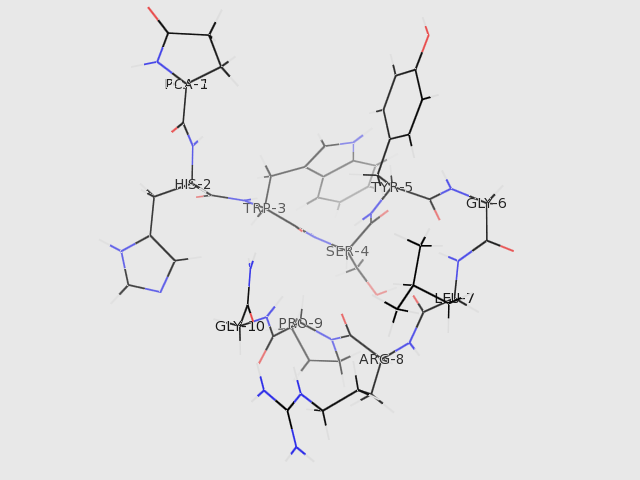
Síndrome Kallmann
📋 Origem dos dados
Esta página agrega dados de fontes públicas e oficiais. Dados sobre cobertura no SUS (PCDT, CEAF) são verificados ativamente por agente proativo (ver badge no infobox). Demais dados têm atribuição de fonte + data da última sincronização — clique para abrir o original.
- Doença rara (ontologia)
- fonte: Orphanet
- Identificador unificado
- fonte: MONDO
- Codificação WHO/SUS
- fonte: WHO ICD-10 / DATASUS
- CID-11 (futuro)
- fonte: WHO ICD-11
- NIH/GARD
- fonte: GARD (NIH)
- Indexação biomédica
- fonte: MeSH (NLM)
- Dado público estruturado
- fonte: Wikidata
- Ensaios clínicos
- fonte: ClinicalTrials.gov

