
A Síndrome de Deficiência do Transportador de Glicose Tipo 1 (GLUT1) é uma condição cerebral que se manifesta por epilepsia infantil (crises convulsivas) difícil de controlar com tratamento, um crescimento mais lento da cabeça resultando em microcefalia, atraso no desenvolvimento (motor e mental), rigidez muscular (espasticidade), falta de coordenação motora (ataxia), dificuldade para articular as palavras (disartria) e outros fenômenos neurológicos que surgem de repente, muitas vezes antes das refeições. Os sintomas costumam aparecer entre 1 e 4 meses de idade, mesmo que a gravidez e o parto tenham sido normais.
Introdução
O que você precisa saber de cara
A Síndrome de Deficiência do Transportador de Glicose Tipo 1 (GLUT1) é uma condição cerebral que se manifesta por epilepsia infantil (crises convulsivas) difícil de controlar com tratamento, um crescimento mais lento da cabeça resultando em microcefalia, atraso no desenvolvimento (motor e mental), rigidez muscular (espasticidade), falta de coordenação motora (ataxia), dificuldade para articular as palavras (disartria) e outros fenômenos neurológicos que surgem de repente, muitas vezes antes das refeições. Os sintomas costumam aparecer entre 1 e 4 meses de idade, mesmo que a gravidez e o parto tenham sido normais.
Escala de raridade
<1/50kMuito rara
1/20kRara
1/10kPouco freq.
1/5kIncomum
1/2k
Encontrou um erro ou informação desatualizada? Sugira uma correção →
Entender a doença
Do básico ao detalhe, leia no seu ritmo
Preparando trilha educativa...
Sinais e sintomas
O que aparece no corpo e com que frequência cada sintoma acontece
Partes do corpo afetadas
+ 24 sintomas em outras categorias
Características mais comuns
Os sintomas variam de pessoa para pessoa. Abaixo estão as 52 características clínicas mais associadas, ordenadas por frequência.
Linha do tempo da pesquisa
Encontrou um erro ou informação desatualizada? Sugira uma correção →
Genética e causas
O que está alterado no DNA e como passa nas famílias
Genes associados
1 gene identificado com associação a esta condição. Padrão de herança: Autosomal dominant, Autosomal recessive.
Curadoria gene-doença
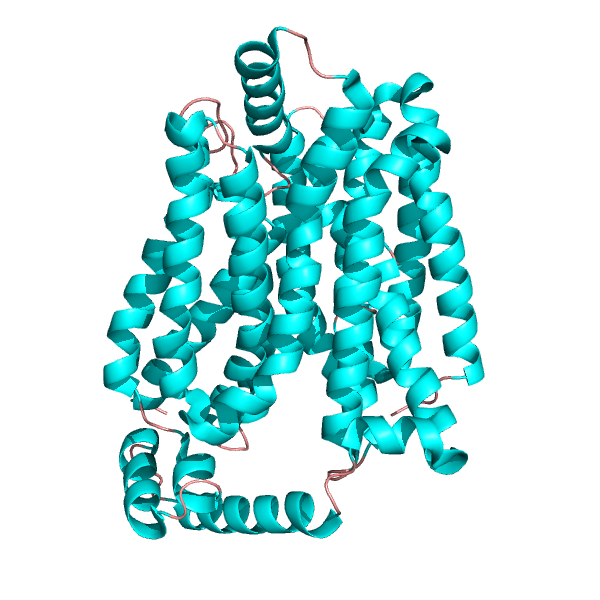
fontes oficiaisFacilitative glucose transporter, which is responsible for constitutive or basal glucose uptake (PubMed:10227690, PubMed:10954735, PubMed:18245775, PubMed:19449892, PubMed:25982116, PubMed:27078104, PubMed:32860739). Has a very broad substrate specificity; can transport a wide range of aldoses including both pentoses and hexoses (PubMed:18245775, PubMed:19449892). Most important energy carrier of the brain: present at the blood-brain barrier and assures the energy-independent, facilitative trans
Cell membraneMelanosomePhotoreceptor inner segment
GLUT1 deficiency syndrome 1
A neurologic disorder showing wide phenotypic variability. The most severe 'classic' phenotype comprises infantile-onset epileptic encephalopathy associated with delayed development, acquired microcephaly, motor incoordination, and spasticity. Onset of seizures, usually characterized by apneic episodes, staring spells, and episodic eye movements, occurs within the first 4 months of life. Other paroxysmal findings include intermittent ataxia, confusion, lethargy, sleep disturbance, and headache. Varying degrees of cognitive impairment can occur, ranging from learning disabilities to severe intellectual disability.
Variantes genéticas (ClinVar)
515 variantes patogênicas registradas no ClinVar.
Vias biológicas (Reactome)
5 vias biológicas associadas aos genes desta condição.
Diagnóstico
Os sinais que médicos procuram e os exames que confirmam
Tratamento e manejo
Remédios, cuidados de apoio e o que precisa acompanhar
Onde tratar no SUS
Hospitais de referência no Brasil e o protocolo oficial do SUS (PCDT)
🇧🇷 Atendimento SUS — Síndrome de deficiência de transportador da glicose tipo 1 clássico
Selecione um estado ou use sua localização para ver resultados.
Dados de DATASUS/CNES, SBGM, ABNeuro e Ministério da Saúde. Sempre confirme a disponibilidade diretamente com o estabelecimento.
Pesquisa ativa
Ensaios clínicos abertos e novidades científicas recentes
Ensaios em destaque
Pesquisa e ensaios clínicos
0 ensaios clínicos encontrados.
Publicações mais relevantes
Managing GLUT 1 Deficiency with the Ketogenic Diet: A Retrospective Look at Seizures, Medications, and Side Effects in a Pediatric Cohort.
Glucose transporter type 1 deficiency syndrome (GLUT1DS) is a genetic condition associated with complex neurologic symptoms, including epilepsy. Ketogenic diet therapy (KDT) is considered the standard treatment for GLUT1DS. This retrospective study identified trends in treatment with KDT for patients with GLUT1DS to optimize the current standards of care.MethodsA retrospective chart review was performed to identify patients at a pediatric institution with GLUT1DS receiving the ketogenic diet.ResultsTwelve patients were identified; 10 met inclusion criteria. A classic ketogenic diet (cKD) with a 3:1 ratio provides effective support for patients in this sample.ConclusionResults of the study suggest that a 3:1 ratio of KDT, which may increase tolerance and adherence and reduce adverse effects, may be acceptable in patients with GLUT1DS.
The relationship between genotype and phenotype in Chinese children with glucose transporter type 1 deficiency syndrome.
Glucose transporter type 1 deficiency syndrome (Glut1DS) is a treatable neurogenetic metabolic disorder caused by pathogenic variants in the SLC2A1 gene. The relationship between genotype and phenotype has not been extensively studied in large cohorts within China. This study aimed to analyze the clinical and genetic characteristics and the genotype-phenotype correlation in Chinese children with Glut1DS. Clinical data of Glut1DS patients, including age of onset, clinical manifestations, cerebrospinal fluid (CSF) analysis, and SLC2A1 gene variants, were collected and analyzed. A total of 93 patients with Glut1DS were included, among whom 65 (70%) were classical phenotypes (including 55 early-onset classical cases and 10 late-onset classical cases), and 28 (30%) were non-classical phenotypes. Significant differences were observed among early-onset classical, late-onset classical, and non-classical groups in terms of age of onset (p < 0.001), episodic psychiatric/behavioral abnormalities (p = 0.012), CSF glucose levels (p < 0.001), and the ratio of CSF glucose to blood glucose (p = 0.003). Genetic variant analysis identified 40 previously reported and 32 novel SLC2A1 variants. These variants were classified into three types: Type A (missense and in-frame indel variants, n = 52), Type B (frameshift, nonsense, splicing site, and initiation codon variants, n = 32), and Type C (single/multiple exon or whole-gene deletions, n = 9). No statistically significant difference was found in the distribution of these three genotypes across early-onset classical, late-onset classical, and non-classical phenotype. However, there were differences in age of onset among the three genetic variant groups (p = 0.009), with Type A variants showing a later age of onset compared to Type B variants (p = 0.014). No significant differences were observed among the three variant groups regarding CSF glucose levels, the ratio of CSF glucose to blood glucose, or CSF lactate levels. Furthermore, patients with identical variants exhibited phenotypic variability, for example, among eight patients (9%) harboring the c.997C>T (p.Arg333Trp) variant, six had early-onset classical phenotypes, while two had non-classical phenotypes. Glut1DS predominantly manifests as the classical phenotype, with the early-onset classical phenotype presenting at the youngest age and exhibiting the most severe clinical symptoms. Patients with this type also showed lower CSF glucose levels and a lower CSF glucose to blood glucose ratio compared to other types. Missense and in-frame indel variants were associated with a later age of onset compared to other types of genetic variants. No significant correlations were found between genotype and clinical classification or CSF glucose levels.
Clinical and genetic characteristics of glucose transporter 1 deficiency syndrome in a large cohort of Chinese patients.
Mutations in the SLC2A1 gene cause glucose transporter type 1 deficiency syndrome (Glut1DS). This study aimed to investigate the clinical and molecular genetics characteristics of Chinese patients with Glut1DS. The clinical data of patients with Glut1DS were analyzed retrospectively. SLC2A1 mutation analysis was performed using Sanger sequencing or next-generation sequencing (NGS). Multiplex ligation-dependent probe amplification (MLPA) was conducted in patients with negative results. A total of 90 patients were diagnosed with Glut1DS, including 63 (70%) classic type and 27 (30%) non-classic type. Seizures occurred in 69 patients (77%), movement disorders were observed in 58 (68%), and episodic eye-head movements were noted in 17 (19%). Cerebrospinal fluid (CSF) glucose levels were available for 73 patients (81%), ranging from 1.0 to 2.6 mmol/L (median 1.9 mmol/L), with 90% (66/73) of patients showing levels below 2.2 mmol/L. Additionally, CSF-to-blood glucose ratios measured in 71 patients (79%) ranged from 0.20 to 0.63 (median 0.37), with 87% (62/71) of patients having ratios below 0.45. Genetic analysis identified 69 variants of the SLC2A1 gene including 39 previously reported and 30 unreported variants. The two most common variants were c.997C > T (p.Arg333Trp) and c.988C > T (p.Arg330*). Following ketogenic diet therapy, seizures were controlled in 47 of 57 patients (82%), movement disorders resolved in 18 of 47 patients (38%), and improved in 26 of 47 patients (55%). The clinical manifestations of Glut1DS primarily include seizures, movement disorders, and developmental delay. Most affected children had CSF glucose levels below 2.2 mmol/L, with CSF-to-blood glucose ratios under 0.45. Two of the most common SLC2A1 variants were identified in our cohort. Ketogenic diet therapy was effective in controlling seizures, improving movement disorders, and was well tolerated.
Adult-onset non-kinesigenic paroxysmal dyskinesia in GLUT1 deficiency syndrome.
Glucose transporter type 1 deficiency syndrome (GLUT1DS) is a disorder caused by variants in the SLC2A1 gene. Clinical features are heterogeneous, from the classic presentation to milder later-onset phenotypes. We describe the case of a male patient with adult-onset paroxysmal dyskinesia in a mild phenotype of GLUT1DS (NM_006516.4 c.998G > A, p. Arg333Gln).
[Clinical and genetic characteristics of familial cases with Glucose transporter 1 deficiency syndrome].
To elucidate the clinical and genetic characteristics of familial cases with Glucose transporter type 1 deficiency syndrome (Glut1DS). A survey of family history was conducted on children (proband) with Glut1DS who had visited Peking University First Hospital between November 2008 and April 2024 by focusing on the clinical manifestations of family members. Peripheral venous blood (2 mL) was collected from the pediatric patients and their parents. Genomic DNA was extracted and sequenced subsequently. Sanger sequencing was performed to validate the identified variant sites of the SLC2A1 gene in the probands and their family members. The pathogenicity of suspected variants was analyzed according to the 2015 American College of Medical Genetics and Genomics (ACMG) Standards and Guidelines for the Interpretation of Sequence Variants. The clinical features, auxiliary examinations, and mutational characteristics of family members with SLC2A1 variants were analyzed. This study has been approved by the Clinical Research Ethics Committee of Peking University First Hospital (Ethics No. 2021 Research 332). Among 87 cases with Glut1DS, 10 families with autosomal dominate inherited cases were identified, accounting for 11.0% of the cases. Of the 11 children, 8 were boys and 3 were girls. The onset of the disease had ranged from 3 months to 120 months (median 6 months), with 4 cases of early-onset classic type, 2 cases of late-onset classic type, and 5 cases of non-classic type. Six children had seizures, and 7 exhibited movement disorders. Seven children underwent developmental assessment, of which 3 had mild developmental delay, 2 were borderline, and 2 were normal. Nine children underwent lumbar puncture. The cerebrospinal fluid glucose levels ranged from 1.45 to 2.25 mmol/L (median 1.86 mmol/L), and the cerebrospinal fluid to blood glucose ratios ranged from 0.29 to 0.44 (median 0.35). Among the 8 fathers with SLC2A1 gene variants, 4 were asymptomatic, 2 developed paroxysmal exercise-induced movement disorders (PED) in childhood and adulthood, respectively. 1 had poor memory since childhood, 1 developed migraines during adolescence, and his sister was an asymptomatic carrier. The father with childhood-onset PED had a cerebrospinal fluid test with CSF glucose of 1.85 mmol/L. Of the 3 mothers with SLC2A1 gene mutations, 1 was an asymptomatic carrier; 2 developed PED in childhood and after the age of 20, respectively. The mother who developed PED in childhood also had psychomotor developmental delay. Genetic testing results revealed that among 10 families, 8 carried missense variants, 1 carried a nonsense variant, and 1 carried a small fragment insertion leading to a frameshift variant. Among the 11 cases, SLC2A1 gene variants in 8 children were inherited from their fathers, while in 3 cases, the variants were inherited from their mothers. The pathogenicity of the genetic variants was evaluated according to the Standards and Guidelines for the Interpretation of Sequence Variants published by the ACMG. Among the 8 variants identified in the 10 families, 4 were classified as pathogenic variants, 1 as likely pathogenic, and 3 as variants of uncertain significance (VUS). Four variant sites, including c.204_205insTCTC (p.V69fs), c.412G>C (p.G138R), c.431T>G (p.V144G), and c.875A>G (p.Y292C), were not previously reported in the literature. Among these, the latter three were categorized as VUS. Familial Glut1DS account for 11.0% of the cases in China, with the majority of SLC2A1 gene variants inherited from the fathers, predominantly missense mutations, and with an autosomal dominant inheritance pattern. Probands tend to have earlier onset and more severe symptoms than their parents, who often present with mild or no symptoms.
Publicações recentes
Additional data on head circumference in patients with glucose transporter 1 deficiency syndrome: The Glut1 deficiency foundation conference cohort.
The role of SLC2A1 mutations in myoclonic astatic epilepsy and absence epilepsy, and the estimated frequency of GLUT1 deficiency syndrome.
New Paradigm for the Treatment of Glucose Transporter 1 Deficiency Syndrome: Low Glycemic Index Diet and Modified High Amylopectin Cornstarch.
Glucose transporter-1 (GLUT1) deficiency syndrome: diagnosis and treatment in late childhood.
An infant with pseudohyperkalemia, hemolysis, and seizures: cation-leaky GLUT1-deficiency syndrome due to a SLC2A1 mutation.
📚 EuropePMCmostrando 36
Managing GLUT 1 Deficiency with the Ketogenic Diet: A Retrospective Look at Seizures, Medications, and Side Effects in a Pediatric Cohort.
Journal of child neurologyThe relationship between genotype and phenotype in Chinese children with glucose transporter type 1 deficiency syndrome.
Frontiers in neurologyAdult-onset non-kinesigenic paroxysmal dyskinesia in GLUT1 deficiency syndrome.
Parkinsonism & related disorders[Clinical and genetic characteristics of familial cases with Glucose transporter 1 deficiency syndrome].
Zhonghua yi xue yi chuan xue za zhi = Zhonghua yixue yichuanxue zazhi = Chinese journal of medical geneticsKetogenic diet therapy for epilepsy during pregnancy and lactation: An international survey exploring clinician perspectives.
Epilepsia openClinical Efficacy and Safety of the Ketogenic Diet in Patients with Genetic Confirmation of Drug-Resistant Epilepsy.
NutrientsClinical and genetic characteristics of glucose transporter 1 deficiency syndrome in a large cohort of Chinese patients.
World journal of pediatrics : WJP[Micronutrients intake in patients with refractory epilepsy with ketogenic diet treatment].
Andes pediatrica : revista Chilena de pediatriaThe use of ketogenic diets in children living with drug-resistant epilepsy, glucose transporter 1 deficiency syndrome and pyruvate dehydrogenase deficiency: A scoping review.
Journal of human nutrition and dietetics : the official journal of the British Dietetic AssociationGlucose transporter-1 deficiency syndrome with extreme phenotypic variability in a five-generation family carrying a novel SLC2A1 variant.
European journal of neurologyCase report: KETOLAND the psychoeducation program for ketogenic diet.
Frontiers in psychiatryLong-term follow-up of nutritional status in children with GLUT1 Deficiency Syndrome treated with classic ketogenic diet: a 5-year prospective study.
Frontiers in nutritionClassic ketogenic diet in parenteral nutrition in a GLUT1DS patient: Doing more with less in an acute surgical setting.
Frontiers in nutrition[Hemidystonia and hemichorea in a pediatric patient with glucose transporter type 1 deficiency].
Archivos argentinos de pediatriaOne Molecule for Mental Nourishment and More: Glucose Transporter Type 1-Biology and Deficiency Syndrome.
BiomedicinesHead circumference in glucose transporter 1 deficiency syndrome: Normal for individuals, abnormal as a group.
European journal of paediatric neurology : EJPN : official journal of the European Paediatric Neurology SocietyStudy of paediatric patients with the clinical and biochemical phenotype of glucose transporter type 1 deficiency syndrome.
NeurologiaClassic Ketogenic Diet and Modified Atkins Diet in SLC2A1 Positive and Negative Patients with Suspected GLUT1 Deficiency Syndrome: A Single Center Analysis of 18 Cases.
NutrientsUse of Remote Monitoring by E-mail for Long-Term Management of the Classic Ketogenic Diet.
NutrientsLong-Term Effects of a Classic Ketogenic Diet on Ghrelin and Leptin Concentration: A 12-Month Prospective Study in a Cohort of Italian Children and Adults with GLUT1-Deficiency Syndrome and Drug Resistant Epilepsy.
NutrientsGlucose Transporter Type 1 Deficiency Syndrome: Developmental Delay and Early-Onset Ataxia in a Novel Mutation of the SLC2A1 Gene.
Journal of pediatric neurosciencesOverall cognitive profiles in patients with GLUT1 Deficiency Syndrome.
Brain and behaviorSLC2A1 mutations are a rare cause of pediatric-onset hereditary spastic paraplegia.
European journal of paediatric neurology : EJPN : official journal of the European Paediatric Neurology SocietyA novel mutation in SLC2A1 gene causing GLUT-1 deficiency syndrome in a young adult patient.
The Turkish journal of pediatricsParoxysmal ocular movements - an early sign in Glut1 deficiency Syndrome.
Metabolic brain diseaseTransient regional cerebral hypoperfusion during a paroxysmal hemiplegic event in GLUT1 deficiency syndrome.
European journal of paediatric neurology : EJPN : official journal of the European Paediatric Neurology SocietyA frame-shift deletion in the PURA gene associates with a new clinical finding: Hypoglycorrhachia. Is GLUT1 a new PURA target?
Molecular genetics and metabolismQuestionnaire survey on the current status of ketogenic diet therapy in patients with glucose transporter 1 deficiency syndrome (GLUT1DS) in Japan.
European journal of paediatric neurology : EJPN : official journal of the European Paediatric Neurology SocietyAcetazolamide-responsive Episodic Ataxia Without Baseline Deficits or Seizures Secondary to GLUT1 Deficiency: A Case Report and Review of the Literature.
The neurologistGLUT1-deficiency syndrome: Report of a four-generation Norwegian family with a mild phenotype.
Epilepsy & behavior : E&BShort-term impact of a classical ketogenic diet on gut microbiota in GLUT1 Deficiency Syndrome: A 3-month prospective observational study.
Clinical nutrition ESPENOutcome of ketogenic diets in GLUT1 deficiency syndrome in Japan: A nationwide survey.
Brain & developmentSevere Hypertriglyceridemia in Glut1D on Ketogenic Diet.
NeuropediatricsUse of dietary therapies amongst patients with GLUT1 deficiency syndrome.
SeizureThe Effects of Ketogenic Diet on Seizures, Cognitive Functions, and Other Neurological Disorders in Classical Phenotype of Glucose Transporter 1 Deficiency Syndrome.
NeuropediatricsFrom splitting GLUT1 deficiency syndromes to overlapping phenotypes.
European journal of medical geneticsAssociações
Organizações que acompanham esta doença — pra ter apoio e orientação
Ainda não temos associações cadastradas para Síndrome de deficiência de transportador da glicose tipo 1 clássico.
É de uma associação que acompanha esta doença? Fale com a gente →
Comunidades
Grupos ativos de quem convive com esta doença aqui no Raras
Ainda não existe comunidade no Raras para Síndrome de deficiência de transportador da glicose tipo 1 clássico
Pacientes, familiares e cuidadores se organizam em comunidades pra compartilhar experiências, fazer perguntas e se apoiar. Você pode ser o primeiro.
Tire suas dúvidas
Perguntas, dicas e experiências compartilhadas aqui na página
Participe da discussão
Faça login para postar dúvidas, compartilhar experiências e interagir com especialistas.
Fazer loginDoenças relacionadas
Doenças com sintomas parecidos — ajudam quem ainda está buscando diagnóstico
Referências e fontes
Bases de dados externas citadas neste artigo
Publicações científicas
Artigos indexados no PubMed ligados a esta doença no grafo RarasNet — título, periódico e PMID direto da fonte, sem intermediação de IA.
- Managing GLUT 1 Deficiency with the Ketogenic Diet: A Retrospective Look at Seizures, Medications, and Side Effects in a Pediatric Cohort.
- The relationship between genotype and phenotype in Chinese children with glucose transporter type 1 deficiency syndrome.
- Clinical and genetic characteristics of glucose transporter 1 deficiency syndrome in a large cohort of Chinese patients.
- Adult-onset non-kinesigenic paroxysmal dyskinesia in GLUT1 deficiency syndrome.
- [Clinical and genetic characteristics of familial cases with Glucose transporter 1 deficiency syndrome].Zhonghua yi xue yi chuan xue za zhi = Zhonghua yixue yichuanxue zazhi = Chinese journal of medical genetics· 2025· PMID 40555655mais citado
- Additional data on head circumference in patients with glucose transporter 1 deficiency syndrome: The Glut1 deficiency foundation conference cohort.
- The role of SLC2A1 mutations in myoclonic astatic epilepsy and absence epilepsy, and the estimated frequency of GLUT1 deficiency syndrome.
- New Paradigm for the Treatment of Glucose Transporter 1 Deficiency Syndrome: Low Glycemic Index Diet and Modified High Amylopectin Cornstarch.
- Glucose transporter-1 (GLUT1) deficiency syndrome: diagnosis and treatment in late childhood.
- An infant with pseudohyperkalemia, hemolysis, and seizures: cation-leaky GLUT1-deficiency syndrome due to a SLC2A1 mutation.
Bases de dados e fontes oficiais
Identificadores e referências canônicas usadas para montar este verbete.
- ORPHA:71277(Orphanet)
- OMIM OMIM:606777(OMIM)
- MONDO:0011724(MONDO)
- GARD:9265(GARD (NIH))
- Variantes catalogadas(ClinVar)
- Busca completa no PubMed(PubMed)
- Artigo Wikipedia(Wikipedia)
- Q1485893(Wikidata)
Dados compilados pelo RarasNet a partir de fontes abertas (Orphanet, OMIM, MONDO, PubMed/EuropePMC, ClinicalTrials.gov, DATASUS, PCDT/MS). Este conteúdo é informativo e não substitui avaliação médica.
Conteúdo mantido por Agente Raras · Médicos e pesquisadores podem colaborar
Síndrome de deficiência de transportador da glicose tipo 1 clássico
📋 Origem dos dados
Esta página agrega dados de fontes públicas e oficiais. Dados sobre cobertura no SUS (PCDT, CEAF) são verificados ativamente por agente proativo (ver badge no infobox). Demais dados têm atribuição de fonte + data da última sincronização — clique para abrir o original.
- Doença rara (ontologia)
- fonte: Orphanet
- Identificador unificado
- fonte: MONDO
- Genética mendeliana
- fonte: OMIM
- Codificação WHO/SUS
- fonte: WHO ICD-10 / DATASUS
- CID-11 (futuro)
- fonte: WHO ICD-11
- NIH/GARD
- fonte: GARD (NIH)
- Indexação biomédica
- fonte: MeSH (NLM)
- Dado público estruturado
- fonte: Wikidata