
A distrofia muscular congênita de Ullrich (UCMD) é caracterizada por fraqueza muscular de início precoce, generalizada e lentamente progressiva, múltiplas contraturas articulares proximais, hipermobilidade acentuada das articulações distais e inteligência normal.
Introdução
O que você precisa saber de cara
A distrofia muscular congênita de Ullrich (UCMD) é caracterizada por fraqueza muscular de início precoce, generalizada e lentamente progressiva, múltiplas contraturas articulares proximais, hipermobilidade acentuada das articulações distais e inteligência normal.
Escala de raridade
<1/50kMuito rara
1/20kRara
1/10kPouco freq.
1/5kIncomum
1/2k
Encontrou um erro ou informação desatualizada? Sugira uma correção →
Entender a doença
Do básico ao detalhe, leia no seu ritmo
Preparando trilha educativa...
Sinais e sintomas
O que aparece no corpo e com que frequência cada sintoma acontece
Partes do corpo afetadas
+ 20 sintomas em outras categorias
Características mais comuns
Os sintomas variam de pessoa para pessoa. Abaixo estão as 76 características clínicas mais associadas, ordenadas por frequência.
Linha do tempo da pesquisa
Encontrou um erro ou informação desatualizada? Sugira uma correção →
Genética e causas
O que está alterado no DNA e como passa nas famílias
Genes associados
4 genes identificados com associação a esta condição. Padrão de herança: Autosomal dominant, Autosomal recessive.
Collagen VI acts as a cell-binding protein
Secreted, extracellular space, extracellular matrix
Bethlem myopathy 1C
A form of Bethlem myopathy, a slowly progressive muscular dystrophy characterized by joint contractures, most frequently affecting the elbows and ankles, and muscle weakness and wasting involving the proximal and extensor muscles more than the distal and flexor ones. The clinical onset more often occurs in childhood or adulthood, but it can be prenatal with decreased fetal movements or neonatal with hypotonia. The hallmark of Bethlem myopathy is long finger flexion contractures. BTHLM1C inheritance is autosomal dominant.
Type XII collagen interacts with type I collagen-containing fibrils, the COL1 domain could be associated with the surface of the fibrils, and the COL2 and NC3 domains may be localized in the perifibrillar matrix
Secreted, extracellular space, extracellular matrix
Ullrich congenital muscular dystrophy 2
A form of Ullrich congenital muscular dystrophy, a disease characterized by generalized muscle weakness and striking hypermobility of distal joints in conjunction with variable contractures of more proximal joints and normal intelligence. Additional findings may include kyphoscoliosis, protruded calcanei, and follicular hyperkeratosis (rough skin). More severely affected patients manifest at birth and never achieve independent ambulation, while patients with milder phenotypes might maintain ambulation into adulthood. UCMD2 is a severe, autosomal recessive form with onset at birth.
Collagen VI acts as a cell-binding protein
Secreted, extracellular space, extracellular matrixMembrane
Bethlem myopathy 1B
A form of Bethlem myopathy, a slowly progressive muscular dystrophy characterized by joint contractures, most frequently affecting the elbows and ankles, and muscle weakness and wasting involving the proximal and extensor muscles more than the distal and flexor ones. The clinical onset more often occurs in childhood or adulthood, but it can be prenatal with decreased fetal movements or neonatal with hypotonia. The hallmark of Bethlem myopathy is long finger flexion contractures. Inheritance can be autosomal dominant or autosomal recessive.
Collagen VI acts as a cell-binding protein
Secreted, extracellular space, extracellular matrix
Bethlem myopathy 1A
A form of Bethlem myopathy, a slowly progressive muscular dystrophy characterized by joint contractures, most frequently affecting the elbows and ankles, and muscle weakness and wasting involving the proximal and extensor muscles more than the distal and flexor ones. The clinical onset more often occurs in childhood or adulthood, but it can be prenatal with decreased fetal movements or neonatal with hypotonia. The hallmark of Bethlem myopathy is long finger flexion contractures. Inheritance can be autosomal dominant or autosomal recessive.
Variantes genéticas (ClinVar)
1.833 variantes patogênicas registradas no ClinVar.
Classificação de variantes (ClinVar)
Distribuição de 3.716 variantes classificadas pelo ClinVar.
Vias biológicas (Reactome)
8 vias biológicas associadas aos genes desta condição.
Diagnóstico
Os sinais que médicos procuram e os exames que confirmam
Tratamento e manejo
Remédios, cuidados de apoio e o que precisa acompanhar
Onde tratar no SUS
Hospitais de referência no Brasil e o protocolo oficial do SUS (PCDT)
🇧🇷 Atendimento SUS — Distrofia muscular congênita Ullrich
Centros de Referência SUS
24 centros habilitados pelo SUS para Distrofia muscular congênita Ullrich
Centros para Distrofia muscular congênita Ullrich
Detalhes dos centros
Hospital Universitário Prof. Edgard Santos (HUPES)
R. Dr. Augusto Viana, s/n - Canela, Salvador - BA, 40110-060 · CNES 0003808
Serviço de Referência
Hospital Infantil Albert Sabin
R. Tertuliano Sales, 544 - Vila União, Fortaleza - CE, 60410-794 · CNES 2407876
Serviço de Referência
Hospital de Apoio de Brasília (HAB)
AENW 3 Lote A Setor Noroeste - Plano Piloto, Brasília - DF, 70684-831 · CNES 0010456
Serviço de Referência
Hospital Estadual Infantil e Maternidade Alzir Bernardino Alves (HIABA)
Av. Min. Salgado Filho, 918 - Soteco, Vila Velha - ES, 29106-010 · CNES 6631207
Serviço de Referência
Hospital das Clínicas da UFG
Rua 235 QD. 68 Lote Área, Nº 285, s/nº - Setor Leste Universitário, Goiânia - GO, 74605-050 · CNES 2338424
Serviço de Referência
Hospital Universitário da UFJF
R. Catulo Breviglieri, Bairro - s/n - Santa Catarina, Juiz de Fora - MG, 36036-110 · CNES 2297442
Atenção Especializada
Hospital das Clínicas da UFMG
Av. Prof. Alfredo Balena, 110 - Santa Efigênia, Belo Horizonte - MG, 30130-100 · CNES 2280167
Serviço de Referência
Hospital Universitário Julio Müller (HUJM)
R. Luis Philippe Pereira Leite, s/n - Alvorada, Cuiabá - MT, 78048-902 · CNES 2726092
Atenção Especializada
Hospital Universitário João de Barros Barreto
R. dos Mundurucus, 4487 - Guamá, Belém - PA, 66073-000 · CNES 2337878
Serviço de Referência
Hospital Universitário Lauro Wanderley (HULW)
R. Tabeliao Estanislau Eloy, 585 - Castelo Branco, João Pessoa - PB, 58050-585 · CNES 0002470
Atenção Especializada
Instituto de Medicina Integral Prof. Fernando Figueira (IMIP)
R. dos Coelhos, 300 - Boa Vista, Recife - PE, 50070-902 · CNES 0000647
Serviço de Referência
Hospital Pequeno Príncipe
R. Des. Motta, 1070 - Água Verde, Curitiba - PR, 80250-060 · CNES 3143805
Serviço de Referência
Hospital Universitário Regional de Maringá (HUM)
Av. Mandacaru, 1590 - Parque das Laranjeiras, Maringá - PR, 87083-240 · CNES 2216108
Atenção Especializada
Hospital de Clínicas da UFPR
R. Gen. Carneiro, 181 - Alto da Glória, Curitiba - PR, 80060-900 · CNES 2364980
Serviço de Referência
Hospital Universitário Pedro Ernesto (HUPE-UERJ)
Blvd. 28 de Setembro, 77 - Vila Isabel, Rio de Janeiro - RJ, 20551-030 · CNES 2280221
Serviço de Referência
Instituto Nacional de Saúde da Mulher, da Criança e do Adolescente Fernandes Figueira (IFF/Fiocruz)
Av. Rui Barbosa, 716 - Flamengo, Rio de Janeiro - RJ, 22250-020 · CNES 2269988
Serviço de Referência
Hospital São Lucas da PUCRS
Av. Ipiranga, 6690 - Jardim Botânico, Porto Alegre - RS, 90610-000 · CNES 2232928
Serviço de Referência
Hospital de Clínicas de Porto Alegre (HCPA)
Rua Ramiro Barcelos, 2350 Bloco A - Av. Protásio Alves, 211 - Bloco B e C - Santa Cecília, Porto Alegre - RS, 90035-903 · CNES 2237601
Serviço de Referência
Hospital Universitário da UFSC (HU-UFSC)
R. Profa. Maria Flora Pausewang - Trindade, Florianópolis - SC, 88036-800 · CNES 2560356
Serviço de Referência
Hospital das Clínicas da FMUSP
R. Dr. Ovídio Pires de Campos, 225 - Cerqueira César, São Paulo - SP, 05403-010 · CNES 2077485
Serviço de Referência
Hospital de Base de São José do Rio Preto
Av. Brg. Faria Lima, 5544 - Vila Sao Jose, São José do Rio Preto - SP, 15090-000 · CNES 2079798
Atenção Especializada
Hospital de Clínicas da UNICAMP
R. Vital Brasil, 251 - Cidade Universitária, Campinas - SP, 13083-888 · CNES 2748223
Serviço de Referência
Hospital de Clínicas de Ribeirão Preto (HCRP-USP)
R. Ten. Catão Roxo, 3900 - Vila Monte Alegre, Ribeirão Preto - SP, 14015-010 · CNES 2082187
Serviço de Referência
UNIFESP / Hospital São Paulo
R. Napoleão de Barros, 715 - Vila Clementino, São Paulo - SP, 04024-002 · CNES 2688689
Serviço de Referência
Dados de DATASUS/CNES, SBGM, ABNeuro e Ministério da Saúde. Sempre confirme a disponibilidade diretamente com o estabelecimento.
Pesquisa ativa
Ensaios clínicos abertos e novidades científicas recentes
Ensaios em destaque
🟢 Recrutando agora
1 pesquisa recrutando participantes. Converse com seu médico sobre a possibilidade de participar.
Outros ensaios clínicos
5 ensaios clínicos encontrados, 1 ativos.
Publicações mais relevantes
Skipping the Biopsy: Real-World Experience of Whole-Exome Sequencing as First-Tier Testing in Pediatric Muscular Disorders.
Muscle biopsy has long been regarded as the cornerstone for diagnosing pediatric muscular disorders; however, it is invasive and may be limited by sampling error and inconclusive histopathological findings. This study aimed to evaluate whether whole-exome sequencing (WES) can effectively replace muscle biopsy as a first-line diagnostic approach in children with suspected neuromuscular disorders. Between January 2018 and December 2025, we prospectively enrolled 47 pediatric patients presenting with clinical features suggestive of muscular disorders at a tertiary medical center in Taiwan. The cohort included patients with suspected muscular dystrophies (n = 21), congenital myopathies (n = 23), and multiplex ligation-dependent probe amplification (MLPA)-negative Duchenne muscular dystrophy (DMD; n = 3). All patients underwent WES as the initial diagnostic test without prior muscle biopsy. Trio-based analysis using parental samples was performed in 29.8% of cases. Variant interpretation followed the American College of Medical Genetics and Genomics (ACMG) guidelines. WES identified a definitive molecular diagnosis in 72.3% of patients (34/47). Diagnostic yields varied by subgroup: 100% (3/3) in MLPA-negative DMD, 71.4% (15/21) in muscular dystrophies, and 69.6% (16/23) in congenital myopathies. Pathogenic or likely pathogenic variants were detected in 31 distinct genes, including COL6A1 and COL6A3, which are associated with Ullrich congenital muscular dystrophy. Notably, 58.8% of diagnosed patients (20/34) received molecular diagnoses that differed from their initial clinical impression, encompassing conditions such as ZSWIM6-associated neurodevelopmental disorders, GJB2-related hearing loss, OCRL-associated Lowe syndrome, and various metabolic or syndromic disorders. In all three MLPA-negative DMD cases, WES identified point mutations amenable to mutation-specific therapies. No patient required a muscle biopsy for diagnostic confirmation during the study period. First-tier WES demonstrates high diagnostic utility in pediatric muscular disorders while avoiding invasive muscle biopsy. The high rate of diagnostic reclassification underscores the substantial phenotypic overlap between primary neuromuscular diseases and other neurological or systemic conditions. These findings support the early implementation of genetic testing to enable accurate diagnosis and timely initiation of targeted therapies.
The Absence of Collagen VI Reduces Systolic Function but Paradoxically Increases Ca2+ Release in the Rat Heart.
Collagen VI has recently been strongly linked to poor outcomes in heart failure through increased endotrophin, a collagen VI-derived signaling molecule linked to fibrotic remodeling in cardiovascular disease. The mutation of collagen VI can result in Ullrich congenital muscular dystrophy and Bethlem myopathy, pointing to a critical function in muscle physiology. However, the functional role of collagen VI in the heart is poorly understood. In human heart failure with reduced ejection fraction, collagen VI is increased within the remodeled T-tubules, suggesting a possible role in tubular structure and Ca2+ dynamics. To investigate this hypothesis, a global knockout of the collagen VI alpha 1 gene (Col6a1-/-) was generated in the rat. T-tubule structure and ryanodine receptor cluster organization were unchanged, but echocardiography demonstrated reduced systolic function. Consistent with this, isolated trabeculae from Col6a1-/- hearts generated significantly less peak stress, confirming impaired contractile force at the tissue level. Paradoxically, isolated cardiomyocytes from the Col6a1-/- rat had increased Ca2+ transient amplitude and increased sarcoplasmic reticulum Ca2+ load that would be expected to increase force. β-adrenergic stimulation further increased Ca2+ transient amplitude and was associated with diastolic Ca2+ release events in Col6a1-/- cardiomyocytes. Furthermore, β-adrenergic stimulation of Col6a1-/- trabeculae exhibited spontaneous contractions, indicating an increased susceptibility to arrhythmic activity. Together, these results indicate collagen VI has a role in both force transduction and Ca2+ cycling in the heart.
Tendon Dysfunction in Collagen VI-Related Myopathies: Novel Mechanistic Insights with Therapeutic Potential.
Collagen VI-related myopathies (COL6-RM) encompass a spectrum of disorders characterized by muscle weakness, joint contractures, and connective tissue abnormalities resulting from mutations in the collagen VI genes. While muscle pathology has been extensively studied, tendon dysfunction has emerged as a critical yet underexplored contributor to disease severity, particularly in the development of joint contractures. Tendons from patients and animal models show disrupted collagen fibrillogenesis, altered extracellular matrix (ECM) composition, and impaired cellular mechanotransduction. Various defects in ECM remodeling pathways further exacerbate tendon pathology. Importantly, current clinical management remains limited to orthopedic interventions with modest outcomes, and targeted pharmacological strategies or gene-editing therapies are not yet available for clinical application. Therefore, understanding the basic pathogenic mechanisms underlying tendon dysfunction is essential for identifying novel therapeutic targets. This review provides a comprehensive synthesis of current understanding and recent advances concerning the role of mutated collagen VI in cellular and molecular mechanisms underlying tendon dysfunction. Emphasis is placed on the role of mutated collagen VI in the modulation of key signaling pathways related to mechanotransduction and primary cilium function in COL6-RM. By discussing these multifaceted contributions to disease pathogenesis, this review outlines future research directions in the field and highlights potential pathways for targeted therapeutic interventions.
[iPS cell-based therapy for muscular disorders].
Induced pluripotent stem cells (iPSCs) have been used in research for the development of treatments for various intractable diseases due to their unlimited proliferative and multipotent potential. We are aiming to develop novel therapies for intractable muscular diseases using iPS cells by two approaches i.e. cell therapy and drug screening. In this presentation, I focus on the cell therapy research. We have developed a differentiation induction method that mimics the developmental stages and have succeeded in inducing skeletal muscle stem cells that are applicable to cell transplantation therapy. We have found that cell transplantation into Duchenne muscular dystrophy (DMD) model mice is effective in regenerating more than 10% of dystrophin-positive fibers. In addition, some of the cells have been engrafted as satellite cells in vivo, and it is expected that the therapeutic effect will continue for a long period of time. As for the efficacy to the motor function, we have recently revealed that the regeneration of dystrophin positive myofibers in DMD model mice mainly ameliorates muscle fatigue tolerance rather than maximal contraction force in vivo. We have also developed a differentiation method to induce mesenchymal stromal cells (MSCs) from iPSCs. Transplantation of iPSC-derived MSCs (iMSCs) into Ullrich congenital muscular dystrophy (UCMD) model mice enabled the restoration of collagen type VI which resulted in enhancement of muscle regeneration. Interestingly, somatic MSCs such as bone marrow-derived MSC or adipose-derived MSC do not have therapeutic effect even they can also restore collagen type VI by the transplantation. We have recently found one of the candidates which is responsible for the muscle regeneration and is specifically expressed in the iMSCs.
Myopathic Ehlers-Danlos Syndrome (mEDS) Related to COL12A1: Two Novel Families and Literature Review.
Myopathic Ehlers-Danlos syndrome (RmEDS) is an emerging hybrid phenotype that combines connective and muscle tissue abnormalities. It has been associated with variants of the COL12A1 gene, which are known as Ullrich congenital muscular dystrophy-2 (UCMD2; 616470) and Bethlem myopathy-2 (BTHLM2; 616471). Here, we report two splicing mutations of COL12A1 identified in three patients from two unrelated families who present a combination of joint hypermobility and axial, distal, and proximal weakness. The muscular strength of their neck and limb muscles was assessed at 4/5 (MRC); however, when measured with a myometer, the expected percentage by age and sex ranged from 35% to 40% for elbow flexion, 37% to 75% for knee extension, and was 50% for neck flexion. In addition to confirming the characteristic atrophy of the rectus femoris, we presented evidence of involvement of the neck and lumbar muscles through MRI and CT imaging. In vitro studies revealed filamentous disorganization and an altered pattern of collagen XII alpha 1 chain migration due to the skipping of exons 55 and 56 of collagen XII. Additionally, we review the myopathic involvement of COL12-RM in 30 patients across 18 families with dominant mutations and 15 patients from 13 families with recessive mutations.
Publicações recentes
Skipping the Biopsy: Real-World Experience of Whole-Exome Sequencing as First-Tier Testing in Pediatric Muscular Disorders.
Tendon Dysfunction in Collagen VI-Related Myopathies: Novel Mechanistic Insights with Therapeutic Potential.
The Absence of Collagen VI Reduces Systolic Function but Paradoxically Increases Ca(2+) Release in the Rat Heart.
Landscape Analysis of COL6A1, COL6A2, and COL6A3 Pathogenic Variants in a Large Italian Cohort Presenting with Collagen VI-Related Myopathies: A Nationwide Report.
[iPS cell-based therapy for muscular disorders].
📚 EuropePMC81 artigos no totalmostrando 112
Skipping the Biopsy: Real-World Experience of Whole-Exome Sequencing as First-Tier Testing in Pediatric Muscular Disorders.
International journal of molecular sciencesTendon Dysfunction in Collagen VI-Related Myopathies: Novel Mechanistic Insights with Therapeutic Potential.
International journal of molecular sciencesThe Absence of Collagen VI Reduces Systolic Function but Paradoxically Increases Ca2+ Release in the Rat Heart.
Acta physiologica (Oxford, England)Landscape Analysis of COL6A1, COL6A2, and COL6A3 Pathogenic Variants in a Large Italian Cohort Presenting with Collagen VI-Related Myopathies: A Nationwide Report.
Biomolecules[iPS cell-based therapy for muscular disorders].
Rinsho shinkeigaku = Clinical neurologyA Novel COL12A1 Mutation Causes Oral Tissue Abnormalities by Regulating Gingival Fibroblast Function.
Oral diseasesMyopathic Ehlers-Danlos Syndrome (mEDS) Related to COL12A1: Two Novel Families and Literature Review.
International journal of molecular sciencesCollablots: Quantification of Collagen VI Levels and Its Structural Disorganisation in Cell Cultures From Patients With Collagen VI-Related Dystrophies.
Neuropathology and applied neurobiologyA Challenge in Perioperative Anesthetic Management: A Case Report of an Infant With Concurrent Ullrich Congenital Muscular Dystrophy and Pierre Robin Sequence.
CureusClinical, Pathologic, and Genetic Spectrum of Collagen VI-Related Disorder in China-A Retrospective Observational Multicenter Study.
Human mutationInter- and intra-familial phenotypic variability of autosomal dominant collagen VI related disorder.
Neurological sciences : official journal of the Italian Neurological Society and of the Italian Society of Clinical NeurophysiologyCharacterization of severe COL6-related dystrophy due to the recurrent variant COL6A1 c.930+189C>T.
Brain : a journal of neurologyNovel variant of COL12A1 gene causing neonatal hypotonia and respiratory failure.
Neurological sciences : official journal of the Italian Neurological Society and of the Italian Society of Clinical NeurophysiologyGeneration of a human induced pluripotent stem cell line (CRICKi021-A) from a patient with Ullrich congenital muscular dystrophy carrying a pathogenic mutation in the COL6A1 gene.
Stem cell researchRestored Collagen VI Microfilaments Network in the Extracellular Matrix of CRISPR-Edited Ullrich Congenital Muscular Dystrophy Fibroblasts.
BiomoleculesA Novel Splice Site Variant in COL6A1 Causes Ullrich Congenital Muscular Dystrophy in a Consanguineous Malian Family.
Molecular genetics & genomic medicineDistinct muscle regenerative capacity of human induced pluripotent stem cell-derived mesenchymal stromal cells in Ullrich congenital muscular dystrophy model mice.
Stem cell research & therapyClinical and Molecular Profiles of a Cohort of Egyptian Patients with Collagen VI-Related Dystrophy.
Journal of molecular neuroscience : MNCOL12A1 Gene Variant and a Review of the Literature: A Case Report of Ullrich Congenital Muscular Dystrophy.
Molecular syndromologyA novel homozygous nonsense variant in COL12A1 causes myopathic Ehlers-Danlos syndrome: A case report and literature review.
Neuropathology and applied neurobiologyCharacterization of Proteome Changes in Aged and Collagen VI-Deficient Human Pericyte Cultures.
International journal of molecular sciencesStrategies to improve the design of gapmer antisense oligonucleotide on allele-specific silencing.
Molecular therapy. Nucleic acidsOptimized allele-specific silencing of the dominant-negative COL6A1 G293R substitution causing collagen VI-related dystrophy.
Molecular therapy. Nucleic acidsThe recurrent deep intronic pseudoexon-inducing variant COL6A1 c.930+189C>T results in a consistently severe phenotype of COL6-related dystrophy: Towards clinical trial readiness for splice-modulating therapy.
medRxiv : the preprint server for health sciencesSplicing Switching of Alternative Last Exons Due to a Deletion Including Canonical Polyadenylation Site in COL6A2 Gene Causes Recessive UCMD.
Neurology. GeneticsCollagen VI Deficiency Impairs Tendon Fibroblasts Mechanoresponse in Ullrich Congenital Muscular Dystrophy.
CellsCollagen XII-Related Myopathy: An Emerging Spectrum of Extracellular Matrix-Related Myopathy.
Neurology IndiaRetrospective clinical and genetic analysis of COL6-RD patients with a long-term follow-up at a single French center.
Frontiers in geneticsSpontaneous mutation in the COL6A2 gene causing Ullrich congenital muscular dystrophy type 1 in a Chinese child: A case report.
MedicineA Diagnostic Challenge in an Adolescent with Collagen VI-Related Myopathy and Emotional Disorder-Case Report.
Journal of personalized medicineUnexpected partial RNA deletion by two different novel COL6A2 mutations leads to Ullrich congenital muscular dystrophy.
QJM : monthly journal of the Association of PhysiciansThe UCMD-Causing COL6A1 (c.930 + 189C > T) Intron Mutation Leads to the Secretion and Aggregation of Single Mutated Collagen VI α1 Chains.
Human mutationNew Clinical and Immunofluoresence Data of Collagen VI-Related Myopathy: A Single Center Cohort of 69 Patients.
International journal of molecular sciencesWhole exome sequencing identifies a novel variant in the COL12A1 gene in a family with Ullrich congenital muscular dystrophy 2.
Molecular biology reportsHomozygous splice variant (c.1741-6G>A) of the COL6A1 gene in three patients with Ullrich congenital muscular dystrophy.
Neuromuscular disorders : NMDAlopecia in Patients with Collagen VI-Related Myopathies: A Novel/Unrecognized Scalp Phenotype.
International journal of molecular sciencesCollagen VI-related myopathies: clinical variability, phenotype-genotype correlation and exploratory transcriptome study.
Neuromuscular disorders : NMDExtracellular Matrix Disorganization and Sarcolemmal Alterations in COL6-Related Myopathy Patients with New Variants of COL6 Genes.
International journal of molecular sciencesCollagen VI in the Musculoskeletal System.
International journal of molecular sciencesExon-Skipping for a Pathogenic COL6A1 Variant in Ullrich Congenital Muscular Dystrophy.
Methods in molecular biology (Clifton, N.J.)The Presentation of Two Unrelated Clinical Cases from the Republic of North Ossetia-Alania with the Same Previously Undescribed Variant in the COL6A2 Gene.
International journal of molecular sciencesCollagen VI deficiency causes behavioral abnormalities and cortical dopaminergic dysfunction.
Disease models & mechanisms[Anesthesia for thoracic surgery in a female patient with Ullrich congenital muscular dystrophy].
Die AnaesthesiologieLack of COL6/collagen VI causes megakaryocyte dysfunction by impairing autophagy and inducing apoptosis.
AutophagyAutosomal dominant Ullrich congenital muscular dystrophy due to a de novo mutation in COL6A3 gene. A case report.
Acta myologica : myopathies and cardiomyopathies : official journal of the Mediterranean Society of MyologyThe Use of Autologous Blood Patch in Ullrich Muscular Dystrophy and Recurrent Pneumothorax.
CureusPersonalized in vitro Extracellular Matrix Models of Collagen VI-Related Muscular Dystrophies.
Frontiers in bioengineering and biotechnologyEarly Morphological Changes of the Rectus Femoris Muscle and Deep Fascia in Ullrich Congenital Muscular Dystrophy.
International journal of environmental research and public healthClinical manifestations and prenatal diagnosis of Ullrich congenital muscular dystrophy: A case report.
World journal of clinical casesAn Infant with Blended Phenotype of Zellweger Spectrum Disorder and Congenital Muscular Dystrophy.
Annals of Indian Academy of NeurologyKeratosis pilaris in collagen type VI-related disorders.
Pediatric dermatologySystemic Supplementation of Collagen VI by Neonatal Transplantation of iPSC-Derived MSCs Improves Histological Phenotype and Function of Col6-Deficient Model Mice.
Frontiers in cell and developmental biologyCollagen VI Muscle Disorders: Mutation Types, Pathogenic Mechanisms and Approaches to Therapy.
Advances in experimental medicine and biologyGenotype-Phenotype Correlation of the Childhood-Onset Bethlem Myopathy in the Mediterranean Region of Turkey.
Annals of Indian Academy of NeurologyAblation of collagen VI leads to the release of platelets with altered function.
Blood advancesCollagen-VI supplementation by cell transplantation improves muscle regeneration in Ullrich congenital muscular dystrophy model mice.
Stem cell research & therapyPerioperative Pulmonary Optimization With Average Volume-Assured Pressure Support of a Pediatric Patient With Ullrich Congenital Muscular Dystrophy: A Case Report.
A&A practiceCausative variant profile of collagen VI-related dystrophy in Japan.
Orphanet journal of rare diseasesSurgical treatment of scoliosis in Ullrich Congenital Muscular Dystrophy: a case series of 3 patients.
Intractable & rare diseases researchA novel variant in the COL6A1 gene causing Ullrich congenital muscular dystrophy in a consanguineous family: a case report.
BMC neurologyClinical and Molecular Spectrum Associated with COL6A3 c.7447A>G p.(Lys2483Glu) Variant: Elucidating its Role in Collagen VI-related Myopathies.
Journal of neuromuscular diseasesAnesthesia and Ullrich Congenital Muscular Dystrophy: Comment.
AnesthesiologyAssociation of Initial Maximal Motor Ability With Long-term Functional Outcome in Patients With COL6-Related Dystrophies.
NeurologyCOL6A1 related muscular dystrophy in Landseer dogs: A canine model for Ullrich congenital muscular dystrophy.
Muscle & nerveIntrafamilial Phenotypic Variability of Collagen VI-Related Myopathy Due to a New Mutation in the COL6A1 Gene.
Journal of neuromuscular diseasesCongenital muscular dystrophy-associated inflammatory chemokines provide axes for effective recruitment of therapeutic adult stem cell into muscles.
Stem cell research & therapyGapmer Antisense Oligonucleotides to Selectively Suppress the Mutant Allele in COL6A Genes in Dominant Ullrich Congenital Muscular Dystrophy.
Methods in molecular biology (Clifton, N.J.)Mandibular and Maxillary Cysts in a Pediatric Patient with Pierre Robin Sequence and Ullrich Congenital Muscular Dystrophy.
AnesthesiologyStructure of a collagen VI α3 chain VWA domain array: adaptability and functional implications of myopathy causing mutations.
The Journal of biological chemistryThe Common miRNA Signatures Associated with Mitochondrial Dysfunction in Different Muscular Dystrophies.
The American journal of pathologyCervical Hyperextension Treated by Posterior Spinal Correction and Fusion in A Patient with Ullrich Congenital Muscular Dystrophy: A Case Report.
JBJS case connectorCirculating Biomarkers in Muscular Dystrophies: Disease and Therapy Monitoring.
Molecular therapy. Methods & clinical developmentCollagen VI-related limb-girdle syndrome caused by frequent mutation in COL6A3 gene with conflicting reports of pathogenicity.
Neuromuscular disorders : NMDPathogenic variants in COL6A3 cause Ullrich-like congenital muscular dystrophy in young Labrador Retriever dogs.
Neuromuscular disorders : NMDClinical features of collagen VI-related dystrophies: A large Brazilian cohort.
Clinical neurology and neurosurgeryTendon Extracellular Matrix Remodeling and Defective Cell Polarization in the Presence of Collagen VI Mutations.
CellsAutosomal recessive Bethlem myopathy: A clinical, genetic and functional study.
Neuromuscular disorders : NMDOverexpression of miR-29 Leads to Myopathy that Resemble Pathology of Ullrich Congenital Muscular Dystrophy.
CellsTwo closely spaced mutations in cis result in Ullrich congenital muscular dystrophy.
Human genome variation[Clinical manifestations and genetics analysis of collagen type Ⅵ-related myopathy caused by variants in COL6A3 gene].
Zhonghua er ke za zhi = Chinese journal of pediatricsPrediction of postnatal developmental disabilities using the antenatal fetal neurodevelopmental test: KANET assessment.
Journal of perinatal medicine[Collagen VI related myopathies. When to suspect, how to identify. The contribution of muscle magnetic resonance].
Revista chilena de pediatriaTwo novel COL6A3 mutations disrupt extracellular matrix formation and lead to myopathy from Ullrich congenital muscular dystrophy and Bethlem myopathy spectrum.
GeneBethlem myopathy in a Portuguese patient - case report.
Acta myologica : myopathies and cardiomyopathies : official journal of the Mediterranean Society of MyologyCollagen VI is required for the structural and functional integrity of the neuromuscular junction.
Acta neuropathologicaA Qualitative Approach to Health Related Quality-of-Life in Congenital Muscular Dystrophy.
Journal of neuromuscular diseasesGenetic and clinical findings in a Chinese cohort of patients with collagen VI-related myopathies.
Clinical geneticsCollagen VI-related myopathy: Expanding the clinical and genetic spectrum.
Muscle & nerveCollagen VI disorders: Insights on form and function in the extracellular matrix and beyond.
Matrix biology : journal of the International Society for Matrix BiologyTranscriptome profiling identifies regulators of pathogenesis in collagen VI related muscular dystrophy.
PloS oneSkin Biopsy for Diagnosis of Ullrich Congenital Muscular Dystrophy: An Observational Study.
Journal of child neurologyA novel de novo COL6A1 mutation emphasizes the role of intron 14 donor splice site defects as a cause of moderate-progressive form of ColVI myopathy - a case report and review of the genotype-phenotype correlation.
Folia neuropathologicaGapmer Antisense Oligonucleotides Suppress the Mutant Allele of COL6A3 and Restore Functional Protein in Ullrich Muscular Dystrophy.
Molecular therapy. Nucleic acidsDifferences in Adipose Tissue and Lean Mass Distribution in Patients with Collagen VI Related Myopathies Are Associated with Disease Severity and Physical Ability.
Frontiers in aging neuroscienceClinical, Pathologic, and Genetic Features of Collagen VI-Related Myopathy in Korea.
Journal of clinical neurology (Seoul, Korea)Somatic mosaicism represents an underestimated event underlying collagen 6-related disorders.
European journal of paediatric neurology : EJPN : official journal of the European Paediatric Neurology SocietyPneumothoraces in collagen VI-related dystrophy: a case series and recommendations for management.
ERJ open researchCollagen type VI-related myopathy.
Practical neurology[Correlation between thigh muscle magnetic resonance imaging findings and clinical features of congenital muscular dystrophies: a preliminary study].
Zhonghua er ke za zhi = Chinese journal of pediatricsCollagen VI-NG2 axis in human tendon fibroblasts under conditions mimicking injury response.
Matrix biology : journal of the International Society for Matrix BiologyAutophagy activation in COL6 myopathic patients by a low-protein-diet pilot trial.
Autophagy"Target" and "Sandwich" Signs in Thigh Muscles have High Diagnostic Values for Collagen VI-related Myopathies.
Chinese medical journalTendon Extracellular Matrix Alterations in Ullrich Congenital Muscular Dystrophy.
Frontiers in aging neuroscienceNovel Col12A1 variant expands the clinical picture of congenital myopathies with extracellular matrix defects.
Muscle & nerveDeep RNA profiling identified CLOCK and molecular clock genes as pathophysiological signatures in collagen VI myopathy.
Journal of cell science[Application of targeted capture technology and next generation sequencing in molecular diagnosis of inherited myopathy].
Zhonghua er ke za zhi = Chinese journal of pediatricsCollagens VI and XII form complexes mediating osteoblast interactions during osteogenesis.
Cell and tissue researchTranscriptome Analysis of Ullrich Congenital Muscular Dystrophy Fibroblasts Reveals a Disease Extracellular Matrix Signature and Key Molecular Regulators.
PloS oneA Nonsense Variant in COL6A1 in Landseer Dogs with Muscular Dystrophy.
G3 (Bethesda, Md.)A TALEN-Exon Skipping Design for a Bethlem Myopathy Model in Zebrafish.
PloS one[Ullrich congenital muscular dystrophy. The usefulness of muscular magnetic resonance imaging in its diagnosis].
Revista de neurologiaPaternal germline mosaicism in collagen VI related myopathies.
European journal of paediatric neurology : EJPN : official journal of the European Paediatric Neurology SocietyAssociações
Organizações que acompanham esta doença — pra ter apoio e orientação
Ainda não temos associações cadastradas para Distrofia muscular congênita Ullrich.
É de uma associação que acompanha esta doença? Fale com a gente →
Comunidades
Grupos ativos de quem convive com esta doença aqui no Raras
Ainda não existe comunidade no Raras para Distrofia muscular congênita Ullrich
Pacientes, familiares e cuidadores se organizam em comunidades pra compartilhar experiências, fazer perguntas e se apoiar. Você pode ser o primeiro.
Tire suas dúvidas
Perguntas, dicas e experiências compartilhadas aqui na página
Participe da discussão
Faça login para postar dúvidas, compartilhar experiências e interagir com especialistas.
Fazer loginDoenças relacionadas
Doenças com sintomas parecidos — ajudam quem ainda está buscando diagnóstico
Referências e fontes
Bases de dados externas citadas neste artigo
Publicações científicas
Artigos indexados no PubMed ligados a esta doença no grafo RarasNet — título, periódico e PMID direto da fonte, sem intermediação de IA.
- Skipping the Biopsy: Real-World Experience of Whole-Exome Sequencing as First-Tier Testing in Pediatric Muscular Disorders.
- The Absence of Collagen VI Reduces Systolic Function but Paradoxically Increases Ca2+ Release in the Rat Heart.
- Tendon Dysfunction in Collagen VI-Related Myopathies: Novel Mechanistic Insights with Therapeutic Potential.
- [iPS cell-based therapy for muscular disorders].
- Myopathic Ehlers-Danlos Syndrome (mEDS) Related to COL12A1: Two Novel Families and Literature Review.
- Landscape Analysis of COL6A1, COL6A2, and COL6A3 Pathogenic Variants in a Large Italian Cohort Presenting with Collagen VI-Related Myopathies: A Nationwide Report.
Bases de dados e fontes oficiais
Identificadores e referências canônicas usadas para montar este verbete.
- ORPHA:75840(Orphanet)
- MONDO:0000355(MONDO)
- GARD:4769(GARD (NIH))
- Variantes catalogadas(ClinVar)
- Busca completa no PubMed(PubMed)
- Q3711812(Wikidata)
Dados compilados pelo RarasNet a partir de fontes abertas (Orphanet, OMIM, MONDO, PubMed/EuropePMC, ClinicalTrials.gov, DATASUS, PCDT/MS). Este conteúdo é informativo e não substitui avaliação médica.
Conteúdo mantido por Agente Raras · Médicos e pesquisadores podem colaborar
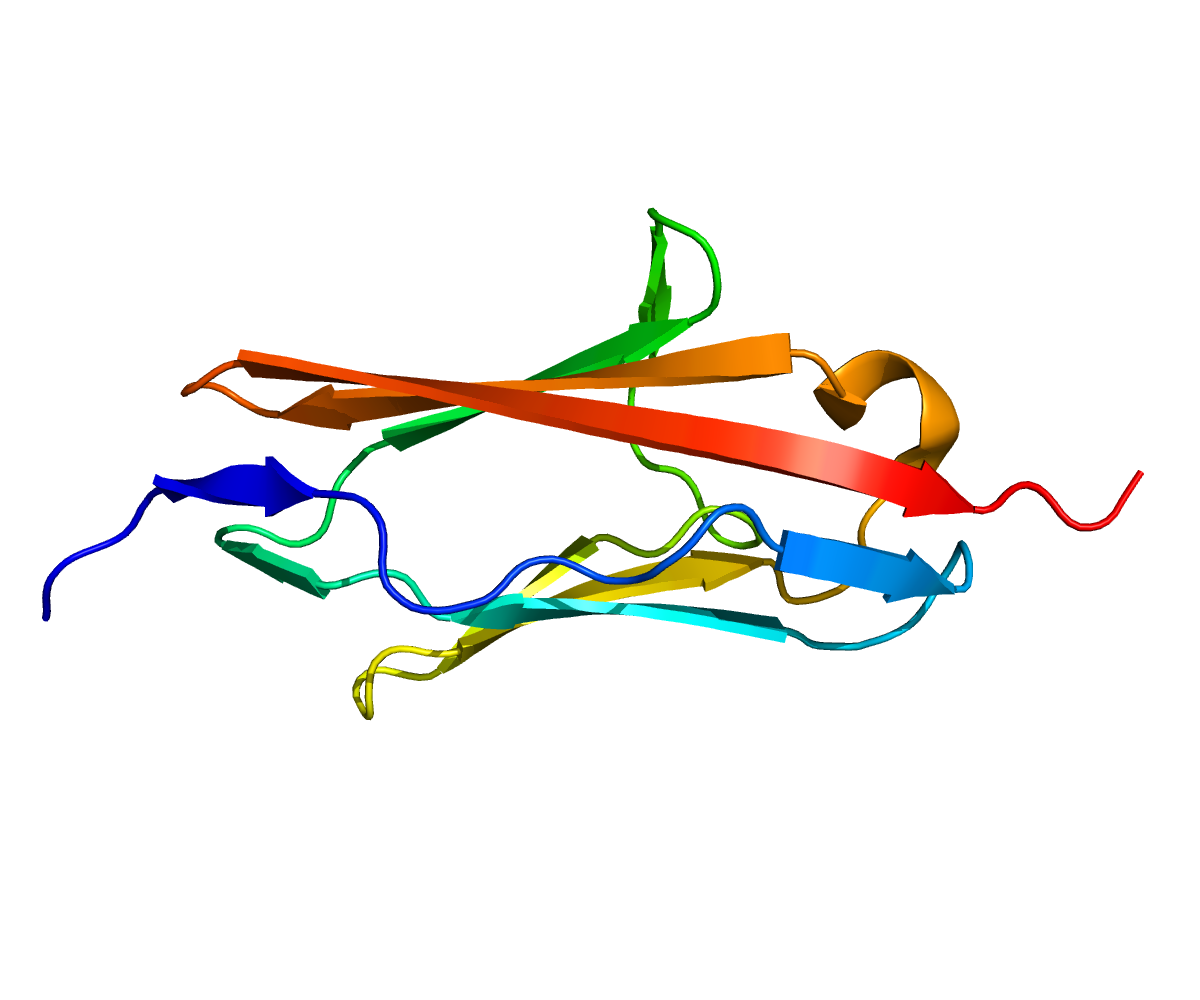
Distrofia muscular congênita Ullrich
📋 Origem dos dados
Esta página agrega dados de fontes públicas e oficiais. Dados sobre cobertura no SUS (PCDT, CEAF) são verificados ativamente por agente proativo (ver badge no infobox). Demais dados têm atribuição de fonte + data da última sincronização — clique para abrir o original.
- Doença rara (ontologia)
- fonte: Orphanet
- Identificador unificado
- fonte: MONDO
- Codificação WHO/SUS
- fonte: WHO ICD-10 / DATASUS
- CID-11 (futuro)
- fonte: WHO ICD-11
- NIH/GARD
- fonte: GARD (NIH)
- Indexação biomédica
- fonte: MeSH (NLM)
- Dado público estruturado
- fonte: Wikidata
- Ensaios clínicos
- fonte: ClinicalTrials.gov