
Malformação do trato urogenital é um grupo de condições raras que afetam o desenvolvimento do sistema urinário e reprodutor. Pode manifestar-se com sintomas como dor abdominal, hematúria, retenção urinária e pielonefrite, além de alterações detectadas em exames fetais.
Introdução
O que você precisa saber de cara
Visão geral
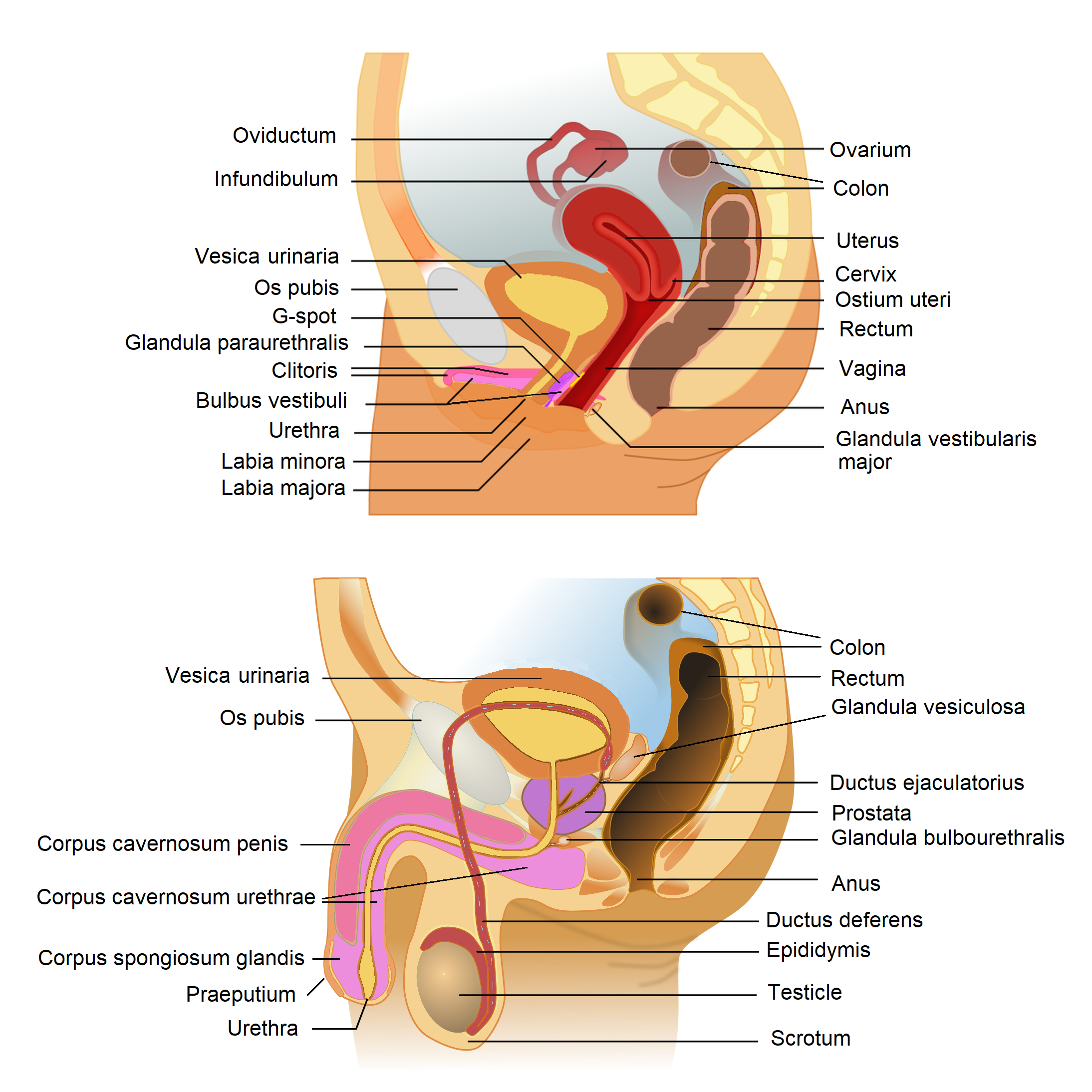
A malformação do trato urogenital é uma condição rara que afeta o desenvolvimento dos órgãos do sistema urinário e genital. Ela pode envolver alterações nos rins, ureteres, bexiga, uretra e órgãos genitais, variando amplamente em gravidade de pessoa para pessoa. O diagnóstico é feito com base em exames clínicos e de imagem, e o acompanhamento médico é essencial para monitorar possíveis complicações.[1][3]
Sinais e sintomas
Os sinais e sintomas da malformação do trato urogenital podem incluir: anormalidade da tuba uterina, dor lombar, pieléctase fetal (dilatação da pelve renal do feto), proteinúria (proteína na urina), retenção urinária, pielonefrite (infecção renal), megacisto fetal (bexiga aumentada no feto), hipertensão, hematúria (sangue na urina), dor abdominal, fácies de Potter (aparência facial característica associada à ausência de líquido amniótico), divertículo de bexiga, obstrução da saída da bexiga, doença renal crônica, disúria (dor ao urinar), estenose uretral, letargia, doença renal crônica estágio 5, distensão abdominal, morfologia anormal da fíbula, ureterocele (dilatação do ureter na bexiga), anormalidade do ânus, anormalidade do clitóris, insuficiência pulmonar e ascite (acúmulo de líquido no abdômen).[1][3]
Causas genéticas
Alterações em genes específicos podem estar associadas a esta condição. Os genes identificados incluem: CHRM3 (receptor muscarínico de acetilcolina M3), TP63 (proteína tumoral 63), ISL1 (proteína intensificadora do gene da insulina ISL-1) e BNC2 (proteína zinc finger basonuclina-2). Cada um desses genes desempenha papéis importantes no desenvolvimento embrionário do trato urogenital.[1][4]
Diagnóstico
O diagnóstico da malformação do trato urogenital é baseado em exames clínicos, de imagem (como ultrassom, ressonância magnética) e, quando indicado, testes genéticos. Atualmente, existem 336 testes genéticos disponíveis e 293 variantes registradas no ClinVar que podem auxiliar na confirmação diagnóstica. A classificação CID-10 para esta condição é Q60-Q64.[1][4]
Tratamento e manejo
O tratamento e manejo da malformação do trato urogenital dependem dos sintomas e da gravidade de cada caso. Podem incluir acompanhamento com nefrologista, urologista e outros especialistas, além de intervenções cirúrgicas para correção de obstruções ou outras anormalidades anatômicas. O controle da pressão arterial, infecções urinárias e função renal é fundamental. No Brasil, a condição possui cobertura mínima pelo SUS, o que significa que os procedimentos essenciais são garantidos, mas podem haver variações regionais na disponibilidade de tratamentos especializados.[1]
Prognóstico e qualidade de vida
O prognóstico varia conforme a gravidade das malformações e a presença de complicações como doença renal crônica ou insuficiência pulmonar. O acompanhamento médico regular e o tratamento precoce de complicações podem melhorar a qualidade de vida. Em casos mais graves, pode haver necessidade de diálise ou transplante renal.[1][3]
Conteúdo informativo gerado e mantido automaticamente a partir de fontes oficiais (Orphanet, HPO, OMIM, SUS). Não substitui avaliação médica.
Malformação do trato urogenital é um grupo de condições raras que afetam o desenvolvimento do sistema urinário e reprodutor. Pode manifestar-se com sintomas como dor abdominal, hematúria, retenção urinária e pielonefrite, além de alterações detectadas em exames fetais.
Encontrou um erro ou informação desatualizada? Sugira uma correção →
Entender a doença
Do básico ao detalhe, leia no seu ritmo
Preparando trilha educativa...
Sinais e sintomas
O que aparece no corpo e com que frequência cada sintoma acontece
Visão geral
A malformação do trato urogenital é uma condição rara que afeta o desenvolvimento dos órgãos do sistema urinário e genital. Ela pode envolver alterações nos rins, ureteres, bexiga, uretra e órgãos genitais, variando amplamente em gravidade de pessoa para pessoa. O diagnóstico é feito com base em exames clínicos e de imagem, e o acompanhamento médico é essencial para monitorar possíveis complicações.[1][3]
Sinais e sintomas
Os sinais e sintomas da malformação do trato urogenital podem incluir: anormalidade da tuba uterina, dor lombar, pieléctase fetal (dilatação da pelve renal do feto), proteinúria (proteína na urina), retenção urinária, pielonefrite (infecção renal), megacisto fetal (bexiga aumentada no feto), hipertensão, hematúria (sangue na urina), dor abdominal, fácies de Potter (aparência facial característica associada à ausência de líquido amniótico), divertículo de bexiga, obstrução da saída da bexiga, doença renal crônica, disúria (dor ao urinar), estenose uretral, letargia, doença renal crônica estágio 5, distensão abdominal, morfologia anormal da fíbula, ureterocele (dilatação do ureter na bexiga), anormalidade do ânus, anormalidade do clitóris, insuficiência pulmonar e ascite (acúmulo de líquido no abdômen).[1][3]
Causas genéticas
Alterações em genes específicos podem estar associadas a esta condição. Os genes identificados incluem: CHRM3 (receptor muscarínico de acetilcolina M3), TP63 (proteína tumoral 63), ISL1 (proteína intensificadora do gene da insulina ISL-1) e BNC2 (proteína zinc finger basonuclina-2). Cada um desses genes desempenha papéis importantes no desenvolvimento embrionário do trato urogenital.[1][4]
Diagnóstico
O diagnóstico da malformação do trato urogenital é baseado em exames clínicos, de imagem (como ultrassom, ressonância magnética) e, quando indicado, testes genéticos. Atualmente, existem 336 testes genéticos disponíveis e 293 variantes registradas no ClinVar que podem auxiliar na confirmação diagnóstica. A classificação CID-10 para esta condição é Q60-Q64.[1][4]
Tratamento e manejo
O tratamento e manejo da malformação do trato urogenital dependem dos sintomas e da gravidade de cada caso. Podem incluir acompanhamento com nefrologista, urologista e outros especialistas, além de intervenções cirúrgicas para correção de obstruções ou outras anormalidades anatômicas. O controle da pressão arterial, infecções urinárias e função renal é fundamental. No Brasil, a condição possui cobertura mínima pelo SUS, o que significa que os procedimentos essenciais são garantidos, mas podem haver variações regionais na disponibilidade de tratamentos especializados.[1]
Prognóstico e qualidade de vida
O prognóstico varia conforme a gravidade das malformações e a presença de complicações como doença renal crônica ou insuficiência pulmonar. O acompanhamento médico regular e o tratamento precoce de complicações podem melhorar a qualidade de vida. Em casos mais graves, pode haver necessidade de diálise ou transplante renal.[1][3]
Conteúdo informativo gerado e mantido automaticamente a partir de fontes oficiais (Orphanet, HPO, OMIM, SUS). Não substitui avaliação médica.
Partes do corpo afetadas
+ 61 sintomas em outras categorias
Características mais comuns
Os sintomas variam de pessoa para pessoa. Abaixo estão as 135 características clínicas mais associadas, ordenadas por frequência.
Linha do tempo da pesquisa
Encontrou um erro ou informação desatualizada? Sugira uma correção →
Genética e causas
O que está alterado no DNA e como passa nas famílias
Genes associados
4 genes identificados com associação a esta condição.
The muscarinic acetylcholine receptor mediates various cellular responses, including inhibition of adenylate cyclase, breakdown of phosphoinositides and modulation of potassium channels through the action of G proteins. Primary transducing effect is Pi turnover
Cell membranePostsynaptic cell membraneBasolateral cell membraneEndoplasmic reticulum membrane
Prune belly syndrome
A syndrome characterized by thin abdominal musculature with overlying lax skin, cryptorchism, megacystis with disorganized detrusor muscle, and urinary tract abnormalities.
Acts as a sequence specific DNA binding transcriptional activator or repressor. The isoforms contain a varying set of transactivation and auto-regulating transactivation inhibiting domains thus showing an isoform specific activity. Isoform 2 activates RIPK4 transcription. May be required in conjunction with TP73/p73 for initiation of p53/TP53 dependent apoptosis in response to genotoxic insults and the presence of activated oncogenes. Involved in Notch signaling by probably inducing JAG1 and JAG
Nucleus
Acro-dermato-ungual-lacrimal-tooth syndrome
A form of ectodermal dysplasia. Ectodermal dysplasia defines a heterogeneous group of disorders due to abnormal development of two or more ectodermal structures. ADULT syndrome involves ectrodactyly, syndactyly, finger- and toenail dysplasia, hypoplastic breasts and nipples, intensive freckling, lacrimal duct atresia, frontal alopecia, primary hypodontia and loss of permanent teeth. ADULT syndrome differs significantly from EEC3 syndrome by the absence of facial clefting. Inheritance is autosomal dominant.
DNA-binding transcriptional activator. Recognizes and binds to the consensus octamer binding site 5'-ATAATTAA-3' in promoter of target genes. Plays a fundamental role in the gene regulatory network essential for retinal ganglion cell (RGC) differentiation. Cooperates with the transcription factor POU4F2 to achieve maximal levels of expression of RGC target genes and RGC fate specification in the developing retina. Involved in the specification of motor neurons in cooperation with LHX3 and LDB1 (
Nucleus
Probable transcription factor specific for skin keratinocytes. May play a role in the differentiation of spermatozoa and oocytes (PubMed:14988505). May also play an important role in early urinary-tract development (PubMed:31051115)
Nucleus
Lower urinary tract obstruction, congenital
A disorder characterized by urinary bladder outflow obstruction, which can represent an anatomical blockage or a functional obstruction. The most common anatomical causes are posterior urethral valves at the level of the prostatic urethra, a lesion unique to males. Less common are anterior urethral valves, also called urethral atresia, that can occur in either sex. LUTO is an autosomal dominant disease with variable expression.
Variantes genéticas (ClinVar)
293 variantes patogênicas registradas no ClinVar.
Classificação de variantes (ClinVar)
Distribuição de 16 variantes classificadas pelo ClinVar.
Vias biológicas (Reactome)
18 vias biológicas associadas aos genes desta condição.
Diagnóstico
Os sinais que médicos procuram e os exames que confirmam
Tratamento e manejo
Remédios, cuidados de apoio e o que precisa acompanhar
Onde tratar no SUS
Hospitais de referência no Brasil e o protocolo oficial do SUS (PCDT)
🇧🇷 Atendimento SUS — Malformação do trato urogenital
Centros de Referência SUS
24 centros habilitados pelo SUS para Malformação do trato urogenital
Centros para Malformação do trato urogenital
Detalhes dos centros
Hospital Universitário Prof. Edgard Santos (HUPES)
R. Dr. Augusto Viana, s/n - Canela, Salvador - BA, 40110-060 · CNES 0003808
Serviço de Referência
Hospital Infantil Albert Sabin
R. Tertuliano Sales, 544 - Vila União, Fortaleza - CE, 60410-794 · CNES 2407876
Serviço de Referência
Hospital de Apoio de Brasília (HAB)
AENW 3 Lote A Setor Noroeste - Plano Piloto, Brasília - DF, 70684-831 · CNES 0010456
Serviço de Referência
Hospital Estadual Infantil e Maternidade Alzir Bernardino Alves (HIABA)
Av. Min. Salgado Filho, 918 - Soteco, Vila Velha - ES, 29106-010 · CNES 6631207
Serviço de Referência
Hospital das Clínicas da UFG
Rua 235 QD. 68 Lote Área, Nº 285, s/nº - Setor Leste Universitário, Goiânia - GO, 74605-050 · CNES 2338424
Serviço de Referência
Hospital Universitário da UFJF
R. Catulo Breviglieri, Bairro - s/n - Santa Catarina, Juiz de Fora - MG, 36036-110 · CNES 2297442
Atenção Especializada
Hospital das Clínicas da UFMG
Av. Prof. Alfredo Balena, 110 - Santa Efigênia, Belo Horizonte - MG, 30130-100 · CNES 2280167
Serviço de Referência
Hospital Universitário Julio Müller (HUJM)
R. Luis Philippe Pereira Leite, s/n - Alvorada, Cuiabá - MT, 78048-902 · CNES 2726092
Atenção Especializada
Hospital Universitário João de Barros Barreto
R. dos Mundurucus, 4487 - Guamá, Belém - PA, 66073-000 · CNES 2337878
Serviço de Referência
Hospital Universitário Lauro Wanderley (HULW)
R. Tabeliao Estanislau Eloy, 585 - Castelo Branco, João Pessoa - PB, 58050-585 · CNES 0002470
Atenção Especializada
Instituto de Medicina Integral Prof. Fernando Figueira (IMIP)
R. dos Coelhos, 300 - Boa Vista, Recife - PE, 50070-902 · CNES 0000647
Serviço de Referência
Hospital Pequeno Príncipe
R. Des. Motta, 1070 - Água Verde, Curitiba - PR, 80250-060 · CNES 3143805
Serviço de Referência
Hospital Universitário Regional de Maringá (HUM)
Av. Mandacaru, 1590 - Parque das Laranjeiras, Maringá - PR, 87083-240 · CNES 2216108
Atenção Especializada
Hospital de Clínicas da UFPR
R. Gen. Carneiro, 181 - Alto da Glória, Curitiba - PR, 80060-900 · CNES 2364980
Serviço de Referência
Hospital Universitário Pedro Ernesto (HUPE-UERJ)
Blvd. 28 de Setembro, 77 - Vila Isabel, Rio de Janeiro - RJ, 20551-030 · CNES 2280221
Serviço de Referência
Instituto Nacional de Saúde da Mulher, da Criança e do Adolescente Fernandes Figueira (IFF/Fiocruz)
Av. Rui Barbosa, 716 - Flamengo, Rio de Janeiro - RJ, 22250-020 · CNES 2269988
Serviço de Referência
Hospital São Lucas da PUCRS
Av. Ipiranga, 6690 - Jardim Botânico, Porto Alegre - RS, 90610-000 · CNES 2232928
Serviço de Referência
Hospital de Clínicas de Porto Alegre (HCPA)
Rua Ramiro Barcelos, 2350 Bloco A - Av. Protásio Alves, 211 - Bloco B e C - Santa Cecília, Porto Alegre - RS, 90035-903 · CNES 2237601
Serviço de Referência
Hospital Universitário da UFSC (HU-UFSC)
R. Profa. Maria Flora Pausewang - Trindade, Florianópolis - SC, 88036-800 · CNES 2560356
Serviço de Referência
Hospital das Clínicas da FMUSP
R. Dr. Ovídio Pires de Campos, 225 - Cerqueira César, São Paulo - SP, 05403-010 · CNES 2077485
Serviço de Referência
Hospital de Base de São José do Rio Preto
Av. Brg. Faria Lima, 5544 - Vila Sao Jose, São José do Rio Preto - SP, 15090-000 · CNES 2079798
Atenção Especializada
Hospital de Clínicas da UNICAMP
R. Vital Brasil, 251 - Cidade Universitária, Campinas - SP, 13083-888 · CNES 2748223
Serviço de Referência
Hospital de Clínicas de Ribeirão Preto (HCRP-USP)
R. Ten. Catão Roxo, 3900 - Vila Monte Alegre, Ribeirão Preto - SP, 14015-010 · CNES 2082187
Serviço de Referência
UNIFESP / Hospital São Paulo
R. Napoleão de Barros, 715 - Vila Clementino, São Paulo - SP, 04024-002 · CNES 2688689
Serviço de Referência
Dados de DATASUS/CNES, SBGM, ABNeuro e Ministério da Saúde. Sempre confirme a disponibilidade diretamente com o estabelecimento.
Pesquisa ativa
Ensaios clínicos abertos e novidades científicas recentes
Ensaios em destaque
Pesquisa e ensaios clínicos
0 ensaios clínicos encontrados.
Publicações mais relevantes
Zinner syndrome, a rare congenital urogenital tract malformation: the first reported case in Indonesia.
Zinner syndrome (ZS) is a rare urogenital anomaly characterized by cystic seminal vesicles, obstructed ejaculatory duct, and ipsilateral renal agenesis, complicating diagnosis and management due to its rarity and nonspecific symptoms. ZS incidence is 0.0021%, with symptoms typically appearing in the 2nd and 3rd decades of life, including dysuria, urinary frequency, perianal pain, and infertility. MRI is the gold standard for diagnosis, while surgery is reserved for symptomatic patients. Mildly symptomatic patients receive conservative management, including antibiotics and regular monitoring. We report the first case of ZS in Indonesia, involving a 36-year-old male presenting with perineal pain similar to an episode a decade earlier. MRI revealed right kidney agenesis, ejaculatory duct obstruction, a 4.95 cm cyst on the right seminal vesicle, and a right ectopic ureter. Semen analysis was unremarkable. Diagnosis of ZS was confirmed, and the patient opted for conservative management.This case highlights the importance of diagnosing ZS in underrepresented regions, where limited awareness and access to advanced tools delay identification. The conservative approach reflected the patient's preference to avoid surgical risks while achieving effective symptom relief through tailored, patient-centered care. Clinicians should consider ZS in cases of unilateral renal agenesis with cystic pelvic masses.
Single ectopic ureter opening into a vaginal cyst associated with multiple urogenital tract malformation: A rare case report.
Multiple variants of obstructed hemivagina and ipsilateral renal anomaly (OHVIRA) syndrome - one clinical center case series and the systematic review of 734 cases.
Obstructed hemivagina and ipsilateral renal anomaly (OHVIRA) syndrome is a rare female urogenital tract malformation. To present 10 patients with OHVIRA treated at the clinical center. To perform a systematic review of OHVIRA case series related to the prevalence of anatomical variants, surgical interventions and endometriosis, and to compare them with our case series. Medical records from 10 OHVIRA patients treated between 2016 and 2020 were retrospectively reviewed. For the systematic review, PubMed and Web of Science were used to search for relevant studies. The Preferred Reporting Items for Systematic Reviews and Meta-Analyses (PRISMA) guidelines were strictly followed. The most common anatomical variant includes left obstructed hemivagina (50.7%) with isolated hematocolpos or hydrocolpos (55.9%), uterus didelphys (82.9%), and ipsilateral renal agenesis (92.2%). Vaginal septectomy was the most common surgical approach (86.5%). Hemivaginectomy (2.2%), hemihysterectomy (4.2%), or total hysterectomy (0.7%) were also performed in several patients. Some subjects required salpingectomy (3.3%) or oophorectomy (1.8%). 7.5% of patients, mainly infants, did not require surgery due to the spontaneous resolution of hydrocolpos. Endometriosis was fortuitously found in 13.6% of the selected cases who underwent laparoscopy or laparotomy. The most common variant of OHVIRA includes isolated hematocolpos and a thick vaginal septum between adjacent hemivaginas. Endometriosis was present in approximately 14% of OHVIRA patients, but this number is probably underestimated. Routine laparoscopy is not required. However, all patients need further monitoring due to a higher risk of endometriosis. Based on the analyzed studies and our case series, vaginal septectomy is a sufficient surgical technique to relieve symptoms and prevent possible complications in most OHVIRA patients.
Assisted reproductive technologies and the risk of congenital urogenital tract malformations: A systematic review and meta-analysis.
A systematic review was conducted to evaluate the relationship between ART and the risk of urogenital tract malformations, especially hypospadias and cryptorchidism. Thirty-three papers were selected. Meta-analysis showed that ART was correlated with an increased risk of urogenital tract malformation in offspring (odds ratio (OR) = 1.61, 95% confidence interval (CI): 1.41-1.85), hypospadias (OR = 1.87, 95% CI: 1.47-2.40) and cryptorchidism (OR = 1.83, 95% CI: 1.54-2.18). Among offspring conceived by ART, multiple pregnancies appeared to result in a higher risk of urogenital tract malformation than singleton pregnancies (OR = 1.42, 95% CI: 0.99-2.04; P = 0.058). No significant difference in the risk of urogenital tract malformation was found between in vitro fertilization and intracytoplasmic sperm injection technologies. A sensitivity analysis showed that the above conclusions were relatively consistent. Conclusion: ART is correlated with an increased risk of urogenital tract malformations in offspring, especially hypospadias and cryptorchidism. Among ART offspring, multiple pregnancies may lead to a higher risk of urogenital tract malformations than singleton pregnancies, but more studies are needed for confirmation.
Cloacal malformation: A rare case report and review of prenatal imagings.
Cloacal malformation (CM) is a serious type of anorectal and urogenital tract malformation. However, prenatal ultrasound (US) detection of CM is challenging. In this paper, we reported a rare case of CM prenatally diagnosed by US and magnetic resonance imaging (MRI), as well as reviewed the prenatal US and MRI characteristics of CM in the literature. A 30-year-old pregnant woman complained of cystic mass in the fetal abdomen detected by prenatal US. Fetus CM. The fetus was diagnosed as fetal CM by US and MRI, then the pregnant woman received a drug-induced labor treatment. After the neonate was delivered, the measurement was performed on the weight, length, head circumference, abdomen circumference, and bilateral thigh circumference. A female dead neonate was delivered from the vagina of the gravida, showing congenital anus absence. Prenatal ultrasound demonstrated right kidney duplication, hydronephrosis, and right ureteral dilatation. Meanwhile, prenatal MRI showed a cystic cavity, double collecting systems of right kidney, right ureteral dilatation, and right rectum dilatation. In addition, general parameters are as follows: weight: 2280 g; length: 39 cm; head circumference: 26.3 cm; abdomen circumference: 31 cm; right thigh circumference: 17 cm, and left thigh circumference: 18 cm. US combined with MRI can not only provide reliable evidence for fetal CM in the third trimester but also offer crucial information to the pregnant women to establish clinic treatment programs as early as possible.
Publicações recentes
Zinner syndrome, a rare congenital urogenital tract malformation: the first reported case in Indonesia.
Single ectopic ureter opening into a vaginal cyst associated with multiple urogenital tract malformation: A rare case report.
Multiple variants of obstructed hemivagina and ipsilateral renal anomaly (OHVIRA) syndrome - one clinical center case series and the systematic review of 734 cases.
Assisted reproductive technologies and the risk of congenital urogenital tract malformations: A systematic review and meta-analysis.
Cloacal malformation: A rare case report and review of prenatal imagings.
📚 EuropePMC2 artigos no totalmostrando 6
Zinner syndrome, a rare congenital urogenital tract malformation: the first reported case in Indonesia.
Fukushima journal of medical scienceSingle ectopic ureter opening into a vaginal cyst associated with multiple urogenital tract malformation: A rare case report.
International journal of gynaecology and obstetrics: the official organ of the International Federation of Gynaecology and ObstetricsMultiple variants of obstructed hemivagina and ipsilateral renal anomaly (OHVIRA) syndrome - one clinical center case series and the systematic review of 734 cases.
Journal of pediatric urologyAssisted reproductive technologies and the risk of congenital urogenital tract malformations: A systematic review and meta-analysis.
Journal of pediatric urologyCloacal malformation: A rare case report and review of prenatal imagings.
MedicineVaginal stones caused by urethrovaginal fistula: A case report.
MedicineAssociações
Organizações que acompanham esta doença — pra ter apoio e orientação
Ainda não temos associações cadastradas para Malformação do trato urogenital.
É de uma associação que acompanha esta doença? Fale com a gente →
Comunidades
Grupos ativos de quem convive com esta doença aqui no Raras
Ainda não existe comunidade no Raras para Malformação do trato urogenital
Pacientes, familiares e cuidadores se organizam em comunidades pra compartilhar experiências, fazer perguntas e se apoiar. Você pode ser o primeiro.
Tire suas dúvidas
Perguntas, dicas e experiências compartilhadas aqui na página
Participe da discussão
Faça login para postar dúvidas, compartilhar experiências e interagir com especialistas.
Fazer loginDoenças relacionadas
Doenças com sintomas parecidos — ajudam quem ainda está buscando diagnóstico
Referências e fontes
Bases de dados externas citadas neste artigo
Publicações científicas
Artigos indexados no PubMed ligados a esta doença no grafo RarasNet — título, periódico e PMID direto da fonte, sem intermediação de IA.
- Zinner syndrome, a rare congenital urogenital tract malformation: the first reported case in Indonesia.
- Single ectopic ureter opening into a vaginal cyst associated with multiple urogenital tract malformation: A rare case report.International journal of gynaecology and obstetrics: the official organ of the International Federation of Gynaecology and Obstetrics· 2023· PMID 36399396mais citado
- Multiple variants of obstructed hemivagina and ipsilateral renal anomaly (OHVIRA) syndrome - one clinical center case series and the systematic review of 734 cases.
- Assisted reproductive technologies and the risk of congenital urogenital tract malformations: A systematic review and meta-analysis.
- Cloacal malformation: A rare case report and review of prenatal imagings.
Bases de dados e fontes oficiais
Identificadores e referências canônicas usadas para montar este verbete.
- ORPHA:83001(Orphanet)
- MONDO:0019356(MONDO)
- GARD:19029(GARD (NIH))
- Variantes catalogadas(ClinVar)
- Busca completa no PubMed(PubMed)
- Q55788621(Wikidata)
Dados compilados pelo RarasNet a partir de fontes abertas (Orphanet, OMIM, MONDO, PubMed/EuropePMC, ClinicalTrials.gov, DATASUS, PCDT/MS). Este conteúdo é informativo e não substitui avaliação médica.
Conteúdo mantido por Agente Raras · Médicos e pesquisadores podem colaborar
Malformação do trato urogenital
📋 Origem dos dados
Esta página agrega dados de fontes públicas e oficiais. Dados sobre cobertura no SUS (PCDT, CEAF) são verificados ativamente por agente proativo (ver badge no infobox). Demais dados têm atribuição de fonte + data da última sincronização — clique para abrir o original.
- Doença rara (ontologia)
- fonte: Orphanet
- Identificador unificado
- fonte: MONDO
- Codificação WHO/SUS
- fonte: WHO ICD-10 / DATASUS
- NIH/GARD
- fonte: GARD (NIH)
- Dado público estruturado
- fonte: Wikidata