
Doença rara caracterizada por ataxia cerebelar pura lentamente progressiva associada à disartria. Foi descrita em 53 indivíduos de 26 famílias de origem canadense. O modo de transmissão é autossômico recessivo. A clonagem posicional levou à identificação de várias mutações genéticas.
Introdução
O que você precisa saber de cara
Doença rara caracterizada por ataxia cerebelar pura lentamente progressiva associada à disartria. Foi descrita em 53 indivíduos de 26 famílias de origem canadense. O modo de transmissão é autossômico recessivo. A clonagem posicional levou à identificação de várias mutações genéticas.
Escala de raridade
<1/50kMuito rara
1/20kRara
1/10kPouco freq.
1/5kIncomum
1/2k
Encontrou um erro ou informação desatualizada? Sugira uma correção →
Entender a doença
Do básico ao detalhe, leia no seu ritmo
Preparando trilha educativa...
Sinais e sintomas
O que aparece no corpo e com que frequência cada sintoma acontece
Partes do corpo afetadas
+ 22 sintomas em outras categorias
Características mais comuns
Os sintomas variam de pessoa para pessoa. Abaixo estão as 54 características clínicas mais associadas, ordenadas por frequência.
Linha do tempo da pesquisa
Encontrou um erro ou informação desatualizada? Sugira uma correção →
Genética e causas
O que está alterado no DNA e como passa nas famílias
Genes associados
1 gene identificado com associação a esta condição. Padrão de herança: Autosomal recessive.
Curadoria gene-doença
fontes oficiaisMulti-isomeric modular protein which forms a linking network between organelles and the actin cytoskeleton to maintain the subcellular spatial organization. As a component of the LINC (LInker of Nucleoskeleton and Cytoskeleton) complex involved in the connection between the nuclear lamina and the cytoskeleton. The nucleocytoplasmic interactions established by the LINC complex play an important role in the transmission of mechanical forces across the nuclear envelope and in nuclear movement and p
Nucleus outer membraneNucleusNucleus envelopeCytoplasm, cytoskeletonCytoplasm, myofibril, sarcomereGolgi apparatus
Spinocerebellar ataxia, autosomal recessive, 8
A form of spinocerebellar ataxia, a clinically and genetically heterogeneous group of cerebellar disorders. Patients show progressive incoordination of gait and often poor coordination of hands, speech and eye movements, due to degeneration of the cerebellum with variable involvement of the brainstem and spinal cord. SCAR8 is an autosomal recessive form.
Medicamentos aprovados (FDA)
1 medicamento encontrado nos registros da FDA americana.
Variantes genéticas (ClinVar)
979 variantes patogênicas registradas no ClinVar.
Classificação de variantes (ClinVar)
Distribuição de 4.840 variantes classificadas pelo ClinVar.
Diagnóstico
Os sinais que médicos procuram e os exames que confirmam
Tratamento e manejo
Remédios, cuidados de apoio e o que precisa acompanhar
Onde tratar no SUS
Hospitais de referência no Brasil e o protocolo oficial do SUS (PCDT)
🇧🇷 Atendimento SUS — Ataxia autossômica recessiva, tipo Beauce
Selecione um estado ou use sua localização para ver resultados.
Dados de DATASUS/CNES, SBGM, ABNeuro e Ministério da Saúde. Sempre confirme a disponibilidade diretamente com o estabelecimento.
Pesquisa ativa
Ensaios clínicos abertos e novidades científicas recentes
Ensaios em destaque
🟢 Recrutando agora
1 pesquisa recrutando participantes. Converse com seu médico sobre a possibilidade de participar.
Outros ensaios clínicos
Publicações mais relevantes
Autosomal Recessive Cerebellar Ataxia 1: First Case Report Depicting a Variant in SYNE1 Gene in a Chilean Patient.
Autosomal recessive cerebellar ataxia type 1 (ARCA-1) or spinocerebellar ataxia autosomal recessive type 8 (SCAR8) is a slowly progressive neurodegenerative disorder that occurs due to mutations in the spectrin repeat containing nuclear envelope protein 1 (SYNE1) gene. Previously considered a rare cause of ARCA, related to French-Canadian patients from Beauce, Quebec, Canada, SYNE1 ataxia is now known to be of worldwide distribution. We present the case report of a 54-year-old male patient with the genetic diagnosis of SYNE1 ataxia, presenting with a SYNE1 gene mutation never described in Chilean population before.
Autosomal Recessive Cerebellar Ataxia type 1 mimicking multiple sclerosis: A report of two siblings with a novel mutation in SYNE1 gene in a Saudi family.
Autosomal Recessive Cerebellar Ataxia type 1 (ARCA1), also known as recessive ataxia of Beauce, is an adult onset pure cerebellar ataxia that typically presents with cerebellar ataxia and/or dysarthria. A mutation in the synaptic nuclear envelope protein 1 (SYNE1) gene that is located on chromosome 6p25 results in premature termination of the protein. It was first reported in 2007 as the first identified gene responsible for a recessively inherited pure cerebellar ataxia. In this article, we are presenting two brothers with ARCA1 who were misdiagnosed and treated as multiple sclerosis for more than a decade. We are not only presenting a rare mutation in a Saudi family, but we are also expanding on the heterogeneity of the clinical presentation of this disorder and elaborating on the pathophysiology of neurological involvement. These cases illustrate that white matter abnormalities on MRI may occur in ARCA1. The clinical and radiological spectrum of ARCA1 indicate that this disease is more than a pure cerebellar degeneration. ARCA1 should be considered in the differential diagnosis of patients diagnosed with MS especially in the presence of strong family history. The disease is gradually progressive, and clinical features are atypical for MS. Applying diagnostic criteria for MS is extremely important for confirming or excluding the diagnosis. Detailed history and physical examination are of paramount importance to score the final diagnosis. Another less likely possibility is a chance association, which may question the biological relevance of our data. To confirm or exclude this possibility, further studies reporting different cohorts need to be conducted.
Publicações recentes
Molecular characterization of recessively inherited ataxic and neuropathic disorders in consanguineous Pakistani families.
Patient-reported, psychosocial and health economic outcomes in mild to moderate Friedreich's ataxia: baseline results of the PROFA study.
Late-Onset, Slowly Progressive Pure Cerebellar Ataxia Associated with a Homozygous Missense Variant in PNPLA6.
VPS13D-Related Disorders: Description of New Variant and Phenotypic Spectrum Based on Age of Onset.
Alpha-lipoic acid supplementation improves pathological alterations in cellular models of Friedreich ataxia.
📚 EuropePMCmostrando 2
Autosomal Recessive Cerebellar Ataxia 1: First Case Report Depicting a Variant in SYNE1 Gene in a Chilean Patient.
Cerebellum (London, England)Autosomal Recessive Cerebellar Ataxia type 1 mimicking multiple sclerosis: A report of two siblings with a novel mutation in SYNE1 gene in a Saudi family.
Journal of the neurological sciencesAssociações
Organizações que acompanham esta doença — pra ter apoio e orientação
Associação brasileira dedicada a Doença de Machado-Joseph.
Comunidades
Grupos ativos de quem convive com esta doença aqui no Raras
Ainda não existe comunidade no Raras para Ataxia autossômica recessiva, tipo Beauce
Pacientes, familiares e cuidadores se organizam em comunidades pra compartilhar experiências, fazer perguntas e se apoiar. Você pode ser o primeiro.
Tire suas dúvidas
Perguntas, dicas e experiências compartilhadas aqui na página
Participe da discussão
Faça login para postar dúvidas, compartilhar experiências e interagir com especialistas.
Fazer loginDoenças relacionadas
Doenças com sintomas parecidos — ajudam quem ainda está buscando diagnóstico
Referências e fontes
Bases de dados externas citadas neste artigo
Publicações científicas
Artigos indexados no PubMed ligados a esta doença no grafo RarasNet — título, periódico e PMID direto da fonte, sem intermediação de IA.
- Autosomal Recessive Cerebellar Ataxia 1: First Case Report Depicting a Variant in SYNE1 Gene in a Chilean Patient.
- Autosomal Recessive Cerebellar Ataxia type 1 mimicking multiple sclerosis: A report of two siblings with a novel mutation in SYNE1 gene in a Saudi family.
- Molecular characterization of recessively inherited ataxic and neuropathic disorders in consanguineous Pakistani families.
- Patient-reported, psychosocial and health economic outcomes in mild to moderate Friedreich's ataxia: baseline results of the PROFA study.
- Late-Onset, Slowly Progressive Pure Cerebellar Ataxia Associated with a Homozygous Missense Variant in PNPLA6.
- VPS13D-Related Disorders: Description of New Variant and Phenotypic Spectrum Based on Age of Onset.
- Alpha-lipoic acid supplementation improves pathological alterations in cellular models of Friedreich ataxia.
Bases de dados e fontes oficiais
Identificadores e referências canônicas usadas para montar este verbete.
- ORPHA:88644(Orphanet)
- OMIM OMIM:610743(OMIM)
- MONDO:0012549(MONDO)
- GARD:12234(GARD (NIH))
- Variantes catalogadas(ClinVar)
- Busca completa no PubMed(PubMed)
- Q55345810(Wikidata)
Dados compilados pelo RarasNet a partir de fontes abertas (Orphanet, OMIM, MONDO, PubMed/EuropePMC, ClinicalTrials.gov, DATASUS, PCDT/MS). Este conteúdo é informativo e não substitui avaliação médica.
Conteúdo mantido por Agente Raras · Médicos e pesquisadores podem colaborar
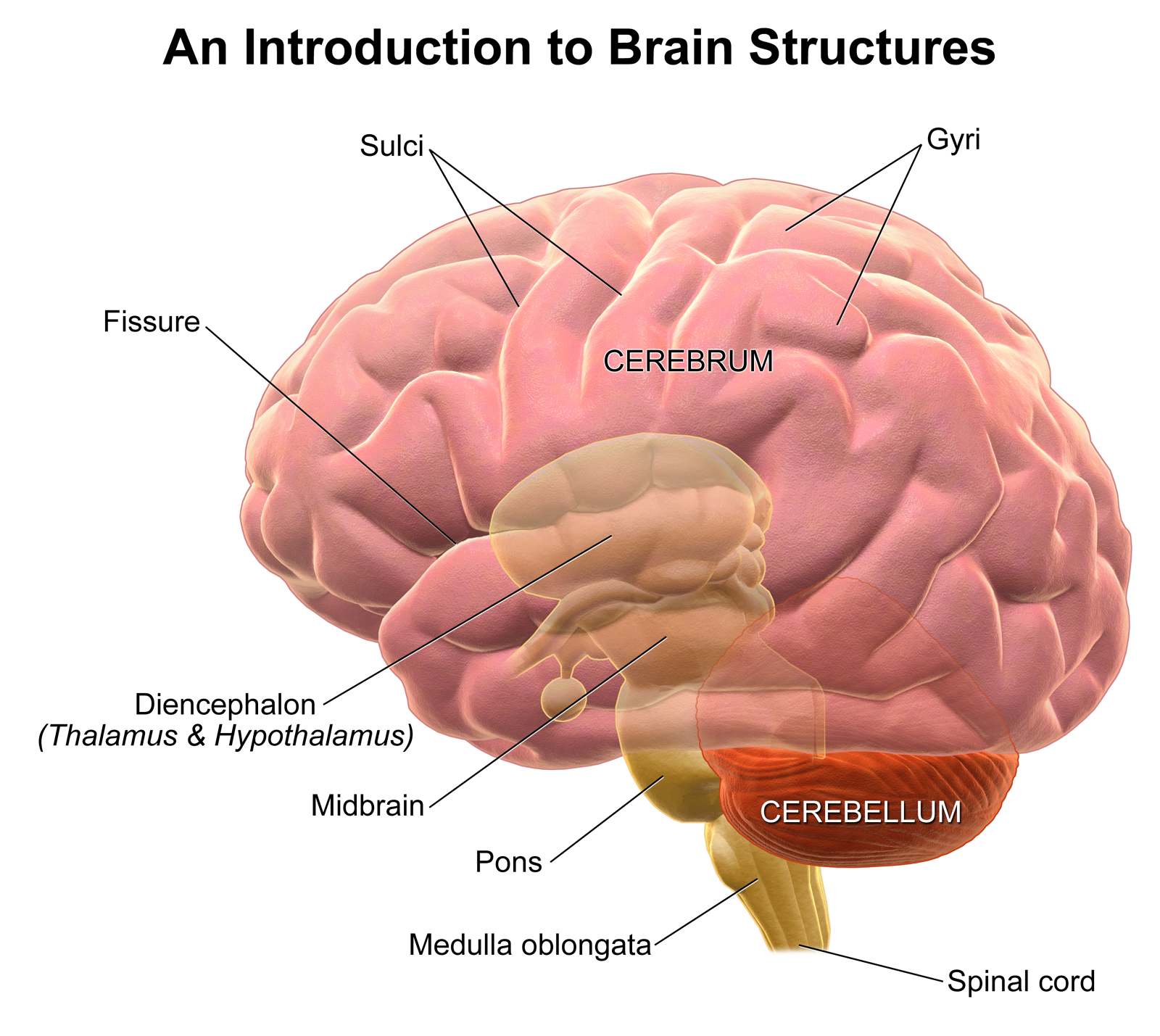
Ataxia autossômica recessiva, tipo Beauce
📋 Origem dos dados
Esta página agrega dados de fontes públicas e oficiais. Dados sobre cobertura no SUS (PCDT, CEAF) são verificados ativamente por agente proativo (ver badge no infobox). Demais dados têm atribuição de fonte + data da última sincronização — clique para abrir o original.
- Doença rara (ontologia)
- fonte: Orphanet
- Identificador unificado
- fonte: MONDO
- Genética mendeliana
- fonte: OMIM
- Codificação WHO/SUS
- fonte: WHO ICD-10 / DATASUS
- NIH/GARD
- fonte: GARD (NIH)
- Indexação biomédica
- fonte: MeSH (NLM)
- Dado público estruturado
- fonte: Wikidata
- Medicamentos aprovados FDA
- fonte: FDA OpenFDA
- Ensaios clínicos
- fonte: ClinicalTrials.gov