
A síndrome de Blau (SB) é uma doença inflamatória rara que afeta o corpo todo. Ela se manifesta cedo na vida, com inflamação nas juntas (artrite) que forma pequenos caroços (granulomas), inflamação dentro do olho (uveíte) e manchas na pele. Atualmente, o termo SB inclui tanto a forma familiar (transmitida de pais para filhos) quanto a esporádica (que surge sem histórico familiar), que antes era chamada de "sarcoidose de início precoce". Ambas são manifestações da mesma doença. O termo proposto "artrite granulomatosa pediátrica" (que se refere à inflamação das juntas com granulomas em crianças) tem sido questionado por não representar o caráter sistêmico da doença, ou seja, o fato de ela afetar o corpo todo.
Introdução
O que você precisa saber de cara
A síndrome de Blau (SB) é uma doença inflamatória rara que afeta o corpo todo. Ela se manifesta cedo na vida, com inflamação nas juntas (artrite) que forma pequenos caroços (granulomas), inflamação dentro do olho (uveíte) e manchas na pele. Atualmente, o termo SB inclui tanto a forma familiar (transmitida de pais para filhos) quanto a esporádica (que surge sem histórico familiar), que antes era chamada de "sarcoidose de início precoce". Ambas são manifestações da mesma doença. O termo proposto "artrite granulomatosa pediátrica" (que se refere à inflamação das juntas com granulomas em crianças) tem sido questionado por não representar o caráter sistêmico da doença, ou seja, o fato de ela afetar o corpo todo.
Encontrou um erro ou informação desatualizada? Sugira uma correção →
Entender a doença
Do básico ao detalhe, leia no seu ritmo
Preparando trilha educativa...
Sinais e sintomas
O que aparece no corpo e com que frequência cada sintoma acontece
Partes do corpo afetadas
+ 23 sintomas em outras categorias
Características mais comuns
Os sintomas variam de pessoa para pessoa. Abaixo estão as 57 características clínicas mais associadas, ordenadas por frequência.
Linha do tempo da pesquisa
Encontrou um erro ou informação desatualizada? Sugira uma correção →
Genética e causas
O que está alterado no DNA e como passa nas famílias
Genes associados
1 gene identificado com associação a esta condição.
Curadoria gene-doença
fontes oficiaisPattern recognition receptor (PRR) that detects bacterial peptidoglycan fragments and other danger signals and plays an important role in gastrointestinal immunity (PubMed:12514169, PubMed:12527755, PubMed:12626759, PubMed:15044951, PubMed:15998797, PubMed:27283905, PubMed:27748583, PubMed:31649195). Specifically activated by muramyl dipeptide (MDP), a fragment of bacterial peptidoglycan found in every bacterial peptidoglycan type (PubMed:12514169, PubMed:12527755, PubMed:12626759, PubMed:128719
Cell membraneBasolateral cell membraneCytoplasmMitochondrion
Blau syndrome
An autosomal dominant inflammatory disorder characterized by the formation of immune granulomas invading the skin, joints and eye. Other organs may be involved. Clinical manifestations are variable and include early-onset granulomatous arthritis, uveitis and skin rash. Blindness, joint destruction and visceral involvement have been reported in severe cases.
Variantes genéticas (ClinVar)
105 variantes patogênicas registradas no ClinVar.
Vias biológicas (Reactome)
7 vias biológicas associadas aos genes desta condição.
Diagnóstico
Os sinais que médicos procuram e os exames que confirmam
Tratamento e manejo
Remédios, cuidados de apoio e o que precisa acompanhar
Onde tratar no SUS
Hospitais de referência no Brasil e o protocolo oficial do SUS (PCDT)
🇧🇷 Atendimento SUS — Sarcoidose de início precoce
Selecione um estado ou use sua localização para ver resultados.
Dados de DATASUS/CNES, SBGM, ABNeuro e Ministério da Saúde. Sempre confirme a disponibilidade diretamente com o estabelecimento.
Pesquisa ativa
Ensaios clínicos abertos e novidades científicas recentes
Ensaios em destaque
🟢 Recrutando agora
1 pesquisa recrutando participantes. Converse com seu médico sobre a possibilidade de participar.
Outros ensaios clínicos
Publicações mais relevantes
[A rare clinical presentation of a patient with Blau syndrome confirmed by genetic analysis].
Blau syndrome is a rare autoimmune disease with autosomal dominant inheritance, typically involving the skin, joints and eyes. It is considered to be the early-onset form of sarcoidosis. Our patient is currently a 23-year-old young man who first developed skin symptoms in infancy, followed by inflammation of the small and large joints at the age of one and a half years. He also developed uveitis, iridocyclitis and glaucoma in early childhood. Despite intensive anti-inflammatory and various biological therapies, the arthritis progressed, and over time, severe contractures developed, confining him to wheelchair. Over time, the complexity and progression of his ophthalmological problems led to almost complete loss of vision, and required several surgical interventions. Unusually for Blau syndrome, our patient developed extensive central nervous system involvement one and a half years ago, which regressed on corticosteroids. The proband’s two-year-old sister also showed early symptoms of Blau syndrome in addition to Down syndrome. Next-generation sequencing using an immune gene panel identified the heterozygous pathogenic variant of the NOD2 gene c.1000C>T, p.(Arg334Trp) in the little sister, which has been previously reported in association with Blau syndrome. The presence of this variant was also detected in our proband by Sanger sequencing, but the carrier status was excluded in both asymptomatic parents and the asymptomatic middle child. In addition to presenting the clinical and genetic features of this rare disease, this paper highlights two unusual phenomena of Blau syndrome in our patient: involvement of the central nervous system, and suspected germline mosaicism in one of the parents. Orv Hetil. 2025; 166(16): 623–630. A Blau-szindróma ritka, autoszomális domináns öröklődésű autoimmun betegség, tipikusan a bőr, az ízületek és a szem érintettségével, melyet a sarcoidosis gyermekkori megjelenésű formájának tartanak. Betegünk egy jelenleg 23 éves fiatalember, akinél csecsemőkorban észleltek először bőrtüneteket, majd másfél évesen a kis- és nagyízületek gyulladása jelentkezett. Kisgyermekkorban uveitis, iridocyclitis és glaucoma is kialakult. Az intenzív gyulladásgátló és különböző biológiai terápiák ellenére az ízületi gyulladás progrediált, és idővel súlyos contracturák alakultak ki, melyek miatt az önálló járás már nem lehetséges. A szemészeti problémák komplexitása és progressziója a beteg látásának csaknem teljes elvesztéséhez vezetett, és számos sebészeti beavatkozás vált szükségessé. A Blau-szindrómában szokatlan módon, betegünknél másfél évvel ezelőtt a központi idegrendszer kiterjedt érintettségét észleltük, mely kortikoszteroidra azonban regrediált. A proband kétéves kistestvérénél szintén észlelték a Blau-szindróma korai tüneteit Down-kór mellett. A génpanelvizsgálat újgenerációs szekvenálással a kistestvérnél azonosította heterozigóta formában a NOD2 gén c.1000C>T, p.(Arg334Trp) patogén variánsát, melyet korábban már leírtak Blau-szindrómával összefüggésben. E variáns jelenlétét a probandban is kimutattuk Sanger-szekvenálással, a hordozóságot azonban kizártuk mindkét tünetmentes szülő és a középső testvér esetében. E ritka betegség tipikus klinikai és genetikai jellegzetességeinek ismertetése mellett, tanulmányunk két szokatlan jelenséget is feltár: a központi idegrendszer érintettségét és a feltételezhető mozaikosságot valamelyik szülő ivarsejtjeiben. Orv Hetil. 2025; 166(16): 623–630.
Straight A's: protein acylation in the S-activation and autophagic degradation of NOD-like receptors.
Over the past decade, S-acylation has emerged as a crucial regulator of several innate immune signaling pathways, with new insights continually being gained. S-acylation, a reversible post-translational modification, involves the attachment of fatty acyl chains to cysteine residues, influencing protein localization, function, and stability. In this mini-review, we examine the accumulating evidence of the role of S-acylation in regulating nucleotide oligomerization domain (NOD)-like receptors. NOD-like receptor subfamily P3 (NLRP3), a key player in inflammasome formation, undergoes S-acylation at specific cysteine residues, which are essential for its localization to the trans-Golgi network and other organelles. Various zinc finger Asp-His-His-Cys motif-containing (zDHHC) enzymes mediate this modification, with zDHHC5 being particularly important for activation and the ability of NLRP3 to interact with never in mitosis gene A (NIMA)-related protein kinase 7 (NEK7), promoting inflammasome assembly, caspase-1 activation, and pyroptosis. Alternatively, S-acylation by zDHHC12 targets NLRP3 for chaperone-mediated autophagy, preventing excessive inflammation. NOD2, another NLR, requires S-acylation for membrane localization and effective signaling via the NF-κB and mitogen-activated protein kinase pathways in response to peptidoglycan components. Dysregulation of S-acylation in NOD2 is associated with Crohn's Disease (hypo-acylated) and Blau syndrome/early-onset sarcoidosis (hyper-acylated). Soluble NOD2 lacking S-acylation is ubiquitinated and eliminated by the autophagic pathway. This review highlights the significance of understanding the S-acylation cycle and its regulatory mechanisms in developing potential therapeutic interventions for related inflammatory diseases. We also discuss unresolved questions regarding the S-acylation of NOD2 and NLRP3, as well as the regulation of S-acylation in general.
Treatment of uveitis in Blau syndrome: A systematic review and meta-analysis.
Blau syndrome (BS) is a rare autoinflammatory disease caused by gain of function variants in NOD2. Uveitis is one of the triad features with arthritis and dermatitis. Management of uveitis is challenging, and uncontrolled uveitis may lead to blindness. We aim to evaluate the evidence regarding effectiveness of systemic treatments, including conventional Disease Modifying anti-Rheumatic drugs(cDMARDs) and biologic DMARDs(bDMARDs), for the management of uveitis in BS. A systematic literature review and meta-analysis was performed according to PRISMA guidelines. Papers were selected if they reported patients with BS and uveitis who received systemic treatment. Papers were selected if reporting efficacy according to Standardization of Uveitis Nomenclature (SUN) criteria. We identified 1205 papers with 11 selected for systematic review and meta-analysis. Among the 11 selected papers, we identified 88 treatments. Among these, 53 were cDMARDs (36 methotrexate, 7 azathioprine, 5 mycophenolate, 3 thalidomide, 1 tacrolimus and 1 cyclosporine) and 35 bDMARDs (23 adalimumab, 6 infliximab, 4 etanercept, 1 golimumab and 1 canakinumab). The proportion of children showing improvement of uveitis was 20 % (95 % CI 2-46) and 22 % (95 % CI3-47) for cDMARDs and bDMARDs respectively (χ20.23, p = 0.631). No differences were observed among the administered drugs (χ27.21, p = 0.706). The data show that there is not enough evidence to establish a preferred treatment for managing uveitis in BS. Considering the rarity, the potential severity and refractoriness to current treatments of the disease, there is a critical need for better understanding of pathophysiology and expert driven treatment guidelines for of BS-uveitis.
Granulomatous Tubulointerstitial Nephritis in a Kidney Allograft: Treatment with Interleukin-6 Receptor Antagonist Stabilises Kidney Function.
Granulomatous tubulointerstitial nephritis (GTIN) attributed to early onset sarcoidosis is an ultrarare finding in an allograft kidney biopsy. We present the case of a young man with allograft dysfunction who had GTIN upon biopsy. We performed a thorough case review based on recovered records from early childhood and reassessed genetic testing results. We revised his underlying diagnosis from cryopyrin-associated periodic syndrome to early-onset sarcoidosis with wild-type NOD2 and established a rationale to use the interleukin-6 (IL-6) receptor blocker tocilizumab (TCZ). This suppressed his inflammatory disease and stabilised kidney function. We performed a literature review related to the emerging role of IL-6 pathway blockade in kidney transplantation. We identified 18 reports with 417 unique patients treated with TCZ for indications including HLA-desensitisation, transplant immunosuppression induction, treatment of chronic antibody-mediated rejection, and treatment of subclinical rejection. Both TCZ and the direct IL-6 inhibitor clazakizumab are being studied in ongoing randomised control trials.
Blau Syndrome: Challenging Molecular Genetic Diagnostics of Autoinflammatory Disease.
The aim of this study was to describe the clinical and molecular genetic findings in seven individuals from three unrelated families with Blau syndrome. A complex ophthalmic and general health examination including diagnostic imaging was performed. The NOD2 mutational hot spot located in exon 4 was Sanger sequenced in all three probands. Two individuals also underwent autoinflammatory disorder gene panel screening, and in one subject, exome sequencing was performed. Blau syndrome presenting as uveitis, skin rush or arthritis was diagnosed in four cases from three families. In two individuals from one family, only camptodactyly was noted, while another member had camptodactyly in combination with non-active uveitis and angioid streaks. One proband developed two attacks of meningoencephalitis attributed to presumed neurosarcoidosis, which is a rare finding in Blau syndrome. The probands from families 1 and 2 carried pathogenic variants in NOD2 (NM_022162.3): c.1001G>A p.(Arg334Gln) and c.1000C>T p.(Arg334Trp), respectively. In family 3, two variants of unknown significance in a heterozygous state were found: c.1412G>T p.(Arg471Leu) in NOD2 and c.928C>T p.(Arg310*) in NLRC4 (NM_001199139.1). In conclusion, Blau syndrome is a phenotypically highly variable, and there is a need to raise awareness about all clinical manifestations, including neurosarcoidosis. Variants of unknown significance pose a significant challenge regarding their contribution to etiopathogenesis of autoinflammatory diseases.
Publicações recentes
Ocular Sarcoidosis: Contemporary Insights and Future Directions.
Familial Granulomatous Uveitis with Arthritis Suggestive of Blau Syndrome: A Multigenerational Case Series from India.
[A rare clinical presentation of a patient with Blau syndrome confirmed by genetic analysis].
Straight A's: protein acylation in the S-activation and autophagic degradation of NOD-like receptors.
Treatment of uveitis in Blau syndrome: A systematic review and meta-analysis.
📚 EuropePMC43 artigos no totalmostrando 51
[A rare clinical presentation of a patient with Blau syndrome confirmed by genetic analysis].
Orvosi hetilapStraight A's: protein acylation in the S-activation and autophagic degradation of NOD-like receptors.
Biochemical Society transactionsTreatment of uveitis in Blau syndrome: A systematic review and meta-analysis.
Journal of autoimmunityGranulomatous Tubulointerstitial Nephritis in a Kidney Allograft: Treatment with Interleukin-6 Receptor Antagonist Stabilises Kidney Function.
Journal of clinical medicineBlau Syndrome: Challenging Molecular Genetic Diagnostics of Autoinflammatory Disease.
GenesImaging Features of Pediatric Sarcoidosis.
Radiographics : a review publication of the Radiological Society of North America, IncSarcoid Uveitis in Children.
Ocular immunology and inflammationCase Report: Methotrexate and hydroxychloroquine in combination for the treatment of NOD2-mutation-associated Blau syndrome.
Frontiers in immunologyOcular sarcoidosis in adults and children: update on clinical manifestation and diagnosis.
Journal of ophthalmic inflammation and infectionImaging inflammation in early-onset sarcoidosis: granulomatous anterior uveitis in a 7-year-old girl.
Lancet (London, England)Sarcoidosis, Mycobacterium paratuberculosis and Noncaseating Granulomas: Who Moved My Cheese.
MicroorganismsDiagnostic challenges in childhood sarcoidosis.
Clinical case reportsBilateral Optic Disc Swelling as a Plausible Common Ocular Sign of Autoinflammatory Diseases: Report of Three Patients with Blau Syndrome or Cryopyrin-Associated Periodic Syndrome.
Life (Basel, Switzerland)Unexpected condition in a rare disease: encephalopathy in early-onset sarcoidosis.
The Turkish journal of pediatricsBlau syndrome with pulmonary nodule in a child.
The Australasian journal of dermatologyA novel mutation in early-onset sarcoidosis/Blau syndrome: an association with Propionibacterium acnes.
Pediatric rheumatology online journalNOD2 Mutation-Associated Case with Blau Syndrome Triggered by BCG Vaccination.
Children (Basel, Switzerland)Distinguishing Blau Syndrome from Systemic Sarcoidosis.
Current allergy and asthma reportsBlau Syndrome and Early-Onset Sarcoidosis: A Six Case Series and Review of the Literature.
Archives of rheumatologyBlau Syndrome: NOD2-related systemic autoinflammatory granulomatosis.
Giornale italiano di dermatologia e venereologia : organo ufficiale, Societa italiana di dermatologia e sifilografiaWhole-exome sequencing in three children with sporadic Blau syndrome, one of them co-presenting with recurrent polyserositis.
AutoimmunityOphthalmological treatment of early-onset sarcoidosis/Blau syndrome in a Colombian child: A case report.
American journal of ophthalmology case reportsEarly onset sarcoidosis (Blau syndrome): erosive and often misdiagnosed.
Rheumatology (Oxford, England)Blau syndrome: a rare cause of exuberant granulomatous synovitis of the knee.
Skeletal radiologyGiant Cell Tumor of Tendon Sheath and Tendinopathy as Early Features of Early Onset Sarcoidosis.
Frontiers in pediatricsPattern and diagnostic evaluation of systemic autoinflammatory diseases other than familial Mediterranean fever among Arab children: a multicenter study from the Pediatric Rheumatology Arab Group (PRAG).
Rheumatology internationalPediatric Sarcoidosis: A Review with Emphasis on Early Onset and High-Risk Sarcoidosis and Diagnostic Challenges.
Diagnostics (Basel, Switzerland)Early-onset sarcoidosis presenting as a generalized papular eruption.
The Journal of dermatologyAn Original Description of Granulomatous Liver Cirrhosis in Blau Syndrome.
Digestive diseases and sciencesCharacterization of Blau syndrome panuveitis with wide-field fluorescein angiography.
American journal of ophthalmology case reportsUnique Variant of NOD2 Pediatric Granulomatous Arthritis With Severe 1,25-Dihydroxyvitamin D-Mediated Hypercalcemia and Generalized Osteosclerosis.
Journal of bone and mineral research : the official journal of the American Society for Bone and Mineral ResearchFamilial Blau syndrome without uveitis caused by a novel mutation in the nucleotide-binding oligomerization domain-containing protein 2 gene with good response to infliximab.
Pediatric dermatologyUsing genes to triangulate the pathophysiology of granulomatous autoinflammatory disease: NOD2, PLCG2 and LACC1.
International immunologyIdentification of a novel missense mutation in the NOD2 gene in a Chinese child with early-onset sarcoidosis.
Indian journal of dermatology, venereology and leprologyUnusual Clinical Presentations in Early-Onset Childhood Sarcoidosis: A Correlation or Coincidence?
Journal of clinical and diagnostic research : JCDRA novel nucleotide oligomerisation domain 2 mutation in a family with Blau syndrome: Phenotype and function.
Innate immunityPluripotent stem cell models of Blau syndrome reveal an IFN-γ-dependent inflammatory response in macrophages.
The Journal of allergy and clinical immunologyEarly diagnosis of early-onset sarcoidosis: a case report with functional analysis and review of the literature.
Clinical rheumatologyA familial case of Blau syndrome caused by a novel NOD2 genetic mutation.
Korean journal of pediatricsA Novel Mutation in Helical Domain 2 of NOD2 in Sporadic Blau Syndrome.
Ocular immunology and inflammationAdalimumab for the treatment of refractory noninfectious paediatric uveitis.
International ophthalmologyA Novel NOD2-associated Mutation and Variant Blau Syndrome: Phenotype and Molecular Analysis.
Ocular immunology and inflammationNod2-Nodosome in a Cell-Free System: Implications in Pathogenesis and Drug Discovery for Blau Syndrome and Early-Onset Sarcoidosis.
TheScientificWorldJournalDiagnosis and Treatment of Blau Syndrome/Early-onset Sarcoidosis, an Autoinflammatory Granulomatous Disease, in an Infant.
Acta dermato-venereologicaEarly-onset sarcoidosis and juvenile idiopathic arthritis:A diagnostic dilemma.
Indian journal of dermatology, venereology and leprologyCrystal structure of NOD2 and its implications in human disease.
Nature communicationsCoexistence of early onset sarcoidosis and partial interferon-γ receptor 1 deficiency.
The Turkish journal of pediatricsExacerbation of symptoms in Blau syndrome/early-onset sarcoidosis following delivery.
European journal of dermatology : EJDAutoinflammatory granulomatous diseases: from Blau syndrome and early-onset sarcoidosis to NOD2-mediated disease and Crohn's disease.
RMD openSuccessful treatment with adalimumab for severe multifocal choroiditis and panuveitis in presumed (early-onset) ocular sarcoidosis.
International ophthalmologyChildhood sarcoidosis: Louisiana experience.
Clinical rheumatologyAssociações
Organizações que acompanham esta doença — pra ter apoio e orientação
Ainda não temos associações cadastradas para Sarcoidose de início precoce.
É de uma associação que acompanha esta doença? Fale com a gente →
Comunidades
Grupos ativos de quem convive com esta doença aqui no Raras
Ainda não existe comunidade no Raras para Sarcoidose de início precoce
Pacientes, familiares e cuidadores se organizam em comunidades pra compartilhar experiências, fazer perguntas e se apoiar. Você pode ser o primeiro.
Tire suas dúvidas
Perguntas, dicas e experiências compartilhadas aqui na página
Participe da discussão
Faça login para postar dúvidas, compartilhar experiências e interagir com especialistas.
Fazer loginDoenças relacionadas
Doenças com sintomas parecidos — ajudam quem ainda está buscando diagnóstico
Referências e fontes
Bases de dados externas citadas neste artigo
Publicações científicas
Artigos indexados no PubMed ligados a esta doença no grafo RarasNet — título, periódico e PMID direto da fonte, sem intermediação de IA.
- [A rare clinical presentation of a patient with Blau syndrome confirmed by genetic analysis].
- Straight A's: protein acylation in the S-activation and autophagic degradation of NOD-like receptors.
- Treatment of uveitis in Blau syndrome: A systematic review and meta-analysis.
- Granulomatous Tubulointerstitial Nephritis in a Kidney Allograft: Treatment with Interleukin-6 Receptor Antagonist Stabilises Kidney Function.
- Blau Syndrome: Challenging Molecular Genetic Diagnostics of Autoinflammatory Disease.
- Ocular Sarcoidosis: Contemporary Insights and Future Directions.
- Familial Granulomatous Uveitis with Arthritis Suggestive of Blau Syndrome: A Multigenerational Case Series from India.
Bases de dados e fontes oficiais
Identificadores e referências canônicas usadas para montar este verbete.
- ORPHA:90341(Orphanet)
- OMIM OMIM:186580(OMIM)
- MONDO:0008523(MONDO)
- GARD:304(GARD (NIH))
- Variantes catalogadas(ClinVar)
- Busca completa no PubMed(PubMed)
- Q55783676(Wikidata)
Dados compilados pelo RarasNet a partir de fontes abertas (Orphanet, OMIM, MONDO, PubMed/EuropePMC, ClinicalTrials.gov, DATASUS, PCDT/MS). Este conteúdo é informativo e não substitui avaliação médica.
Conteúdo mantido por Agente Raras · Médicos e pesquisadores podem colaborar
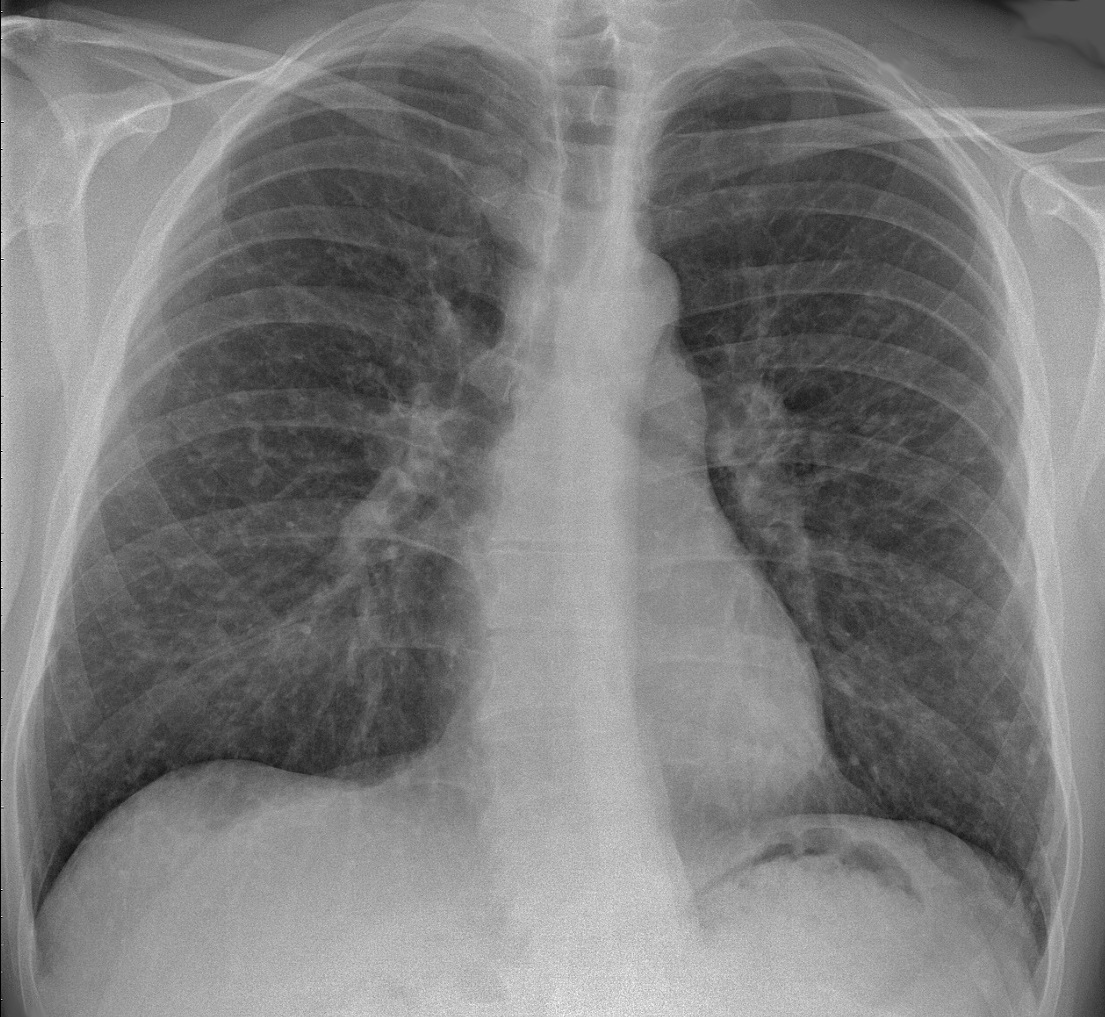
Sarcoidose de início precoce
📋 Origem dos dados
Esta página agrega dados de fontes públicas e oficiais. Dados sobre cobertura no SUS (PCDT, CEAF) são verificados ativamente por agente proativo (ver badge no infobox). Demais dados têm atribuição de fonte + data da última sincronização — clique para abrir o original.
- Doença rara (ontologia)
- fonte: Orphanet
- Identificador unificado
- fonte: MONDO
- Genética mendeliana
- fonte: OMIM
- NIH/GARD
- fonte: GARD (NIH)
- Indexação biomédica
- fonte: MeSH (NLM)
- Dado público estruturado
- fonte: Wikidata
- Ensaios clínicos
- fonte: ClinicalTrials.gov