
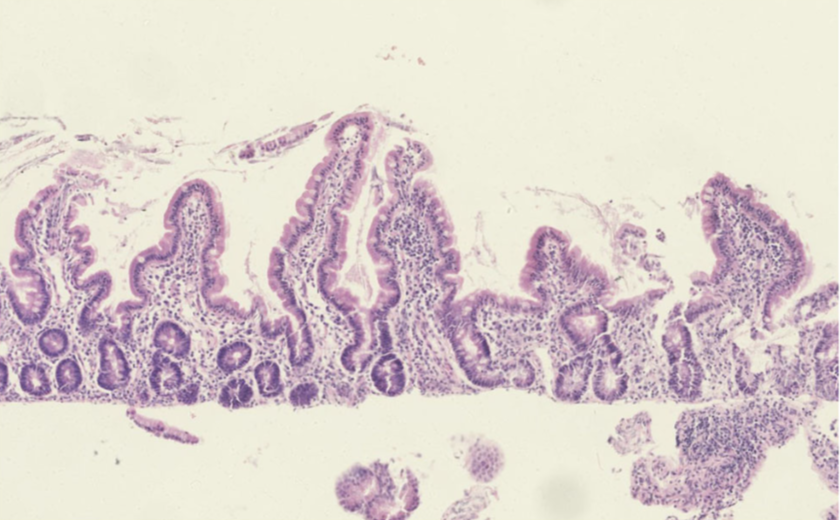
A enteropatia imunomediada grave descreve uma variedade de distúrbios intestinais que podem variar desde uma doença sistêmica grave de início precoce (IPEX) até uma doença gastrointestinal leve e isolada. Nas crianças manifesta-se com diarreia grave e desidratação na presença de anticorpos característicos (anti-enterócitos e anti-células caliciformes) e nos adultos com diarreia crónica, má absorção e perda de peso.
Introdução
O que você precisa saber de cara
A enteropatia imunomediada grave descreve uma variedade de distúrbios intestinais que podem variar desde uma doença sistêmica grave de início precoce (IPEX) até uma doença gastrointestinal leve e isolada. Nas crianças manifesta-se com diarreia grave e desidratação na presença de anticorpos característicos (anti-enterócitos e anti-células caliciformes) e nos adultos com diarreia crónica, má absorção e perda de peso.
Encontrou um erro ou informação desatualizada? Sugira uma correção →
Entender a doença
Do básico ao detalhe, leia no seu ritmo
Preparando trilha educativa...
Sinais e sintomas
O que aparece no corpo e com que frequência cada sintoma acontece
Partes do corpo afetadas
+ 40 sintomas em outras categorias
Características mais comuns
Os sintomas variam de pessoa para pessoa. Abaixo estão as 129 características clínicas mais associadas, ordenadas por frequência.
Linha do tempo da pesquisa
Encontrou um erro ou informação desatualizada? Sugira uma correção →
Genética e causas
O que está alterado no DNA e como passa nas famílias
Genes associados
2 genes identificados com associação a esta condição.
Signal transducer and transcription activator that mediates cellular responses to interferons (IFNs), cytokine KITLG/SCF and other cytokines and other growth factors (PubMed:12764129, PubMed:12855578, PubMed:15322115, PubMed:23940278, PubMed:34508746, PubMed:35568036, PubMed:9724754). Following type I IFN (IFN-alpha and IFN-beta) binding to cell surface receptors, signaling via protein kinases leads to activation of Jak kinases (TYK2 and JAK1) and to tyrosine phosphorylation of STAT1 and STAT2.
CytoplasmNucleus
Immunodeficiency 31B
A disorder characterized by susceptibility to severe mycobacterial and viral infections. Affected individuals can develop disseminated infections and die of viral illness.
Transcriptional regulator which is crucial for the development and inhibitory function of regulatory T-cells (Treg) (PubMed:17377532, PubMed:21458306, PubMed:23947341, PubMed:24354325, PubMed:24722479, PubMed:24835996, PubMed:30513302, PubMed:32644293). Plays an essential role in maintaining homeostasis of the immune system by allowing the acquisition of full suppressive function and stability of the Treg lineage, and by directly modulating the expansion and function of conventional T-cells (Pub
NucleusCytoplasm
Immunodeficiency polyendocrinopathy, enteropathy, X-linked syndrome
Characterized by neonatal onset insulin-dependent diabetes mellitus, infections, secretory diarrhea, thrombocytopenia, anemia and eczema. It is usually lethal in infancy.
Variantes genéticas (ClinVar)
391 variantes patogênicas registradas no ClinVar.
Vias biológicas (Reactome)
32 vias biológicas associadas aos genes desta condição.
Diagnóstico
Os sinais que médicos procuram e os exames que confirmam
Tratamento e manejo
Remédios, cuidados de apoio e o que precisa acompanhar
Onde tratar no SUS
Hospitais de referência no Brasil e o protocolo oficial do SUS (PCDT)
🇧🇷 Atendimento SUS — Enteropatia grave imunomediada
Selecione um estado ou use sua localização para ver resultados.
Dados de DATASUS/CNES, SBGM, ABNeuro e Ministério da Saúde. Sempre confirme a disponibilidade diretamente com o estabelecimento.
Pesquisa ativa
Ensaios clínicos abertos e novidades científicas recentes
Ensaios em destaque
🟢 Recrutando agora
1 pesquisa recrutando participantes. Converse com seu médico sobre a possibilidade de participar.
Outros ensaios clínicos
Publicações mais relevantes
Targeting MLCK1 uncouples immune checkpoint inhibitor-induced colitis from antitumour immunity.
Immune checkpoint inhibitors (ICIs) have revolutionised cancer treatment and patients' survival. However, ICIs also cause severe immune-related adverse events, notably colitis, resulting in ICIs therapy discontinuation and tumour immunotherapy failure. This study investigates long myosin light chain kinase 1 (MLCK1), a known regulator of tight junction and gut permeability, to elucidate the mechanisms underlying ICI-mediated colitis and identify approaches to reduce this toxicity. This study employed an integrated approach, using clinical samples, in vivo models and in vitro organoid systems. Biopsies from patients with ICIs colitis were profiled using single-cell RNA sequencing (scRNA-seq) and spatial transcriptomics. To recapitulate human ICIs colitis, we used a wild mouse microbiota (WildR) model, alongside various genetically modified and tumour-bearing models (including melanoma and MC38). Furthermore, mechanisms were investigated through organoid-immune cell co-cultures. Finally, surface plasmon resonance, microscale thermophoresis, full-spectrum flow cytometry, bulk RNA sequencing, immunostaining, ELISA and gut permeability assays were performed to comprehensively delineate the underlying molecular mechanism. Tight junction integrity was compromised in both human ICIs colitis and our WildR mouse model. We determined that this barrier dysfunction is driven by activation of the MLCK1-mediated leak pathway following ICI treatment. Using murine models, we identified tumour necrosis factor secreted by CD8+ and CD4+ T cells as an upstream regulator that induces colitis through this MLCK-dependent mechanism, as genetic deletion of MLCK preserved the tight junction structure and ameliorated the inflammation and ICIs colitis. Furthermore, a pharmacological screen identified the small molecule Epicatechin, which blocks MLCK1-FKBP8 interaction and inhibits the recruitment of MLCK1 to the perijunctional actomyosin ring and prevents the intestinal barrier loss. Finally, treatment with Epicatechin mitigated ICI-induced colitis without compromising the antitumour efficacy of the immunotherapy. These findings suggest that MLCK1-dependent tight junction regulation is essential for ICIs colitis, positioning barrier restoration as a potential therapeutic strategy.
Colon chaos: when drugs turn against your gut.
Immune-mediated diarrhea and colitis (IMDC) is a very common and severe toxicity to immune checkpoint inhibition that has generated a lot of scientific interest. The current guidelines do not capture the most recent literature on this disease entity, and few reviews if any have been published that describe the advances made in our understanding of IMDC. As more and more patients are being treated with immune checkpoint inhibitors (ICIs), it becomes essential to optimize treatment algorithms for ICI-related toxicities, especially IMDC. In our review, we discuss the findings of recent studies on IMDC epidemiology including incidence and risk factors, evaluation and treatment modalities, and surveillance and long-term outcomes. We note that while much has been learned regarding disease epidemiology and the utility of stool biomarkers over clinical symptoms, there remains a paucity of data where IMDC treatment options and long-term IMDC outcomes and surveillance is concerned. Our results highlight the most recent advances in our knowledge of IMDC and allow us to propose a management algorithm that improves on prior guidelines for IMDC by incorporating new study findings.
Janus Kinase Inhibitor-Induced Acne in Inflammatory Bowel Disease: An International, Multicenter, Retrospective Cohort Study.
JAK inhibitor-associated acne is a common but poorly understood adverse event. This study aimed to investigate the epidemiology, clinical characteristics, and treatment outcomes of this condition in patients with inflammatory bowel disease (IBD). This international, multicenter, retrospective cohort study consecutively enrolled JAK-inhibitor-treated patients with IBD who subsequently developed acne. The primary objective was to evaluate the clinical characteristics of acne. Secondary objectives included determining acne prevalence, impact on quality of life, and antiacne treatment effectiveness. Among 2183 JAK inhibitor-treated patients with IBD, 272 developed acne. The crude prevalence rates of acne were 15.9% for upadacitinib, 4.3% for tofacitinib, and 1.9% for filgotinib, with dose-dependent relationships observed for upadacitinib and tofacitinib. Acne predominantly affected patients aged 30-50 years; most cases were mild-moderate in severity. A prior history of acne vulgaris was associated with significantly increased odds of developing severe JAK inhibitor-associated acne (odds ratio, 4.88; 95% confidence interval, 2.88-31.7; P = .0003) and acne-related skin complications (odds ratio, 3.92; 95% confidence interval, 1.56-10.11; P = .004). One-third of patients reported a negative psychosocial impact, and 40% received pharmacologic intervention. Eighteen percent of patients who developed acne required JAK inhibitor dose reduction or discontinuation, although most did not have severe disease. This is the first study characterizing this adverse event in JAK inhibitor-treated patients with IBD and presents the largest cohort of JAK inhibitor-induced acne cases across all immune-mediated diseases. Acne is a common adverse effect resulting in significant psychological burden. Early identification, proactive counseling, and timely interventions, such as dose reduction or referral to dermatology, are crucial in managing this side effect.
Omental band induced bowel ischemia following combination immunotherapy in a patient with renal cell cancer.
A 62-year-old female, diagnosed with intermediate IMDC risk metastatic clear cell renal cell cancer, with multifocal metastases to left pleural membrane and primary renal mass in-situ, received combination of 1st line Nivolumab/Ipilimumab therapy. She was admitted to hospital within 2 weeks of administration of 1st cycle of immunotherapy with severe abdominal pain, vomiting, and nausea. On examination, she was noted to have severe abdominal tenderness with positive guarding. Her blood levels showed increased white cell count, C-reactive protein, and high lactate levels. A CT Abdomen and Pelvis and CT Mesenteric Angiogram was performed which showed evidence of mechanical small bowel obstruction. Secondary mesenteric oedema was also noted, and early ischemic changes of bowel were evident. Emergency laparotomy was performed. Omental banding of the small bowel loop was noted. This omental banding had resulted in bowel obstruction and ischemia. She underwent surgical resection of 15cm of gangrenous small bowel with an ileostomy formation. Histological examination revealed inflammatory cells and exudate present in small bowel biopsy sample. Small bowel obstruction because of an omental band is an extremely rare occurrence. It is thus postulated that the patients omental band developed as a consequence of immune mediated enteritis secondary to immunotherapy. Although small bowel obstruction secondary to immunotherapy is rare, with under five cases in the literature, it is a potentially life-threatening complication that treating physicians need to be aware of.
The Role of APOL1 in Necrotizing Enterocolitis and Its Promise as a Diagnostic Biomarker.
Necrotizing enterocolitis (NEC) is a severe inflammatory disease of the intestine. Although previous studies have demonstrated that APOL1 plays an important role in regulating macrophage polarization and immune-mediated inflammatory diseases, its specific function in NEC remains unclear. We aim to further explore the role of APOL1 in NEC and its efficacy as a diagnostic biomarker. We performed tissue transcriptomic and plasma proteomic analyses based on clinical samples from preterm infants with NEC patients and conducted multilevel experimental validations. An in vitro macrophage polarization model was established to further investigate the regulatory role of APOL1 in macrophage differentiation. The diagnostic potential of APOL1 for NEC was evaluated using receiver operating characteristic (ROC) curve analysis. Multiomics analyses revealed a significant upregulation of APOL1 expression in NEC, which was further confirmed by qPCR, immunofluorescence, and ELISA. Pathway enrichment and immune infiltration analyses indicated that APOL1 is positively associated with M1 macrophage infiltration and the expression of multiple proinflammatory cytokines. Immunofluorescence staining further demonstrated that APOL1 is highly expressed in M1 macrophage-enriched regions. In vitro experiments showed elevated APOL1 expression in M1 macrophages, while its inhibition significantly reduced intracellular reactive oxygen species (ROS) accumulation and NF-κB p65 activation, thereby suppressing M1 polarization. Moreover, the combination of plasma APOL1 and lymphocyte count (LYM) demonstrated high diagnostic efficacy for NEC, with an AUC value of 0.96 (sensitivity 93.3% and specificity 93.3%). Our findings reveal a marked upregulation of APOL1 in preterm infants with NEC. Mechanistically, we propose that the APOL1-ROS-NF-κB axis constitutes a novel and promising therapeutic target for NEC intervention. Furthermore, the combined detection of plasma APOL1 and LYM demonstrates high efficacy.
Publicações recentes
Vaccine-Induced Immune Thrombotic Thrombocytopenia (VITT): An Immunopathogenic Model of Dysregulated Vaccine-Triggered Immunity.
Contribution of molecular profiling in primary cervical intramedullary melanoma: case report and literature review.
Optimal Corticosteroid Therapy Based on Liver Biopsy for Severe Immune-Mediated Hepatitis During Pembrolizumab Treatment: A Case Report.
Immune-mediated side effects of cancer immunotherapies.
Subacute liver failure caused by immunotherapy in a patient with gastric cancer was improved after multimodal treatment with artificial liver combined with liver-protective drugs: a case report.
📚 EuropePMCmostrando 200
Omental band induced bowel ischemia following combination immunotherapy in a patient with renal cell cancer.
Irish medical journalThe Role of APOL1 in Necrotizing Enterocolitis and Its Promise as a Diagnostic Biomarker.
Mediators of inflammationGuselkumab: Pediatric First Approval.
Paediatric drugsEtrasimod: A Next-Generation S1P Receptor Modulator for Ulcerative Colitis - Mechanistic Insights and Clinical Progress.
Zhongguo ying yong sheng li xue za zhi = Zhongguo yingyong shenglixue zazhi = Chinese journal of applied physiologyOvarian T-cell lymphoma in a dog with chronic protein-losing enteropathy.
Acta veterinaria ScandinavicaGut Microbiota as Neuroimmune Modulators in Myasthenia Gravis: Mechanistic Insights from the Gut-Brain Axis to Therapeutic Innovations.
The American journal of Chinese medicineInhibiting METTL3 in macrophages alleviates colitis by enhancing M2 polarization via upregulating IRAKM.
Inflammation research : official journal of the European Histamine Research Society ... [et al.]Multi-omics analyses reveal the pathogenic role of terminal ileum-derived IgA+β7+ cells in IgA nephropathy.
Kidney internationalImpact of a GABA-Producing Lactococcus lactis on Microbiota and Mycobiota During CNS Inflammatory Demyelination.
FASEB bioAdvancesTargeting MLCK1 uncouples immune checkpoint inhibitor-induced colitis from antitumour immunity.
GutTherapeutic Modulation of IL-6/STAT-3 and Nitric Oxide by Fenofibrate in Patients With Ulcerative Colitis: A Randomized Controlled Pilot Study.
Pharmacotherapy[Upper-gastrointestinal tract toxicities associated with Immune Checkpoint Inhibitors (ICI)].
Bulletin du cancerLarge-scale multi-trait genome-wide analysis for inflammatory bowel disease reveals new insights into its molecular mechanisms and emphasizes the roles of systemic immune regulation.
Briefings in bioinformaticsHepatic Steatosis and Diet in Adult Celiac Disease: A Cross-Sectional Study.
NutrientsSystemic Consequences of Inflammatory Bowel Disease Beyond Immune-Mediated Manifestations.
Journal of clinical medicineAssociation of IL12RB2, RORC, and class II HLA polymorphisms with severe erythema multiforme of regorafenib in Japanese patients with colorectal cancer.
Cancer chemotherapy and pharmacologyColon chaos: when drugs turn against your gut.
Current opinion in gastroenterologyA myeloid Tet2-IL-1β axis modulates intestinal inflammation by restricting catecholaminergic stimulation of enterochromaffin cell differentiation.
ImmunityApremilast as a novel therapeutic option for psoriasis coexisting primary sclerosing cholangitis and ulcerative colitis: A case report.
MedicineRisk of Colitis in Patients With Inflammatory Bowel Disease or Microscopic Colitis Exposed to Checkpoint Inhibitors: A National Danish Cohort Study.
JCO oncology practiceImpact of GLP-1 analogues on immune-mediated inflammatory diseases: A systematic review.
Autoimmunity reviewsAsthma remission in the context of other immune-mediated diseases.
The Journal of allergy and clinical immunologyAutoimmune enteropathy in an infant, a rare entity possibly triggered in utero.
Oxford medical case reportsDefining Fecal Calprotectin Cutoffs That Predict Endoscopic and Histologic Remission in Patients With Ulcerative Colitis.
Inflammatory bowel diseasesAppendiceal B lymphocytes contribute to the pathogenesis of experimental colitis through fueling colonic CD4+ T polarization.
Translational research : the journal of laboratory and clinical medicineFatigue in patients with inflammatory bowel disease: A descriptive cross-sectional study.
Gastroenterologia y hepatologiaCombination therapy with biologics and/or small molecules in inflammatory bowel disease: a comprehensive review.
Journal of Crohn's & colitisPalmitic Acid Esterification Boosts Epigallocatechin Gallate's Immunomodulatory Effects in Intestinal Inflammation.
BiomoleculesExtra-intestinal manifestations in inflammatory bowel disease: a comparative review of pediatric and adult-onset disease.
Expert review of gastroenterology & hepatologyProtective and therapeutic potentials of Trichinella spiralis larval antigen in murine induced colitis.
Scientific reportsGastrointestinal Infection Before Immune Checkpoint Inhibition Hinders Treatment Efficacy and Increases the Risk of Colitis.
Cancer medicineBank1 deficiency reshapes the gut microbiota of lupus mice towards an anti-inflammatory composition.
Frontiers in immunologyPractical considerations for the use of IL-23p19 inhibitors in inflammatory bowel disease: how to choose between them and why it matters?
Journal of Crohn's & colitisEvaluation of the systemic immune-inflammation index in relation to histological stages of celiac disease.
European journal of medical researchIMMUNE DYSREGULATION AND EPITHELIAL STRESS IN CELIAC DISEASE PROGRESSION: A FOCUS ON REFRACTORY CELIAC DISEASE SUBTYPES.
Georgian medical newsComparison of the FDA and EMA guidance on drug development in ulcerative colitis: an expert panel review.
Journal of Crohn's & colitisArtificial intelligence in inflammatory bowel disease endoscopy - a review of current evidence and a critical perspective on future challenges.
Therapeutic advances in gastroenterologyThe Impact of Fecal Diversion on Immune Checkpoint Inhibitor Adverse Gastrointestinal Toxicities.
Journal of clinical medicineRelieving the discrimination dilemma of adult autoimmune enteropathy and common variable immunodeficiency disease: two rare causes of chronic diarrhea and small intestinal villous atrophy.
Clinical rheumatologyDiagnostic Challenges in Enteropathies: A Histopathological Review.
Diagnostics (Basel, Switzerland)Janus Kinase Inhibitor-Induced Acne in Inflammatory Bowel Disease: An International, Multicenter, Retrospective Cohort Study.
Clinical gastroenterology and hepatology : the official clinical practice journal of the American Gastroenterological AssociationSphingosine-1-Phosphate Receptor Modulators for the Treatment of Ulcerative Colitis: A Narrative Review Focusing on Safety.
United European gastroenterology journalMicrobiome gut community structure and functionality are associated with symptom severity in non-responsive celiac disease patients undergoing a gluten-free diet.
mSystemsLatent class analysis identifies novel coeliac disease subgroups with distinctive clinical features: a multicentric study.
European journal of internal medicineOral Peptide Therapeutics as an Emerging Treatment Modality in Immune-Mediated Inflammatory Diseases: A Narrative Review.
Advances in therapyDiagnostic Yield of Video Capsule Endoscopy (VCE) in Celiac Disease (CD): A Systematic Review and Meta-analysis.
Journal of clinical gastroenterologyHypoalbuminemia and Generalized Edema as the Presenting Symptoms of Celiac Disease in a Two-Year-Old Girl: A Case Report.
Case reports in gastroenterologySerum C-Reactive Protein as a Potential Indicator for Screening Fecal Calprotectin in Patients With Moderate-to-Severe Hidradenitis Suppurativa: A Cross-Sectional Cohort Study.
International journal of dermatologyAutoantibody Profiling in Ulcerative Colitis: Identification of Early Immune Signatures and Disease-Associated Antigens for Improved Diagnosis and Monitoring.
International journal of molecular sciencesMild Duodenal Mucosal Injury and Increased Type I Interferon Signaling Are Preludes to Celiac Disease.
Laboratory investigation; a journal of technical methods and pathologyAssessment of Intestinal Free Fatty Acid Binding Protein 4 in Alopecia Areata Patients.
Skin appendage disordersA Rare Association of Celiac Disease and Aplastic Anemia.
Pediatric and developmental pathology : the official journal of the Society for Pediatric Pathology and the Paediatric Pathology SocietyThe role of microbial succinate in the pathophysiology of inflammatory bowel disease: mechanisms and therapeutic potential.
Current opinion in microbiologyTas2r105 ameliorates gut inflammation, possibly through influencing the gut microbiota and metabolites.
mSystemsLong-Term Safety of Mirikizumab in Patients With Moderately to Severely Active Ulcerative Colitis: An Integrated 2-Year Safety Analysis.
The American journal of gastroenterologyDifferential Disease Behavior of Immune-Mediated Colitis Among Different Types of Immune Checkpoint Inhibition.
Targeted oncologyThe Impact of Concomitant Hypothyroid Disease on the Course of Inflammatory Bowel Disease.
Digestive diseases and sciencesEvaluation of fecal neutrophil gelatinase-associated lipocalin levels in childhood inflammatory bowel disease.
Journal of pediatric gastroenterology and nutritionEffects of a Gluten-Free Diet on Brain Bioelectrical Activity and Neurological Symptoms in Children with Celiac Disease: A Study Using EEG Assessment.
Journal of clinical medicinePatients with Irritable Bowel Syndrome Exhibit Aberrant Expression of Endogenous Retroviruses and SETDB1.
CellsMacrophage-targeting nano-formulated bicalutamide alleviates colitis by inducing MAP3K1-mediated degradation of NLRP3.
Journal of controlled release : official journal of the Controlled Release SocietyProtocol for a first-in-human feasibility study of T regulatory cells (TR004) for inflammatory bowel disease using (ex vivo) Treg expansion (TRIBUTE).
BMJ openAdvances and challenges in diagnosing and managing adult autoimmune enteropathy.
World journal of gastroenterologyUbiquitination of TFEB increased intestinal permeability to aggravate metabolic dysfunction-associated steatohepatitis.
Hepatology (Baltimore, Md.)The TL1A inhibitors in IBD: what's in the pot?
Expert review of gastroenterology & hepatologyA Similar Mutation in the AAUU-Rich Elements of the Mouse TNF Gene Results in a Distinct Ileocolitic Phenotype: A New Strain of TNF-Overexpressing Mice.
Inflammatory bowel diseasesCell therapy with human IL-10-producing ILC2s limits xenogeneic graft-versus-host disease by inhibiting pathogenic T cell responses.
Cell reportsPresence of Pseudomonas aeruginosa in feces exacerbate leaky gut in mice with low dose dextran sulfate solution, impacts of specific bacteria.
PloS oneCow's milk protein allergy in infants and children.
Paediatrics & child healthDevelopment of interleukin-27 recombinant Lactococcus lactis and its efficacy in treating psoriasis and colitis in mice.
International journal of biological macromoleculesLong-term benefit of ustekinumab in ulcerative colitis in clinical practice: ULISES study.
Alimentary pharmacology & therapeuticsUpdate on the Epidemiology and Management of Microscopic Colitis.
Clinical gastroenterology and hepatology : the official clinical practice journal of the American Gastroenterological AssociationAdult-Onset Autoimmune Enteropathy Mimicking Disaccharidase Deficiency.
Gastroenterology researchFulminant immune-related colitis after dual checkpoint inhibitor therapy: case report.
ImmunotherapyModern Advanced Therapies for Inflammatory Bowel Diseases: Practical Considerations and Positioning.
Clinical gastroenterology and hepatology : the official clinical practice journal of the American Gastroenterological AssociationSafety of biologic immunosuppressants in pregnant women with immune-mediated inflammatory diseases.
Journal of autoimmunityRisk Factors for the Development of and Outcomes After Diagnosis of Autoimmune Alopecia Areata in Patients with Inflammatory Bowel Diseases.
Digestive diseases and sciencesThe emerging role of oxidative stress in inflammatory bowel disease.
Frontiers in endocrinologySerum calgranulin C as a non-invasive predictor of activity among inflammatory bowel disease.
The Egyptian journal of immunologyImpact of Cigarette Smoking on Clinical Presentation and Treatment Response in Coeliac Disease.
Journal of gastrointestinal and liver diseases : JGLDCOVID-19 IN INFLAMMATORY BOWEL DISEASE: SHOULD WE BE MORE CAREFUL WITH THE USE OF SALICYLATES?
Arquivos de gastroenterologiaDopamine β-hydroxylase shapes intestinal inflammation through modulating T cell activation.
Cellular immunologyMolecular mechanisms underlying methotrexate-induced intestinal injury and protective strategies.
Naunyn-Schmiedeberg's archives of pharmacologyOral small molecule agents in management of ulcerative colitis: fact or fancy?
Turkish journal of medical sciencesTrichinella spiralis alleviates LPS-induced acute lung injury by modulating the protective Th2 immune response.
Veterinary parasitologyPerceived quality of life by patients with immune-mediated inflammatory diseases treated with biological therapies. SACVINFA study.
Farmacia hospitalaria : organo oficial de expresion cientifica de la Sociedad Espanola de Farmacia HospitalariaCombination treatment of inflammatory bowel disease: Present status and future perspectives.
World journal of gastroenterologyExtrachromosomal Circular DNA: An Emerging Potential Biomarker for Inflammatory Bowel Diseases?
GenesBlockade of neutrophil extracellular trap components ameliorates cholestatic liver disease in Mdr2 (Abcb4) knockout mice.
Journal of autoimmunitySerum Amyloid A as a non-invasive predictive biomarker of mucosal healing in ulcerative colitis patients.
The Egyptian journal of immunologyDisruption of post-thymic tolerance in skin-reactive TCR transgenic mice through the interaction of lymphopenia and intestinal microbiota.
International immunologyIn major dysmood disorder, physiosomatic, chronic fatigue and fibromyalgia symptoms are driven by immune activation and increased immune-associated neurotoxicity.
Scientific reportsColitis due to cancer treatment with immune check-point inhibitors - review of literature and presentation of clinical cases.
Radiology and oncologyUpadacitinib in Crohn's disease.
Expert opinion on pharmacotherapyImmune-mediated diseases are associated with a higher risk of ALS incidence: a prospective cohort study from the UK Biobank.
Frontiers in immunologyPanaxynol improves crypt and mucosal architecture, suppresses colitis-enriched microbes, and alters the immune response to mitigate colitis.
American journal of physiology. Gastrointestinal and liver physiologyCeliac Disease-Related Conditions: Who to Test?
GastroenterologyAutophagy differentially regulates tissue tolerance of distinct target organs in graft-versus-host disease models.
The Journal of clinical investigationEtrasimod: First Approval.
DrugsmRNA-1273 vaccinated inflammatory bowel disease patients receiving TNF inhibitors develop broad and robust SARS-CoV-2-specific CD8+ T cell responses.
Journal of autoimmunityThe Conjunctival Microbiome and Dry Eye: What We Know and Controversies.
Eye & contact lensPrimary clostridium difficile infection in patients with ulcerative colitis: Case report and literature review.
MedicineNovel endoscopic scoring system for immune mediated colitis: a multicenter retrospective study of 674 patients.
Gastrointestinal endoscopyShort-chain fatty acids ameliorate experimental anti-glomerular basement membrane disease.
Clinical immunology (Orlando, Fla.)Efficacy and safety of biologics in primary sclerosing cholangitis with inflammatory bowel disease: A systematic review and meta-analysis.
Hepatology communicationsCutaneous Disorders Masking Celiac Disease: Case Report and Mini Review with Proposal for a Practical Clinical Approach.
NutrientsVitamin D Levels as a Potential Modifier of Eosinophilic Esophagitis Severity in Adults.
Digestive diseases and sciencesVenous thromboembolism risk is lower in patients with atopic dermatitis than other immune-mediated inflammatory diseases: A retrospective, observational, comparative cohort study using US claims data.
Journal of the American Academy of DermatologyRole of ustekinumab in treatment of ulcerative colitis: a narrative review.
ImmunotherapyTreating Autoimmune Diseases With LANCL2 Therapeutics: A Novel Immunoregulatory Mechanism for Patients With Ulcerative Colitis and Crohn's Disease.
Inflammatory bowel diseasesNephropathy Is Aggravated by Fatty Acids in Diabetic Kidney Disease through Tubular Epithelial Cell Necroptosis and Is Alleviated by an RIPK-1 Inhibitor.
Kidney diseases (Basel, Switzerland)Upadacitinib as a Rescue Therapy in Acute Severe Ulcerative Colitis: A Case Report and Review of the Literature.
The American journal of case reportsUnraveling the Immunopathological Landscape of Celiac Disease: A Comprehensive Review.
International journal of molecular sciencesEfficacy of abatacept treatment in a patient with enteropathy carrying a variant of unsignificance in CTLA4 gene: A case report.
World journal of clinical casesImmune-mediated colitis associated with ocrelizumab: A new safety risk.
Multiple sclerosis (Houndmills, Basingstoke, England)Suprabasal cells retain progenitor cell identity programs in eosinophilic esophagitis-driven basal cell hyperplasia.
JCI insightA longitudinal study of distress symptoms and work impairment in immune-mediated inflammatory diseases.
Journal of psychosomatic researchCross-sectional imaging: current status and future potential in adult celiac disease.
European radiologyThe importance of predicting patient responses to monoclonal antibodies for Crohn's disease.
Expert opinion on biological therapyAn update on the safety of long-term vedolizumab use in inflammatory bowel disease.
Expert opinion on drug safetyCeliac Disease Masquerading as Extreme Thrombocytosis and Severe Anemia in a 52-Year-Old Female Patient: A Rare Case Presentation and Literature Review.
CureusOsteopontin characterizes bile duct-associated macrophages and correlates with liver fibrosis severity in primary sclerosing cholangitis.
Hepatology (Baltimore, Md.)Amelioration of DSS-induced colitis in mice by TNF-α-stimulated mesenchymal stem cells derived from feline adipose tissue via COX-2/PGE2 activation.
Journal of veterinary scienceInflammatory Bowel Disease-Associated Colorectal Cancer: Translational and Transformational Risks Posed by Exogenous Free Hemoglobin Alpha Chain, A By-Product of Extravasated Erythrocyte Macrophage Erythrophagocytosis.
Medicina (Kaunas, Lithuania)Topotecan alleviates acetic acid-induced ulcerative colitis in rats via attenuation of the RORγT transcription factor.
Life sciencesPrevention of colitis-induced liver oxidative stress and inflammation in a transgenic mouse model with increased omega-3 polyunsaturated fatty acids.
Redox biologyGlucocorticoid effects in the regenerating fin reflect tissue homeostasis disturbances in zebrafish by affecting Wnt signaling.
Frontiers in endocrinologyGastrointestinal involvement of passenger lymphocyte syndrome followed by minor ABO-incompatible renal transplantation: A case report.
Pediatric transplantationA Current State of Proteomics in Adult and Pediatric Inflammatory Bowel Diseases: A Systematic Search and Review.
International journal of molecular sciencesCeliac Disease in Children: A 2023 Update.
Indian journal of pediatricsTargeting IL-23 for IBD: Rationale and Progress to Date.
DrugsFunctional assays to evaluate antibody-mediated responses against Shigella: a review.
Frontiers in cellular and infection microbiologyCeliac crisis as the life-threatening onset of celiac disease in children: a case report.
Frontiers in pediatricsExtensive ischaemic colitis-like colonic lesions in eosinophilic granulomatosis with polyangiitis.
Modern rheumatology case reportsInsights into the expanding intestinal phenotypic spectrum of SOCS1 haploinsufficiency and therapeutic options.
Journal of clinical immunologyThe evaluation of liver abnormalities in inflammatory bowel disease patients.
Current opinion in gastroenterologyPosition statement on the management of the immune checkpoint inhibitor-induced colitis via multidisciplinary modified Delphi consensus.
European journal of cancer (Oxford, England : 1990)Celiac Disease Is a Risk Factor for Mature T and NK Cell Lymphoma: A Mendelian Randomization Study.
International journal of molecular sciencesPeripheral blood T-lymphocyte subsets are potential biomarkers of disease severity and clinical outcomes in patients with ulcerative colitis: a retrospective study.
BMC gastroenterologyAdvances in pharmacotherapy for ulcerative colitis: a focus on JAK1 inhibitors.
Expert opinion on pharmacotherapyReview article: Risk of cardiovascular events in patients with inflammatory bowel disease receiving small molecule drugs.
Alimentary pharmacology & therapeuticsIntestinal barrier dysfunction as a key driver of severe COVID-19.
World journal of virologySECOND BRAZILIAN CONSENSUS ON THE MANAGEMENT OF ULCERATIVE COLITIS IN ADULTS: A CONSENSUS OF THE BRAZILIAN ORGANIZATION FOR CROHN'S DISEASE AND COLITIS (GEDIIB).
Arquivos de gastroenterologiaSECOND BRAZILIAN CONSENSUS ON THE MANAGEMENT OF CROHN'S DISEASE IN ADULTS: A CONSENSUS OF THE BRAZILIAN ORGANIZATION FOR CROHN'S DISEASE AND COLITIS (GEDIIB).
Arquivos de gastroenterologiaAtopic Dermatitis and Ulcerative Colitis Successfully Treated with Upadacitinib.
Medicina (Kaunas, Lithuania)Perspectives on Non-IgE-Mediated Gastrointestinal Food Allergy in Pediatrics: A Review of Current Evidence and Guidelines.
Journal of asthma and allergyEtrasimod as induction and maintenance therapy for ulcerative colitis (ELEVATE): two randomised, double-blind, placebo-controlled, phase 3 studies.
Lancet (London, England)Analysis of Alterations of the Gut Microbiota in Moderate to Severe Psoriasis Patients Using 16S rRNA Gene Sequencing.
Indian journal of dermatologyMIF Variant rs755622 Is Associated with Severe Crohn's Disease and Better Response to Anti-TNF Adalimumab Therapy.
GenesEtrasimod for the treatment of ulcerative colitis.
ImmunotherapyClinical Evaluation of Risankizumab in the Treatment of Adults with Moderately to Severely Active Crohn's Disease: Patient Selection and Reported Outcomes.
Drug design, development and therapyMolecular Imaging in Inflammatory Bowel Disease.
Seminars in nuclear medicinePediatric Gastroenterology and Hepatology in Italy before and after the COVID-19: Lessons learned and management changes by SIGENP.
Italian journal of pediatricsCyclosporine treatment for severe steroid refractory immune-mediated colitis in a patient with ulcerative colitis.
Gastroenterologia y hepatologiaDisease activity in patients with immune-mediated inflammatory diseases after SARS-CoV-2 vaccinations.
Journal of autoimmunityThe composition and function profile of the gut microbiota of patients with primary Sjögren's syndrome.
Clinical rheumatologyBiologic and Small-Molecule Therapies for Moderate-to-Severe Psoriasis: Focus on Psoriasis Comorbidities.
BioDrugs : clinical immunotherapeutics, biopharmaceuticals and gene therapyImplementing an immunotherapy toxicity (IOTOX) GI service improves outcomes in patients with immune-mediated diarrhea and colitis.
Journal of cancer research and clinical oncologyA Review of Ophthalmic Complications in Inflammatory Bowel Diseases.
Journal of clinical medicineTreat-to-target and sequencing therapies in Crohn's disease.
United European gastroenterology journalDeucravacitinib: First Approval.
DrugsGut microbes in cerebrovascular diseases: Gut flora imbalance, potential impact mechanisms and promising treatment strategies.
Frontiers in immunologyCross talk between the gut microbiome and host immune response in ulcerative colitis: nonpharmacological strategies to improve homeostasis.
American journal of physiology. Gastrointestinal and liver physiologyWhy targeted therapeutics have provided benefit in psoriasis: looking at IL-17 biology.
Expert review of clinical pharmacology[Update on the Treatment of Inflammatory Bowel Disease].
Acta gastroenterologica LatinoamericanaPopulation Pharmacokinetics and Exposure-Response Analyses of Ustekinumab in Patients With Moderately to Severely Active Crohn's Disease.
Clinical therapeuticsClinical Features and Outcomes of Coronavirus Disease 2019 in Patients with Inflammatory Bowel Disease and Spondyloarthropathies.
The Turkish journal of gastroenterology : the official journal of Turkish Society of GastroenterologySafety and efficacy of infliximab and corticosteroid therapy in checkpoint inhibitor-induced colitis.
Alimentary pharmacology & therapeuticsEosinophilic oesophagitis in Denmark: Population-based incidence and prevalence in a nationwide study from 2008 to 2018.
United European gastroenterology journalConcomitant Guillain-Barré Syndrome in a young Sri Lankan male with severe ulcerative colitis.
BMC gastroenterologyCharacteristics of inflammatory bowel diseases in patients with concurrent immune-mediated inflammatory diseases.
World journal of gastroenterologySubtyping of Eosinophilic Esophagitis Based on Disease Presentation in a pediatric Cohort.
Journal of pediatric gastroenterology and nutrition[Celiac crisis and acute tetany in pediatrics. Case report].
Revista de gastroenterologia del Peru : organo oficial de la Sociedad de Gastroenterologia del PeruCeliac Disease and Targeting the Molecular Mechanisms of Autoimmunity in COVID Pandemic.
International journal of molecular sciencesRisks of SARS-CoV-2 Infection and Immune Response to COVID-19 Vaccines in Patients With Inflammatory Bowel Disease: Current Evidence.
Frontiers in immunologySystemic calcinosis in a Quarter Horse gelding homozygous for a myosin heavy chain 1 mutation.
Journal of veterinary internal medicineDepression and anxiety in inflammatory bowel disease: epidemiology, mechanisms and treatment.
Nature reviews. Gastroenterology & hepatologyNovel Potassium-Competitive Acid Blocker, Tegoprazan, Protects Against Colitis by Improving Gut Barrier Function.
Frontiers in immunologyTacrolimus-binding protein FKBP8 directs myosin light chain kinase-dependent barrier regulation and is a potential therapeutic target in Crohn's disease.
GutThe association between intestinal microbiome and autoimmune uveitis.
Archivos de la Sociedad Espanola de OftalmologiaGelNB molecular coating as a biophysical barrier to isolate intestinal irritating metabolites and regulate intestinal microbial homeostasis in the treatment of inflammatory bowel disease.
Bioactive materialsExacerbation of non-steroidal anti-inflammatory drug-induced enteropathy in C-C chemokine receptor type 7-deficient mice.
Journal of gastroenterology and hepatologyReview article: paradoxical psoriasis as a consequence of tumour necrosis factor antagonists in patients with inflammatory bowel disease.
Alimentary pharmacology & therapeuticsInflammatory Bowel Diseases Affect the Phenotype and Disease Course of Coexisting Immune-Mediated Inflammatory Diseases: A Systematic Review With Meta-Analysis.
Inflammatory bowel diseasesA specific microbiota signature is associated to various degrees of ulcerative colitis as assessed by a machine learning approach.
Gut microbesSARS-CoV-2 (COVID-19) pneumonia patient treated with two doses of infliximab within 2 weeks for acute severe ulcerative colitis: A case report.
MedicineGut Microbiome and Organ Fibrosis.
Nutrients[Management of persistent colitis after successful immunotherapy for non-small cell carcinoma of the lung].
Zeitschrift fur GastroenterologieExtra-Intestinal Manifestations of Celiac Disease: What Should We Know in 2022?
Journal of clinical medicineImpact of Inflammatory Bowel Disease Therapies on Durability of Humoral Response to SARS-CoV-2 Vaccination.
Clinical gastroenterology and hepatology : the official clinical practice journal of the American Gastroenterological AssociationConcomitant Congenital Diaphagmatic Hernia (CDH) and bilateral bacterial glomerulonephritis in a pet chinchilla (Chinchilla lanigera).
BMC veterinary researchPediatric autoimmune disorders with gastrointestinal expressions: from bench to bedside.
PathologicaUpdate on Food protein-induced enterocolitis syndrome (FPIES).
Acta bio-medica : Atenei ParmensisRemote regulation of type 2 immunity by intestinal parasites.
Seminars in immunologyA Manifestation of Ulcerative Colitis During Treatment for Severe Plaque Psoriasis with Ixekizumab - A Report of Two Cases and Review of the Literature.
Acta dermatovenerologica Croatica : ADCTherapies for inflammatory bowel disease do not pose additional risks for adverse outcomes of SARS-CoV-2 infection: an IG-IBD study.
Alimentary pharmacology & therapeuticsNovel Presentation of Terminal Ileitis Associated with Secukinumab Therapy.
Case reports in gastrointestinal medicinePropionate attenuates atherosclerosis by immune-dependent regulation of intestinal cholesterol metabolism.
European heart journalImpact of COVID-19 on inflammatory bowel disease practice and perspectives for the future.
World journal of gastroenterologyKIR3DS1 directs NK cell-mediated protection against human adenovirus infections.
Science immunologyAssociações
Organizações que acompanham esta doença — pra ter apoio e orientação
Ainda não temos associações cadastradas para Enteropatia grave imunomediada.
É de uma associação que acompanha esta doença? Fale com a gente →
Comunidades
Grupos ativos de quem convive com esta doença aqui no Raras
Ainda não existe comunidade no Raras para Enteropatia grave imunomediada
Pacientes, familiares e cuidadores se organizam em comunidades pra compartilhar experiências, fazer perguntas e se apoiar. Você pode ser o primeiro.
Tire suas dúvidas
Perguntas, dicas e experiências compartilhadas aqui na página
Participe da discussão
Faça login para postar dúvidas, compartilhar experiências e interagir com especialistas.
Fazer loginDoenças relacionadas
Doenças com sintomas parecidos — ajudam quem ainda está buscando diagnóstico
Referências e fontes
Bases de dados externas citadas neste artigo
Publicações científicas
Artigos indexados no PubMed ligados a esta doença no grafo RarasNet — título, periódico e PMID direto da fonte, sem intermediação de IA.
- Targeting MLCK1 uncouples immune checkpoint inhibitor-induced colitis from antitumour immunity.
- Colon chaos: when drugs turn against your gut.
- Janus Kinase Inhibitor-Induced Acne in Inflammatory Bowel Disease: An International, Multicenter, Retrospective Cohort Study.Clinical gastroenterology and hepatology : the official clinical practice journal of the American Gastroenterological Association· 2026· PMID 40505791mais citado
- Omental band induced bowel ischemia following combination immunotherapy in a patient with renal cell cancer.
- The Role of APOL1 in Necrotizing Enterocolitis and Its Promise as a Diagnostic Biomarker.
- Vaccine-Induced Immune Thrombotic Thrombocytopenia (VITT): An Immunopathogenic Model of Dysregulated Vaccine-Triggered Immunity.
- Contribution of molecular profiling in primary cervical intramedullary melanoma: case report and literature review.
- Optimal Corticosteroid Therapy Based on Liver Biopsy for Severe Immune-Mediated Hepatitis During Pembrolizumab Treatment: A Case Report.
- Immune-mediated side effects of cancer immunotherapies.
- Subacute liver failure caused by immunotherapy in a patient with gastric cancer was improved after multimodal treatment with artificial liver combined with liver-protective drugs: a case report.
Bases de dados e fontes oficiais
Identificadores e referências canônicas usadas para montar este verbete.
- ORPHA:94075(Orphanet)
- MONDO:0019787(MONDO)
- GARD:8689(GARD (NIH))
- Variantes catalogadas(ClinVar)
- Busca completa no PubMed(PubMed)
- Q17130915(Wikidata)
Dados compilados pelo RarasNet a partir de fontes abertas (Orphanet, OMIM, MONDO, PubMed/EuropePMC, ClinicalTrials.gov, DATASUS, PCDT/MS). Este conteúdo é informativo e não substitui avaliação médica.
Conteúdo mantido por Agente Raras · Médicos e pesquisadores podem colaborar
Enteropatia grave imunomediada
📋 Origem dos dados
Esta página agrega dados de fontes públicas e oficiais. Dados sobre cobertura no SUS (PCDT, CEAF) são verificados ativamente por agente proativo (ver badge no infobox). Demais dados têm atribuição de fonte + data da última sincronização — clique para abrir o original.
- Doença rara (ontologia)
- fonte: Orphanet
- Identificador unificado
- fonte: MONDO
- NIH/GARD
- fonte: GARD (NIH)
- Indexação biomédica
- fonte: MeSH (NLM)
- Dado público estruturado
- fonte: Wikidata