
A Ataxia Cerebelar Autossômica Dominante (ADCA) tipo I é um grupo de ataxias espinocerebelares (SCAs) que se caracteriza pela falta de coordenação (ataxia), além de outros problemas neurológicos. Entre eles, estão dificuldades nos movimentos dos olhos, problemas de memória e raciocínio, descontrole e rigidez muscular, e pode afetar também a fala, a deglutição, a respiração, a medula espinhal e os nervos periféricos (dos braços e pernas).
Introdução
O que você precisa saber de cara
A Ataxia Cerebelar Autossômica Dominante (ADCA) tipo I é um grupo de ataxias espinocerebelares (SCAs) que se caracteriza pela falta de coordenação (ataxia), além de outros problemas neurológicos. Entre eles, estão dificuldades nos movimentos dos olhos, problemas de memória e raciocínio, descontrole e rigidez muscular, e pode afetar também a fala, a deglutição, a respiração, a medula espinhal e os nervos periféricos (dos braços e pernas).
Tem tratamento?
Escala de raridade
<1/50kMuito rara
1/20kRara
1/10kPouco freq.
1/5kIncomum
1/2k
Encontrou um erro ou informação desatualizada? Sugira uma correção →
Entender a doença
Do básico ao detalhe, leia no seu ritmo
Preparando trilha educativa...
Sinais e sintomas
O que aparece no corpo e com que frequência cada sintoma acontece
Partes do corpo afetadas
+ 218 sintomas em outras categorias
Características mais comuns
Os sintomas variam de pessoa para pessoa. Abaixo estão as 474 características clínicas mais associadas, ordenadas por frequência.
Linha do tempo da pesquisa
Encontrou um erro ou informação desatualizada? Sugira uma correção →
Genética e causas
O que está alterado no DNA e como passa nas famílias
Genes associados
30 genes identificados com associação a esta condição. Padrão de herança: Autosomal dominant.
Multifunctional transcription factor with different regions mediating its different effects. Acts by binding (via its C-terminal domain) to sequences related to the consensus octamer motif 5'-ATGCAAAT-3' in the regulatory regions of its target genes. Regulates the expression of specific genes involved in differentiation and survival within a subset of neuronal lineages. It has been shown that activation of some of these genes requires its N-terminal domain, maybe through a neuronal-specific cofa
NucleusCytoplasm
Ataxia, intention tremor, and hypotonia syndrome, childhood-onset
An autosomal dominant neurodevelopmental disorder characterized by global developmental delay, mildly impaired intellectual development with speech delay or learning disabilities, delayed walking due to ataxia, intention tremor, and hypotonia apparent from early childhood. Brain imaging shows cerebellar atrophy in some patients.
This is the catalytic component of the active enzyme, which catalyzes the hydrolysis of ATP coupled with the exchange of sodium and potassium ions across the plasma membrane. This action creates the electrochemical gradient of sodium and potassium ions, providing the energy for active transport of various nutrients
Cell membrane
Dystonia 12
An autosomal dominant dystonia-parkinsonism disorder. Dystonia is defined by the presence of sustained involuntary muscle contractions, often leading to abnormal postures. DYT12 patients develop dystonia and parkinsonism between 15 and 45 years of age. The disease is characterized by an unusually rapid evolution of signs and symptoms. The sudden onset of symptoms over hours to a few weeks, often associated with physical or emotional stress, suggests a trigger initiating a nervous system insult resulting in permanent neurologic disability.
Catalyzes the cross-linking of proteins and the conjugation of polyamines to proteins
Cytoplasm
Spinocerebellar ataxia 35
A form of spinocerebellar ataxia, a clinically and genetically heterogeneous group of cerebellar disorders. Patients show progressive incoordination of gait and often poor coordination of hands, speech and eye movements, due to degeneration of the cerebellum with variable involvement of the brainstem and spinal cord. SCA35 patients commonly show upper limb involvement and torticollis. There is no cognitive impairment.
DNA methyltransferase that methylates CpG residues (PubMed:17200670, PubMed:18754681, PubMed:21745816, PubMed:26070743). Preferentially methylates hemimethylated DNA (PubMed:21745816, PubMed:26070743). Associates with DNA replication sites in S phase maintaining the methylation pattern in the newly synthesized strand, that is essential for epigenetic inheritance (PubMed:17200670, PubMed:21745816). Associates with chromatin during G2 and M phases to maintain DNA methylation independently of repli
NucleusChromosome
Neuropathy, hereditary sensory, 1E
A neurodegenerative disorder characterized by adult onset of progressive peripheral sensory loss associated with progressive hearing impairment and early-onset dementia.
Inositol 1,4,5-trisphosphate-gated calcium channel that, upon inositol 1,4,5-trisphosphate binding, mediates calcium release from the endoplasmic reticulum (ER) (PubMed:10620513, PubMed:27108797). Undergoes conformational changes upon ligand binding, suggesting structural flexibility that allows the channel to switch from a closed state, capable of interacting with its ligands such as 1,4,5-trisphosphate and calcium, to an open state, capable of transferring calcium ions across the ER membrane (
Endoplasmic reticulum membraneCytoplasmic vesicle, secretory vesicle membraneCytoplasm, perinuclear region
Spinocerebellar ataxia 15
Spinocerebellar ataxia is a clinically and genetically heterogeneous group of cerebellar disorders. Patients show progressive incoordination of gait and often poor coordination of hands, speech and eye movements, due to degeneration of the cerebellum with variable involvement of the brainstem and spinal cord. SCA15 is an autosomal dominant cerebellar ataxia (ADCA). It is very slow progressing form with a wide range of onset, ranging from childhood to adult. Most patients remain ambulatory.
Cytoplasm
Could play a role in regulating gene activity in the proliferative and/or differentiative pathways induced by NGF. May be an autocrine factor that attenuates or amplifies the initial ligand-induced signal (By similarity)
SynapseCell membrane
Spinocerebellar ataxia 21
A form of spinocerebellar ataxia, a clinically and genetically heterogeneous group of cerebellar disorders. Patients show progressive incoordination of gait and often poor coordination of hands, speech and eye movements, due to degeneration of the cerebellum with variable involvement of the brainstem and spinal cord. SCA21 is characterized by onset in the first decades of life of slowly progressive relatively mild cerebellar ataxia associated with slight extrapyramidal features predominant in older patients and cognitive impairment predominant in younger patients.
The TFIID basal transcription factor complex plays a major role in the initiation of RNA polymerase II (Pol II)-dependent transcription (PubMed:33795473). TFIID recognizes and binds promoters with or without a TATA box via its subunit TBP, a TATA-box-binding protein, and promotes assembly of the pre-initiation complex (PIC) (PubMed:2194289, PubMed:2363050, PubMed:2374612, PubMed:27193682, PubMed:33795473). The TFIID complex consists of TBP and TBP-associated factors (TAFs), including TAF1, TAF2,
Nucleus
Spinocerebellar ataxia 17
Spinocerebellar ataxia is a clinically and genetically heterogeneous group of cerebellar disorders. Patients show progressive incoordination of gait and often poor coordination of hands, speech and eye movements, due to degeneration of the cerebellum with variable involvement of the brainstem and spinal cord. SCA17 is an autosomal dominant cerebellar ataxia (ADCA) characterized by widespread cerebral and cerebellar atrophy, dementia and extrapyramidal signs. The molecular defect in SCA17 is the expansion of a CAG repeat in the coding region of TBP. Longer expansions result in earlier onset and more severe clinical manifestations of the disease.
5'->3' exonuclease that hydrolyzes the phosphodiester bond of single-stranded DNA (ssDNA) and RNA molecules to form nucleoside 3'-monophosphates and 5'-end 5'-hydroxy deoxyribonucleotide/ribonucleotide fragments (PubMed:30111894, PubMed:30312375, PubMed:34620855, PubMed:37225734, PubMed:37994783, PubMed:38537643, PubMed:38697119). Partially redundant with PLD4, can cleave all four nucleotides displaying higher efficiency for ssDNA and RNA fragments initiated with uridine and guanosine residues a
Endoplasmic reticulum membraneLysosome lumenEarly endosome membraneLate endosome membraneGolgi apparatus membraneEndosome membrane
Spinocerebellar ataxia 46
A form of spinocerebellar ataxia, a clinically and genetically heterogeneous group of cerebellar disorders. Patients show progressive incoordination of gait and often poor coordination of hands, speech and eye movements, due to degeneration of the cerebellum with variable involvement of the brainstem and spinal cord. SCA46 is a slowly progressive, autosomal dominant form with onset in adulthood.
Probably involved in nervous system development and function
Nucleus
Spinocerebellar ataxia 27A
A form of spinocerebellar ataxia, a clinically and genetically heterogeneous group of cerebellar disorders. Patients show progressive incoordination of gait and often poor coordination of hands, speech and eye movements, due to degeneration of the cerebellum with variable involvement of the brainstem and spinal cord. SCA27A is an autosomal dominant, slowly progressive form characterized by gait disturbances, ataxia with tremor, dysarthria, orofacial dyskinesia, gaze-evoked nystagmus, and learning disabilities. There is significant variability, and patients show various combinations of neurologic features.
Possible role in intracellular signaling and cytoskeleton dynamics at the Golgi
Nucleus
Spinocerebellar ataxia 8
Spinocerebellar ataxia is a clinically and genetically heterogeneous group of cerebellar disorders. Patients show progressive incoordination of gait and often poor coordination of hands, speech and eye movements, due to degeneration of the cerebellum with variable involvement of the brainstem and spinal cord. SCA8 is an autosomal dominant cerebellar ataxia (ADCA). It is caused by expansion of a CAG repeat in ATXN8, which is translated into a nearly pure polyglutamine protein which forms 1C2-positive inclusions in Purkinje cells and other neurons.
Calcium-activated, phospholipid- and diacylglycerol (DAG)-dependent serine/threonine-protein kinase that plays diverse roles in neuronal cells and eye tissues, such as regulation of the neuronal receptors GRIA4/GLUR4 and GRIN1/NMDAR1, modulation of receptors and neuronal functions related to sensitivity to opiates, pain and alcohol, mediation of synaptic function and cell survival after ischemia, and inhibition of gap junction activity after oxidative stress. Binds and phosphorylates GRIA4/GLUR4
CytoplasmCytoplasm, perinuclear regionCell membraneSynapse, synaptosomeCell projection, dendrite
Spinocerebellar ataxia 14
Spinocerebellar ataxia is a clinically and genetically heterogeneous group of cerebellar disorders. Patients show progressive incoordination of gait and often poor coordination of hands, speech and eye movements, due to degeneration of the cerebellum with variable involvement of the brainstem and spinal cord. SCA14 is an autosomal dominant cerebellar ataxia (ADCA).
The B regulatory subunit might modulate substrate selectivity and catalytic activity, and might also direct the localization of the catalytic enzyme to a particular subcellular compartment. Within the PP2A holoenzyme complex, isoform 2 is required to promote proapoptotic activity (By similarity). Isoform 2 regulates neuronal survival through the mitochondrial fission and fusion balance (By similarity)
CytoplasmCytoplasm, cytoskeletonMembraneMitochondrionMitochondrion outer membrane
Spinocerebellar ataxia 12
Spinocerebellar ataxia is a clinically and genetically heterogeneous group of cerebellar disorders. Patients show progressive incoordination of gait and often poor coordination of hands, speech and eye movements, due to degeneration of the cerebellum with variable involvement of the brainstem and spinal cord. SCA12 is an autosomal dominant cerebellar ataxia (ADCA).
RNA-binding protein implicated in numerous RNA metabolic processes (PubMed:29967381, PubMed:39019044). Catalyzes the phosphorolysis of single-stranded polyribonucleotides processively in the 3'-to-5' direction (PubMed:29967381, PubMed:39019044). Mitochondrial intermembrane factor with RNA-processing exoribonulease activity (PubMed:29967381, PubMed:39019044). Component of the mitochondrial degradosome (mtEXO) complex, that degrades 3' overhang double-stranded RNA with a 3'-to-5' directionality in
CytoplasmMitochondrion matrixMitochondrion intermembrane space
Combined oxidative phosphorylation deficiency 13
A mitochondrial disorder characterized by early onset severe encephalomyopathy, dystonia, choreoathetosis, bucofacial dyskinesias and combined mitochondrial respiratory chain deficiency. Nerve conductions velocities are decreased. Levels of plasma and cerebrospinal fluid lactate are increased.
Leu-enkephalins compete with and mimic the effects of opiate drugs. They play a role in a number of physiologic functions, including pain perception and responses to stress (By similarity) Dynorphin peptides differentially regulate the kappa opioid receptor. Dynorphin A(1-13) has a typical opioid activity, it is 700 times more potent than Leu-enkephalin (By similarity) Leumorphin has a typical opioid activity and may have anti-apoptotic effect
Secreted
Spinocerebellar ataxia 23
Spinocerebellar ataxia is a clinically and genetically heterogeneous group of cerebellar disorders. Patients show progressive incoordination of gait and often poor coordination of hands, speech and eye movements, due to degeneration of the cerebellum with variable involvement of the brainstem and spinal cord. SCA23 is an adult-onset autosomal dominant form characterized by slowly progressive gait and limb ataxia, with variable additional features, including peripheral neuropathy and dysarthria.
Deubiquitinating enzyme involved in protein homeostasis maintenance, transcription, cytoskeleton regulation, myogenesis and degradation of misfolded chaperone substrates (PubMed:12297501, PubMed:16118278, PubMed:17696782, PubMed:23625928, PubMed:28445460, PubMed:33157014). Binds long polyubiquitin chains and trims them, while it has weak or no activity against chains of 4 or less ubiquitins (PubMed:17696782). Involved in degradation of misfolded chaperone substrates via its interaction with STUB
Nucleus matrixNucleusLysosome membrane
Spinocerebellar ataxia 3
Spinocerebellar ataxia is a clinically and genetically heterogeneous group of cerebellar disorders. Patients show progressive incoordination of gait and often poor coordination of hands, speech and eye movements, due to cerebellum degeneration with variable involvement of the brainstem and spinal cord. SCA3 belongs to the autosomal dominant cerebellar ataxias type I (ADCA I) which are characterized by cerebellar ataxia in combination with additional clinical features like optic atrophy, ophthalmoplegia, bulbar and extrapyramidal signs, peripheral neuropathy and dementia. The molecular defect in SCA3 is the a CAG repeat expansion in ATX3 coding region. Longer expansions result in earlier onset and more severe clinical manifestations of the disease.
Required for activation of guanine nucleotide-binding proteins (G-proteins) during non-canonical Wnt signaling (PubMed:26126266). Binds to ligand-activated Wnt receptor FZD7, displacing DVL1 from the FZD7 receptor and leading to inhibition of canonical Wnt signaling (PubMed:26126266). Acts as a non-receptor guanine nucleotide exchange factor by also binding to guanine nucleotide-binding protein G(i) alpha (Gi-alpha) subunits, leading to their activation (PubMed:26126266). Binding to Gi-alpha sub
CytoplasmCell junction
Hydrocephalus, congenital, 1
A form of congenital hydrocephalus, a disease characterized by onset in utero of enlarged ventricles due to accumulation of ventricular cerebrospinal fluid. Affected individuals may have neurologic impairment. HYC1 inheritance is autosomal recessive.
Catalyzes the first and rate-limiting reaction of the four reactions that constitute the long-chain fatty acids elongation cycle. This endoplasmic reticulum-bound enzymatic process allows the addition of 2 carbons to the chain of long- and very long-chain fatty acids (VLCFAs) per cycle. Condensing enzyme that catalyzes the synthesis of very long chain saturated (VLC-SFA) and polyunsaturated (PUFA) fatty acids that are involved in multiple biological processes as precursors of membrane lipids and
Endoplasmic reticulum membrane
Stargardt disease 3
A form of Stargardt disease, a common hereditary macular degeneration characterized by decreased central vision, atrophy of the macula and underlying retinal pigment epithelium, and frequent presence of prominent flecks in the posterior pole of the retina. STGD3 is an autosomal dominant form with onset most commonly in the second decade of life.
Sequence-specific RNA-binding protein that acts as a post-transcriptional repressor by binding the 3'-UTR of mRNA targets. Binds to an RNA consensus sequence, the Pumilio Response Element (PRE), 5'-UGUANAUA-3', that is related to the Nanos Response Element (NRE) (PubMed:18328718, PubMed:21397187, PubMed:21572425, PubMed:21653694). Mediates post-transcriptional repression of transcripts via different mechanisms: acts via direct recruitment of the CCR4-POP2-NOT deadenylase leading to translational
CytoplasmCytoplasm, P-bodyCytoplasmic granule
Neurodevelopmental disorder with motor abnormalities, seizures, and facial dysmorphism
An autosomal dominant disorder characterized by global developmental delay, impaired intellectual development, early-onset seizures, poor overall growth, delayed walking, hypotonia and/or ataxia, and facial dysmorphism. Some patients have hypoplasia of the corpus callosum and cerebral atrophy.
Chromatin-binding factor that repress Notch signaling in the absence of Notch intracellular domain by acting as a CBF1 corepressor. Binds to the HEY promoter and might assist, along with NCOR2, RBPJ-mediated repression. Binds RNA in vitro. May be involved in RNA metabolism (PubMed:21475249). In concert with CIC and ATXN1L, involved in brain development (By similarity)
CytoplasmNucleus
Spinocerebellar ataxia 1
Spinocerebellar ataxia is a clinically and genetically heterogeneous group of cerebellar disorders. Patients show progressive incoordination of gait and often poor coordination of hands, speech and eye movements, due to cerebellum degeneration with variable involvement of the brainstem and spinal cord. SCA1 belongs to the autosomal dominant cerebellar ataxias type I (ADCA I) which are characterized by cerebellar ataxia in combination with additional clinical features like optic atrophy, ophthalmoplegia, bulbar and extrapyramidal signs, peripheral neuropathy and dementia. SCA1 is caused by expansion of a CAG repeat in the coding region of ATXN1. Longer expansions result in earlier onset and more severe clinical manifestations of the disease.
Involved in EGFR trafficking, acting as negative regulator of endocytic EGFR internalization at the plasma membrane
Cytoplasm
Spinocerebellar ataxia 2
Spinocerebellar ataxia is a clinically and genetically heterogeneous group of cerebellar disorders. Patients show progressive incoordination of gait and often poor coordination of hands, speech and eye movements, due to cerebellum degeneration with variable involvement of the brainstem and spinal cord. SCA2 belongs to the autosomal dominant cerebellar ataxias type I (ADCA I) which are characterized by cerebellar ataxia in combination with additional clinical features like optic atrophy, ophthalmoplegia, bulbar and extrapyramidal signs, peripheral neuropathy and dementia. SCA2 is characterized by hyporeflexia, myoclonus and action tremor and dopamine-responsive parkinsonism. In some patients, SCA2 presents as pure familial parkinsonism without cerebellar signs.
Transcriptional regulator which can act as an activator or a repressor. Inhibits the enhancer element of the AFP gene by binding to its AT-rich core sequence. In concert with SMAD-dependent TGF-beta signaling can repress the transcription of AFP via its interaction with SMAD2/3 (PubMed:25105025). Regulates the circadian locomotor rhythms via transcriptional activation of neuropeptidergic genes which are essential for intercellular synchrony and rhythm amplitude in the suprachiasmatic nucleus (SC
NucleusCytoplasm
Atrial fibrillation, familial, 8
A familial form of atrial fibrillation, a common sustained cardiac rhythm disturbance. Atrial fibrillation is characterized by disorganized atrial electrical activity and ineffective atrial contraction promoting blood stasis in the atria and reduces ventricular filling. It can result in palpitations, syncope, thromboembolic stroke, and congestive heart failure.
Transcriptional activator
NucleusCytoplasm
Cerebellar dysfunction with variable cognitive and behavioral abnormalities
An autosomal dominant neurodevelopmental disorder characterized by mildly delayed psychomotor development, early onset of cerebellar ataxia, and intellectual disability later in childhood and adult life. Other features may include neonatal hypotonia, dysarthria, and dysmetria. Brain imaging in some patients shows cerebellar atrophy. Dysmorphic facial features are variable.
Pore-forming (alpha) subunit of voltage-gated A-type potassium channels that mediates transmembrane potassium transport in excitable membranes, in brain and heart (PubMed:10200233, PubMed:17187064, PubMed:21349352, PubMed:22457051, PubMed:23280837, PubMed:23280838, PubMed:34997220, PubMed:9843794). In cardiomyocytes, may generate the transient outward potassium current I(To) (By similarity). In neurons, may conduct the transient subthreshold somatodendritic A-type potassium current (ISA) (By sim
Cell membraneCell membrane, sarcolemmaCell projection, dendrite
Spinocerebellar ataxia 19
A form of spinocerebellar ataxia, a clinically and genetically heterogeneous group of cerebellar disorders. Patients show progressive incoordination of gait and often poor coordination of hands, speech and eye movements, due to degeneration of the cerebellum with variable involvement of the brainstem and spinal cord. SCA19 is a relatively mild, cerebellar ataxic syndrome with cognitive impairment, pyramidal tract involvement, tremor and peripheral neuropathy, and mild atrophy of the cerebellar hemispheres and vermis.
Voltage-gated potassium channel that plays an important role in the rapid repolarization of fast-firing brain neurons. The channel opens in response to the voltage difference across the membrane, forming a potassium-selective channel through which potassium ions pass in accordance with their electrochemical gradient. The channel displays rapid activation and inactivation kinetics (PubMed:10712820, PubMed:16501573, PubMed:19953606, PubMed:21479265, PubMed:22289912, PubMed:23734863, PubMed:2575679
Cell membranePresynaptic cell membranePerikaryonCell projection, axonCell projection, dendriteCell projection, dendritic spine membraneCytoplasm, cell cortexCytoplasm, cytoskeleton
Spinocerebellar ataxia 13
Spinocerebellar ataxia is a clinically and genetically heterogeneous group of cerebellar disorders. Patients show progressive incoordination of gait and often poor coordination of hands, speech and eye movements, due to degeneration of the cerebellum with variable involvement of the brainstem and spinal cord. SCA13 is an autosomal dominant cerebellar ataxia (ADCA) characterized by slow progression and variable age at onset, ranging from childhood to late adulthood. Intellectual disability can be present in some patients.
Catalytic component of the m-AAA protease, a protease that plays a key role in proteostasis of inner mitochondrial membrane proteins, and which is essential for axonal and neuron development (PubMed:19748354, PubMed:28396416, PubMed:29932645, PubMed:30683687, PubMed:31327635, PubMed:37917749, PubMed:38157846). AFG3L2 possesses both ATPase and protease activities: the ATPase activity is required to unfold substrates, threading them into the internal proteolytic cavity for hydrolysis into small pe
Mitochondrion inner membrane
Spinocerebellar ataxia 28
Spinocerebellar ataxia is a clinically and genetically heterogeneous group of cerebellar disorders. Patients show progressive incoordination of gait and often poor coordination of hands, speech and eye movements, due to degeneration of the cerebellum with variable involvement of the brainstem and spinal cord. SCA28 is an autosomal dominant cerebellar ataxia (ADCA) with a slow progressive course and no evidence of sensory involvement or cognitive impairment.
Signaling adapter of the reelin-mediated signaling pathway, which regulates the migration and differentiation of postmitotic neurons during brain development. Mediates intracellular transduction of Reelin signaling following reelin (RELN)-binding to its receptor: acts by docking proteins through its phosphotyrosine residues and PID domain
Cytoplasm
Spinocerebellar ataxia 37
A form of spinocerebellar ataxia, a clinically and genetically heterogeneous group of cerebellar disorders. Patients show progressive incoordination of gait and often poor coordination of hands, speech and eye movements, due to degeneration of the cerebellum with variable involvement of the brainstem and spinal cord. SCA37 is an autosomal dominant form characterized by adult-onset of slowly progressive gait instability, frequent falls, and dysarthria associated with cerebellar atrophy on brain imaging.
Involved in the early to middle stages of 60S ribosomal subunit biogenesis. Required for the biogenesis of box C/D snoRNAs such U3, U8 and U14 snoRNAs (PubMed:12777385, PubMed:15574333). Part of the small subunit (SSU) processome, first precursor of the small eukaryotic ribosomal subunit. During the assembly of the SSU processome in the nucleolus, many ribosome biogenesis factors, an RNA chaperone and ribosomal proteins associate with the nascent pre-rRNA and work in concert to generate RNA fold
Nucleus, nucleolusCytoplasmNucleus, nucleoplasm
Spinocerebellar ataxia 36
A form of spinocerebellar ataxia, a clinically and genetically heterogeneous group of cerebellar disorders. Patients show progressive incoordination of gait and often poor coordination of hands, speech and eye movements, due to degeneration of the cerebellum with variable involvement of the brainstem and spinal cord. SCA36 is characterized by complicated clinical features, with ataxia as the first symptom, followed by characteristic late-onset involvement of the motor neuron system. Ataxic symptoms, such as gait and truncal instability, ataxic dysarthria, and uncoordinated limbs, start in late forties to fifties. Characteristically, affected individuals exhibit tongue atrophy with fasciculation. Progression of motor neuron involvement is typically limited to the tongue and main proximal skeletal muscles in both upper and lower extremities.
Medicamentos e terapias
Mecanismo: Sodium channel alpha subunit blocker
Mecanismo: Glycogen synthase kinase-3 inhibitor
Variantes genéticas (ClinVar)
576 variantes patogênicas registradas no ClinVar.
Classificação de variantes (ClinVar)
Distribuição de 454 variantes classificadas pelo ClinVar.
Vias biológicas (Reactome)
75 vias biológicas associadas aos genes desta condição.
Diagnóstico
Os sinais que médicos procuram e os exames que confirmam
Tratamento e manejo
Remédios, cuidados de apoio e o que precisa acompanhar
Onde tratar no SUS
Hospitais de referência no Brasil e o protocolo oficial do SUS (PCDT)
🇧🇷 Atendimento SUS — Ataxia cerebelosa autossômica dominante tipo I
Selecione um estado ou use sua localização para ver resultados.
Dados de DATASUS/CNES, SBGM, ABNeuro e Ministério da Saúde. Sempre confirme a disponibilidade diretamente com o estabelecimento.
Pesquisa ativa
Ensaios clínicos abertos e novidades científicas recentes
Ensaios em destaque
🟢 Recrutando agora
2 pesquisas recrutando participantes. Converse com seu médico sobre a possibilidade de participar.
Outros ensaios clínicos
0 ensaios clínicos encontrados.
Publicações mais relevantes
Mostrando amostra de 5 publicações de um total de 85
Publicações recentes
Infantile onset spinocerebellar ataxia 2 (SCA2): a clinical report with review of previous cases.
Autosomal dominant cerebellar ataxia type I: a review of the phenotypic and genotypic characteristics.
The Lewis family revisited: no evidence for autosomal dominant multiple system atrophy.
Identification of SCA2 mutation in cases of spinocerebellar ataxia with no family history in mid-eastern Sicily.
Autosomal dominant cerebellar ataxia type I: oculomotor abnormalities in families with SCA1, SCA2, and SCA3.
📚 EuropePMC117 artigos no totalmostrando 0
Ver todos os 117 no EuropePMCAssociações
Organizações que acompanham esta doença — pra ter apoio e orientação
Ainda não temos associações cadastradas para Ataxia cerebelosa autossômica dominante tipo I.
É de uma associação que acompanha esta doença? Fale com a gente →
Comunidades
Grupos ativos de quem convive com esta doença aqui no Raras
Ainda não existe comunidade no Raras para Ataxia cerebelosa autossômica dominante tipo I
Pacientes, familiares e cuidadores se organizam em comunidades pra compartilhar experiências, fazer perguntas e se apoiar. Você pode ser o primeiro.
Tire suas dúvidas
Perguntas, dicas e experiências compartilhadas aqui na página
Participe da discussão
Faça login para postar dúvidas, compartilhar experiências e interagir com especialistas.
Fazer loginDoenças relacionadas
Doenças com sintomas parecidos — ajudam quem ainda está buscando diagnóstico
Referências e fontes
Bases de dados externas citadas neste artigo
Publicações científicas
Artigos indexados no PubMed ligados a esta doença no grafo RarasNet — título, periódico e PMID direto da fonte, sem intermediação de IA.
- Infantile onset spinocerebellar ataxia 2 (SCA2): a clinical report with review of previous cases.
- Autosomal dominant cerebellar ataxia type I: a review of the phenotypic and genotypic characteristics.
- The Lewis family revisited: no evidence for autosomal dominant multiple system atrophy.
- Identification of SCA2 mutation in cases of spinocerebellar ataxia with no family history in mid-eastern Sicily.
- Autosomal dominant cerebellar ataxia type I: oculomotor abnormalities in families with SCA1, SCA2, and SCA3.
Bases de dados e fontes oficiais
Identificadores e referências canônicas usadas para montar este verbete.
- ORPHA:94145(Orphanet)
- MONDO:0019792(MONDO)
- GARD:19252(GARD (NIH))
- Variantes catalogadas(ClinVar)
- Busca completa no PubMed(PubMed)
- Q55346087(Wikidata)
Dados compilados pelo RarasNet a partir de fontes abertas (Orphanet, OMIM, MONDO, PubMed/EuropePMC, ClinicalTrials.gov, DATASUS, PCDT/MS). Este conteúdo é informativo e não substitui avaliação médica.
Conteúdo mantido por Agente Raras · Médicos e pesquisadores podem colaborar
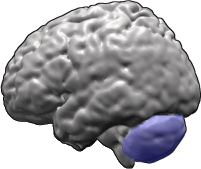
Ataxia cerebelosa autossômica dominante tipo I
📋 Origem dos dados
Esta página agrega dados de fontes públicas e oficiais. Dados sobre cobertura no SUS (PCDT, CEAF) são verificados ativamente por agente proativo (ver badge no infobox). Demais dados têm atribuição de fonte + data da última sincronização — clique para abrir o original.
- Doença rara (ontologia)
- fonte: Orphanet
- Identificador unificado
- fonte: MONDO
- NIH/GARD
- fonte: GARD (NIH)
- Dado público estruturado
- fonte: Wikidata
- Medicamentos (literatura)
- fonte: Orphanet