
VIPoma é um tipo muito raro de tumor neuroendócrino do pâncreas que produz o polipeptídeo intestinal vasoativo (VIP). Isso causa sintomas como diarreia aquosa, baixos níveis de potássio no sangue e ausência ou diminuição do ácido do estômago, condição conhecida como síndrome WDHA.
Introdução
O que você precisa saber de cara
VIPoma é um tipo muito raro de tumor neuroendócrino do pâncreas que produz o polipeptídeo intestinal vasoativo (VIP). Isso causa sintomas como diarreia aquosa, baixos níveis de potássio no sangue e ausência ou diminuição do ácido do estômago, condição conhecida como síndrome WDHA.
Escala de raridade
<1/50kMuito rara
1/20kRara
1/10kPouco freq.
1/5kIncomum
1/2k
Encontrou um erro ou informação desatualizada? Sugira uma correção →
Entender a doença
Do básico ao detalhe, leia no seu ritmo
Preparando trilha educativa...
Sinais e sintomas
O que aparece no corpo e com que frequência cada sintoma acontece
Partes do corpo afetadas
+ 14 sintomas em outras categorias
Características mais comuns
Os sintomas variam de pessoa para pessoa. Abaixo estão as 41 características clínicas mais associadas, ordenadas por frequência.
Linha do tempo da pesquisa
Encontrou um erro ou informação desatualizada? Sugira uma correção →
Genética e causas
O que está alterado no DNA e como passa nas famílias
Nenhum gene associado encontrado
Os dados genéticos desta condição ainda estão sendo catalogados.
Diagnóstico
Os sinais que médicos procuram e os exames que confirmam
Tratamento e manejo
Remédios, cuidados de apoio e o que precisa acompanhar
Onde tratar no SUS
Hospitais de referência no Brasil e o protocolo oficial do SUS (PCDT)
🇧🇷 Atendimento SUS — VIPoma
Selecione um estado ou use sua localização para ver resultados.
Dados de DATASUS/CNES, SBGM, ABNeuro e Ministério da Saúde. Sempre confirme a disponibilidade diretamente com o estabelecimento.
Pesquisa ativa
Ensaios clínicos abertos e novidades científicas recentes
Ensaios em destaque
Pesquisa e ensaios clínicos
23 ensaios clínicos encontrados, 1 ativos.
Publicações mais relevantes
Elevated vasoactive intestinal peptide concentrations poorly predict VIPoma.
VIPoma is a rare neuroendocrine tumor (NET) that is challenging to diagnose. While VIP concentrations are elevated in VIPoma, the optimal threshold for diagnostic purposes is not well defined. We aimed to study this in a single-institution population. We obtained results from vasoactive intestinal peptide (VIP) tests from 2011 to 2023 and reviewed the medical record of patients who had concentrations greater than our established assay-specific reference limit of 75 pg/mL. We compared plasma VIP concentrations between patient cohorts with and without VIPoma and determined the optimal threshold for VIP concentrations to predict a VIPoma in this population. Seventy-six patients met the selection criteria. Of these, nine cases of VIPoma were diagnosed. All patients had chronic diarrhea, and five patients had a previous diagnosis of a pancreatic neuroendocrine tumor (PNET). VIP concentrations drawn for acute/episodic diarrhea or flushing/diaphoresis did not lead to a diagnosis of a VIPoma. Mean VIP concentration was increased in patients with a VIPoma relative to those without, but the difference was not statistically significant (508 pg/mL vs 223 pg/mL, P = 0.31). Using the threshold of 75 pg/mL, the positive predictive value for a VIPoma was 12%. The optimal VIP threshold was 442 pg/mL (OR: 11.96, 95% CI: 2.00-79.69, P = 0.01), with statistically significant odds ratios starting at 200 pg/mL. Our findings suggest that elevated VIP concentrations are not predictive for a VIPoma and most patients with elevated VIP do not have a VIPoma. We recommend that VIP only be drawn in certain clinical scenarios to avoid unnecessary medical investigations.
Severe secretory diarrhea due to VIPoma.
Not required for Clinical Vignette.
Severe Idiopathic Secretory Diarrhoea With a Profound Sustained Response to Somatostatin Analogues: A Case Report.
Chronic secretory diarrhoea is a diagnostic challenge with a broad differential and significant impact on patient's quality of life. While common causes include microscopic colitis, bile acid diarrhoea, and laxative use, rarer aetiologies such as vasoactive intestinal peptide (VIP)-secreting neuroendocrine tumours (VIPomas) must be considered when standard investigations fail. We present a 35-year-old woman with a two-year history of progressively worsening, fasting-persistent, high-volume watery diarrhoea leading to severe electrolyte abnormalities and weight loss requiring resuscitation in intensive care. Extensive biochemical, endoscopic, and radiological investigations-including faecal analysis, colonoscopy, neuroendocrine markers, multiphase CT, endoscopic ultrasound, and Ga-68 Dotatate PET imaging-failed to identify an underlying cause. Serum VIP levels remained within the normal range. Despite the absence of a definitive diagnosis, empirical treatment with the somatostatin analogue octreotide led to rapid and sustained symptom resolution. The patient was subsequently maintained on long-acting lanreotide with complete remission. Notably, diarrhoea recurred upon cessation of therapy, again resolving with reinitiation. After 4 years, the patient self-ceased lanreotide without symptom recurrence, and follow-up imaging remained unremarkable. This case highlights a diagnostic dilemma: clinical and biochemical features were highly suggestive of a VIPoma, yet no tumour was identified despite repeated advanced imaging and biochemical workup. The patient's remarkable therapeutic response to somatostatin analogue therapy, in the absence of confirmed neuroendocrine neoplasia, suggests that somatostatin analogues may have a broader role in the management of idiopathic secretory diarrhoea than currently appreciated. We present a rare case of chronic secretory diarrhoea with suspected but unproven VIPoma, demonstrating sustained and reproducible response to somatostatin analogue therapy. This case supports the consideration of therapeutic trials of somatostatin analogues in refractory secretory diarrhoea of unknown origin.
Diagnosis and Management of Functional Pancreatic Neuroendocrine Tumors in Children-A Systematic Review.
Background: Functional pancreatic neuroendocrine tumors (FpNETs) are extremely rare in childhood and adolescence, with an incidence of less than 0.1 per million. Since there is currently no systematic review of the literature on FpNETs in children, this study aims to summarize findings from studies focusing on clinical characteristics, diagnostics, treatment modalities, and outcomes. Methods: A systematic review was conducted following the PRISMA guidelines. A literature search was performed using three electronic databases: PubMed, Scopus, and Web of Science. An age filter was used during the search to limit results to childhood and adolescence. There was no limit set in relation to the type and the language of the article. Results: Out of 80,742 records identified, 91 studies met the inclusion criteria and were included in the review. Two studies included patients with insulinoma and gastrinomas, that is, insulinomas and glucagonoma. Of the included studies, 71 were insulinomas, 10 were gastrinomas, 3 were glucagonomas, 6 were VIPomas, and 3 were mixed FpNETs. A total of 163 children with FpNETs were analyzed, with a median age of 12 years. A total of 48 cases were reported in childhood, while 115 cases were reported in adolescence. The results indicate that FpNETs were more prevalent in males. Almost all patients presented with symptoms appropriate to the type of tumor. A significant proportion of tumors were associated with MEN1. In almost all patients, the symptomatology was accompanied by elevated levels of specific hormones. US, CT, PET-CT, MRI, and EUS were the dominant imaging modalities. Surgical approaches and types of resections, depending on the type, association with the syndrome, location, and size of the tumor, were quite heterogeneous. Grade 1 and Grade 2 tumors were nearly equally represented. There was no recurrence in most patients. Conclusions: Early suspicion based on specific clinical symptomatology is essential for timely diagnosis. Accurate localization and size based on modern radiological diagnostics, accompanied by biochemical and genetic testing, are essential for optimal management. Adequate surgical resection offers the best chance of cure, with the lowest risk of recurrence. Additional multicenter registries and studies are needed in the future to better understand tumor behavior, optimal management, and outcomes of FpNETs.
Stereotactic Body Radiation Therapy Facilitating Debulking Surgery in Metastatic VIPoma with Severe Diarrhea and Hypovolemic Shock.
BACKGROUND Treatment of metastatic vasoactive intestinal peptide tumors (VIPoma) is challenging and requires a careful multidisciplinary approach to achieve optimal disease control. We present a case of metastatic VIPoma with recurring episodes of life-threatening diarrhea necessitating multiple intensive care unit (ICU) admissions. CASE REPORT A 54-year-old man presented with severe watery diarrhea and metabolic acidosis with MRI showing a necrotic pancreatic body mass, and multiple liver lesions. Histopathologic and biochemical findings were consistent with VIPoma. Due to the multifocal liver lesions, he was deemed unsuitable for curative surgical intervention, shifting focus to other therapies. Initial treatments over 7 months included octreotide, transarterial chemoembolization, yttrium-90 radioembolization, and systemic therapy with everolimus, with decreases in serum vasoactive intestinal peptide (VIP) levels from a peak of 3180 pg/mL to undetectable levels corresponding to temporary relief of diarrhea. However, the temporary relief was followed by a rapid increase in VIP levels into the 200s and 300s and recurrence of 3-11 liters of diarrhea per day. He had multiple ICU admissions due to severe diarrhea/hypovolemic shock until he was treated with stereotactic body radiation therapy (SBRT). SBRT of the pancreatic site immediately yielded long-term hemodynamic stability, prevented further ICU admissions, and enabled the patient to receive debulking surgery. CONCLUSIONS Although radiation is not typically a primary treatment modality for VIPoma, in this case, the high dose per fraction delivered with stereotactic technique to a pancreatic mass played a crucial role in alleviating his catastrophic volume loss through intravenous octreotide-refractory diarrhea, making the patient a suitable candidate for debulking surgery. This case highlights the importance of considering all available treatment options, even those not traditionally employed, when managing complex cases with refractory symptoms.
Publicações recentes
Approach to Hypercalcemia.
Elevated vasoactive intestinal peptide concentrations poorly predict VIPoma.
Severe secretory diarrhea due to VIPoma.
Severe Idiopathic Secretory Diarrhoea With a Profound Sustained Response to Somatostatin Analogues: A Case Report.
Diagnosis and Management of Functional Pancreatic Neuroendocrine Tumors in Children-A Systematic Review.
📚 EuropePMC183 artigos no totalmostrando 118
Elevated vasoactive intestinal peptide concentrations poorly predict VIPoma.
Endocrine-related cancerSevere secretory diarrhea due to VIPoma.
Endokrynologia PolskaSevere Idiopathic Secretory Diarrhoea With a Profound Sustained Response to Somatostatin Analogues: A Case Report.
Case reports in gastrointestinal medicineDiagnosis and Management of Functional Pancreatic Neuroendocrine Tumors in Children-A Systematic Review.
Diagnostics (Basel, Switzerland)Stereotactic Body Radiation Therapy Facilitating Debulking Surgery in Metastatic VIPoma with Severe Diarrhea and Hypovolemic Shock.
The American journal of case reportsNutritional Management of Functioning GEP-NENs.
NutrientsOctreotide infusion pump in patients with functional neuroendocrine tumors and refractory hormonal syndrome.
Endocrine oncology (Bristol, England)Clinical Relevance of ATRX/DAXX Gene Mutations and ALT in Functioning Pancreatic Neuroendocrine Tumors.
Endocrine pathologyCase report: Resolution of VIPoma-related symptoms with peptide receptor radionuclide therapy.
Frontiers in oncologyVasoactive Intestinal Polypeptide Secreting MS Neuroblastoma.
Journal of Indian Association of Pediatric SurgeonsCarcinoid heart findings in vasoactive intestinal peptide-secreting tumour.
BMJ case reportsVIPoma: An Unusual Cause of Chronic Diarrhea.
Acta medica (Hradec Kralove)Efficacy of Racecadotril in a Patient Affected by a Therapy-Refractory VIPoma and Carcinoid Syndrome.
JCEM case reportsVasoactive Intestinal Peptide-Producing Neuroblastic Tumors: A Rare Cause of Refractory Diarrhea.
CureusEndoscopic Ultrasound-Guided Radiofrequency Ablation of Metastatic Pancreatic VIPoma: A Novel Treatment.
CureusManagement of functional neuroendocrine tumors.
Current problems in cancerCharacteristics, therapy, and outcome of rare functioning pancreatic neuroendocrine neoplasms.
Scientific reportsInterference With VIP to Distinguish Between Real and False VIPoma: National Study From the French Endocrine Tumors Group.
Journal of the Endocrine SocietySuccessful liver transplantation as rescue therapy in a patient with metastases from a vasoactive intestinal peptide producing neuroendocrine tumor.
Journal of surgical case reportsA Rare Presentation of Lymph Node Metastasis of VIPoma After Three Years of Resection: A Case Report.
CureusAll you need to know about VIPoma: Review on the latest studies.
Presse medicale (Paris, France : 1983)Pancreatic VIPomas From Colombia.
PancreasSynchronous Insulinoma and Glucagonoma: A Review of the Literature.
In vivo (Athens, Greece)Chronic Diarrhea Caused by Vasoactive Intestinal Peptide-Secreting Tumor.
Life (Basel, Switzerland)Pancreatic Vasoactive Intestinal Peptide-Producing Tumor as a Rare Cause of Acute Diarrhea and Severe Hypokalemia.
Journal of medical casesCalcium-sensing receptor activator cinacalcet for treatment of cyclic nucleotide-mediated secretory diarrheas.
Translational research : the journal of laboratory and clinical medicineEuropean Neuroendocrine Tumor Society 2023 guidance paper for functioning pancreatic neuroendocrine tumour syndromes.
Journal of neuroendocrinologyAnalysis of Clinical Characteristics and Survival in Patients With Functional Neuroendocrine Tumors of Gastrointestinal Origin.
PancreasRecurrent primary hepatic VIPoma treated with a combination of surgical resection and loco-regional therapy.
Future science OAHypercalcemia as the Presenting Finding in VIPoma.
The Brown journal of hospital medicineA case of vasoactive intestinal peptide-secreting tumor (VIPoma) arising from MEN1 inactivation which recurred 15 years after the initial resection.
Endocrine journalAn Insight on Functioning Pancreatic Neuroendocrine Neoplasms.
BiomedicinesVasoactive Intestinal Peptide Tumor as the Cause of Persistent Diarrhea: A Diagnostic Challenge.
CureusCirculating Neuroendocrine Tumor Biomarkers: Past, Present and Future.
Journal of clinical medicineMetastatic mixed VIPoma/PPoma-induced diarrhoea causing renal failure.
Endocrinology, diabetes & metabolism case reportsTreatment options of metastatic and nonmetastatic VIPoma: a review.
Langenbeck's archives of surgeryA clinical analysis on functioning pancreatic neuroendocrine tumors (focusing on VIPomas): a single-center experience.
Endocrine journalVasoactive intestinal peptide secreting tumour: An overview.
World journal of gastrointestinal oncologyLocalization of VIPoma with NETSpot.
The American surgeonVasoactive Intestinal Peptide-Secreting Pancreatic Neuroendocrine Tumor: A Case Report.
CureusVIPoma: an unsuspecting culprit of severe secretory diarrhoea in a human immunodeficiency virus-infected patient.
Internal medicine journalLaparoscopic resection of VIPoma presenting at an unusual location.
Journal of minimal access surgerySurgical treatment of metastatic VIPoma: a case report.
Therapeutic advances in gastroenterologyLife-threatening diarrhea in neuroendocrine tumors: two case reports.
Journal of medical case reports[VIPoma of the Pancreas].
PraxisPancreatic VIPoma as a Differential Diagnosis in Chronic Pediatric Diarrhea: A Case Report and Review of the Literature.
Journal of medical casesEfficacy of treatments for VIPoma: A GTE multicentric series.
Pancreatology : official journal of the International Association of Pancreatology (IAP) ... [et al.]Evaluation of the Octreotide Acetate Pen Injector and its Instructions for Use in a Formative Human Factors Study.
Advances in therapyA Case of Metastatic VIPoma With Complete Response to Peptide Radionuclide Receptor Therapy.
PancreasPancreatoduodenectomy for Neuroendocrine Tumors in Patients with Multiple Endocrine Neoplasia Type 1: An AFCE (Association Francophone de Chirurgie Endocrinienne) and GTE (Groupe d'étude des Tumeurs Endocrines) Study.
World journal of surgeryRepurposing calcium-sensing receptor agonist cinacalcet for treatment of CFTR-mediated secretory diarrheas.
JCI insightClinical-Pathological Conference Series from the Medical University of Graz : Case No 173: A 77-year-old patient with adenocarcinoma of the prostate, liver metastases and watery diarrhea.
Wiener klinische WochenschriftMORPHOLOGICAL DIAGNOSIS OF PANCREATIC NEUROENDOCRINE TUMORS (REVIEW AND CASE REPORT).
Georgian medical newsPancreatic neuroendocrine tumors: Surgical outcomes and survival analysis.
American journal of surgeryPancreatic neuroendocrine neoplasms: Clinicopathological features and pathological staging.
Histology and histopathologyClinical Characteristics and Management of Functional Pancreatic Neuroendocrine Neoplasms: A Single Institution 20-Year Experience with 286 Patients.
International journal of endocrinologyPerspectives on the current pharmacotherapeutic strategies for management of functional neuroendocrine tumor syndromes.
Expert opinion on pharmacotherapyVasoactive intestinal peptide-oma causing refractory diarrhea in a young woman.
Proceedings (Baylor University. Medical Center)An Unusual Cause of Watery Diarrhea.
GastroenterologyPercutaneous Cryoablation of Recurrent Pancreatic Mass for Life-Threatening Pancreatic VIPoma Syndrome: A Case Report.
Cardiovascular and interventional radiologyRare Cases of Pediatric Vasoactive Intestinal Peptide Secreting Tumor With Literature Review: A Challenging Etiology of Chronic Diarrhea.
Frontiers in pediatricsIncidental 68Ga-DOTATATE uptake in the pancreatic head: A case report and a unique opportunity to improve clinical care.
MedicineA Rare Cause of Refractory Chronic Diarrhea and Cachexia: A Case Report.
Iranian journal of public healthNeuroendocrine pancreatic tumor causing chronic diarrhea in young adult, a case report.
AME case reportsHypercalcemia in a Patient Diagnosed with a Vasoactive Intestinal Peptide Tumor.
CureusMetastatic VIPoma, Cosecreting Insulin, With Complete Response to Lanreotide, Capecitabine, and Temozolomide.
Pancreas[Use of a somatostatin analog to improve a patient's condition and the subsequent diagnosis of pancreatic VIPoma:a case report].
Nihon Shokakibyo Gakkai zasshi = The Japanese journal of gastro-enterologySuccessful Treatment of Hypokalemic Rhabdomyolysis Caused by a Pancreatic VIPoma: A Case Report.
The American journal of case reportsPrevalence of Diagnostic Methods and Treatment Modalities in Vipoma Patients: A Rare Cause of Hormone-Mediated Diarrhea.
Indian journal of endocrinology and metabolismVasoactive Intestinal Peptide-Secreting Tumors: A Review.
Pancreas[A Case of WDHA Water Diarrhea Hypokalemia Achlorhydria Syndrome that Developed after Multimodal Therapy for Retroperitoneal Paraganglioma].
Hinyokika kiyo. Acta urologica JaponicaPancreatic neuroendocrine microadenomatosis presenting as a functional VIPoma.
Journal of surgical case reportsDiagnostic and Management Challenges in Vasoactive Intestinal Peptide Secreting Tumors: A Series of 15 Patients.
PancreasLife-threating diarrhea and acute renal failure secondary to pancreatic VIPoma treated by surgery.
Revista espanola de enfermedades digestivasClinicopathological data and treatment modalities for pancreatic vipomas: a systematic review.
Journal of B.U.ON. : official journal of the Balkan Union of OncologyChronic Diarrhea Secondary to Newly Diagnosed VIPoma.
Case reports in gastroenterologyImaging of Pancreatic-Neuroendocrine Tumours: An Outline of Conventional Radiological Techniques.
Current radiopharmaceuticalsSymptomatic and Radiological Response to 177Lu-DOTATATE for the Treatment of Functioning Pancreatic Neuroendocrine Tumors.
The Journal of clinical endocrinology and metabolismOctreotide reverses shock due to vasoactive intestinal peptide-secreting adrenal pheochromocytoma: A case report and review of literature.
World journal of clinical casesThe impact of failure to achieve symptom control after resection of functional neuroendocrine tumors: An 8-institution study from the US Neuroendocrine Tumor Study Group.
Journal of surgical oncologyPancreatic VIPomas from China: Case reports and literature review.
Pancreatology : official journal of the International Association of Pancreatology (IAP) ... [et al.]Perioperative Hypotensive Crisis in an Adolescent with a Pancreatic VIPoma and MEN1-Gene Variant.
Hormone research in paediatricsResults of Duodenopancreatic Reoperations in Multiple Endocrine Neoplasia Type 1.
World journal of surgeryPaediatric VIPoma: A Jamboree of Electrolytes.
Turkish journal of anaesthesiology and reanimationFlushing Disorders Associated with Gastrointestinal Symptoms: Part 1, Neuroendocrine Tumors, Mast Cell Disorders and Hyperbasophila.
Clinical medicine & research[Surgical strategies for small sporadic neuroendocrine pancreatic tumors].
Der Chirurg; Zeitschrift fur alle Gebiete der operativen MedizenSupportive therapy in gastroenteropancreatic neuroendocrine tumors: Often forgotten but important.
Reviews in endocrine & metabolic disorders[A Surgical Resected Case of VIPoma with Para-Aortic Lymph Node Involvement].
Gan to kagaku ryoho. Cancer & chemotherapy[VIPoma : a rare etiology of diarrhea with hypokalemia].
Revue medicale suissePrevalence of Vibrio cholerae O1 serogroup in Assam, India: A hospital-based study.
The Indian journal of medical researchVerner-Morrison syndrome. Literature review.
Romanian journal of morphology and embryology = Revue roumaine de morphologie et embryologieManagement of the hormonal syndrome of neuroendocrine tumors.
Archives of medical science : AMSWatery stools and metabolic acidosis.
Internal and emergency medicineENETS Consensus Guidelines for the Standards of Care in Neuroendocrine Tumors: Pre- and Perioperative Therapy in Patients with Neuroendocrine Tumors.
NeuroendocrinologyPercutaneous Irreversible Electroporation for Pancreatic VIPoma: A Case Report.
PancreasPancreatic Neuroendocrine Tumor Secreting Vasoactive Intestinal Peptide and Dopamine With Pulmonary Emboli: A Case Report.
The Journal of clinical endocrinology and metabolismEmergency therapy for liver metastases from advanced VIPoma: surgery or transarterial chemoembolization?
Therapeutic advances in medical oncologyPrimary Pancreatic Secretinoma: Further Evidence Supporting Secretin as a Diarrheogenic Hormone.
Annals of surgeryMedical management of secretory syndromes related to gastroenteropancreatic neuroendocrine tumours.
Endocrine-related cancerPancreatic neuroendocrine tumors: contemporary diagnosis and management.
Hospital practice (1995)Epidemiological features of gastroenteropancreatic neuroendocrine tumors in Chengdu city with a population of 14 million based on data from a single institution.
Asia-Pacific journal of clinical oncologyNeuroendocrine Differentiation of a Primary BRAF Mutant Colon Cancer in a Patient With a History of Hairy Cell Leukemia.
Clinical colorectal cancerVentricular fibrillation resulting from electrolyte imbalance reveals vipoma in MEN1 syndrome.
Familial cancerClinical Presentation and Diagnosis of Pancreatic Neuroendocrine Tumors.
Surgical oncology clinics of North AmericaSurgical resection of vasoactive intestinal peptideoma with hepatic metastasis aids symptom palliation: A case report.
Experimental and therapeutic medicineA short history of neuroendocrine tumours and their peptide hormones.
Best practice & research. Clinical endocrinology & metabolismNeuralgic amyotrophy mimicking Vernet syndrome.
Journal of the neurological sciencesWhen Symptomatic Treatment Becomes Antitumor Treatment for Vipoma: Opportunity for Frail Elderly Adults.
Journal of the American Geriatrics Society[VIPoma in retroperitoneum of elderly, cause of chronic diarrhea in uncommon location].
Revista de gastroenterologia del Peru : organo oficial de la Sociedad de Gastroenterologia del PeruMalignant-functioning neuroendocrine tumors of the pancreas: A survival analysis.
SurgeryMetastatic VIPoma presenting as an ovarian mass.
International journal of surgery case reportsMultiple-phase spiral CT findings of pancreatic vasoactive intestinal peptide-secreting tumor: A case report.
Oncology lettersVIPoma with multiple endocrine neoplasia type 1 identified as an atypical gene mutation.
BMJ case reportsA 25-Year Experience of Gastroenteropancreatic Neuroendocrine Tumors and Somatostatin (Congeners) Analogs: From Symptom Control to Antineoplastic Therapy.
Frontiers of hormone researchPancreatic VIPoma visualized by 68Ga DOTA-NOC PET-CT.
Nuklearmedizin. Nuclear medicineWatery diarrhea-hypopotassemia-acidosis syndrome like diarrhea in a case with X-linked lissencephaly with abnormal genitalia.
Minerva pediatricaClinical features of pancreatic neuroendocrine tumors.
Journal of hepato-biliary-pancreatic sciencesIntractable and dramatic diarrhea in liver transplantation recipient with vasoactive intestinal peptide-producing tumor after split liver transplantation: a case report.
Transplantation proceedingsAssociações
Organizações que acompanham esta doença — pra ter apoio e orientação
Ainda não temos associações cadastradas para VIPoma.
É de uma associação que acompanha esta doença? Fale com a gente →
Comunidades
Grupos ativos de quem convive com esta doença aqui no Raras
Ainda não existe comunidade no Raras para VIPoma
Pacientes, familiares e cuidadores se organizam em comunidades pra compartilhar experiências, fazer perguntas e se apoiar. Você pode ser o primeiro.
Tire suas dúvidas
Perguntas, dicas e experiências compartilhadas aqui na página
Participe da discussão
Faça login para postar dúvidas, compartilhar experiências e interagir com especialistas.
Fazer loginDoenças relacionadas
Doenças com sintomas parecidos — ajudam quem ainda está buscando diagnóstico
Referências e fontes
Bases de dados externas citadas neste artigo
Publicações científicas
Artigos indexados no PubMed ligados a esta doença no grafo RarasNet — título, periódico e PMID direto da fonte, sem intermediação de IA.
- Elevated vasoactive intestinal peptide concentrations poorly predict VIPoma.
- Severe secretory diarrhea due to VIPoma.
- Severe Idiopathic Secretory Diarrhoea With a Profound Sustained Response to Somatostatin Analogues: A Case Report.
- Diagnosis and Management of Functional Pancreatic Neuroendocrine Tumors in Children-A Systematic Review.
- Stereotactic Body Radiation Therapy Facilitating Debulking Surgery in Metastatic VIPoma with Severe Diarrhea and Hypovolemic Shock.
- Approach to Hypercalcemia.
Bases de dados e fontes oficiais
Identificadores e referências canônicas usadas para montar este verbete.
- ORPHA:97282(Orphanet)
- MONDO:0019960(MONDO)
- GARD:3787(GARD (NIH))
- Busca completa no PubMed(PubMed)
- Q1518637(Wikidata)
Dados compilados pelo RarasNet a partir de fontes abertas (Orphanet, OMIM, MONDO, PubMed/EuropePMC, ClinicalTrials.gov, DATASUS, PCDT/MS). Este conteúdo é informativo e não substitui avaliação médica.
Conteúdo mantido por Agente Raras · Médicos e pesquisadores podem colaborar
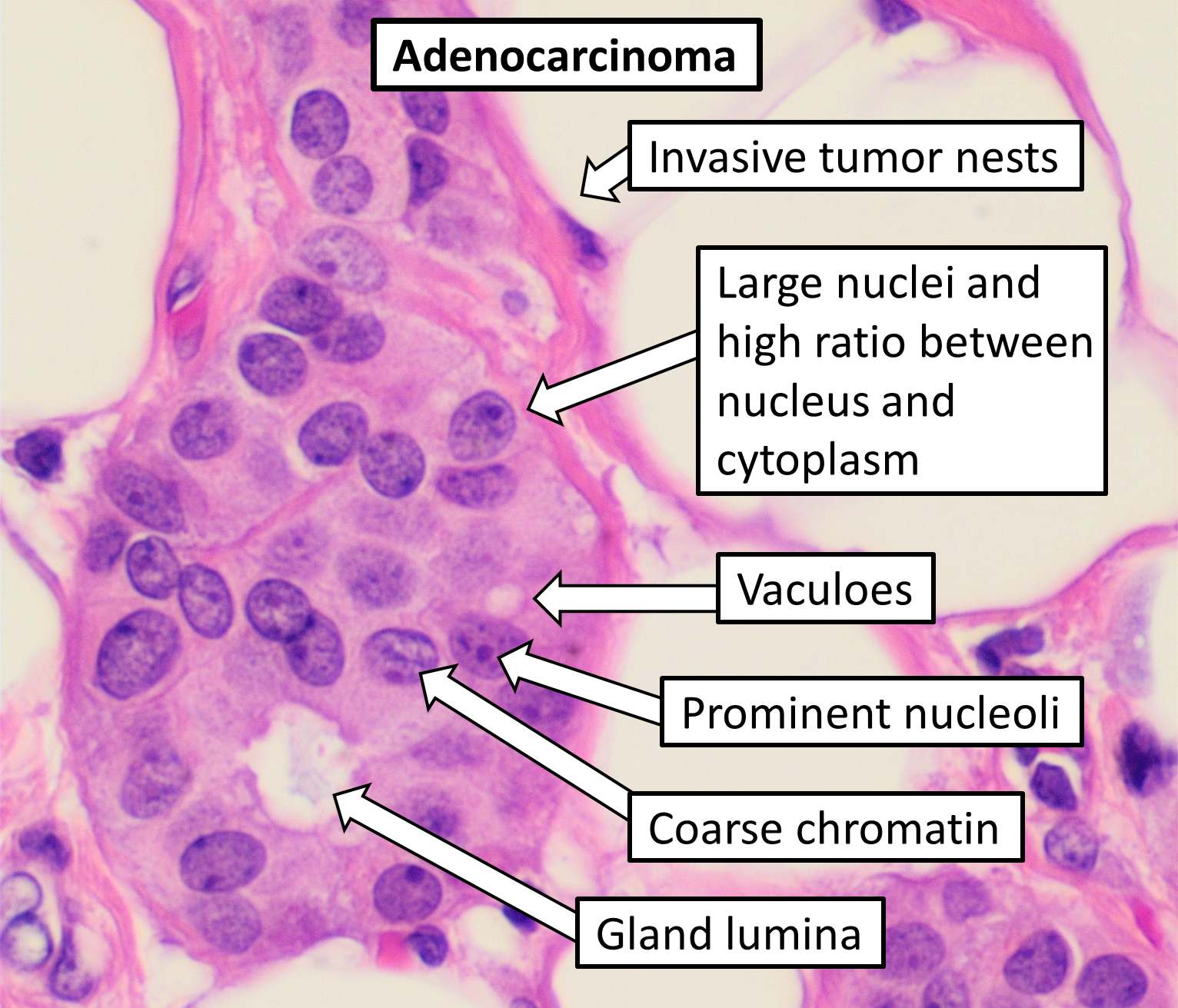
VIPoma
📋 Origem dos dados
Esta página agrega dados de fontes públicas e oficiais. Dados sobre cobertura no SUS (PCDT, CEAF) são verificados ativamente por agente proativo (ver badge no infobox). Demais dados têm atribuição de fonte + data da última sincronização — clique para abrir o original.
- Doença rara (ontologia)
- fonte: Orphanet
- Identificador unificado
- fonte: MONDO
- Codificação WHO/SUS
- fonte: WHO ICD-10 / DATASUS
- CID-11 (futuro)
- fonte: WHO ICD-11
- NIH/GARD
- fonte: GARD (NIH)
- Indexação biomédica
- fonte: MeSH (NLM)
- Dado público estruturado
- fonte: Wikidata
- Ensaios clínicos
- fonte: ClinicalTrials.gov