
A ataxia de Friedreich (AF) é um distúrbio neurodegenerativo raro, hereditário, autossômico recessivo que afeta principalmente o sistema nervoso, causando danos progressivos à medula espinhal, aos nervos periféricos e ao cerebelo, levando à coordenação muscular comprometida (ataxia). A condição geralmente se manifesta na infância ou adolescência, com sintomas iniciais que incluem dificuldade para caminhar, perda de equilíbrio e má coordenação. À medida que a doença progride, ela também pode afetar a fala, a visão e a audição. Muitos indivíduos com ataxia de Friedreich desenvolvem escoliose, diabetes e cardiomiopatia hipertrófica, uma condição cardíaca grave que é uma das principais causas de mortalidade em pacientes.
Introdução
O que você precisa saber de cara
Visão geral
A ataxia cerebelosa metabólica autossômica recessiva é uma doença genética rara que afeta principalmente o cerebelo, a parte do cérebro responsável pelo equilíbrio e coordenação dos movimentos. O termo "metabólica" indica que a condição está relacionada a alterações no metabolismo do corpo, e "autossômica recessiva" descreve o padrão de herança genética. Isso significa que, para desenvolver a doença, a pessoa precisa herdar duas cópias do gene alterado (uma de cada genitor). A condição é progressiva, ou seja, os sintomas tendem a piorar com o tempo.[1][3]
Sinais e sintomas
Os principais sintomas incluem ataxia da marcha progressiva (dificuldade para andar que piora com o tempo) e ataxia cerebelar progressiva (falta de coordenação dos movimentos). Outros sinais comuns são dismetria (dificuldade em medir a distância e a força dos movimentos), disfagia (dificuldade para engolir), fala pobre (disartria), fraqueza muscular e hipotonia generalizada (tônus muscular reduzido).[1][3]
Podem ocorrer também problemas oculares como catarata, deficiência visual, degeneração retiniana e proptose (olhos saltados). Alterações neurológicas incluem anormalidade da condução motora central e potenciais evocados motores anormais. Sintomas gastrointestinais como diarreia crônica, esteatorreia (gordura nas fezes) e má absorção de gordura são frequentes. Outros achados incluem cirrose, contratura em flexão, anormalidade do tendão de Aquiles, nível urinário elevado de álcool biliar, hipotrigliceridemia (triglicerídeos baixos no sangue), tempo de protrombina prolongado e dificuldade específica de aprendizagem.[1][3]
Causas genéticas
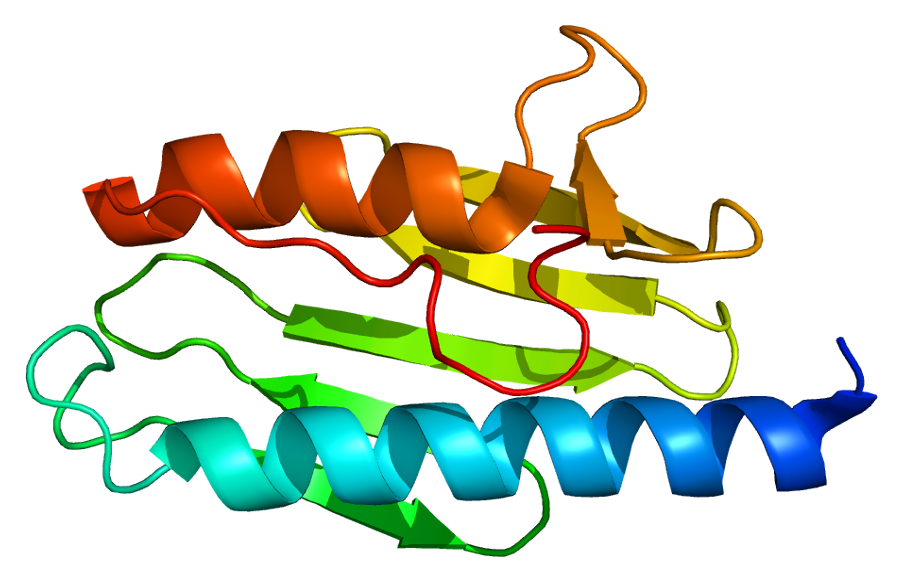
A ataxia cerebelosa metabólica autossômica recessiva é causada por alterações (mutações) em diversos genes. Os genes já identificados incluem: POLG (DNA polymerase subunit gamma-1), GRID2 (Glutamate receptor ionotropic, delta-2), GRM1 (Metabotropic glutamate receptor 1), MTTP (Microsomal triglyceride transfer protein large subunit), TTPA (Alpha-tocopherol transfer protein), PEX10 (Peroxisome biogenesis factor 10), GBA2 (Non-lysosomal glucosylceramidase) e CYP27A1 (Sterol 26-hydroxylase, mitochondrial). Cada um desses genes desempenha funções importantes no metabolismo celular e no funcionamento do sistema nervoso.[1][4]
Diagnóstico
O diagnóstico é baseado na avaliação clínica dos sintomas, exames de imagem (como ressonância magnética que pode mostrar morfologia anormal do cerebelo e anormalidade do núcleo denteado) e exames laboratoriais. Testes genéticos estão disponíveis para confirmar a presença de mutações nos genes associados. Atualmente, existem 209 testes genéticos disponíveis e 1015 variantes registradas no ClinVar (banco de dados de variantes genéticas).[1][4]
Tratamento e manejo
O tratamento é focado no manejo dos sintomas e na melhora da qualidade de vida. Pode incluir fisioterapia para ataxia e fraqueza muscular, terapia ocupacional para coordenação motora, fonoaudiologia para disfagia e dificuldades de fala, e suporte nutricional para problemas de absorção de gordura e diarreia. O acompanhamento oftalmológico é importante para catarata e degeneração retiniana. Não há medicamentos específicos aprovados para a doença, e o tratamento deve ser individualizado por uma equipe multidisciplinar.[1]
Prognóstico e qualidade de vida
A ataxia cerebelosa metabólica autossômica recessiva é uma condição progressiva, o que significa que os sintomas tendem a piorar ao longo do tempo. O prognóstico varia de acordo com a gravidade dos sintomas e a presença de complicações como cirrose ou problemas respiratórios. O suporte multidisciplinar e o acompanhamento regular podem ajudar a melhorar a qualidade de vida e a funcionalidade do paciente.[1][3]
Conteúdo informativo gerado e mantido automaticamente a partir de fontes oficiais (Orphanet, HPO, OMIM, SUS). Não substitui avaliação médica.
A ataxia de Friedreich (AF) é um distúrbio neurodegenerativo raro, hereditário, autossômico recessivo que afeta principalmente o sistema nervoso, causando danos progressivos à medula espinhal, aos nervos periféricos e ao cerebelo, levando à coordenação muscular comprometida (ataxia). A condição geralmente se manifesta na infância ou adolescência, com sintomas iniciais que incluem dificuldade para caminhar, perda de equilíbrio e má coordenação. À medida que a doença progride, ela também pode afetar a fala, a visão e a audição. Muitos indivíduos com ataxia de Friedreich desenvolvem escoliose, diabetes e cardiomiopatia hipertrófica, uma condição cardíaca grave que é uma das principais causas de mortalidade em pacientes.
Tem tratamento?
Encontrou um erro ou informação desatualizada? Sugira uma correção →
Entender a doença
Do básico ao detalhe, leia no seu ritmo
Preparando trilha educativa...
Sinais e sintomas
O que aparece no corpo e com que frequência cada sintoma acontece
Visão geral
A ataxia cerebelosa metabólica autossômica recessiva é uma doença genética rara que afeta principalmente o cerebelo, a parte do cérebro responsável pelo equilíbrio e coordenação dos movimentos. O termo "metabólica" indica que a condição está relacionada a alterações no metabolismo do corpo, e "autossômica recessiva" descreve o padrão de herança genética. Isso significa que, para desenvolver a doença, a pessoa precisa herdar duas cópias do gene alterado (uma de cada genitor). A condição é progressiva, ou seja, os sintomas tendem a piorar com o tempo.[1][3]
Sinais e sintomas
Os principais sintomas incluem ataxia da marcha progressiva (dificuldade para andar que piora com o tempo) e ataxia cerebelar progressiva (falta de coordenação dos movimentos). Outros sinais comuns são dismetria (dificuldade em medir a distância e a força dos movimentos), disfagia (dificuldade para engolir), fala pobre (disartria), fraqueza muscular e hipotonia generalizada (tônus muscular reduzido).[1][3]
Podem ocorrer também problemas oculares como catarata, deficiência visual, degeneração retiniana e proptose (olhos saltados). Alterações neurológicas incluem anormalidade da condução motora central e potenciais evocados motores anormais. Sintomas gastrointestinais como diarreia crônica, esteatorreia (gordura nas fezes) e má absorção de gordura são frequentes. Outros achados incluem cirrose, contratura em flexão, anormalidade do tendão de Aquiles, nível urinário elevado de álcool biliar, hipotrigliceridemia (triglicerídeos baixos no sangue), tempo de protrombina prolongado e dificuldade específica de aprendizagem.[1][3]
Causas genéticas
A ataxia cerebelosa metabólica autossômica recessiva é causada por alterações (mutações) em diversos genes. Os genes já identificados incluem: POLG (DNA polymerase subunit gamma-1), GRID2 (Glutamate receptor ionotropic, delta-2), GRM1 (Metabotropic glutamate receptor 1), MTTP (Microsomal triglyceride transfer protein large subunit), TTPA (Alpha-tocopherol transfer protein), PEX10 (Peroxisome biogenesis factor 10), GBA2 (Non-lysosomal glucosylceramidase) e CYP27A1 (Sterol 26-hydroxylase, mitochondrial). Cada um desses genes desempenha funções importantes no metabolismo celular e no funcionamento do sistema nervoso.[1][4]
Diagnóstico
O diagnóstico é baseado na avaliação clínica dos sintomas, exames de imagem (como ressonância magnética que pode mostrar morfologia anormal do cerebelo e anormalidade do núcleo denteado) e exames laboratoriais. Testes genéticos estão disponíveis para confirmar a presença de mutações nos genes associados. Atualmente, existem 209 testes genéticos disponíveis e 1015 variantes registradas no ClinVar (banco de dados de variantes genéticas).[1][4]
Tratamento e manejo
O tratamento é focado no manejo dos sintomas e na melhora da qualidade de vida. Pode incluir fisioterapia para ataxia e fraqueza muscular, terapia ocupacional para coordenação motora, fonoaudiologia para disfagia e dificuldades de fala, e suporte nutricional para problemas de absorção de gordura e diarreia. O acompanhamento oftalmológico é importante para catarata e degeneração retiniana. Não há medicamentos específicos aprovados para a doença, e o tratamento deve ser individualizado por uma equipe multidisciplinar.[1]
Prognóstico e qualidade de vida
A ataxia cerebelosa metabólica autossômica recessiva é uma condição progressiva, o que significa que os sintomas tendem a piorar ao longo do tempo. O prognóstico varia de acordo com a gravidade dos sintomas e a presença de complicações como cirrose ou problemas respiratórios. O suporte multidisciplinar e o acompanhamento regular podem ajudar a melhorar a qualidade de vida e a funcionalidade do paciente.[1][3]
Conteúdo informativo gerado e mantido automaticamente a partir de fontes oficiais (Orphanet, HPO, OMIM, SUS). Não substitui avaliação médica.
Partes do corpo afetadas
+ 114 sintomas em outras categorias
Características mais comuns
Os sintomas variam de pessoa para pessoa. Abaixo estão as 264 características clínicas mais associadas, ordenadas por frequência.
Linha do tempo da pesquisa
Encontrou um erro ou informação desatualizada? Sugira uma correção →
Genética e causas
O que está alterado no DNA e como passa nas famílias
Genes associados
8 genes identificados com associação a esta condição.
Catalytic subunit of DNA polymerase gamma solely responsible for replication of mitochondrial DNA (mtDNA). Replicates both heavy and light strands of the circular mtDNA genome using a single-stranded DNA template, RNA primers and the four deoxyribonucleoside triphosphates as substrates (PubMed:11477093, PubMed:11897778, PubMed:15917273, PubMed:19837034, PubMed:9558343). Has 5' -> 3' polymerase activity. Functionally interacts with TWNK and SSBP1 at the replication fork to form a highly processiv
MitochondrionMitochondrion matrix, mitochondrion nucleoid
Progressive external ophthalmoplegia with mitochondrial DNA deletions, autosomal dominant, 1
A disorder characterized by progressive weakness of ocular muscles and levator muscle of the upper eyelid. In a minority of cases, it is associated with skeletal myopathy, which predominantly involves axial or proximal muscles and which causes abnormal fatigability and even permanent muscle weakness. Ragged-red fibers and atrophy are found on muscle biopsy. A large proportion of chronic ophthalmoplegias are associated with other symptoms, leading to a multisystemic pattern of this disease. Additional symptoms are variable, and may include cataracts, hearing loss, sensory axonal neuropathy, ataxia, depression, hypogonadism, and parkinsonism.
Member of the ionotropic glutamate receptor family, which plays a crucial role in synaptic organization and signal transduction in the central nervous system. Although it shares structural features with ionotropic glutamate receptors, does not bind glutamate as a primary ligand (PubMed:34936451). Promotes synaptogenesis and mediates the D-Serine-dependent long term depression signals and AMPA receptor endocytosis of cerebellar parallel fiber-Purkinje cell (PF-PC) synapses through the NRX1B-CBLN1
Postsynaptic cell membrane
Spinocerebellar ataxia, autosomal recessive, 18
A form of spinocerebellar ataxia, a clinically and genetically heterogeneous group of cerebellar disorders. Patients show progressive incoordination of gait and often poor coordination of hands, speech and eye movements, due to degeneration of the cerebellum with variable involvement of the brainstem and spinal cord. SCAR18 features include progressive cerebellar atrophy, delayed psychomotor development, severely impaired gait, ocular movement abnormalities, and intellectual disability.
G-protein coupled receptor for glutamate. Ligand binding causes a conformation change that triggers signaling via guanine nucleotide-binding proteins (G proteins) and modulates the activity of down-stream effectors. Signaling activates a phosphatidylinositol-calcium second messenger system. May participate in the central action of glutamate in the CNS, such as long-term potentiation in the hippocampus and long-term depression in the cerebellum (PubMed:24603153, PubMed:28886343, PubMed:7476890).
Cell membranePostsynaptic cell membraneCell projection, dendrite
Spinocerebellar ataxia, autosomal recessive, 13
A form of spinocerebellar ataxia, a clinically and genetically heterogeneous group of cerebellar disorders. Patients show progressive incoordination of gait and often poor coordination of hands, speech and eye movements, due to degeneration of the cerebellum with variable involvement of the brainstem and spinal cord. SCAR13 is characterized by delayed psychomotor development beginning in infancy. Affected individuals show mild to profound intellectual disability with poor or absent speech as well as gait and stance ataxia and hyperreflexia.
Catalyzes the transport of triglyceride, cholesteryl ester, and phospholipid between phospholipid surfaces (PubMed:15897609, PubMed:16478722, PubMed:22236406, PubMed:23475612, PubMed:25108285, PubMed:26224785, PubMed:8876250, PubMed:8939939). Required for the assembly and secretion of plasma lipoproteins that contain apolipoprotein B (PubMed:16478722, PubMed:23475612, PubMed:26224785, PubMed:8876250, PubMed:8939939). May be involved in regulating cholesteryl ester biosynthesis in cells that prod
Endoplasmic reticulumGolgi apparatus
Abetalipoproteinemia
An autosomal recessive disorder of lipoprotein metabolism. Affected individuals produce virtually no circulating apolipoprotein B-containing lipoproteins (chylomicrons, VLDL, LDL, lipoprotein(A)). Malabsorption of the antioxidant vitamin E occurs, leading to spinocerebellar and retinal degeneration.
Binds alpha-tocopherol, enhances its transfer between separate membranes, and stimulates its release from liver cells (PubMed:7887897). Binds both phosphatidylinositol 3,4-bisphosphate and phosphatidylinositol 4,5-bisphosphate; the resulting conformation change is important for the release of the bound alpha-tocopherol (By similarity)
Cytoplasm
Ataxia with vitamin E deficiency
An autosomal recessive disease characterized by undetectable or markedly reduced plasma levels of vitamin E, spinocerebellar degeneration, ataxia, areflexia and proprioception loss.
E3 ubiquitin-protein ligase component of a retrotranslocation channel required for peroxisome organization by mediating export of the PEX5 receptor from peroxisomes to the cytosol, thereby promoting PEX5 recycling (PubMed:24662292). The retrotranslocation channel is composed of PEX2, PEX10 and PEX12; each subunit contributing transmembrane segments that coassemble into an open channel that specifically allows the passage of PEX5 through the peroxisomal membrane (By similarity). PEX10 also regula
Peroxisome membrane
Peroxisome biogenesis disorder complementation group 7
A peroxisomal disorder arising from a failure of protein import into the peroxisomal membrane or matrix. The peroxisome biogenesis disorders (PBD group) are genetically heterogeneous with at least 14 distinct genetic groups as concluded from complementation studies. Include disorders are: Zellweger syndrome (ZWS), neonatal adrenoleukodystrophy (NALD), infantile Refsum disease (IRD), and classical rhizomelic chondrodysplasia punctata (RCDP). ZWS, NALD and IRD are distinct from RCDP and constitute a clinical continuum of overlapping phenotypes known as the Zellweger spectrum (PBD-ZSS).
Non-lysosomal glucosylceramidase that catalyzes the hydrolysis of glucosylceramides/GlcCers (such as beta-D-glucosyl-(1<->1')-N-acylsphing-4-enine) to free glucose and ceramides (such as N-acylsphing-4-enine) (PubMed:17105727, PubMed:30308956, PubMed:32144204). GlcCers are membrane glycosphingolipids that have a wide intracellular distribution (By similarity). They are the main precursors of more complex glycosphingolipids that play a role in cellular growth, differentiation, adhesion, signaling
Endoplasmic reticulum membraneGolgi apparatus membrane
Spastic paraplegia 46, autosomal recessive
A neurodegenerative disorder characterized by onset in childhood of slowly progressive spastic paraplegia and cerebellar signs. Some patients have cognitive impairment, cataracts, and cerebral, cerebellar, and corpus callosum atrophy on brain imaging.
Cytochrome P450 monooxygenase that catalyzes regio- and stereospecific hydroxylation of cholesterol and its derivatives. Hydroxylates (with R stereochemistry) the terminal methyl group of cholesterol side-chain in a three step reaction to yield at first a C26 alcohol, then a C26 aldehyde and finally a C26 acid (PubMed:12077124, PubMed:21411718, PubMed:28190002, PubMed:9660774). Regulates cholesterol homeostasis by catalyzing the conversion of excess cholesterol to bile acids via both the 'neutra
Mitochondrion inner membrane
Cerebrotendinous xanthomatosis
Rare sterol storage disorder characterized clinically by progressive neurologic dysfunction, premature atherosclerosis, and cataracts.
Medicamentos e terapias
Mecanismo: Bile acid receptor FXR agonist
Mecanismo: HMG-CoA reductase inhibitor
Variantes genéticas (ClinVar)
1.015 variantes patogênicas registradas no ClinVar.
Vias biológicas (Reactome)
17 vias biológicas associadas aos genes desta condição.
Diagnóstico
Os sinais que médicos procuram e os exames que confirmam
Tratamento e manejo
Remédios, cuidados de apoio e o que precisa acompanhar
Onde tratar no SUS
Hospitais de referência no Brasil e o protocolo oficial do SUS (PCDT)
🇧🇷 Atendimento SUS — Ataxia cerebelosa metabólica autossômica recessiva
Centros de Referência SUS
21 centros habilitados pelo SUS para Ataxia cerebelosa metabólica autossômica recessiva
Centros para Ataxia cerebelosa metabólica autossômica recessiva
Detalhes dos centros
Hospital Universitário Prof. Edgard Santos (HUPES)
R. Dr. Augusto Viana, s/n - Canela, Salvador - BA, 40110-060 · CNES 0003808
Serviço de Referência
Hospital de Apoio de Brasília (HAB)
AENW 3 Lote A Setor Noroeste - Plano Piloto, Brasília - DF, 70684-831 · CNES 0010456
Serviço de Referência
Hospital Estadual Infantil e Maternidade Alzir Bernardino Alves (HIABA)
Av. Min. Salgado Filho, 918 - Soteco, Vila Velha - ES, 29106-010 · CNES 6631207
Serviço de Referência
Hospital das Clínicas da UFG
Rua 235 QD. 68 Lote Área, Nº 285, s/nº - Setor Leste Universitário, Goiânia - GO, 74605-050 · CNES 2338424
Serviço de Referência
Hospital das Clínicas da UFMG
Av. Prof. Alfredo Balena, 110 - Santa Efigênia, Belo Horizonte - MG, 30130-100 · CNES 2280167
Serviço de Referência
NUPAD / Faculdade de Medicina UFMG
Av. Prof. Alfredo Balena, 189 - 5 andar - Centro, Belo Horizonte - MG, 30130-100 · CNES 2183226
Serviço de Referência
Hospital Universitário João de Barros Barreto
R. dos Mundurucus, 4487 - Guamá, Belém - PA, 66073-000 · CNES 2337878
Serviço de Referência
Hospital de Clínicas da Universidade Federal de Pernambuco
Av. Prof. Moraes Rego, 1235 - Cidade Universitária, Recife - PE, 50670-901 · CNES 2561492
Atenção Especializada
Instituto de Medicina Integral Prof. Fernando Figueira (IMIP)
R. dos Coelhos, 300 - Boa Vista, Recife - PE, 50070-902 · CNES 0000647
Serviço de Referência
Hospital de Clínicas da UFPR
R. Gen. Carneiro, 181 - Alto da Glória, Curitiba - PR, 80060-900 · CNES 2364980
Serviço de Referência
Hospital Universitário Pedro Ernesto (HUPE-UERJ)
Blvd. 28 de Setembro, 77 - Vila Isabel, Rio de Janeiro - RJ, 20551-030 · CNES 2280221
Serviço de Referência
Instituto Nacional de Saúde da Mulher, da Criança e do Adolescente Fernandes Figueira (IFF/Fiocruz)
Av. Rui Barbosa, 716 - Flamengo, Rio de Janeiro - RJ, 22250-020 · CNES 2269988
Serviço de Referência
Hospital Universitário Onofre Lopes (HUOL)
Av. Nilo Peçanha, 620 - Petrópolis, Natal - RN, 59012-300 · CNES 2408570
Atenção Especializada
Hospital São Lucas da PUCRS
Av. Ipiranga, 6690 - Jardim Botânico, Porto Alegre - RS, 90610-000 · CNES 2232928
Serviço de Referência
Hospital de Clínicas de Porto Alegre (HCPA)
Rua Ramiro Barcelos, 2350 Bloco A - Av. Protásio Alves, 211 - Bloco B e C - Santa Cecília, Porto Alegre - RS, 90035-903 · CNES 2237601
Serviço de Referência
Hospital Universitário da UFSC (HU-UFSC)
R. Profa. Maria Flora Pausewang - Trindade, Florianópolis - SC, 88036-800 · CNES 2560356
Serviço de Referência
Hospital das Clínicas da FMUSP
R. Dr. Ovídio Pires de Campos, 225 - Cerqueira César, São Paulo - SP, 05403-010 · CNES 2077485
Serviço de Referência
Hospital de Clínicas da UNICAMP
R. Vital Brasil, 251 - Cidade Universitária, Campinas - SP, 13083-888 · CNES 2748223
Serviço de Referência
Hospital de Clínicas de Ribeirão Preto (HCRP-USP)
R. Ten. Catão Roxo, 3900 - Vila Monte Alegre, Ribeirão Preto - SP, 14015-010 · CNES 2082187
Serviço de Referência
Instituto da Criança e do Adolescente (ICr-HCFMUSP)
Av. Dr. Enéas Carvalho de Aguiar, 647 - Cerqueira César, São Paulo - SP, 05403-000 · CNES 2081695
Serviço de Referência
UNIFESP / Hospital São Paulo
R. Napoleão de Barros, 715 - Vila Clementino, São Paulo - SP, 04024-002 · CNES 2688689
Serviço de Referência
Dados de DATASUS/CNES, SBGM, ABNeuro e Ministério da Saúde. Sempre confirme a disponibilidade diretamente com o estabelecimento.
Pesquisa ativa
Ensaios clínicos abertos e novidades científicas recentes
Ensaios em destaque
🟢 Recrutando agora
1 pesquisa recrutando participantes. Converse com seu médico sobre a possibilidade de participar.
Outros ensaios clínicos
Publicações mais relevantes
Generation of eight human induced pluripotent stem cells lines from patients with Autosomal Recessive Spastic Ataxia of Charlevoix-Saguenay (ARSACS).
Autosomal Recessive Spastic Ataxia of Charlevoix-Saguenay (ARSACS) is a rare inherited neurodegenerative disorder causing progressive spasticity, ataxia and peripheral neuropathy, leading to significant motor and sensory impairments. To advance the study of ARSACS pathogenesis and therapeutic development, we generated eight induced pluripotent stem cell (iPSC) lines from patient-derived fibroblasts or peripheral blood mononuclear cells (PBMCs) using non-integrating Sendai virus-based reprogramming method and covering four different SACS gene mutations. These iPSC lines provide a powerful platform to investigate disease mechanisms, evaluate therapeutic candidates, and support the development of personalized medicine approaches for ARSACS.
Mild and late onset forms of type I 3-methylglutaconic aciduria presenting as isolated cerebellar ataxia without leukodystrophy: case reports and phenotype expansion.
Type I 3-Methylglutaconic Aciduria (MGCA1) is a metabolic disorder inherited in an autosomal recessive manner. It is caused by a deficiency in the 3-methylglutaconyl-CoA hydratase encoded by the AUH gene, leading to abnormal excretion of urinary organic acids. While the pediatric phenotype encompasses a spectrum ranging from isolated developmental delay to severe forms with leukodystrophy, developmental delay, spastic tetraplegia and movement disorders, the adult phenotype corresponds to a leukodystrophy with spastic ataxia, progressive dementia, and optic neuropathy. Due to its rarity, MGCA1 is most likely underdiagnosed, or diagnosed with an important delay, leading to inadequate care or genetic counselling. A better understanding of the disease's phenotype is thus required to facilitate its clinical and genetic diagnosis, in turn favoring clinical care and genetic counselling. We report two new MGCA1 patients, including an adult male patient with pure, late-onset, and progressive cerebellar ataxia, without optic neuropathy or leukodystrophy. A young female patient case is also reported with moderate developmental delay and leukodystrophy, offering 14-year follow-up data under carnitine supplementation. In both cases, urinary organic acid chromatography was critical to the diagnostic process by demonstrating abnormal and specific urinary organic acids excretion. The description of new, mild and/or late-onset phenotypes expands the clinical and radiological spectrum of MGCA1. Our results show that late-onset MGCA1 patients may present with pure cerebellar ataxia without leukodystrophy, contrasting with current knowledge. These results support the fact that AUH should always be sequenced in patients with pure cerebellar ataxia, but also that urinary organic acid chromatography being a simple, rapid, and cost-effective test, should be performed as a first-tier analysis in all patients with unresolved neurological symptoms. The importance of identifying MGCA1 patients is reinforced by the possibility of implementing a low-risk and possibly effective therapy with low-protein diet and L-carnitine supplementation.
From Neonatal Encephalopathy to Adult Survival: Revisiting the Natural History of D-Bifunctional Protein Deficiency in a Multicentre International Case Series.
D-bifunctional protein deficiency (DBP-D) is a rare autosomal recessive peroxisomal disorder caused by biallelic pathogenic HSD17B4 variants. Its clinical spectrum ranges from severe neonatal-onset encephalopathy to milder, juvenile-onset forms, but comprehensive data on long-term outcomes remain limited. We conducted a retrospective, multicentre review of 26 DBP-D patients managed at seven centres in the United Kingdom and Spain from 1982 to 2024. Clinical, biochemical, neuroimaging, neurophysiological, and genetic data were systematically collected. A literature review was performed to contextualize our findings. Most patients (92%) presented within the first 5 days of life with neonatal seizures and hypotonia. Mortality was high: 77% died before the age of 2 years and 20% between ages two and five. Notably, three patients survived beyond 5 years, including one with neonatal-onset now aged 19. Two others had infantile-juvenile presentations with hearing loss, ataxia, and cerebellar atrophy. While 68% of patients had elevated very long-chain fatty acids (VLCFAs), 32% had normal or mildly raised levels; all of these survived beyond 2 years. Pathogenic variants were distributed across all three HSD17B4 domains, with 14 novel alleles identified. Neuroimaging findings varied with severity: polymicrogyria and cysts predominated in neonatal-onset cases, while cerebellar atrophy was typical in later-onset survivors. This study expands the clinical and genetic landscape of DBP-D, demonstrating that survival into adulthood is possible and that normal or mildly elevated VLCFA levels are associated with milder phenotypes. Early molecular testing is essential in all suspected cases, even with normal VLCFAs, to guide diagnosis, prognosis, and long-term care.
An Unstable ATG2A Variant Causes a Neurodegenerative Disorder via Impaired Autophagy and Proteotoxic Stress in Brain Atrophy.
Autophagy is a critical cellular process for maintaining proteostasis and neuronal health. Disruption of this pathway is increasingly recognized in pediatric neurodegenerative disorders. Here, we study a novel previously uncharacterized homozygous and autosomal recessive missense variant, c.1372G>C (p.Gly433Ala), in the autophagy gene ATG2A, identified in a 3-year-old female proband presenting with developmental regression, seizures, cerebellar ataxia, and MRI-confirmed diffuse cerebral and cerebellar atrophy. The affected residue, Gly433, is evolutionarily conserved across eukaryotes and predicted to be structurally and functionally critical. Computational modeling and molecular dynamics simulations revealed that the G433A substitution induces local β-sheet extension, increased protein flexibility, higher aggregation propensity, and global structural destabilization. Proband-derived fibroblasts expressing ATG2A-G433A showed normal transcript and protein levels, but exhibited mislocalization of ATG2A to the cytosol, reduced colocalization with LC3B, loss of autophagosome formation, and a marked increase in protein aggregates. Proteotoxic stress was further evidenced by significant accumulation of Proteostat- and SQSTM1-positive granules. Additionally, transcript levels of unfolded protein response markers (GRP78, PERK, ATF4, and CHOP) were significantly upregulated, suggesting increased ER stress signaling. Cell cycle analysis revealed a substantial increase in cell death in proband fibroblasts. Overall, our findings identify ATG2A as a potentially novel disease gene and its G433A variant as a pathogenic substitution that disrupts autophagy and proteostasis, driving neurodegeneration via aggregation-prone misfolding and autophagy failure. This work depicts the first clinical spectrum of ATG2A-related neurodegenerative disorders and highlights the importance of autophagy maintenance in pediatric neurodevelopmental processes.
Variants in MTNAP1 underlie a neurodegenerative disorder by impairing mitochondrial stability.
Mutations in genes encoding mitochondrial proteins are increasingly recognized as a major cause of neurodegenerative disorders, owing to the role of mitochondria in neuronal energy metabolism and signaling. Here, we investigate MTNAP1 (mitochondrial nucleoid-associated protein 1) as a novel gene associated with an autosomal recessive neurodevelopmental disorder characterized by progressive cerebral and cerebellar atrophy. Three affected probands from two unrelated families presented with global developmental delay, ataxia, spasticity, seizures, and progressive neurological decline, with MRI revealing generalized cerebral and cerebellar volume loss and thinning of the corpus callosum. Trio-based exome sequencing uncovered two ultra-rare, biallelic loss-of-function variants in MTNAP1: a homozygous missense variant (p.G553R) in two siblings and a homozygous nonsense variant (p.Y13X) in an unrelated proband. Functional studies in proband-derived fibroblasts and MTNAP1-silenced neuronal cells implicated profound mitochondrial fragmentation, reduced oxidative phosphorylation capacity, increased reactive oxygen species accumulation, and premature senescence-like stress responses. Structural modeling and biophysical analyses revealed that the p.G553R variant destabilizes the MTNAP1 fold, disrupts its DNA- and membrane-binding interfaces, and induces aberrant aggregation, leading to loss of mitochondrial integrity. Collectively, our findings suggest MTNAP1 as a crucial regulator of mitochondrial homeostasis and identify pathogenic MTNAP1 variants as the cause of a novel, progressive neurodegenerative disorder.
Publicações recentes
Generation of eight human induced pluripotent stem cells lines from patients with Autosomal Recessive Spastic Ataxia of Charlevoix-Saguenay (ARSACS).
Mild and late onset forms of type I 3-methylglutaconic aciduria presenting as isolated cerebellar ataxia without leukodystrophy: case reports and phenotype expansion.
Systematic Phenotyping and Molecular Analysis of the Woozy Mouse: A Preclinical Model of Cerebellar Ataxia.
Dual cancers in Ataxia-Telangiectasia: a case report and literature review.
Sacsin deletion decreases cell viscoelasticity and motility in a glial cell model of autosomal recessive spastic ataxia of Charlevoix Saguenay.
📚 EuropePMCmostrando 199
Variants in MTNAP1 underlie a neurodegenerative disorder by impairing mitochondrial stability.
NPJ genomic medicineGeneration of eight human induced pluripotent stem cells lines from patients with Autosomal Recessive Spastic Ataxia of Charlevoix-Saguenay (ARSACS).
Stem cell researchMild and late onset forms of type I 3-methylglutaconic aciduria presenting as isolated cerebellar ataxia without leukodystrophy: case reports and phenotype expansion.
Neurological sciences : official journal of the Italian Neurological Society and of the Italian Society of Clinical NeurophysiologyFrom Neonatal Encephalopathy to Adult Survival: Revisiting the Natural History of D-Bifunctional Protein Deficiency in a Multicentre International Case Series.
Journal of inherited metabolic diseaseSystematic Phenotyping and Molecular Analysis of the Woozy Mouse: A Preclinical Model of Cerebellar Ataxia.
Molecular neurobiologyDual cancers in Ataxia-Telangiectasia: a case report and literature review.
Neurological sciences : official journal of the Italian Neurological Society and of the Italian Society of Clinical NeurophysiologySacsin deletion decreases cell viscoelasticity and motility in a glial cell model of autosomal recessive spastic ataxia of Charlevoix Saguenay.
Archives of biochemistry and biophysicsLong-term benefits of TUDCA supplement in ARSACS zebrafish model.
Scientific reportsAn Unstable ATG2A Variant Causes a Neurodegenerative Disorder via Impaired Autophagy and Proteotoxic Stress in Brain Atrophy.
Clinical geneticsS100B Mitigates Cytoskeletal and Mitochondrial Alterations in a Glial Cell Model of Autosomal Recessive Spastic Ataxia of Charlevoix-Saguenay.
Molecular neurobiologyRiboflavin treatment in L-2-hydroxyglutaric aciduria: report on a pediatric patient and literature review.
Journal of applied geneticsAlterations in the Na+/H+ Exchanger NHE6 and Glutamate Transporters may Influence Purkinje Cell Fate in ARSACS.
Cerebellum (London, England)Expanding the spectrum of ATP8A2 mutations: a new splicing variant and systematic review of CAMRQ4 syndrome.
Molecular biology reportsIdentification of a large homozygous RNF216 deletion in a Chinese patient with gordon holmes syndrome.
Neurological sciences : official journal of the Italian Neurological Society and of the Italian Society of Clinical NeurophysiologyAutosomal Recessive Ataxias in Northeast Brazil: A Regional Multicenter Case Series.
Cerebellum (London, England)Functional Characterization of Parallel Fiber-Purkinje Cell Synapses in Two Friedreich's Ataxia Mouse Models.
Cerebellum (London, England)Neurochemical alterations in the cerebellum of Friedreich's Ataxia mouse models.
Experimental neurologyWhole Blood DNA Methylation Analysis Reveals Epigenetic Changes Associated with ARSACS.
Cerebellum (London, England)Choroid plexus-targeted viral gene therapy for alpha-mannosidosis, a prototypical neurometabolic lysosomal storage disease.
Human molecular geneticsModeling sacsin depletion in Danio Rerio offers new insight on retinal defects in ARSACS.
Neurobiology of diseaseAltered Cellular Metabolism Is a Consequence of Loss of the Ataxia-Linked Protein Sacsin.
International journal of molecular sciencesEEFSEC deficiency: A selenopathy with early-onset neurodegeneration.
American journal of human geneticsDrug repurposing screen for the rare disease ataxia-telangiectasia.
SLAS discovery : advancing life sciences R & DThe ataxia-telangiectasia disease protein ATM controls vesicular protein secretion via CHGA and microtubule dynamics via CRMP5.
Neurobiology of diseasePHARC syndrome: an overview.
Orphanet journal of rare diseasesCompound heterozygous mutation of AFG3L2 causes autosomal recessive spinocerebellar ataxia through mitochondrial impairment and MICU1 mediated Ca2+ overload.
Science China. Life sciencesThe Latest Developments for the Treatment of Ataxia Telangiectasia: A Narrative Review.
Cerebellum (London, England)Sacsin levels in PBMCs: A diagnostic assay for SACS variants in peripheral blood cells - A PROSPAX study.
Movement disorders : official journal of the Movement Disorder SocietyDe Novo GRID2 Variant as a Cause of Ataxia with Oculomotor Apraxia and Alpha-Fetoprotein Elevation.
Cerebellum (London, England)Obsessive-compulsive disorder as a first manifestation of Ataxia with Oculomotor Apraxia type 2 due to a novel mutation of SETX gene.
Neurological sciences : official journal of the Italian Neurological Society and of the Italian Society of Clinical NeurophysiologyBiallelic PTPMT1 variants disrupt cardiolipin metabolism and lead to a neurodevelopmental syndrome.
Brain : a journal of neurologyImmune profiling and functional analysis of NK and T cells in ataxia telangiectasia.
Frontiers in immunologyA human microglial cell model of autosomal recessive spastic ataxia of Charlevoix-Saguenay.
Biochimica et biophysica acta. Molecular basis of diseaseLoss of Elp1 in cerebellar granule cell progenitors models ataxia phenotype of Familial Dysautonomia.
Neurobiology of diseaseAn Updated Canvas of the RFC1-mediated CANVAS (Cerebellar Ataxia, Neuropathy and Vestibular Areflexia Syndrome).
Molecular neurobiologyReduced levels of MRE11 cause disease phenotypes distinct from ataxia telangiectasia-like disorder.
Human molecular geneticsDriving Mitochondrial Fission Improves Cognitive, but not Motor Deficits in a Mouse Model of Ataxia of Charlevoix-Saguenay.
Cerebellum (London, England)Late-onset cerebellar ataxia and a new frameshift L2HGDH mutation in a Chinese adult with L-2-hydroxyglutaric aciduria: a case report.
Acta neurologica BelgicaEfficacy and safety of N-acetyl-L-leucine in patients with ataxia telangiectasia: A randomized, double-blind, placebo-controlled, crossover clinical trial.
European journal of paediatric neurology : EJPN : official journal of the European Paediatric Neurology SocietyL-2 hydroxyglutaric aciduria: report of a Mexican-Mayan patient with the mutation c.569C>T and response to vitamin supplements and levocarnitine.
Tremor and other hyperkinetic movements (New York, N.Y.)Long-term follow-up of an attenuated presentation of NAXE-related disease, a potentially actionable neurometabolic disease: a case report.
Frontiers in neurologyTranscriptional profiling of peripheral blood mononuclear cells identifies inflammatory phenotypes in Ataxia Telangiectasia.
Orphanet journal of rare diseasesSingle-center experience of congenital disorders of glycosylation syndrome screening in Tunisia: A retrospective study over a 15-year period (2007-2021).
Archives de pediatrie : organe officiel de la Societe francaise de pediatrieVestibular Hypofunction in ARSACS Syndrome: A Possible Pitfall in the Differential Diagnosis of Recessive Cerebellar and Afferent Ataxias.
Neurology. Clinical practiceMutations in DNAJC19 cause altered mitochondrial structure and increased mitochondrial respiration in human iPSC-derived cardiomyocytes.
Molecular metabolismRole of DDX1 in the oxidative response of ataxia telangiectasia patient-derived fibroblasts.
Redox biologyA Rare Case of Spinocerebellar Ataxia Autosomal Recessive 21 Presented with Liver Disease.
Advanced biomedical researchGeneration of four gene-edited human induced pluripotent stem cell lines with mutations in the ATM gene to model Ataxia-Telangiectasia.
Stem cell researchIn Cerebellar Atrophy of 12-Month-Old ATM-Null Mice, Transcriptome Upregulations Concern Most Neurotransmission and Neuropeptide Pathways, While Downregulations Affect Prominently Itpr1, Usp2 and Non-Coding RNA.
CellsARV1 Gene: A Novel Cause of Autosomal Recessive Cerebellar Ataxia with Elevated Alpha Fetoprotein.
Cerebellum (London, England)Ataxia-telangiectasia clinical trial landscape and the obstacles to overcome.
Expert opinion on investigational drugsClinical, biochemical, and molecular characterization of mucopolysaccharidosis type III in 34 Egyptian patients.
American journal of medical genetics. Part AAutosomal Recessive Spinocerebellar Ataxia Type 9 With a Response to Phosphate Repletion: A Case Report.
Neurology. GeneticsBiallelic MED27 variants lead to variable ponto-cerebello-lental degeneration with movement disorders.
Brain : a journal of neurologyLoss of function variants in L2HGDH gene causing L-2-hydroxyglutaric aciduria.
Acta neurologica BelgicaDexamethasone induces p21cip1/waf1 expression via FoxO3a independently of the Lamin A/C-HDAC2 interaction in Ataxia Telangiectasia.
FEBS open bioCross-talk between DNA damage response and the central carbon metabolic network underlies selective vulnerability of Purkinje neurons in ataxia-telangiectasia.
Journal of neurochemistryA mitochondrial-targeted antioxidant (MitoQ) improves motor coordination and reduces Purkinje cell death in a mouse model of ARSACS.
Neurobiology of diseaseA novel mutation in RNF216 gene in a Turkish case with Gordon Holmes syndrome.
BMC medical genomicsRestoring calcium homeostasis in Purkinje cells arrests neurodegeneration and neuroinflammation in the ARSACS mouse model.
JCI insightDisproportionate Expression of ATM in Cerebellar Cortex During Human Neurodevelopment.
Cerebellum (London, England)SARM1 deletion delays cerebellar but not spinal cord degeneration in an enhanced mouse model of SPG7 deficiency.
Brain : a journal of neurologySevere neurometabolic phenotype in npc1 -/- zebrafish with a C-terminal mutation.
Frontiers in molecular neuroscienceA novel C19orf12 frameshift mutation in a MPAN pedigree impairs mitochondrial function and connectivity leading to neurodegeneration.
Parkinsonism & related disordersThe J Domain of Sacsin Disrupts Intermediate Filament Assembly.
International journal of molecular sciencesA Case of Gillespie Syndrome With Atypical Presentation.
CureusCoexistence of spinocerebellar ataxia autosomal recessive type 21 and Ehlers-Danlos syndrome spondylodysplastic type 3 in a patient.
Clinical dysmorphologyMulti-omic profiling reveals the ataxia protein sacsin is required for integrin trafficking and synaptic organization.
Cell reportsThe clinical and molecular spectrum of ZFYVE26-associated hereditary spastic paraplegia: SPG15.
Brain : a journal of neurologyTreatable Ataxias: How to Find the Needle in the Haystack?
Journal of movement disordersBi-Allelic COQ4 Variants Cause Adult-Onset Ataxia-Spasticity Spectrum Disease.
Movement disorders : official journal of the Movement Disorder SocietyThe ARSACS disease protein sacsin controls lysosomal positioning and reformation by regulating microtubule dynamics.
The Journal of biological chemistryNext-Generation Sequencing Identifies Novel PMPCA Variants in Patients with Late-Onset Dominant Optic Atrophy.
GenesPrimary CoQ10 deficiency with a severe phenotype due to the c.901 C > T (p.R301W) mutation in the COQ8A gene.
The International journal of neuroscienceANO10 Function in Health and Disease.
Cerebellum (London, England)In vitro study of polydopamine nanoparticles as protective antioxidant agents in fibroblasts derived from ARSACS patients.
Biomaterials scienceNovel homozygous pathogenic mitochondrial DNAJC19 variant in a patient with dilated cardiomyopathy and global developmental delay.
Molecular genetics & genomic medicineTreatment and Management of Autosomal Recessive Cerebellar Ataxias: Current Advances and Future Perspectives.
CNS & neurological disorders drug targetsCase Report: Infantile Cerebellar-Retinal Degeneration With Compound Heterozygous Variants in ACO2 Gene-Long-Term Follow-Up of a Sibling.
Frontiers in geneticsThe natural history of ataxia-telangiectasia (A-T): A systematic review.
PloS oneEpilepsia Partialis Continua a Clinical Feature of a Missense Variant in the ADCK3 Gene and Poor Response to Therapy.
Journal of molecular neuroscience : MNWidening the spectrum of spinocerebellar ataxia autosomal recessive type 10 (SCAR10).
BMJ case reportsPersistent DNA damage associated with ATM kinase deficiency promotes microglial dysfunction.
Nucleic acids researchSacsin Deletion Induces Aggregation of Glial Intermediate Filaments.
CellsIntegrated genome and transcriptome analyses reveal the mechanism of genome instability in ataxia with oculomotor apraxia 2.
Proceedings of the National Academy of Sciences of the United States of AmericaHow to Detect Isolated PEX10-Related Cerebellar Ataxia?
NeuropediatricsGenetics of Autosomal Recessive Spastic Ataxia of Charlevoix-Saguenay (ARSACS) and Role of Sacsin in Neurodegeneration.
International journal of molecular sciencesDysfunction of cerebellar microglia in Ataxia-telangiectasia.
GliaPontocerebellar atrophy is the hallmark neuroradiological finding in late-onset Tay-Sachs disease.
Neurological sciences : official journal of the Italian Neurological Society and of the Italian Society of Clinical NeurophysiologyHsp90 Inhibition: A Promising Therapeutic Approach for ARSACS.
International journal of molecular sciencesAssessment of Sacsin Turnover in Patients With ARSACS: Implications for Molecular Diagnosis and Pathogenesis.
NeurologyPhenotype and pathology of the dilated cardiomyopathy with ataxia syndrome in children.
Journal of inherited metabolic diseaseNiemann-Pick disease type C in Palestine: genotype and phenotype of sixteen patients and report of a novel mutation in the NPC1 gene.
BMC medical genomicsAutosomal recessive adult onset ataxia.
Journal of neurologyEfficient Neuroprotective Rescue of Sacsin-Related Disease Phenotypes in Zebrafish.
International journal of molecular sciencesMechanisms Underlying the Suppression of Chromosome Rearrangements by Ataxia-Telangiectasia Mutated.
GenesRefractory T-cell/histiocyte-rich large B-cell lymphoma in a patient with ataxia-telangiectasia caused by novel compound heterozygous variants in ATM.
International journal of hematologyIdentification of a novel truncating variant in AHI1 gene and a brief review on mutations spectrum.
Molecular biology reportsGordon Holmes syndrome caused by two novel mutations in the PNPLA6 gene.
Clinical neurology and neurosurgeryGenetic Dominant Variants in STUB1, Segregating in Families with SCA48, Display In Vitro Functional Impairments Indistinctive from Recessive Variants Associated with SCAR16.
International journal of molecular sciencesBiallelic loss-of-function variations in PRDX3 cause cerebellar ataxia.
Brain : a journal of neurologyFree sialic acid storage disorder: Progress and promise.
Neuroscience lettersBrain hypometabolic changes in 14 adolescent-adult patients with Niemann-Pick disease type C assessed by 18F-fluorodeoxyglucose positron emission tomography.
Journal of neurologyExpanding the β-III Spectrin-Associated Phenotypes toward Non-Progressive Congenital Ataxias with Neurodegeneration.
International journal of molecular sciencesElevated inflammatory responses and targeted therapeutic intervention in a preclinical mouse model of ataxia-telangiectasia lung disease.
Scientific reportsAssociation of the Recurrent Rare Variant c.415T>C p.Phe139Leu in CLN5 With a Recessively Inherited Macular Dystrophy.
JAMA ophthalmologyAlteration of Neural Stem Cell Functions in Ataxia and Male Sterility Mice: A Possible Role of β-Tubulin Glutamylation in Neurodegeneration.
CellsProgressive Myoclonic Epilepsy'-like presentation of Cerebrotendinous Xanthomatosis in an Indian Family with A Novel C.646+1G>A Splice Site Mutation.
Epilepsy & behavior reportsExpanding the clinical spectrum of STIP1 homology and U-box containing protein 1-associated ataxia.
Journal of neurologySnx14 proximity labeling reveals a role in saturated fatty acid metabolism and ER homeostasis defective in SCAR20 disease.
Proceedings of the National Academy of Sciences of the United States of AmericaChinese patient with cerebrotendinous xanthomatosis confirmed by genetic testing: A case report and literature review.
World journal of clinical casesNovel ACOX1 mutations in two siblings with peroxisomal acyl-CoA oxidase deficiency.
Brain & developmentMutations in Spliceosomal Genes PPIL1 and PRP17 Cause Neurodegenerative Pontocerebellar Hypoplasia with Microcephaly.
NeuronClinical spectrum in multiple families with primary COQ10 deficiency.
American journal of medical genetics. Part AIn vitro dexamethasone treatment does not induce alternative ATM transcripts in cells from Ataxia-Telangiectasia patients.
Scientific reportsRole of Genetic Mutations of the Na+/H+ Exchanger Isoform 1, in Human Disease and Protein Targeting and Activity.
Molecular and cellular biochemistryBone Marrow Transplantation as Therapy for Ataxia-Telangiectasia: A Systematic Review.
CancersCHIP mutations affect the heat shock response differently in human fibroblasts and iPSC-derived neurons.
Disease models & mechanismsDiabetes mellitus in an adolescent girl with intellectual disability caused by novel single base pair duplication in the PTRH2 gene: Expanding the clinical spectrum of IMNEPD.
Brain & developmentClinical Features and Molecular Genetics of Autosomal Recessive Ataxia in the Turkish Population.
Journal of pediatric neurosciencesATM Protein Kinase: Old and New Implications in Neuronal Pathways and Brain Circuitry.
CellsFamilial writer's cramp: a clinical clue for inherited coenzyme Q10 deficiency.
NeurogeneticsNovel homozygous variant of carbonic anhydrase 8 gene expanding the phenotype of cerebellar ataxia, mental retardation, and disequilibrium syndrome subtype 3.
American journal of medical genetics. Part ADiverse species-specific phenotypic consequences of loss of function sorting nexin 14 mutations.
Scientific reportsAtaxia-telangiectasia: epidemiology, pathogenesis, clinical phenotype, diagnosis, prognosis and management.
Expert review of clinical immunologyTotal Intravenous Anesthesia in Joubert Syndrome Patient for Otorhinolaryngology Surgery: A Case Report and Mini Review of the Literature.
The American journal of case reportsATM loss disrupts the autophagy-lysosomal pathway.
AutophagyDiagnosis and Management of Type 1 Sialidosis: Clinical Insights from Long-Term Care of Four Unrelated Patients.
Brain sciencesSevere reaction to radiotherapy provoked by hypomorphic germline mutations in ATM (ataxia-telangiectasia mutated gene).
Molecular genetics & genomic medicineNovel imaging and clinical phenotypes of CONDSIAS disorder caused by a homozygous frameshift variant of ADPRHL2: a case report.
BMC neurologyPrimary coenzyme Q10 deficiency due to COQ8A gene mutations.
Molecular genetics & genomic medicineInterpretation challenges of novel dual-class missense and splice-impacting variant in POLR3A-related late-onset hereditary spastic ataxia.
Molecular genetics & genomic medicineSignificance of NT-proBNP and High-sensitivity Troponin in Friedreich Ataxia.
Journal of clinical medicineClinical and genetic characteristics of type I sialidosis patients in mainland China.
Annals of clinical and translational neurologyClinical and Genetic Characterization of Autosomal Recessive Spinocerebellar Ataxia Type 16 (SCAR16) in Taiwan.
Cerebellum (London, England)Reversible Mitochondrial Fragmentation in iPSC-Derived Cardiomyocytes From Children With DCMA, a Mitochondrial Cardiomyopathy.
The Canadian journal of cardiologyWwox deficiency leads to neurodevelopmental and degenerative neuropathies and glycogen synthase kinase 3β-mediated epileptic seizure activity in mice.
Acta neuropathologica communicationsNovel compound heterozygous TMEM67 variants in a Vietnamese family with Joubert syndrome: a case report.
BMC medical geneticsCharacterisation of canine KCNIP4: A novel gene for cerebellar ataxia identified by whole-genome sequencing two affected Norwegian Buhund dogs.
PLoS geneticsCholine transporter-like 1 deficiency causes a new type of childhood-onset neurodegeneration.
Brain : a journal of neurologyA Preventable Ataxia: Cerebrotendinous Xanthomatosis.
Annals of Indian Academy of NeurologyNeurological manifestations in adults with phenylketonuria: new cases and review of the literature.
Journal of neurologyBi-allelic variants in RNF170 are associated with hereditary spastic paraplegia.
Nature communicationsChanges in protein function underlie the disease spectrum in patients with CHIP mutations.
The Journal of biological chemistryGenetic and phenotypic features of patients with childhood ataxias diagnosed by next-generation sequencing gene panel.
Brain & developmentFunctional Transcriptome Analysis in ARSACS KO Cell Model Reveals a Role of Sacsin in Autophagy.
Scientific reportsNovel POLR1C mutation in RNA polymerase III-related leukodystrophy with severe myoclonus and dystonia.
Molecular genetics & genomic medicineFeedback inhibition of cAMP effector signaling by a chaperone-assisted ubiquitin system.
Nature communicationsRefining the phenotype of the THG1L (p.Val55Ala mutation)-related mitochondrial autosomal recessive congenital cerebellar ataxia.
American journal of medical genetics. Part ADiminished OPA1 expression and impaired mitochondrial morphology and homeostasis in Aprataxin-deficient cells.
Nucleic acids researchPrimary Coenzyme Q deficiency Due to Novel ADCK3 Variants, Studies in Fibroblasts and Review of Literature.
Neurochemical researchThe Role of Iron in Friedreich's Ataxia: Insights From Studies in Human Tissues and Cellular and Animal Models.
Frontiers in neuroscienceAutosomal Recessive Cerebellar Ataxias: Paving the Way toward Targeted Molecular Therapies.
NeuronLoss of the neurodevelopmental Joubert syndrome causing protein, Ahi1, causes motor and muscle development delays independent of central nervous system involvement.
Developmental biologyAtaxia-telangiectasia: A review of clinical features and molecular pathology.
Pediatric allergy and immunology : official publication of the European Society of Pediatric Allergy and ImmunologySpecies-specific differences in nonlysosomal glucosylceramidase GBA2 function underlie locomotor dysfunction arising from loss-of-function mutations.
The Journal of biological chemistryPhenotypic spectrum of autosomal recessive retinitis pigmentosa without posterior column ataxia caused by mutations in the FLVCR1 gene.
Graefe's archive for clinical and experimental ophthalmology = Albrecht von Graefes Archiv fur klinische und experimentelle OphthalmologieATM is activated by ATP depletion and modulates mitochondrial function through NRF1.
The Journal of cell biologyADCK3-related Coenzyme Q10 Deficiency: A Potentially Treatable Genetic Disease.
Movement disorders clinical practiceDrug repositioning screening identifies etravirine as a potential therapeutic for friedreich's ataxia.
Movement disorders : official journal of the Movement Disorder SocietyGRP75 overexpression rescues frataxin deficiency and mitochondrial phenotypes in Friedreich ataxia cellular models.
Human molecular geneticsInflammation and transcriptional responses of peripheral blood mononuclear cells in classic ataxia telangiectasia.
PloS oneModulation of chromatin conformation by the histone deacetylase inhibitor trichostatin A promotes the removal of radiation-induced lesions in ataxia telangiectasia cell lines.
Mutation research. Genetic toxicology and environmental mutagenesisAtaxia telangiectasia alters the ApoB and reelin pathway.
NeurogeneticsSacsin, mutated in the ataxia ARSACS, regulates intermediate filament assembly and dynamics.
FASEB journal : official publication of the Federation of American Societies for Experimental BiologyBiochemical Characterization of the GBA2 c.1780G>C Missense Mutation in Lymphoblastoid Cells from Patients with Spastic Ataxia.
International journal of molecular sciencesAdult Niemann-Pick disease type C in France: clinical phenotypes and long-term miglustat treatment effect.
Orphanet journal of rare diseasesVariant in SCYL1 gene causes aberrant splicing in a family with cerebellar ataxia, recurrent episodes of liver failure, and growth retardation.
European journal of human genetics : EJHGDisrupted structure and aberrant function of CHIP mediates the loss of motor and cognitive function in preclinical models of SCAR16.
PLoS geneticsGeneration of a human iPSC line from a patient with autosomal recessive spastic ataxia of Charlevoix-Saguenay (ARSACS) caused by mutation in SACSIN gene.
Stem cell researchModeling Niemann-Pick disease type C1 in zebrafish: a robust platform for in vivo screening of candidate therapeutic compounds.
Disease models & mechanismsGDAP2 mutations implicate susceptibility to cellular stress in a new form of cerebellar ataxia.
Brain : a journal of neurologyProgressive ataxia of Charolais cattle highlights a role of KIF1C in sustainable myelination.
PLoS geneticsSTUB1 polyadenylation signal variant AACAAA does not affect polyadenylation but decreases STUB1 translation causing SCAR16.
Human mutationMitochondrial redox sensing by the kinase ATM maintains cellular antioxidant capacity.
Science signalingRare case of Gordon Holmes syndrome.
BMJ case reportsStructures of ubiquitin-like (Ubl) and Hsp90-like domains of sacsin provide insight into pathological mutations.
The Journal of biological chemistryExtending the ophthalmological phenotype of Galloway-Mowat syndrome with distinct retinal dysfunction: a report and review of ocular findings.
BMC ophthalmologyNonsyndromic cerebellar ataxias associated with disorders of DNA single-strand break repair.
Handbook of clinical neurologyDe novo mutation screening in childhood-onset cerebellar atrophy identifies gain-of-function mutations in the CACNA1G calcium channel gene.
Brain : a journal of neurologyPERK inhibition delays neurodegeneration and improves motor function in a mouse model of Marinesco-Sjögren syndrome.
Human molecular geneticsCurrent and Promising Therapies in Autosomal Recessive Ataxias.
CNS & neurological disorders drug targetsA novel splice site variant in ITPR1 gene underlying recessive Gillespie syndrome.
American journal of medical genetics. Part ASNX14 mutations affect endoplasmic reticulum-associated neutral lipid metabolism in autosomal recessive spinocerebellar ataxia 20.
Human molecular geneticsInflammation, a significant player of Ataxia-Telangiectasia pathogenesis?
Inflammation research : official journal of the European Histamine Research Society ... [et al.]ACO2 homozygous missense mutation associated with complicated hereditary spastic paraplegia.
Neurology. GeneticsTargeting the enhanced ER stress response in Marinesco-Sjögren syndrome.
Journal of the neurological sciencesClinical, Biomarker, and Molecular Delineations and Genotype-Phenotype Correlations of Ataxia With Oculomotor Apraxia Type 1.
JAMA neurologyMost mutations that cause spinocerebellar ataxia autosomal recessive type 16 (SCAR16) destabilize the protein quality-control E3 ligase CHIP.
The Journal of biological chemistryTelangiectasias in Ataxia Telangiectasia: Clinical significance, role of ATM deficiency and potential pathophysiological mechanisms.
European journal of medical geneticsEarly VGLUT1-specific parallel fiber synaptic deficits and dysregulated cerebellar circuit in the KIKO mouse model of Friedreich ataxia.
Disease models & mechanismsHomozygous GRID2 missense mutation predicts a shift in the D-serine binding domain of GluD2 in a case with generalized brain atrophy and unusual clinical features.
BMC medical geneticsA Novel Homozygous Mutation in SPTBN2 Leads to Spinocerebellar Ataxia in a Consanguineous Family: Report of a New Infantile-Onset Case and Brief Review of the Literature.
Cerebellum (London, England)Congenital Disorders of Autophagy: What a Pediatric Neurologist Should Know.
NeuropediatricsKallmann syndrome: phenotype and genotype of hypogonadotropic hypogonadism.
Metabolism: clinical and experimentalFunctional validation of novel MKS3/TMEM67 mutations in COACH syndrome.
Scientific reportsReversal of aberrant PI3K/Akt signaling by Salubrinal in a GalT-deficient mouse model.
Biochimica et biophysica acta. Molecular basis of diseaseGenetic ataxia telangiectasia porcine model phenocopies the multisystemic features of the human disease.
Biochimica et biophysica acta. Molecular basis of diseaseA SINE Insertion in ATP1B2 in Belgian Shepherd Dogs Affected by Spongy Degeneration with Cerebellar Ataxia (SDCA2).
G3 (Bethesda, Md.)Associações
Organizações que acompanham esta doença — pra ter apoio e orientação
Ainda não temos associações cadastradas para Ataxia cerebelosa metabólica autossômica recessiva.
É de uma associação que acompanha esta doença? Fale com a gente →
Comunidades
Grupos ativos de quem convive com esta doença aqui no Raras
Ainda não existe comunidade no Raras para Ataxia cerebelosa metabólica autossômica recessiva
Pacientes, familiares e cuidadores se organizam em comunidades pra compartilhar experiências, fazer perguntas e se apoiar. Você pode ser o primeiro.
Tire suas dúvidas
Perguntas, dicas e experiências compartilhadas aqui na página
Participe da discussão
Faça login para postar dúvidas, compartilhar experiências e interagir com especialistas.
Fazer loginDoenças relacionadas
Doenças com sintomas parecidos — ajudam quem ainda está buscando diagnóstico
Referências e fontes
Bases de dados externas citadas neste artigo
Publicações científicas
Artigos indexados no PubMed ligados a esta doença no grafo RarasNet — título, periódico e PMID direto da fonte, sem intermediação de IA.
- Generation of eight human induced pluripotent stem cells lines from patients with Autosomal Recessive Spastic Ataxia of Charlevoix-Saguenay (ARSACS).
- Mild and late onset forms of type I 3-methylglutaconic aciduria presenting as isolated cerebellar ataxia without leukodystrophy: case reports and phenotype expansion.Neurological sciences : official journal of the Italian Neurological Society and of the Italian Society of Clinical Neurophysiology· 2026· PMID 41483232mais citado
- From Neonatal Encephalopathy to Adult Survival: Revisiting the Natural History of D-Bifunctional Protein Deficiency in a Multicentre International Case Series.
- An Unstable ATG2A Variant Causes a Neurodegenerative Disorder via Impaired Autophagy and Proteotoxic Stress in Brain Atrophy.
- Variants in MTNAP1 underlie a neurodegenerative disorder by impairing mitochondrial stability.
- Systematic Phenotyping and Molecular Analysis of the Woozy Mouse: A Preclinical Model of Cerebellar Ataxia.
- Dual cancers in Ataxia-Telangiectasia: a case report and literature review.
- Sacsin deletion decreases cell viscoelasticity and motility in a glial cell model of autosomal recessive spastic ataxia of Charlevoix Saguenay.
Bases de dados e fontes oficiais
Identificadores e referências canônicas usadas para montar este verbete.
- ORPHA:98096(Orphanet)
- MONDO:0020044(MONDO)
- GARD:19413(GARD (NIH))
- Variantes catalogadas(ClinVar)
- Busca completa no PubMed(PubMed)
- Q55346092(Wikidata)
Dados compilados pelo RarasNet a partir de fontes abertas (Orphanet, OMIM, MONDO, PubMed/EuropePMC, ClinicalTrials.gov, DATASUS, PCDT/MS). Este conteúdo é informativo e não substitui avaliação médica.
Conteúdo mantido por Agente Raras · Médicos e pesquisadores podem colaborar
Ataxia cerebelosa metabólica autossômica recessiva
📋 Origem dos dados
Esta página agrega dados de fontes públicas e oficiais. Dados sobre cobertura no SUS (PCDT, CEAF) são verificados ativamente por agente proativo (ver badge no infobox). Demais dados têm atribuição de fonte + data da última sincronização — clique para abrir o original.
- Doença rara (ontologia)
- fonte: Orphanet
- Identificador unificado
- fonte: MONDO
- NIH/GARD
- fonte: GARD (NIH)
- Dado público estruturado
- fonte: Wikidata
- Medicamentos (literatura)
- fonte: Orphanet
- Ensaios clínicos
- fonte: ClinicalTrials.gov