
É uma variação rara da ataxia cerebelar autossômica dominante tipo I (ADCA tipo I), uma doença neurológica hereditária dominante. Ela se manifesta com um quadro clínico variável que pode incluir demência, problemas psiquiátricos, sintomas parecidos com os do Parkinson, distonia (movimentos musculares involuntários e repetitivos), coreia (movimentos incontroláveis e bruscos), espasticidade (rigidez muscular) e epilepsia.
Introdução
O que você precisa saber de cara
É uma variação rara da ataxia cerebelar autossômica dominante tipo I (ADCA tipo I), uma doença neurológica hereditária dominante. Ela se manifesta com um quadro clínico variável que pode incluir demência, problemas psiquiátricos, sintomas parecidos com os do Parkinson, distonia (movimentos musculares involuntários e repetitivos), coreia (movimentos incontroláveis e bruscos), espasticidade (rigidez muscular) e epilepsia.
Escala de raridade
<1/50kMuito rara
1/20kRara
1/10kPouco freq.
1/5kIncomum
1/2k
Encontrou um erro ou informação desatualizada? Sugira uma correção →
Entender a doença
Do básico ao detalhe, leia no seu ritmo
Preparando trilha educativa...
Sinais e sintomas
O que aparece no corpo e com que frequência cada sintoma acontece
Partes do corpo afetadas
+ 21 sintomas em outras categorias
Características mais comuns
Os sintomas variam de pessoa para pessoa. Abaixo estão as 46 características clínicas mais associadas, ordenadas por frequência.
Linha do tempo da pesquisa
Encontrou um erro ou informação desatualizada? Sugira uma correção →
Genética e causas
O que está alterado no DNA e como passa nas famílias
Genes associados
1 gene identificado com associação a esta condição. Padrão de herança: Autosomal dominant.
Curadoria gene-doença
fontes oficiaisThe TFIID basal transcription factor complex plays a major role in the initiation of RNA polymerase II (Pol II)-dependent transcription (PubMed:33795473). TFIID recognizes and binds promoters with or without a TATA box via its subunit TBP, a TATA-box-binding protein, and promotes assembly of the pre-initiation complex (PIC) (PubMed:2194289, PubMed:2363050, PubMed:2374612, PubMed:27193682, PubMed:33795473). The TFIID complex consists of TBP and TBP-associated factors (TAFs), including TAF1, TAF2,
Nucleus
Spinocerebellar ataxia 17
Spinocerebellar ataxia is a clinically and genetically heterogeneous group of cerebellar disorders. Patients show progressive incoordination of gait and often poor coordination of hands, speech and eye movements, due to degeneration of the cerebellum with variable involvement of the brainstem and spinal cord. SCA17 is an autosomal dominant cerebellar ataxia (ADCA) characterized by widespread cerebral and cerebellar atrophy, dementia and extrapyramidal signs. The molecular defect in SCA17 is the expansion of a CAG repeat in the coding region of TBP. Longer expansions result in earlier onset and more severe clinical manifestations of the disease.
Variantes genéticas (ClinVar)
90 variantes patogênicas registradas no ClinVar.
Classificação de variantes (ClinVar)
Distribuição de 11 variantes classificadas pelo ClinVar.
Vias biológicas (Reactome)
21 vias biológicas associadas aos genes desta condição.
Diagnóstico
Os sinais que médicos procuram e os exames que confirmam
Tratamento e manejo
Remédios, cuidados de apoio e o que precisa acompanhar
Onde tratar no SUS
Hospitais de referência no Brasil e o protocolo oficial do SUS (PCDT)
🇧🇷 Atendimento SUS — Ataxia espinocerebelar tipo 17
Selecione um estado ou use sua localização para ver resultados.
Dados de DATASUS/CNES, SBGM, ABNeuro e Ministério da Saúde. Sempre confirme a disponibilidade diretamente com o estabelecimento.
Pesquisa ativa
Ensaios clínicos abertos e novidades científicas recentes
Ensaios em destaque
🟢 Recrutando agora
1 pesquisa recrutando participantes. Converse com seu médico sobre a possibilidade de participar.
Outros ensaios clínicos
2 ensaios clínicos encontrados, 1 ativos.
Publicações mais relevantes
Childhood-Onset Huntington's Disease-Like Presentation of SCA17 with Intermediate Repeats, A Case Report.
Objectives: In Spinocerebellar Ataxia type 17 (SCA17), penetrance is determined by repeat number of the CAG/CAA trinucleotide in the TATA-binding protein (TBP) gene. The intermediate range (41–48) exhibits only partial penetrance but may manifest a Huntington’s disease-like (HDL-4) syndrome with onset at age 50–60 years. We report a unique case of HDL-4 with childhood onset despite intermediate range repeats. Methods: This patient was evaluated at the University of Minnesota Movement Disorders Clinic. Standard Protocol Approvals, Registrations, and Patient Consents: Informed consent to disclose was obtained from the legal guardian of the subject of this report. Results: A 14-year-old male of Chinese descent presented with generalized dystonic and choreoathetoid movements since age 11 alongside motor delays, epilepsy, and speech, balance, and coordination dysfunction since infancy. Family history was limited given his adoptive status. Subsequent workup confirmed SCA17 with repeat numbers of 43 and 37 in the intermediate range. Discussion: This is the first case of intermediate range SCA17 of childhood-onset, emphasizing the evolving classification of intermediate vs. full penetrance while suggesting that the TBP repeat length may not be the sole determinant of disease onset and severity. It also highlights the importance of repeat expansion panels when investigating complex movement disorders.
Isolated Generalized Chorea in a Patient with Small-Expanded Allele Spinocerebellar Ataxia 17.
Spinocerebellar ataxia type 17 (SCA17) is an autosomal dominant disease caused by a polyglutamine-encoding CAG/CAA repeat expansion within the TATA box-binding protein (TBP) gene. It is characterized by a markedly heterogeneous phenomenology and complex genotype-phenotype relationships. We describe the clinical, neuropsychological, and neuroimaging findings of a 73-year-old patient who presented a 10-year history of generalized hyperkinetic movements and depressive symptoms. The patient's family history was unremarkable. Neurological examination revealed choreic movements affecting the upper and lower limbs, the face and the trunk with no additional neurological signs. Blood sample analysis, brain imaging, and neuropsychological evaluation revealed normal results. Genetic analysis identified, in the TBP gene, the 41-CAG pathological allele with reduced penetrance. The present case report provides further insight into the small-expanded allele SCA17-associated phenotype, supporting the recently updated genotype-phenotype assessment for SCA17.
TBP Repeat Expansion Analysis in Patients Carrying Heterozygous STUB1 Variants.
The cooccurrence of intermediate (40-49 CAG/CAA) TBP repeat expansions with STUB1 variants questions the pathogenicity of monoallelic STUB1 variants in cerebellar ataxia. The objective of this study was to describe the phenotypic spectrum of heterozygous STUB1 variants with or without intermediate TBP repeat expansions. We determined the presence of TBP repeat expansions and STUB1 variants in six families with cerebellar ataxia. Cooccurrence of both genotypes in one family resulted in cerebellar ataxia, involving cognitive and extrapyramidal complications. Variable degrees of cerebellar ataxia and cognitive impairment were found in four families carrying a heterozygous STUB1 variant and normal TBP alleles. Finally, we report one patient with a mild late-onset cerebellar ataxia carrying an intermediate expanded TBP allele without the presence of a STUB1 variant. Heterozygous STUB1 variants are associated with a milder phenotype and reduced penetrance compared with the cosegregation with intermediate TBP alleles, which causes a fully penetrant complicated form of cerebellar ataxia. © 2025 International Parkinson and Movement Disorder Society.
Molecular Mechanisms of Spinocerebellar Ataxia Type 17.
Spinocerebellar ataxia type 17 (SCA17) is a hereditary neurodegenerative disorder characterized by progressive motor and cognitive decline, leading to severe disability and death. SCA17 is caused by a CAG repeat expansion mutation in the TBP gene, resulting in the production of an abnormally long polyglutamine tract, which classifies it as a polyglutamine disorder. At present, there is no effective treatment for SCA17, and existing therapies provide only symptomatic relief. While the exact pathogenic mechanisms of SCA17 remain unclear, the TBP mutation affects a well-characterized transcription factor, making it an ideal model for studying polyglutamine-related neurodegeneration. Here, we review the clinical features of SCA17 and explore proposed mechanisms of its pathogenesis.
The New Face of Dynamic Mutation-The CAA [CAG]n CAA CAG Motif as a Mutable Unit in the TBP Gene Causative for Spino-Cerebellar Ataxia Type 17.
Since 1991, several genetic disorders caused by unstable trinucleotide repeats (TNRs) have been identified, collectively referred to as triplet repeat diseases (TREDs). They share a common mutation mechanism: the expansion of repeats (dynamic mutations) due to the propensity of repeated sequences to form unusual DNA structures during replication. TREDs are characterized as neurodegenerative diseases or complex syndromes with significant neurological components. Spinocerebellar ataxia type 17 (SCA17) falls into the former category and is caused by the expansion of mixed CAA/CAG repeats in the TBP gene. To date, a five-unit organization of this region [(CAG)3 (CAA)3] [(CAG)n] [CAA CAG CAA] [(CAG)n] [CAA CAG], with expansion in the second [(CAG)n] unit being the most common, has been proposed. In this study, we propose an alternative organization scheme for the repeats. A search of the PubMed database was conducted to identify articles reporting both the number and composition of GAC/CAA repeats in TBP alleles. Nineteen reports were selected. The sequences of all identified CAG/CAA repeats in the TBP locus, including 67 cases (probands and b relatives), were analyzed in terms of their repetition structure and stability in inheritance, if possible. Based on the analysis of three units [(CAG)3 (CAA)2] [CAA (CAG)n CAA CAG] [CAA (CAG)n CAA CAG], the organization of repeats is proposed. Detailed analysis of the CAG/CAA repeat structure, not just the number of repeats, in TBP-expanded alleles should be performed, as it may have a prognostic value in the prediction of stability/instability during transmission and the possible anticipation of the disease.
Publicações recentes
Childhood-Onset Huntington's Disease-Like Presentation of SCA17 with Intermediate Repeats, A Case Report.
Isolated Generalized Chorea in a Patient with Small-Expanded Allele Spinocerebellar Ataxia 17.
TBP Repeat Expansion Analysis in Patients Carrying Heterozygous STUB1 Variants.
Molecular Mechanisms of Spinocerebellar Ataxia Type 17.
The New Face of Dynamic Mutation-The CAA [CAG]n CAA CAG Motif as a Mutable Unit in the TBP Gene Causative for Spino-Cerebellar Ataxia Type 17.
📚 EuropePMC51 artigos no totalmostrando 40
Childhood-Onset Huntington's Disease-Like Presentation of SCA17 with Intermediate Repeats, A Case Report.
Cerebellum (London, England)Isolated Generalized Chorea in a Patient with Small-Expanded Allele Spinocerebellar Ataxia 17.
Cerebellum (London, England)TBP Repeat Expansion Analysis in Patients Carrying Heterozygous STUB1 Variants.
Movement disorders : official journal of the Movement Disorder SocietyMolecular Mechanisms of Spinocerebellar Ataxia Type 17.
Molecular neurobiologyThe New Face of Dynamic Mutation-The CAA [CAG]n CAA CAG Motif as a Mutable Unit in the TBP Gene Causative for Spino-Cerebellar Ataxia Type 17.
International journal of molecular sciencesAntisaccades in Spinocerebellar Ataxia Type 17 With Middle Cerebellar Peduncle Hyperintensities Without Hot-Cross-Bun Sign.
Journal of clinical neurology (Seoul, Korea)Dilemma in differentiation of spinocerebellar ataxia type 17 from Huntington's disease: comorbidity or independent disease?
The International journal of neurosciencePhenotypic defects from the expression of wild-type and pathogenic TATA-binding proteins in new Drosophila models of Spinocerebellar Ataxia Type 17.
G3 (Bethesda, Md.)Spinocerebellar Ataxia type 17 presenting with progressive myoclonic epilepsy.
eNeurologicalSciSpinocerebellar ataxia type 17-digenic TBP/STUB1 disease: neuropathologic features of an autopsied patient.
Acta neuropathologica communicationsGenotype-Phenotype Correlations for ATX-TBP (SCA17): MDSGene Systematic Review.
Movement disorders : official journal of the Movement Disorder SocietyMutation analysis of the TATA box-binding protein (TBP) gene in Russian patients with spinocerebellar ataxia and Huntington disease-like phenotype.
Clinical neurology and neurosurgeryCalpains as novel players in the molecular pathogenesis of spinocerebellar ataxia type 17.
Cellular and molecular life sciences : CMLSOcular Motor Findings Aid in Differentiation of Spinocerebellar Ataxia Type 17 from Huntington's Disease.
Cerebellum (London, England)Digenic inheritance of STUB1 variants and TBP polyglutamine expansions explains the incomplete penetrance of SCA17 and SCA48.
Genetics in medicine : official journal of the American College of Medical GeneticsSmall-Expanded Allele Spinocerebellar Ataxia Type 17 Leading to Broad Movement Disorder Phenotype in a Brazilian Patient.
Cerebellum (London, England)Very late-onset sporadic spinocerebellar ataxia type 17.
Acta neurologica BelgicaERK activation precedes Purkinje cell loss in mice with Spinocerebellar ataxia type 17.
Neuroscience lettersNew Synthetic 3-Benzoyl-5-Hydroxy-2H-Chromen-2-One (LM-031) Inhibits Polyglutamine Aggregation and Promotes Neurite Outgrowth through Enhancement of CREB, NRF2, and Reduction of AMPKα in SCA17 Cell Models.
Oxidative medicine and cellular longevityMolecular Mechanisms and Therapeutics for SCA17.
Neurotherapeutics : the journal of the American Society for Experimental NeuroTherapeuticsSpinocerebellar ataxia 48 presenting with ataxia associated with cognitive, psychiatric, and extrapyramidal features: A report of two Italian families.
Parkinsonism & related disordersShaoyao Gancao Tang (SG-Tang), a formulated Chinese medicine, reduces aggregation and exerts neuroprotection in spinocerebellar ataxia type 17 (SCA17) cell and mouse models.
AgingOccurrence of Stridor During Sleep in a Patient With Spinocerebellar Ataxia Type 17.
Journal of clinical sleep medicine : JCSM : official publication of the American Academy of Sleep MedicineThe Expanding Clinical Universe of Polyglutamine Disease.
The Neuroscientist : a review journal bringing neurobiology, neurology and psychiatryComplexity of the Genetics and Clinical Presentation of Spinocerebellar Ataxia 17.
Frontiers in cellular neuroscienceThe indole compound NC009-1 inhibits aggregation and promotes neurite outgrowth through enhancement of HSPB1 in SCA17 cells and ameliorates the behavioral deficits in SCA17 mice.
NeurotoxicologySpinocerebellar Ataxia Type 17 (SCA17).
Advances in experimental medicine and biologyHome-cage anxiety levels in a transgenic rat model for Spinocerebellar ataxia type 17 measured by an approach-avoidance task: The light spot test.
Journal of neuroscience methodsAnxiety and risk assessment-related traits in a rat model of Spinocerebellar ataxia type 17.
Behavioural brain researchGenetically modified rodent models of SCA17.
Journal of neuroscience researchCapturing schizophrenia-like prodromal symptoms in a spinocerebellar ataxia-17 transgenic rat.
Journal of psychopharmacology (Oxford, England)Trinucleotide repeat expansion of TATA-binding protein gene associated with Parkinson's disease: A Thai multicenter study.
Parkinsonism & related disordersTargeting the prodromal stage of spinocerebellar ataxia type 17 mice: G-CSF in the prevention of motor deficits via upregulating chaperone and autophagy levels.
Brain researchTreatment with a Ginkgo biloba extract, EGb 761, inhibits excitotoxicity in an animal model of spinocerebellar ataxia type 17.
Drug design, development and therapyHuntington's Disease, Huntington's Disease Look-Alikes, and Benign Hereditary Chorea: What's New?
Movement disorders clinical practiceAutomated quantitative analysis to assess motor function in different rat models of impaired coordination and ataxia.
Journal of neuroscience methodsA patient with 41 CAG repeats in SCA17 presenting with parkinsonism and chorea.
Parkinsonism & related disordersThe potential of lactulose and melibiose, two novel trehalase-indigestible and autophagy-inducing disaccharides, for polyQ-mediated neurodegenerative disease treatment.
NeurotoxicologyTrehalose attenuates the gait ataxia and gliosis of spinocerebellar ataxia type 17 mice.
Neurochemical researchExcessive brain iron accumulation in spinocerebellar ataxia type 17.
NeurologyAssociações
Organizações que acompanham esta doença — pra ter apoio e orientação
Ainda não temos associações cadastradas para Ataxia espinocerebelar tipo 17.
É de uma associação que acompanha esta doença? Fale com a gente →
Comunidades
Grupos ativos de quem convive com esta doença aqui no Raras
Ainda não existe comunidade no Raras para Ataxia espinocerebelar tipo 17
Pacientes, familiares e cuidadores se organizam em comunidades pra compartilhar experiências, fazer perguntas e se apoiar. Você pode ser o primeiro.
Tire suas dúvidas
Perguntas, dicas e experiências compartilhadas aqui na página
Participe da discussão
Faça login para postar dúvidas, compartilhar experiências e interagir com especialistas.
Fazer loginDoenças relacionadas
Doenças com sintomas parecidos — ajudam quem ainda está buscando diagnóstico
Referências e fontes
Bases de dados externas citadas neste artigo
Publicações científicas
Artigos indexados no PubMed ligados a esta doença no grafo RarasNet — título, periódico e PMID direto da fonte, sem intermediação de IA.
- Childhood-Onset Huntington's Disease-Like Presentation of SCA17 with Intermediate Repeats, A Case Report.
- Isolated Generalized Chorea in a Patient with Small-Expanded Allele Spinocerebellar Ataxia 17.
- TBP Repeat Expansion Analysis in Patients Carrying Heterozygous STUB1 Variants.Movement disorders : official journal of the Movement Disorder Society· 2025· PMID 39950762mais citado
- Molecular Mechanisms of Spinocerebellar Ataxia Type 17.
- The New Face of Dynamic Mutation-The CAA [CAG]n CAA CAG Motif as a Mutable Unit in the TBP Gene Causative for Spino-Cerebellar Ataxia Type 17.
Bases de dados e fontes oficiais
Identificadores e referências canônicas usadas para montar este verbete.
- ORPHA:98759(Orphanet)
- OMIM OMIM:164700(OMIM)
- MONDO:0011781(MONDO)
- GARD:10469(GARD (NIH))
- Variantes catalogadas(ClinVar)
- Busca completa no PubMed(PubMed)
- Q21097864(Wikidata)
Dados compilados pelo RarasNet a partir de fontes abertas (Orphanet, OMIM, MONDO, PubMed/EuropePMC, ClinicalTrials.gov, DATASUS, PCDT/MS). Este conteúdo é informativo e não substitui avaliação médica.
Conteúdo mantido por Agente Raras · Médicos e pesquisadores podem colaborar
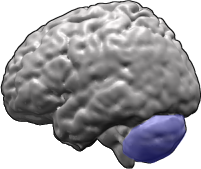
Ataxia espinocerebelar tipo 17
📋 Origem dos dados
Esta página agrega dados de fontes públicas e oficiais. Dados sobre cobertura no SUS (PCDT, CEAF) são verificados ativamente por agente proativo (ver badge no infobox). Demais dados têm atribuição de fonte + data da última sincronização — clique para abrir o original.
- Doença rara (ontologia)
- fonte: Orphanet
- Identificador unificado
- fonte: MONDO
- Genética mendeliana
- fonte: OMIM
- Codificação WHO/SUS
- fonte: WHO ICD-10 / DATASUS
- CID-11 (futuro)
- fonte: WHO ICD-11
- NIH/GARD
- fonte: GARD (NIH)
- Indexação biomédica
- fonte: MeSH (NLM)
- Dado público estruturado
- fonte: Wikidata
- Reposicionamento
- fonte: Drug Repurposing Hub
- Ensaios clínicos
- fonte: ClinicalTrials.gov