
A ataxia espinocerebelar tipo 19 (SCA19) é um subtipo muito raro de ataxia cerebelar autossômica dominante tipo I (ADCA tipo I). Isso significa que é uma doença neurológica hereditária, passada de pais para filhos, que afeta a coordenação dos movimentos. Ela se caracteriza por uma leve falta de coordenação, dificuldades de raciocínio e memória, resultados baixos no Teste de Classificação de Cartas de Wisconsin (que avalia a capacidade de planejar e resolver problemas), espasmos musculares involuntários e tremores que surgem ao tentar manter uma postura.
Introdução
O que você precisa saber de cara
A ataxia espinocerebelar tipo 19 (SCA19) é um subtipo muito raro de ataxia cerebelar autossômica dominante tipo I (ADCA tipo I). Isso significa que é uma doença neurológica hereditária, passada de pais para filhos, que afeta a coordenação dos movimentos. Ela se caracteriza por uma leve falta de coordenação, dificuldades de raciocínio e memória, resultados baixos no Teste de Classificação de Cartas de Wisconsin (que avalia a capacidade de planejar e resolver problemas), espasmos musculares involuntários e tremores que surgem ao tentar manter uma postura.
Escala de raridade
<1/50kMuito rara
1/20kRara
1/10kPouco freq.
1/5kIncomum
1/2k
Encontrou um erro ou informação desatualizada? Sugira uma correção →
Entender a doença
Do básico ao detalhe, leia no seu ritmo
Preparando trilha educativa...
Sinais e sintomas
O que aparece no corpo e com que frequência cada sintoma acontece
Partes do corpo afetadas
+ 21 sintomas em outras categorias
Características mais comuns
Os sintomas variam de pessoa para pessoa. Abaixo estão as 35 características clínicas mais associadas, ordenadas por frequência.
Linha do tempo da pesquisa
Encontrou um erro ou informação desatualizada? Sugira uma correção →
Genética e causas
O que está alterado no DNA e como passa nas famílias
Genes associados
1 gene identificado com associação a esta condição. Padrão de herança: Autosomal dominant.
Curadoria gene-doença
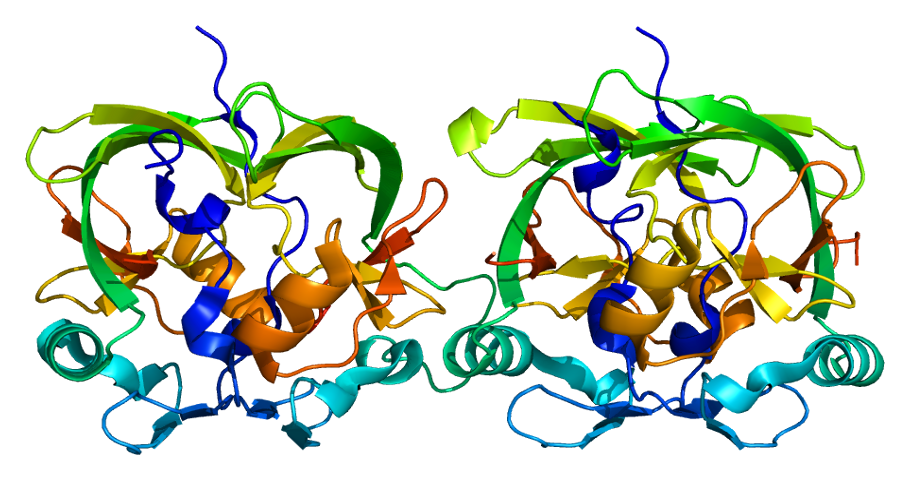
fontes oficiaisPore-forming (alpha) subunit of voltage-gated A-type potassium channels that mediates transmembrane potassium transport in excitable membranes, in brain and heart (PubMed:10200233, PubMed:17187064, PubMed:21349352, PubMed:22457051, PubMed:23280837, PubMed:23280838, PubMed:34997220, PubMed:9843794). In cardiomyocytes, may generate the transient outward potassium current I(To) (By similarity). In neurons, may conduct the transient subthreshold somatodendritic A-type potassium current (ISA) (By sim
Cell membraneCell membrane, sarcolemmaCell projection, dendrite
Spinocerebellar ataxia 19
A form of spinocerebellar ataxia, a clinically and genetically heterogeneous group of cerebellar disorders. Patients show progressive incoordination of gait and often poor coordination of hands, speech and eye movements, due to degeneration of the cerebellum with variable involvement of the brainstem and spinal cord. SCA19 is a relatively mild, cerebellar ataxic syndrome with cognitive impairment, pyramidal tract involvement, tremor and peripheral neuropathy, and mild atrophy of the cerebellar hemispheres and vermis.
Variantes genéticas (ClinVar)
120 variantes patogênicas registradas no ClinVar.
Classificação de variantes (ClinVar)
Distribuição de 364 variantes classificadas pelo ClinVar.
Vias biológicas (Reactome)
2 vias biológicas associadas aos genes desta condição.
Diagnóstico
Os sinais que médicos procuram e os exames que confirmam
Tratamento e manejo
Remédios, cuidados de apoio e o que precisa acompanhar
Onde tratar no SUS
Hospitais de referência no Brasil e o protocolo oficial do SUS (PCDT)
🇧🇷 Atendimento SUS — Ataxia espinocerebelar tipo 19/22
Selecione um estado ou use sua localização para ver resultados.
Dados de DATASUS/CNES, SBGM, ABNeuro e Ministério da Saúde. Sempre confirme a disponibilidade diretamente com o estabelecimento.
Pesquisa ativa
Ensaios clínicos abertos e novidades científicas recentes
Ensaios em destaque
🟢 Recrutando agora
1 pesquisa recrutando participantes. Converse com seu médico sobre a possibilidade de participar.
Outros ensaios clínicos
Publicações mais relevantes
Seven-year Follow-up of Cerebellar Type 1 Metabotropic Glutamate Receptor Availability in a Family With Spinocerebellar Ataxia Type 19/21.
Imaging of type 1 metabotropic glutamate receptor (mGluR1), predominantly expressed on Purkinje cells, is available using PET. We have demonstrated that cerebellar mGluR1 availability decreases with disease progression in cerebellar ataxia. This study presents longitudinal changes in a mother and her daughter with spinocerebellar ataxia type 19/21, who underwent 2 sessions of mGluR1 PET and MRI scans, 7 years apart. Our findings show that cerebellar mGluR1 availability decreases as ataxia progresses, and that mGluR1 imaging is likely superior to MRI for detecting small changes within the cerebellum. Therefore, mGluR1 imaging may serve as a specific biomarker for monitoring cerebellar function.
Restoration of Shal/KV4 proteostasis and motor function in a Drosophila model of spinocerebellar ataxia type 19/22.
Loss-of-function mutations in the human KCND3 gene encoding KV4.3 K+ channels are linked to the autosomal dominant neurodegenerative disease spinocerebellar ataxia type 19/22 (SCA19/22). Previous biophysical and biochemical analyses in vitro support the notion that the autosomal dominant inheritance pattern of SCA19/22 is associated with the dominant-negative effects of disease-causing KV4.3 mutants on proteostasis of their wild-type (WT) counterpart. Herein we aimed to explore whether the disease-causing mutants might perturb protein expression of endogenous KV4.3 channel in human cells, as well as contributing to in vivo pathomechanisms underlying motor impairments and neurodegeneration in an animal model of SCA19/22. Substantial reduction in human KV4.3 protein level was validated in skin fibroblasts derived from heterozygous SCA19/22 patients. Genetic knockdown of endogenous Shal, the fly ortholog of human KV4.3, in Drosophila led to locomotor impairment, ommatidia degeneration, and reduced brain cortex thickness, all of which was effectively ameliorated by transgenic expression of human KV4.3, but not KV1.1 K+ channel. Transgenic expression of SCA19/22-causing human KV4.3 mutants resulted in notable disruption of endogenous Shal proteostasis, locomotor function, and ommatidia morphology in Drosophila. Enhanced expression of the Drosophila molecular chaperones HSC70 and HSP83 in our fly model of SCA19/22 corrected Shal protein deficit, locomotor dysfunction, and neurodegeneration. Overexpression of Hsp90β also upregulated endogenous human KV4.3 protein level in patient-derived skin fibroblasts. Our findings highlight Drosophila as a suitable animal model for studying KV4.3 channelopathy in vivo, and accentuate a critical role of defective KV4.3 proteostasis in the pathogenesis of motor dysfunction and neurodegeneration in SCA19/22.
An E280K Missense Variant in KCND3/Kv4.3-Case Report and Functional Characterization.
A five-year-old girl presented with headache attacks, clumsiness, and a history of transient gait disturbances. She and her father, mother, twin sister, and brother underwent neurological evaluation, neuroimaging, and exome sequencing covering 357 genes associated with movement disorders. Sequencing revealed the new variant KCND3 c.838G>A, p.E280K in the father and sisters, but not in the mother and brother. KCND3 encodes voltage-gated potassium channel D3 (Kv4.3) and mutations have been associated with spinocerebellar ataxia type 19/22 (SCA19/22) and cardiac arrhythmias. SCA19/22 is characterized by ataxia, Parkinsonism, peripheral neuropathy, and sometimes, intellectual disability. Neuroimaging, EEG, and ECG were unremarkable. Mild developmental delay with impaired fluid reasoning was observed in both sisters, but not in the brother. None of the family members demonstrated ataxia or parkinsonism. In Xenopus oocyte electrophysiology experiments, E280K was associated with a rightward shift in the Kv4.3 voltage-activation relationship of 11 mV for WT/E280K and +17 mV for E280K/E280K relative to WT/WT. Steady-state inactivation was similarly right-shifted. Maximal peak current amplitudes were similar for WT/WT, WT/E280K, and E280K/E280K. Our data indicate that Kv4.3 E280K affects channel activation and inactivation and is associated with developmental delay. However, E280K appears to be relatively benign considering it does not result in overt ataxia.
Gene mutational analysis in a cohort of Chinese children with unexplained epilepsy: Identification of a new KCND3 phenotype and novel genes causing Dravet syndrome.
This study aimed to investigate the genetic etiology of epilepsy in a cohort of Chinese children. Targeted next-generation sequencing (NGS) was performed for 120 patients with unexplained epilepsy, including 71 patients with early-onset epileptic encephalopathies, and 16 patients with Dravet syndrome (including three patients with a Dravet-like phenotype) but without SCN1A pathogenic variants. Pathogenic variants of 14 genes were discovered in 22 patients (18%). A de novo KCND3 pathogenic variant (c.1174G > A, p.Val392Ile) was identified in a boy with refractory epilepsy, psychomotor regression, attention deficit, and visual decline. Pathogenic variants in other coding genes were excluded via whole exome sequencing. This KCND3 variant was previously confirmed to be pathogenic by Giudicessi, et al. However, the clinical profile was different: sudden death at 20 years old without any medical history of neurological disorders, nor with any diseases typically caused by KCND3 pathogenic variants such as Brugada syndrome, spinocerebellar ataxia type 19/22 or ataxia accompanied by epilepsy. This indicates that we have identified a new KCND3 phenotype. In addition, we also uncovered a GRIN1 pathogenic variant and a novel HCN1 pathogenic variant in the Dravet cohort. Our study highlights the significant utility of NGS panels in the genetic diagnosis of pediatric epilepsy. Our findings indicate that KCND3 pathogenic variants may be responsible for a wider phenotypic spectrum than previously thought, by including childhood epileptic encephalopathy. Furthermore, this study provides evidence that GRIN1 and HCN1 are candidate genes for Dravet and Dravet-like phenotypes.
Relationship between type 1 metabotropic glutamate receptors and cerebellar ataxia.
Imaging of type 1 metabotropic glutamate receptor (mGluR1) has recently become possible using positron emission tomography (PET). We aimed to examine the relationship between mGluR1 and cerebellar ataxia. Families with spinocerebellar ataxia type 19/22 (SCA19/22) and SCA6, six patients with sporadic SCA, and 26 healthy subjects underwent PET using an mGluR1 radiotracer. Volumes-of-interest were placed on the anterior and posterior lobes and vermis. The binding potential (BPND) was calculated to estimate mGluR1 availability. A partial volume correction was applied to the BPND values. The Scale for the Assessment and Rating of Ataxia (SARA) score were measured. In each patient with SCA19/22 and SCA6, the anterior lobe showed the highest decrease rates in the BPND values, compared with healthy subjects. In the families with SCA19/22 and SCA6, the disease durations and SARA scores were shorter and lower, respectively, in the offspring, compared with the parents. However, the offspring paradoxically showed lower BPND values, especially in the anterior lobe, compared with the parents. The patients with sporadic SCA showed significantly lower BPND values in all subregions than healthy subjects. The BPND values significantly correlated with the SARA scores in all participants. In conclusion, these results showed a decrease in mGluR1 availability in patients with hereditary and sporadic SCA, a correlation between mGluR1 availability and degree of cerebellar ataxia, and paradoxical findings in two families. These results suggest the potential use of mGluR1 imaging as a specific biomarker of cerebellar ataxia.
Publicações recentes
Seven-year Follow-up of Cerebellar Type 1 Metabotropic Glutamate Receptor Availability in a Family With Spinocerebellar Ataxia Type 19/21.
Restoration of Shal/K(V)4 proteostasis and motor function in a Drosophila model of spinocerebellar ataxia type 19/22.
An E280K Missense Variant in KCND3/Kv4.3-Case Report and Functional Characterization.
Gene mutational analysis in a cohort of Chinese children with unexplained epilepsy: Identification of a new KCND3 phenotype and novel genes causing Dravet syndrome.
Relationship between type 1 metabotropic glutamate receptors and cerebellar ataxia.
📚 EuropePMC3.032 artigos no totalmostrando 6
Seven-year Follow-up of Cerebellar Type 1 Metabotropic Glutamate Receptor Availability in a Family With Spinocerebellar Ataxia Type 19/21.
Clinical nuclear medicineRestoration of Shal/KV4 proteostasis and motor function in a Drosophila model of spinocerebellar ataxia type 19/22.
Cellular and molecular life sciences : CMLSAn E280K Missense Variant in KCND3/Kv4.3-Case Report and Functional Characterization.
International journal of molecular sciencesGene mutational analysis in a cohort of Chinese children with unexplained epilepsy: Identification of a new KCND3 phenotype and novel genes causing Dravet syndrome.
SeizureRelationship between type 1 metabotropic glutamate receptors and cerebellar ataxia.
Journal of neurologySpinocerebellar ataxia type 19/22 mutations alter heterocomplex Kv4.3 channel function and gating in a dominant manner.
Cellular and molecular life sciences : CMLSAssociações
Organizações que acompanham esta doença — pra ter apoio e orientação
Ainda não temos associações cadastradas para Ataxia espinocerebelar tipo 19/22.
É de uma associação que acompanha esta doença? Fale com a gente →
Comunidades
Grupos ativos de quem convive com esta doença aqui no Raras
Ainda não existe comunidade no Raras para Ataxia espinocerebelar tipo 19/22
Pacientes, familiares e cuidadores se organizam em comunidades pra compartilhar experiências, fazer perguntas e se apoiar. Você pode ser o primeiro.
Tire suas dúvidas
Perguntas, dicas e experiências compartilhadas aqui na página
Participe da discussão
Faça login para postar dúvidas, compartilhar experiências e interagir com especialistas.
Fazer loginDoenças relacionadas
Doenças com sintomas parecidos — ajudam quem ainda está buscando diagnóstico
Referências e fontes
Bases de dados externas citadas neste artigo
Publicações científicas
Artigos indexados no PubMed ligados a esta doença no grafo RarasNet — título, periódico e PMID direto da fonte, sem intermediação de IA.
- Seven-year Follow-up of Cerebellar Type 1 Metabotropic Glutamate Receptor Availability in a Family With Spinocerebellar Ataxia Type 19/21.
- Restoration of Shal/KV4 proteostasis and motor function in a Drosophila model of spinocerebellar ataxia type 19/22.
- An E280K Missense Variant in KCND3/Kv4.3-Case Report and Functional Characterization.
- Gene mutational analysis in a cohort of Chinese children with unexplained epilepsy: Identification of a new KCND3 phenotype and novel genes causing Dravet syndrome.
- Relationship between type 1 metabotropic glutamate receptors and cerebellar ataxia.
Bases de dados e fontes oficiais
Identificadores e referências canônicas usadas para montar este verbete.
- ORPHA:98772(Orphanet)
- OMIM OMIM:607346(OMIM)
- MONDO:0011819(MONDO)
- GARD:12365(GARD (NIH))
- Variantes catalogadas(ClinVar)
- Busca completa no PubMed(PubMed)
- Q21097767(Wikidata)
Dados compilados pelo RarasNet a partir de fontes abertas (Orphanet, OMIM, MONDO, PubMed/EuropePMC, ClinicalTrials.gov, DATASUS, PCDT/MS). Este conteúdo é informativo e não substitui avaliação médica.
Conteúdo mantido por Agente Raras · Médicos e pesquisadores podem colaborar
Ataxia espinocerebelar tipo 19/22
📋 Origem dos dados
Esta página agrega dados de fontes públicas e oficiais. Dados sobre cobertura no SUS (PCDT, CEAF) são verificados ativamente por agente proativo (ver badge no infobox). Demais dados têm atribuição de fonte + data da última sincronização — clique para abrir o original.
- Doença rara (ontologia)
- fonte: Orphanet
- Identificador unificado
- fonte: MONDO
- Genética mendeliana
- fonte: OMIM
- Codificação WHO/SUS
- fonte: WHO ICD-10 / DATASUS
- CID-11 (futuro)
- fonte: WHO ICD-11
- NIH/GARD
- fonte: GARD (NIH)
- Indexação biomédica
- fonte: MeSH (NLM)
- Dado público estruturado
- fonte: Wikidata
- Reposicionamento
- fonte: Drug Repurposing Hub
- Ensaios clínicos
- fonte: ClinicalTrials.gov