Grupo clínica e geneticamente heterogêneo de doenças neurodegenerativas caracterizadas por uma ataxia lentamente progressiva da marcha, postura e membros, disartria e/ou distúrbio oculomotor, devido à degeneração cerebelar na ausência de doenças coexistentes. O processo degenerativo pode ser limitado ao cerebelo (ADCA tipo 3) ou pode envolver adicionalmente a retina (ADCA tipo 2), nervo óptico, sistemas ponto-medulares, gânglios da base, córtex cerebral, tratos espinhais ou nervos periféricos (ADCA tipo 1). Na ACDA tipo 4, uma síndrome cerebelar está associada à epilepsia.
Introdução
O que você precisa saber de cara
A ataxia espinocerebelar de início infantil (IOSCA) é uma doença progressiva que afeta o sistema nervoso. Bebês com IOSCA se desenvolvem normalmente durante o primeiro ano de vida. Durante a primeira infância, porém, começam a apresentar dificuldade em coordenar os movimentos (ataxia); tônus muscular muito fraco (hipotonia); movimentos involuntários de contorção dos membros (atetose); e reflexos diminuídos. Na adolescência, as pessoas com a condição precisam de auxílio de cadeira de rodas.
Pessoas com IOSCA frequentemente desenvolvem problemas no sistema nervoso autônomo, que controla funções corporais involuntárias. Como resultado, podem apresentar sudorese excessiva, dificuldade em controlar a micção e constipação grave.
IOSCA também causa problemas de visão e audição que começam por volta dos 7 anos de idade. Crianças com essa condição desenvolvem fraqueza nos músculos que controlam o movimento dos olhos (oftalmoplegia). Na adolescência, elas apresentam degeneração dos nervos que transportam informações dos olhos para o cérebro (atrofia óptica), o que pode resultar em perda de visão. A perda auditiva causada por dano nervoso (perda auditiva sensorioneural) geralmente ocorre durante a infância e progride para surdez profunda.
Indivíduos com IOSCA podem ter crises epilépticas recorrentes (epilepsia). Essas crises podem levar a disfunção cerebral grave (encefalopatia).
A maioria das pessoas com IOSCA sobrevive até a idade adulta. No entanto, alguns indivíduos com IOSCA apresentam uma forma especialmente grave da doença, envolvendo dano hepático e encefalopatia que se desenvolvem na primeira infância. Essas crianças geralmente não vivem além dos 5 anos de idade.
Fonte: MedlinePlus Genetics (NLM/NIH), traduzidoGrupo clínica e geneticamente heterogêneo de doenças neurodegenerativas caracterizadas por uma ataxia lentamente progressiva da marcha, postura e membros, disartria e/ou distúrbio oculomotor, devido à degeneração cerebelar na ausência de doenças coexistentes. O processo degenerativo pode ser limitado ao cerebelo (ADCA tipo 3) ou pode envolver adicionalmente a retina (ADCA tipo 2), nervo óptico, sistemas ponto-medulares, gânglios da base, córtex cerebral, tratos espinhais ou nervos periféricos (ADCA tipo 1). Na ACDA tipo 4, uma síndrome cerebelar está associada à epilepsia.
Tem tratamento?
Escala de raridade
<1/50kMuito rara
1/20kRara
1/10kPouco freq.
1/5kIncomum
1/2k
Encontrou um erro ou informação desatualizada? Sugira uma correção →
Entender a doença
Do básico ao detalhe, leia no seu ritmo
Preparando trilha educativa...
Sinais e sintomas
O que aparece no corpo e com que frequência cada sintoma acontece
Partes do corpo afetadas
+ 124 sintomas em outras categorias
Características mais comuns
Os sintomas variam de pessoa para pessoa. Abaixo estão as 266 características clínicas mais associadas, ordenadas por frequência.
Linha do tempo da pesquisa
Encontrou um erro ou informação desatualizada? Sugira uma correção →
Genética e causas
O que está alterado no DNA e como passa nas famílias
Genes associados
48 genes identificados com associação a esta condição. Padrão de herança: Autosomal dominant.
Dystonia 12
An autosomal dominant dystonia-parkinsonism disorder. Dystonia is defined by the presence of sustained involuntary muscle contractions, often leading to abnormal postures. DYT12 patients develop dystonia and parkinsonism between 15 and 45 years of age. The disease is characterized by an unusually rapid evolution of signs and symptoms. The sudden onset of symptoms over hours to a few weeks, often associated with physical or emotional stress, suggests a trigger initiating a nervous system insult resulting in permanent neurologic disability.
Spinocerebellar ataxia 21
A form of spinocerebellar ataxia, a clinically and genetically heterogeneous group of cerebellar disorders. Patients show progressive incoordination of gait and often poor coordination of hands, speech and eye movements, due to degeneration of the cerebellum with variable involvement of the brainstem and spinal cord. SCA21 is characterized by onset in the first decades of life of slowly progressive relatively mild cerebellar ataxia associated with slight extrapyramidal features predominant in older patients and cognitive impairment predominant in younger patients.
Spinocerebellar ataxia 38
A form of spinocerebellar ataxia, a clinically and genetically heterogeneous group of cerebellar disorders. Patients show progressive incoordination of gait and often poor coordination of hands, speech and eye movements, due to degeneration of the cerebellum with variable involvement of the brainstem and spinal cord. SCA38 is an autosomal dominant form characterized by adult-onset of slowly progressive gait ataxia accompanied by nystagmus. Brain MRI shows cerebellar atrophy.
Spinocerebellar ataxia 23
Spinocerebellar ataxia is a clinically and genetically heterogeneous group of cerebellar disorders. Patients show progressive incoordination of gait and often poor coordination of hands, speech and eye movements, due to degeneration of the cerebellum with variable involvement of the brainstem and spinal cord. SCA23 is an adult-onset autosomal dominant form characterized by slowly progressive gait and limb ataxia, with variable additional features, including peripheral neuropathy and dysarthria.
Spinocerebellar ataxia 45
A form of spinocerebellar ataxia, a clinically and genetically heterogeneous group of cerebellar disorders. Patients show progressive incoordination of gait and often poor coordination of hands, speech and eye movements, due to degeneration of the cerebellum with variable involvement of the brainstem and spinal cord. SCA45 is a slowly progressive, autosomal dominant form with onset in adulthood.
Spinocerebellar ataxia 11
Spinocerebellar ataxia is a clinically and genetically heterogeneous group of cerebellar disorders. Patients show progressive incoordination of gait and often poor coordination of hands, speech and eye movements, due to degeneration of the cerebellum with variable involvement of the brainstem and spinal cord. SCA11 is an autosomal dominant cerebellar ataxia (ADCA). It is a relatively benign, late-onset, slowly progressive neurologic disorder.
Spinocerebellar ataxia 5
Spinocerebellar ataxia is a clinically and genetically heterogeneous group of cerebellar disorders. Patients show progressive incoordination of gait and often poor coordination of hands, speech and eye movements, due to degeneration of the cerebellum with variable involvement of the brainstem and spinal cord. SCA5 is an autosomal dominant cerebellar ataxia (ADCA). It is a slowly progressive disorder with variable age at onset, ranging between 10 and 50 years.
Dentatorubral-pallidoluysian atrophy
Autosomal dominant neurodegenerative disorder characterized by a loss of neurons in the dentate nucleus, rubrum, glogus pallidus and Luys'body. Clinical features are myoclonus epilepsy, dementia, and cerebellar ataxia. Onset of the disease occurs usually in the second decade of life and death in the fourth.
Ataxia, intention tremor, and hypotonia syndrome, childhood-onset
An autosomal dominant neurodevelopmental disorder characterized by global developmental delay, mildly impaired intellectual development with speech delay or learning disabilities, delayed walking due to ataxia, intention tremor, and hypotonia apparent from early childhood. Brain imaging shows cerebellar atrophy in some patients.
Atrial fibrillation, familial, 8
A familial form of atrial fibrillation, a common sustained cardiac rhythm disturbance. Atrial fibrillation is characterized by disorganized atrial electrical activity and ineffective atrial contraction promoting blood stasis in the atria and reduces ventricular filling. It can result in palpitations, syncope, thromboembolic stroke, and congestive heart failure.
Spinocerebellar ataxia, autosomal recessive, 16
A form of spinocerebellar ataxia, a clinically and genetically heterogeneous group of cerebellar disorders. Patients show progressive incoordination of gait and often poor coordination of hands, speech and eye movements, due to degeneration of the cerebellum with variable involvement of the brainstem and spinal cord. SCAR16 is characterized by truncal and limb ataxia resulting in gait instability. Additionally, patients may show dysarthria, nystagmus, spasticity of the lower limbs, and mild peripheral sensory neuropathy.
Spinocerebellar ataxia 10
Spinocerebellar ataxia is a clinically and genetically heterogeneous group of cerebellar disorders. Patients show progressive incoordination of gait and often poor coordination of hands, speech and eye movements, due to degeneration of the cerebellum with variable involvement of the brainstem and spinal cord. SCA10 is an autosomal dominant cerebellar ataxia (ADCA).
Spinocerebellar ataxia 50
A form of spinocerebellar ataxia, a clinically and genetically heterogeneous group of cerebellar disorders. Patients show progressive incoordination of gait and often poor coordination of hands, speech and eye movements, due to degeneration of the cerebellum with variable involvement of the brainstem and spinal cord. SCA50 is an autosomal dominant form characterized by cerebellar ataxia, oculomotor apraxia and other eye movement abnormalities, and cerebellar atrophy on brain imaging.
Stargardt disease 3
A form of Stargardt disease, a common hereditary macular degeneration characterized by decreased central vision, atrophy of the macula and underlying retinal pigment epithelium, and frequent presence of prominent flecks in the posterior pole of the retina. STGD3 is an autosomal dominant form with onset most commonly in the second decade of life.
Spinocerebellar ataxia 42
A form of spinocerebellar ataxia, a clinically and genetically heterogeneous group of cerebellar disorders. Patients show progressive incoordination of gait and often poor coordination of hands, speech and eye movements, due to degeneration of the cerebellum with variable involvement of the brainstem and spinal cord. SCA42 is a slowly progressive, autosomal dominant form with variable severity.
Spinocerebellar ataxia 7
Spinocerebellar ataxia is a clinically and genetically heterogeneous group of cerebellar disorders. Patients show progressive incoordination of gait and often poor coordination of hands, speech and eye movements, due to degeneration of the cerebellum with variable involvement of the brainstem and spinal cord. SCA7 belongs to the autosomal dominant cerebellar ataxias type II (ADCA II) which are characterized by cerebellar ataxia with retinal degeneration and pigmentary macular dystrophy.
Spinocerebellar ataxia 1
Spinocerebellar ataxia is a clinically and genetically heterogeneous group of cerebellar disorders. Patients show progressive incoordination of gait and often poor coordination of hands, speech and eye movements, due to cerebellum degeneration with variable involvement of the brainstem and spinal cord. SCA1 belongs to the autosomal dominant cerebellar ataxias type I (ADCA I) which are characterized by cerebellar ataxia in combination with additional clinical features like optic atrophy, ophthalmoplegia, bulbar and extrapyramidal signs, peripheral neuropathy and dementia. SCA1 is caused by expansion of a CAG repeat in the coding region of ATXN1. Longer expansions result in earlier onset and more severe clinical manifestations of the disease.
Spinocerebellar ataxia 3
Spinocerebellar ataxia is a clinically and genetically heterogeneous group of cerebellar disorders. Patients show progressive incoordination of gait and often poor coordination of hands, speech and eye movements, due to cerebellum degeneration with variable involvement of the brainstem and spinal cord. SCA3 belongs to the autosomal dominant cerebellar ataxias type I (ADCA I) which are characterized by cerebellar ataxia in combination with additional clinical features like optic atrophy, ophthalmoplegia, bulbar and extrapyramidal signs, peripheral neuropathy and dementia. The molecular defect in SCA3 is the a CAG repeat expansion in ATX3 coding region. Longer expansions result in earlier onset and more severe clinical manifestations of the disease.
Spinocerebellar ataxia 8
Spinocerebellar ataxia is a clinically and genetically heterogeneous group of cerebellar disorders. Patients show progressive incoordination of gait and often poor coordination of hands, speech and eye movements, due to degeneration of the cerebellum with variable involvement of the brainstem and spinal cord. SCA8 is an autosomal dominant cerebellar ataxia (ADCA). It is caused by expansion of a CAG repeat in ATXN8, which is translated into a nearly pure polyglutamine protein which forms 1C2-positive inclusions in Purkinje cells and other neurons.
Hydrocephalus, congenital, 1
A form of congenital hydrocephalus, a disease characterized by onset in utero of enlarged ventricles due to accumulation of ventricular cerebrospinal fluid. Affected individuals may have neurologic impairment. HYC1 inheritance is autosomal recessive.
Neurodevelopmental disorder with motor abnormalities, seizures, and facial dysmorphism
An autosomal dominant disorder characterized by global developmental delay, impaired intellectual development, early-onset seizures, poor overall growth, delayed walking, hypotonia and/or ataxia, and facial dysmorphism. Some patients have hypoplasia of the corpus callosum and cerebral atrophy.
Methylmalonic aciduria and homocystinuria type cblL
An autosomal recessive disorder of cobalamin metabolism clinically characterized by early-onset seizures, and profound global developmental delay with severe intellectual disability. Metabolic features are mild methylmalonic aciduria, low-normal plasma methionine, and high-normal plasma homocysteine.
Spinocerebellar ataxia 13
Spinocerebellar ataxia is a clinically and genetically heterogeneous group of cerebellar disorders. Patients show progressive incoordination of gait and often poor coordination of hands, speech and eye movements, due to degeneration of the cerebellum with variable involvement of the brainstem and spinal cord. SCA13 is an autosomal dominant cerebellar ataxia (ADCA) characterized by slow progression and variable age at onset, ranging from childhood to late adulthood. Intellectual disability can be present in some patients.
Spinocerebellar ataxia 31
A form of spinocerebellar ataxia, a clinically and genetically heterogeneous group of cerebellar disorders. Patients show progressive incoordination of gait and often poor coordination of hands, speech and eye movements, due to degeneration of the cerebellum with variable involvement of the brainstem and spinal cord. SCA31 belongs to the autosomal dominant cerebellar ataxias type III (ADCA III) which are characterized by pure cerebellar ataxia without additional signs.
Spinocerebellar ataxia 46
A form of spinocerebellar ataxia, a clinically and genetically heterogeneous group of cerebellar disorders. Patients show progressive incoordination of gait and often poor coordination of hands, speech and eye movements, due to degeneration of the cerebellum with variable involvement of the brainstem and spinal cord. SCA46 is a slowly progressive, autosomal dominant form with onset in adulthood.
Spinocerebellar ataxia 36
A form of spinocerebellar ataxia, a clinically and genetically heterogeneous group of cerebellar disorders. Patients show progressive incoordination of gait and often poor coordination of hands, speech and eye movements, due to degeneration of the cerebellum with variable involvement of the brainstem and spinal cord. SCA36 is characterized by complicated clinical features, with ataxia as the first symptom, followed by characteristic late-onset involvement of the motor neuron system. Ataxic symptoms, such as gait and truncal instability, ataxic dysarthria, and uncoordinated limbs, start in late forties to fifties. Characteristically, affected individuals exhibit tongue atrophy with fasciculation. Progression of motor neuron involvement is typically limited to the tongue and main proximal skeletal muscles in both upper and lower extremities.
Spinocerebellar ataxia 14
Spinocerebellar ataxia is a clinically and genetically heterogeneous group of cerebellar disorders. Patients show progressive incoordination of gait and often poor coordination of hands, speech and eye movements, due to degeneration of the cerebellum with variable involvement of the brainstem and spinal cord. SCA14 is an autosomal dominant cerebellar ataxia (ADCA).
Spinocerebellar ataxia 37
A form of spinocerebellar ataxia, a clinically and genetically heterogeneous group of cerebellar disorders. Patients show progressive incoordination of gait and often poor coordination of hands, speech and eye movements, due to degeneration of the cerebellum with variable involvement of the brainstem and spinal cord. SCA37 is an autosomal dominant form characterized by adult-onset of slowly progressive gait instability, frequent falls, and dysarthria associated with cerebellar atrophy on brain imaging.
Charcot-Marie-Tooth disease, axonal, type 2T
An axonal form of Charcot-Marie-Tooth disease, a disorder of the peripheral nervous system, characterized by progressive weakness and atrophy, initially of the peroneal muscles and later of the distal muscles of the arms. Charcot-Marie-Tooth disease is classified in two main groups on the basis of electrophysiologic properties and histopathology: primary peripheral demyelinating neuropathies (designated CMT1 when they are dominantly inherited) and primary peripheral axonal neuropathies (CMT2). Neuropathies of the CMT2 group are characterized by signs of axonal degeneration in the absence of obvious myelin alterations, normal or slightly reduced nerve conduction velocities, and progressive distal muscle weakness and atrophy.
Spinocerebellar ataxia 6
Spinocerebellar ataxia is a clinically and genetically heterogeneous group of cerebellar disorders. Patients show progressive incoordination of gait and often poor coordination of hands, speech and eye movements, due to degeneration of the cerebellum with variable involvement of the brainstem and spinal cord. SCA6 is an autosomal dominant cerebellar ataxia (ADCA), mainly caused by expansion of a CAG repeat in the coding region of CACNA1A. There seems to be a correlation between the repeat number and earlier onset of the disorder.
Ataxia-pancytopenia syndrome
An autosomal dominant disorder characterized by cerebellar ataxia, variable hematologic cytopenias, and predisposition to bone marrow failure and myeloid leukemia.
Spinocerebellar ataxia 2
Spinocerebellar ataxia is a clinically and genetically heterogeneous group of cerebellar disorders. Patients show progressive incoordination of gait and often poor coordination of hands, speech and eye movements, due to cerebellum degeneration with variable involvement of the brainstem and spinal cord. SCA2 belongs to the autosomal dominant cerebellar ataxias type I (ADCA I) which are characterized by cerebellar ataxia in combination with additional clinical features like optic atrophy, ophthalmoplegia, bulbar and extrapyramidal signs, peripheral neuropathy and dementia. SCA2 is characterized by hyporeflexia, myoclonus and action tremor and dopamine-responsive parkinsonism. In some patients, SCA2 presents as pure familial parkinsonism without cerebellar signs.
Spinocerebellar ataxia 26
A form of spinocerebellar ataxia, a clinically and genetically heterogeneous group of cerebellar disorders. Patients show progressive incoordination of gait and often poor coordination of hands, speech and eye movements, due to degeneration of the cerebellum with variable involvement of the brainstem and spinal cord.
Spinocerebellar ataxia 12
Spinocerebellar ataxia is a clinically and genetically heterogeneous group of cerebellar disorders. Patients show progressive incoordination of gait and often poor coordination of hands, speech and eye movements, due to degeneration of the cerebellum with variable involvement of the brainstem and spinal cord. SCA12 is an autosomal dominant cerebellar ataxia (ADCA).
Spinocerebellar ataxia 35
A form of spinocerebellar ataxia, a clinically and genetically heterogeneous group of cerebellar disorders. Patients show progressive incoordination of gait and often poor coordination of hands, speech and eye movements, due to degeneration of the cerebellum with variable involvement of the brainstem and spinal cord. SCA35 patients commonly show upper limb involvement and torticollis. There is no cognitive impairment.
Spinocerebellar ataxia 19
A form of spinocerebellar ataxia, a clinically and genetically heterogeneous group of cerebellar disorders. Patients show progressive incoordination of gait and often poor coordination of hands, speech and eye movements, due to degeneration of the cerebellum with variable involvement of the brainstem and spinal cord. SCA19 is a relatively mild, cerebellar ataxic syndrome with cognitive impairment, pyramidal tract involvement, tremor and peripheral neuropathy, and mild atrophy of the cerebellar hemispheres and vermis.
Spinocerebellar ataxia 41
A form of spinocerebellar ataxia, a clinically and genetically heterogeneous group of cerebellar disorders. Patients show progressive incoordination of gait and often poor coordination of hands, speech and eye movements, due to degeneration of the cerebellum with variable involvement of the brainstem and spinal cord.
Combined oxidative phosphorylation deficiency 13
A mitochondrial disorder characterized by early onset severe encephalomyopathy, dystonia, choreoathetosis, bucofacial dyskinesias and combined mitochondrial respiratory chain deficiency. Nerve conductions velocities are decreased. Levels of plasma and cerebrospinal fluid lactate are increased.
Spinocerebellar ataxia 15
Spinocerebellar ataxia is a clinically and genetically heterogeneous group of cerebellar disorders. Patients show progressive incoordination of gait and often poor coordination of hands, speech and eye movements, due to degeneration of the cerebellum with variable involvement of the brainstem and spinal cord. SCA15 is an autosomal dominant cerebellar ataxia (ADCA). It is very slow progressing form with a wide range of onset, ranging from childhood to adult. Most patients remain ambulatory.
Spinocerebellar ataxia 27A
A form of spinocerebellar ataxia, a clinically and genetically heterogeneous group of cerebellar disorders. Patients show progressive incoordination of gait and often poor coordination of hands, speech and eye movements, due to degeneration of the cerebellum with variable involvement of the brainstem and spinal cord. SCA27A is an autosomal dominant, slowly progressive form characterized by gait disturbances, ataxia with tremor, dysarthria, orofacial dyskinesia, gaze-evoked nystagmus, and learning disabilities. There is significant variability, and patients show various combinations of neurologic features.
Spinocerebellar ataxia 17
Spinocerebellar ataxia is a clinically and genetically heterogeneous group of cerebellar disorders. Patients show progressive incoordination of gait and often poor coordination of hands, speech and eye movements, due to degeneration of the cerebellum with variable involvement of the brainstem and spinal cord. SCA17 is an autosomal dominant cerebellar ataxia (ADCA) characterized by widespread cerebral and cerebellar atrophy, dementia and extrapyramidal signs. The molecular defect in SCA17 is the expansion of a CAG repeat in the coding region of TBP. Longer expansions result in earlier onset and more severe clinical manifestations of the disease.
Spinocerebellar ataxia, autosomal recessive, 13
A form of spinocerebellar ataxia, a clinically and genetically heterogeneous group of cerebellar disorders. Patients show progressive incoordination of gait and often poor coordination of hands, speech and eye movements, due to degeneration of the cerebellum with variable involvement of the brainstem and spinal cord. SCAR13 is characterized by delayed psychomotor development beginning in infancy. Affected individuals show mild to profound intellectual disability with poor or absent speech as well as gait and stance ataxia and hyperreflexia.
Neuropathy, hereditary sensory, 1E
A neurodegenerative disorder characterized by adult onset of progressive peripheral sensory loss associated with progressive hearing impairment and early-onset dementia.
Spinocerebellar ataxia 28
Spinocerebellar ataxia is a clinically and genetically heterogeneous group of cerebellar disorders. Patients show progressive incoordination of gait and often poor coordination of hands, speech and eye movements, due to degeneration of the cerebellum with variable involvement of the brainstem and spinal cord. SCA28 is an autosomal dominant cerebellar ataxia (ADCA) with a slow progressive course and no evidence of sensory involvement or cognitive impairment.
Cerebellar dysfunction with variable cognitive and behavioral abnormalities
An autosomal dominant neurodevelopmental disorder characterized by mildly delayed psychomotor development, early onset of cerebellar ataxia, and intellectual disability later in childhood and adult life. Other features may include neonatal hypotonia, dysarthria, and dysmetria. Brain imaging in some patients shows cerebellar atrophy. Dysmorphic facial features are variable.
Medicamentos e terapias
Mecanismo: Sodium channel alpha subunit blocker
Mecanismo: Glycogen synthase kinase-3 inhibitor
Variantes genéticas (ClinVar)
780 variantes patogênicas registradas no ClinVar.
Classificação de variantes (ClinVar)
Distribuição de 454 variantes classificadas pelo ClinVar.
Vias biológicas (Reactome)
113 vias biológicas associadas aos genes desta condição.
Diagnóstico
Os sinais que médicos procuram e os exames que confirmam
Tratamento e manejo
Remédios, cuidados de apoio e o que precisa acompanhar
Onde tratar no SUS
Hospitais de referência no Brasil e o protocolo oficial do SUS (PCDT)
🇧🇷 Atendimento SUS — Ataxia cerebelosa autossômica dominante
Selecione um estado ou use sua localização para ver resultados.
Dados de DATASUS/CNES, SBGM, ABNeuro e Ministério da Saúde. Sempre confirme a disponibilidade diretamente com o estabelecimento.
Pesquisa ativa
Ensaios clínicos abertos e novidades científicas recentes
Ensaios em destaque
Com ensaio aberto em 16 países. O ponto verde marca onde há vaga agora.
🟢 Recrutando agora
13 pesquisas recrutando participantes. Converse com seu médico sobre a possibilidade de participar.
Outros ensaios clínicos
91 ensaios clínicos encontrados, 29 ativos.
Publicações mais relevantes
An R83W mutation in Rab3A causes autosomal-dominant cerebellar ataxia.
Spinocerebellar ataxias (SCAs) are a group of progressive neurodegenerative disorders caused by pathogenic variants in more than 40 genes with diverse cellular functions. In this study, we identified the c.247C > T p.(Arg83Trp) variant in RAB3A, encoding a small GTPase involved in membrane-associated regulated exocytosis, in two families with cerebellar ataxia. Affected individuals presented with adult-onset, gradually progressive cerebellar symptoms, often accompanied by mild gait spasticity and tremors. Variable features of neurodevelopmental disorders were also observed. Brain MRI consistently revealed cerebellar atrophy, often accentuated in the vermis, and neuropathological examinations demonstrated diffuse cerebellar cortical degeneration. Functionally, the R83W mutation lies within the conserved switch II region of Rab3A, a domain critical for effector interaction. Although the mutant Rab3A R83W retained GTP-binding affinity, it failed to bind the key effector proteins RIM1 and Rabphilin-3A, highlighting the functional importance of R83 in effector complex formation, as supported by structural analysis. In PC12 cells, the R83W mutant exhibited diffuse cytoplasmic localization, in contrast to the vesicle- and neurite-tip localization of the wild-type and GTP-bound Rab3A mutant. The concordant localization pattern of R83W and GDP-bound Rab3A mutants suggests that R83W-induced mislocalization results from a failure to engage downstream effector proteins. In the cerebellum, Rab3A was predominantly localized to parallel fiber terminals and was absent from postsynaptic Purkinje cells. These findings suggest that disruption of the interaction between Rab3A and its effector proteins may underlie disease pathogenesis, possibly involving presynaptic dysfunction at parallel fiber-Purkinje cell synapses mediated by the Rab3A-RIM1 complex.
A case report of spinocerebellar ataxia with TRPC3 gene mutation and review of literature.
Spinocerebellar ataxia type 41 (SCA41) is a rare autosomal dominant cerebellar ataxia caused by mutations in the transient receptor potential canonical 3 (TRPC3) gene. We report a case of a patient with SCA41 whose clinical manifestations were initially suspected to be multiple system atrophy cerebellar-type (MSA-C). Whole-exome sequencing (WES) revealed a c.1955A>G (p.K652R) mutation in the TRPC3 gene of this patient. After treatment with transcranial magnetic stimulation and rehabilitation training, the patient reported a slight improvement in unsteady gait compared with before. This is the first report of SCA41 caused by the c.1955A>G variant in the TRPC3 gene, which expands the mutation spectrum of the TRPC3 gene. Clinicians should have sufficient awareness of SCA41, as SCA and MSA-C share overlapping clinical phenotypes and imaging features, which may easily lead to misdiagnosis, and genetic testing plays a crucial role in differentiating between the two disorders.
Clinical, Genetic, and Imaging Characteristics of SCA27B: Insights from a Large Dutch Cohort.
Deep intronic GAA repeat expansions in intron 1 of the FGF14 gene were identified in 2023 as cause of late-onset cerebellar ataxia. Since then, GAA-FGF14-related ataxia (SCA27B) has emerged as one of the most common genetic causes of late-onset cerebellar ataxia. To describe the clinical, genetic, and imaging features of a large Dutch cohort. The Radboudumc genetic database was queried for GAA-FGF14 expansions ≥200. Repeat length was assessed using locus-spanning polymerase chain reaction (PCR), repeat-primed PCR, and PacBio sequencing. A subset was validated using Oxford Nanopore. Clinical and imaging data were retrospectively reviewed. 127 individuals with GAA-FGF14 expansions ≥200 were identified; clinical data were available from 116, including 109 symptomatic and 7 asymptomatic/presymptomatic individuals. Fifteen individuals carried GAA200-249 expansions; 60% exhibited at least one core SCA27B feature. Episodic symptoms occurred in 72.5%; 24% had prior emergency department or outpatient transient ischemic attack clinic visits. Brain magnetic resonance imaging frequently showed non-specific white matter abnormalities (>90%); Superior cerebellar peduncle sign was present in 67.7%. Among those treated, 54.1% reported symptomatic benefit from 4-aminopyridine. Nanopore and PacBio sequencing results showed high correlations. We observed an inverse relationship between age at onset and disease progression. Core SCA27B features emerge in those carrying GAA200-249 expansions. SCA27B may mimic stroke in patients with episodic symptoms. In our cohort, later onset was associated with faster disease progression. The superior cerebellar peduncle sign may aid diagnosis, while relevance of white matter changes remains unclear. Positive response to 4-aminopyridine was reported in approximately half of patients. © 2026 The Author(s). Movement Disorders published by Wiley Periodicals LLC on behalf of International Parkinson and Movement Disorder Society.
Spinocerebellar ataxia type 2 followed by amyotrophic lateral sclerosis due to a pure CAG repeat expansion in ATXN2: a case report and literature review.
Spinocerebellar ataxia type 2 (SCA2) is an autosomal dominant cerebellar ataxia caused by abnormal CAG expansions (≥ 34 repeats) in the ATXN2 gene (ATXN2), whereas intermediate CAG expansions (27-33 repeats) have been linked to amyotrophic lateral sclerosis (ALS). A 53-year-old woman with longstanding cerebellar ataxia developed progressive upper limb weakness and muscle atrophy at the age of 51 years. On neurological examination, she was found to have ataxic dysarthria, slow saccadic eye movements, tongue atrophy with fasciculations, muscle atrophy and weakness in both upper limbs, hyperreflexia with Babinski's sign, and limb and gait ataxia. Brain magnetic resonance imaging (MRI) showed brainstem and cerebellar atrophy. Genetic analysis identified an expanded CAG-repeat of 39/22 in ATXN2, and screening for other known ALS-related gene mutations was negative, leading to a diagnosis of both SCA2 and ALS associated with ATXN2. SCA2 is typically associated with uninterrupted CAG-repeat expansions, whereas ALS-related ATXN2 expansions usually contain at least one CAA triplet. However, despite carrying an uninterrupted CAG-repeat expansion, this patient developed ALS. This case shows that ALS can emerge several decades after SCA2 onset, even in patients with pure CAG-repeats, underscoring the need for long-term monitoring in SCA2 patients. Further research is needed to clarify the roles of repeat length, CAA interruptions, and other factors in ATXN2-related ALS.
DNA methyltransferase 1 modulates mitochondrial function through bridging m5C RNA methylation.
DNA methyltransferase 1 (DNMT1) is an enzyme known for DNA methylation maintenance. Point mutations in its replication focus targeting sequence (RFTS) domain lead to late-onset neurodegeneration, such as autosomal dominant cerebellar ataxia-deafness and narcolepsy (ADCA-DN) disorder. Here, we demonstrated that DNMT1 has the capability to bind to mRNA transcripts and facilitate 5-methylcytosine (m5C) RNA methylation by recruiting NOP2/Sun RNA methyltransferase 2 (NSUN2). RNA m5C methylation, in turn, promotes RNA stability for those genes modulating mitochondrial function. When the DNMT1 RFTS domain is mutated in mice, it triggers aberrant DNMT1-RNA interaction and significantly elevated m5C RNA methylation and RNA stability for a portion of metabolic genes. Consequently, increased levels of metabolic RNA transcripts contribute to cumulative oxidative stress, mitochondrial dysfunction, and neurological symptoms. Collectively, our results reveal a dual role of DNMT1 in regulating both DNA and RNA methylation, which further modulates mitochondrial function, shedding light on the pathogenic mechanism of DNMT1 mutation-induced neurodegeneration.
Publicações recentes
A case report of spinocerebellar ataxia with TRPC3 gene mutation and review of literature.
Clinical, Genetic, and Imaging Characteristics of SCA27B: Insights from a Large Dutch Cohort.
An R83W mutation in Rab3A causes autosomal-dominant cerebellar ataxia.
Missense variant in TTBK2 kinase domain causes loss of function and impaired protein phosphorylation.
Hummingbird sign in a patient with DNMT1-related disorder.
📚 EuropePMC117 artigos no totalmostrando 83
A case report of spinocerebellar ataxia with TRPC3 gene mutation and review of literature.
Journal of human geneticsClinical, Genetic, and Imaging Characteristics of SCA27B: Insights from a Large Dutch Cohort.
Movement disorders : official journal of the Movement Disorder SocietyAn R83W mutation in Rab3A causes autosomal-dominant cerebellar ataxia.
Human molecular geneticsMissense variant in TTBK2 kinase domain causes loss of function and impaired protein phosphorylation.
Scientific reportsHummingbird sign in a patient with DNMT1-related disorder.
NeurocaseSpinocerebellar Ataxia Type 27B can be Suspected Based on Clinical Phenotype: The Massachusetts General Hospital Ataxia Center Experience.
Cerebellum (London, England)Spinocerebellar ataxia type 2 followed by amyotrophic lateral sclerosis due to a pure CAG repeat expansion in ATXN2: a case report and literature review.
Neurological sciences : official journal of the Italian Neurological Society and of the Italian Society of Clinical NeurophysiologyCongenital diseases with defects in DNA methylation maintenance: focusing on ICF syndrome and multilocus imprinting disturbance.
Genes & genetic systemsRespiratory Evaluation in Spinocerebellar ataxia Type 2.
Cerebellum (London, England)DNA methyltransferase 1 modulates mitochondrial function through bridging m5C RNA methylation.
Molecular cellHeterozygous RAB3A variants cause cerebellar ataxia by a partial loss-of-function mechanism.
Brain : a journal of neurologyCAG Repeat Instability and Region-Specific Gene Expression Changes in the SCA12 Brain.
Cerebellum (London, England)Cerebellar cognitive affective syndrome in patients with spinocerebellar ataxia type 10.
PloS oneRecent Advances in the Genetics of Ataxias: An Update on Novel Autosomal Dominant Repeat Expansions.
Current neurology and neuroscience reportsThe FGF14 GAA repeat expansion is a major cause of ataxia in the Cypriot population.
Brain communicationsA New Case Series Suggests That SCA48 (ATX/STUB1) Is Primarily a Monogenic Disorder.
Movement disorders : official journal of the Movement Disorder SocietyA systematic review on the contribution of DNA methylation to hearing loss.
Clinical epigeneticsSpinocerebellar ataxia 27B: a frequent and slowly progressive autosomal-dominant cerebellar ataxia-experience from an Italian cohort.
Journal of neurologyA combination of chlorzoxazone and folic acid improves recognition memory, anxiety and depression in SCA3-84Q mice.
Human molecular geneticsAbnormal cortical excitability in patients with spinocerebellar ataxia type 12.
Parkinsonism & related disordersWriter's Cramps as an Initial Symptom of Spinocerebellar Ataxia Type 14.
Internal medicine (Tokyo, Japan)The Frequency of Intermediate Alleles in Patients with Cerebellar Phenotypes.
Cerebellum (London, England)First case of autosomal dominant cerebellar ataxia with deafness and narcolepsy (ADCA-DN) with confirmed DMNT1 gene mutation in Spain. Review of the DMNT1 mutation syndromes.
Neurological sciences : official journal of the Italian Neurological Society and of the Italian Society of Clinical NeurophysiologyMutations in human DNA methyltransferase DNMT1 induce specific genome-wide epigenomic and transcriptomic changes in neurodevelopment.
Human molecular geneticsAs Frequent as Polyglutamine Spinocerebellar Ataxias: SCA27B in a Large German Autosomal Dominant Ataxia Cohort.
Movement disorders : official journal of the Movement Disorder SocietyNatural History and Phenotypic Spectrum of GAA-FGF14 Sporadic Late-Onset Cerebellar Ataxia (SCA27B).
Movement disorders : official journal of the Movement Disorder SocietyDNMT1-associated sensory neuropathy and cerebellar ataxia: A novel variant and review of genotype-phenotype correlation.
Journal of the peripheral nervous system : JPNSSpinocerebellar ataxia type 15 caused by missense variants in the ITPR1 gene.
European journal of neurologyAutophagic vacuolar myopathy involving the phenotype of spinocerebellar ataxia type 3.
Neuropathology : official journal of the Japanese Society of NeuropathologySpinocerebellar ataxia type 11 (SCA11): TTBK2 variants, functions and associated disease mechanisms.
Cerebellum (London, England)Machado Joseph-Disease Is Rare in the Peruvian Population.
Cerebellum (London, England)Spinocerebellar ataxia type 31 (SCA31).
Journal of human geneticsMoyamoya associated with Turner syndrome in a patient with type 2 spinocerebellar ataxia-Occam's razor or Hickam's dictum: a case report.
BMC neurologyA heterozygous GRID2 mutation in autosomal dominant cerebellar ataxia.
Human genome variationSpinocerebellar Ataxia Type 10 with Atypical Clinical Manifestation in Han Chinese.
Cerebellum (London, England)Functional characterization of variants of unknown significance in a spinocerebellar ataxia patient using an unsupervised machine learning pipeline.
Human genome variation[Spinocerebellar ataxia 17: full phenotype in a 42 CAG/CAA-repeats carrier].
Zhurnal nevrologii i psikhiatrii imeni S.S. KorsakovaSpinocerebellar ataxia type 28 in a Chinese pedigree: A case report and literature review.
MedicineNPTX1 mutations trigger endoplasmic reticulum stress and cause autosomal dominant cerebellar ataxia.
Brain : a journal of neurologyHistory of Ataxias and Paraplegias with an Annotation on the First Description of Striatonigral Degeneration.
Cerebellum (London, England)Spinocerebellar ataxias in Asia: Prevalence, phenotypes and management.
Parkinsonism & related disordersSCA2 in the Indian population: Unified haplotype and variable phenotypic patterns in a large case series.
Parkinsonism & related disordersGeneration of induced pluripotent stem cell line (ZZUi0021-A) from a patient with spinocerebellar ataxia type 19.
Stem cell researchCerebellar Ataxia as a Common Clinical Presentation Associated with DNMT1 p.Y511H and a Review of the Literature.
Journal of molecular neuroscience : MNAutosomal dominant cerebellar ataxia, deafness, and narcolepsy with amenorrhea, subclinical optic atrophy, and electroencephalographic abnormality: A case report.
eNeurologicalSciAtaxia pancytopenia syndrome due to SAMD9L mutation presenting as demyelinating neuropathy.
Journal of the peripheral nervous system : JPNSIntrafamilial phenotypic variation in spinocerebellar ataxia type 23.
Cerebellum & ataxiasDeciphering the natural history of SCA7 in children.
European journal of neurologyCalpain-1 ablation partially rescues disease-associated hallmarks in models of Machado-Joseph disease.
Human molecular geneticsCataplexy and ataxia: red flags for the diagnosis of DNA methyltransferase 1 mutation.
Journal of clinical sleep medicine : JCSM : official publication of the American Academy of Sleep MedicineDisease-Associated Mutations G589A and V590F Relieve Replication Focus Targeting Sequence-Mediated Autoinhibition of DNA Methyltransferase 1.
BiochemistrySpinocerebellar ataxia type 10 (SCA10): Mutation analysis and common haplotype based inference suggest its rarity in Indian population.
eNeurologicalSciClinical and Genetic Evaluation of Spinocerebellar Ataxia Type 10 in 16 Brazilian Families.
Cerebellum (London, England)Spinocerebellar ataxias in Southern Brazil: Genotypic and phenotypic evaluation of 213 families.
Clinical neurology and neurosurgeryIdentification of a novel mutation in the CACNA1C gene in a Chinese family with autosomal dominant cerebellar ataxia.
BMC neurologyScreening for spinocerebellar ataxia type 36 (SCA36) in the Greek population.
Journal of the neurological sciencesDNMT1-complex disorder caused by a novel mutation associated with an overlapping phenotype of autosomal-dominant cerebellar ataxia, deafness, and narcolepsy (ADCA-DN) and hereditary sensory neuropathy with dementia and hearing loss (HSN1E).
Neurological sciences : official journal of the Italian Neurological Society and of the Italian Society of Clinical NeurophysiologyA novel mutation in CACNA1A gene in a Saudi female with episodic ataxia type 2 with no response to acetazolamide or 4-aminopyridine.
Intractable & rare diseases researchIdentification of a novel DNMT1 mutation in a Chinese patient with hereditary sensory and autonomic neuropathy type IE.
BMC neurologyVisuospatial Organization and Recall in Cerebellar Ataxia.
Cerebellum (London, England)Current molecular insight to reveal the dynamics of CAG repeating units in spinocerebellar ataxia.
Intractable & rare diseases researchGenotype-phenotype correlations, dystonia and disease progression in spinocerebellar ataxia type 14.
Movement disorders : official journal of the Movement Disorder SocietyClinical and genetic analysis of spinocerebellar ataxia type 7 (SCA7) in Zambian families.
Cerebellum & ataxiasSpinocerebellar Ataxia Type 2: Clinicogenetic Aspects, Mechanistic Insights, and Management Approaches.
Frontiers in neurologyFirst report of a Japanese family with spinocerebellar ataxia type 10: The second report from Asia after a report from China.
PloS oneInheritance patterns of ATCCT repeat interruptions in spinocerebellar ataxia type 10 (SCA10) expansions.
PloS oneDNMT1 mutations found in HSANIE patients affect interaction with UHRF1 and neuronal differentiation.
Human molecular geneticsSCA13 causes dominantly inherited non-progressive myoclonus ataxia.
Parkinsonism & related disordersAutosomal dominant cerebellar ataxia, deafness, and narcolepsy (ADCA-DN) associated with progressive cognitive and behavioral deterioration.
NeuropsychologyClinical behaviour of spinocerebellar ataxia type 12 and intermediate length abnormal CAG repeats in PPP2R2B.
Brain : a journal of neurologyGenetically modified rodent models of SCA17.
Journal of neuroscience researchIdentification of a methylation profile for DNMT1-associated autosomal dominant cerebellar ataxia, deafness, and narcolepsy.
Clinical epigeneticsA novel DNMT1 mutation associated with early onset hereditary sensory and autonomic neuropathy, cataplexy, cerebellar atrophy, scleroderma, endocrinopathy, and common variable immune deficiency.
Journal of the peripheral nervous system : JPNSGenetic fitness and selection intensity in a population affected with high-incidence spinocerebellar ataxia type 1.
NeurogeneticsSpinocerebellar ataxia type 10 in Chinese Han.
Neurology. GeneticsTargeting the prodromal stage of spinocerebellar ataxia type 17 mice: G-CSF in the prevention of motor deficits via upregulating chaperone and autophagy levels.
Brain researchSCA28: Novel Mutation in the AFG3L2 Proteolytic Domain Causes a Mild Cerebellar Syndrome with Selective Type-1 Muscle Fiber Atrophy.
Cerebellum (London, England)Rapid Onset of Motor Deficits in a Mouse Model of Spinocerebellar Ataxia Type 6 Precedes Late Cerebellar Degeneration.
eNeuroA Recurrent Mutation in CACNA1G Alters Cav3.1 T-Type Calcium-Channel Conduction and Causes Autosomal-Dominant Cerebellar Ataxia.
American journal of human geneticsThe Pathogenic Role of Low Range Repeats in SCA17.
PloS one[A case of 16q linked autosomal dominant cerebellar ataxia (16q-ADCA) presenting dystonia].
Rinsho shinkeigaku = Clinical neurologyDNA methyltransferase 1 mutations and mitochondrial pathology: is mtDNA methylated?
Frontiers in geneticsDefects of mutant DNMT1 are linked to a spectrum of neurological disorders.
Brain : a journal of neurologyAssociações
Organizações que acompanham esta doença — pra ter apoio e orientação
Associação brasileira dedicada a Doença de Machado-Joseph.
Doença com base genética
Um médico geneticista pode ajudar no diagnóstico de Ataxia cerebelosa autossômica dominante e no aconselhamento genético da família.
Doenças relacionadas
Doenças com sintomas parecidos — ajudam quem ainda está buscando diagnóstico
Perguntas frequentes
O que as famílias mais perguntam sobre esta doença — cada resposta com a fonte de onde saiu
A condição é causada por variantes genéticas herdadas de maneira autossômica dominante que causam degeneração no cerebelo e vias neurais. Diversos genes estão associados à enfermidade, incluindo TTBK2, ATN1, SPTBN2, STUB1 e ATP1A3.
Referências
Fontes citadas no texto, publicações do grafo e bases de dados usadas neste verbete
7 publicações do grafo RarasNet (PubMed) · 7 bases de dados. Títulos, periódicos e PMIDs vêm direto da fonte, sem intermediação de IA.
Dados compilados pelo RarasNet a partir de fontes abertas (Orphanet, OMIM, MONDO, PubMed/EuropePMC, ClinicalTrials.gov, DATASUS, PCDT/MS). Este conteúdo é informativo e não substitui avaliação médica.
Citar este verbete
Raras. (s.d.). Ataxia cerebelosa autossômica dominante. Em Raras — Enciclopédia de Doenças Raras do Brasil. https://raras.org/doenca/ataxia-cerebelosa-autossomica-dominante
Formato APA. Conteúdo sob CC BY 4.0 — reuso livre com atribuição.
Conteúdo mantido por Agente Raras · Médicos e pesquisadores podem colaborar
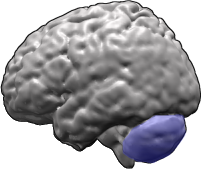
Ataxia cerebelosa autossômica dominante
📋 Origem dos dados
Esta página agrega dados de fontes públicas e oficiais. Dados sobre cobertura no SUS (PCDT, CEAF) são verificados ativamente por agente proativo (ver badge no infobox). Demais dados têm atribuição de fonte + data da última sincronização — clique para abrir o original.
- Doença rara (ontologia)
- fonte: Orphanet
- Identificador unificado
- fonte: MONDO
- Codificação WHO/SUS
- fonte: WHO ICD-10 / DATASUS
- CID-11 (futuro)
- fonte: WHO ICD-11
- NIH/GARD
- fonte: GARD (NIH)
- Indexação biomédica
- fonte: MeSH (NLM)
- Dado público estruturado
- fonte: Wikidata
- Moléculas estudadas na doença
- fonte: OpenTargets
- Ensaios clínicos
- fonte: ClinicalTrials.gov

