
Ataxia espinocerebelar tipo 44 (SCA44) é uma doença autossômica dominante causada por mutações no gene GRM1. Manifesta-se com atraso motor e de fala, disartria, disfagia, zumbido, espasticidade e atrofia cerebelar, com sacadas hipermétricas e disdiadococinesia.
Introdução
O que você precisa saber de cara
Visão geral
A ataxia espinocerebelar tipo 44 (SCA44) é uma doença genética rara, caracterizada por alterações progressivas no movimento e na coordenação. A condição faz parte do grupo das ataxias espinocerebelares, que afetam principalmente o cerebelo — região do cérebro responsável pelo equilíbrio e pela coordenação motora. A prevalência estimada é de menos de 1 caso por 1.000.000 de pessoas, sendo considerada uma doença ultrarrara. A herança é autossômica dominante, o que significa que uma única cópia alterada do gene já é suficiente para causar a doença.[1][4]
Sinais e sintomas
Os sintomas geralmente se manifestam na idade adulta e incluem ataxia (falta de coordenação dos movimentos), ataxia da marcha (dificuldade para andar de forma equilibrada), disartria (dificuldade para articular as palavras), disfagia (dificuldade para engolir), dismetria (incapacidade de controlar a distância ou a força de um movimento) e disdiadococinesia (dificuldade em realizar movimentos rápidos e alternados, como bater palmas). Também podem ocorrer espasticidade (rigidez muscular), reflexos exaltados, quedas frequentes, zumbido, sacadas hipermétricas (movimentos oculares exagerados), atraso motor e atraso no desenvolvimento da fala e da linguagem. A atrofia cerebelar (redução do volume do cerebelo) é um achado comum em exames de imagem.[1][4]
Causas genéticas
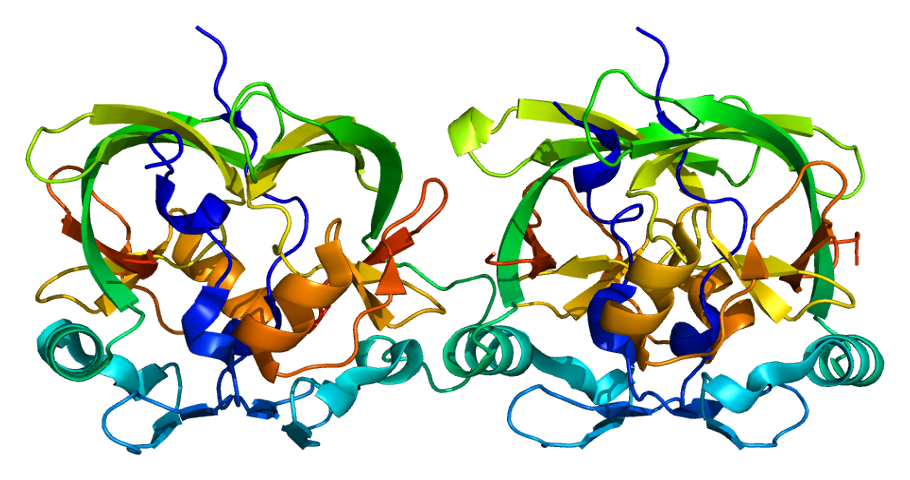
A SCA44 é causada por variantes (mutações) no gene GRM1, que fornece instruções para a produção do receptor metabotrópico de glutamato tipo 1. Esse receptor é essencial para a comunicação entre os neurônios no cerebelo. A herança é autossômica dominante, ou seja, o risco de transmitir a variante para cada filho é de 50%. O gene GRM1 está associado à doença em bases de dados internacionais como o GenCC.[1][2][5]
Diagnóstico
O diagnóstico é baseado na avaliação clínica dos sintomas e na confirmação por teste genético. O sequenciamento completo do exoma (WES) é um dos procedimentos disponíveis no SUS para identificar variantes no gene GRM1. Atualmente, há 97 testes genéticos disponíveis e 72 variantes reportadas no ClinVar para essa condição. A classificação CID-10 é G11.4 (Ataxia cerebelar hereditária).[1][2][5]
Tratamento e manejo
Não há cura para a SCA44, e o tratamento é focado no manejo dos sintomas e na melhora da qualidade de vida. O atendimento em reabilitação para doenças raras está disponível no SUS e pode incluir fisioterapia, terapia ocupacional e fonoaudiologia. O medicamento taltirelina (taltirelin) tem sido estudado em repositório de fármacos (repurposing) para possível uso na doença, mas não há dados suficientes para recomendar seu uso de rotina. Não há medicamentos aprovados especificamente para SCA44.[1][2]
Prognóstico e qualidade de vida
A SCA44 é uma doença progressiva, e a gravidade dos sintomas pode variar entre as pessoas afetadas. O acompanhamento multidisciplinar e a reabilitação contínua podem ajudar a manter a funcionalidade e a independência pelo maior tempo possível. Não há dados específicos sobre a expectativa de vida para essa condição, mas o suporte clínico adequado é fundamental para o bem-estar.[1][4]
Conteúdo informativo gerado e mantido automaticamente a partir de fontes oficiais (Orphanet, HPO, OMIM, SUS). Não substitui avaliação médica.
Ataxia espinocerebelar tipo 44 (SCA44) é uma doença autossômica dominante causada por mutações no gene GRM1. Manifesta-se com atraso motor e de fala, disartria, disfagia, zumbido, espasticidade e atrofia cerebelar, com sacadas hipermétricas e disdiadococinesia.
Escala de raridade
<1/50kMuito rara
1/20kRara
1/10kPouco freq.
1/5kIncomum
1/2k
Encontrou um erro ou informação desatualizada? Sugira uma correção →
Entender a doença
Do básico ao detalhe, leia no seu ritmo
Preparando trilha educativa...
Sinais e sintomas
O que aparece no corpo e com que frequência cada sintoma acontece
Visão geral
A ataxia espinocerebelar tipo 44 (SCA44) é uma doença genética rara, caracterizada por alterações progressivas no movimento e na coordenação. A condição faz parte do grupo das ataxias espinocerebelares, que afetam principalmente o cerebelo — região do cérebro responsável pelo equilíbrio e pela coordenação motora. A prevalência estimada é de menos de 1 caso por 1.000.000 de pessoas, sendo considerada uma doença ultrarrara. A herança é autossômica dominante, o que significa que uma única cópia alterada do gene já é suficiente para causar a doença.[1][4]
Sinais e sintomas
Os sintomas geralmente se manifestam na idade adulta e incluem ataxia (falta de coordenação dos movimentos), ataxia da marcha (dificuldade para andar de forma equilibrada), disartria (dificuldade para articular as palavras), disfagia (dificuldade para engolir), dismetria (incapacidade de controlar a distância ou a força de um movimento) e disdiadococinesia (dificuldade em realizar movimentos rápidos e alternados, como bater palmas). Também podem ocorrer espasticidade (rigidez muscular), reflexos exaltados, quedas frequentes, zumbido, sacadas hipermétricas (movimentos oculares exagerados), atraso motor e atraso no desenvolvimento da fala e da linguagem. A atrofia cerebelar (redução do volume do cerebelo) é um achado comum em exames de imagem.[1][4]
Causas genéticas
A SCA44 é causada por variantes (mutações) no gene GRM1, que fornece instruções para a produção do receptor metabotrópico de glutamato tipo 1. Esse receptor é essencial para a comunicação entre os neurônios no cerebelo. A herança é autossômica dominante, ou seja, o risco de transmitir a variante para cada filho é de 50%. O gene GRM1 está associado à doença em bases de dados internacionais como o GenCC.[1][2][5]
Diagnóstico
O diagnóstico é baseado na avaliação clínica dos sintomas e na confirmação por teste genético. O sequenciamento completo do exoma (WES) é um dos procedimentos disponíveis no SUS para identificar variantes no gene GRM1. Atualmente, há 97 testes genéticos disponíveis e 72 variantes reportadas no ClinVar para essa condição. A classificação CID-10 é G11.4 (Ataxia cerebelar hereditária).[1][2][5]
Tratamento e manejo
Não há cura para a SCA44, e o tratamento é focado no manejo dos sintomas e na melhora da qualidade de vida. O atendimento em reabilitação para doenças raras está disponível no SUS e pode incluir fisioterapia, terapia ocupacional e fonoaudiologia. O medicamento taltirelina (taltirelin) tem sido estudado em repositório de fármacos (repurposing) para possível uso na doença, mas não há dados suficientes para recomendar seu uso de rotina. Não há medicamentos aprovados especificamente para SCA44.[1][2]
Prognóstico e qualidade de vida
A SCA44 é uma doença progressiva, e a gravidade dos sintomas pode variar entre as pessoas afetadas. O acompanhamento multidisciplinar e a reabilitação contínua podem ajudar a manter a funcionalidade e a independência pelo maior tempo possível. Não há dados específicos sobre a expectativa de vida para essa condição, mas o suporte clínico adequado é fundamental para o bem-estar.[1][4]
Conteúdo informativo gerado e mantido automaticamente a partir de fontes oficiais (Orphanet, HPO, OMIM, SUS). Não substitui avaliação médica.
Partes do corpo afetadas
+ 9 sintomas em outras categorias
Características mais comuns
Os sintomas variam de pessoa para pessoa. Abaixo estão as 16 características clínicas mais associadas, ordenadas por frequência.
Linha do tempo da pesquisa
Encontrou um erro ou informação desatualizada? Sugira uma correção →
Genética e causas
O que está alterado no DNA e como passa nas famílias
Genes associados
1 gene identificado com associação a esta condição. Padrão de herança: Autosomal dominant.
Curadoria gene-doença
fontes oficiaisG-protein coupled receptor for glutamate. Ligand binding causes a conformation change that triggers signaling via guanine nucleotide-binding proteins (G proteins) and modulates the activity of down-stream effectors. Signaling activates a phosphatidylinositol-calcium second messenger system. May participate in the central action of glutamate in the CNS, such as long-term potentiation in the hippocampus and long-term depression in the cerebellum (PubMed:24603153, PubMed:28886343, PubMed:7476890).
Cell membranePostsynaptic cell membraneCell projection, dendrite
Spinocerebellar ataxia, autosomal recessive, 13
A form of spinocerebellar ataxia, a clinically and genetically heterogeneous group of cerebellar disorders. Patients show progressive incoordination of gait and often poor coordination of hands, speech and eye movements, due to degeneration of the cerebellum with variable involvement of the brainstem and spinal cord. SCAR13 is characterized by delayed psychomotor development beginning in infancy. Affected individuals show mild to profound intellectual disability with poor or absent speech as well as gait and stance ataxia and hyperreflexia.
Variantes genéticas (ClinVar)
72 variantes patogênicas registradas no ClinVar.
Classificação de variantes (ClinVar)
Distribuição de 5.215 variantes classificadas pelo ClinVar.
Vias biológicas (Reactome)
4 vias biológicas associadas aos genes desta condição.
Diagnóstico
Os sinais que médicos procuram e os exames que confirmam
Tratamento e manejo
Remédios, cuidados de apoio e o que precisa acompanhar
Onde tratar no SUS
Hospitais de referência no Brasil e o protocolo oficial do SUS (PCDT)
🇧🇷 Atendimento SUS — Ataxia espinocerebelar tipo 44
Selecione um estado ou use sua localização para ver resultados.
Dados de DATASUS/CNES, SBGM, ABNeuro e Ministério da Saúde. Sempre confirme a disponibilidade diretamente com o estabelecimento.
Pesquisa ativa
Ensaios clínicos abertos e novidades científicas recentes
Pesquisa e ensaios clínicos
Nenhum ensaio clínico registrado para esta condição.
Publicações mais relevantes
Mostrando amostra de 77 publicações de um total de 3.160
Propranolol for Tremors in Spinocerebellar Ataxia Type 12: A Randomized Clinical Trial.
Spinocerebellar ataxia type 12 (SCA12) is a neurodegenerative disorder with prominent upper limb tremors. No trials have evaluated tremor-targeted therapies in this population. We evaluated long-acting propranolol for efficacy and safety in reducing tremors and improving ataxia and quality of life in SCA12. In this single-center, randomized, double-blind, placebo-controlled trial, 60 genetically confirmed SCA12 patients (aged 18-65 years; TETRAS PS [The Essential Tremor Rating Assessment Scale Performance Subscale] upper limb component ≥2) were randomized 1:1 to receive extended-release propranolol or placebo. Propranolol was escalated by 40 mg/week (placebo by one tablet/week) up to 240 mg/day, limiting side effects or ≥30% reduction in TETRAS PS/ADL (Activities-of-Daily-Living Subscale) + PS. The stable dose was continued for 8 weeks (maintenance phase). Primary outcomes were changes from baseline in TETRAS PS and ADL + PS at maintenance weeks 4 and 8. Secondary outcomes included changes in the Scale for the Assessment and Rating of Ataxia (SARA), RAND 36-Item Short-Form Health Survey (SF-36) domains, and accelerometric tremor parameters. Propranolol significantly reduced TETRAS PS (LSM ± SE: -4.4 ± 0.3 at week 4; -4.42 ± 0.4 at week 8) and ADL + PS (-5.5 ± 0.63 at week 4; -5.56 ± 0.62 at week 8; P < 0.001 vs. placebo). Significant improvements were also noted in SARA and five of nine SF-36 domains at both time points. Accelerometry confirmed reductions in tremor peak frequency and power in all positions except rest. Fatigue and headache were the commonest adverse effects, with no discontinuations due to adverse events. Propranolol effectively reduced tremors and improved quality of life in SCA12, with good tolerability. © 2025 International Parkinson and Movement Disorder Society.
Regional brain atrophy subtypes in spinocerebellar ataxia type 3: links to clinical performance and treatment response.
Spinocerebellar ataxia type 3 (SCA3) is characterized by strong phenotypic heterogeneity, underscoring the need to explore subtypes using objective structural neuroimaging approaches. Identifying neuroimaging heterogeneity in SCA3 could help inform the prognosis and guide the development of personalized interventions. Here, we calculated gray matter volumes using voxel-based morphometry from 3D T1-weighted magnetic resonance images across two independent cohorts (discovery cohort: n = 222; replication cohort: n = 90). Non-negative matrix factorization was used to identify atrophy subtypes in SCA3. An independent cohort of 29 patients with SCA3, who underwent repetitive transcranial magnetic stimulation (rTMS), was used to explore the treatment effects across subtypes. Two atrophy subtypes were identified: subtype1 (ST1) was characterized by predominant involvement of the basal ganglia, with mild cerebellar and cortical deficits, and subtype2 (ST2) was characterized by severe cerebellar atrophy with neostriatal atrophy and thalamic subregion hypertrophy. These results were replicated in the subtype validation cohort. The ST1 atrophy pattern correlated with the International Cooperative Ataxia Rating Scale (ICARS) kinetic function subscale scores, whereas the ST2 atrophy pattern correlated with the ICARS posture and gait scores. Exploratory analysis of longitudinal data from the rTMS cohort revealed significant overall clinical improvement, but no statistically significant interaction between subtype and treatment response was detected, despite the observation of promising subtype-specific patterns of improvement. These findings suggest that patients with SCA3 have robust structural atrophy subtypes, which may provide a new framework for stratifying patients in future clinical and therapeutic research.
Predictive models for ataxia progression and conversion in spinocerebellar ataxia type 1 and 3.
The READISCA study aims to prepare for clinical trials in SCA1 and SCA3. Hence, we searched for predictive variables of ataxia onset (phenoconversion) and progression. Individuals with SCA1 or SCA3 and controls were enrolled from 2018-2021 in US and Europe. Clinical scores, MRI measures and NfL levels were assessed annually for 5 years. In the pre-ataxic group at baseline, we compared phenoconverters with non-converters. A Bayesian mixed model was used to model the longitudinal progression of clinical scores and NfL levels. The impact of data-driven selected baseline variables (demographic, clinical, MRI) on the expected SARA progression was tested. Forty-three controls, 55 SCA1 and 124 SCA3 carriers were included; a subset of the cohort (n=109) had MRI data. Converters from pre-ataxic to ataxic stages represented 5/22 (22%) and 12/38 (32%) for SCA1 and SCA3. Converters were more depressed (PHQ9: 3.9±2.9 vs 2.3±2.6 p = 0.04), had higher plasma NfL levels (17.6±5.7 pg.mL-1 vs 11.1±5.9, p<0.0001), more cerebellar white matter atrophy (1.44±0.12 % of total intracranial volume vs 1.54±0.16, p=0.032) and more INAS signs (1.8±1.3 vs 0.7±0.8, p = 0.002). All clinical scores except CCAS significantly worsened during the study. NfL levels significantly increased in non-converters and ataxic SCA3 (1.06±0.33 pg.mL-1/year, p=0.002 and 0.57±0.21, p=0.01) but not in controls and ataxic SCA1 (0.31±0.26, p=0.24 and 0.26±0.42, p=0.55). In the best predictive model of SARA progression after 1 year (R2=0.54), factors linked with faster progression were higher functional stage (p<0.001), higher CCFS score (p=0.002), and higher total creatine in cerebellar white matter (p=0.026). Factors significantly linked to conversion, namely NfL levels, depression, and lower motor neuron involvement, differ from those driving disease progression. NfL levels and lower motoneuron signs could be used as predictors of phenoconversion and MRI variables as ataxia progression predictors. Psychological care should be provided in the pre-ataxic phase of the disease.
Inherited Spinocerebellar Ataxia Segregates with Intra-Familial Genetic Heterogeneity in a Consanguineous Pakistani Family: A Report of a Potential Novel Candidate Gene.
Hereditary spinocerebellar ataxia (SCA) is a group of genetic neurodegenerative disorders caused by a variety of gene variants. At least 44 types of SCAs have been identified to date, and more than 35 genes and hundreds of variants have been reported that are associated with SCAs. We have investigated a Pakistani consanguineous six-generation family with SCA by using whole-exome sequencing analysis. We identified a reported SCA-associated variant, c.C2687G (p.P896R) in CACNA1A, in only a subgroup of the family, while a c.C262T (p.P88S) variant in ARFIP1 serves as a candidate pathogenic variant in the other subgroup as a possible novel cause of SCA. Our study showed that intra-familial heterogeneity may exist in SCA families and presented a candidate new causative gene for SCA.
Nerve Fiber Bundle Damage in Spinocerebellar Degeneration on Diffusion Tensor Imaging.
This study aimed to investigate nerve fiber bundle damage associated with spinocerebellar degeneration, a dominant inherited neurological disorder, using magnetic resonance imaging (MRI) with diffusion tensor imaging (DTI). Four cases of spinocerebellar degeneration and ten matched healthy subjects were retrospectively enrolled. DTI software was used for processing and analysis. All patients had an abnormal spinocerebellar ataxia (SCA) type 3 gene mutation, with cerebellar and brainstem atrophy, a decreased signal in the pons and projection fibers. Significant interruption and destruction were revealed in the midline of the cerebellar peduncle, cerebellar arcuate fibers, and the spinothalamic and spinocerebellar tracts. Significant (p <0.05) decreases were detected in FA values in the cerebellar peduncle (0.51±0.04 vs. 0.68±0.02), cerebellar arcuate fibers (0.37±0.08 vs. 0.51±0.05), spinothalamic tract (0.42±0.03 vs. 0.49±0.05), and spinocerebellar tract (0.44±0.06 vs. 0.52±0.06) compared with healthy controls. Compared with healthy controls, significant (p <0.05) increases were detected in ADC values in the cerebellar peduncle (0.84±0.11 vs. 0.67±0.03), cerebellar arcuate fibers (0.87±0.12 vs. 0.66±0.05), spinothalamic tract (0.89±0.13 vs. 0.70±0.03) within the brainstem, and spinocerebellar tract (0.79±0.07 vs. 0.69±0.06). The MRI DTI technique provides sufficient information for studying spinocerebellar degeneration and for conducting further research on its etiology and diagnosis. Some limitations were present, including the retrospective and single-center study design, a limited patient sample, and enrollment of only Chinese patients. The MRI DTI technique can clearly demonstrate the degree of damage to nerve fiber bundles in the cerebellum and the adjacent relationship between the fiber bundles entering and exiting the cerebellum in patients with spinocerebellar degeneration.
Publicações recentes
Therapeutic targeting of blood-derived protein infiltration to modulate neuroinflammation in cerebellar ataxia.
Association Between Cerebellar Metabolic Markers and Activities of Daily Living in Patients With Spinocerebellar Ataxia Type 3.
Long term administration of selective NMDA GluN2B receptor blocker Ro25-6981 attenuates neurodegeneration in mouse model of spinocerebellar ataxia type 1 (SCA1).
Cell-Based Therapies for Spinocerebellar Degenerations: A Systematic Review of Human Clinical Evidence.
Comprehensive Review of Anesthetic Strategies for Patients With Neurodegenerative Diseases.
📚 EuropePMC3.032 artigos no totalmostrando 75
Regional brain atrophy subtypes in spinocerebellar ataxia type 3: links to clinical performance and treatment response.
Journal of neurologyPropranolol for Tremors in Spinocerebellar Ataxia Type 12: A Randomized Clinical Trial.
Movement disorders : official journal of the Movement Disorder SocietyPredictive models for ataxia progression and conversion in spinocerebellar ataxia type 1 and 3.
Brain : a journal of neurologyNerve Fiber Bundle Damage in Spinocerebellar Degeneration on Diffusion Tensor Imaging.
Current medical imagingOcular Motor and Vestibular Profile in Spinocerebellar Ataxia Type 27B: Toward a Practical Bedside Diagnostic Framework.
Cerebellum (London, England)Decoding ATXN2 Phosphocode: Structural Insights and Therapeutic Opportunities in Disease.
The protein journalSpastic Ataxia Composite (SPAXCOM): A Scale to Evaluate the Progression of Subjects with Spasticity and Ataxia.
Movement disorders : official journal of the Movement Disorder SocietySpinocerebellar Ataxia 44 Caused by a Novel GRM1 Variant: Reviewing the Contrasting Pathogenic Mechanisms Underlying Two GRM1-Associated Hereditary Ataxias.
Cerebellum (London, England)Effects of trace element dysregulation on brain structure and function in spinocerebellar Ataxia type 3.
Neurobiology of diseaseNovel Intermediate ATXN10 Alleles in the Healthy Peruvian Population: A Matter of Indigenous American Ethnic Origin.
Cerebellum (London, England)Assessment of Peripheral Neuropathy Using Current Perception Threshold Measurement in Patients with Spinocerebellar Ataxia Type 3.
Cerebellum (London, England)Step Width Haptic Feedback for Gait Stability in Spinocerebellar Ataxia: Preliminary Results.
Movement disorders : official journal of the Movement Disorder SocietyQuantitative Oculomotor and Vestibular Profile in Spinocerebellar Ataxia Type 6 - Systematic Review and Meta-Analysis.
Cerebellum (London, England)Inherited Spinocerebellar Ataxia Segregates with Intra-Familial Genetic Heterogeneity in a Consanguineous Pakistani Family: A Report of a Potential Novel Candidate Gene.
DNA and cell biologyImpaired arterial dilation and increased NOX2 generated oxidative stress in subjects with ataxia-telangiectasia mutated (ATM) kinase.
Redox biologyCaffeine Consumption and Interaction with ADORA2A, CYP1A2 and NOS1 Variants Do Not Influence Age at Onset of Machado-Joseph Disease.
Cerebellum (London, England)Abnormal cortical excitability in patients with spinocerebellar ataxia type 12.
Parkinsonism & related disordersProgression of Retinal Ganglion Cell and Nerve Fiber Layer Loss in Spinocerebellar Ataxia 3 Patients.
Cerebellum (London, England)UNC-49 is a redox-sensitive GABAA receptor that regulates the mitochondrial unfolded protein response cell nonautonomously.
Science advancesRibosomal protein SA is a common component of neuronal intranuclear inclusions in polyglutamine diseases and Marinesco bodies.
Neuropathology : official journal of the Japanese Society of NeuropathologyEGR2 gene-linked hereditary neuropathies present with a bimodal age distribution at symptoms onset.
Journal of the peripheral nervous system : JPNSSystematic assessment of plasma biomarkers in spinocerebellar ataxia.
Neurobiology of diseaseRetinal Manifestations in Spinocerebellar Ataxia Type 3.
Journal of neuro-ophthalmology : the official journal of the North American Neuro-Ophthalmology SocietyElectrophysiological and neuropsychological assessment of cognition in spinocerebellar ataxia type 1 patients: a pilot study.
Neurological sciences : official journal of the Italian Neurological Society and of the Italian Society of Clinical NeurophysiologyShort-term efficacy of repetitive transcranial magnetic stimulation in SCA3: A prospective, randomized, double-blind, sham-controlled study.
Parkinsonism & related disordersCerebello-cerebral resting-state functional connectivity in spinocerebellar ataxia type 3.
Human brain mappingAutonomic dysfunction as the initial presentation in spinocerebellar ataxia type 3: A case report and review of the literature.
Frontiers in neurologyCannabis use in patients with Autosomal Recessive Spastic Ataxia of Charlevoix-Saguenay.
Journal of clinical neuroscience : official journal of the Neurosurgical Society of AustralasiaBody sway and movement strategies for control of postural stability in people with spinocerebellar ataxia type 3: A cross-sectional study.
Clinical biomechanics (Bristol, Avon)Retrocollis as the cardinal feature in a de novo ITRP1 variant.
Brain & developmentThe reliability of gait parameters captured via instrumented walkways: a systematic review and meta-analysis.
European journal of physical and rehabilitation medicineDetection Methods and Status of CAT Interruption of ATXN1 in Korean Patients With Spinocerebellar Ataxia Type 1.
Annals of laboratory medicineCervical Spinal Cord Degeneration in Spinocerebellar Ataxia Type 7.
AJNR. American journal of neuroradiologyMidbrain atrophy related to parkinsonism in a non-coding repeat expansion disorder: five cases of spinocerebellar ataxia type 31 with nigrostriatal dopaminergic dysfunction.
Cerebellum & ataxiasAmelioration of motor and nonmotor symptoms in cortical cerebellar atrophy and multiple system atrophy-cerebellar type by inpatient rehabilitation: a retrospective study.
International journal of rehabilitation research. Internationale Zeitschrift fur Rehabilitationsforschung. Revue internationale de recherches de readaptation3-Hz Postural Tremor in MSA-C and SCA: Revisiting an Old but Underestimated Cerebellar Sign by Posturography.
Cerebellum (London, England)Stridor during sleep: description of 81 consecutive cases diagnosed in a tertiary sleep disorders center.
SleepFrequency of Spinocerebellar Ataxia type 1, 2, 3,6 and 7 and clinical profile of Spinocerebellar Ataxia type 3 in Malaysia.
Cerebellum & ataxiasAtaxin-1 regulates B cell function and the severity of autoimmune experimental encephalomyelitis.
Proceedings of the National Academy of Sciences of the United States of AmericaFunctionally Relevant Maculopathy and Optic Atrophy in Spinocerebellar Ataxia Type 1.
Movement disorders clinical practiceAssociation of A Novel Splice Site Mutation in P/Q-Type Calcium Channels with Childhood Epilepsy and Late-Onset Slowly Progressive Non-Episodic Cerebellar Ataxia.
International journal of molecular sciencesHereditary Ataxias in Cuba: Results and Impact of a Comprehensive, Multidisciplinary Project.
MEDICC reviewThe "crab sign": an imaging feature of spinocerebellar ataxia type 48.
NeuroradiologyGeneration of induced pluripotent stem cell line (ZZUi0018-A ) from a patient with spinocerebellar ataxia type 6.
Stem cell researchClonidine GH stimulation test to differentiate MSA from idiopathic late onset cerebellar ataxia: a prospective, controlled study.
Journal of neurologyThe Machado-Joseph disease-associated form of ataxin-3 impacts dynamics of clathrin-coated pits.
Cell biology internationalVariation in DNA Repair System Gene as an Additional Modifier of Age at Onset in Spinocerebellar Ataxia Type 3/Machado-Joseph Disease.
Neuromolecular medicineDisulfiram facilitates ataxin-3 nuclear translocation and potentiates the cytotoxicity in a cell model of SCA3.
The Journal of toxicological sciencesHereditary Ataxia with a Novel Mutation in the Senataxin Gene: A Case Report.
Iranian journal of medical sciencesOphthalmological and Neurologic Manifestations in Pre-clinical and Clinical Phases of Spinocerebellar Ataxia Type 7.
Cerebellum (London, England)Abnormal Findings in Polysomnographic Recordings of Patients with Spinocerebellar Ataxia Type 2 (SCA2).
Cerebellum (London, England)Olfactory Function in SCA10.
Cerebellum (London, England)The small heat shock proteins, especially HspB4 and HspB5 are promising protectants in neurodegenerative diseases.
Neurochemistry internationalDominant Mutations in GRM1 Cause Spinocerebellar Ataxia Type 44.
American journal of human geneticsβ-III-spectrin spinocerebellar ataxia type 5 mutation reveals a dominant cytoskeletal mechanism that underlies dendritic arborization.
Proceedings of the National Academy of Sciences of the United States of AmericaMicrostructural MRI Basis of the Cognitive Functions in Patients with Spinocerebellar Ataxia Type 2.
NeuroscienceDAT SPECT may have diagnostic value in prodromal SCA2 patients with parkinsonism.
Parkinsonism & related disordersNeurological phenotypes in spinocerebellar ataxia type 2: Role of mitochondrial polymorphism A10398G and other risk factors.
Parkinsonism & related disordersStance instability in preclinical SCA1 mutation carriers: A 4-year prospective posturography study.
Gait & postureNESSCA Validation and Responsiveness of Several Rating Scales in Spinocerebellar Ataxia Type 2.
Cerebellum (London, England)A panel study on patients with dominant cerebellar ataxia highlights the frequency of channelopathies.
Brain : a journal of neurologyDifferent subregional metabolism patterns in patients with cerebellar ataxia by 18F-fluorodeoxyglucose positron emission tomography.
PloS oneOculomotor deficits in spinocerebellar ataxia type 3: Potential biomarkers of preclinical detection and disease progression.
CNS neuroscience & therapeuticsNatural History of Spinocerebellar Ataxia Type 31: a 4-Year Prospective Study.
Cerebellum (London, England)Spinocerebellar ataxia type 3 in Israel: phenotype and genotype of a Jew Yemenite subpopulation.
Journal of neurologySpinocerebellar ataxia type 36 in the Han Chinese.
Neurology. GeneticsActin'g against the Ball and Chain.
Developmental cellA human β-III-spectrin spinocerebellar ataxia type 5 mutation causes high-affinity F-actin binding.
Scientific reportsSpinocerebellar ataxia type 2: Measures of saccade changes improve power for clinical trials.
Movement disorders : official journal of the Movement Disorder SocietyMutation analysis of 6 spinocerebellar ataxia (SCA) types in patients from southern Turkey.
Turkish journal of medical sciencesDevelopment of global rating instruments for pediatric patients with ataxia telangiectasia.
European journal of paediatric neurology : EJPN : official journal of the European Paediatric Neurology SocietySMRT Sequencing of Long Tandem Nucleotide Repeats in SCA10 Reveals Unique Insight of Repeat Expansion Structure.
PloS onePopulation genetics and new insight into range of CAG repeats of spinocerebellar ataxia type 3 in the Han Chinese population.
PloS oneCentral auditory processing in patients with spinocerebellar ataxia.
Hearing researchGenetic testing for spinocerebellar ataxias in patients diagnosed as Parkinson's disease in Bangladesh.
Mymensingh medical journal : MMJAssociações
Organizações que acompanham esta doença — pra ter apoio e orientação
Ainda não temos associações cadastradas para Ataxia espinocerebelar tipo 44.
É de uma associação que acompanha esta doença? Fale com a gente →
Comunidades
Grupos ativos de quem convive com esta doença aqui no Raras
Ainda não existe comunidade no Raras para Ataxia espinocerebelar tipo 44
Pacientes, familiares e cuidadores se organizam em comunidades pra compartilhar experiências, fazer perguntas e se apoiar. Você pode ser o primeiro.
Tire suas dúvidas
Perguntas, dicas e experiências compartilhadas aqui na página
Participe da discussão
Faça login para postar dúvidas, compartilhar experiências e interagir com especialistas.
Fazer loginDoenças relacionadas
Doenças com sintomas parecidos — ajudam quem ainda está buscando diagnóstico
Referências e fontes
Bases de dados externas citadas neste artigo
Publicações científicas
Artigos indexados no PubMed ligados a esta doença no grafo RarasNet — título, periódico e PMID direto da fonte, sem intermediação de IA.
- Propranolol for Tremors in Spinocerebellar Ataxia Type 12: A Randomized Clinical Trial.Movement disorders : official journal of the Movement Disorder Society· 2026· PMID 41261874mais citado
- Regional brain atrophy subtypes in spinocerebellar ataxia type 3: links to clinical performance and treatment response.
- Predictive models for ataxia progression and conversion in spinocerebellar ataxia type 1 and 3.
- Inherited Spinocerebellar Ataxia Segregates with Intra-Familial Genetic Heterogeneity in a Consanguineous Pakistani Family: A Report of a Potential Novel Candidate Gene.
- Nerve Fiber Bundle Damage in Spinocerebellar Degeneration on Diffusion Tensor Imaging.
- Therapeutic targeting of blood-derived protein infiltration to modulate neuroinflammation in cerebellar ataxia.
- Association Between Cerebellar Metabolic Markers and Activities of Daily Living in Patients With Spinocerebellar Ataxia Type 3.
- Long term administration of selective NMDA GluN2B receptor blocker Ro25-6981 attenuates neurodegeneration in mouse model of spinocerebellar ataxia type 1 (SCA1).
- Cell-Based Therapies for Spinocerebellar Degenerations: A Systematic Review of Human Clinical Evidence.
- Comprehensive Review of Anesthetic Strategies for Patients With Neurodegenerative Diseases.
Bases de dados e fontes oficiais
Identificadores e referências canônicas usadas para montar este verbete.
- ORPHA:631095(Orphanet)
- OMIM OMIM:617691(OMIM)
- MONDO:0033479(MONDO)
- Variantes catalogadas(ClinVar)
- Busca completa no PubMed(PubMed)
- Artigo Wikipedia(Wikipedia)
Dados compilados pelo RarasNet a partir de fontes abertas (Orphanet, OMIM, MONDO, PubMed/EuropePMC, ClinicalTrials.gov, DATASUS, PCDT/MS). Este conteúdo é informativo e não substitui avaliação médica.
Conteúdo mantido por Agente Raras · Médicos e pesquisadores podem colaborar
Ataxia espinocerebelar tipo 44
📋 Origem dos dados
Esta página agrega dados de fontes públicas e oficiais. Dados sobre cobertura no SUS (PCDT, CEAF) são verificados ativamente por agente proativo (ver badge no infobox). Demais dados têm atribuição de fonte + data da última sincronização — clique para abrir o original.
- Doença rara (ontologia)
- fonte: Orphanet
- Identificador unificado
- fonte: MONDO
- Genética mendeliana
- fonte: OMIM
- Codificação WHO/SUS
- fonte: WHO ICD-10 / DATASUS
- CID-11 (futuro)
- fonte: WHO ICD-11
- Reposicionamento
- fonte: Drug Repurposing Hub