
A ataxia espinocerebelar tipo 11 (SCA11) é um subtipo de ataxia cerebelar autossômica dominante tipo III (ADCA tipo III) caracterizada pelo início precoce de sinais cerebelares, anormalidades nos movimentos oculares e sinais piramidais.
Introdução
O que você precisa saber de cara
A ataxia espinocerebelar tipo 11 (SCA11) é um subtipo de ataxia cerebelar autossômica dominante tipo III (ADCA tipo III) caracterizada pelo início precoce de sinais cerebelares, anormalidades nos movimentos oculares e sinais piramidais.
Escala de raridade
<1/50kMuito rara
1/20kRara
1/10kPouco freq.
1/5kIncomum
1/2k
Encontrou um erro ou informação desatualizada? Sugira uma correção →
Entender a doença
Do básico ao detalhe, leia no seu ritmo
Preparando trilha educativa...
Sinais e sintomas
O que aparece no corpo e com que frequência cada sintoma acontece
Partes do corpo afetadas
+ 9 sintomas em outras categorias
Características mais comuns
Os sintomas variam de pessoa para pessoa. Abaixo estão as 21 características clínicas mais associadas, ordenadas por frequência.
Linha do tempo da pesquisa
Encontrou um erro ou informação desatualizada? Sugira uma correção →
Genética e causas
O que está alterado no DNA e como passa nas famílias
Genes associados
1 gene identificado com associação a esta condição. Padrão de herança: Autosomal dominant.
Curadoria gene-doença
fontes oficiaisSerine/threonine kinase that acts as a key regulator of ciliogenesis: controls the initiation of ciliogenesis by binding to the distal end of the basal body and promoting the removal of CCP110, which caps the mother centriole, leading to the recruitment of IFT proteins, which build the ciliary axoneme. Has some substrate preference for proteins that are already phosphorylated on a Tyr residue at the +2 position relative to the phosphorylation site. Able to phosphorylate tau on serines in vitro (
Cell projection, ciliumCytoplasm, cytoskeleton, cilium basal bodyCytoplasm, cytoskeleton, microtubule organizing center, centrosome, centrioleCytoplasm, cytosolNucleus
Spinocerebellar ataxia 11
Spinocerebellar ataxia is a clinically and genetically heterogeneous group of cerebellar disorders. Patients show progressive incoordination of gait and often poor coordination of hands, speech and eye movements, due to degeneration of the cerebellum with variable involvement of the brainstem and spinal cord. SCA11 is an autosomal dominant cerebellar ataxia (ADCA). It is a relatively benign, late-onset, slowly progressive neurologic disorder.
Variantes genéticas (ClinVar)
82 variantes patogênicas registradas no ClinVar.
Classificação de variantes (ClinVar)
Distribuição de 102 variantes classificadas pelo ClinVar.
Vias biológicas (Reactome)
1 via biológica associada aos genes desta condição.
Diagnóstico
Os sinais que médicos procuram e os exames que confirmam
Tratamento e manejo
Remédios, cuidados de apoio e o que precisa acompanhar
Onde tratar no SUS
Hospitais de referência no Brasil e o protocolo oficial do SUS (PCDT)
🇧🇷 Atendimento SUS — Ataxia espinocerebelar tipo 11
Selecione um estado ou use sua localização para ver resultados.
Dados de DATASUS/CNES, SBGM, ABNeuro e Ministério da Saúde. Sempre confirme a disponibilidade diretamente com o estabelecimento.
Pesquisa ativa
Ensaios clínicos abertos e novidades científicas recentes
Ensaios em destaque
🟢 Recrutando agora
1 pesquisa recrutando participantes. Converse com seu médico sobre a possibilidade de participar.
Outros ensaios clínicos
Publicações mais relevantes
Missense variant in TTBK2 kinase domain causes loss of function and impaired protein phosphorylation.
Tau tubulin kinase 2 (TTBK2) is a ubiquitous serine-threonine protein kinase implicated in diverse cellular processes, including microtubule regulation, ciliogenesis, synaptic signaling, and the phosphorylation of key proteins like TDP-43. Despite its relevance, many aspects of TTBK2 function in both physiological and pathological conditions remain poorly understood. Truncating variants in TTBK2 gene cause spinocerebellar ataxia type 11 (SCA11), a rare form of autosomal dominant cerebellar ataxia. However, the functional consequences and pathogenic potential of missense variants have yet to be elucidated. In this study, we developed a CRISPR/Cas9 knock-in cell model harboring a missense variant in TTBK2 kinase domain (NM_173500.4:c.625 C > T; p.Leu209Phe) to evaluate its impact on TTBK2 expression, associated protein levels, and phosphoproteomic profiles. TTBK2 missense variant (TTBK2-L209F) was associated with reduced TTBK2 protein levels, altered levels of cytoskeleton-related proteins, and impaired kinase activity, namely toward TDP-43. Phosphoproteomic analyses identified dysregulation in pathways linked to gene regulation, protein degradation, cytoskeletal organization, and TGF-β signaling. These findings provide valuable insights into the biological roles of TTBK2 in cellular signaling. Moreover, this study underscores the importance of functional studies to better understand the consequences of TTBK2 missense variants, particularly those affecting the kinase domain, and their potential contribution to disease.
A Novel TTBK2 Mutation in a Chinese Pedigree with Spinocerebellar Ataxia 11.
Spinocerebellar ataxia type 11 (SCA11) is a rare disease and the tau tubulin kinase 2 (TTBK2) gene was the causative gene. To date, only six SCA11 families have been reported. Here, we reported a Chinese SCA11 pedigree with cerebellar ataxia. Both patients in the family demonstrated typical clinical features of cerebellar ataxia and cerebellar atrophy on brain MRI. A novel heterozygous duplication mutation (c.1211_1217dupAGGAGAA) of the TTBK2 gene was identified in the proband using whole-exome sequencing (WES), which resulted in a frameshift mutation and formed a premature stop codon (p. N406Kfs*47). The mutation was detected in the proband's affected brother, and his unaffected mother, who with a lower percentage of the mutation and considered as an asymptomatic mutation carrier. Our study delineated the genotypic spectrum of SCA11.
Spinocerebellar ataxia type 11 (SCA11): TTBK2 variants, functions and associated disease mechanisms.
Spinocerebellar ataxia type 11 (SCA11) is a rare type of autosomal dominant cerebellar ataxia, mainly characterized by progressive cerebellar ataxia, abnormal eye signs and dysarthria. SCA11 is caused by variants in TTBK2, which encodes tau tubulin kinase 2 (TTBK2) protein. Only a few families with SCA11 were described to date, all harbouring small deletions or insertions that result in frameshifts and truncated TTBK2 proteins. In addition, TTBK2 missense variants were also reported but they were either benign or still needed functional validation to ascertain their pathogenic potential in SCA11. The mechanisms behind cerebellar neurodegeneration mediated by TTBK2 pathogenic alleles are not clearly established. There is only one neuropathological report and a few functional studies in cell or animal models published to date. Moreover, it is still unclear whether the disease is caused by TTBK2 haploinsufficiency of by a dominant negative effect of TTBK2 truncated forms on the normal allele. Some studies point to a lack of kinase activity and mislocalization of mutated TTBK2, while others reported a disruption of normal TTBK2 function caused by SCA11 alleles, particularly during ciliogenesis. Although TTBK2 has a proven function in cilia formation, the phenotype caused by heterozygous TTBK2 truncating variants are not clearly typical of ciliopathies. Thus, other cellular mechanisms may explain the phenotype seen in SCA11. Neurotoxicity caused by impaired TTBK2 kinase activity against known neuronal targets, such as tau, TDP-43, neurotransmitter receptors or transporters, may contribute to neurodegeneration in SCA11.
Spinocerebellar ataxia type 11 (SCA11): An update.
Spinocerebellar ataxias, also called autosomal dominant cerebellar ataxias, are a group of neurological genetic diseases characterised by chronic, progressive cerebellar ataxia. The clinical hallmark of spinocerebellar ataxia is the loss of balance and coordination, accompanied by slurred speech. Spinocerebellar ataxia type 11 is a rare subtype of spinocerebellar ataxia caused by mutations in the tau tubulin kinase 2 gene. Patients with spinocerebellar ataxia are clinically characterised by slowly progressive cerebellar ataxia, trunk and limb ataxia, and eye movement abnormalities with occasional pyramidal features. Peripheral neuropathy and dystonia are rare. According to the literature, only nine families affected with spinocerebellar ataxia have been reported worldwide. Herein, a series of spinocerebellar ataxia cases are discussed in detail to determine the potential research direction of this dysfunction, including its epidemiology, clinical features, genetic characteristics, diagnosis and differential diagnosis, pathogenic mechanisms, treatment, prognosis, follow-up, genetic counselling and future perspectives, and to improve the overall understanding of spinocerebellar ataxia among clinicians, researchers and patients.
TTBK2 mutations associated with spinocerebellar ataxia type 11 disrupt peroxisome dynamics and ciliary localization of SHH signaling proteins.
Frameshift mutations in Tau Tubulin Kinase 2 (TTBK2) cause spinocerebellar ataxia type 11 (SCA11), which is characterized by the progressive loss of Purkinje cells and cerebellar atrophy. Previous work showed that these TTBK2 variants generate truncated proteins that interfere with primary ciliary trafficking and with Sonic Hedgehog (SHH) signaling in mice. Nevertheless, the molecular mechanisms underlying the dominant interference of mutations remain unknown. Herein, we discover that SCA11-associated variants contain a bona fide peroxisomal targeting signal type 1. We find that their expression in RPE1 cells reduces peroxisome numbers within the cell and at the base of the cilia, disrupts peroxisome fission pathways, and impairs trafficking of ciliary SMO upon SHH signaling activation. This work uncovers a neomorphic function of SCA11-causing mutations and identifies requirements for both peroxisomes and cholesterol in trafficking of cilia-localized SHH signaling proteins. In addition, we postulate that molecular mechanisms underlying cellular dysfunction in SCA11 converge on the SHH signaling pathway.
Publicações recentes
Missense variant in TTBK2 kinase domain causes loss of function and impaired protein phosphorylation.
A Novel TTBK2 Mutation in a Chinese Pedigree with Spinocerebellar Ataxia 11.
Spinocerebellar ataxia type 11 (SCA11): An update.
Spinocerebellar ataxia type 11 (SCA11): TTBK2 variants, functions and associated disease mechanisms.
TTBK2 mutations associated with spinocerebellar ataxia type 11 disrupt peroxisome dynamics and ciliary localization of SHH signaling proteins.
📚 EuropePMC3.032 artigos no totalmostrando 15
Missense variant in TTBK2 kinase domain causes loss of function and impaired protein phosphorylation.
Scientific reportsA Novel TTBK2 Mutation in a Chinese Pedigree with Spinocerebellar Ataxia 11.
Cerebellum (London, England)Spinocerebellar ataxia type 11 (SCA11): An update.
The European journal of neuroscienceSpinocerebellar ataxia type 11 (SCA11): TTBK2 variants, functions and associated disease mechanisms.
Cerebellum (London, England)TTBK2 mutations associated with spinocerebellar ataxia type 11 disrupt peroxisome dynamics and ciliary localization of SHH signaling proteins.
bioRxiv : the preprint server for biologyAdult onset pan-neuronal human tau tubulin kinase 1 expression causes severe cerebellar neurodegeneration in mice.
Acta neuropathologica communicationsMechanisms of Regulation and Diverse Activities of Tau-Tubulin Kinase (TTBK) Isoforms.
Cellular and molecular neurobiologyThe crystal structure of the catalytic domain of tau tubulin kinase 2 in complex with a small-molecule inhibitor.
Acta crystallographica. Section F, Structural biology communicationsTTBK2 and primary cilia are essential for the connectivity and survival of cerebellar Purkinje neurons.
eLifePhosphorylation of CEP83 by TTBK2 is necessary for cilia initiation.
The Journal of cell biologySpinocerebellar ataxia type 11-associated alleles of Ttbk2 dominantly interfere with ciliogenesis and cilium stability.
PLoS geneticsTau Tubulin Kinase 1 (TTBK1), a new player in the fight against neurodegenerative diseases.
European journal of medicinal chemistryTau Tubulin Kinase TTBK2 Sensitivity of Glutamate Receptor GluK2.
Cellular physiology and biochemistry : international journal of experimental cellular physiology, biochemistry, and pharmacologyA Novel TTBK2 De Novo Mutation in a Danish Family with Early-Onset Spinocerebellar Ataxia.
Cerebellum (London, England)TTBK2: a tau protein kinase beyond tau phosphorylation.
BioMed research internationalAssociações
Organizações que acompanham esta doença — pra ter apoio e orientação
Ainda não temos associações cadastradas para Ataxia espinocerebelar tipo 11.
É de uma associação que acompanha esta doença? Fale com a gente →
Comunidades
Grupos ativos de quem convive com esta doença aqui no Raras
Ainda não existe comunidade no Raras para Ataxia espinocerebelar tipo 11
Pacientes, familiares e cuidadores se organizam em comunidades pra compartilhar experiências, fazer perguntas e se apoiar. Você pode ser o primeiro.
Tire suas dúvidas
Perguntas, dicas e experiências compartilhadas aqui na página
Participe da discussão
Faça login para postar dúvidas, compartilhar experiências e interagir com especialistas.
Fazer loginDoenças relacionadas
Doenças com sintomas parecidos — ajudam quem ainda está buscando diagnóstico
Referências e fontes
Bases de dados externas citadas neste artigo
Publicações científicas
Artigos indexados no PubMed ligados a esta doença no grafo RarasNet — título, periódico e PMID direto da fonte, sem intermediação de IA.
- Missense variant in TTBK2 kinase domain causes loss of function and impaired protein phosphorylation.
- A Novel TTBK2 Mutation in a Chinese Pedigree with Spinocerebellar Ataxia 11.
- Spinocerebellar ataxia type 11 (SCA11): TTBK2 variants, functions and associated disease mechanisms.
- Spinocerebellar ataxia type 11 (SCA11): An update.
- TTBK2 mutations associated with spinocerebellar ataxia type 11 disrupt peroxisome dynamics and ciliary localization of SHH signaling proteins.
Bases de dados e fontes oficiais
Identificadores e referências canônicas usadas para montar este verbete.
- ORPHA:98767(Orphanet)
- OMIM OMIM:604432(OMIM)
- MONDO:0011464(MONDO)
- GARD:10475(GARD (NIH))
- Variantes catalogadas(ClinVar)
- Busca completa no PubMed(PubMed)
- Q21097859(Wikidata)
Dados compilados pelo RarasNet a partir de fontes abertas (Orphanet, OMIM, MONDO, PubMed/EuropePMC, ClinicalTrials.gov, DATASUS, PCDT/MS). Este conteúdo é informativo e não substitui avaliação médica.
Conteúdo mantido por Agente Raras · Médicos e pesquisadores podem colaborar
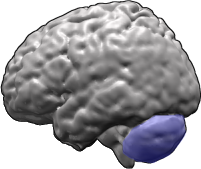
Ataxia espinocerebelar tipo 11
📋 Origem dos dados
Esta página agrega dados de fontes públicas e oficiais. Dados sobre cobertura no SUS (PCDT, CEAF) são verificados ativamente por agente proativo (ver badge no infobox). Demais dados têm atribuição de fonte + data da última sincronização — clique para abrir o original.
- Doença rara (ontologia)
- fonte: Orphanet
- Identificador unificado
- fonte: MONDO
- Genética mendeliana
- fonte: OMIM
- Codificação WHO/SUS
- fonte: WHO ICD-10 / DATASUS
- CID-11 (futuro)
- fonte: WHO ICD-11
- NIH/GARD
- fonte: GARD (NIH)
- Indexação biomédica
- fonte: MeSH (NLM)
- Dado público estruturado
- fonte: Wikidata
- Reposicionamento
- fonte: Drug Repurposing Hub
- Ensaios clínicos
- fonte: ClinicalTrials.gov