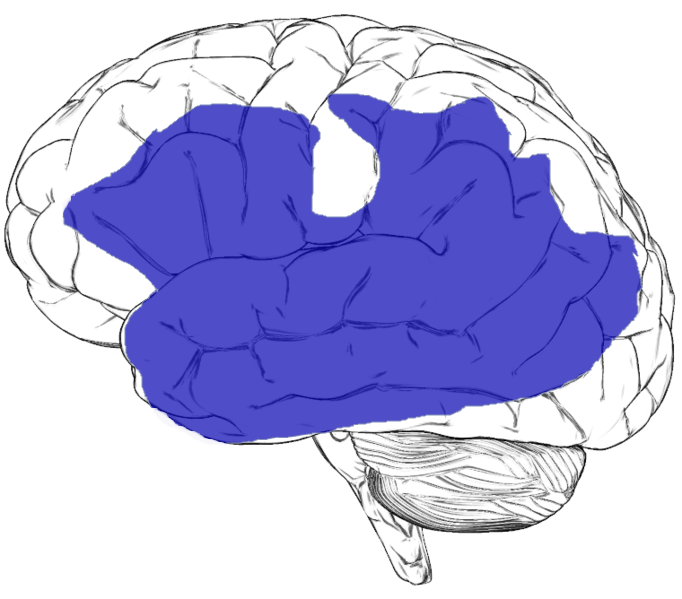
Distúrbio de linguagem caracterizado por dificuldade na aquisição da linguagem, apesar do desenvolvimento normal e na ausência de quaisquer fatores explicativos óbvios.
Introdução
O que você precisa saber de cara
Distúrbio de linguagem caracterizado por dificuldade na aquisição da linguagem, apesar do desenvolvimento normal e na ausência de quaisquer fatores explicativos óbvios.
Encontrou um erro ou informação desatualizada? Sugira uma correção →
Entender a doença
Do básico ao detalhe, leia no seu ritmo
Preparando trilha educativa...
Sinais e sintomas
O que aparece no corpo e com que frequência cada sintoma acontece
Características mais comuns
Os sintomas variam de pessoa para pessoa. Abaixo estão as 8 características clínicas mais associadas, ordenadas por frequência.
Linha do tempo da pesquisa
Encontrou um erro ou informação desatualizada? Sugira uma correção →
Genética e causas
O que está alterado no DNA e como passa nas famílias
Genes associados
1 gene identificado com associação a esta condição.
Polytopic transmembrane protein that inhibits regulated intramembrane proteolysis (RIP) of CREB3L1, inhibiting its activation and the induction of collagen synthesis (PubMed:25310401, PubMed:27499293). In response to ceramide, which alters TM4SF20 membrane topology, stimulates RIP activation of CREB3L1 (PubMed:27499293). Ceramide reverses the direction through which transmembrane helices are translocated into the endoplasmic reticulum membrane during translation of TM4SF20, this mechanism is cal
MembraneEndoplasmic reticulum membrane
Specific language impairment 5
A disorder characterized by a delay in early speech acquisition. It is usually associated with cerebral white matter abnormalities on brain MRI. Some individuals may show disorders in communication, consistent with autism spectrum disorder, or global developmental delay, although others ultimately show normal cognitive function. Penetrance is incomplete and expressivity is variable.
Variantes genéticas (ClinVar)
30 variantes patogênicas registradas no ClinVar.
Diagnóstico
Os sinais que médicos procuram e os exames que confirmam
Tratamento e manejo
Remédios, cuidados de apoio e o que precisa acompanhar
Onde tratar no SUS
Hospitais de referência no Brasil e o protocolo oficial do SUS (PCDT)
🇧🇷 Atendimento SUS — NÃO RARA NA EUROPA: Comprometimento específico de linguagem
Selecione um estado ou use sua localização para ver resultados.
Dados de DATASUS/CNES, SBGM, ABNeuro e Ministério da Saúde. Sempre confirme a disponibilidade diretamente com o estabelecimento.
Pesquisa ativa
Ensaios clínicos abertos e novidades científicas recentes
Pesquisa e ensaios clínicos
Nenhum ensaio clínico registrado para esta condição.
Publicações mais relevantes
The Italian Angelman Syndrome Registry (IReAS): a tool for standardized data collection and genotype-phenotype analysis.
Angelman syndrome (AS) is a rare and heterogeneous genetic disorder characterized by intellectual and psychomotor delay, speech deficits, seizures and behavioural issues. To evaluate the feasibility of collecting data by many Italian centers involved in pathology management, and to investigate the relationship between various symptoms and genotypes, a dedicated AS registry was developed. This study aims to present preliminary findings from the Italian AS registry (IReAS), with a specific focus on exploring genotype-phenotype correlations. The IReAS, established in 2020, aims to collect information from 14 different Italian referral. It includes demography, diagnosis and genetic, patient status, therapeutic interventions and mortality data collection. 213 patients (55.4 % female vs 44.6 % male) were included in the IReAS during the 2020-24 period. Average age at genetic diagnosis was 3.8 years; 63 % of patients was paediatric; 70.4 % of subjects had maternal deletion. Most patients exhibited global developmental delay (100 %), movement disorders (94.8 %), behavioral abnormalities (96.2 %), and a total lack of language development (95.8 %). Epilepsy is also highly prevalent (80.3 %), with a significantly higher incidence in patients with maternal deletion compared to non-deletion groups (88 % vs 61.9 %). The IReAS provides comprehensive data on the diagnosis, genetic subtypes and clinical features of AS patients. It can facilitate genotype-phenotype correlation analyses, offering insights into the AS natural history and potential implications for research on targeted therapies.
Global burden of 292 causes of death in 204 countries and territories and 660 subnational locations, 1990-2023: a systematic analysis for the Global Burden of Disease Study 2023.
Timely and comprehensive analyses of causes of death stratified by age, sex, and location are essential for shaping effective health policies aimed at reducing global mortality. The Global Burden of Diseases, Injuries, and Risk Factors Study (GBD) 2023 provides cause-specific mortality estimates measured in counts, rates, and years of life lost (YLLs). GBD 2023 aimed to enhance our understanding of the relationship between age and cause of death by quantifying the probability of dying before age 70 years (70q0) and the mean age at death by cause and sex. This study enables comparisons of the impact of causes of death over time, offering a deeper understanding of how these causes affect global populations. GBD 2023 produced estimates for 292 causes of death disaggregated by age-sex-location-year in 204 countries and territories and 660 subnational locations for each year from 1990 until 2023. We used a modelling tool developed for GBD, the Cause of Death Ensemble model (CODEm), to estimate cause-specific death rates for most causes. We computed YLLs as the product of the number of deaths for each cause-age-sex-location-year and the standard life expectancy at each age. Probability of death was calculated as the chance of dying from a given cause in a specific age period, for a specific population. Mean age at death was calculated by first assigning the midpoint age of each age group for every death, followed by computing the mean of all midpoint ages across all deaths attributed to a given cause. We used GBD death estimates to calculate the observed mean age at death and to model the expected mean age across causes, sexes, years, and locations. The expected mean age reflects the expected mean age at death for individuals within a population, based on global mortality rates and the population's age structure. Comparatively, the observed mean age represents the actual mean age at death, influenced by all factors unique to a location-specific population, including its age structure. As part of the modelling process, uncertainty intervals (UIs) were generated using the 2·5th and 97·5th percentiles from a 250-draw distribution for each metric. Findings are reported as counts and age-standardised rates. Methodological improvements for cause-of-death estimates in GBD 2023 include a correction for the misclassification of deaths due to COVID-19, updates to the method used to estimate COVID-19, and updates to the CODEm modelling framework. This analysis used 55 761 data sources, including vital registration and verbal autopsy data as well as data from surveys, censuses, surveillance systems, and cancer registries, among others. For GBD 2023, there were 312 new country-years of vital registration cause-of-death data, 3 country-years of surveillance data, 51 country-years of verbal autopsy data, and 144 country-years of other data types that were added to those used in previous GBD rounds. The initial years of the COVID-19 pandemic caused shifts in long-standing rankings of the leading causes of global deaths: it ranked as the number one age-standardised cause of death at Level 3 of the GBD cause classification hierarchy in 2021. By 2023, COVID-19 dropped to the 20th place among the leading global causes, returning the rankings of the leading two causes to those typical across the time series (ie, ischaemic heart disease and stroke). While ischaemic heart disease and stroke persist as leading causes of death, there has been progress in reducing their age-standardised mortality rates globally. Four other leading causes have also shown large declines in global age-standardised mortality rates across the study period: diarrhoeal diseases, tuberculosis, stomach cancer, and measles. Other causes of death showed disparate patterns between sexes, notably for deaths from conflict and terrorism in some locations. A large reduction in age-standardised rates of YLLs occurred for neonatal disorders. Despite this, neonatal disorders remained the leading cause of global YLLs over the period studied, except in 2021, when COVID-19 was temporarily the leading cause. Compared to 1990, there has been a considerable reduction in total YLLs in many vaccine-preventable diseases, most notably diphtheria, pertussis, tetanus, and measles. In addition, this study quantified the mean age at death for all-cause mortality and cause-specific mortality and found noticeable variation by sex and location. The global all-cause mean age at death increased from 46·8 years (95% UI 46·6-47·0) in 1990 to 63·4 years (63·1-63·7) in 2023. For males, mean age increased from 45·4 years (45·1-45·7) to 61·2 years (60·7-61·6), and for females it increased from 48·5 years (48·1-48·8) to 65·9 years (65·5-66·3), from 1990 to 2023. The highest all-cause mean age at death in 2023 was found in the high-income super-region, where the mean age for females reached 80·9 years (80·9-81·0) and for males 74·8 years (74·8-74·9). By comparison, the lowest all-cause mean age at death occurred in sub-Saharan Africa, where it was 38·0 years (37·5-38·4) for females and 35·6 years (35·2-35·9) for males in 2023. Lastly, our study found that all-cause 70q0 decreased across each GBD super-region and region from 2000 to 2023, although with large variability between them. For females, we found that 70q0 notably increased from drug use disorders and conflict and terrorism. Leading causes that increased 70q0 for males also included drug use disorders, as well as diabetes. In sub-Saharan Africa, there was an increase in 70q0 for many non-communicable diseases (NCDs). Additionally, the mean age at death from NCDs was lower than the expected mean age at death for this super-region. By comparison, there was an increase in 70q0 for drug use disorders in the high-income super-region, which also had an observed mean age at death lower than the expected value. We examined global mortality patterns over the past three decades, highlighting-with enhanced estimation methods-the impacts of major events such as the COVID-19 pandemic, in addition to broader trends such as increasing NCDs in low-income regions that reflect ongoing shifts in the global epidemiological transition. This study also delves into premature mortality patterns, exploring the interplay between age and causes of death and deepening our understanding of where targeted resources could be applied to further reduce preventable sources of mortality. We provide essential insights into global and regional health disparities, identifying locations in need of targeted interventions to address both communicable and non-communicable diseases. There is an ever-present need for strengthened health-care systems that are resilient to future pandemics and the shifting burden of disease, particularly among ageing populations in regions with high mortality rates. Robust estimates of causes of death are increasingly essential to inform health priorities and guide efforts toward achieving global health equity. The need for global collaboration to reduce preventable mortality is more important than ever, as shifting burdens of disease are affecting all nations, albeit at different paces and scales. Gates Foundation.
Psychometrics and diagnostics of the Italian version of the Alternate Verbal Fluency Battery (AVFB) in non-demented Parkinson's disease patients.
Verbal fluency (VF) tasks are known as suitable for detecting cognitive impairment (CI) in Parkinson's disease (PD). This study thus aimed to evaluate the psychometrics and diagnostics of the Alternate Verbal Fluency Battery (AVFB) by Costa et al. (2014) in an Italian cohort of non-demented PD patients, as well as to derive disease-specific cut-offs for it. N = 192 non-demented PD patients were screened with the Montreal Cognitive Assessment (MoCA) and underwent the AVFB-which includes phonemic, semantic and alternate VF tests (PVF; SVF; AVF), as well as a Composite Shifting Index (CSI) reflecting the "cost" of shifting from a single- to a double-cued VF task. Construct validity and diagnostics were assessed for each AVFB measure against the MoCA. Internal reliability and factorial validity were also tested. The MoCA proved to be strongly associated with PVF, SVF and AVF scores, whilst moderately with the CSI. The AVFB was internally consistent and underpinned by a single component; however, an improvement in both internal reliability and fit to its factorial structure was observed when dropping the CSI. Demographically adjusted scores on PVF, SVF and AVF tests were diagnostically sound in detecting MoCA-defined cognitive impairment, whilst this was not true for the CSI. Disease-specific cut-offs for PVF, SVF and AVF tests were derived. In conclusion, PVF, SVF and AVF tests are reliable, valid and diagnostically sound instruments to detect cognitive impairment in non-demented PD patients and are therefore recommended for use in clinical practice and research.
Enhanced motor noise in an autism subtype with poor motor skills.
Motor difficulties are common in many, but not all, autistic individuals. These difficulties can co-occur with other problems, such as delays in language, intellectual, and adaptive functioning. Biological mechanisms underpinning such difficulties are less well understood. Poor motor skills tend to be more common in individuals carrying highly penetrant rare genetic mutations. Such mechanisms may have downstream consequences of altering neurophysiological excitation-inhibition balance and lead to enhanced behavioral motor noise. This study combined publicly available and in-house datasets of autistic (n = 156), typically-developing (TD, n = 149), and developmental coordination disorder (DCD, n = 23) children (age 3-16 years). Autism motor subtypes were identified based on patterns of motor abilities measured from the Movement Assessment Battery for Children 2nd edition. Stability-based relative clustering validation was used to identify autism motor subtypes and evaluate generalization accuracy in held-out data. Autism motor subtypes were tested for differences in motor noise, operationalized as the degree of dissimilarity between repeated motor kinematic trajectories recorded during a simple reach-to-drop task. Relatively 'high' (n = 87) versus 'low' (n = 69) autism motor subtypes could be detected and which generalize with 89% accuracy in held-out data. The relatively 'low' subtype was lower in general intellectual ability and older at age of independent walking, but did not differ in age at first words or autistic traits or symptomatology. Motor noise was considerably higher in the 'low' subtype compared to 'high' (Cohen's d = 0.77) or TD children (Cohen's d = 0.85), but similar between autism 'high' and TD children (Cohen's d = 0.08). Enhanced motor noise in the 'low' subtype was also most pronounced during the feedforward phase of reaching actions. The sample size of this work is limited. Future work in larger samples along with independent replication is important. Motor noise was measured only on one specific motor task. Thus, a more comprehensive assessment of motor noise on many other motor tasks is needed. Autism can be split into at least two discrete motor subtypes that are characterized by differing levels of motor noise. This suggests that autism motor subtypes may be underpinned by different biological mechanisms.
SYNGAP1-related developmental and epileptic encephalopathy: The impact on daily life.
SYNGAP1-developmental and epileptic encephalopathy (SYNGAP1-DEE) has been recently featured as a distinct genetic disease characterized by global psychomotor delay mainly involving language, moderate-to-severe cognitive impairment, autism spectrum disorder, and a generalized epilepsy with spontaneous and reflex seizures. The severity and variability of function impairment and the impact on patients' and caregivers' daily life are still poorly acknowledged. The SYNGAP1 Italian Family Association developed a survey, shared online with caregivers, exploring several issues, including: epilepsy outcome, comorbidities, daily-living skills, hospitalizations, rehabilitation treatments, economic burden, and COVID-19 pandemic impact. Caregivers of 13 children and adolescents participated in the survey. They most often show a fine and gross-motor impairment and a drug-resistant epilepsy with possibility to experience pluridaily absence seizures that may lead to periods of psychomotor regressions. Eating and sleep problems are reported in the majority. Most parents are concerned about language impairment, behavioral issues and lack of autonomy in daily-living activities. Specific neuropsychological evaluations for autism should be early considered in order to identify intervention strategies involving alternative communication strategies, which can positively affect behavior and quality of life. Rehabilitation treatment should aim to the acquisition and consolidation of personal autonomy.
Publicações recentes
Optimizing language for effective communication of gene therapy concepts with hemophilia patients: a qualitative study.
A guide to writing systematic reviews of rare disease treatments to generate FAIR-compliant datasets: building a Treatabolome.
Intrinsic excitation-inhibition imbalance affects medial prefrontal cortex differently in autistic men versus women.
Academic criteria for promotion and tenure in biomedical sciences faculties: cross sectional analysis of international sample of universities.
Are monitoring instructions provided in direct healthcare professional communications (DHPCs) of sufficient quality? A retrospective analysis of DHPCs sent out between 2007 and 2018.
📚 EuropePMCmostrando 9
The Italian Angelman Syndrome Registry (IReAS): a tool for standardized data collection and genotype-phenotype analysis.
European journal of medical geneticsGlobal burden of 292 causes of death in 204 countries and territories and 660 subnational locations, 1990-2023: a systematic analysis for the Global Burden of Disease Study 2023.
Lancet (London, England)Enhanced motor noise in an autism subtype with poor motor skills.
Molecular autismPsychometrics and diagnostics of the Italian version of the Alternate Verbal Fluency Battery (AVFB) in non-demented Parkinson's disease patients.
Neurological sciences : official journal of the Italian Neurological Society and of the Italian Society of Clinical NeurophysiologySYNGAP1-related developmental and epileptic encephalopathy: The impact on daily life.
Epilepsy & behavior : E&BIntrinsic excitation-inhibition imbalance affects medial prefrontal cortex differently in autistic men versus women.
eLifeExplaining Age at Autism Spectrum Diagnosis in Children with Migrant and Non-Migrant Background in Austria.
Brain sciencesHigh Frequency of Crossed Aphasia in Dextral in an Italian Cohort of Patients with Logopenic Primary Progressive Aphasia.
Journal of Alzheimer's disease : JADDe novo mutations in MED13, a component of the Mediator complex, are associated with a novel neurodevelopmental disorder.
Human geneticsAssociações
Organizações que acompanham esta doença — pra ter apoio e orientação
Ainda não temos associações cadastradas para NÃO RARA NA EUROPA: Comprometimento específico de linguagem.
É de uma associação que acompanha esta doença? Fale com a gente →
Comunidades
Grupos ativos de quem convive com esta doença aqui no Raras
Ainda não existe comunidade no Raras para NÃO RARA NA EUROPA: Comprometimento específico de linguagem
Pacientes, familiares e cuidadores se organizam em comunidades pra compartilhar experiências, fazer perguntas e se apoiar. Você pode ser o primeiro.
Tire suas dúvidas
Perguntas, dicas e experiências compartilhadas aqui na página
Participe da discussão
Faça login para postar dúvidas, compartilhar experiências e interagir com especialistas.
Fazer loginDoenças relacionadas
Doenças com sintomas parecidos — ajudam quem ainda está buscando diagnóstico
Referências e fontes
Bases de dados externas citadas neste artigo
Publicações científicas
Artigos indexados no PubMed ligados a esta doença no grafo RarasNet — título, periódico e PMID direto da fonte, sem intermediação de IA.
- The Italian Angelman Syndrome Registry (IReAS): a tool for standardized data collection and genotype-phenotype analysis.
- Global burden of 292 causes of death in 204 countries and territories and 660 subnational locations, 1990-2023: a systematic analysis for the Global Burden of Disease Study 2023.
- Psychometrics and diagnostics of the Italian version of the Alternate Verbal Fluency Battery (AVFB) in non-demented Parkinson's disease patients.Neurological sciences : official journal of the Italian Neurological Society and of the Italian Society of Clinical Neurophysiology· 2024· PMID 38467953mais citado
- Enhanced motor noise in an autism subtype with poor motor skills.
- SYNGAP1-related developmental and epileptic encephalopathy: The impact on daily life.
- Optimizing language for effective communication of gene therapy concepts with hemophilia patients: a qualitative study.
- A guide to writing systematic reviews of rare disease treatments to generate FAIR-compliant datasets: building a Treatabolome.
- Intrinsic excitation-inhibition imbalance affects medial prefrontal cortex differently in autistic men versus women.
- Academic criteria for promotion and tenure in biomedical sciences faculties: cross sectional analysis of international sample of universities.
- Are monitoring instructions provided in direct healthcare professional communications (DHPCs) of sufficient quality? A retrospective analysis of DHPCs sent out between 2007 and 2018.
Bases de dados e fontes oficiais
Identificadores e referências canônicas usadas para montar este verbete.
- ORPHA:458713(Orphanet)
- MONDO:0000724(MONDO)
- Variantes catalogadas(ClinVar)
- Busca completa no PubMed(PubMed)
- Artigo Wikipedia(Wikipedia)
Dados compilados pelo RarasNet a partir de fontes abertas (Orphanet, OMIM, MONDO, PubMed/EuropePMC, ClinicalTrials.gov, DATASUS, PCDT/MS). Este conteúdo é informativo e não substitui avaliação médica.
Conteúdo mantido por Agente Raras · Médicos e pesquisadores podem colaborar